
From Donald Trump and his new team, mixed signals on climate change
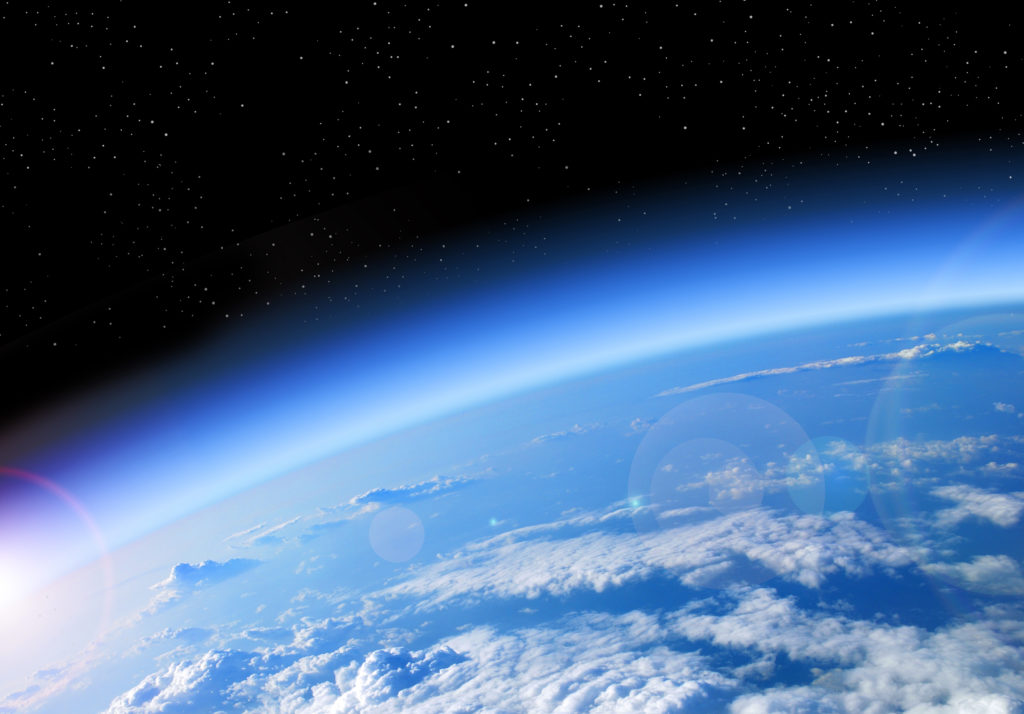
He brushed off climate change as a Chinese hoax, then called it the real deal and finally declared that “nobody really knows.” Donald Trump is sending mixed signals on whether or how he will try to slow Earth’s warming temperatures and rising sea levels. Since he was elected, Trump has met with prominent climate activists Al Gore and Leonardo DiCaprio. He’s suggested his daughter Ivanka, a close adviser, has a particular interest in the issue and could be his envoy. But he has also tapped oil industry champions for his Cabinet, men who say they’re determined to reverse President Barack Obama‘s efforts to rein in emissions. The pushback has already started. Environmentalists were outraged by the Trump transition team’s decision to ask the Energy Department for a list of staffers who worked on climate change – a request the administration refused out of concern it could be used to try to purge climate-change believers. Trump’s team later said the questionnaire “was not authorized” and that the person responsible had been “counseled.” Yet if Trump’s record on climate change is complex, in his administration, he won’t be the only one. Two days after Trump was elected, oil giant Exxon Mobil tweeted a declaration of support for the Paris deal, a global emissions-cutting pact that marks the biggest step the world has taken to date on climate. Weeks later, Trump tapped Exxon CEO Rex Tillerson to be secretary of state, a position putting Tillerson at the helm of U.S. efforts to implement – or scuttle – the Paris deal. Though environmentalists often vilify Exxon, Tillerson almost surely signed off personally on the tweet, said individuals familiar with Exxon’s structure and operations, who weren’t authorized to comment publicly and requested anonymity. And under Tillerson’s leadership, Exxon has started planning for climate change and even voiced support for a carbon tax. So, in a strange twist, Trump’s selection of an oil magnate for chief diplomat has been reassurance to some that the next administration may not herald the end of climate change efforts that burgeoned under Obama. “Tillerson is probably the least-bad choice among a lot of bad options,” said Andrew Logan of Ceres, a coalition of institutional investors concerned about climate change. “Tillerson could be a moderating influence on Trump, keeping things from being as disastrous as they otherwise might be.” Democratic attorneys general have been suing Exxon over allegations the company for decades concealed its own scientific research showing climate change was occurring. Tillerson, in public comments, has explicitly acknowledged climate change and said the risks could be “significant,” but has suggested it’s a low priority. “There are much more pressing priorities that we as a human being race and society need to deal with,” Tillerson said in 2012, citing people living in poverty who he said would benefit from cheap energy. Other Trump picks are openly hostile to calls to act on climate. His choice to run the Environmental Protection Agency – responsible for domestic emissions-cutting measures – is Oklahoma Attorney General Scott Pruitt, a vocal denier of climate change science. The vast majority of peer-reviewed studies and climate scientists agree the planet is warming, mostly due to man-made sources. But Pruitt has sued the EPA repeatedly to stop its climate agenda, including Obama’s sweeping power plant rules. And Trump’s nominee to run the Energy Department, former Gov. Rick Perry, also has questioned climate science while working to promote coal-fired power in Texas. Though Perry, like Tillerson and Pruitt, has close ties to the oil industry, he also oversaw the growth of renewable power in Texas, which became the lead wind-energy producer while he was governor. Perry in 2012 famously called for abolishing the Energy Department, which plays a major role funding clean energy projects. Under Obama, the U.S. has dramatically ramped up production of renewable energy from sources like solar, in part through Energy Department grants. Amy Myers Jaffe, an energy policy expert at the University of California-Davis, said Trump’s administration is likely to embrace Tillerson’s view that engineering and innovation, not government, are the solution. She said the falling cost of clean energy and desire of companies to appear climate-friendly are likely to produce those changes anyway. “The common denominator looking at Trump’s appointments so far is that there’s clearly a sentiment that the energy sector is overregulated, and therefore we could probably expect a rollback,” Jaffe said. “But I think we’re getting to the point where some of these technologies can stand on their own.” Yet those looking to Trump for clarity won’t find it – at least not yet. In a television interview last week, Trump said he was still “studying” the Paris pact to determine whether to pull the U.S. out, as he threatened during the campaign. And asked about the science of climate change, Trump demurred. “I’m still open-minded,” Trump said. “Nobody really knows.” Republished with permission of The Associated Press.
Updates from the 1st presidential debate

The Latest on the first of three presidential debates between Democrat Hillary Clinton and Republican Donald Trump (all times EDT): 10:45 p.m. Both candidates concluded the first presidential debate by saying they will accept the outcome if the other wins. Hillary Clinton spoke directly to viewers and said, “It’s not about us, it’s about you.” Donald Trump initially dodged the same question, saying he would make a “seriously troubled” America “great again.” He added: “I’m going to be able to do it. I don’t believe Hillary Clinton will.” But Trump finished his answer by saying that if Clinton wins, “I will absolutely support her.” ___ 10:43 p.m. Hillary Clinton is punching back at Donald Trump’s assertions that she doesn’t have the “stamina” to be president. Trump has questioned whether Clinton has the physical fitness to be president and he repeated the criticism to her directly during the debate. Clinton’s response? Trump shouldn’t talk about stamina until he’s tried out the busy schedule she kept up as secretary of state. Trump didn’t answer moderator Lester Holt’s original question about his past comments that Clinton doesn’t have the “presidential look.” Clinton suggested the remarks were about gender, and she reminded the crowd of Trump’s past comments calling women “pigs” and other derogatory names. ___ 10:42 p.m. Donald Trump says NATO needs to “go into the Middle East with us” to combat the Islamic State group. And he is taking credit for NATO focusing resources on combating terrorism. In fact, the alliance agreed in July to contribute aircraft and conduct training in Iraq and has increased intelligence coordination there. And NATO set up an anti-terrorism program in 2004 — years before Trump criticized them as a presidential candidate. Earlier this year, Trump criticized NATO for not focusing on terrorism. He said that afterward, he saw an article reporting that NATO was opening a new, major anti-terrorism division. He said Tuesday that NATO’s action was “largely because of what I was saying, and my criticism of NATO.” ___ 10:40 p.m. Donald Trump is avoiding a specific declaration on how he would use nuclear weapons if he’s elected president. The Republican nominee said during the first presidential debate that he “would not do first strike” because “once the nuclear alternative happens, it’s over.” That statement suggests he would not authorize a nuclear attack unless the U.S. was struck first. But in the same answer Trump said he “can’t take anything off the table.” He mentioned adversary nations such as North Korea and Iran. President Barack Obama has considered changing existing policy to state clearly that the United States would not deploy nuclear weapons without first being attacked by nuclear weapons. But he met resistance and has elected not to make such a shift. ___ 10:38 p.m. Hillary Clinton is accusing Donald Trump of being too easily provoked to keep the United States from going to war — perhaps even one involving nuclear weapons. Trump says: “I have much better judgment than she does. I have much better temperament.” That drew laughs from some in the debate crowd, and prompted Clinton to exclaim: “Woo! OK!” Clinton then pivoted to policy, defending the U.S.-led war in Afghanistan. Clinton said Iran was “weeks away” from a nuclear bomb when she became secretary of state — and says the Obama administration thwarted that progress. She continued that Trump didn’t have “good judgment or the right temperament” because he could take the country to war over small issues, like being mocked on Twitter. ___ 10:35 p.m. Donald Trump is continuing to insist he opposed the Iraq War before the U.S. invasion despite evidence to the contrary. Trump says during the debate that he “did not support the war in Iraq,” calling that charge “mainstream media nonsense.” But there is no evidence Trump expressed public opposition to the war before the U.S. invaded. Trump was asked in September 2002 whether he supported a potential Iraq invasion in an interview with Howard Stern. Trump briefly hesitated, then responded: “Yeah, I guess so.” Presented with the comment during the debate, Trump responds: “I said very lightly, I don’t know, maybe, who knows.” He’s also telling reporters to call Fox News host Sean Hannity to confirm private conversations he said they had about the war. Hannity is a top Trump supporter. Clinton voted in favor of the invasion in 2002 while she was a New York senator. She has since said it was a mistake. ___ 10:27 p.m. Donald Trump is interrupting the moderator of the first presidential debate to insist he has the best temperament for the office. Trump repeatedly made the assertion after clashing with moderator Lester Holt over his early support for the Iraq War. Then he segued to his temperament. “I think my strongest asset by far is my temperament,” Trump said. “I know how to win.” Clinton and her allies have repeatedly hit Trump over his temper and inability to take criticism. ___ 10:23 p.m. Hillary Clinton says one key to fighting terrorism in the United States is working closely with Muslims living here. Clinton says Donald Trump has “consistently insulted Muslims abroad, Muslims at home.” She says Muslim people can provide information that law enforcement may not be able to obtain anyplace else. Both candidates were asked to explain how they would combat terrorism in the U.S. Clinton says her plan includes an intelligence surge to obtain “every scrap of information” and to “do everything we can to vacuum up intelligence from Europe, from the Middle East.” ___ 10:20 p.m. Hillary Clinton says defeating the Islamic State group and taking out its leaders would be a top priority as president. Clinton says she’s hopeful the Islamic State group would be pushed out of Iraq by the end of the year. She says the U.S. could then help its allies “squeeze” the terrorist group in Syria. Clinton says she would do everything possible to take out the group’s leaders, and make that one of her administration’s organizing principles
Daniel Sutter: Should we criminalize global warming skepticism?
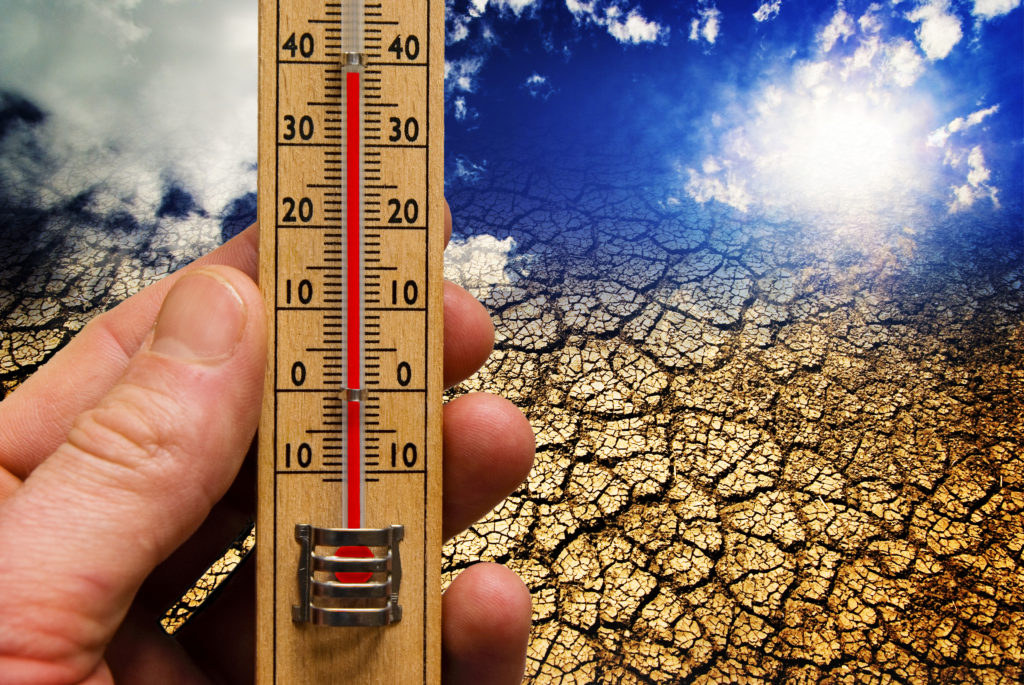
Is Exxon-Mobil a criminal organization? The attorneys general (AGs) of New York and Massachusetts apparently think so. These AGs may also believe that engaging in public discourse on this very significant policy issue is criminal. Sixteen Democratic AGs announced a joint investigation of Exxon this past March. The allegations involve Exxon’s denial of the consequences of global warming and opposition to the Obama administration’s climate change policies. The AGs have also left open the door to legal action against others delaying action on climate change. The legal basis of the Exxon probe is inadequate disclosure of the risks of global warming in reports to stockholders. Corporations issue annual reports for their stockholders explaining the current condition and future outlook for the company, including future risks. So, for instance, a corporation will disclose pending lawsuits against it, as well as an estimate of how much the claims might eventually cost. As part of the investigation, a dozen policy organizations, including the Competitive Enterprise Institute (CEI) and the Heartland Institute, were subpoenaed for correspondence with Exxon going back to at least 1997. CEI and Heartland have argued against aggressive policy action to combat global warming. (For full disclosure, I once wrote a policy study for CEI on global warming and the costs of hurricanes.) The AGs have offered a parallel to tobacco companies’ hiding evidence on the risks of smoking. But the cases differ significantly. Tobacco companies conducted and withheld research studies showing the risks of smoking, while publicly denying the health risks in spite of the evidence. Adequate disclosure in their annual reports was secondary — the real offense was withholding evidence. Alex Esptein of the Center for Industrial Progress (one of the subpoenaed organizations), author of the excellent book “The Moral Case for Fossil Fuels,” has pointed out how global warming differs. Persons labelled “climate change deniers” argue using government data and papers published in academic journals. Epstein, CEI, and others simply draw different conclusions from the data and studies used by the Intergovernmental Panel on Climate Change (IPCC). Exxon is not sitting on studies “proving” the validity of human-caused warming. President Barack Obama often cites a 97 percent scientific consensus on global warming, so is there really a valid debate? I am an economist, so my opinion on the climate science underlying global warming doesn’t really matter. Surveys touting the 97 percent claim typically ask a very narrow question about whether warming is occurring and humans are contributing. This is not in doubt. The case for aggressive policy action depends entirely on how much warming will occur and how costly it might prove. These questions are reasonably debatable. Satellites provide the most accurate measurement of the Earth’s temperature, and show an increase in global temperatures since the start of these records in 1979. But the increase since 1990, the date of the first IPCC report, has been less than half of that predicted by leading climate models. A 2015 paper in the Scientific Bulletin argues the climate models may run hot because they were built from engineering models including positive feedback loops, or in other words, may be a feature of the models, not the world. And the appropriate response to warming would involve economic factors beyond the scope of climate science. I think that the Democratic AGs are essentially threatening prosecution of opponents of the Obama administration’s climate change policies. The Democratic AGs have been called out by some of their fellow AGs for this. Thirteen AGs, led by Alabama’s Luther Strange, released a letter in June noting the “substantial First Amendment concerns” raised by a prosecution on a policy issue on which “a vigorous debate exists in this country.” Appreciation of the importance of freedom of speech in the search for truth goes back to at least John Milton and John Stuart Mill. Our democracy is based on citizens’ freedom to campaign against current officeholders and their policies in the next election. Global warming skeptics may be wrong. The proper response to an incorrect argument, however, is a better argument, not subpoenas and threats of criminal prosecution. ••• Daniel Sutter is the Charles G. Koch Professor of Economics with the Manuel H. Johnson Center for Political Economy at Troy University and host of “Econversations” on TrojanVision. The opinions expressed in this column are the author’s alone and do not necessarily reflect the views of Troy University.
Bradley Bryne blocks Obama from using offshore drilling revenue to implement climate program
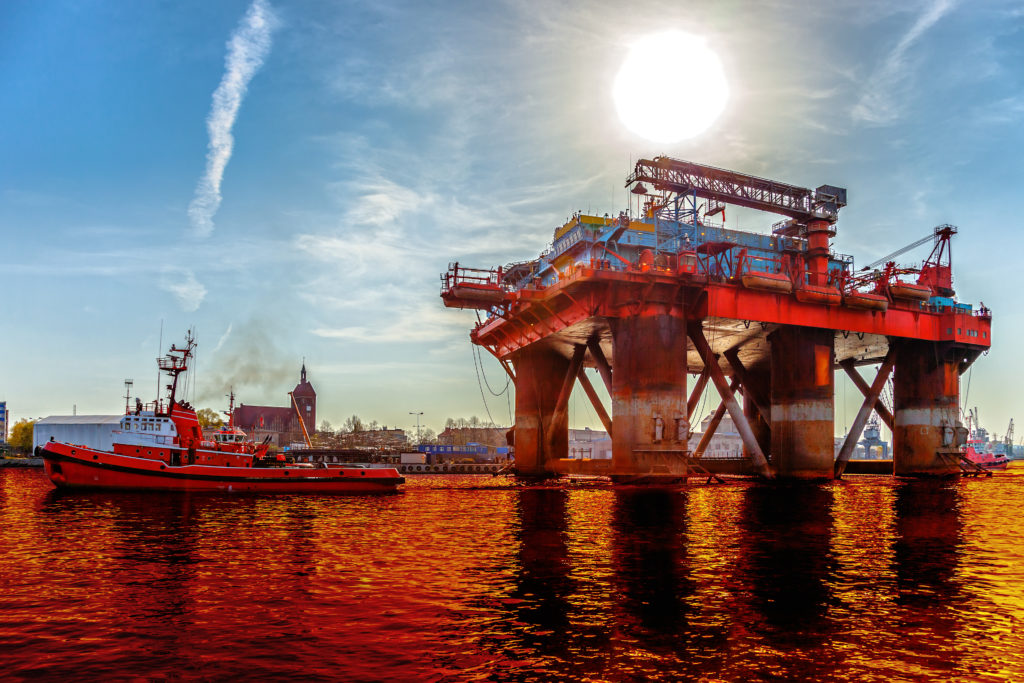
The U.S. House of Representatives on Tuesday adopted an amendment to block the Obama administration’s proposal to transfer money away from Alabama and other Gulf states to help fund the president’s “Coastal Climate Resilience” program that would help communities “prepare for and adapt to climate change.” The amendment, introduced by Alabama 1st District U.S. Rep. Bradley Bryne, prohibits any efforts to redirect funds allocated under the Gulf of Mexico Security Act (GOMESA) of 2006. GOMESA allows four Gulf states — Alabama, Louisiana, Mississippi and Texas — to receive 37.5 percent of federal oil revenue from drilling off their coasts, capped at $500 million a year, beginning in 2017. In February, President Barack Obama proposed transferring GOMESA money away from the Gulf States to pay for the Coastal Climate Resilience program by redirecting the funds toward climate projects, including $400 million to help Native American tribes in Alaska deal with climate change. Calling the GOMESA payments “unnecessary and costly” the Obama administration has complained they go to only a “handful of States under current law.” Meanwhile, GOMESA states argue they have long received a lower percentage of revenue than interior states for federal drilling within their borders, explaining the money will help offset damage to the environment and infrastructure caused by oil drilling. Prior to the amendment’s passage, Byrne spoke on the House floor in support of it. “These Gulf States not only provide a significant share of the infrastructure and workforce for the industry in the Gulf, but they also have inherent environmental and economic risks,” said Byrne. “Unfortunately, in his budget proposal this year, President Obama recommended that the money be taken away from the Gulf States and instead be spread around the country to implement his radical climate agenda.” Byrne continued, “Not only does this proposal directly contradict the current federal statute, it vastly undermines the purpose of the law — to keep revenues from these lease sales in the states that supply the workforce and have the inherent risk of a potential environmental disaster.” The amendment passed by unanimous voice vote. Watch Byrne’s floor speech on the amendment below:
Pew Research: Republicans, Democrats have starkly different foreign affairs priorities

A new comprehensive study on American views on foreign affairs finds to no surprise that Republicans are from Mars and Democrats from Venus, but also finds Republican presidential candidate Donald Trump‘s supporters more isolationist than anyone. The survey, released Thursday by the Pew Research Center, finds that Democrats consider the nation’s biggest global fears to be climate change, ISIS, cyberattacks and disease pandemics, and few lose much sleep over threats to the United States from Syrian refugees, China or Russia. Republicans, on the other hand, worry about just about every global menace except climate change, and their biggest concerns are ISIS, cyberattacks, Syrian refugees, and global economic instability. The same survey breaks out foreign affairs issues by candidate supporter, and finds Trump’s supporters far less likely than other candidates’ to want to see the United States intervene militarily or economically in other countries. Trump supporters are most likely to want to see the United States spend more on the war on terror and more on the U.S. military, while also saying America is already too involved overseas. Trump supporters mainly want to see America provide foreign aide. Overall, the survey found a relatively broad isolationist viewpoint. “The public views America’s role in the world with considerable apprehension and concern. In fact, most Americans say it would be better if the U.S. just dealt with its own problems and let other countries deal with their own problems as best they can,” Pew reports in its survey, “Public Uncertain, Divided Over America’s Place in the World,” posted Thursday. Among the lengthy report’s findings: Overall, 45 percent of Americans think military spending should stay about as it is, while 35 percent believe that it should be increased and 24 percent think it should be decreased. There is a dramatic split by party, however; 61 percent of Republicans think military spending needs to be increased, compared with 31 percent of independents and 20 percent of Democrats. Overall, 57 percent of Americans think the U.S. should deal with its own problems for now, and 37 percent believe that it should help other countries with their problems. Similarly, 41 percent of Americans think the country is doing too much to support other countries, 28 percent think the current programs are just about right, and 27 percent think they’re not enough. 65 percent of Trump supporters believe U.S. foreign aid is a bad thing, while 55 percent of Democrat Hillary Clinton supporters think it’s a good thing. Supporters of Democrat Bernie Sanders and now ex-candidates Republicans U.S. Sen. Ted Cruz and Ohio Gov. John Kasich are all pretty evenly split on the question. Overall, 54 percent of Americans think the United States is the world’s leading economic power; followed by 34 percent who believe it is China; 6 percent, Japan; and 2 percent the European Union. Overall, 72 percent of Americans think the United States is the world’s leading military power; followed by 12 percent who believe it is China, 10 percent, Russia; and 2 percent the European Union. 91 percent of Republicans think that ISIS and similar groups are a major threat to U.S. security, while 76 percent of both Democrats and independents think that. 77 percent of Democrats believe climate change is a major threat to U.S. security, compared with 52 percent of independents and 26 percent of Republicans. 77 percent of Trump supporters sympathize with Israel and 10 percent with Palestinians. For Clinton supporters the split is 47 to 27 percent; For Sanders supporters it’s 33 to 39 percent. Trump and Clinton supporters generally agree on the balance between homeland protection measures and civil liberties, while Sanders supporters disagree: 66 percent of Trump’s supporters think the country’s anti-terrorism policies have not gone far enough, and 20 percent think too far, threatening civil liberties. For Clinton’s supporters the split is 51 to 35 percent, while for Sanders’ its 33 to 51 percent. 54 percent of Trump’s supporters think the U.S. does too much to try to solve the world’s problems. For Clinton’s supporters, it’s 34 percent and for Sanders’, 42 percent. Overall, 41 percent of Americans think so. Overall, 49 percent of Americans think that U.S. involvement in the global economy is a bad thing, and 44 percent a good thing. The opposition was more pronounced among Republicans, older people and people with limited educations. People ages 18 to 29, college graduates and liberals were the only groups that mostly thought involvement in the global economy is a good thing. Landslide majorities of Trump’s supporters oppose the U.S. importing more goods, increasing investment in developing countries and increasing foreign aid. Strong majorities, sometimes over 60 percent, of both Clinton’s and Sanders supporters support those policies. 85 percent of Trump’s supporters think the Syrian/Iraqi refugee crisis is a significant threat to America, while only 40 percent of Clinton’s supporters think so, and only 34 percent of Sanders’. Strong majorities of every party and candidate constituency support the current U.S. military campaign against ISIS, ranging from 56 percent of Sanders’ supporters to 66 percent of Trump’s supporters. But almost no group majority believes that the anti-ISIS campaign is actually going well, except for Clinton’s supporters (57 percent.) The biggest difference by party is on the question of whether overwhelming use of military force against global terrorism is a good thing or bad thing. Republicans think it is the best way to defeat terrorism, by 70 percent to 24 percent. Democrats think it would only inspire more worldwide hatred of the U.S., leading to more terrorism, by 65 percent to 31 percent. Independents were pretty split, leaning slightly toward worrying about fostering worldwide hatred (49 percent to 45 percent.) Most of the analysis in the Pew report is based on telephone interviews conducted April 12-19 among a national sample of 2,008 adults, 18 years of age or older, living in all 50 U.S. states and the District of Columbia (505 respondents were interviewed on a landline telephone, and 1,503 were interviewed on a cellphone, including 914 who had no landline telephone). Some
Paris climate talks: 5 things you need to know to catch up
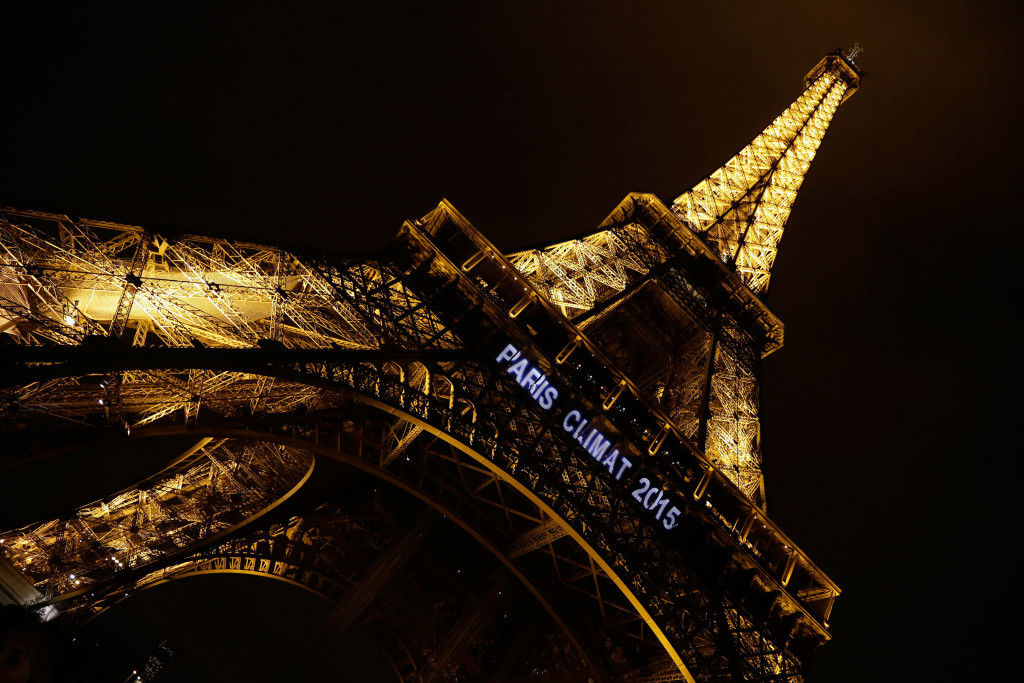
The multi-national, two-week United Nations climate summit in Paris — 21st Conference of Parties (COP21) — is halfway over. There, more than 30,000 diplomats and delegates have been hard at work in efforts to stave off the consequences of global climate change. The summit, scheduled to wrap-up Friday, Dec. 11, marks the largest gathering of world leaders in history. “Never have the stakes of an international meeting been so high, since what is at stake is the future of the planet, the future of life,” President François Hollande of France told a packed United Nations plenary session last week. Haven’t been following the summit? Here are the top five things you need to know to catch-up on what’s been happening the past 10 days: U.S. pledges to double aid to climate-hit countries. Secretary of State John Kerry pledged the United States will double its spending on climate change grants for developing nations and will spend up to $860 million in grant-based funding for developing countries by 2020. Negotiators have released a new, shorter draft of the international climate accord. Down to 29-pages, from the previous 43-page version, the new draft still has roughly 100 spots where decisions must still be made. Protesters hold sit-in against the new draft agreement. According to the Associated Press, “Hundreds of protesters have held a sit-in demonstration against a new draft agreement released Wednesday at the Paris climate talks.” China accused of blocking progress at talks. Chinese negotiators have been accused of trying to weaken the new global climate agreement. The big issue? The proposed accord requires each nation to update the United Nations (UN) on the pledges they have made to limit their carbon dioxide (CO2) emissions. Obama blames the United States. President Barack Obama attended the climate talks last week, where he said the United States was at least partly to blame for the life-threatening damage bought on by global climate change.
At Miami climate summit, Al Gore and Debbie Dooley make strange political bedfellows
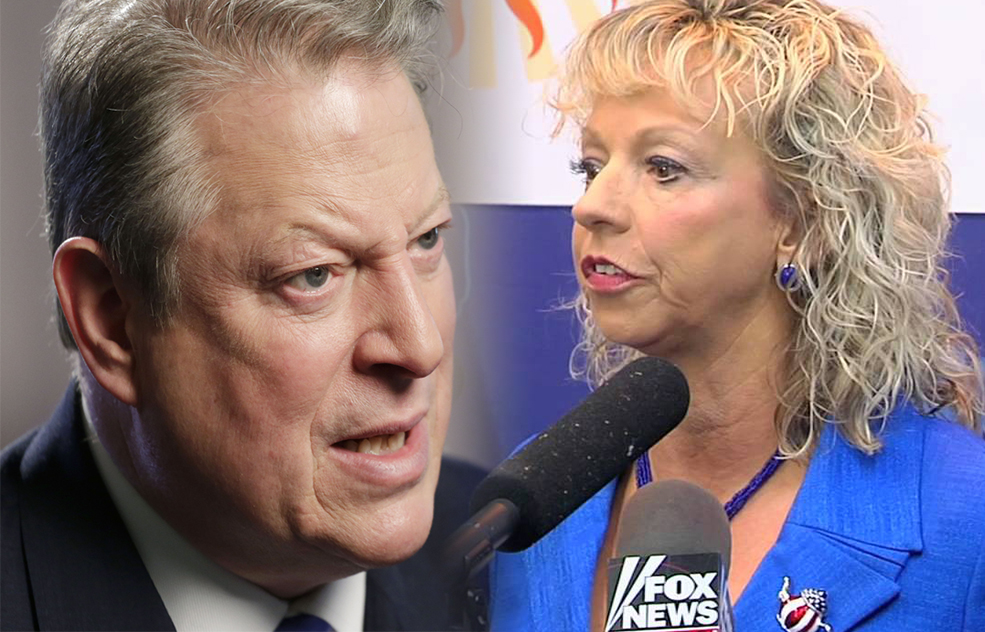
A group of environmentalist political activists – “diverse,” to say the least – continued their conference at the Hyatt Regency in Miami on Wednesday. Continuing subsidies for solar and defeating the Koch Brothers were common themes center stage at a panel entitled “Solar Energy in Florida.” The panel, which included former Vice President Al Gore, Sierra Club leader Tom Larson, and Tea Party-turned-environmental activist Debbie Dooley, spoke stridently in favor of the environmentalist group’s amendment to liberalize state law regarding residential solar panels – and against Consumers for Smart Solar‘s counter-amendment. Speaking about the key strategic importance of allowing third-party sales via purchase agreements with outside vendors, which is illegal in Florida, Larson said “We are literally in a war. Solar is expanding, but there are lots of people who want to choke it in the crib. They want to kill it off early.” Despite claims by Floridians for Solar Choice that they are not for subsidies and mandates, Larson was quick to point out how important and necessary they are saying, “One of the things that matters most right now is the federal Investment Tax Credit, the ITC. It’s going to be up for renewal next year – we have got to be engaged in that debate.” “That is where people have been able to get a 30 percent federal tax credit if they put solar on their homes, which dramatically decreases the cost of solar, to incentivize this.” “There are forces that are trying to roll back the Investor Tax Credit next year and we have got to stand up and fight for that.” “The other thing that net metering – that’s where you put solar on your home and you sell [the energy] back to the grid – but now the utilities have decided ‘wait, wait wait – we’re in the business of selling electrons. Now all the sudden we’re reversing the flow’?” Larson cited a poll commissioned by the Southern Alliance for Clean Energy (SACE) which he says showed 82 percent of Floridians “want solar,” though they may or may not want his amendment. A recent Florida Chamber poll showed his group’s amendment was less popular among likely voters than that of rival group Consumers for Smart Solar. “There is no better time to run something like this in Florida than in a presidential year,” said Larson, referring to the more liberal orientation of voters in those years than in mid-term cycles. Larson said the group is on track to meet the requirements for inclusion on the 2016 ballot. Next it was former Vice President Al Gore‘s turn to assess the solar energy debate in Florida. “All over the world, there is this battle by the old, dinosaur, coal-burning fuel elites to keep their monopoly,” said Gore, who compared the utilities’ opposition to Floridians for Solar Choice’s amendment to that of Big Tobacco’s stance in the 20th century that cigarettes are not dangerous. In the beginning of mass electricity utilities, governments developed “Regulatory compacts, so that they would try to organize things in the right way, and see that it was fair and just for [utilities] to have a monopoly on all these power lines, because you don’t want a bunch of Gumbys plugging up all the holes in the lines, so there’s a natural monopoly there.” “But they also have a monopoly on the source of all the electricity flowing into that grid and their relationship with customers and all the services that are involved. But the world has changed in the last hundred years. There’s no longer a reason to give them a monopoly on the source of all the energy that flows into the grid.” “It really is outrageous,” said Gore. Next up to have her say was Debbie Dooley, founder of the Green Tea Coalition or as Gore calls it, “the Green Tea Party.” Dooley is a self proclaimed Republican activist who spends nearly all of her time these days speaking on behalf of conservatives alongside some of the nations most liberal environmentalist. Dooley who says her conservative principles led her to join the fight, along with natural enemies like Gore and the environmentalist movement, for increased access to residential solar panels. “I would just like to say one thing,” said Dooley when opposition from Americans For Prosperity was raised by another speaker. “Americans for Prosperity is a Koch-funded group. A lot of these groups throw principles out the window. 60 Plus, they’re very active in Florida. This is a group, on a national level, that complains about excessive regulation yet in Louisiana and in Florida they complain that solar isn’t regulated therefore consumers are not protected.” “Recently, Florida Power & Light wrote a million-dollar check to Jeb Bush’s super PAC,” noted Dooley, who later said in a question-and-answer session that her favored candidate in the 2016 GOP primary was “whoever the Koch brothers are not supporting.” She went on to say that both Florida natives Marco Rubio and Jeb Bush get Koch support. After a brief back-and-forth discussing strange political bedfellows between Dooley and Gore briefly she said, “Three activists and the regional director of 60 Plus crashed [a recent event where Dooley was speaking]… I gave the talking points and called out the hypocrisy that they oppose solar subsidies but didn’t say a word about the subsidies fossil fuels has received…” “Forty-four times larger than solar,” Gore interrupted. “At the same meeting, I had two activists come up to me who said ‘You changed our minds’,” said Dooley, who was met with a “Yay!” from Gore and cheers from the Miami crowd. Florida Politics reached out to 60 Plus Association‘s Apryl Marie Fogel about Dooley’s comments who responded saying, “If Debbie Dooley spent half as much time fighting for consumer protections and lower energy rates as she does fighting her personal war against the Koch brothers and shilling for solar companies she could possibly not have to resort to such baseless lies and far fetching stories.” Fogel explained that the event she “crashed” was open to the public and that she and guests politely listened to the presentation along with about 6 other general guests and two dozen solar employees and
5 things you need to know about Congress this week: 9/25/15
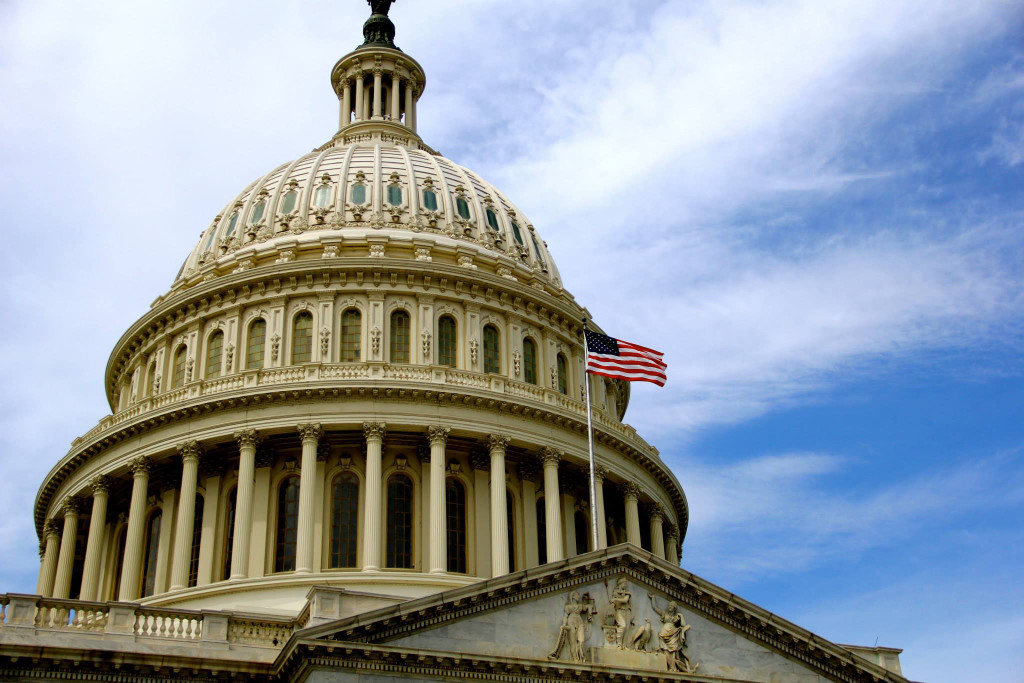
It may have had a slow start, preparing for Pope Francis, but this week in Congress turned out to be a game-changer. Here are five things that happened in Congress this week that you need to know: House Speaker John Boehner announces resignation The 13-term Ohio Congressman who led the Republican party to an impressive House majority in 2010 and again in 2012, announced he’s stepping down as Speaker of the House and will resign from Congress at the end of October. Why it matters? With a possible government shutdown on the line, over Planned Parenthood funding, Boehner was working toward a budget agreement that would avert another government shutdown whilst facing significant pushback from the conservatives in the party who were threatening to unseat him as Speaker if he acted against their wishes. Now, Boehner can simply pass a deal with the help of Democrats to keep the government from shutting down on Sept. 30. McConnell’s cloture dilemma Senate Majority Leader Mitch McConnell has yet again come up short in finding the necessary 60 votes to move forward bills by cloture. Thursday, McConnell’s effort to move a bill that would fund the government through Dec. 11, while redirecting federal funding for Planned Parenthood to other community health providers, failed 47-52. Why it matters: Earlier this month McConnell failed to find the votes to invoke cloture over the President’s Iran nuclear deal, coming up two votes shy of ending debate. With more significant votes on the horizon, McConnell must work even harder to corral the disappointed caucus and move legislation forward in order to prove the success of the new Senate leadership as we prepare to enter a presidential election year. Pope Francis addresses Congress Making history, the pope gave a 50-minute speech to a join session of Congress, where he touched on several controversial themes of his papacy in front of lawmakers — immigration, the refugee crisis, climate change and the death penalty — calling on the deeply divided Congress to come together and renew a “spirit of fraternity and solidarity, cooperating generously for the common good.” Why it matters: Pope Francis not only became the first-ever pontiff to address a joint-session of Congress, but he also had the ear of both chambers, an honor typically reserved to the President of the United States and other global political leaders. NSA Chief testifies that Hillary Clinton emails were an ‘opportunity’ for foreign spy agencies During a hearing on the NSA, GOP Senator Tom Cotton queried National Security Agency Director Mike Rogers with a series of questions related to Hillary Clinton’s use of a private email server at her home for communications as secretary of state. Why it matters: Once the overwhelming favorite for the Democratic party’s presidential nomination, Hillary Clinton again finds her campaign efforts overshadowed by her decision to use a private email server while Secretary of State. This has left some Democrats to look for an alternative — primarily the undeclared Vice President Joe Biden and Vermont Sen. Bernie Sanders. Senate Democrats offer climate change bill The same week China announced its promise to create the globe’s largest cap-and-trade program in order to help developing countries slash their greenhouse gas emissions, Senate Democratic leaders unveiled their own climate change plan. Their measure that calls for the reduction of greenhouse gas emissions by 2 percent annually through 2025 — a cut even greater than the controversial goal set by the Obama administration. Why it matters: While the bill doesn’t stand a chance of passing with a Republican-controlled Congress, Senate Democrats believe their aggressive climate change efforts will help them win the hearts of countries around the globe, and ultimately American voters who will elect them to take back control of the Senate in 2016.
Email Insights: Jeff Sessions says Obama climate agenda is ‘driving up the cost of Americans’ whole existence
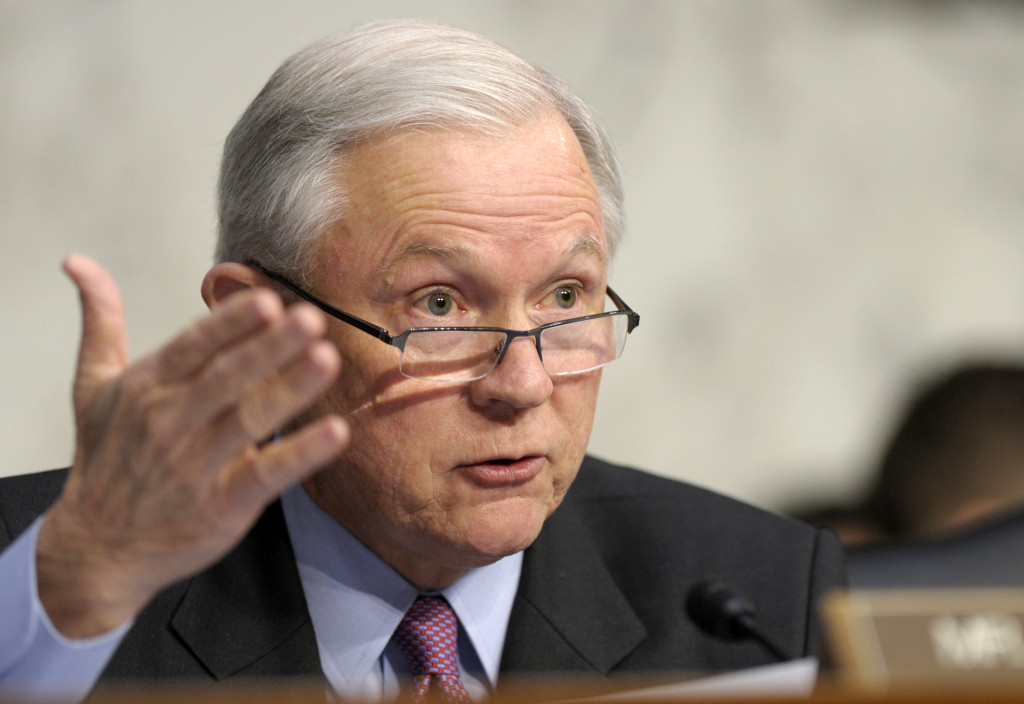
U.S. Sen. Jeff Sessions continues to take a stand for the American people. This time, he’s questioning Obama’s climate agenda and how it’s taking a toll on the American people. In an email Wednesday afternoon, Sessions released the following video from a Senate Environment and Public Works Committee hearing where he questioned Prof. Jeremy Rabkin, professor of law at George Mason University School of Law. “The American people are getting frustrated that we have individuals executing policies that affect their everyday life, driving up the cost of their whole existence, based on legal theories that are so tenuous as to be almost breathtaking in its thinness… So here we are, [with] a group of elitists in this country through the thinnest of legal arguments, imposing huge costs on the American economy, and I’m worried about it.”
White House: Action needed now to slow climate change
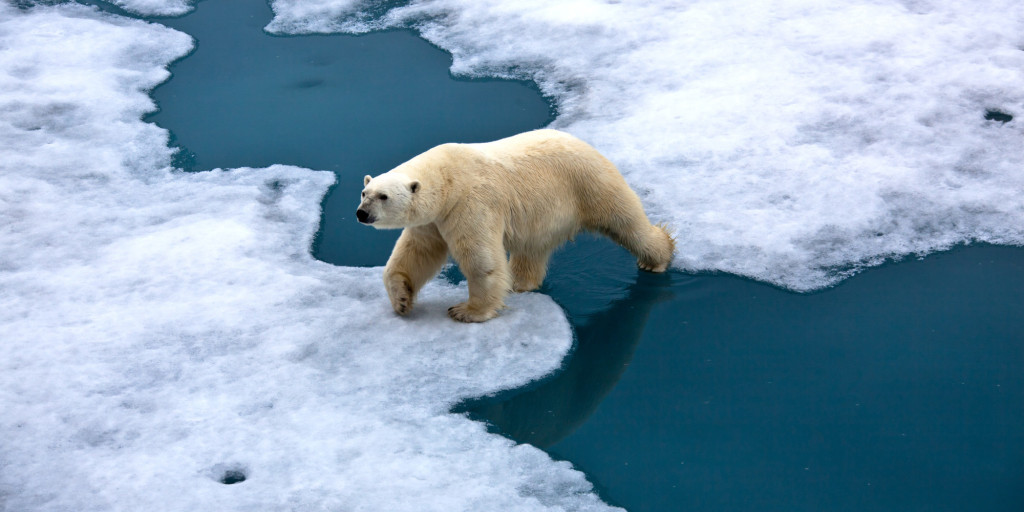
Failure to act on climate change could cause an estimated 57,000 deaths a year in the United States from poor air quality by 2100, the Obama administration argued in a report released Monday that warns of dire effects of global warming. The report says inaction on climate change could cost billions of dollars a year in damage from rising sea levels, increased wildfires and drought, as well as higher costs for electricity to cool homes and businesses in hotter temperatures. The Environmental Protection Agency report argues that action now on climate could save billions in avoided costs for maintenance and repairs on roads and bridges made vulnerable by global warming and save the lives of an estimated 12,000 people in 49 U.S. cities who could die from extreme temperatures in 2100. The report comes as Republicans in Congress seek to undo the administration’s environmental policies, including an expected plan by the EPA to target coal-fired power plants, and days after Pope Francis issued a stern warning about global warming’s consequences, especially for the poor and underdeveloped nations. The National Oceanic and Atmospheric Administration said last month was the hottest May around the globe in 136 years of global records. A global health commission organized by the prestigious British medical journal Lancet recommended on Monday that substituting cleaner energy worldwide for coal will reduce air pollution and give Earth a better chance at avoiding dangerous climate change. The panel said hundreds of thousands of lives each year are at stake and global warming “threatens to undermine the last half century of gains in development and global health.” The White House report is part of a weeklong effort to emphasize climate change to mark the two-year anniversary of a “climate action plan” announced by President Barack Obama. While the most severe effects of global warming would not be felt for decades, the Obama administration said decisions about climate change need to be made now. “Decisions are not going to wait 50 years,” EPA Administrator Gina McCarthy told reporters at a White House briefing. “They are today’s decisions.” McCarthy called the report “a wake-up call for some who may not be aware” of the potential damages of climate change. Obama, in an interview out Monday with comedian Marc Maron for his popular podcast, said he was acting on his own on power plants and other environmental regulations because the GOP-controlled Congress has blocked more comprehensive efforts. “We’ll get that stuff done,” Obama said, adding that “it would be a lot better, it would be a lot more helpful, if we had some cooperation from Congress, and if I didn’t have the chairman of the energy and environment committee in the Senate holding up a snowball as if that was proof that climate change wasn’t happening, that would be useful.” Obama’s comments referred to Sen. James Inhofe, R-Okla., chairman of the Senate Environment and Public Works Committee, who tossed a snowball in the Senate chamber in February to demonstrate his claim that global warming is a hoax. The EPA report says actions to slow climate change could save about $3.1 billion in expected costs from sea-level rise and storm surge in 2100, while the power sector could save as much as $34 billion by 2050 in avoided costs for additional electricity for air conditioning and other uses. An estimated $3 billion in avoided damages from poor water quality could be saved by 2100, the report said. Actions begun in the next few years could reduce droughts by at least 40 percent by 2100 and save an estimated 6 million to 8 million acres from being burned by wildfires, the report said. It said meaningful actions also could prevent the loss of about one-third of U.S. supplies of oysters, scallops and clams by 2100, as well as 35 percent of Hawaiian coral reefs. Failure to act could lead to summers in Illinois to “feel like Louisiana” today, McCarthy said, while South Dakota summers may be as hot as those in Arkansas. The Republican-controlled House is expected to vote this week on a bill to scale back the plan on coal-fired power plants, the centerpiece of Obama’s second-term push to confront climate change. The bill would allow states to opt out of the plan if the governor determines it would cause significant rate hikes for electricity or harm reliability of service in the state. The bill also would delay the rule until all court challenges are completed. The House also is expected to take up a separate spending bill that would bar the EPA from enforcing the power plant rules, cut the agency’s budget and attack other prominent EPA regulations on air and water pollution. Obama has managed to thwart GOP efforts in the past, but Republicans are renewing their efforts now that they control the Senate as well as the House. Republished with permission of The Associated Press.
Where they stand: Jeb Bush on key topics of 2016 campaign
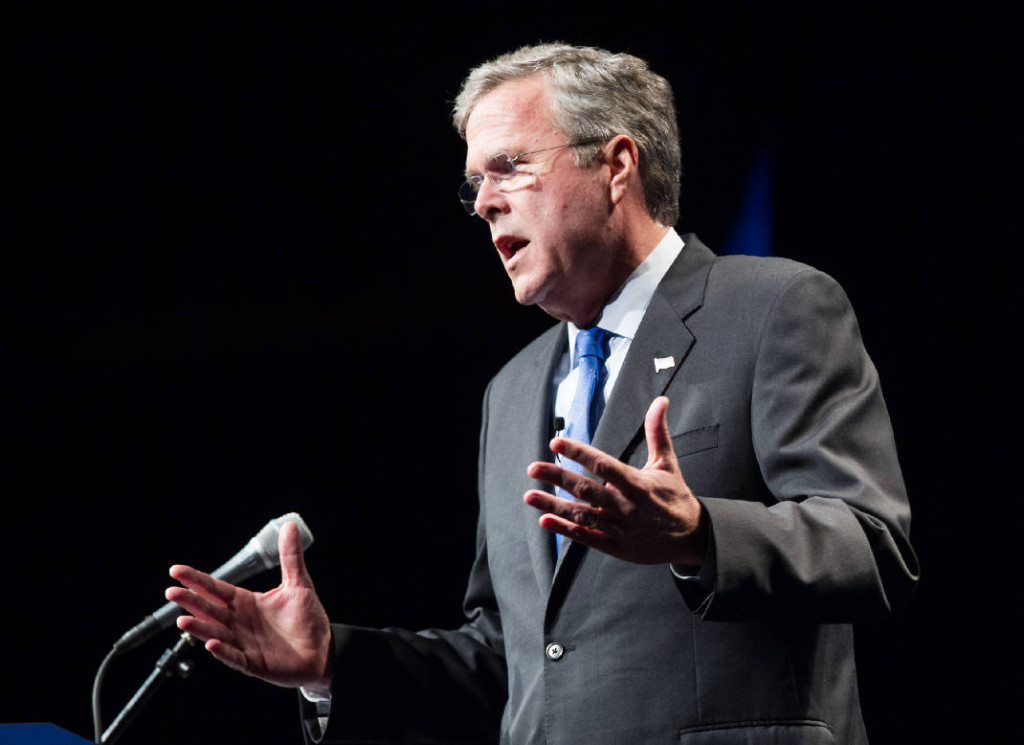
Former Florida Gov. Jeb Bush will run for the 2016 Republican presidential nomination, aides say, and plans to announce that June 15. Here’s where he stands on some of the issues likely to be debated in the campaign. Immigration Bush supports a system that would allow immigrants in the country illegally to stay, if they plead guilty to illegal entry, pay penalties and past-due taxes, learn English and perform community service. Bush views such a system as vital to accelerating economic growth in the U.S. He took grief from the right with his statement that people come to the U.S. illegally as an “act of love” for their families, but remains insistent that illegal immigration must be addressed in ways that accommodate many who are here. Foreign policy Bush says the U.S. “needs to regain its position militarily in Iraq to bring some order to the Iraqi military.” But what that means, exactly, is unclear. He hasn’t said whether he thinks the U.S. should add more troops. Bush opposed removing Cuba from the U.S. list of state sponsors of terrorism “before it changes its authoritarian ways and stops denying the Cuban people their basic human rights.” He criticized Congress for weakening post-Sept. 11 surveillance powers and disputed the argument those powers infringe on civil liberties. After stumbling over the question at first, Bush said he would not have ordered the 2003 invasion of Iraq, knowing now that the intelligence about its weapons capability was flawed. Budget and entitlement programs As Florida governor Bush cut taxes and the state government workforce and vetoed plenty of spending items in the state budget. As a White House contender, Bush says he would support raising the age to qualify for full Social Security benefits for future retirees, over time. He’s also praised a House Republican plan to partially privatize Social Security by letting people choose private accounts as an option to guaranteed Social Security benefits. He opposes tax increases but also has been against signing pledges to rule them out. Education Bush stands out as a supporter of Common Core education standards. He’s couched his position in milder terms recently as he has traveled to early-voting states where Republican support for the voluntary benchmarks are viewed as a federal mandate. Bush continues to urge states to adopt higher reading, math and language arts standards than they have, assessed with regular testing. But he doesn’t support additional testing or federal intervention in creation of the standards. Social issues Bush became a national figure with abortion opponents as governor when he intervened in the case of Terri Schiavo, a woman who had been kept alive in a vegetative state for 15 years by life support and whose husband wanted her feeding tubes removed. Bush ordered the feeding tubes reinserted only to be overruled by a federal court. Bush’s action was celebrated by anti-abortion groups as affirming the sanctity of life. As governor, Bush signed legislation requiring parental consent for abortions for minors. He opposes abortion rights except when women are victims of rape or incest, or when the woman’s life is endangered by continued pregnancy. He says he opposes gay marriage yet same-sex couples “making lifetime commitments to each other” deserve respect. Climate change Bush accepts the scientific premise that the climate is changing and calls examining the causes a priority. But he says: “I don’t think the science is clear on what percentage is man-made and what percentage is natural.” Those who say they know are guilty of “intellectual arrogance,” he says. He attributes the decline in U.S. carbon emissions to innovations in lower-carbon energy production by hydraulic fracking and horizontal oil and natural gas drilling. Republished with permission of The Associated Press.
Obama: Climate change will harm national security
President Barack Obama is framing the challenges of climate change as a matter of national security that threatens to aggravate poverty and political instability around the globe and jeopardize the readiness of U.S. forces. “Make no mistake, it will impact how our military defends our country,” the president says in excerpts of a commencement address prepared for delivery Wednesday at the U.S. Coast Guard Academy in New London, Conn. “And so we need to act and we need to act now.” The president in recent months has pressed for action on climate change as a matter of health, as a matter of environmental protection and as a matter of international obligation. He’s even couched it as a family matter, linking it to the worry he felt when one his daughters had an asthma attack as a preschooler. His speech to the cadets, by contrast, is focused on what the Obama administration says are immediate risks to national security, including contributing to more natural disasters that result in humanitarian crises and potential new flows of refugees. Further, the president sees climate change aggravating poverty and social tensions that can fuel instability and foster terrorist activity and other violence. Obama said the cadets would be part of the first generation of officers to begin their service in a world where it is increasingly clear that “climate change will shape how every one of our services plan, operate, train, equip and protect their infrastructure.” His prepared remarks said climate change “is not just a problem for countries on the coast or for certain regions of the world. Climate change impacts every country on the planet.” As for the impact in the U.S., Obama pointed to streets in Miami and Charleston, S.C., that flood at high tide and to military bases across the country already feeling negative effects. “Around Norfolk, high tides and storms increasingly flood parts of our Navy base and an air base,” Obama said of military facilities in Virginia. “In Alaska, thawing permafrost is damaging military facilities. Out West, deeper droughts and longer wildfires could threaten training areas our troops depend on.” With the Republican-led Congress indifferent to Obama’s entreaties, the president has been doing what he can to combat climate change through executive orders to cut greenhouse gas emissions and through the powers of persuasion. But his climate change agenda has drawn strong political opposition and a number of legal challenges. Many of the GOP presidential candidates for 2016 have said that taking unilateral steps to address climate change could hurt the U.S. economy. Obama’s appearance at the Coast Guard Academy was to be his second and last commencement address of the season after speaking earlier this month at a community college in South Dakota. The president traditionally delivers a commencement address every year to one of the service academies. Later Wednesday, he was visiting Stamford, Conn., for a Democratic fundraiser at a private home, with about 30 supporters contributing up to $33,400 each. Republished with permission of The Associated Press.
