
Supreme Court won’t reconsider Confederate monument ruling
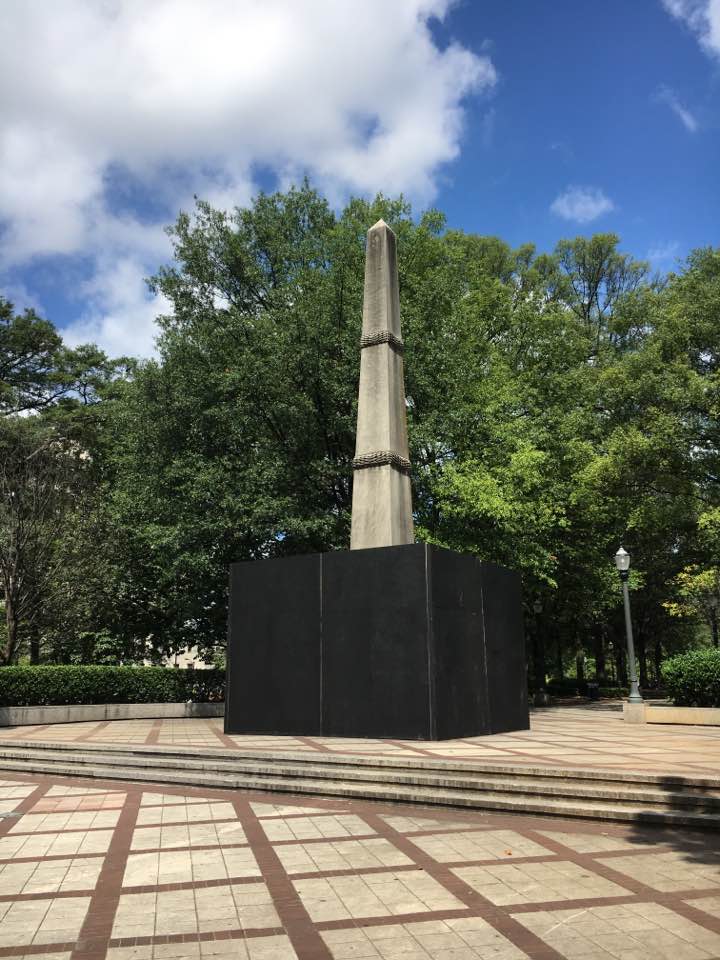
The monument was first covered in 2017.
Alabama appeals Confederate monument ruling
Alabama asked a judge Friday to halt a decision that struck down a state law protecting Confederate monuments as the state appeals the ruling. In a motion, Alabama Attorney General Steve Marshall said a stay would prevent Birmingham, and perhaps other cities, from removing Confederate monuments while the state appeals the decision. A judge last week ruled a 2017 state law barring the removal or alteration of historical monuments violates the free speech rights of local communities. The ruling came after the state sued Birmingham for erecting a wooden box that obscured the view of a Confederate monument in a city park. Marshall said the state is appealing and he believes the law will be upheld. “We believe the court’s decision against the Memorial Preservation Act will be overturned due to the fact that it incorrectly assigns the right of free speech to a government subdivision,” Marshall said in a statement. The 2017 Alabama Memorial Preservation Act prohibits relocating, removing, altering or renaming public buildings, streets and memorials that have been standing for more than 40 years. The legislation doesn’t specifically mention Confederate monuments, but it was enacted as some Southern states and cities began removing monuments. Birmingham officials had discussed removing a 52-foot-tall (16-meter-tall) obelisk that was erected to honor Confederate veterans in a downtown park in 1905. After the monument protection law was approved, the city instead put wooden panels around it. City workers began installing the panels days after deadly violence over a Confederate monument in Charlottesville, Virginia. The attorney general’s office sued Birmingham in 2017 which led to a judge declaring the law void. Birmingham’s population of 210,000 is more than 70 percent black. In his ruling striking down the law, Jefferson County Circuit Judge Michael Graffeo said it was indisputable that most citizens are “repulsed” by the memorial. He rejected the state’s arguments that lawmakers had the power to protect historical monuments statewide. The attorney general’s request said a stay would allow Birmingham to keep the wooden screen, but not remove the monument, while the state appeals. Republished with permission from the Associated Press.
NAACP slams Kay Ivey’s Confederate monuments campaign ad
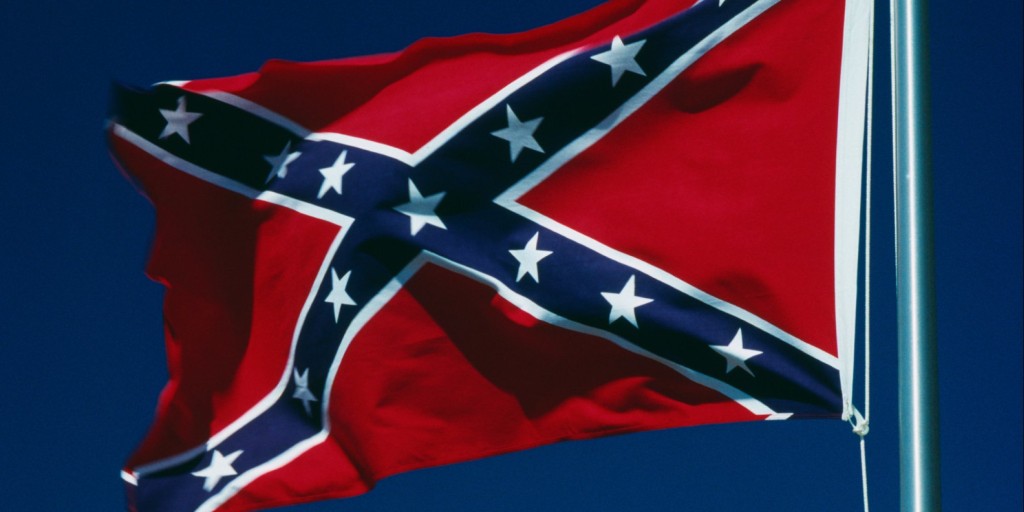
The Alabama NAACP is taking a stand against Gov. Kay Ivey‘s most recent campaign ad highlighting her support of protecting the state’s Confederate monument. The group met at the capitol in Montgomery, Ala. Saturday afternoon to condemn the ad. “We’re upset about her using this campaign ad to attract voters to tell people why they should vote for her,” said Benard Simelton, the president of the Alabama NAACP, according to CNN. Silmelton believes there are a lot of other things Ivey could have made “the hallmark of her campaign.” “There are a lot of others things she could have made the hallmark of her campaign– education, our horrible criminal justice system. She could have talked about those things that are very, very important to the state of Alabama,” Simelton added. The ad in question was released by Ivey’s campaign last Tuesday as part of her election bid for a full-term as Governor. In the 30-second spot, Ivey says “when special interests wanted to tear down our historical monuments, I said no!” In response she signed a law to protect the monuments. The law, the Alabama Memorial Preservation Act, which preserves all historical monuments on public property that have been in place for at least 40 years, was passed in May 2017. Ivey’s campaign is defending the ad saying it “we shouldn’t … tear down history.” “Our ad highlights a law that was passed by the legislature and signed by the governor to protect all of our historical monuments. We can’t, and we shouldn’t change, erase or tear down history. We should learn from all of it,” the campaign said in a statement.
Southern anger: Nazis, KKK ‘hijacking’ Confederate debate
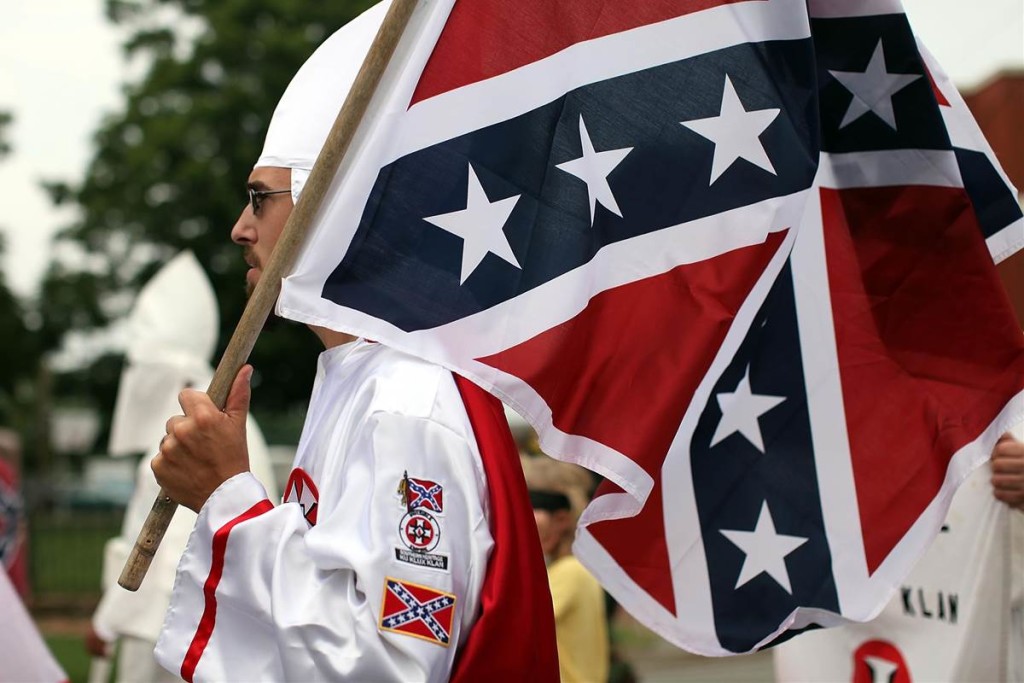
White Southerners who equate Old South symbols with regional pride rather than hate are even more on the defensive since neo-Nazis, Ku Klux Klansmen and other extremists became the face of the fight over Confederate monuments. With more than two dozen relatives who fought for the Confederacy, Robert Castello literally wears his Southern pride. The visor, suspenders and ring he donned Thursday were all emblazoned with the familiar design of the rebel battle flag. But Castello, whose Dixie General Store sells Confederate-themed hats, shirts, stickers and signs in rural eastern Alabama, said he doesn’t have any use for overtly racist groups like the Klan. “When I was growing up it was like a badge of honor to be proud of your Southern heritage. It was taught and it was part of who you were,” said Castello, 58. “To see it denigrated down to the point of Nazis is disgusting.” A leading Southern heritage organization, the Sons of Confederate Veterans, had no official involvement in the bloody protests in Charlottesville, Virginia, and its leader condemned the white supremacists who rallied for preserving a statute of Confederate Gen. Robert E. Lee. “It’s painful to watch, for lack of better words,” said Thomas V. Strain Jr., the group’s commander. “It was our family that fought, and it was our families that died, and now we have these knuckleheads hijacking the flag for their own purposes.” Social media feeds dominated by Southern whites contain similar criticism of extremist organizations, which watchdog groups have said were out in force in Charlottesville in the largest white supremacist gathering in years. The driver of the car, James Alex Fields Jr., 20, has been described as an admirer of Adolf Hitler and Nazi Germany. Photographed with white nationalist demonstrators before the deadly crash, Fields is charged with murder and other offenses. The Confederate battle flag has long been used as a symbol by the Ku Klux Klan, which has displayed the banner during rallies for decades. But many white Southerners see the flag and rebel monuments as nothing more than part of a regional identity that includes Lynyrd Skynyrd music, college football, sweet tea and the Bible. The idea that any of those things have become caught up with Nazism is baffling to people like Castello. “I’ve always loved Southern heritage, even when I was in high school,” he said. “It was passed down that it was an honorable thing and I believe it was, although not all of it was good.” Even the children of Southern music icon Johnny Cash are distancing themselves from extremists after a neo-Nazi was shown wearing a shirt with an image of the late singer in Charlottesville. A Facebook post by the Cash family requested that his name “be kept far away from destructive and hateful ideology.” Jeff Schoep, who leads a white nationalist group that demonstrated in Charlottesville, said Confederate symbols and monuments have become a rallying cause for white extremists not because of any Southern identity but because they see their removal as an “assault on American freedoms.” To be sure, neither Castello nor Strain advocates the removal of Confederate monuments. Both see them as important historical touchstones that have an important place in modern life. “These statues were erected over 100 year ago to honor the history of the United States,” said Strain. “They’re just as important to the entire history of the U.S. as the monuments erected to our forefathers.” Similarly, President Donald Trump on Thursday blasted the movement to remove Confederate monuments, tweeting that the nation is seeing “the history and culture of our great country being ripped apart.” Castello supports Trump and sees the president as the unlikely New York real estate magnate who has become a defender of Southern symbols. Trump seems to get that not all Southerners are Nazis or Klansmen, Castello said, and others should, too. “To me all the talk about the Klan and the Nazis is a smoke screen for an attack on Southern heritage,” he said. “They want to link everyone who flies the (Confederate) flag with the Klan and Nazis, which I don’t want any part of.” Republished with permission of The Associated Press.
Alabama House to vote on confederate monuments bill
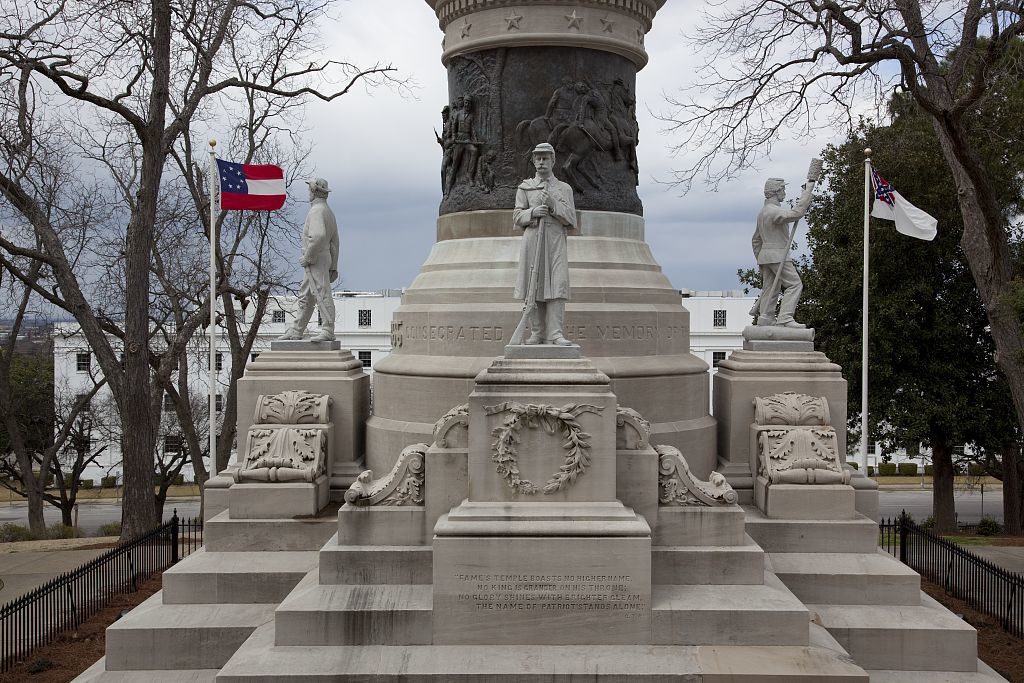
A bill to block historic monuments from being altered or removed without lawmaker approval is getting a vote in the Alabama House. SB60, otherwise known as the Alabama Memorial Preservation Act, was introduced by Tuscaloosa-Republican state Sen. Gerald Allen and was approved by the state Senate in late March and passed the State Government Committee in the House of Representatives earlier this month. Now, the bill is scheduled for a Thursday vote by the full House, which would “prohibit the relocation, removal, alteration, renaming, or other disturbance of monuments located on public property which have been in place for 20 or more years.” Similar legislation has been introduced since 2015, when then-Gov. Robert Bentley removed Confederate flags from Capitol grounds. The vote was fast-tracked, coming days after a Confederate statue in New Orleans was taken down. There are currently more than a dozen Confederate memorials sprinkled across the Yellowhammer State.
