
Kay Ivey extends help for hospitals
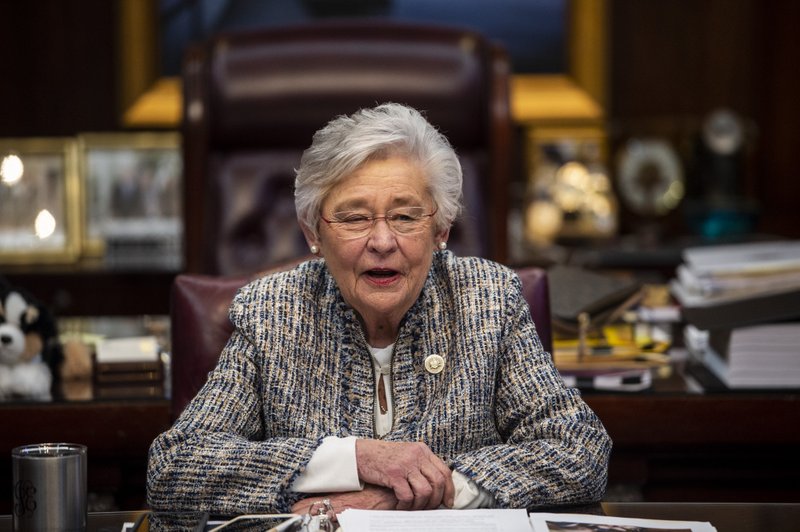
Alabama Gov. Kay Ivey has extended through the end of October a COVID-19 state of emergency that relaxes some health care regulations to help hospitals with coronavirus patients. The order was scheduled to expire Tuesday. The order was aimed at helping hospitals adjust to the caseload from the virus, al.com reported. Ivey first ordered the “limited, narrowly-focused” state of emergency on August 12 because of a surge from the delta variant of the coronavirus and Alabama’s low vaccination rate. The governor’s office said Friday’s proclamation relaxes regulation to allow expanded capacity in health care facilities and easier shipment of emergency equipment and supplies. It also allows out-of-state doctors, nurses, and pharmacists to practice in Alabama under expedited licenses or temporary permits. The number of patients in Alabama hospitals with COVID-19 fell under 1,000 on Friday, the first time since July. The number of new daily cases in Alabama has dropped more than 70% since early September, the governor’s office said. However, the governor’s proclamation says the pandemic “continues to present a serious threat to public health, taxing Alabama hospitals, many of which were already struggling to staff their facilities.” Republished with the permission of the Associated Press.
U.S. health experts urge flu shots to avoid ‘twindemic’
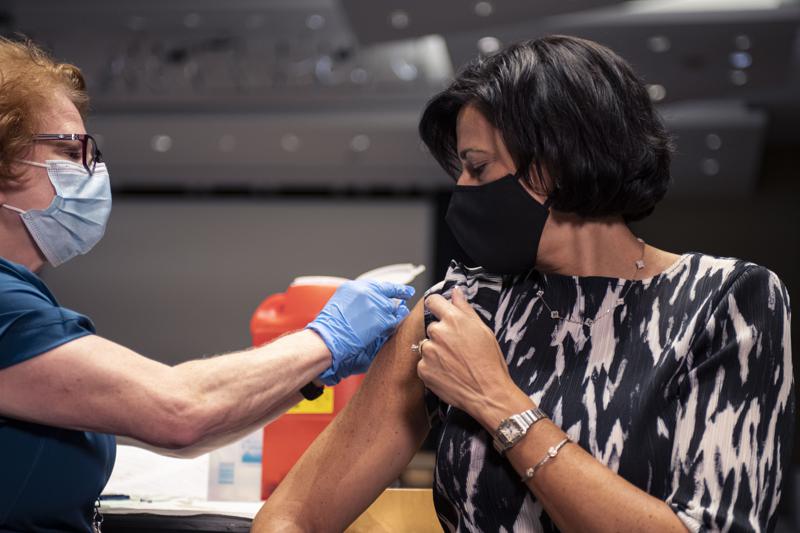
The U.S. is gearing up for a possible bad flu season on top of the continuing COVID-19 crisis, with a plea Thursday for Americans to get vaccinated against both. “I get it: We are all tired of talking about vaccines,” said Dr. Rochelle Walensky, director of the Centers for Disease Control and Prevention. But “it is doubly important this year” to get your flu shot, added Walensky, who got her own vaccination earlier this week just as she has every year since she was a medical student in 1995. “We are preparing for the return of the flu.” Flu cases dropped to historically low levels globally over the pandemic, as restrictions designed to slow the spread of the coronavirus helped block other respiratory viruses. But with schools and businesses reopened, international travel resuming, and far less masking, there’s no way to predict how bad a flu season the U.S. might expect this winter. But officials are worried because a different respiratory virus named RSV, which usually attacks young children in the winter, instead roared back last summer as soon as people started dropping their masks. “Is that a harbinger of a worse influenza season? We don’t know, but we certainly don’t want a ‘twindemic,’ both COVID and influenza,” said Dr. William Schaffner of the National Foundation for Infectious Diseases. And if you still need a COVID-19 vaccination — either first shots or a booster dose — you can get it at the same visit as a flu shot. The CDC recommends a yearly flu vaccination for just about everyone starting with 6-month-old babies. Influenza is especially dangerous for older adults, children under age 5, people with chronic health problems such as diabetes, asthma, or heart disease, and during pregnancy. Last fall, about as many Americans overall got their flu vaccination as they did before the pandemic — about half of the eligible population, according to CDC data released Thursday. But Walensky was dismayed by a slight drop in child flu vaccinations last year — and at widening racial and ethnic disparities. Last year, 43% of Black Americans and 45% of Hispanics got a flu vaccination compared to 56% of whites. The CDC expects vaccine makers to deliver 188 million to 200 million doses of flu vaccine. Most Americans with insurance can get one without a co-pay. Options include regular shots, shots that aim to give older adults a little extra protection, and a nasal spray. All offer protection against four different flu strains that global experts predict are the kinds most likely to spread this year. At the same time they get vaccinated against flu, officials also urged older adults and people with chronic illnesses to ask about getting a vaccine against a type of pneumonia that is a frequent complication. Republished with the permission of the Associated Press.
Experts: COVID-19 waning in Alabama; threat still not over
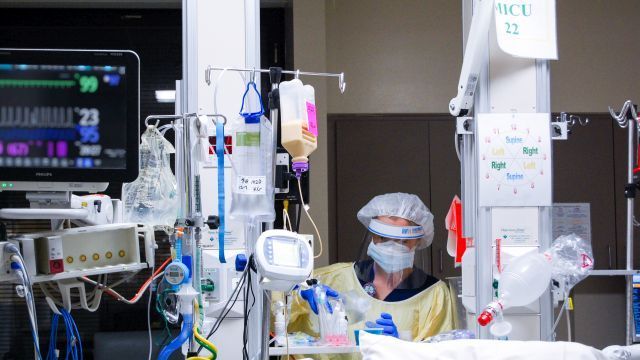
The most recent wave of the COVID-19 pandemic appears to be waning in Alabama, with hospitalizations and new cases falling rapidly in the past month, but the state could face another round of illness without additional vaccinations and precautions, health experts said Wednesday. While statewide hospitalizations are less than half of what they were in early September and fewer people are contracting the illness, the combination of another virus variant and a slowdown in vaccinations could worsen the state’s predicament yet again, said two officials from the University of Alabama at Birmingham. “I really am very careful to say that we’ve won when I don’t feel that way right now,” said Dr. Rachael Lee, an epidemiologist with UAB Medicine. Russell Griffin, an associate professor of public health at UAB, said around 90% of COVID-19 patients are unvaccinated, and the average age of people hospitalized with the illness is about 10 years younger than those treated early this year. “Younger people are dying and that is what is scary to us,” he told a news briefing. More than 14,600 people in Alabama have died of COVID-19 since last year, and more than 800,000 have tested positive for the virus that causes it. Alabama has the nation’s fourth-worst death rate for the illness, with about 298 per 100,000 people, according to researchers at Johns Hopkins University. But the rolling average number of daily new cases has declined about 51% over the past two weeks, and the state is no longer dead-last nationally in its vaccination rate. Nearly 43% of residents are now fully vaccinated. After months of watching patients die, including many who contracted COVID-19 after refusing to get vaccines, health officials are glad to see some improvement. “It’s exciting that we are starting to see these numbers go down, but this is now the time more than ever to continue to wear masks, to get vaccinated if you haven’t been vaccinated yet,” said Lee. Republished with the permission of the Associated Press.
Catholic archbishop for south Alabama positive for COVID-19

The top Roman Catholic church official for south Alabama, Archbishop Thomas J. Rodi, tested positive for COVID-19 and is quarantining at home, the church said Tuesday. While Rodi’s flu-like symptoms were mild, everyone who came in close contact with him has been notified, according to a statement by the Archdiocese of Mobile. The church’s main downtown office was closed. Rodi, who is fully vaccinated and tested positive on Monday, canceled all appearances and won’t resume public appearances until he is cleared by a doctor, the statement said. The Archdiocese includes the lower 28 counties in Alabama. Republished with the permission of the Associated Press.
Alabama lawmakers OK plan to build prisons with virus cash

Amid a national debate over the use of pandemic relief funds, Alabama lawmakers swiftly approved a plan Friday to tap $400 million from the American Rescue Plan to help build two super-size prisons, brushing off criticism from congressional Democrats that the money was not intended for such projects. The Alabama Legislature gave final approval to the $1.3 billion prison construction plan, and to a separate bill to steer $400 million of the state’s $2.1 billion from the rescue funds to pay for it. With legislative leaders standing behind her, Alabama Gov. Kay Ivey signed the bills into law soon afterward. The Republican called the construction plan “a major step forward” for the prison system, which faces various federal court orders and a lawsuit from the U.S. Department of Justice. “This is a pivotal moment for the trajectory of our state’s criminal justice system,” Ivey said. President Joe Biden’s sweeping $1.9 trillion COVID-19 rescue package was signed in March, providing a stream of funds to states and cities to recover from the coronavirus pandemic. Alabama’s plan to use almost 20% of its American Rescue funds for prison construction drew criticism from some congressional Democrats, including U.S. Rep. Terri Sewell of Alabama, who argued that was not the intent of the relief program. But state Republicans argued that the expenditure addresses a public safety need and is allowed under a provision to replace lost revenue and shore up state services. Republican Sen. Greg Albritton said the funds will “go a long way” to addressing the state’s longstanding problems in prisons. “This was the right thing for Alabama to do. We’ve got crumbling infrastructure. We’ve got people housed in places that are filthy. We’ve got individuals working in conditions that are unsafe,” Albritton said. The plan drew opposition from many Democrats in the House of Representatives but had minimal dissenting votes in the state Senate, where senators approved the use of the pandemic money in a 30-1 vote and the overall construction plan in a 29-2 vote. Democratic Rep. Juandalynn Givan of Birmingham, who voted against the bills in the House, said she hopes the federal government steps in and tells the state the expenditure is not allowed. “There are many needs here in the state of Alabama and there are many people who need these funds,” she said. “But they (Republicans) saw an opportunity to take the Biden money, that $400 million, because it was just like liquid water flowing through their hands and say, ‘OK, let’s jump on it,’” Givan said. U.S. House Judiciary Committee Chairman Jerrold Nadler of New York this week sent a letter to Treasury Department Secretary Janet Yellen asking her to “prevent the misuse of ARP funding by any state, including Alabama” to build prisons. Asked Wednesday about Alabama’s plan, White House press secretary Jen Psaki said, “I would be surprised if that was the intention of the funding.” Republican legislative leaders said they are comfortable they can legally use the funds because the American Rescue Plan, in addition to authorizing the dollars for economic and health care programs, says states can use the money to replace revenue lost during the pandemic to strengthen support for vital public services and help retain jobs. The U.S. Department of Justice has sued Alabama over a prison system “riddled with prisoner-on-prisoner and guard-on-prisoner violence.” The Justice Department noted in an earlier report that dilapidated facilities were a contributing factor to the unconstitutional conditions but wrote “new facilities alone will not resolve” the matter because of problems in culture, management deficiencies, corruption, violence, and other problems. The Alabama prison construction proposal calls for three new prisons — a prison in Elmore County with at least 4,000 beds and enhanced space for medical and mental health care needs; another prison with at least 4,000 beds in Escambia County and a women’s prison — as well as renovations to existing facilities. Six current facilities would close. The package of approved bills includes modest reform measures: The state will purchase a vacant private prison and use it to house parole violators — instead of sending them back to prison — and provide rehabilitation programs there to try to combat recidivism. Corrections Commissioner Jeff Dunn said the construction plan was both the “right thing to do” and would help the state “with respect to DOJ, with the other litigation.” Advocacy groups argued the state needed to take on broader reforms. “The Alabama Legislature has proved its determination to spend $400 million of American Rescue Plan funds to build two mega-prisons when we have one of the highest COVID death rates in the world,” said Katie Glenn, policy associate at the SPLC Action Fund, an arm of the Southern Poverty Law Center. “It won’t solve the problems plaguing the prison system, only decarceration can do that.” Republished with the permission of the Associated Press.
Merck says experimental pill cuts worst effects of COVID-19

Drugmaker Merck said Friday that its experimental COVID-19 pill reduced hospitalizations and deaths by half in people recently infected with the coronavirus and that it would soon ask health officials in the U.S. and around the world to authorize its use. If cleared, the drug would be the first pill shown to treat COVID-19, a potentially major advance in efforts to fight the pandemic. All COVID-19 therapies now authorized in the U.S. require an IV or injection. Merck and its partner Ridgeback Biotherapeutics said early results showed patients who received the drug, called molnupiravir, within five days of COVID-19 symptoms had about half the rate of hospitalization and death as patients who received a dummy pill. The study tracked 775 adults with mild-to-moderate COVID-19 who were considered at higher risk for severe disease due to health problems such as obesity, diabetes, or heart disease. Among patients taking molnupiravir, 7.3% were either hospitalized or died at the end of 30 days, compared with 14.1% of those getting the dummy pill. There were no deaths in the drug group after that time period compared with eight deaths in the placebo group, according to Merck. The results were released by the company and have not been peer-reviewed by outside experts, the usual procedure for vetting new medical research. Merck said it plans to present them at a future medical meeting. An independent group of medical experts monitoring the trial recommended stopping it early because the interim results were so strong. That is typical when early results so clearly show treatment works that there is no need for further testing before applying for authorization. Company executives said they plan to submit the data for review by the Food and Drug Administration in the coming days. Once the submission is complete, the FDA could make a decision within weeks — and, if approved, the drug could be on the market soon after. “It exceeded what I thought the drug might be able to do in this clinical trial,” said Dr. Dean Li, vice president of Merck Research Laboratories. “When you see a 50% reduction in hospitalization or death, that’s a substantial clinical impact.” Side effects were reported by both groups in the Merck trial, but they were slightly more common among the group that received a dummy pill. The company did not specify the problems. Patients take the pill twice a day for five days to complete a course of treatment. Earlier study results showed the drug did not benefit patients who were already hospitalized with severe disease. The U.S. has approved one antiviral drug, remdesivir, specifically for COVID-19, and allowed emergency use of three antibody therapies that help the immune system fight the virus. But all the drugs have to be given by IV or injection at hospitals or medical clinics, and supplies have been stretched by the latest surge of the delta variant. Health experts, including the top U.S. infectious disease expert Dr. Anthony Fauci have long called for a convenient pill that patients could take when COVID-19 symptoms first appear, much the way the standard flu medication Tamiflu helps fight influenza. Such medications are seen as key to controlling future waves of infection and reducing the impact of the pandemic. Merck’s pill works by interfering with the coronavirus’s ability to copy its genetic code and reproduce itself. It has shown similar activity against other viruses. The U.S. government has committed to purchase 1.7 million doses of the drug if it is authorized by the FDA. Merck has said it can produce 10 million doses by the end of the year and has contracts with governments worldwide. The company has not announced prices. Several other companies, including Pfizer and Roche, are studying similar drugs that could report results in the coming weeks and months. Merck had planned to enroll more than 1,500 patients in its late-stage trial before the independent board stopped it early. The results reported Friday included patients enrolled across Latin America, Europe, and Africa. Executives estimated about 10% of patients studied were from the U.S. Republished with the permission of the Associated Press.
University of Alabama extends mask requirement for COVID-19
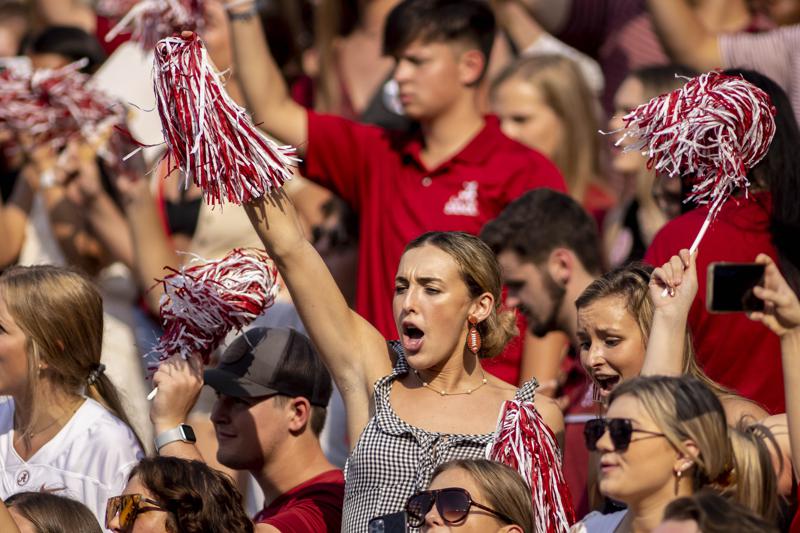
The University of Alabama has extended its indoor mask requirement through October 29 to protect against the coronavirus that causes COVID-19. Face coverings will continue to be required inside all non-residential buildings on the campus in Tuscaloosa, including all classrooms and academic buildings, and on-campus transportation through that date, the university announced Wednesday. The policy applies even to people who are vaccinated, but there are some exceptions to the rule on the campus of more than 38,000 students. Masks are not required in residence hall rooms or in residential common areas when social distancing is practiced. Masks are also not required during football games at Bryant-Denny Stadium except for fans in enclosed areas such as elevators or club seating. The practical effect of the rules are unclear since bars, restaurants, and other businesses in the student-oriented city are operating without masking requirements and often are crowded, particularly on football weekends when thousands of visitors converge on the city. The university’s announcement came as the Alabama Department of Public Health encouraged school systems statewide to continue requiring masks to prevent the spread of COVID-19. While some local districts have relaxed mask mandates because of declining cases, Jefferson County schools said they would extend a masking rule beyond Friday, when it had been set to expire. Alabama has one of the nation’s lowest vaccination rates and worst death rates from COVID-19. Statewide, 14,200 people have died from the illness, according to researchers at Johns Hopkins University. Republished with the permission of the Associated Press.
Alabama health officials urge schools to keep mask mandates
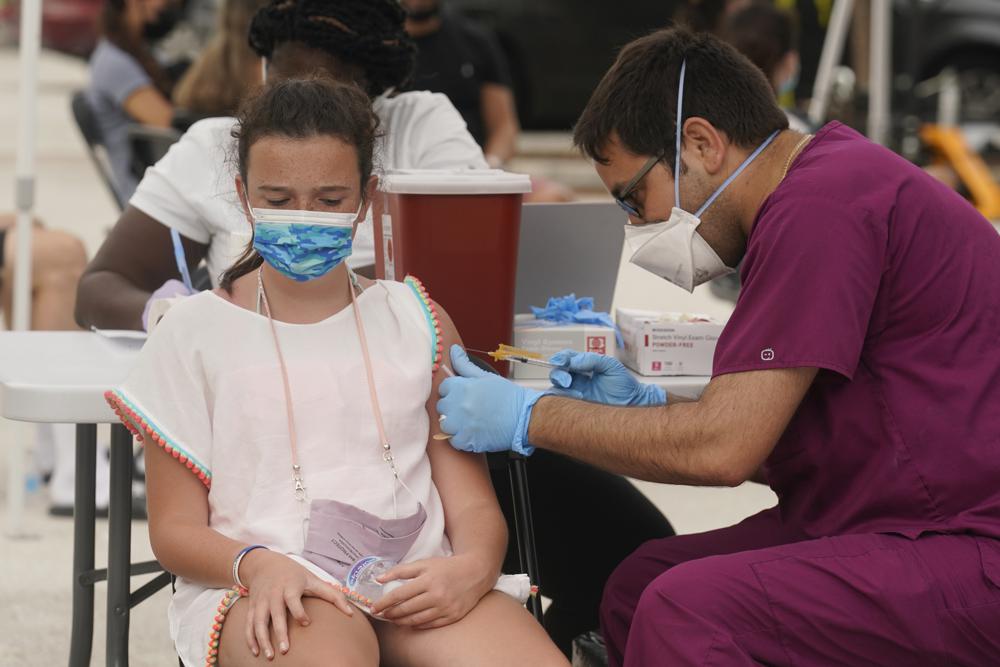
Alabama health officials are urging schools to continue requiring masks despite a decline in COVID-19 cases in the state, which has one of the nation’s lowest vaccination rates and worst death rates. The state department of public health said Tuesday nearly 23% of COVID infections in Alabama are among children up to the age of 17. As of Monday, at least 30 children were hospitalized for the disease, and three were on ventilators. “Consistent and correct mask use in schools has helped reduce the number of cases of COVID-19, helped schools remain open to in-person learning in Alabama, and helped prevent the consequences of this serious disease,” the department said in a news release. The release cited studies by the U.S. Centers for Disease Control and Prevention that found masks were critical to preventing the spread of COVID-19 in schools. Alabama left masking decisions to local officials, resulting in a patchwork of rules that vary in districts just a few miles apart. While Birmingham city schools require face masks, nearby Vestavia Hills dropped its mandate and made face masks optional last week. Shelby County has said it will quit requiring facial coverings at the end of the month. Alabama has had 14,155 deaths related to COVID-19, according to researchers from Johns Hopkins University. The death count is the 16th highest in the country overall and the fourth-highest per capita at nearly 290 deaths per 100,000 people. Health officials attribute much of the problem to Alabama’s vaccination rate, which the Centers for Disease Control and Prevention ranks worst in the Southeast and among the lowest in the nation. Roughly 42% of the state’s population is fully vaccinated. Over the past two weeks, the rolling average number of daily new cases has decreased by 1,397, a drop of about 36%, and hospitalizations have fallen below 1,500 after reaching nearly 2,900 on Sept. 1. Even with the improvement, Alabama ranked 10th nationally for the rate of new cases over the past week. There were 785 new cases per 100,000 people in Alabama over the past two weeks, according to Johns Hopkins. Republished with the permission of the Associated Press.
Joe Biden, Mitch McConnell get COVID-19 boosters, encourage vaccines
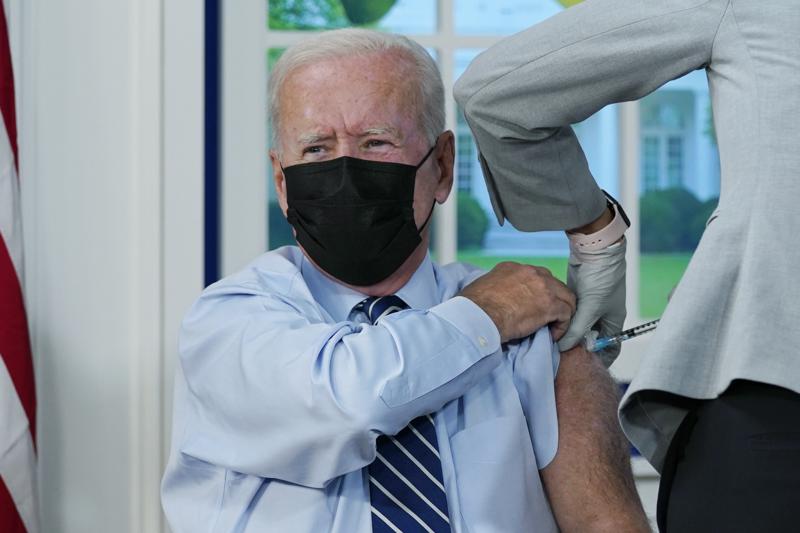
Seventy-eight-year-old Joe Biden and 79-year-old Mitch McConnell got their booster shots Monday, the Democratic president and the Republican Senate leader urging Americans across the political spectrum to get vaccinated or plus up with boosters when eligible for the extra dose of protection. The shots, administered just hours apart on either end of Pennsylvania Avenue, came on the first workday after the Centers for Disease Control and Prevention and the Food and Drug Administration recommended a third dose of the Pfizer vaccine for Americans 65 and older and approved them for others with preexisting medical conditions and high-risk work environments. Both leaders said that even though the booster doses provide more enduring protection against the virus, they weren’t the silver bullet to ending the pandemic. “Boosters are important, but the most important thing we need to do is get more people vaccinated,” Biden said. Nearly 25% of eligible Americans aged 12 and older haven’t received a single dose of the vaccines. They are bearing the brunt of a months-long surge in cases and deaths brought about by the more transmissible delta variant of the virus that has killed 688,000 in the U.S. since the pandemic began. “Like I’ve been saying for months, these safe and effective vaccines are the way to defend ourselves and our families from this terrible virus,” said McConnell, a polio survivor. Biden got his first shot on Dec. 21 and his second dose three weeks later, on Jan. 11, along with his wife, Jill Biden. Biden said the first lady, who is 70, would also receive the booster dose, but she was teaching Monday at Northern Virginia Community College, where she is a professor of English. “Now, I know it doesn’t look like it, but I am over 65 — I wish I — way over,” Biden joked. “And that’s why I’m getting my booster shot today.” Biden has championed booster doses since the summer as the U.S. experienced a sharp rise in coronavirus cases driven by the delta variant. While the vast majority of cases continue to occur among unvaccinated people, regulators pointed to evidence from Israel and early studies in the U.S. showing that protection against so-called breakthrough cases was vastly improved by a third dose of the Pfizer shot. But the aggressive American push for boosters, before many poorer nations have been able to provide even a modicum of protection for their most vulnerable populations, has drawn the ire of the World Health Organization and some aid groups, which have called on the U.S. to pause third shots to free up supply for the global vaccination effort. Biden said last week that the U.S. was purchasing another 500 million doses of the Pfizer vaccine — for a total of 1 billion over the coming year — to donate to less well-off nations. Biden took questions from reporters about his vaccination experience and matters of the day as a military nurse injected the dose into his arm. The president said he did not have side effects after his first or second shots and hoped for the same experience with his third. Vice President Kamala Harris, 56, received the Moderna vaccine, for which federal regulators have not yet authorized boosters — but they are expected to in the coming weeks. Regulators are also expecting data soon about the safety and efficacy of a booster for the single-dose Johnson & Johnson shot. At least 2.66 million Americans have received booster doses of the Pfizer vaccine since mid-August, according to the CDC. About 100 million Americans have been fully vaccinated against COVID-19 through the Pfizer shot. U.S. regulators recommend getting the boosters at least six months after the second shot of the initial two-dose series. Republished with the permission of the Associated Press.
Alabama leading US in COVID-19 death rate over last week
Alabama has averaged more than 100 deaths a day from COVID-19 over the last week, statistics showed Thursday, giving it the nation’s highest death rate over the period even as hospitalizations linked to the coronavirus pandemic continue to decline. Statistics from Johns Hopkins University show 106 deaths were reported statewide daily over the last seven days, although some of those could have occurred earlier because of a lag in reporting. Alabama’s rate of 18 deaths for every 100,000 people over the last week is far above second-place West Virginia, which had 10 deaths per 100,000 people, according to the U.S. Centers for Disease Control and Prevention. The increase in deaths come as hospitalizations in the state fell below 1,800 patients for the first time in a month, a change health officials said likely was due to both people getting well and dying. While more people are getting vaccinated than before the highly contagious delta strain took hold, the state still has one of the nation’s lowest vaccination rates, and its chief health officer said still more people need to get shots because the risk of getting infected remains high. “Increasing vaccine rates remains critical to reduce cases of COVID-19,” Dr. Scott Harris, head of the Alabama Department of Public Health, said in a statement Thursday. Nearly 13,800 people have died of COVID-19 in Alabama, according to state health statistics. The death count is the 16th highest in nationally and fifth-highest per capita at nearly 280 deaths per 100,000 people, according to Johns Hopkins. Over the past two weeks, the rolling average number of daily new cases has declined by 1,011, a decrease of more than 25%. There were 949 new cases per 100,000 people in Alabama over the past two weeks, which ranks ninth in the United States. Republished with the permission of the Associated Press.
Alabama sees antibody shipments decline
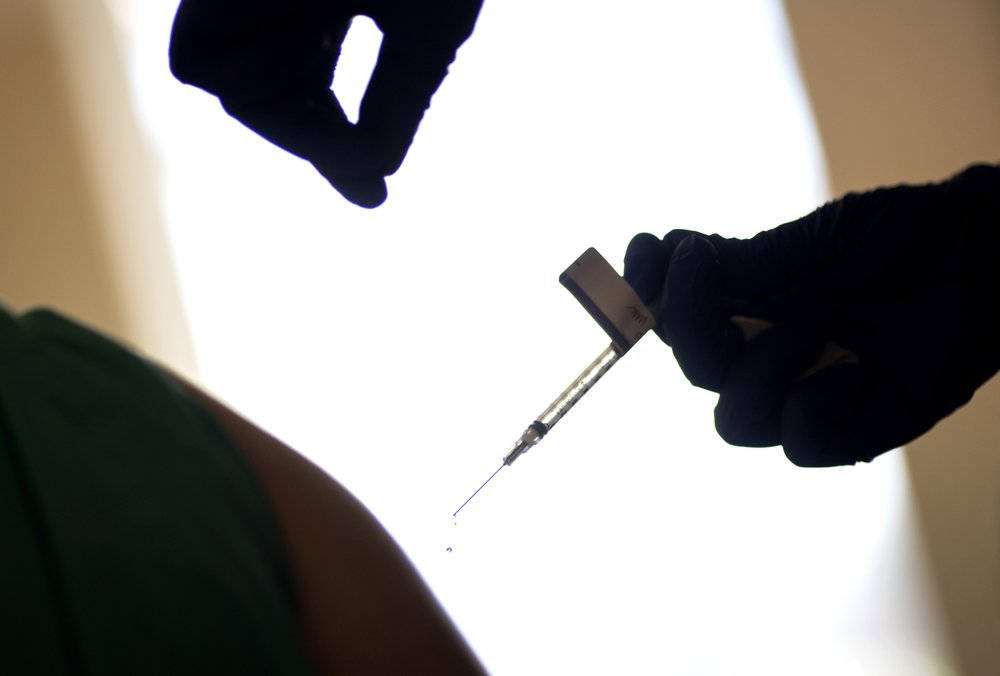
Alabama saw its number of available monoclonal antibody doses fall as federal officials try to ration the limited resource, but low-vaccination Southern states continued to receive some of the largest allocations. Alabama this week will receive 6,576 patient courses of the treatment used to prevent severe disease in a person with COVID-19, according to the Alabama Department of Public Health. That is down from 8,030 last week. Federal officials are using a formula — that includes case numbers, hospitalizations, and usage of available doses — to decide how many doses each state will get as they ration the treatments in response to a national shortage. “It has fallen off a little bit. I think the part we don’t know for sure is how much of this is due to the fact that are case numbers are going down a little bit, which they are, or how much is due to just lack of reporting of utilization which you get dinged for,” State Health Officer Scott Harris said Wednesday. Antibody treatment is a highly effective therapy that can blunt the worst effects of COVID-19 and prevent the disease from getting worse and requiring hospitalization. Doctors continue to emphasize that vaccination, rather than a secondary treatment, is the best way to prevent severe COVID-19 disease. “Our number one goal still is just to get people the first shot. Monoclonals are really plan B. In most cases they are going to people who might not have needed them if they had gotten vaccinated,” Harris said. The U.S. Department of Health and Human Services changed the distribution method to make sure the life-saving resource is distributed equitably. “Given this reality, we must work to ensure our supply of these life-saving therapies remains available for all states and territories, not just some,” the department said last week in a statement. Harris has expressed concern that the change would limit the availability of antibodies and, “it’s not going to be there in a way that people expect.” He said the allocation method relies on case numbers, but is concerned incomplete reporting by providers could artificially cut shipments. “The states that have more cases are going to get more product and that seems fair, given that it is a limited resource. I think we are at risk for being dinged a little bit on the reporting side. They said they will reduce your allocation if you are not reporting what you are using … We have a lot of new providers that haven’t done this before and aren’t used to reporting,” Harris said. Republished with the permission of the Associated Press.
Alabama virus hospitalizations dip below 2,000, deaths rise
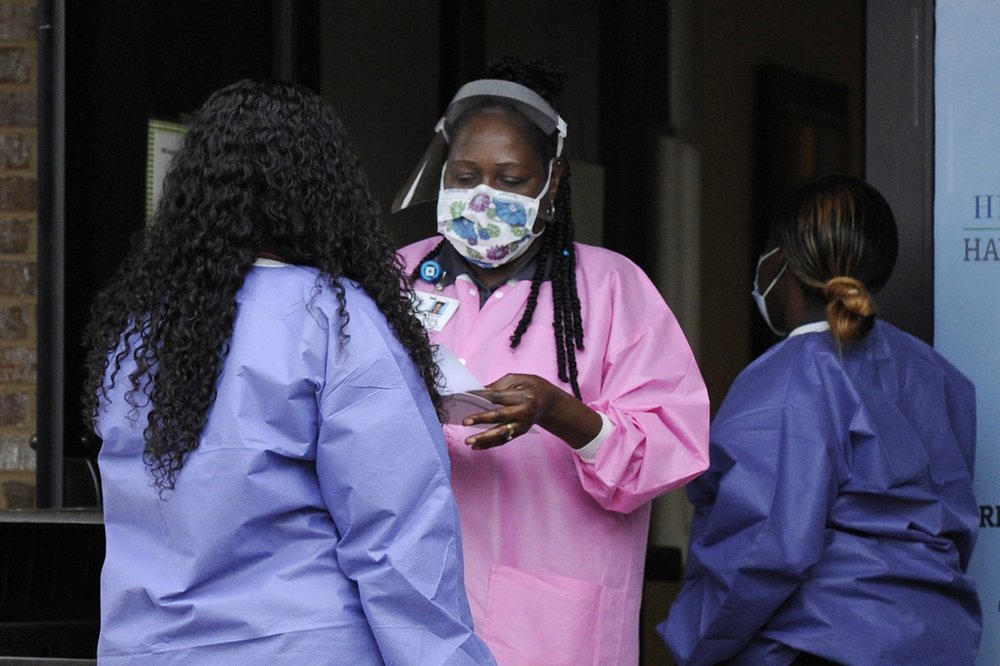
The number of COVID-19 patients in Alabama hospitals has fallen below 2,000, but medical officials cautioned Monday that hospitals and intensive care units remain full of largely unvaccinated patients and that deaths contributed to the decline. After weeks of a near-vertical upward trajectory in hospitalizations — as the highly contagious delta variant spread through unvaccinated populations — the number of people in state hospitals dipped Monday to 1,947 — the lowest it has been since early August. The number is down from 2,890 on Sept. 1 and 3,087 on Jan. 12. But it remains way above the early summer lull in the pandemic when there were fewer than 300 people hospitalized. The dip is potentially a positive sign, medical officials said, but they cautioned that large numbers of people remain in the hospital and that deaths contributed to the decline. “It is a good sign, but 25 consecutive days with more than 40 deaths clearly contributes to the decline,” Dr. Don Williamson, the former state health officer who now heads the Alabama Hospital Association, said. According to researchers at Johns Hopkins University, the seven-day rolling average of daily deaths in Alabama has risen over the past two weeks from 27.57 deaths per day on Sept. 4 to 76.29 deaths per day on Sept. 18. Williamson said he is concerned about the impact of a potential decrease in the availability of monoclonal antibody treatments as federal officials ration the valuable resource. State Health Officer Scott Harris said Friday, that it’s possible the delta variant had peaked in the state but cautioned that it is too soon to tell. He too said part of the reason the hospital numbers have declined is because of the number of patients that have died. “We are also continuing to have double-digit numbers of deaths which accounts for some of the decline,” Harris said. Republished with the permission of the Associated Press.
