
Paul DeMarco: Alabama leaders must circumvent government rules that limit treatment options for Covid-19 patients

As the pandemic continues around the nation, one highly effective medication for those that have already contracted COVID-19 is the monoclonal antibody treatment. Thousands of patients across Alabama have received this treatment, and it has proven to keep patients out of the hospital and prevent deaths by up to seventy percent. Yet, as infections and deaths from the virus continue to climb in Alabama at record rates, the Joe Biden Administration has abruptly limited the amount of monoclonal antibody treatment to many states, including Alabama. The Alabama Department of Public Health was given short notice that the treatment drugs could be limited significantly and would now have to be distributed directly to the state by the federal providers instead of to hospitals and other private healthcare sites. Limiting the supply will lead to less medications for patients who need it to avoid serious outcomes. Alabama has millions of dollars in federal health care grants for COVID-19 relief that have not been spent and can still be appropriated. That money should be used to purchase more monoclonal antibody treatments to make up for the restrictions imposed by the President. Florida is looking at taking the same approach to prevent more of its citizens from being hospitalized. Alabama leaders must take action immediately to protect the lives of Alabama citizens during this pandemic. Governor Kay Ivey and the Alabama Legislature should implement plans to order the medications directly from other manufacturers of this treatment. We cannot allow the Biden Administration to limit supplies, which could cost more hospitalizations and fatalities in Alabama. Paul DeMarco is a former member of the Alabama House of Representatives.
Alabama sheriff recovering from COVID-19

An Alabama sheriff is recovering at home from COVID-19 after two days in a hospital being treated for the virus. Autauga Sheriff Joe Sedinger was admitted Monday to Jackson Hospital in Montgomery and released two days later, The Montgomery Advertiser reported. He credits getting the COVID vaccination when it was made available and monoclonal antibody infusion after going to the hospital for his quick recovery. “I tell you, wasn’t so sure I was going to make it Monday,” he said. “I started feeling bad Sunday, and it went quick. The shot and infusion made all the difference. I was feeling much better, just a few hours after getting the infusion.” Monoclonal antibodies are laboratory-made versions of virus-blocking antibodies that help fight off infections. The treatments help the patient by supplying concentrated doses of one or two antibodies and are credited with lessening the severity of the infection. The drugs are only recommended for people at the highest risk of progressing to severe COVID-19, but regulators have slowly broadened who can qualify. The list of conditions now includes older age, obesity, diabetes, heart disease, pregnancy, and more than a half-dozen other issues. Sedinger said he will quarantine at home for the required period. “I’m feeling better every day, but we’re doing what the doctor says,” he said. He said he has no idea where he may have been exposed to the virus. “I could have picked it up anywhere,” Sedinger said. Republished with the permission of the Associated Press.
UAB pauses vaccine requirement in face of federal mandate
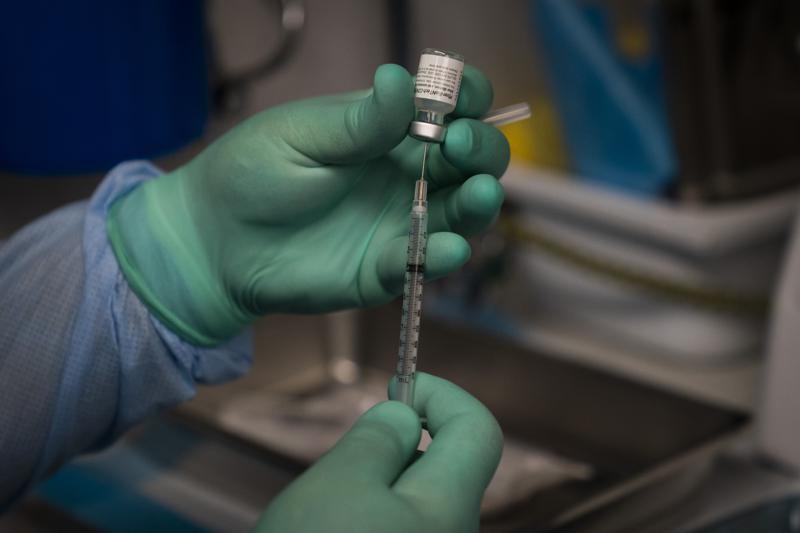
The University of Alabama at Birmingham has ended a COVID-19 vaccine requirement for health system employees as officials await details about a federal mandate for health care workers. UAB Health in August announced that both employees and others working in its hospitals and clinics must be fully vaccinated against COVID-19 by Nov. 12. It announced Friday that it was withdrawing the policy in the face of the coming federal mandate. “Because UAB Health System must follow federal law, UAB Health System will remove its vaccine policy at this time. UAB Health System will wait for the detailed federal guidance to develop a replacement vaccine policy in order to ensure full compliance with federal law,” the university said in a statement. President Joe Biden this month announced a sweeping new push for vaccinations. The expansive rules mandate that all employers with more than 100 workers require them to be vaccinated or test for the virus weekly, affecting about 80 million Americans. And the roughly 17 million workers at health facilities that receive federal Medicare or Medicaid also will have to be fully vaccinated. A group opposed to the UAB mandate had sent the university a letter threatening a lawsuit over the vaccine requirement. Republished with the permission of the Associated Press.
John Merrill: Joe Biden’s Vaccine Edict
It is obvious that someone in the White House needs to remind Joseph R. Biden that he is the President of the United States and not a third-world dictator. Like many Americans, I was outraged when President Biden mandated that companies with 100 or more employees require vaccination or subject unvaccinated employees to weekly testing. Neither the U.S. Constitution nor the U.S. Code allow the President to unilaterally compel tens of millions of Americans to follow his personal demands because his patience is “wearing thin.” While I believe that vaccines are effective and safe, it is equally important to remember that every American must retain his or her right to make his or her own healthcare choices. If the government can compel millions of private-sector workers to take a vaccine against their wishes, then what can the government mandate next? Past statements, made by White House officials, prove that they know perfectly well that the President’s mandate is ill-advised and unconstitutional. In December, President-elect Biden stated, “No, I don’t think it should be mandatory; I wouldn’t demand it be mandatory.” On July 23, 2021, Press Secretary Jen Psaki speaking about vaccine mandates said, “That’s not the role of the federal government.” Since these comments were made nothing has changed, except the Biden Administration’s need to shift the public’s attention. The administration does not want the public focusing on its failed Covid policy, the disaster at our southern border, or the botched execution of the withdrawal of our troops from Afghanistan. What should concern every American is President Biden’s use of the Occupational Safety and Health Administration (OSHA) to implement his mandate. Allowing federal bureaucrats to trample the individual rights of millions of Americans by administrative edict is a troubling prospect. President Biden’s actions provide for no accountability or credible legislative oversight, and if this precedent is set, then the presidency will become nothing more than a revolving door of term-limited dictators. Even OSHA’s own standards would not justify President Biden’s emergency rules. In his speech, President Biden acknowledged that the risk of serious illness was extremely low for vaccinated individuals. Meaning anybody in the workplace can protect themselves from “grave danger” by getting vaccinated. In the absence of any grave danger, which is required under OSHA rules for temporary emergency standards, there is no justification for President Biden’s new standards. Additionally, President Biden’s edict is unscientific and it is bad public policy. The administration creates no exception of individuals who have natural immunity and possess antibodies. Despite the fact that a recent study from Israel found that those who have recovered from Covid-19 have considerably more protection from the Delta variant than those who have received the Pfizer vaccine. Natural immunity is a well-established scientific principle. What scientific information lead the administration not to provide an exception for the millions of unvaccinated who have already contracted the disease? President Biden’s mandate will only further entrench vaccine skeptics. Someone who has refused the vaccine will not suddenly change their mind because the federal government presents them with a choice between keeping their jobs or getting vaccinated. Vaccine skeptics will assert that President Biden’s mandate is proof positive that the government’s vaccine campaign is more about control than genuine public health concerns, especially skeptics who have previously contracted the disease and possess natural immunity. In 1964, Ronald Reagan delivered his famous speech, A Time for Choosing. Reagan declared, “You and I are told increasingly we have to choose between left or right. Well, I’d like to suggest there is no such thing as a left or right. There’s only an up or down.” Today, our nation again has been presented with a choice. Will we submit to the whims of an out-of-touch tyrant? Or will we reject irrational, emotional, fear-based thinking and develop a rational plan to remain the greatest country in the history of the world? I have already made my choice, and I hope you will join me. John Merrill is currently serving as Alabama’s 53rd secretary of state.
Doctors and experts decry Biden admins plan to cut AL’s monoclonal antibody treatments by 30%
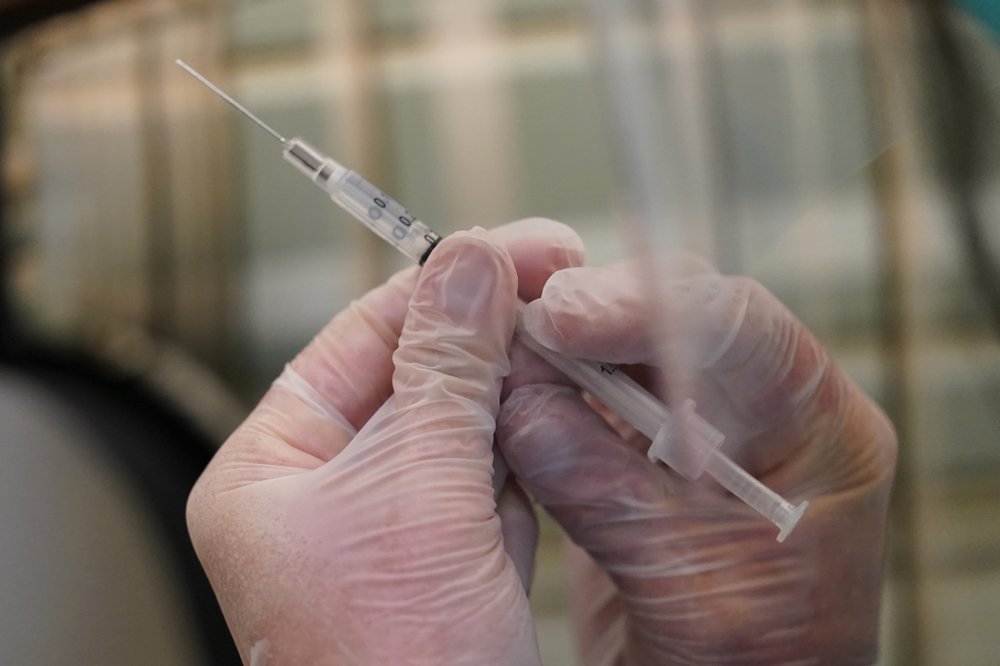
The Medical Association of the State of Alabama is voicing concerns after state health officials announced a federal plan to cut the state’s allocation of monoclonal antibodies. The U.S. Department of Health and Human Service is halting treatment expansion plans and imposing limitations on the state’s allocation of monoclonal antibodies reported Al.com. “Alabama’s hospitals are full and under tremendous stress. That’s why physicians are very concerned about federal efforts that will end up limiting our supply and access to this effective treatment,” stated Dr. Aruna Arora, President of the Medical Association. “We’re calling on the federal government to help us provide more of this treatment – not less – so we can save lives and keep COVID patients out of the hospital.” The limitations the federal government has set are expected to be temporary. However, the cuts will impact some 228 providers, including 142 non-hospital locations and doctor’s offices. Patients who receive monoclonal antibody treatments report feeling better within 24 to 48 hours. Dr. Aurora stressed that the antibodies are not a replacement for vaccinations. “The best way people can avoid COVID-19 and hospitalization is to get vaccinated. Monoclonal antibody treatment is not a substitute for COVID vaccinations. However, if someone does test positive for COVID-19, they should immediately talk to a physician and see if they qualify for monoclonal antibody treatment. It can be a life-saver if given in the first 10 days of symptoms,” Dr. Arora said. Because of the limitations put on monoclonal antibodies, the Alabama Department of Public Health has asked healthcare providers to review the criteria for administering the treatment based on the patient’s risk of progression to severe Covid-19 disease. Alabama Department of Public Health Chief Medical Officer Dr. Mary McIntyre stated, “It is important to understand that post-exposure preventive monoclonal antibodies are not a replacement for vaccination. Prevention of any disease including COVID-19 disease is always best when it is an available option. The best way to prevent any infectious illness is to avoid being exposed to it. People have the power to protect themselves and their families by reducing the chance of being exposed and of exposing others.” The Alabama Department of Public Health have asked healthcare providers to review criteria for administering the treatment based on the patient’s risk of progression to severe COVID-19 disease. According to the ADPH website, post-exposure preventive monoclonal antibody treatment should be considered for individuals who have been exposed and who are: 12 years of age or older and weigh at least 88 pounds and Not fully vaccinated or vaccinated but immunocompromised or on immunosuppressive treatment and Treatment should be given within 10 days after close contact with a positive case to patients who then test positive themselves.
Kay Ivey calls Joe Biden’s vaccine mandate ‘outrageous’

On Thursday, President Joe Biden outlined his new federal vaccine requirements for as many as 100 million Americans, Associated Press reported. Many Republican leaders believe Biden has gone too far. The rules mandate that all employers with more than 100 workers require them to be vaccinated or test for the virus weekly. Also, the 17 million workers at health facilities that receive federal Medicare or Medicaid will have to be fully vaccinated. Governor Kay Ivey said in a statement, “Once again, President Biden has missed the mark. His outrageous, overreaching mandates will no doubt be challenged in the courts. Placing more burdens on both employers and employees during a pandemic with the rising inflation rates and lingering labor shortages is totally unacceptable. “Alabamians have stepped up by rolling up their sleeves to get the covid-19 vaccine, increasing our doses administered significantly in recent weeks. We have done so without mandates from Washington D.C. or Montgomery,” Ivey continued. I’ve made it abundantly clear: I support the science and encourage folks taking the vaccine. However, I am absolutely against a government mandate on the vaccine, which is why I signed the vaccine passport ban into law here in Alabama. This is not the role of the government. I continue encouraging any Alabamian who can, to get the covid-19 vaccine. We have a safe and effective tool at our fingertips, so, let’s roll up our sleeves and get this thing beat.” According to the CDC, more than 177 million Americans are fully vaccinated against the coronavirus. However, confirmed cases have shot up in recent weeks to an average of about 140,000 per day with on average about 1,000 deaths.
Sweeping new vaccine mandates for 100 million Americans

In his most forceful pandemic actions and words, President Joe Biden on Thursday announced sweeping new federal vaccine requirements affecting as many as 100 million Americans in an all-out effort to increase COVID-19 vaccinations and curb the surging delta variant. Speaking at the White House, Biden sharply criticized the roughly 80 million Americans who are not yet vaccinated, despite months of availability and incentives. “We’ve been patient. But our patience is wearing thin, and your refusal has cost all of us,” he said, all but biting off his words. The unvaccinated minority “can cause a lot of damage, and they are.” The expansive rules mandate that all employers with more than 100 workers require them to be vaccinated or test for the virus weekly, affecting about 80 million Americans. And the roughly 17 million workers at health facilities that receive federal Medicare or Medicaid also will have to be fully vaccinated. Biden is also signing an executive order to require vaccination for employees of the executive branch and contractors who do business with the federal government — with no option to test out. That covers several million more workers. Biden announced the new requirements in a Thursday afternoon address from the White House as part of a new “action plan” to address the latest rise in coronavirus cases and the stagnating pace of COVID-19 shots that has raised doubts among the public over his handling of the pandemic. Just two months ago, Biden prematurely declared the nation’s “independence” from the virus. Now, despite more than 208 million Americans having at least one dose of the vaccines, the U.S. is seeing about 300% more new COVID-19 infections a day, about two-and-a-half times more hospitalizations, and nearly twice the number of deaths compared to the same time last year. “We are in the tough stretch, and it could last for a while,” Biden said of the current state of the pandemic. After months of using promotions to drive the vaccination rate, Biden is taking a much firmer hand, as his aides blamed people who have not yet received shots for the sharp rise in cases that is killing more than 1,000 people per day and imperiling a fragile economic rebound. In addition to the vaccination requirements, Biden moved to double federal fines for airline passengers who refuse to wear masks on flights or to maintain face-covering requirements on federal property in accordance with Centers for Disease Control and Prevention guidelines. Biden announced that the federal government will work to increase the supply of virus tests and that the White House has secured concessions from retailers including Walmart, Amazon, and Kroger to sell at-home testing kits at cost beginning this week. The administration was also sending additional federal support to assist schools in safely operating, including additional funding for testing. And Biden will call for large entertainment venues and arenas to require vaccinations or proof of a negative test for entry. The requirement for large companies to mandate vaccinations or weekly testing for employees will be enacted through a forthcoming rule from the Occupational Safety and Health Administration that carries penalties of $14,000 per violation, an administration official said. The White House did not immediately say when it would take effect but said workers would have sufficient time to get vaccinated. The rule would also require that large companies provide paid time off for vaccination. Meanwhile, the Centers for Medicare & Medicaid Services will extend a vaccination requirement issued earlier this summer — for nursing home staff — to other healthcare settings, including hospitals, home health agencies, and dialysis centers. Separately, the Department of Health and Human Services will require vaccinations in Head Start Programs, as well as schools run by the Department of Defense and Bureau of Indian Education, affecting about 300,000 employees. Biden’s order for executive branch workers and contractors includes exceptions for workers seeking religious or medical exemptions from vaccination, according to Jen Psaki. Federal workers and contractors will have 75 days to get fully vaccinated. Workers who don’t comply will be referred to their agencies’ human resources departments for counseling and discipline, including potential termination. “We would like to be a model” to other organizations and businesses around the country, Psaki said of the federal workforce. An AP-NORC poll conducted in August found 55% of Americans in favor of requiring government workers to be fully vaccinated, compared with 21% opposed. Similar majorities also backed vaccine mandates for health care workers, teachers working at K-12 schools, and workers who interact with the public, as at restaurants and stores. Biden has encouraged COVID-19 vaccine requirements in settings like schools, workplaces, and university campuses, and the White House hopes the strengthened federal mandate will inspire more businesses to follow suit. On Thursday, the Los Angeles Board of Education was expected to vote on requiring all students 12 and older to be fully vaccinated in the nation’s second-largest school district. Walmart, the nation’s largest private employer, said in late July it was requiring that all workers at its headquarters in Bentonville, Arkansas, as well as its managers who travel within the U.S., be vaccinated against COVID-19 by Oct. 4. But the company stopped short of requiring shots for its frontline workers. CVS Health said in late August it would require certain employees who interact with patients to be fully vaccinated by the end of October. That includes nurses, care managers, and pharmacists. In the government, several federal agencies have previously announced vaccine requirements for much of their staff, particularly those in healthcare roles like the Department of Veterans Affairs, and the Pentagon moved last month to require all service members to get vaccinated. Combined, the White House estimates those requirements cover 2.5 million Americans. Thursday’s order is expected to impact nearly 2 million more federal workers and potentially millions of contractors. Biden’s measures should help, but what’s really needed is a change in mindset for many people, said Dr. Joshua Sharfstein, vice dean at the Johns Hopkins Bloomberg School of Public Health
White House taps populist message as Joe Biden pushes $3.5T plan
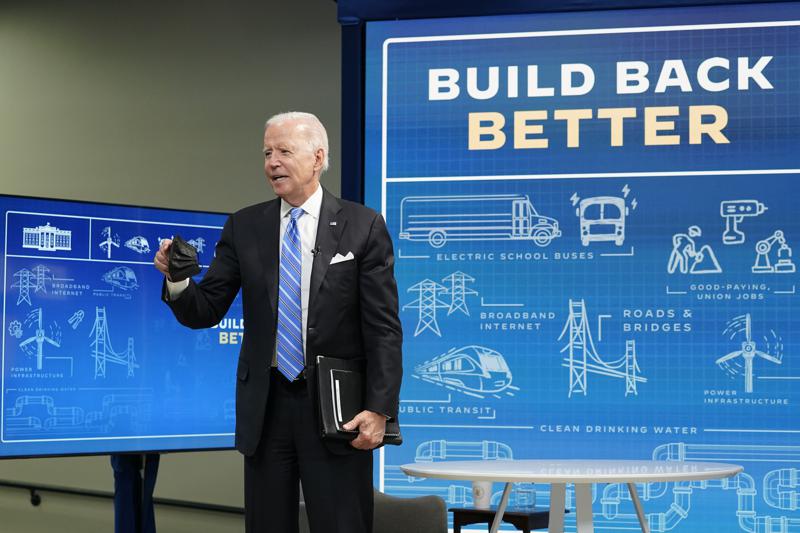
The White House is preparing an urgent and populist message for selling President Joe Biden’s $3.5 trillion “build back better” agenda, even as House committee leaders begin churning out pieces of the forthcoming measure. In a memo being sent Tuesday to Capitol Hill and obtained by The Associated Press, the administration warns there is no time to waste in passing the package of corporate tax hikes and domestic initiatives by the end of the month. “We face a fundamental choice in America right now as we rebuild our economy: this time, will everyone get in on the deal?” the memo says. “The time is now. We have to meet the needs in front of us. Not tomorrow, not months from now, not next year. Right now.” The urgent appeal comes at a crucial time, with House and Senate Democrats hoping to assemble the package by a self-imposed Sept. 15 deadline. It also comes as Biden seeks to refocus on his core campaign promises after a brutal summer, punctuated by spiking COVID-19 cases and the deadly evacuations and withdrawal from Afghanistan. Illustrating Democrats’ ambition as well as the challenges they face, House Ways and Means Chairman Richard Neal released part of his panel’s portion of the bill Tuesday. The Massachusetts Democrat proposed creating a new paid family and medical leave program for workers that is more generous than Biden’s own plan and expanding Medicare to provide dental, vision, and hearing benefits. But Neal also did not immediately unveil tax boosts on the rich and corporations that Democrats say will pay for much of the measure’s cost, saving that for coming days. The tax increases are likely to be among the most contentious items in the package, with some moderate Democrats facing tough reelection fights wary of them. But they are crucial if the party wants to support its claim that those tax boosts and other savings will pay for the entire measure, which they say will cost $3.5 trillion over 10 years. Neal and Senate Finance Committee Chairman Ron Wyden, D-Ore., are trying to resolve differences over some items in hopes the measure the House ultimately approves will largely face smooth sailing in the Senate, said Democrats who spoke on condition of anonymity to describe the legislation’s status. The bill will need the support of virtually every Democrat to clear the closely divided Congress. The Ways and Means panel has jurisdiction over the biggest chunk of the overall bill, and its members plan to begin voting on their piece of the plan on Thursday and Friday. “This is our historic opportunity to support working families and ensure our economy is stronger, more inclusive, and more resilient for generations to come,” Neal said in a statement. Republicans say Neal’s measure will end up raising taxes on people earning under $400,000, which Biden and Democrats have said will not happen. “They’re hiding the ball,” said J.P. Freire, the panel’s GOP spokesman. The committee’s proposal will pay for up to 12 weeks of paid family and medical leave for workers, beginning in 2023, including for higher earners. Biden’s plan would be phased in over the decade. Neal’s proposal would also phase in Medicare coverage for vision benefits starting in 2022, hearing in 2023, and dental in 2028. Missing in the details, he released Tuesday was a proposal to lower the Medicare eligibility age to 60, which has been considered unlikely to be included because it is expensive. It includes increased spending for child care, long-term care facilities, better benefits for workers laid off due to imports, and training health care workers. It would also require many employers to automatically enroll workers in savings arrangements like IRAs or 401(k) plans. Inside the White House, September is seen as a crucial month to make gains on Biden’s agenda. In speeches and travel, the president is expected to take a more aggressively populist tone as he rallies support for the plan. Congressional approval is not guaranteed as Democrats work to fundamentally reorder aspects of the U.S. economy and its governmental support systems. Democrats are already preparing for an onslaught of attacks over what Republicans call Biden’s big tax and spending plans, as the GOP tries to wrest control of Congress by winning House and Senate seats in next year’s midterm elections. In framing the arguments ahead as a choice, the White House is showing congressional Democrats one way the administration plans to counter those Republican attacks. “Republicans who oppose the Build Back Better agenda have chosen whose side they are on, too,” said the memo from White House Communications Director Kate Bedingfield to House Democratic communicators. “The Build Back Better agenda is about tackling those challenges and leveling the playing field to ensure the wealthiest and corporations pay their fair share and working families get a fighting chance to succeed and prosper in this country,” the memo said. Republished with the permission of the Associated Press.
Statewide moment of silence to remember lives lost to virus
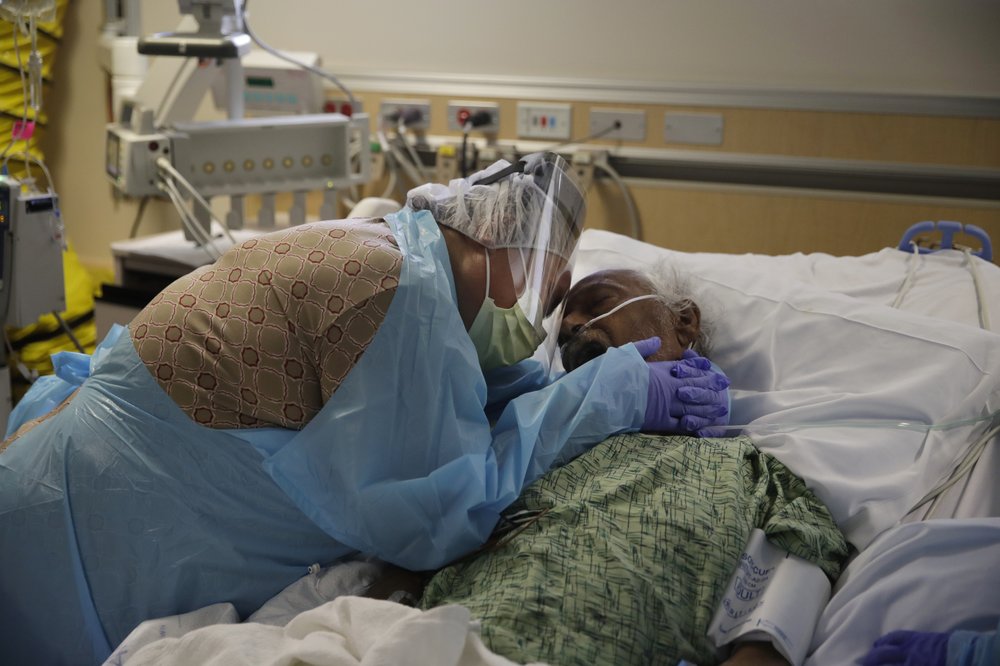
Alabama hospital officials planned a statewide moment of silence to remember those who have died with COVID-19. The Alabama Hospital Association helped organize the Tuesday vigil to remember the more than 12,000 Alabamians who lost their lives during the coronavirus pandemic and support those battling the virus, Al.com reported. The event was at noon on Sept. 7. Organizers encouraged all Alabamians to participate wherever they are that day. Hospital staff and physicians from across the state were asked to take part. “The Delta variant is causing unprecedented devastation and grief in Alabama,” Alabama Hospital Association President Donald Williamson said. “We had hoped that we’d be in a better place this fall, but our hospitals are full, and families across the state continue to deal with tremendous loss.” “Our dedicated health care workers are under incredible physical and emotional strain, yet still are giving all they have to care for their patients,” he added. Republished with the permission of the Associated Press.
UAB ER nurses hold protest over conditions, pay
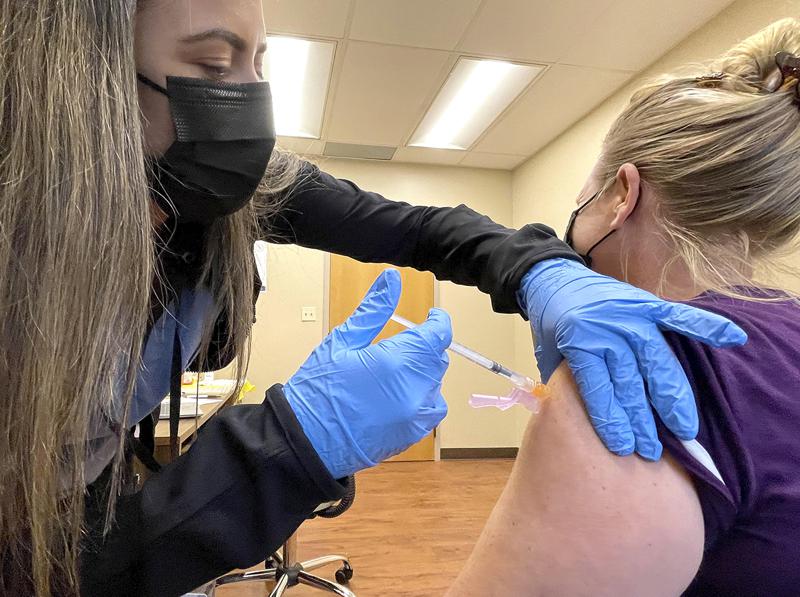
Emergency room nurses at the University of Alabama at Birmingham Hospital briefly refused to clock in Sunday night as part of a protest over pay and working conditions during the COVID-19 pandemic that they said has left them overwhelmed and feeling defeated. News outlets report that the night shift nurses briefly refused to start their shift on Sunday night as part of a planned protest. Nurses said they were fighting for equal compensation and described working through a surge of COVID-19 patients while being understaffed. The hospital said there were about 20 medical staff involved in the protest and the workers began their shifts after discussing their concerns with hospital leaders. One nurse, whose name was not given, told WVTM that nurses felt overwhelmed after working on the front line through multiple resurgences of the virus. Another unnamed nurse told the station that the protesting hospital workers felt defeated and wanted their voices heard. The nurses said it was part of a planned protest and said that patients were not denied care because day shift workers stayed late. The hospital in a statement said about 20 emergency room staff started their shift about two hours late Sunday night and that patient care was not impacted. “We recognize the pressure COVID has put on our nursing staff,” UAB Hospital Chief Nursing Officer Terri Poe said in a statement. She said the hospital has offered pay increases, bonuses, and incentives when possible during the pandemic. “The concerns voiced this week by emergency department staff will help inform ongoing discussions about compensation as we adjust the rapidly evolving healthcare landscape and pressures of the pandemic,” Poe said. “We continue to encourage the public to get vaccinated and to wear masks so we can end the pandemic sooner and relieve stress from our dedicated staff.” Republished with the permission of the Associated Press.
After unrelenting summer, Joe Biden looks to get agenda on track
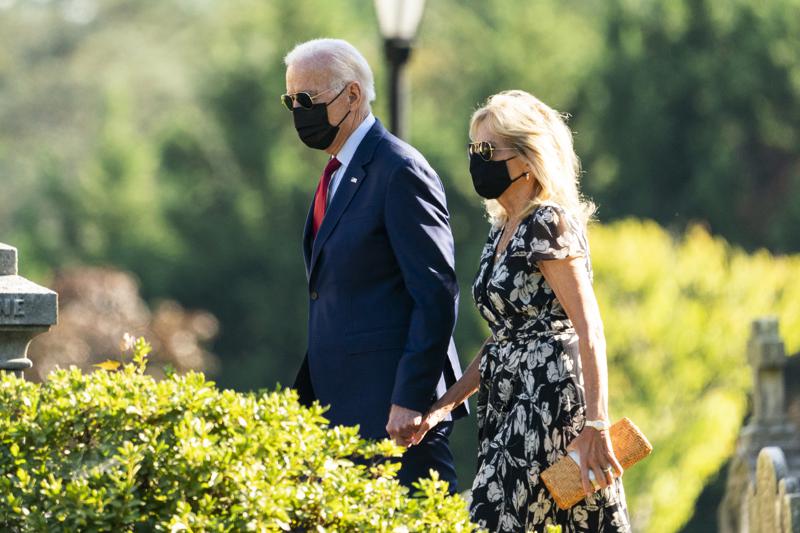
The collapse of the Afghan government, a surge of COVID-19 cases caused by the delta variant, devastating weather events, a disappointing jobs report. What next? After a torrent of crises, President Joe Biden is hoping to turn the page on an unrelenting summer and refocus his presidency this fall around his core economic agenda. But the recent cascade of troubles is a sobering reminder of the unpredictable weight of the office and fresh evidence that presidents rarely have the luxury of focusing on just one crisis at a time. Biden’s unyielding summer knocked his White House onto emergency footing and sent his own poll numbers tumbling. “The presidency is not a job for a monomaniac,” said presidential historian Michael Beschloss. “You have to be multitasking 24 hours a day.” Never has that been more true than summer 2021, which began with the White House proclamation of the nation’s “independence” from the coronavirus and defying-the-odds bipartisanship on a massive infrastructure package. Then COVID-19 came roaring back, the Afghanistan pullout devolved into chaos, and hiring slowed. Biden now hopes for a post-Labor Day reframing of the national conversation toward his twin domestic goals of passing a bipartisan infrastructure bill and pushing through a Democrats-only expansion of the social safety net. White House officials are eager to shift Biden’s public calendar toward issues that are important to his agenda and that they believe are top of mind for the American people. “I think you can expect the president to be communicating over the coming weeks on a range of issues that are front and center on the minds of the American people,” said White House press secretary Jen Psaki. “Certainly, you can expect to hear from him more on his Build Back Better agenda, on COVID and his commitment to getting the virus under control, to speak to parents and those who have kids going back to school.” During the chaotic Afghanistan evacuation, the White House was central in explaining the consequences of Biden’s withdrawal decision and the effort to evacuate Americans and allies from the country. Now, officials want to put the State Department and other agencies out front on the efforts to assist stranded Americans and support evacuees, while Biden moves on to other topics. It’s in part a reflection of an unspoken belief inside the White House that for all the scenes of chaos in Afghanistan, the public backs his decision, and it will fade from memory by the midterm elections. Instead, the White House is gearing up for a legislative sprint to pass more than $4 trillion in domestic funding that will make up much of what Biden hopes will be his first-term legacy before the prospects of major lawmaking seize up in advance of the 2022 races. On Friday, in remarks on August’s disappointing jobs report, Biden tried to return to the role of public salesman for his domestic agenda and claim the mantle of warrior for the middle class. “For those big corporations that don’t want things to change, my message is this: It’s time for working families — the folks who built this country — to have their taxes cut,” Biden said. He renewed his calls for raising corporate rates to pay for free community college, paid family leave, and an expansion of the child tax credit. “I’m going to take them on,” Biden said of corporate interests. While Biden may want to turn the page, though, aides are mindful that the crises are not done with him. Biden is planning to speak this week on new efforts to contain the delta variant and protect kids in schools from COVID-19. And his administration continues to face criticism for his decision to pull American troops from Afghanistan before all U.S. citizens and allies could get out. “President Biden desperately wants to talk about anything but Afghanistan, but Americans who are hiding from the Taliban, ISIS, and the Haqqani network don’t give a damn about news cycles, long weekends, and polling — they want out,” said Republican Sen. Ben Sasse of Nebraska. He called on the Biden White House on Friday to provide a public accounting of the number of Americans and their allies still stuck inside Afghanistan. Biden also will soon be grappling with the fallout from the windup of two anchors of the government’s COVID-19 protection package: The federal moratorium on evictions recently expired, and starting Monday, an estimated 8.9 million people will lose all unemployment benefits. The president also is still contending with the sweeping aftereffects of Hurricane Ida, which battered the Gulf states and then swamped the Northeast. After visiting Louisiana last week, he’ll get a firsthand look at some of the damage in New York and New Jersey on Tuesday. Already, he is trying to turn the destruction wrought by the hurricane into a fresh argument for the infrastructure spending he’s been pushing all along, telling local officials in Louisiana, “It seems to me we can save a whole lot of money and a whole lot of pain for our constituents — if when we build back, we build it back in a better way.” According to White House officials, even as other issues dominated headlines, Biden and his team have maintained regular conversations with House Speaker Nancy Pelosi, D-Calif., and Senate Minority Leader Mitch McConnell, R-Ky., about the president’s legislative agenda. His legislative team held more than 130 calls and meetings with members of Congress, their chiefs of staff, and aides on the infrastructure bill and spending package, and his administration has held over 90 meetings with legislative staff on crafting the reconciliation bill. Responding to concerns raised by pivotal Sen. Joe Manchin, D-W.Va., over the price tag on the roughly $3.5 trillion social spending package, White House chief of staff Ron Klain told CNN on Sunday that he was convinced that the Democrat was “very persuadable” on the legislation. Cabinet officials have also been engaged with lawmakers, officials said, and traveled to 80 congressional districts to promote the agenda across the country while Biden was kept in Washington. Biden, said Beschloss, may have
Alabama to use $12 million in relief funds to recruit nurses
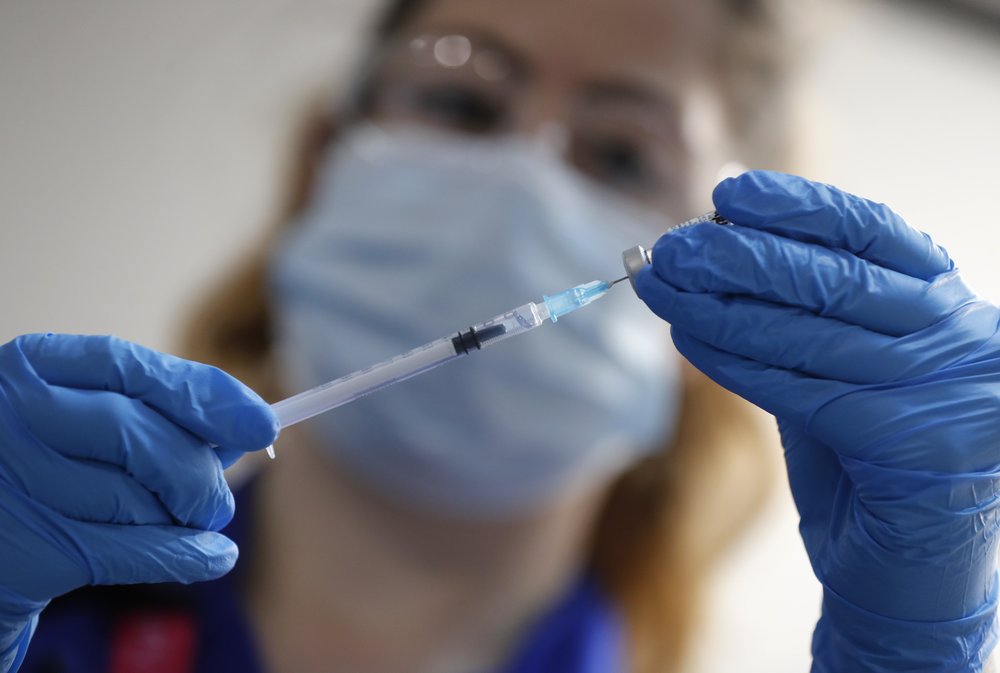
Alabama Gov. Kay Ivey on Friday reallocated $12.3 million of the state’s coronavirus relief funds to hire travel nurses to help state hospitals overwhelmed with COVID-19 patients. The Republican governor announced the move as the state continues to see a surge in virus cases, straining hospital resources and staff. “I’m pleased to see more folks getting vaccinated, but we are still in the thick of COVID-19, and our hospitals are overwhelmed,” Ivey said in a statement. “The money is coming from the state’s share of CARES Act funds. Until our vaccination rates rise and our COVID-19 hospitalization rates fall, we will need the extra support these nurses provide.” Alabama on Thursday had 2,838 COVID-19 patients in state hospitals, a number just below the January pandemic peak of a little over 3,000. But the state has a record number of virus patients in intensive care, causing hospitals to convert other areas to make-shift intensive care units. The state has 1,541 staffed intensive care unit beds, but on Thursday had 1,661 patients receiving intensive care. More than half of the intensive care patients are people with COVID-19. The COVID-19 pandemic has exacerbated a nurse staffing crisis, sending U.S. hospitals into a competition for travel nurses and staff to handle the crush of patients this summer. Hospitals need more staff to handle the patient loads while some nurses have left because they are exhausted, taken lucrative travel jobs, or are out sick because they themselves are sick with COVID-19. Baptist Medical Center South in Montgomery, like hospitals across the country, has turned to travel staff to fill positions. “It’s a national arms race for clinical talent,” CEO Peter Selman, said. He said the hospital is paying up to between $140 and $155 an hour to national staffing firms. “We’re at our most critical juncture for clinical staff, namely nurses and respiratory therapists and we have a heavy reliance on travel nurses.” The Alabama Hospital Association said there was already a nursing shortage in Alabama before the pandemic, but that after “18 months of grueling hours and emotionally draining work, the shortage has only worsened.” “The dedicated staff who continue to care for Alabamians with COVID-19 and those in need of other hospital services are simply overwhelmed and exhausted, and it’s time to send in some reinforcement,” the organization said in a statement. “This funding comes at a crucial time and will make a tremendous difference in increasing the nursing workforce in our state,” State Health Officer Scott Harris said in a statement. Republished with the permission of the Associated Press.
