Alabama virus hospitalizations lowest since pandemic start

The number of people hospitalized with COVID-19 in Alabama has dropped to the lowest point since the earliest days of the pandemic, state statistics show. Just 156 people statewide were being treated for the illness caused by the new coronavirus on Sunday, according to the Alabama Department of Public Health. That was the least since late March 2020, when the same number were hospitalized as COVID-19 was just beginning to spread across the state. In east Alabama, Regional Medical Center in Alabama hasn’t seen any new COVID-19 cases in more than a week. Dr. Raul Magadia, an infectious disease specialist, told WBRC-TV it was the first time in more than a year the hospital had gone so long without new patients sickened by the virus. “Wednesday last week was our last patient. We discharged and we released our last patient in the COVID ward,” he said. Nearly 3,000 people were hospitalized statewide with COVID-19 in late January at the height of the latest wave, which health officials said was linked to the highly contagious omicron variant. Experts are hopeful that subsequent waves won’t be as bad because so many people have been vaccinated or gained immunity by contracting the illness. About 19,100 people have died of COVID-19 in the state, giving Alabama the nation’s third-highest death rate from the illness at 391 fatalities for every 100,000 residents. Over the last two weeks, the rolling average number of daily new cases has decreased by 720, a decline of about 71%. Republished with the permission of the Associated Press.
Pressure from lawmakers grows as IRS begins new tax season with ‘continued confusion’

Lawmakers on both sides of the aisle are pressuring the Internal Revenue Service over ongoing problems and unaddressed issues from last year’s filing season, even as this year’s season is in full swing. A bipartisan group of more than 100 lawmakers from the U.S. House and Senate sent a letter to the IRS raising concerns about “continued confusion” and “numerous problems” with the agency. “We remain concerned that the IRS does not have a comprehensive plan to remedy the numerous problems affecting taxpayers, despite the fact that this filing season is already well underway,” the lawmakers wrote to IRS Commissioner Charles Rettig. “For example, there is continued confusion about which notices may be unilaterally suspended by the IRS, beyond the notices the IRS has already suspended, among other issues.” The problems began in the aftermath of President Joe Biden’s Child Tax Credit, a monthly payment program that began last summer and continued through the end of the year. That federal program, administered by the IRS, distributed monthly payments to parents based on the age and number of their children. The hefty bureaucratic undertaking, along with stimulus check distribution, resulted in major delays at the IRS. The National Taxpayer Advocate (NTA) published its federally commissioned report in December, which said that the IRS had 6.2 million unprocessed individual returns, 2.4 million unprocessed amended individual returns, 2.8 million unprocessed business returns, and 427,000 amended business returns. The NTA also reported the IRS had roughly 4.75 million pieces of unprocessed correspondence from taxpayers. Republicans on the House Oversight Committee sent a letter to the IRS in February with a similar theme, demanding the IRS remedy bureaucratic issues. Those Republicans also pointed to “COVID-19 related telework policies” allowing most IRS employees to work remotely. “For many Americans, their tax refund can equal six weeks of take-home income,” the letter said. “The volume of tax returns and refunds completed each year shows the far-reaching impact that processing delays could have for the average American. Processed returns are also essential for those who may be entitled to apply for other government benefits such as loans administered by the U.S. Small Business Administration. It is therefore imperative that the IRS take steps to mitigate any processing delays, which can delay refunds and access to economic relief programs.” The Congressional inquiries have placed a steady stream of pressure on the agency. A bipartisan group of 214 lawmakers sent a letter to the IRS and Treasury Department in January, emphasizing the negative impact on small businesses. “In many cases, the delayed processing of amended returns has been devastating to small businesses in our communities whose applications for emergency loans from the Small Business Administration have been caught in limbo nearly two years after the COVID-19 pandemic began,” the letter said. “The situation has deteriorated to a point that the Taxpayer Advocate Service (TAS) will no longer accept cases solely involving the processing of amended returns. This has made it impossible for frustrated taxpayers to find any help.” The IRS issued an “urgent reminder” in January, warning Americans to file electronically “to help speed refunds” this year. Republished with the permission of The Center Square.
Kay Ivey awards $30 million in COVID recovery grants for rural hospitals
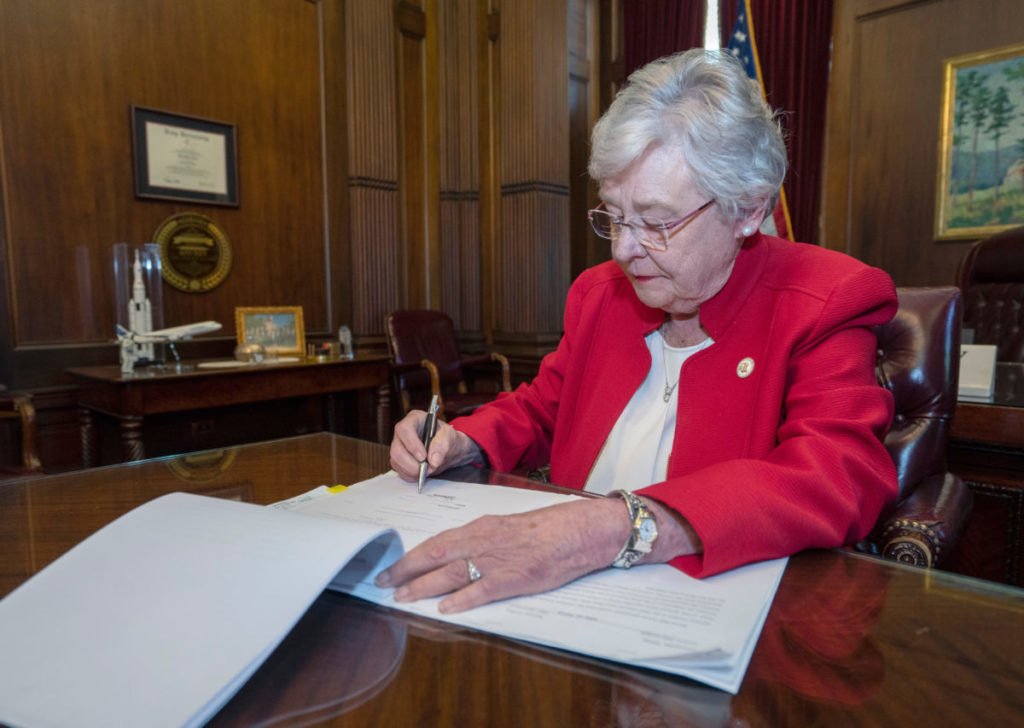
Gov. Kay Ivey awarded $30 million of the State Fiscal Recovery Fund from the American Rescue Plan Act (ARPA) to establish COVID recovery grants for rural hospitals for Alabama’s rural hospitals impacted by the covid-19 pandemic. Alabama received $2.1 billion in ARPA funds, and the Alabama Legislature appropriated $136,796,346 from Alabama’s State Fiscal Recovery Revenue Replacement Fund for this program. “Being someone who calls the Black Belt home, it is important for me to ensure the folks in our state’s rural areas have the resources they need. Rural hospitals are the primary health care for so many of our citizens, and I know this funding will go a long way,” stated Gov. Ivey. The state of Alabama will offer grants in an amount based on bed count for providers that meet eligibility requirements. The application period for the Rural Hospitals COVID Recovery Grant program will be open from noon, March 14 through noon, April 1, 2022. This is in addition to the $40 million allocated to the Alabama Hospital Association last week for the state’s hospitals.
Barack Obama tests positive for COVID-19, says he’s ‘feeling fine’

Former President Barack Obama said on Sunday that he had tested positive for the coronavirus, though he’s feeling relatively healthy and his wife, Michelle, tested negative. “I’ve had a scratchy throat for a couple days, but am feeling fine otherwise,” Obama said on Twitter. “Michelle and I are grateful to be vaccinated and boosted.” Obama encouraged more Americans to get vaccinated against the coronavirus, despite the declining infection rate in the U.S. There were roughly 35,000 infections on average over the past week, down sharply from mid-January when that average was closer to 800,000. The Centers for Disease Control and Prevention report that 75.2% of U.S. adults are fully vaccinated and 47.7% of the fully vaccinated have received a booster shot. The CDC relaxed its guidelines for indoor masking in late February, taking a more holistic approach that meant the vast majority of Americans live in areas without the recommendation for indoor masking in public. Republished with the permission of the Associated Press.
Deepa Bhate: Women, the construction industry is calling you

The COVID-19 pandemic hammered workforce participation, and it’s still recovering—especially with women. According to recent data from the U.S. Bureau of Labor Statistics, men have recovered their labor force losses since February 2020, while in January 2022, over 1 million fewer women were in the labor force as compared to February 2020. The contrast between the current workforce numbers could be a result of women taking on more caretaking responsibilities during the COVID-19 pandemic. Concurrently, women in the workforce still typically earn just 84% of what men earn on average. However, there’s one industry with practically no pay gap, where women earn an average of 94.3% of their male counterparts’ earnings—construction. Annual wages in construction are also higher than most other industries. In fact, the average hourly earnings are over $2 more per hour than all other private industries, and those earnings are up 5% from January 2021. Construction is one of the few industries where you can earn a paycheck while beginning, continuing, or completing your education. It’s a profession where you can establish a well-paying career that provides for your family while learning a lifelong skillset. When I came to America in 1985, my transition was extremely difficult, but over time, I learned that in this country, you have the freedom and the opportunity to achieve anything you set your mind to. I found construction, and since starting my company, Building & Earth Sciences Inc., in 1999, we’ve grown to 240 employees in 18 offices in 9 states. Though seemingly a male-dominated field, there is plenty of room for women to succeed in the construction industry. At ABC Alabama, we are committed to putting the best talent on the construction field. Achieving an inclusive, culturally diverse, and competent workforce that is welcoming to all people—where employees are limited only by their own potential, work ethic, and desire to succeed. This is the essence of the merit shop philosophy, and that’s who we are. To learn more about career opportunities in construction during 2022 Women in Construction Week, March 6-12, visit abc-alabama.org. Deepa Bhate, the CEO of Birmingham-based Building & Earth Sciences, currently serves as the chair of the Associated Builders and Contractors of Alabama.
Alabama covid cases down below 5%, first time since omicron surge
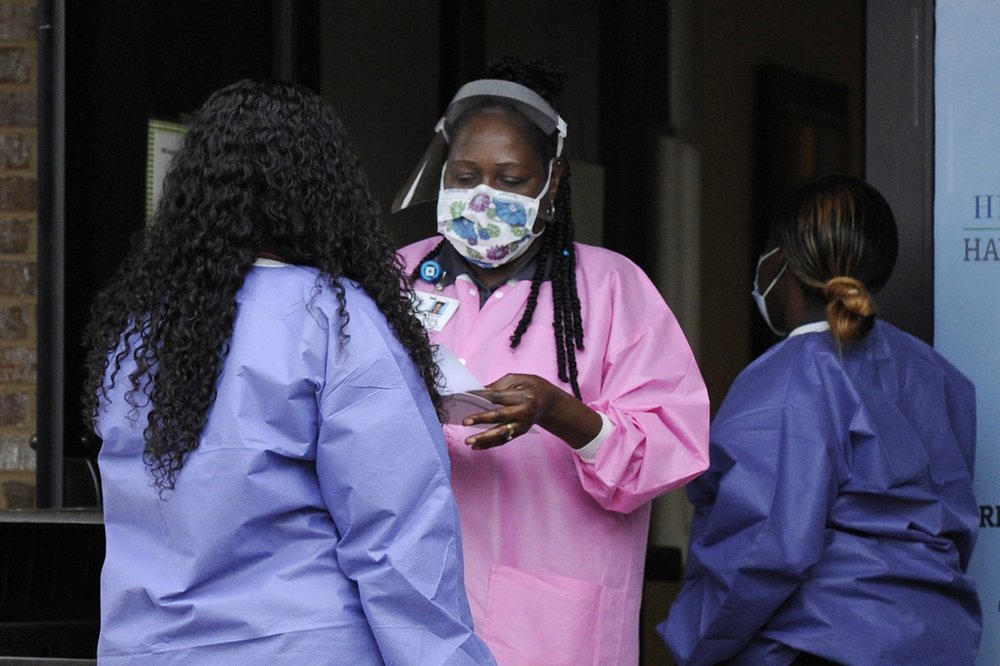
Alabama’s positivity rate for COVID tests over the last seven days fell below 5% for the first time since the start of the omicron surge, reported AL.com. According to the Alabama Department of Public Health (ADPH), Alabama’s positivity rate hasn’t been this low since before the delta surge. Data from the Covid-19 Dashboard show 4% of COVID tests performed in the state over the last seven days have come back positive, the lowest in almost nine months. Cases and hospitalizations also continue to decline. There were just over 400 COVID hospitalizations statewide as of Sunday, the lowest number since Christmas. The state has been averaging between 500 and 1,000 cases per day since late February. However, during the peak of the omicron wave, there were nearly 10,000 cases reported per day. On Twitter, the ADPH stated, “ADPH will be endorsing the new community levels recently released by @CDCgov. Our #COVID19 Data & Surveillance Dashboard will reflect these new measures soon. The dashboard will only be updated Monday-Friday instead of daily.” State Health Officer Dr. Scott Harris stated in a press release, “The solid red high-risk map indicating overall level of community transmission seen over the past 2 months in the state is now colored in the low, moderate, or substantial risk levels in a majority of counties, and the percent positivity in tests is under 10. As we enter our third year battling COVID-19, more than half of the state’s population is fully vaccinated.”
Global death toll nears 6 million as pandemic enters its 3rd year

The official global death toll from COVID-19 is on the verge of eclipsing 6 million — underscoring that the pandemic, now entering its third year, is far from over. The milestone is the latest tragic reminder of the unrelenting nature of the pandemic even as people are shedding masks, travel is resuming, and businesses are reopening around the globe. The death toll, compiled by Johns Hopkins University, stood at 5,997,994 as of Sunday afternoon. Remote Pacific islands, whose isolation had protected them for more than two years, are just now grappling with their first outbreaks and deaths, fueled by the highly contagious omicron variant. Hong Kong, which is seeing deaths soar, is testing its entire population of 7.5 million three times this month as it clings to mainland China’s “zero-COVID” strategy. As death rates remain high in Poland, Hungary, Romania, and other Eastern European countries, the region has seen more than 1 million refugees arrive from war-torn Ukraine, a country with poor vaccination coverage and high rates of cases and deaths. And despite its wealth and vaccine availability, the United States is nearing 1 million reported deaths on its own. Death rates worldwide are still highest among people unvaccinated against the virus, said Tikki Pang, a visiting professor at the National University of Singapore’s medical school and co-Chair of the Asia Pacific Immunization Coalition. “This is a disease of the unvaccinated — look what is happening in Hong Kong right now, the health system is being overwhelmed,” said Pang, the former director of research policy and cooperation with the World Health Organization. “The large majority of the deaths and the severe cases are in the unvaccinated, vulnerable segment of the population.” It took the world seven months to record its first million deaths from the virus after the pandemic began in early 2020. Four months later, another million people had died, and 1 million have died every three months since until the death toll hit 5 million at the end of October. Now it has reached 6 million — more than the populations of Berlin and Brussels combined, or the entire state of Maryland. But despite the enormity of the figure, the world undoubtedly hit its six millionth death some time ago. Poor record-keeping and testing in many parts of the world has led to an undercount in coronavirus deaths, in addition to excess deaths related to the pandemic but not from actual COVID-19 infections, like people who died from preventable causes but could not receive treatment because hospitals were full. Edouard Mathieu, head of data for the Our World in Data portal, said that — when countries’ excess mortality figures are studied — as many as nearly four times the reported death toll have likely died because of the pandemic. An analysis of excess deaths by a team at The Economist estimates that the number of COVID-19 deaths is between 14 million and 23.5 million. “Confirmed deaths represent a fraction of the true number of deaths due to COVID, mostly because of limited testing, and challenges in the attribution of the cause of death,” Mathieu told The Associated Press. “In some, mostly rich, countries that fraction is high and the official tally can be considered to be fairly accurate, but in others, it is highly underestimated.” The United States has the biggest official death toll in the world, but the numbers have been trending downward over the last month. Lonnie Bailey lost his 17-year-old nephew, Carlos Nunez Jr., who contracted COVID-19 last April — the same month Kentucky opened his age group to vaccinations. The Louisville resident said the family is still suffering, including Carlos’ younger sibling, who had to be hospitalized himself and still has lingering symptoms. The aggressive reopening of the country has been jarring for them to witness. “For us, it is hard to let our guard down; it’s going to take a while for us to adjust,” Bailey said. The world has seen more than 445 million confirmed COVID-19 cases, and new weekly cases have been declining recently in all regions except for the Western Pacific, which includes China, Japan, and South Korea, among others, the World Health Organization reported this week. Although the overall figures in the Pacific islands seeing their first outbreaks are small compared to larger countries, they are significant among their tiny populations and threaten to overwhelm fragile health care systems. “Given what we know about COVID … it’s likely to hit them for the next year or so at least,” said Katie Greenwood, head of the Red Cross Pacific delegation. Tonga reported its first outbreak after the virus arrived with international aid vessels following the January 15 eruption of a massive volcano, followed by a tsunami. It now has several hundred cases, but — with 66% of its population fully vaccinated — it has so far reported people suffering mostly mild symptoms and no deaths. The Solomon Islands saw the first outbreak in January and now has thousands of cases and more than 100 deaths. The actual death toll is likely much higher, with the capital’s hospital overwhelmed and many dying at home, Greenwood said. Only 12% of Solomon Islanders are fully vaccinated, though the outbreak has provided new impetus to the country’s vaccination campaign and 29% now have at least one shot. Global vaccine disparity continues, with only 6.95% of people in low-income countries fully vaccinated, compared to more than 73% in high-income nations, according to Our World in Data. In a good sign, at the end of last month, Africa surpassed Europe in the number of doses administered daily, but only about 12.5% of its population has received two shots. The Africa Centers for Disease Control and Prevention is still pressing for more vaccines, though it has been a challenge. Some shipments arrive with little warning for countries’ health systems and others near the expiration date — forcing doses to be destroyed. Eastern Europe has been particularly hard hit by the omicron variant, and with the Russian invasion of Ukraine, a new risk has emerged as hundreds of thousands of people flee to places like Poland on crowded trains.
Virus hospitalizations at lowest point in Alabama since 2021
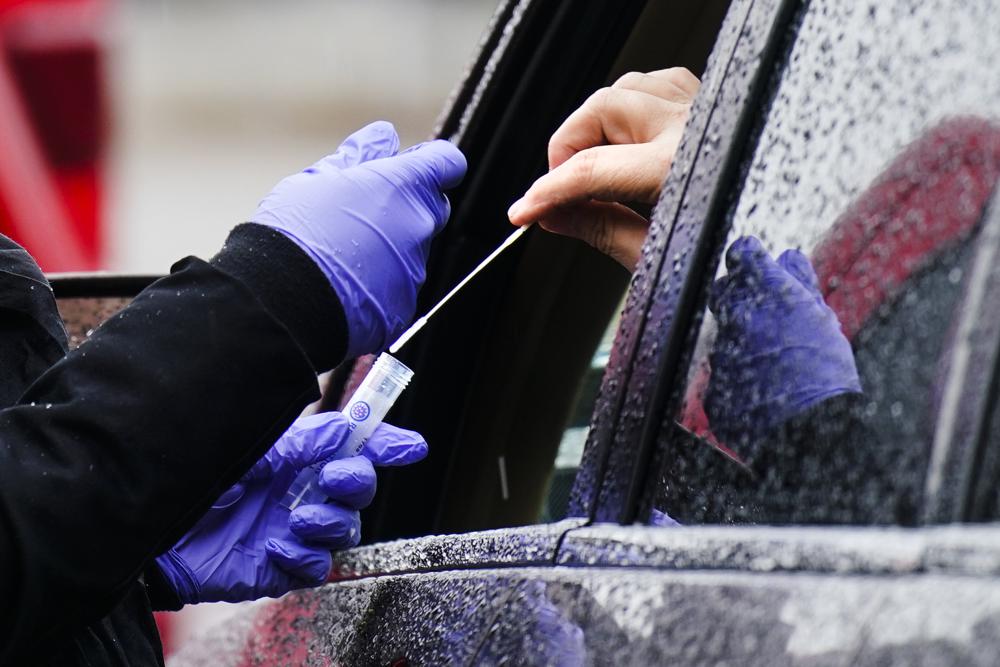
Hospitalizations for COVID-19 are at their lowest point in Alabama since late 2021 in another sign that the latest wave of illness is loosening its grip on the state. Statistics from the Alabama Department of Public Health showed that 535 people were being treated in state hospitals on Thursday, the fewest since late December when the highly contagious omicron variant was beginning to take hold. The total was down from the nearly 3,000 people who were hospitalized statewide in late January. The rolling average number of daily new cases over the last two weeks has declined by 1,089, a decrease of 55%, according to researchers at Johns Hopkins University. There were 280 new cases per 100,000 people in Alabama over the period, which ranks 25th in the country, they found. More than 18,400 people have died of COVID-19 in Alabama, giving the state the nation’s third-highest per capita death rate during the pandemic. Republished with the permission of the Associated Press.
State of the Union: Joe Biden vows to halt Russia, hit inflation

Addressing a concerned nation and anxious world, President Joe Biden vowed in his first State of the Union address Tuesday night to check Russian aggression in Ukraine, tame soaring U.S. inflation and deal with the fading but still dangerous coronavirus. Biden declared that he and all members of Congress, whatever their political differences, are joined “with an unwavering resolve that freedom will always triumph over tyranny.” He asked lawmakers crowding the House chamber to stand and salute the Ukrainians as he began his speech. They stood and cheered. It was a notable show of unity after a long year of bitter acrimony between Biden’s Democratic coalition and the Republican opposition. Biden’s 62-minute speech, which was split between attention to war abroad and worries at home — reflected the same balancing act he now faces in his presidency. He must marshal allied resolve against Russia’s aggression while tending to inflation, COVID-19 fatigue, and sagging approval ratings heading into the midterm elections. Aiming to build on momentum from the speech, Biden will head to Wisconsin on Wednesday in an effort to show Americans that his domestic agenda is working. His vice president and Cabinet members will fan out around the country to amplify the message. Biden heads again to an old bridge set to be repaired — increasingly a symbol for his administration, tangible evidence of the nation that he’s working to update. This time, it’s a wrought-iron bridge that connects Duluth, Minnesota, and Superior, Wisconsin, across the St. Louis Bay. The bridge will be replaced using funds from the massive infrastructure plan signed into law last year, a signature piece of bipartisan legislation and proof — Biden says — that the GOP and Democrats can still work together. In Tuesday’s speech, Biden highlighted the bravery of Ukrainian defenders and a newly reinvigorated Western alliance that has worked to rearm the Ukrainian military and cripple Russia’s economy through sanctions. He acknowledged costs to the American economy, as well, but warned ominously that without consequences, Russian President Vladimir Putin’s aggression wouldn’t be contained to Ukraine. “Throughout our history, we’ve learned this lesson – when dictators do not pay a price for their aggression, they cause more chaos,” Biden said. “They keep moving. And, the costs and threats to America and the world keep rising.” As Biden spoke, Russian forces were escalating their attacks in Ukraine, having bombarded the central square of the country’s second-biggest city and Kyiv’s main TV tower, killing at least five people. The Babi Yar Holocaust memorial was also damaged. Biden announced that the U.S. is following Canada and the European Union in banning Russian planes from its airspace in retaliation for the invasion of Ukraine. He also said the Justice Department was launching a task force to go after Russian oligarchs, whom he called “corrupt leaders who have bilked billions of dollars off this violent regime.” “We are coming for your ill-begotten gains,” he said, pledging that the U.S. and European allies were after their yachts, luxury apartments, and private jets. Biden pivoted in his speech from the troubles abroad to those at home. Even before the Russian invasion sent energy costs skyrocketing, prices for American families had been rising, and the COVID-19 pandemic continues to hurt families and the country’s economy. Biden outlined plans to address inflation by reinvesting in American manufacturing capacity, speeding supply chains, and reducing the burden of childcare and eldercare on workers. “Too many families are struggling to keep up with the bills,” Biden said. “Inflation is robbing them of the gains they might otherwise feel. I get it. That’s why my top priority is getting prices under control.” In one sign of national progress on the pandemic, Biden entered the House chamber without a mask, as coronavirus cases decline and new federal guidance tries to nudge the public back to pre-pandemic activities. But there was evidence of ongoing tension as well: The Capitol was newly fenced due to security concerns after last year’s insurrection. Set against disquiet at home and danger abroad, the White House had conceived Tuesday night’s speech as an opportunity to highlight the improving coronavirus outlook, rebrand Biden’s domestic policy priorities, and show a path to lower costs for families grappling with soaring inflation. But events took a turn toward world affairs with last week’s Russian invasion of Ukraine and nuclear saber-rattling by Putin. As is customary, one Cabinet secretary, in this case, Commerce Secretary Gina Raimondo, was kept in a secure location during the address, ready to take over the government in the event of a catastrophe. The State of the Union is typically an address targeted to a national audience, but this year’s had the world watching. In an interview with CNN and Reuters, Ukrainian President Volodymyr Zelenskyy urged Biden to deliver a strong and “useful” message about Russia’s invasion. In a show of unity, Ukrainian Ambassador to the U.S. Oksana Markarova joined first lady Jill Biden in the House gallery for the speech. In a rare discordant moment, Rep. Lauren Boebert of Colorado yelled out that Biden was to blame for the 13 service members who were killed during last August’s chaotic U.S. withdrawal from Afghanistan. “You put them in. Thirteen of them,” Boebert yelled as Biden mentioned his late son Beau, a veteran who died from brain cancer and served near toxic military burn pits, used extensively in Iraq and Afghanistan. Biden is pursuing legislation to help veterans suffering exposure and other injuries. While the crisis in Eastern Europe may have helped to cool partisan tensions in Washington, it didn’t erase the political and cultural discord that is casting doubt on Biden’s ability to deliver. A February AP-NORC poll found that more people disapproved than approved of how Biden is handling his job, 55% to 44%. That’s down from a 60% favorable rating last July. Biden used his remarks to highlight the progress from a year ago — with the majority of the U.S. population now vaccinated and millions more people at work — but also acknowledged that the job is
Reps. Barry Moore and Mo Brooks demand DOD halt involuntary discharges for vaccine refusal immediately
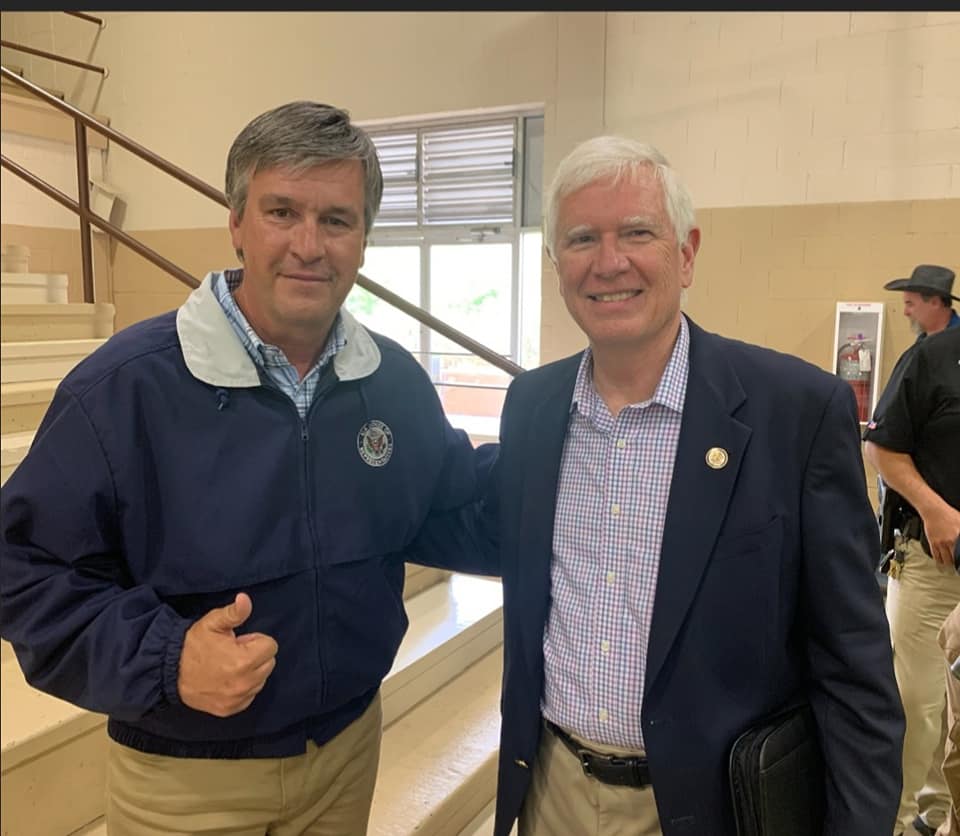
Reps. Barry Moore and Mo Brooks joined 40 of their colleagues in sending a letter to the Department of Defense (DOD) to demand that they halt efforts to involuntarily discharge members of the military who have refused COVID-19 vaccination. The letter requests that they stop until an in-depth review of natural immunity is complete, and the Department has issued uniform procedures for vaccine exemptions. According to Moore’s press release, Section 720 of the National Defense Authorization Act for Fiscal Year 2022 requires the DOD to establish uniform procedures for issuing exemptions and fully consider natural immunity. This includes eligibility timelines for consideration of exemptions for service members nearing separation and retirement in the development of uniform procedures relating to administrative exemptions. According to an NPR report, as of January 26, 96% of active troops had been completely vaccinated, while 3,350 soldiers had refused to get the vaccine. Nearly 5,900 have received temporary exemptions. “The DOD must immediately halt efforts to discharge our active-duty military members who refuse to get the vaccine just because overreaching politicians want to continue intervening in the private lives of the American people,” said Moore. “We must ensure that the DOD completes an in-depth review of natural immunity. I will continue to fight against the tyrannical vaccine mandate on our service members.” The letter states, “We are gravely concerned that the military services are proceeding with involuntary discharges when it is unclear to us whether uniform procedures have been issued by the Department of Defense. If the Department of Defense has not issued uniform procedures or reviewed the inclusion of natural immunity and the military services are moving forward with involuntary discharges, then we believe the Department is ignoring and violating Section 720. Congress included this language to protect our service members, and we expect the Department of Defense to abide by the law.” Additional members of Congress to sign the letter include Vicky Hartzler, Doug Lamborn, Elise Stefanik, Brian Mast, David McKinley, Darrell Issa, Kevin Hern, Rodney Davis, Bill Huizenga, Yvette Herrell, Michael Waltz, Bill Posey, Michael Guest, David Valadao, Thomas Tiffany, Pete Stauber, Mike Kelly, Andy Biggs, Neal Dunn, Gus Bilirakis, Dan Crenshaw, Randy Weber, Sr., Louie Gohmert, Lauren Boebert, Glenn Grothman, Alex Mooney, Joe Wilson, Scott DesJarlais, Jack Bergman, David Schweikert, Jeff Duncan, Ralph Norman, Bruce Westerman, Jim Banks, Rick Crawford, Jodey Arrington, Christopher H. Smith, Victoria Spartz, Ted Budd, and Gregory Steube.
Kay Ivey signs on to joint U.S.-Canada letter in support of protesting truck drivers
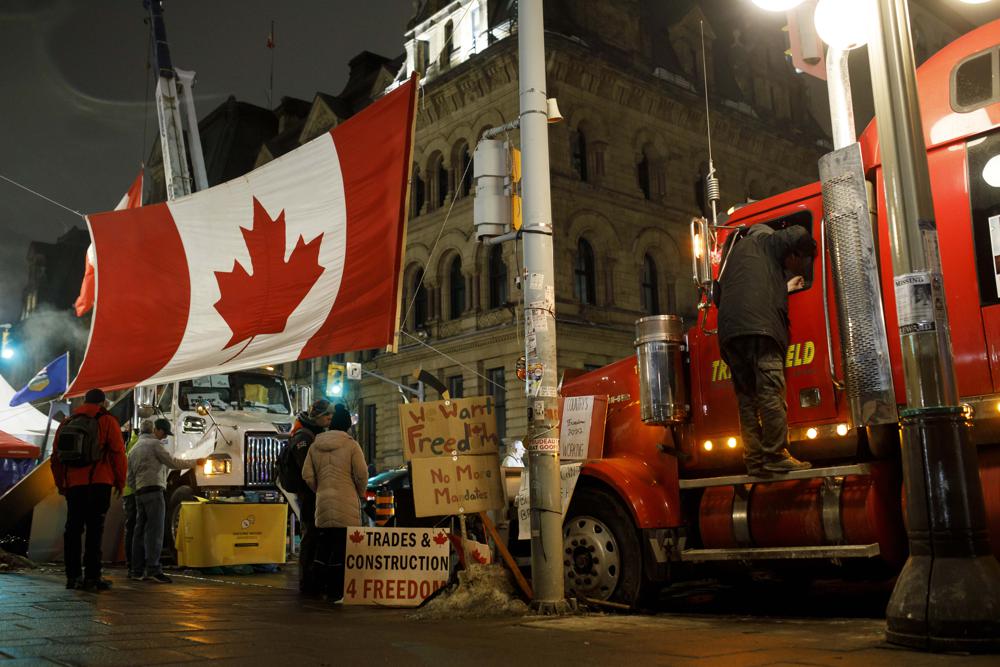
Governor Kay Ivey, along with 15 other governors, has signed on to a letter to Prime Minister Justin Trudeau and President Joe Biden asking them to immediately reinstate the vaccine and quarantine exemptions available to cross border truck drivers. Since late January, Canadian truckers have blocked some of the busiest border crossings between Canada and the U.S. The demonstrations initially focused on Canada’s vaccine requirement for truckers entering the country but quickly became a broad attack on COVID-19 precautions and Trudeau himself. Demonstrations and blockades have shut down border crossings into the U.S. and inflicted economic damage on both countries. Ivey stated on Twitter, “The truck drivers we’ve seen peacefully protesting in Canada simply want common sense reinstated & freedoms protected. I support them and am joining my fellow governors in calling Prime Minister Trudeau & @POTUS to immediately allow exemptions for cross border truck drivers. These types of unnecessary mandates would continue to exacerbate supply chain and economic issues.” The letter emphasizes the need for the border to remain open because of COVID-19 supply chain issues. The letter states, “The timing of your decision to terminate the vaccine and quarantine exemptions could not have been worse, as North America already faces grave supply chain constraints. These constraints, combined with increasing inflation, place significant burdens on the residents of Canada and the United States. Furthermore, transportation associations have informed us that the lack of exemptions will force thousands of drivers out of the trucking industry, which is already facing a significant workforce shortage. The removal of these exemptions is ultimately unnecessary, and we cannot afford to lose any more truck drivers who transport food and other vital supplies across the border.” Last week, the White House stated, “The two leaders agreed that the actions of the individuals who are obstructing travel and commerce between our two countries are having significant direct impacts on citizens’ lives and livelihoods.” Other governors who signed the letter include Greg Gianforte (MT), Mike Dunleavy (AK), Asa Hutchinson (AR), Brian Kemp (GA), Brad Little (ID), Kim Reynolds (IA), Tate Reeves (MS), Mike Parson (MO), Pete Ricketts (NE), Doug Burgum (ND), Henry McMaster (SC), Kristi Noem (SD), Bill Lee (TN), Spencer Cox (UT), and Mark Gordon (WY).
COVID a wildcard as Joe Biden prepares for State of the Union

President Joe Biden is hoping to use his upcoming State of the Union address to nudge the pandemic into the nation’s rear-view mirror. But it could turn into yet another disruptive display of national tensions and frustration over trying to move past COVID-19. Biden’s March 1 address to Congress will play out against what Vice President Kamala Harris has called a “malaise” over the persistence of COVID and growing public impatience to get back to normal after two full years of pandemic restrictions. The setting — Capitol Hill — remains one of the most significantly disrupted workplaces in the country, something of a ground zero for culture wars over the lingering restrictions. Proxy voting in the House allows lawmakers to skip going into the office and has been extended through March. Tours and office visits are limited. GOP lawmakers have racked up thousands of dollars in fines for violating mask-wearing mandates on the House floor. Seating for Biden’s first address to a joint session of Congress last April was capped at about 200 — about 20% of usual capacity for a presidential presentation. White House officials say the protocols for Biden’s next one will be determined by House Speaker Nancy Pelosi. Pelosi indicated last week that lawmakers are aiming for “fuller participation” than last year, including inviting every member of Congress. She said, “I think the people are ready to pivot in a way that shows to the American people we largely have been vaccinated here.” But attendance, she added, will be “up to the Capitol physician.” Republicans, meanwhile, have grown increasingly vocal about rolling back restrictions at the Capitol. In the Senate, more than half of GOP lawmakers this week signed a resolution calling on Congress to lift all virus rules and reopen to visitors. “From stores to venues and most workplaces and schools, the rest of the United States has reopened, and it’s time for the Senate to do the same,” said Sen. Bill Hagerty, author of the resolution. Though the Capitol and other federal properties set their own rules, the District of Columbia’s indoor mask requirement for most indoor gatherings and businesses is to be lifted on the same day as Biden’s address. The White House, for its part, says it will set rules for the complex based on Centers for Disease Control and Prevention guidance. There are no indications that Pelosi is prepared to lift the House chamber’s mask guidance, which she maintained last year even when the CDC eased indoor mask-wearing requirements for fully vaccinated individuals before the emergence of the Delta variant. The White House has taken extraordinary precautions to keep Biden from getting the virus, including requiring high-quality masks in his vicinity and limiting his travel and participation in large events. In addition to members of Congress, the State of the Union audience traditionally includes Cabinet members, military leaders, Supreme Court justices, diplomats, and other invited guests. It’s not yet clear if Pelosi has decided whether to send invitations to Washington’s diplomatic corps and other guests who normally fill the galleries for the address. A speech to a full House chamber would be by far the densest audience of Biden’s presidency to date. The debate over rules on wearing masks and getting vaccinated has become a major front in the nation’s culture wars, breaking down along regional and political lines. Scenes of mask-less celebrities enjoying the Super Bowl — when schoolchildren in some jurisdictions are required to wear masks even when outside at recess — have drawn criticism for unfairness. Some Biden allies are fretting that the Capitol scene could add fuel to the fire or that anti-mask conservative Republicans would use the speech for some stunt or protest. More broadly, federal officials are racing to finalize new, more flexible national guidance on mask-wearing and other policies before Biden steps up to the rostrum in the House chamber at 9:01 p.m. “We want to give people a break from things like mask-wearing when these metrics are better, and then have the ability to reach for them again, should things worsen,” Dr. Rochelle Walensky, director of the CDC, said Wednesday. She indicated the revised guidelines, to be coordinated with a broad administration plan for the “next phase” of the virus response, should come around the end of February. Administration officials expect that new strategy and message to figure prominently in Biden’s speech as pandemic fatigue becomes more pronounced. There is growing concern that the federal government’s cautious approach to easing is leaving it out of step with even Democratic-run state and local governments that are lifting restrictions as coronavirus cases, hospitalizations, and deaths decline. The White House sees Biden’s speech — in concert with the expected loosening of virus limits — as an opportunity to help him stem an erosion of public confidence in his leadership. According to an AP-NORC Center for Public Affairs Research poll last month, just 45% of Americans said they approved of Biden’s handling of COVID-19, down from 57% in December and 66% in July. There is growing clamor in both parties. “This is an opportunity for the president to acknowledge the challenge that we faced over the last few years, but also acknowledge that we’re gonna have to learn how to live with COVID, and we know how to do that,” said Democratic Rep. Ami Bera, a California physician. In an interview, Bera said he hoped Congress would roll back some of its limits, including its mask mandate, and that Biden could speak to an audience that would symbolize the emergency phase of the pandemic was over. “It is a real bully pulpit, and the president could take this opportunity to move the country to a more normal space,” he said. Senate Minority Leader Mitch McConnell this week criticized the Democrats’ approach, saying they only recently changed their tune because of shifting public opinion. “The only science that’s changed in the last two weeks is the political science,” he said. “The only data that’s changed in the last two weeks