
Omicron sweeps across nation, now 73% of new U.S. COVID cases
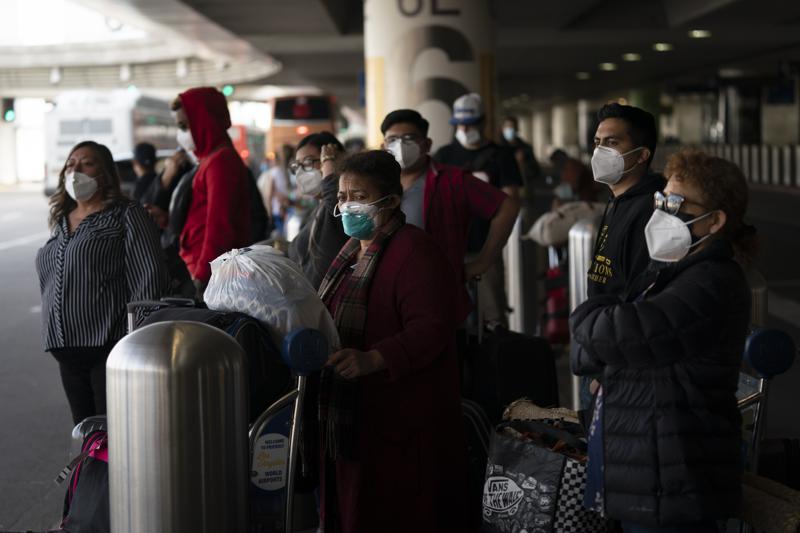
Omicron has raced ahead of other variants and is now the dominant version of the coronavirus in the U.S., accounting for 73% of new infections last week, federal health officials said Monday. The Centers for Disease Control and Prevention numbers showed nearly a six-fold increase in omicron’s share of infections in only one week. In much of the country, it’s even higher. Omicron is responsible for an estimated 90% or more of new infections in the New York area, the Southeast, the industrial Midwest, and the Pacific Northwest. The national rate suggests that more than 650,000 omicron infections occurred in the U.S. last week. Since the end of June, the delta variant had been the main version causing U.S. infections. As recently as the end of November, more than 99.5% of coronaviruses were delta, according to CDC data. CDC Director Dr. Rochelle Walensky said the new numbers reflect the kind of growth seen in other countries. “These numbers are stark, but they’re not surprising,” she said. Scientists in Africa first sounded the alarm about omicron less than a month ago, and on November 26, the World Health Organization designated it as a “variant of concern.” The mutant has since shown up in about 90 countries. Much about the omicron variant remains unknown, including whether it causes more or less severe illness. Early studies suggest the vaccinated will need a booster shot for the best chance at preventing omicron infection, but even without the extra dose, vaccination still should offer strong protection against severe illness and death. “All of us have a date with omicron,” said Dr. Amesh Adalja, a senior scholar at the Johns Hopkins Center for Health Security. “If you’re going to interact with society, if you’re going to have any type of life, omicron will be something you encounter, and the best way you can encounter this is to be fully vaccinated.” Adalja said he was not surprised by the CDC data showing omicron overtaking delta in the U.S., given what was seen in South Africa, the U.K., and Denmark. He predicted spread over the holidays, including breakthrough infections among the vaccinated and serious complications among the unvaccinated that could stress hospitals already burdened by delta. Dr. Eric Topol, head of the Scripps Research Translational Institute, said other countries had seen omicron’s fast growth, but the U.S. data showed “a remarkable jump in such a short time.” Topol also said it’s unclear how much milder omicron really is compared with other variants. “That’s the big uncertainty now,” Topol said. “We have to count on it being a lot of hospitalizations and a lot of severe disease from omicron.” CDC’s estimates are based on thousands of coronavirus specimens collected each week through university and commercial laboratories and state and local health departments. Scientists analyze their genetic sequences to determine which versions of the COVID-19 viruses are most abundant. On Monday, the CDC revised its estimate for omicron cases for the week that ended December 11, after analyzing more samples. About 13% of the cases that week were from omicron, not the 3% previously reported. The week before, omicron accounted for just 0.4% of cases. CDC officials said they do not yet have estimates of how many hospitalizations or deaths are due to omicron. Though there remain a lot of new infections caused by the delta variant, “I anticipate that over time that delta will be crowded out by omicron,” Walensky said. Republished with the permission of the Associated Press.
Dan Sutter: Why are Americans avoiding work?

Inflation is currently America’s most pressing economic concern, but I believe that our disappearing workers pose a greater long-term challenge. Almost four million fewer Americans are working now than in February 2020 despite record job openings. Yet, the decline in work participation predates COVID-19 and is explored in a new Congressional Joint Economic Committee (JEC) report, “Reconnecting Americans to the Benefits of Work.” The starkest decline has been among men between the ages of 25 and 54. In 1955, nearly 98 percent of prime working-age men were employed or seeking work; by 2020, this stood at 88 percent. These age ranges should exclude impacts from increased college attendance or earlier retirement. As the report notes, this “represents a tremendous loss of economic potential.” The reasons for the decline matter because we may not have a problem here. If the AWOL men want to be homemakers or retire early, not working makes them better off. Statistics show, however, that only about 15 percent of disconnected men fit these categories. Economists explain market activity using supply and demand. We can distinguish then demand and supply side explanations for work disconnection. Employers are the demanders of labor, so demand factors include declining wages, the elimination of jobs through automation and international trade, and an education and skills mismatch. With a demand problem, businesses no longer want to hire the men who have dropped out. Although demand side explanations have received much attention, the JEC argues that they are not the main drivers. Wages adjusted for inflation were higher in 2019 than in 1973. Wages fell between 1973 and 1994, but the work exodus has continued with rising real wages. Jobs have been lost due to automation and trade, but other jobs have been created as a result. Jobs with better pay and benefits than fifty years ago still exist for lower-skilled workers. The disconnected men offer evidence against demand side explanations: “Three out of four disconnected men say they do not want a job.” Work participation declines have been concentrated among the less well educated (especially those with no high school degree), the native-born as opposed to immigrants, and individuals on disability (the SSI and SSDI programs). The formerly incarcerated account for about one-third of disconnected men. I fully support imprisoning persons for criminal acts, but not every felony should result in a life sentence. Gainful employment enormously affects recidivism, the likelihood of former prisoners committing additional crimes. Failing to employ ex-cons costs society their productive labor and the ensuing crime. The JEC blames government programs for disconnecting Americans from work. Policies create two impediments: artificial barriers to people working legally and public assistance, making work less attractive. The enormous work disincentives of safety net programs are well documented. Decreased assistance reduces take-home pay, just like high-income tax rates. The marginal tax rate, the amount of tax paid on the next $1,000 one earns, affects decisions to work more hours or pursue a raise. The top federal income tax rate is currently 37 percent; the effective tax rate for low-income Americans can exceed 100 percent. The report details legal and regulatory barriers to work. Occupational licensing and zoning receive particular attention. Licensing sets minimum criteria for people to work in a profession. Acquiring costly training or a college degree burdens low-income Americans. Zoning frequently restricts home-based businesses, which comprise a majority of all businesses with no employees. Perhaps the report’s most powerful takeaway concerns the many benefits of work. Work is the best anti-poverty program. Few workers make the minimum wage for long because businesses will train and promote dependable, reliable employees. Work has psychological benefits, like earned accomplishment, a sense of control over life, and greater happiness; not working produces depression. Working men have more social connections and are more eligible marriage partners. America’s AWOL workers should concern us all. We do not understand all the forces involved, but I think the government should do no harm here. Given the economic and psychological value of work, politicians who care about well-being should eliminate government-created barriers to work. Daniel Sutter is the Charles G. Koch Professor of Economics with the Manuel H. Johnson Center for Political Economy at Troy University and host of Econversations on TrojanVision. The opinions expressed in this column are the author’s and do not necessarily reflect the views of Troy University.
Groups seek probe of Alabama use of virus funds for prisons

Nearly two dozen organizations have sent a letter asking the U.S. House Financial Services Committee to investigate Alabama’s plan to use $400 million in coronavirus pandemic relief funds to build two super-size prisons. The American Civil Liberties Union of Alabama, The Sentencing Project, and others signed on to a letter arguing that prison construction is an improper use of COVID-19 relief dollars from the American Rescue Plan. It asks Chairwoman Rep. Maxine Waters to hold hearings on the matter. “Directing COVID relief funds to a massive prison construction plan that long predates the pandemic is an absurd and inappropriate use of (American Rescue Plan) funds,” the organizations wrote. Alabama Gov. Kay Ivey signed legislation in October to tap $400 million of the state’s money from the federal plan to help build two super-size prisons. The Republican governor at the time called the construction plan “a major step forward” for the prison system, which faces various federal court orders and a lawsuit from the U.S. Department of Justice. The Alabama prison construction proposal calls for three new prisons — one north of Montgomery in Elmore County with at least 4,000 beds and enhanced space for medical and mental health care needs; another prison with at least 4,000 beds in south Alabama’s Escambia County and to replace the current women’s prison in Elmore — as well as renovations to existing facilities. Many existing facilities would close. Republican legislative leaders and Ivey have said they are confident that they can use the pandemic money for prison construction because the American Rescue Plan, in addition to authorizing the dollars for economic and health care programs, says states can use the money to replace revenue lost during the pandemic to strengthen support for vital public services and help retain jobs. But the opposed organizations argued that was not the intent of the money. “Building more prisons is a gross misuse of funds that were sent to help the people of Alabama, not punish them,” said JaTaune Bosby, executive director of ACLU of Alabama, in a statement. Bosby added that, “There seems to be no urgency from elected officials to provide relief to the people incarcerated in their facilities.” The U.S. Department of Justice has sued Alabama over a prison system “riddled with prisoner-on-prisoner and guard-on-prisoner violence.” The Justice Department noted in an earlier report that dilapidated facilities were a contributing factor to the unconstitutional conditions but wrote “new facilities alone will not resolve” the matter because of culture, management deficiencies, corruption and violence. The department updated its complaint this year, saying conditions in Alabama prisons have not improved since the federal government warned of unconstitutional conditions earlier and that male inmates continue to live in deadly and dangerous conditions. Ivey’s office did not immediately respond to an email seeking comment.
First case of Omicron variant found in Alabama
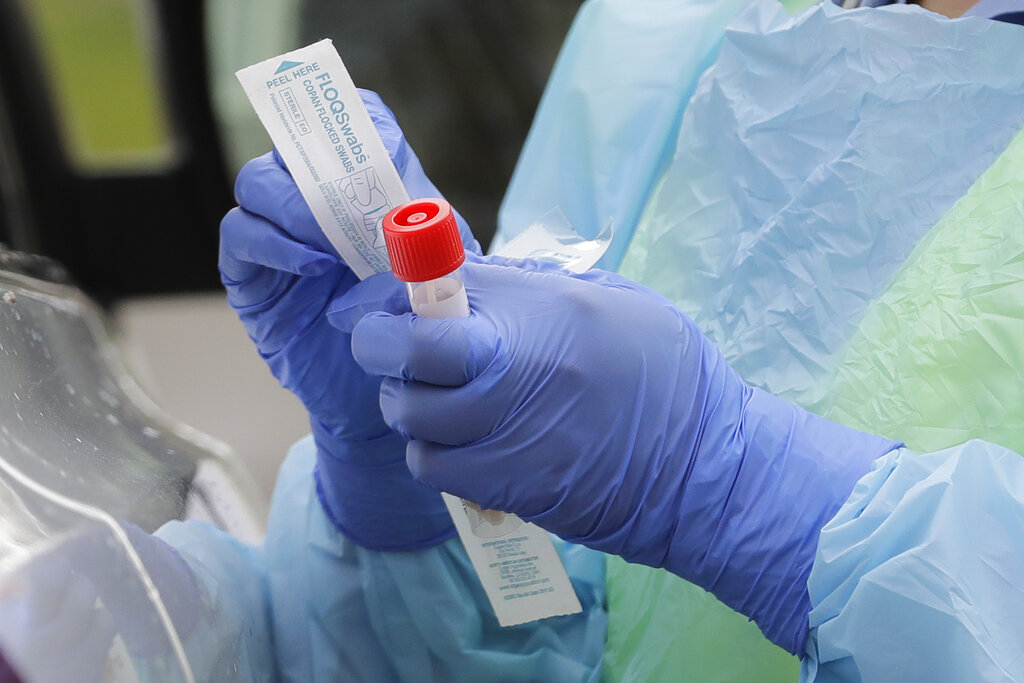
The Alabama Department of Public Health (ADPH) has reported its first case of the omicron COVID variant in Alabama. The patient is an Alabama resident who lives in the West Central Public Health District. According to the ADHP report, the individual developed mild symptoms in early December and sought COVID-19 testing. The individual had no travel history outside of Alabama. The first U.S. case was identified on December 1 in California. Research indicates omicron could be more transmissible than the current delta variant that remains the dominant strain in the U.S. State Health Officer Dr. Scott Harris stated, “We know that this virus is highly infectious and moves quickly throughout the world. Alabamians know what to do to keep each other safe now — get the vaccine, get tested, wear a mask indoors, and get a booster. Together, we can fight this virus and help keep our residents safe.” Omicron is classified by the CDC as a Variant of Concern. Scientists are still working to determine how it may compare with the predominant Delta variant in terms of transmissibility and severity. Additionally, scientists are still studying how much existing vaccines and therapies protect against the Omicron variant. According to ADPH, Omicron makes up 3% of all sequenced Covid-19 cases in the U.S., up from less than 0.1% in early December. As of December 10, there was one hospitalization and no deaths among the initial 43 omicron COVID cases in the U.S. There are now more than 189 cases of the variant. “We still have more to learn about Omicron, but the most important thing we can do right now is to use the tools we have available to make it as hard as possible for this virus to spread,” he commented. “In addition to vaccination and boosters, we can slow the spread of this variant and all COVID-19 variants by using the tried-and-true prevention methods of wearing masks, staying home when sick, and getting tested when appropriate.” ADPH also recommends that people should get vaccinated, and if eligible, get a booster. ADPH also recommends: Wear well-fitting masks in indoor public settings and crowded outdoor settings. Stay at least 6 feet from other people, especially if you are at higher risk of getting very sick. Get tested if you have symptoms, have been exposed to someone with COVID-19, have traveled or have been in a setting where you may have been exposed. Stay home if you are sick. Wash hands frequently. Stay away from crowds. Improve ventilation in your home and workplace. Take extra care to avoid exposure to the virus if you have underlying risk factors or live with someone who does.
CDC panel recommends Pfizer, Moderna COVID shots over J&J’s

Most Americans should be given the Pfizer or Moderna vaccines instead of the Johnson & Johnson shot that can cause rare but serious blood clots, U.S. health advisers recommended Thursday. The strange clotting problem has caused nine confirmed deaths after J&J vaccinations — while the Pfizer and Moderna vaccines don’t come with that risk and also appear more effective, advisers to the Centers for Disease Control and Prevention said. It’s an unusual move, and the CDC’s director, Dr. Rochelle Walensky, must decide whether to accept the panel’s advice. Until now, the U.S. has treated all three COVID-19 vaccines available to Americans as an equal choice since large studies found they all offered strong protection and early supplies were limited. J&J’s vaccine initially was welcomed as a single-dose option that could be especially important for hard-to-reach groups like homeless people who might not get the needed second dose of the Pfizer or Moderna options. But the CDC’s advisers said Thursday that it was time to recognize a lot has changed since vaccines began rolling out a year ago. More than 200 million Americans are considered fully vaccinated, including about 16 million who got the J&J shot. New data from unprecedented safety tracking of all those vaccinations persuaded the panel that while the blood clots linked to J&J’s vaccine remain very rare, they’re still occurring and not just in younger women as originally thought. In a unanimous vote, the advisers decided the safer Pfizer and Moderna vaccines are preferred. But they said the shot made by J&J’s Janssen division still should be available if someone really wants it — or has a severe allergy to the other options. “I would not recommend the Janssen vaccine to my family members,” but some patients may — and should be able to — choose that shot, said CDC adviser Dr. Beth Bell of the University of Washington. The clotting problems first came up last spring, with the J&J shot in the U.S. and with a similar vaccine made by AstraZeneca that is used in other countries. Eventually, U.S. regulators decided the benefits of J&J’s one-and-done vaccine outweighed what was considered a very rare risk — as long as recipients were warned. European regulators likewise continued to recommend AstraZeneca’s two-dose vaccine although, because early reports were mostly in younger women, some countries issued age restrictions. COVID-19 causes deadly blood clots, too. But the vaccine-linked kind is different, believed to form because of a rogue immune reaction to the J&J and AstraZeneca vaccines because of how they’re made. It forms in unusual places, such as veins that drain blood from the brain, and in patients who also develop abnormally low levels of the platelets that form clots. Symptoms of the unusual clots, dubbed “thrombosis with thrombocytopenia syndrome,” include severe headaches a week or two after the J&J vaccination — not right away — as well as abdominal pain and nausea. While it’s still very rare, the Food and Drug Administration told health care providers this week that more cases have occurred after J&J vaccinations since the spring. They occur most in women ages 30 to 49 — about once for every 100,000 doses administered, the FDA said. Overall, the government has confirmed 54 clot cases— 37 in women and 17 in men, and nine deaths that included two men, the CDC’s Dr. Isaac See said Thursday. He said two additional deaths are suspected. The CDC decides how vaccines should be used in the U.S., and its advisers called the continuing deaths troubling. In comparing the pros and cons of all the vaccines, the panelists agreed that side effects from the Pfizer and Moderna vaccines weren’t as serious — and that supplies now are plentiful. Nor is J&J still considered a one-and-done vaccine, several advisers noted. The single-dose option didn’t prove quite as protective as two doses of the Pfizer and Moderna vaccines. Plus, with extra-contagious virus mutants now spreading, booster doses now are recommended. Several countries, including Canada, already have policies that give preference to the Pfizer and Moderna vaccines. But J&J told the committee its vaccine still offers strong protection and is a critical option, especially in parts of the world without plentiful vaccine supplies or for people who don’t want a two-dose shot. While blood clots are rare, “unfortunately cases of COVID-19 are not,” J&J’s Dr. Penny Heaton said. The U.S. is fortunate in its vaccine availability, and Thursday’s action shouldn’t discourage use of J&J’s vaccine in places around the world where it’s needed, said CDC adviser Dr. Matthew Daley of Kaiser Permanente Colorado. The FDA also warned this week that another dose of the J&J vaccine shouldn’t be given to anyone who developed a clot following either a J&J or AstraZeneca shot. The committee also heard some of the first data on reported side effects of Pfizer vaccinations in younger children. Early last month, the CDC recommended a two-dose series for that age group, and more than 7 million doses have been given so far. But few problems have been reported. Of the 80 reported cases of serious side effects, about 10 involved a form of inflammation that has been seen in male teens and young adults. Republished with the permission of the Associated Press.
Poll: Voters oppose new vaccine mandates to deal with omicron

The latest strain of coronavirus has popped up around the globe, but the latest polling shows Americans are not in favor of new vaccine mandates to prevent the variant’s spread. Convention of States Action, along with Trafalgar group, released new polling data Wednesday showing the majority of Americans oppose new vaccine mandates to address omicron. The poll found 69.4% of Americans say “no new mandates or restrictions are required” for the variant, opposed to 30.6% who say the opposite. “Unlike government health officials in Washington, DC, Americans have already figured out that mandates and lockdowns are not the way we will beat the COVID-19 pandemic,” said Mark Meckler, president of Convention of States Action. “As we’ve seen in our polls repeatedly, the American people are tired of all this and ready to get on with their lives. The U.S. Senate finally recognized this reality this week with the bipartisan passage of the bill to block President Joe Biden’s illegal vaccine mandate, and we’re going to see more of this as we get closer to 2022 and elected officials fight to save their jobs.” Both parties oppose new mandates, according to the poll. The surveys found 86.5% of Republicans oppose new mandates over the variant, while only 54.5% of Democrats feel the same way. Notably, 67% of Independents oppose new mandates because of omicron. The poll data came from surveys conducted from Dec. 4 through Dec. 7 of more than 1,000 likely 2022 voters. By Casey Harper Republished with the permission of The Center Square.
Air Force discharges 27 for refusal to get COVID vaccine

The Air Force has discharged 27 people for refusing to get the COVID-19 vaccine, making them what officials believe are the first service members to be removed for disobeying the mandate to get the shots. The Air Force gave its forces until Nov. 2 to get the vaccine, and thousands have either refused or sought an exemption. Air Force spokeswoman Ann Stefanek said Monday that these are the first airmen to be administratively discharged for reasons involving the vaccine. She said all of them were in their first term of enlistment, so they were younger, lower-ranking personnel. And while the Air Force does not disclose what type of discharge a service member gets, legislation working its way through Congress limits the military to giving troops in vaccine refusal cases an honorable discharge or general discharge under honorable conditions. The Pentagon earlier this year required the vaccine for all members of the military, including active duty, National Guard, and the Reserves. Each of the services set its own deadlines and procedures for the mandate, and the Air Force set the earliest deadline. Defense Secretary Lloyd Austin has said the vaccine is critical to maintaining the health of the force and its ability to respond to a national security crisis. None of the 27 airmen sought any type of exemption, medical, administrative or religious, Stefanek said. Several officials from the other services said they believe that so far, only the Air Force has gotten this far along in the process and discharged people over the vaccine refusal. As a result, they were formally removed from service for failure to obey an order. Stefanek said it is also possible that some had other infractions on their records, but all had the vaccine refusal as one of the elements of their discharge. It is not unusual for members of the military to be thrown out of the service for disobeying an order— discipline is a key tenet of the armed services. As a comparison, Stefanek said that in the first three quarters of 2021, about 1,800 airmen were discharged for failure to follow orders. According to the latest Air Force data, more than 1,000 airmen have refused the shot, and more than 4,700 are seeking a religious exemption. As of last week, a bit more than 97% of the active-duty Air Force had gotten at least one shot. Members of the Navy and the Marine Corps had until November 28 to get the shots, and their Reserve members have until December 28. Army active-duty soldiers have until Wednesday, and members of the Army National Guard and the Reserves have the most time to be vaccinated, with a deadline of next June 30. Republished with the permission of the Associated Press.
A.G. Steve Marshall wins injunction against vaccine mandate
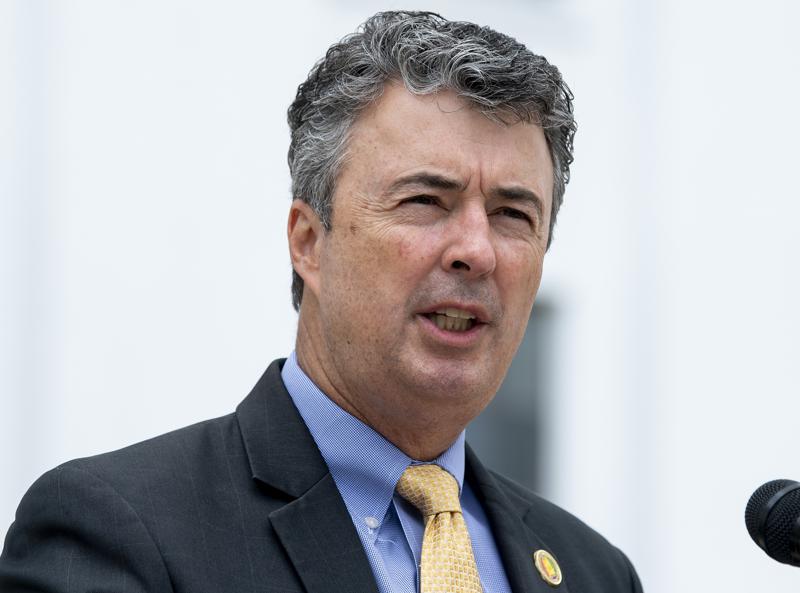
Today, Attorney General Steve Marshall announced victory over President Joe Biden’s federal-contractor vaccine mandate. A federal court granted Alabama’s motion for an injunction against the vaccination requirement. Marshall stated in a press release, “President Biden’s unlawful, unconstitutional, and un-American attempt to force federal contractors and their employees to submit to a COVID-19 vaccination has been stopped due to another successful legal challenge from Alabama.” Marshall filed three legal challenges to President Biden’s vaccine mandates, including against the federal-contractor vaccine mandate on October 29, against the private-employer vaccine mandate on November 5, and against the healthcare-worker vaccine mandate on November 15. All three mandates have now been blocked nationwide by federal courts. “Today’s ruling from the U.S. District Court for the Southern District of Georgia places a nationwide injunction on President Biden’s federal-contractor vaccine mandate and represents the third victory by Alabama and a coalition of states to block enforcement of the President’s tyrannical dictates,” Marshall continued. “President Biden’s lawless and authoritarian vaccine mandate on federal contractors—just as with his vaccine mandates for private employers and healthcare workers—is a contemptible infringement upon individual liberty, federalism, and the separation of powers. The courts have rightfully responded in each case by blocking the enforcement of these mandates.” Gov. Kay Ivey praised the ruling on Twitter. “I’ll call the Biden vaccine mandate nonsense what it is: and that is an un-American, outrageous overreach. This morning we had ANOTHER win in our fight for freedom when a federal judge put a nationwide halt on the federal contractor mandate. Momentum is on our side,” Ivey commented. Attorneys general from Georgia, Idaho, Kansas, South Carolina, Utah, and West Virginia joined the legal challenge.
Anthony Fauci says early reports encouraging about omicron variant
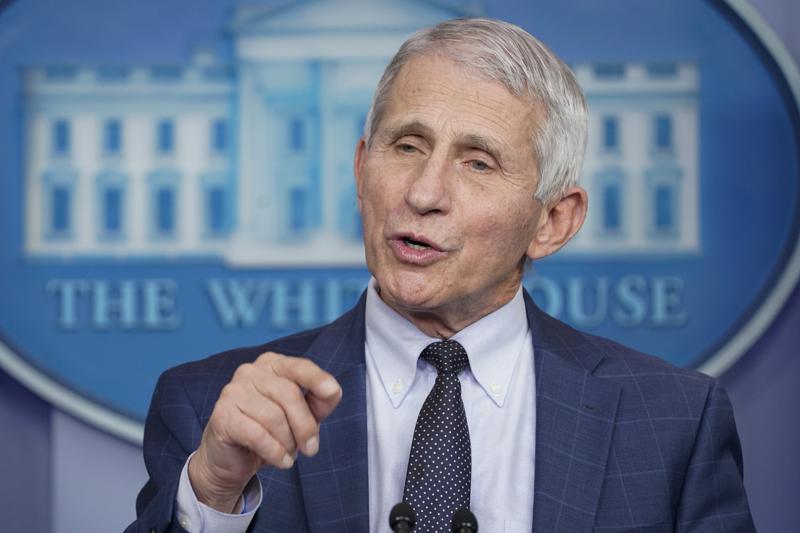
U.S. health officials said Sunday that while the omicron variant of the coronavirus is rapidly spreading throughout the country, early indications suggest it may be less dangerous than delta, which continues to drive a surge of hospitalizations. President Joe Biden’s chief medical adviser, Dr. Anthony Fauci, told CNN’s “State of the Union” that scientists need more information before drawing conclusions about omicron’s severity. Reports from South Africa, where it emerged and is becoming the dominant strain, suggest that hospitalization rates have not increased alarmingly. “Thus far, it does not look like there’s a great degree of severity to it,” Fauci said. “But we have really got to be careful before we make any determinations that it is less severe or it really doesn’t cause any severe illness, comparable to delta.” Fauci said the Biden administration is considering lifting travel restrictions against non-citizens entering the United States from several African countries. They were imposed as the omicron variant exploded in the region, but U.N. Secretary-General Antonio Guterres has blasted such measures as “travel apartheid.” “Hopefully, we’ll be able to lift that ban in a quite reasonable period of time,” Fauci said. “We all feel very badly about the hardship that has been put on not only on South Africa but the other African countries.” Omicron had been detected in about a third of U.S. states by Sunday, including in the Northeast, the South, the Great Plains, and the West Coast. Wisconsin, Missouri, and Louisiana were among the latest states to confirm cases. But delta remains the dominant variant, making up more than 99% of cases and driving a surge of hospitalizations in the north. National Guard teams have been sent to help overwhelmed hospitals in western New York, and Massachusetts Gov. Charlie Baker issued an emergency order requiring any hospitals facing limited patient capacity to reduce scheduled procedures that are not urgent. U.S. officials continued urging people to get vaccinated and to receive booster shots, as well as take precautions such as wearing masks when among strangers indoors, saying anything that helps protect against delta will also help protect against other variants. Even if omicron proves less dangerous than delta, it remains problematic, World Health Organization epidemiologist Dr. Maria Van Kerkhove told CBS “Face The Nation.” “Even if we have a large number of cases that are mild, some of those individuals will need hospitalizations,” she said. “They will need to go into ICU, and some people will die. … We don’t want to see that happen on top of an already difficult situation with delta circulating globally.” Two years into the outbreak, COVID-19 has killed over 780,000 Americans, and deaths are running at about 860 per day. More than 6,600 new hospital admissions are being reported daily, according to tracking data from the U.S. Centers for Disease Control and Prevention. COVID-19 cases and deaths in the U.S. have dropped by about half since the delta peak in August and September, but at more than 86,000 new infections per day, the numbers are still high, especially heading into the holidays, when people travel and gather with family. Republished with the permission of the Associated Press.
Pushing COVID-19 boosters, Joe Biden says ‘we need to be ready’
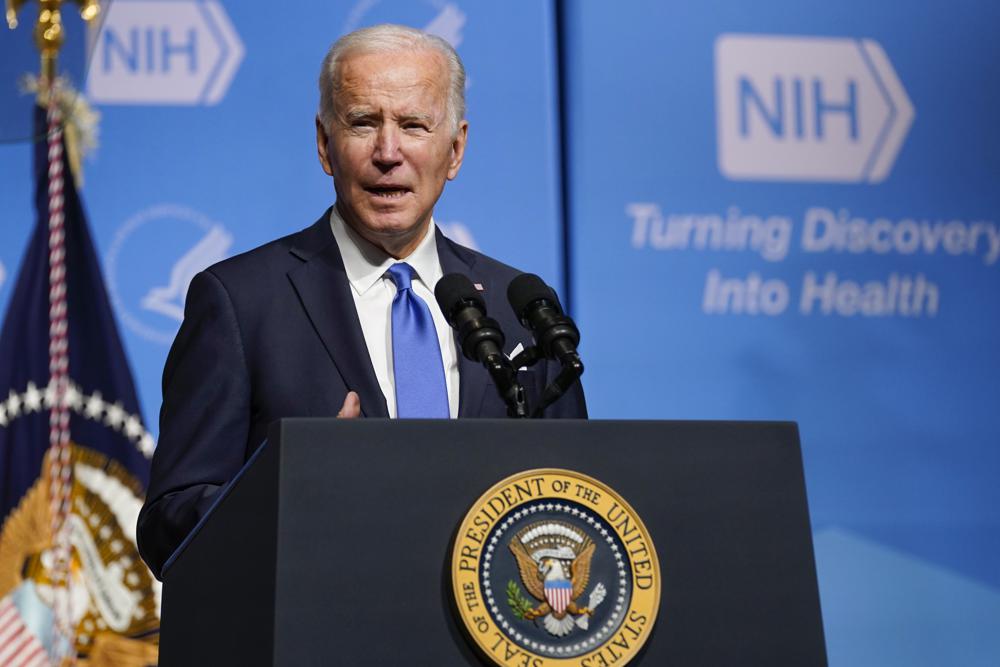
With rising numbers of COVID-19 cases predicted this winter, President Joe Biden on Thursday appealed for Americans to get their boosters and get behind his plan to tackle the new omicron variant through wider availability of vaccines and shots, but without new major restrictions on daily life. Biden wants to require private insurers to cover the cost of at-home COVID-19 tests, and he is tightening testing requirements for people entering the United States, regardless of their vaccination status. While some other countries are closing their borders or reinstituting lockdowns, the president said he would not at this time impose additional clampdowns beyond his recommendation that Americans wear masks indoors in public settings. “Experts say the COVID-19 cases will continue to rise in the weeks ahead this winter, so we need to be ready,” Biden said during a visit to the National Institutes of Health in suburban Maryland after a briefing with scientific advisers. He said his new strategy “doesn’t include shutdowns and lockdowns,” and he hoped for bipartisan backing. “My plan I’m announcing today pulls no punches in the fight against COVID-19, and it’s a plan that I think should unite us,” he Biden said. Legal challenges have held up Biden’s vaccination-or-testing requirement for workers at larger employers, and that’s led the president to urge businesses to impose their own mandates so companies can stay open without outbreaks. His administration has come to view widespread adoption of booster shots as its most effective tool for combating COVID-19 this winter. Medical experts say boosters provide enhanced and more enduring protection, including against new variants. Much remains unknown about the omicron variant, such as whether it is more contagious, makes people more seriously ill, and can thwart the vaccines. Officials said Thursday that a second case of the variant had been confirmed in the United States. About 100 million Americans are eligible for boosters under current U.S. policy, with more becoming eligible every day. Officials believe that persuading the vaccinated to get another dose will be easier than vaccinating the roughly 43 million adult Americans who haven’t gotten a shot. “Go get your booster now,” Biden said. Seniors are in the population most vulnerable to the virus, and the Centers for Medicare & Medicaid Services will send a notice to all 63 million Medicare beneficiaries encouraging them to get booster doses, the White House said. The AARP will work with the administration on education campaigns for seniors. So far, about 42 million Americans, about half of them seniors, have received a booster dose. The Centers for Disease Control and Prevention this week broadened its booster dose recommendation to cover all Americans at least age 18, starting six months after their second dose of the mRNA vaccines from Pfizer or Moderna. Biden said the CDC is developing new guidance for schools in an effort to reduce or eliminate current quarantine requirements for those not fully vaccinated and exposed to the virus. That could include “test-to-stay” policies, in which those considered close contacts can continue to go to school but wear masks and undergo serial testing in an effort to minimize learning loss and disruption. The rule that private insurers cover at-home testing is being drafted, and details remain to be worked out, officials said. People insured by Medicare and Medicaid would not be eligible, but the White House said as many as 150 million people with private insurance would see easier and cheaper access to the at-home tests. The administration said it is making 50 million COVID-19 tests free for older people and other vulnerable groups for pickup at senior centers and community sites. Beginning next week, Biden said, all travelers to the U.S., regardless of nationality or vaccination status, will need to provide proof of a negative COVID-19 test within one day of boarding flights. That compares with three days now for those who have been vaccinated. The White House has shelved tougher options such as requiring post-arrival testing or requiring quarantines upon arrival in the U.S. The White House has not yet acted to require domestic U.S. travelers to be vaccinated or get tested. Officials believe such a requirement would be mired in litigation. “We base our decisions on the advice of the health and medical experts, what’s going to be most effective and what we can implement,” press secretary Jen Psaki said Thursday. Biden is extending his directive requiring masks on airplanes and other public transit, which had been set to expire in January, through at least the middle of March, the White House said. The administration is informing states that it has more than 60 teams available to help them or their municipalities address surges in cases and public health shortages heading into the winter. Republished with the permission of the Associated Press.
1st U.S. case of COVID omicron variant confirmed in California
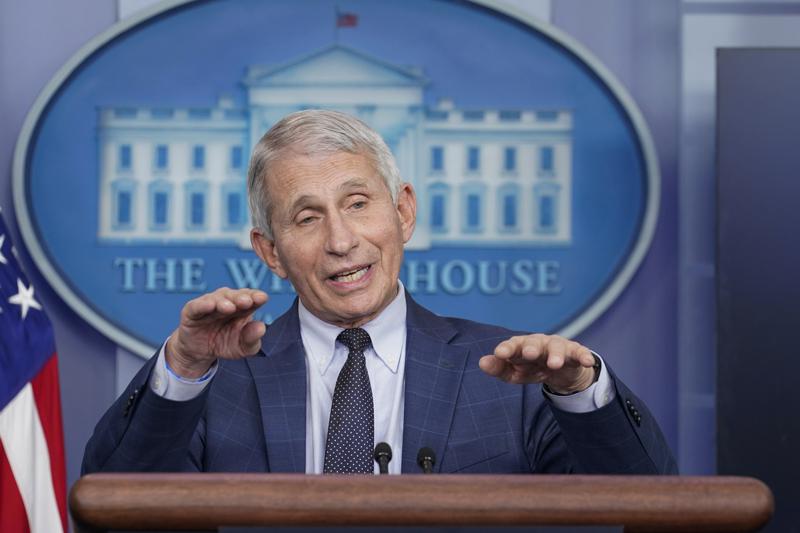
A person in California who had been vaccinated against COVID-19 became the first in the U.S. to have an identified case of the omicron variant; the White House announced Wednesday as scientists continue to study the risks posed by the new virus strain. Dr. Anthony Fauci told reporters the person was a traveler who returned from South Africa on November 22 and tested positive on November 29. Fauci said the person was vaccinated but had not received a booster shot and was experiencing “mild symptoms.” The Biden administration moved late last month to restrict travel from Southern Africa, where the variant was first identified and had been widespread. Clusters of cases have also been identified in about two dozen other nations. “We knew that it was just a matter of time before the first case of omicron would be detected in the United States,” Fauci said. He said the person was improving and added, “I think what’s happening now is another example of why it’s important for people to get vaccinated. But also boosting. Boosting is very important.” Officials said they had contacted everyone who had close contact with the person, and they had all tested negative. Genomic sequencing was conducted at the University of California, San Francisco, and the sequence was confirmed by the Centers for Disease Control and Prevention. The Centers for Disease Control and Prevention is taking steps to tighten U.S. testing rules for travelers from overseas, including requiring a test for all travelers within a day of boarding a flight to the U.S. regardless of vaccination status. It was also considering mandating post-arrival testing. Officials said those measures would only “buy time” for the country to learn more about the new variant and to take appropriate precautions, but that given its transmissibility, its arrival in the U.S. was inevitable. Much remains unknown about the new variant, including whether it is more contagious than previous strains, whether it makes people more seriously ill, and whether it can thwart the vaccine. Fauci, the top U.S. infectious disease expert, said more would be known about the omicron strain in two to four weeks as scientists grow and test lab samples of the virus. California’s Department of Public Health credited the state’s “large-scale testing and early detection systems” for identifying the case. “We recognize that everyone is exhausted, and the news of a new variant can be overwhelming. It is important that we collectively focus on the things we know prevent the spread of COVID-19 and its variants,” state public health officials said in a statement. The announcement of the first U.S. case comes before President Joe Biden plans to outline his strategy on Thursday to combat the virus over the winter. Biden has tried to quell alarm over the omicron variant, saying it was a cause for concern but “not a cause for panic.” Biden and public health officials have grown more urgent in their pleas for more Americans to get vaccinated — and for those who have been vaccinated to get booster shots to maximize their protection against the virus. Republished with the permission of the Associated Press.
Steve Marshall celebrates victory; vaccine mandate blocked in federal court
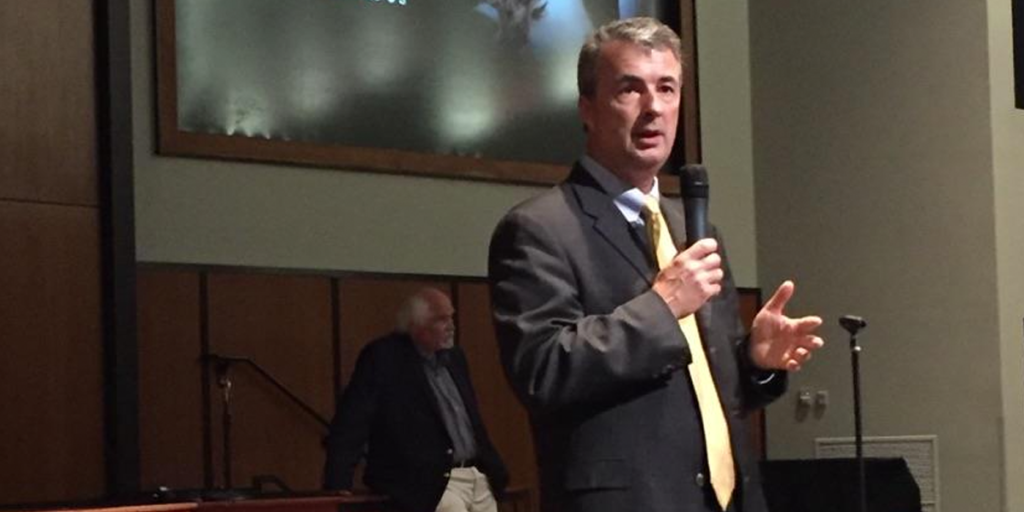
Attorney General Steve Marshall is celebrating a victory today in the lawsuit he filed against the Biden Administration in early November. On Tuesday a Louisiana U.S. district judge blocked a federal COVID-19 vaccine mandate for health care workers, The Advertiser reported. The mandate requires America’s healthcare workers to be vaccinated against COVID-19 or lose their jobs. Marshall joined attorneys general from Louisiana, Montana, Arizona, Georgia, Idaho, Indiana, Kentucky, Mississippi, Ohio, Oklahoma, South Carolina, Utah, and West Virginia. The U.S. District Court for the Western District of Louisiana granted a motion for a preliminary injunction halting the vaccine mandate issued on November 4 through the Center for Medicare and Medicaid Services (CMS). Judge Terry A. Doughty declared that the Biden administration lacked the constitutional authority to issue such a broad decree. Doughty wrote, “If the separation of powers meant anything to the Constitutional framers, it meant that the three necessary ingredients to deprive a person of liberty or property—the power to make rules, to enforce them, and to judge their violations—could never fall into the same hands. If the Executive branch is allowed to usurp the power of the Legislative branch to make laws, two of the three powers conferred by the Constitution would be in the same hands.” Doughty continued, “If human nature and history teach anything, it is that civil liberties face grave risks when governments proclaim indefinite states of emergency. During a pandemic such as this one, it is even more important to safeguard the separation of powers set forth in our Constitution to avoid erosion of our liberties.” Marshall stated in a press release, “President Biden has abandoned persuasion for brute force in launching an unprecedented series of federal mandates aimed at compelling most of the adult population of the United States to get a COVID-19 vaccine, but his unlawful, unconstitutional, and un-American decrees are being met head-on in court by the force of law.” Marshall added, “Each of the Biden administration mandates has distinct and severe legal deficiencies that warrant distinct and severe responses from the states. This is about so much more than vaccines. It’s about planting a flag to say that enough is enough. The federal government’s power is not boundless, but if we are not vigilant to fight here and now, there will be no going back.”
