
More Democrats on Alabama ballot for Tuesday elections than in previous years
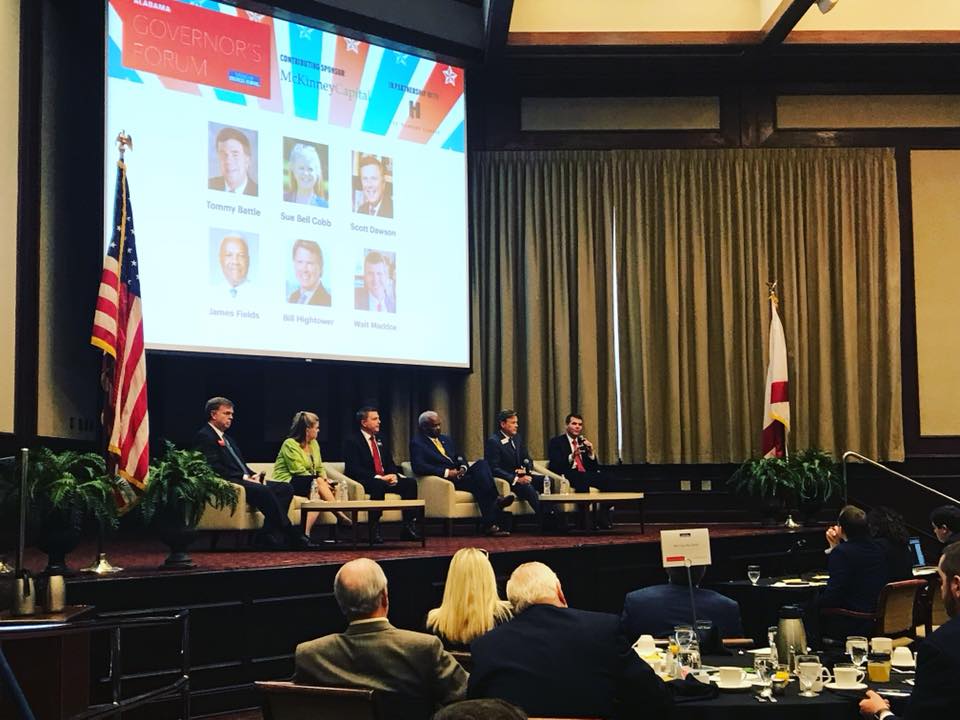
Alabama’s primary ballot features multiple offices and something voters in the Republican-controlled state haven’t seen in years: Democratic races for statewide and congressional positions. Alabama Democrats have 27 total candidates running for state positions or Congress this year, more than double the 13 from 2014. That means there are several Democratic primary races, compared to just one for a statewide office four years ago. Many of the eventual Republican nominees will still run unopposed in the General Election because no Democrats qualified. But with Democratic opposition to President Donald Trump running high and after Democrat Doug Jones’ victory in Alabama’s U.S. Senate in December, the once-powerful party is trying to show signs of life. Aside from the governor’s campaign, in which five Republicans and six Democrats are vying for their party’s nominations, here are some other races to watch: ___ Attorney General Republican appointee Steve Marshall is facing voters for the first time in a statewide race as he seeks election to the office of attorney general, and it might not be easy. Marshall, a former Marshall County district attorney, has served in the job since February 2017, when then-Gov. Robert Bentley tapped him after naming Luther Strange to the U.S. Senate. Marshall is being opposed in the GOP primary by Alice Martin, a former federal prosecutor who was the state’s chief deputy attorney general; Troy King, a former state attorney general and Birmingham lawyer Chess Bedsole. Birmingham attorneys Joseph Siegelman and Chris Christie are vying for the Democratic nomination. Siegelman is the son of former Gov. Don Siegelman. The attorney general is responsible for representing the state in criminal and civil matters, and the office often is a stepping-stone to other positions. Just ask U.S. Attorney General Jeff Sessions, a former Alabama attorney general. ___ Congress Rep. Martha Roby’s bid to hold on to her District 2 seat from the Wiregrass region of southeastern Alabama for a fifth term highlights the state’s congressional primaries. The House Appropriations Committee member is being opposed by candidates including Bobby Bright, who Roby defeated to claim the seat in 2010. Other opponents include Rich Hobson of Enterprise, who managed Roy Moore’s unsuccessful Senate campaign last year. Roby gained Republican critics after distancing herself from Donald Trump’s vulgar comments about women during his presidential campaign in 2016. The eventual GOP nominee will face either education researcher Tabitha Isner of Montgomery or activist and military veteran Audri Scott Williams of Cottonwood. They’re competing for the Democratic nomination in the Republican-dominated district. Reps. Mo Brooks of Huntsville and Robert Aderholt of Haleyville also have challengers in the GOP primary, and Democrats have primaries in four districts in all. There was just one Democratic congressional primary in 2014. ___ Lieutenant Governor Alabama has been without a lieutenant governor for more than a year, and the primary is a first step toward filling the office. Alabama Public Service Commission president Twinkle Andress Cavanaugh is running in the Republican primary against two state legislators: Rep. Will Ainsworth of Guntersville and Sen. Rusty Glover of Mobile. Cavanaugh has outpaced other candidates in fundraising with nearly $1.1 million in total contributions through April. The eventual Republican nominee will face Democratic minister Will Boyd, who lost the U.S. Senate primary against Doug Jones in the special election last year. The office of lieutenant governor, who is president in the state Senate, has been vacant since April 2017, when Kay Ivey succeeded Robert Bentley as governor following his resignation and guilty plea amid a sex-tinged scandal. Ethics is a top issue in the race as the Legislature looks to review Alabama’s ethics law next year and lawmakers currently face corruption charges. ___ Supreme Court The Alabama Supreme Court isn’t in the news as often as it used to be without Roy Moore as chief justice, but the primary ballot includes three contested races on the nine-member, all-Republican panel. Current court members Lyn Stuart and Tom Parker are vying for the Republican nomination for chief justice. Stuart has been serving in the position since Moore’s suspension for violating judicial ethics and later resignation to run for the Senate. Either Stuart or Parker will face Bob Vance Jr., a Jefferson County circuit judge who is unopposed for the Democratic nomination. Court appointee Brad Mendheim is opposed by circuit judges Debra Jones of Anniston and Sarah Hicks Stewart of Mobile for the GOP nomination for Place 1 on the nine-member court. And attorneys John Bahakel and Jay Mitchell of Birmingham are both seeking the Republican nomination for the Place 4 seat. The winner will face Democrat Donna Wesson Smalley in November. ___ State School Board Republicans are fighting over two seats on the Alabama State Board of Education, and the winners of both races will have Democratic opponents in the fall. Four Republicans are running for the District 2 seat held by Betty Peters, who isn’t seeking re-election. They include former Dothan school board member Melanie Hill; Coffee County resident Sybil Little; John Taylor of Dothan; and Auburn City School Board President Tracie West. The winner will face Democrat Adam Jortner in November. Business executive and former Madison school board Rich McAdams and Wayne Reynolds, a retired educator and registered nurse from Athens, are seeking the Republican nomination in District 8. The seat is now held by Mary Scott Hunter, who is running for the Alabama Senate. Jessica Fortune Barker is on the ballot as a Democrat in the General Election. Republished with the permission of the Associated Press.
Who’s who in statewide and congressional races on the primary ballot
Alabama’s primary ballot features multiple offices and something voters in the Republican-controlled state haven’t seen in years: Democratic races for statewide and congressional positions. Alabama Democrats have 27 total candidates running for state positions or Congress this year, more than double the 13 from 2014. That means there are several Democratic primary races, compared to just one for a statewide office four years ago. Many of the eventual Republican nominees will still run unopposed in the General Election because no Democrats qualified. But with Democratic opposition to President Donald Trump running high and after Democrat Doug Jones’ victory in Alabama’s U.S. Senate in December, the once-powerful party is trying to show signs of life. Aside from the governor’s campaign, in which five Republicans and six Democrats are vying for their party’s nominations, here are some other races to watch: ___ Attorney General Republican appointee Steve Marshall is facing voters for the first time in a statewide race as he seeks election to the office of attorney general, and it might not be easy. Marshall, a former Marshall County district attorney, has served in the job since February 2017, when then-Gov. Robert Bentley tapped him after naming Luther Strange to the U.S. Senate. Marshall is being opposed in the GOP primary by Alice Martin, a former federal prosecutor who was the state’s chief deputy attorney general; Troy King, a former state attorney general and Birmingham lawyer Chess Bedsole. Birmingham attorneys Joseph Siegelman and Chris Christie are vying for the Democratic nomination. Siegelman is the son of former Gov. Don Siegelman. The attorney general is responsible for representing the state in criminal and civil matters, and the office often is a stepping-stone to other positions. Just ask U.S. Attorney General Jeff Sessions, a former Alabama attorney general. ___ Congress Rep. Martha Roby’s bid to hold on to her District 2 seat from the Wiregrass region of southeastern Alabama for a fifth term highlights the state’s congressional primaries. The House Appropriations Committee member is being opposed by candidates including Bobby Bright, who Roby defeated to claim the seat in 2010. Other opponents include Rich Hobson of Enterprise, who managed Roy Moore’s unsuccessful Senate campaign last year. Roby gained Republican critics after distancing herself from Presidential Donald Trump’s vulgar comments about women in 2016. The eventual GOP nominee will face either education researcher Tabitha Isner of Montgomery or activist and military veteran Audri Scott Williams of Cottonwood. They’re competing for the Democratic nomination in the Republican-dominated district. Reps. Mo Brooks of Huntsville and Robert Aderholt of Haleyville also have challengers in the GOP primary, and Democrats have primaries in four districts in all. There was just one Democratic congressional primary in 2014. ___ Lieutenant Governor Alabama has been without a lieutenant governor for more than a year, and the primary is a first step toward filling the office. Alabama Public Service Commission president Twinkle Andress Cavanaugh is running in the Republican primary against two state legislators: Rep. Will Ainsworth of Guntersville and Sen. Rusty Glover of Mobile. Cavanaugh has outpaced other candidates in fundraising with nearly $1.1 million in total contributions through April. The eventual Republican nominee will face Democratic minister Will Boyd, who lost the U.S. Senate primary against Doug Jones in the special election last year. The office of lieutenant governor, who is president in the state Senate, has been vacant since April 2017, when Kay Ivey succeeded Robert Bentley as governor following his resignation and guilty plea amid a sex-tinged scandal. Ethics is a top issue in the race as the Legislature looks to review Alabama’s ethics law next year and lawmakers currently face corruption charges. ___ Supreme Court The Alabama Supreme Court isn’t in the news as often as it used to be without Roy Moore as chief justice, but the primary ballot includes three contested races on the nine-member, all-Republican panel. Current court members Lyn Stuart and Tom Parker are vying for the Republican nomination for chief justice. Stuart has been serving in the position since Moore’s suspension for violating judicial ethics and later resignation to run for the Senate. Either Stuart or Parker will face Bob Vance Jr., a Jefferson County circuit judge who is unopposed for the Democratic nomination. Court appointee Brad Mendheim is opposed by circuit judges Debra Jones of Anniston and Sarah Hicks Stewart of Mobile for the GOP nomination for Place 1 on the nine-member court. And attorneys John Bahakel and Jay Mitchell of Birmingham are both seeking the Republican nomination for the Place 4 seat. The winner will face Democrat Donna Wesson Smalley in November. ___ State School Board Republicans are fighting over two seats on the Alabama State Board of Education, and the winners of both races will have Democratic opponents in the fall. Four Republicans are running for the District 2 seat held by Betty Peters, who isn’t seeking re-election. They include former Dothan school board member Melanie Hill; Coffee County resident Sybil Little; John Taylor of Dothan; and Auburn City School Board President Tracie West. The winner will face Democrat Adam Jortner in November. Business executive and former Madison school board Rich McAdams and Wayne Reynolds, a retired educator and registered nurse from Athens, are seeking the Republican nomination in District 8. The seat is now held by Mary Scott Hunter, who is running for the Alabama Senate. Jessica Fortune Barker is on the ballot as a Democrat in the General Election. Republished with the permission of the Associated Press.
Doug Jones introduces bill to improve rural health care
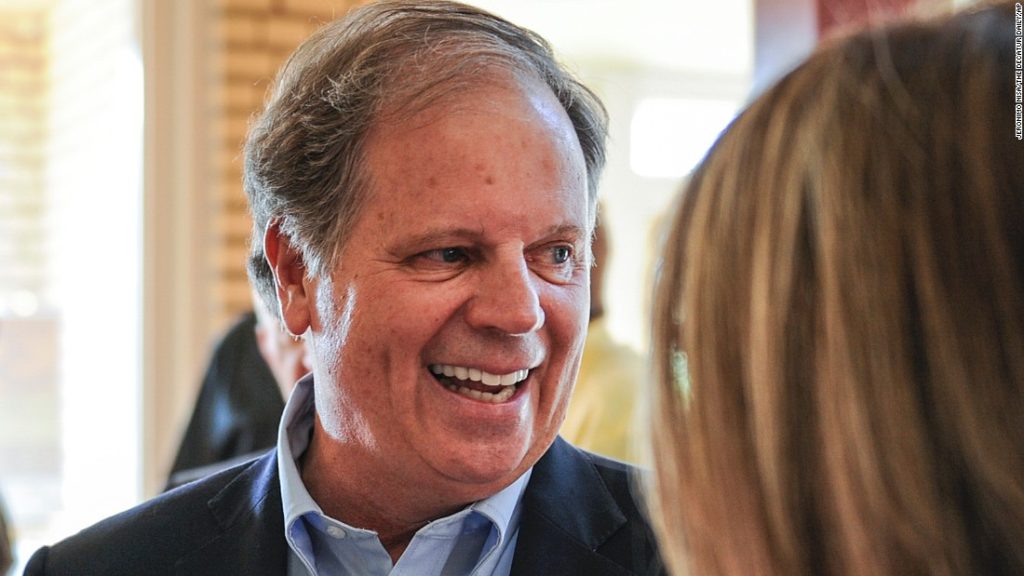
Alabama Sen. Doug Jones introduced his first piece of legislation on Tuesday, aimed at improving communications and coordination between federal agencies and health care stakeholders. The bill known as the Rural Health Liaison Act, would create the position of rural health liaison within the United States Department of Agriculture (USDA.) According to Jones, the liaison would: Consult with the Department of HHS on rural health issues and improve communication with all federal agencies Provide expertise on rural health care issues Lead and coordinate strategic planning on rural health activities within the USDA Advocate on behalf of the health care and relevant infrastructure needs in rural areas Provide updates on rural grant opportunities and other programs to stakeholders Provide technical assistance and guidance on rural health to the USDA extension and county offices Jones believes the legislation will streamline the government, and make it more efficient, ensuring rural hospitals in Alabama have access to the resources they need to provide affordable health care in their communities. “Like many states with large rural communities, Alabama faces unique challenges when it comes to providing access to health care for all of our residents,” said Jones. “I’m proud that the first bill I’m introducing as a lead sponsor will help address an issue that affects so many people in my state and across rural America. By establishing a rural health liaison at USDA, we can better coordinate federal resources and expand health care access to Americans who have for too long struggled to receive quality, affordable care in their own communities.” Since 2010, 80 rural hospitals in the nation have closed and 673 are at risk of closing, twelve of those hospital closures took place in Alabama. Resulting in a loss of over 6,000 jobs, and over $713 million in Alabama GDP in the last ten years. “As much as anything, going around the state over the last 12 months, health care has been a driving issue for people in Alabama from one end of the state to the other, and particularly rural health care,” Jones told AL.com. “The health care delivery in rural parts of Alabama are critical, and making sure that people have access to affordable health care is a lifeblood in a number of communities.”
Some Alabama women feel left behind by the #MeToo movement
Some women in Alabama have a hard time identifying with #MeToo, a movement they feel often doesn’t leave space for conservative women’s voices. Elizabeth Sheth of Huntsville is one of two women engineers in her office, a mother of three and a conservative Christian. She thinks the #MeToo movement is important, but believes it sometimes goes too far, shaming all men. Sheth said the movement does not give women enough credit when it comes to personal responsibility. “(The movement) should also include what women can do (to prevent assault),” Sheth said, but stopped herself. “You can’t say that without victim shaming.” Sheth said she supports women’s efforts to speak out, but finds #MeToo hard to talk about without getting shamed for bringing up a woman’s responsibility to defend themselves before raising a red flag to the media. Nancy K, who asked AL.com not to use her last name because of employment concerns, is a small business owner and conservative Christian in Mobile. She said it’s hard to get behind #MeToo and women’s rights movements when some women who have the floor use vulgar language and imagery. She said it’s important to speak out against physical sexual assault, but that verbal abuse should not be lumped into the #MeToo movement. Nancy’s Christian upbringing affects how she reacts to women who encounter sexual harassment. “As a Christian, God closes one door and opens another. If I’m being harassed then he has another plan for me, and I have to go on faith and move in that direction,” Nancy said. “But I understand not all women believe that.” A #MeToo leader in Alabama Tina Johnson who spoke out against Roy Moore for allegedly assaulting her in 1991, along with the other women, became Alabama’s unofficial #MeToo rallying cry. Johnson said she grew up in a conservative, Bible-believing household. She was taught to “hear no evil, see no evil” when it came to sexual misconduct. Discussing sexual behavior was “not an appropriate conversation.” Growing up, she was encouraged by her church and family to hold men in high regard, and to “submit” to the men in her life. After Johnson spoke out, she was chastised in her community. Two months later, her house was destroyed by fire. Last month, Moore sued her and two of the other accusers, alleging they were part of a political conspiracy. “People want to know why we don’t speak up, but I’m going to tell you I am living proof,” Johnson said. “I have been through hell and back.” Despite multiple women speaking publicly about alleged sexual assault at the hands of Moore, 68 percent of white women voted for him in the Senate election against Doug Jones. Eighty percent of white evangelicals voted for Moore. “The cost of believing (the women) was so politically high, many on the right refused to admit what was right in front of them,” Dana McCain, a conservative faith and politics columnist said. “It was a sort of intellectual dishonesty that kept us from doing what we needed to do.” McCain said voters on both ends of the spectrum often turn a blind eye to what doesn’t fit into either parties’ narrative, or “inconvenient truths.” “We categorize certain movements or ideas based on who is involved. We have to judge ideas on their merits,” McCain said. Brushed aside but not giving up Lauren Peabody, a Tuscaloosa mom of two, found solidarity when women around the world began to speak out about their experiences with sexual assault and sexual harassment. Her own stories of abuse in the workplace were brushed aside my management and human resources when they happened, but the #MeToo movement gave her space to speak up again. At Peabody’s first job in college, developing film, she spoke up when a man she worked with began making copies of photos of women to take home. Her boss rebuked her concern, and Peabody was fired. At 25, she was sexually harassed on multiple occasions by her store manager at a corporate pawn shop. She asked for direction from her human resources department, but after an investigation, they claimed she had “warranted the attention.” “I was recently a single mom. I have to stay (at that job). I have to pay my bills. I can’t leave,” Peabody said. “I took a leave of absence and he harassed me until the very last day of my employment.” Today, Peabody works for two women-owned companies, a conscious decision she made in an effort to avoid sexual harassment in the workplace. “Alabama’s belief system is based on the Bible, whether we’re Christian or not,” she said. “We look up to men of power; congressmen, police officers, pastors. They have this moral code and they fit that idol that we made them out to be.” Peabody said she doesn’t think anything has changed since the #MeToo movement touched Alabama after Roy Moore’s defeat by Jones in December 2017. But Johnson said the cause is worth it for Alabama women to continue speaking out against sexual abuse and sexual harassment. “Just don’t give up. It’s worth the fight,” Johnson said. Republished with the permission of the Associated Press.
More bipartisan support for civil rights site as US monument
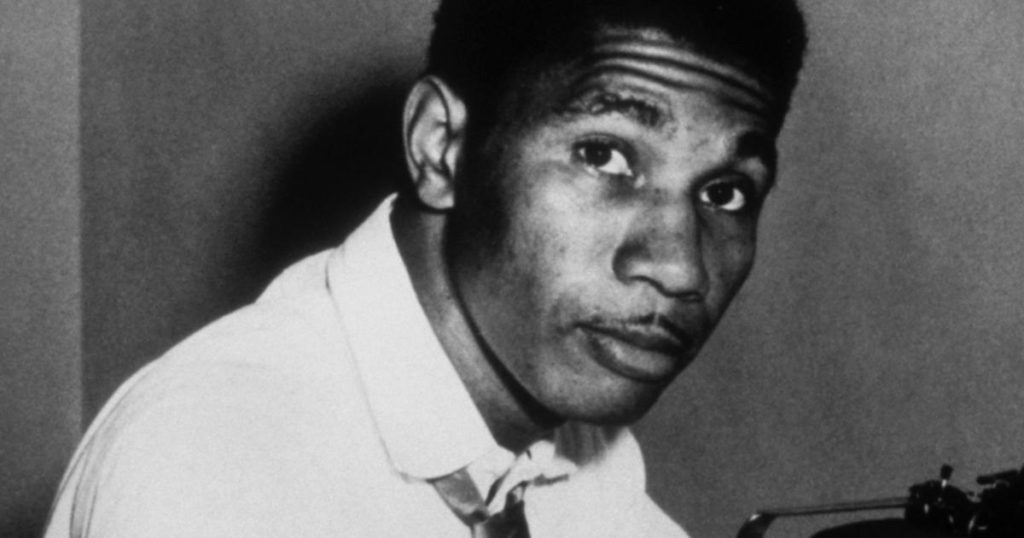
An effort to turn the home of a slain civil rights leader into a national monument is gaining more bipartisan support. Republican U.S. Sens. Roger Wicker and Cindy Hyde-Smith of Mississippi and Democratic Sen. Doug Jones of Alabama introduced a bill Monday to make the Medgar Evers home a monument. The U.S. House passed a bill last week to do the same thing. The two chambers must agree on a single bill before it could go to the president. As Mississippi’s first NAACP field secretary beginning in 1954, Evers organized protests and boycotts to fight segregation. He was assassinated by a white supremacist outside his family’s Jackson home in 1963. Interior Secretary Ryan Zinke has recommended national monument status for the Evers home, which is now owned by Tougaloo College. Republished with the permission of the Associated Press.
Terri Sewell, Doug Jones announce Public Health Fair to combat wastewater crisis
Alabama’s two Congressional Democrats — 7th District U.S. Rep. Terri Sewell and Sen. Doug Jones — are teaming up to raise public awareness about the health consequences associated with failing septic systems and wastewater contamination. Together, they will host a Public Health Fair in Hayneville, Ala. The event, which is free and open to the public, will also provide attendees safe and confidential health screenings. “For struggling families in rural America, including those in Alabama’s rural Black Belt, deteriorating wastewater infrastructure has created a health crisis that is unacceptable for us to ignore as elected officials,” Sewell said. “In rural communities like Lowndes County, some residents don’t have proper access to primary health care services, where they can get screened and treated for conditions that arise from failing wastewater systems.” Sewell continued, “Our upcoming public health fair will provide rural Alabamians with the tools and resources they need to keep their families and homes healthy. This public health fair is a necessary step in the right direction, designed to open lines of communication with health experts, community leaders, and rural families, and provide free and confidential health screenings to Lowndes County residents.” The Public Health Fair will take place on Wednesday, May 30, from 5:00 – 7:00 p.m. inside Lowndes Interpretive Center. Health services provided will include a wide array of screenings. Attendees will also learn more about resources available for assistance with properly installed septic systems. “No one should have to live in a home where wastewater is straight-piped into their backyard, putting their families at risk for serious and costly health consequences,” Jones said. “Unfortunately, communities across rural Alabama are facing this public health crisis and it’s long overdue that they get the resources they need to make lasting progress. That’s why I’m proud to partner with my colleague Congresswoman Sewell to host this upcoming public health fair, which will give us an opportunity to hear directly from folks who are facing these challenges and help them keep their families safe and healthy.” Experts suggest 60 percent of homes in some parts of rural Alabama drain wastewater without treatment from a septic system.1 Researchers from the University of Alabama estimate that more than 500,000 gallons of raw sewage enter rivers and streams in Alabama’s Black Belt each day. Last week, Sewell along with Republican and Alabama 3rd District U.S. Rep. Mike Rogers introduced the bipartisan H.R. 5837: Rural Septic Tank Access Act on Wednesday, which provides grants for the construction and repair of decentralized wastewater systems in underserved communities. Jones is a co-sponsor of a companion bill in the Senate.
ALGOP Chair Terry Lathan slams Doug Jones over opposition of CIA nominee
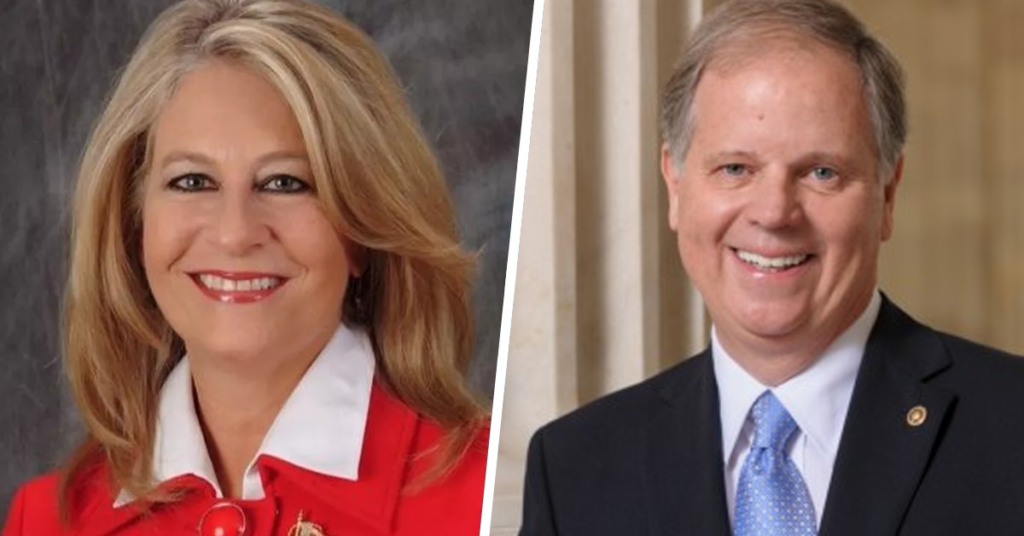
On Tuesday, Alabama’s newly elected junior senator, Democrat Doug Jones cast his vote again Gina Haspel to be confirmed as Director of the Central Intelligence Agency (CIA). Now, the Chairman of the Alabama Republican Party is calling him out for opposing the confirmation. Lathan says Jones “is choosing to put partisanship over our nation’s security.” And that “Alabama voters will remember this when they head to the polls to choose their next U.S. Senator in 2020.” Read Lathan’s full statement below: Alabama United States Senator Doug Jones’ decision to deny a vote to confirm Gina Haspel, a highly qualified CIA veteran with three decades of experience, is shameful at best. The recipient of several prestigious awards (including the prestigious George H.W. Bush Award for Excellence in Counterterrorism) and positive recommendations by three former CIA directors, Ms. Haspel is more than deserving of a confirmation by the U.S Senate. Senator Jones says he will not vote to confirm Ms. Haspel because of her stance on the agency’s former torture policy which she denounced as wrong and as a practice that will not be continued. Several Democrats and the Senate Intelligence Committee have approved Gina Haspel for a confirmation as CIA director. With this much steady support for the nominee, what valid reason does Senator Jones have to not cast a yes vote for this confirmation? In voting no to confirm Gina Haspel, Senator Jones is choosing to put partisanship over our nation’s security. Alabama voters will remember this when they head to the polls to choose their next U.S. Senator in 2020. Alabama and President Trump vow to put America First. This decision by Senator Jones simply does not do that.
Terri Sewell, Mike Rogers introduce bipartisan bill to address issue plaguing rural America
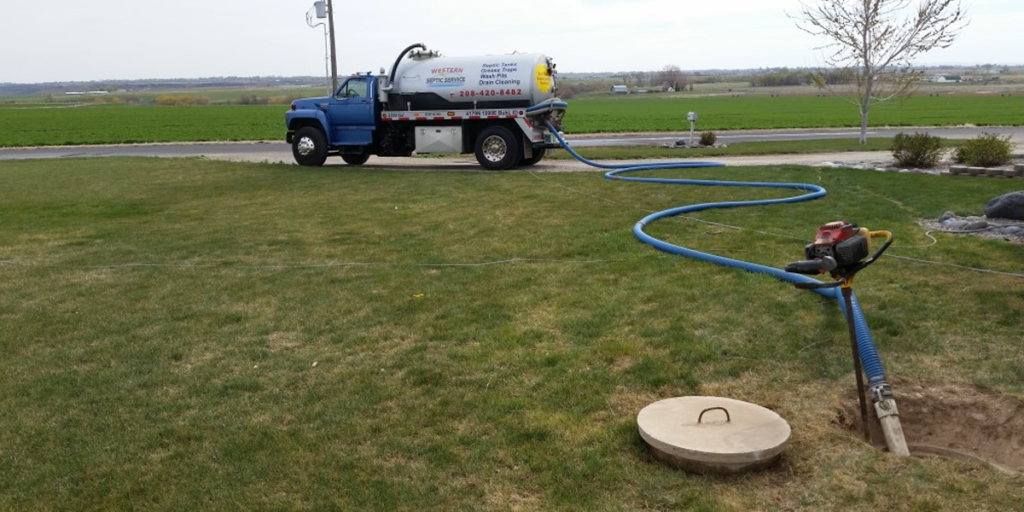
Two Alabama Members of Congress are putting their partisan politics aside and working together to address the widespread failure of wastewater infrastructure. Democrat and Alabama 7th District U.S. Rep. Terri Sewell along with Republican Alabama 3rd District U.S. Rep. Mike Rogers introduced the bipartisan H.R. 5837: Rural Septic Tank Access Act on Wednesday, which provides grants for the construction and repair of decentralized wastewater systems in underserved communities. Sewell said she’s seen firsthand the economic, environmental, and health challenges created by failing sewer systems in Alabama. She introduced the bill to provide adequate resources for rural families to afford proper septic systems. “Since coming to Congress, I have met with stakeholders, from public health officials to engineers to lawmakers, to tackle this crisis from its source,” said Sewell. “I believe that the un-affordability of proper wastewater systems in rural America is one of the most overlooked environmental injustices of our time. As Congress considers infrastructure investments this year through the Farm Bill and the Water Resources and Development Act (WRDA), I will fight to make sure that every community has the support needed to maintain sustainable, safe, and efficient wastewater systems.” The Rural Septic Tank Access Act would expand the Household Water Well System Grant Program, to be administered by the U.S. Department of Agriculture, to provide grants of up to $20,000 for rural low- and moderate-income households to install or maintain individually-owned decentralized wastewater systems. “I am proud to join my friend and colleague Rep. Sewell on this important legislation,” said Rogers. “Access to working wastewater systems is a bipartisan issue. Rural America can’t be left behind, and this legislation ensures that folks in our districts and across America have a way forward from failing wastewater infrastructure.” While there is no national study estimating the number of Americans with failing septic systems, estimates suggest that over a million families may face unsafe conditions as a result of inadequate rural wastewater systems. In February, Rep. Sewell toured homes in Lowndes County to survey wastewater infrastructure in Alabama’s Black Belt. In March, she worked with House appropriators to include an additional $1.8 billion in funding for water and wastewater infrastructure through an omnibus spending bill. Democrat and Alabama’s junior Sen. Doug Jones, along with West Virginia-Republican Sen. Shelley Moore Capito and New Jersey-Democrat Sen. Cory Booker introduced a companion bill in the Senate in April. Sewell will hold a Public Health Fair with Jones on May 30 to raise public awareness about the health consequences associated with failing sceptic systems and wastewater contamination, and to provide an opportunity for safe and confidential health screenings.
Democrats seek counterweight to Donald Trump’s message in 2020

Grappling with the realities of President Donald Trump’s reign, Democrats are trying to offer a counterweight to the president’s message — without making it all about Trump. An annual conference organized by a prominent Democratic think tank Tuesday included an early glimpse at some of the Democrats plotting a challenge to Trump in 2020. But it also laid bare some of the challenges Democrats face in opposing a president whose presence has been all-consuming and in developing an alternative agenda to reach voters who turned to Trump in 2016. “What they want to hear about is the economy and their plans for it. They don’t want to hear about Donald Trump every single minute,” Sen. Amy Klobuchar, D-Minn., said at the Center for American Progress’ Ideas Conference. “We resist, but we also insist on a better way forward.” The lineup at the daylong conference featured appearances by several potential 2020 candidates, including Klobuchar, Sens. Bernie Sanders of Vermont, Cory Booker of New Jersey and Elizabeth Warren of Massachusetts. Also speaking: former Housing Secretary Julian Castro and current New York City Mayor Bill de Blasio. In the lead-up to the 2018 midterm elections, Democrats have pointed to growing activism since Trump’s election, from the women’s march after his inauguration to a student movement in support of gun control measures following the deadly school shooting in Parkland, Florida. And they have captured special election victories in Alabama, electing Democratic Sen. Doug Jones, and in western Pennsylvania, helping Democrat Conor Lamb overcome millions in Republican expenditures in a GOP-leaning district. Democrats are hoping for a “blue wave” in the midterms to recapture one or both chambers in Congress, which they have said would serve as a precursor to ousting Trump from office. “The reason why we don’t have Trumpcare today,” said Gillibrand, referring to the president’s failed attempt to overhaul the “Obamacare” system, “is because the grassroots stood up, stood tall and said, ‘No.’” But the party is still dealing with tensions on how far it should move to embrace more liberal policies on the economy and health care in response to Trump. Sanders, who battled Hillary Clinton for the party’s nomination in 2016, rattled off a litany of liberal causes, including the need for a single-payer health care system, a $15-an-hour minimum wage, reproductive rights and universal child care. But he pointed to the role of the “oligarchy in this country” as the nation’s most central challenge, a movement he said was leading to “a government of the few, by the few, and for the few.” “It is so important that we set big goals and we not be afraid of that,” said de Blasio, who announced plans for the New York Police Department to “overhaul and reform” policies related to marijuana enforcement in the next month. Castro, the former HUD secretary under Obama and the former San Antonio mayor, said the party needed a “new blueprint” that would make universal prekindergarten a reality, provide free college for at least the first two years and protect hundreds of thousands of young immigrants from deportation. One of the critiques of Clinton’s 2016 Democratic presidential campaign was that it failed to present a coherent argument on what the party would stand for under her watch. Trump, meanwhile, successfully distilled his message into his slogan, “Make America Great Again,” and narrowly defeated Clinton in Midwestern states like Michigan and Wisconsin that had been safe Democratic territory. Sen. Sherrod Brown, D-Ohio, noted that Trump claimed victory in his home state, a perennial presidential battleground, by nearly 9 percentage points in 2016, saying the president won in “communities he had no business winning.” “I think workers in my state are looking for somebody in elected office to talk about the dignity of work, to talk about whose side are you on, to talk about why work matters,” Brown said. “I don’t hear that enough from elected officials.” Neera Tanden, the center’s president and a longtime Clinton adviser, said that while Trump represents “an unprecedented threat to our values and our norms,” Democrats cannot simply resist the president and his policies but instead need to provide an alternative to his agenda. The event was attended by a number of financial donors, political strategists and activists who are beginning to assess what is expected to be a massive field in 2020, spurred in part by Trump’s sluggish public approval ratings. Robert Wolf, a major Democratic donor who attended the conference, said the party was “starting to build a narrative of things we stand for,” as opposed to simply opposing Trump at every turn. “We have to make sure we’re the party of ‘for things,’” Wolf said. Republished with the permission of the Associated Press.
Doug Jones accepted Rosie O’Donnell campaign donations beyond federal legal limit
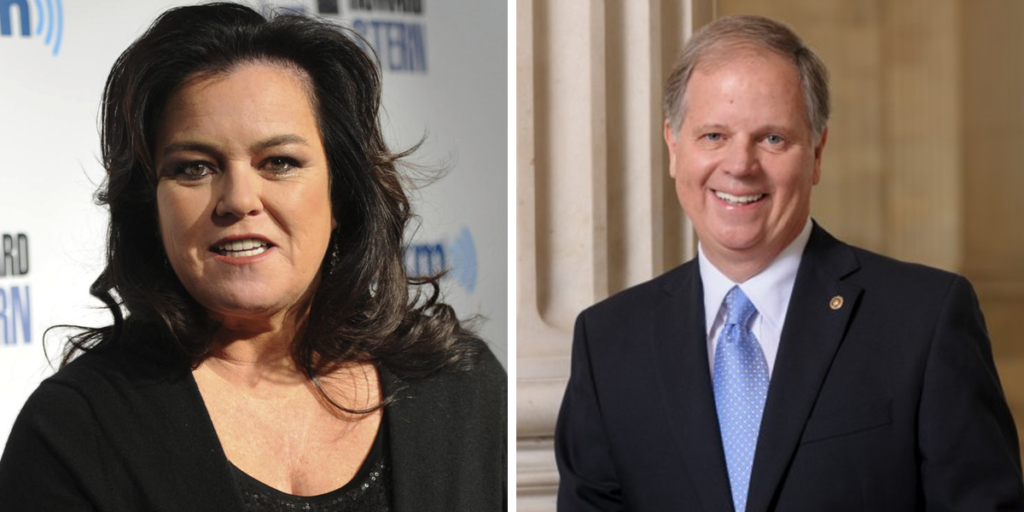
Newly elected Alabama Senator Doug Jones has been accused of accepting donations beyond the federal legal limit from nationally known comedian, and Donald Trump adversary, Rosie O’Donnell. A report by the New York Post published Saturday evening, details the donations O’Donnell madefor at least five Democratic candidates including Jones. According to the report, she donated $4,700 to the Doug Jones campaign using an online liberal fundraising platform, ActBlue. Currently, the Federal Election Commission (FEC) limits the total that any one person can give to an individual candidate to $2,700 per election. The limit applies separately to primaries, runoffs and general elections. O’Donnell said she was unaware of the law and assumed that ActBlue would automatically limit her donations accordingly, “If 2700 is the cut off — [candidates] should refund the money,” she wrote. “I don’t look to see who I can donate most to … I just donate assuming they do not accept what is over the limit.” According to campaign fillings, O’Donnell donated more than $90,000 to 50 different federal candidates and committees during the 2017-2018 election cycle, and exceeded the legal limit on at least five campaigns. Both donors, and the candidates they donate to, are legally liable for any contributions that go over the legal limit. However, it’s unlikely O’Donnell or her benefactors will be penalized for breaking FEC rules. Contributions that break the limit can be refunded to the donor or counted toward a different election. Married donors may also attribute the given money to a spouse. “Donors are rarely fined for excess contributions and then only if they are hiding the donations from the recipients,” prominent D.C. campaign finance lawyer Jan Witold Baran told the Post. “Campaigns generally are not penalized for isolated contributions over a limit. However, multiple excessive donations may lead to an investigation … Fines could result in such cases.” Jones has yet to comment on the accusations.
Roy Moore cracking door on future run for office
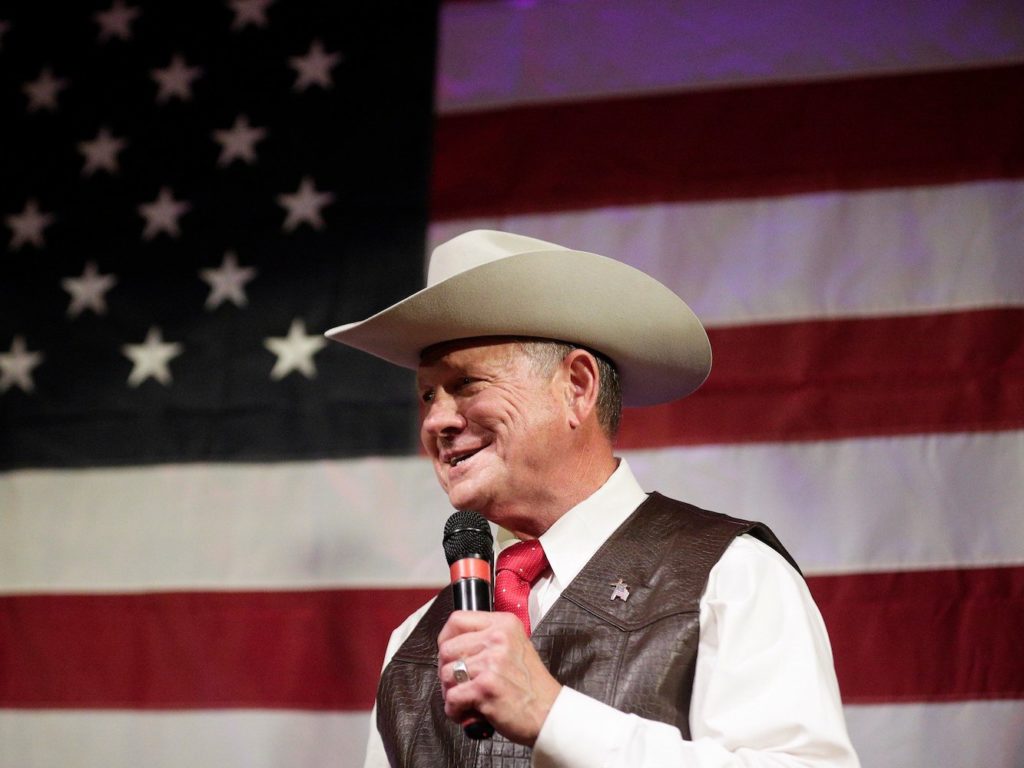
Defeated Alabama Senate candidate Roy Moore is opening the door to a possible return to politics. Moore told reporters at a news conference Monday that he doesn’t plan to run for anything, including governor at this time. But Moore issued a statement Thursday saying plans change. It quotes Moore as saying he won’t be reluctant to seek office again “if the opportunity arises.” And he says that includes the governorship. The Republican Moore lost the Senate race to Democrat Doug Jones after women came forward claiming Moore made sexual advances on them years ago when he was in his 30s and they were teenagers. Moore denies wrongdoing, and he’s filed suit claiming to be the victim of a conspiracy. One of Moore’s accusers is suing him for defamation. Republished with the permission of the Associated Press.
Fundraising and ethics upfront in lieutenant governor’s primary
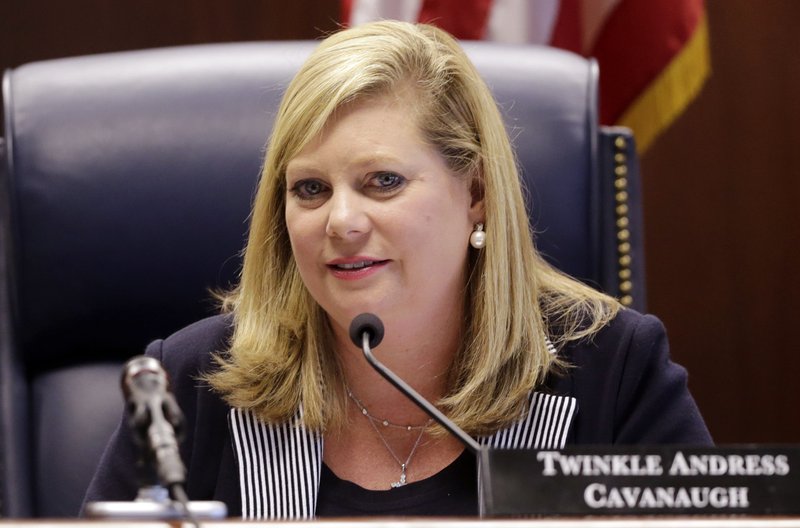
Three million dollars have poured into the Alabama lieutenant governor’s race as four candidates vie for a statewide position with limited responsibilities other than succeeding the governor. In the Republican primary, Alabama Public Service Commission president Twinkle Andress Cavanaugh is running against two state legislators: Rep. Will Ainsworth from Guntersville and Sen. Rusty Glover from Mobile. The lieutenant governor presides over the state Senate, but only casts a vote in the event of a tie. He or she serves on two dozen committees and appoints more than 400 state positions. The primary responsibility is succeeding the governor if he or she dies, resigns or is impeached. A failed Senate bill this year attempted to strip the lieutenant governor’s powers and criticized the role as simply a political stepping stone to the governor’s office. The lieutenant governor position has been vacant since April 2017 when Kay Ivey succeeded Robert Bentley as governor. Bentley quit while embroiled in a sex scandal. If Ivey wins election in November, she will be Alabama’s oldest governor at 74. Analyst and former University of Alabama politics professor William Stewart said Ivey would be unlikely to run for a second term. “The lieutenant governor race is more significant this year,” Stewart said. “More money has gravitated toward the race because it seems to be a foregone conclusion that whoever is elected as lieutenant governor this year, that person will almost automatically become the favorite for the governorship four years from now.” Stewart said Cavanaugh has name recognition advantage as an already elected statewide official. The Republican nominee will face Democrat Will Boyd, a minister who lost the U.S. Senate special election primary against Doug Jones last year. The four candidates are vying for funds ahead of the June 5 primary. As of April 19, Ainsworth and Cavanaugh have both raised just shy of $900,000. Cavanaugh started the campaign with more than $500,000 and Ainsworth loaned himself the same amount to match her. The most recent filings show that Cavanaugh outstripped her opponents by raising more than $70,000 in March, although Ainsworth still boasts more than $1 million currently in hand. Glover trails significantly, having raised just around $125,000. Boyd has raised less than $4,400. Beyond fundraising, ethics is a top issue in the race as the Legislature looks to review the state’s ethics law next year and lawmakers currently face corruption charges. GOP contenders are trumpeting their integrity and staunch conservatism. Cavanaugh, a seasoned politician, touts her six-year record as the Alabama Public Service Commission president. She said she has regulated ethics and cut costs, never taking a state car. She hands out her personal cellphone number because she believes elected officials should be approachable. Cavanaugh was on the ticket for governor last year but told The Associated Press that after meeting with Ivey, she decided she would run for “second-string quarterback” instead. “We need a very strong, ethical, honest and Christian public servant if necessary. We always pray that our governor is in good health and doing a good job, but we have to be prepared,” she said. In a private interview, Cavanaugh steered controversial subjects such as racial profiling toward her Christian faith and belief that Alabama has a “bright future” — a reference to her campaign slogan playing off her unique first name. Ainsworth, the owner of a sportsman’s lodge and founder of a prominent hunting and fishing expo, said his comparative lack of experience is a good sign that he’s not a corrupt career politician. “I don’t believe we’re going to solve problems that have plagued us for decades by hiring the same people. I think we’re a fresh face,” Ainsworth said. In his one term in the House of Representatives, Ainsworth sponsored bills to impose term limits and let voters recall elected officials who don’t keep campaign promises. This year, Ainsworth introduced a bill to arm trained teachers after a shooting at a high school in Parkland, Florida. He ran his first campaign ad using the catchphrase “teachers can’t arm themselves with a number 2 pencil.” Three-term state Sen. Glover is the only candidate with experience in the legislative body that the lieutenant governor leads. Glover is most well-known for introducing a resolution to stop changing clocks under daylight saving time. He said that as lieutenant governor he would promote education, and economic and workforce development. “I want to preside over the Senate in a fair way and be an honest person,” Glover said. “I want to be someone people can trust.” Boyd, the uncontested Democratic candidate, said he is fighting for education, health care and social equality. The primary is June 5. Republished with the permission of the Associated Press.
