
Donald Trump opioid plan includes death penalty for traffickers
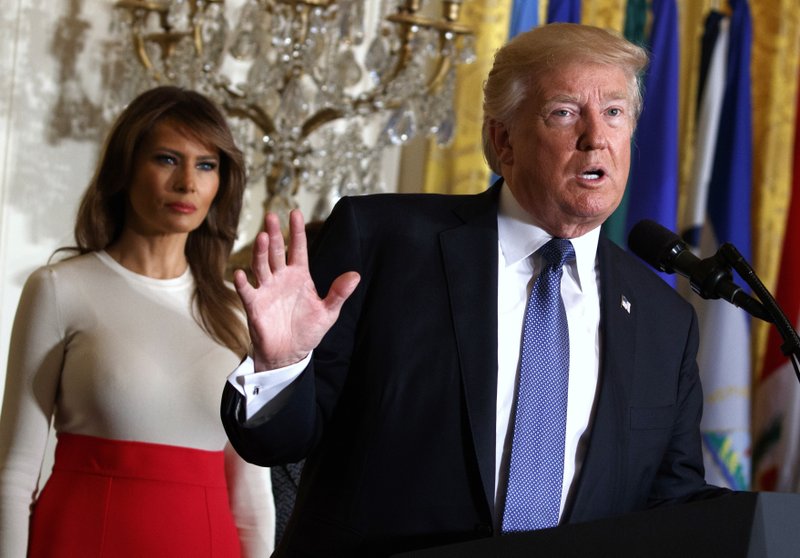
President Donald Trump’s plan to combat opioid drug addiction calls for stiffer penalties for drug traffickers, including the death penalty where appropriate under current law, a top administration official said. It’s a fate for drug dealers that Trump has been highlighting publicly in recent weeks. Trump also wants Congress to pass legislation reducing the amount of drugs needed to trigger mandatory minimum sentences for traffickers who knowingly distribute certain illicit opioids, said Andrew Bremberg, Trump’s domestic policy director, who briefed reporters Sunday on the plan Trump is scheduled to unveil Monday in New Hampshire, a state hard-hit by the crisis and that he once referred to as “drug infested.” The president will be joined by first lady Melania Trump, who has shown an interest in the issue as it pertains to children. Trump drew criticism last year after leaked transcripts of his telephone conversation with Mexico’s president showed he had described New Hampshire as a “drug-infested den.” The Washington Post published the transcripts. Death for drug traffickers and mandatory minimum penalties for distributing certain opioids are just two elements under the part of Trump’s plan that deals with law enforcement and interdiction to break the international and domestic flow of drugs into and across the U.S. Other parts of the plan include broadening education and awareness, and expanding access to proven treatment and recovery efforts. Trump has mused openly in recent weeks about subjecting drug dealers to the “ultimate penalty.” The president told the audience at a Pennsylvania campaign rally this month that countries like Singapore have fewer issues with drug addiction because they harshly punish their dealers. He argued that a person in the U.S. can get the death penalty or life in prison for shooting one person, but that a drug dealer who potentially kills thousands can spend little or no time in jail. “The only way to solve the drug problem is through toughness,” Trump said in Moon Township. He made similar comments at a recent White House summit on opioids. “Some countries have a very, very tough penalty — the ultimate penalty. And, by the way, they have much less of a drug problem than we do,” Trump said. “So we’re going to have to be very strong on penalties.” White House officials referred questions about the death penalty and drug traffickers to the Justice Department, which said the federal death penalty is available for several limited drug-related offenses, including violations of the “drug kingpin” provisions in federal law. Doug Berman, a law professor at Ohio State University, said it was not clear that death sentences for drug dealers, even for those whose product causes multiple deaths, would be constitutional. Berman said the issue would be litigated extensively and would have to be definitively decided by the U.S. Supreme Court. Opioids, including prescription opioids, heroin and synthetic drugs such as fentanyl, killed more than 42,000 people in the U.S. in 2016, more than any year on record, according to the Centers for Disease Control and Prevention. Trump has declared that fighting the epidemic is a priority for the administration but critics say the effort has fallen short. Last October, Trump declared the crisis a national public health emergency, short of the national state of emergency sought by a presidential commission he put together to study the issue. “We call it the crisis next door because everyone knows someone,” said Kellyanne Conway, a Trump senior adviser. “This is no longer somebody else’s community, somebody else’s kid, somebody else’s co-worker.” Trump will also discuss how his plans for a U.S.-Mexico border wall and punishing “sanctuary” cities that refuse to cooperate with federal immigration authorities will help combat the opioid crisis, Conway told reporters traveling with the president. Other elements of the plan Trump call for a nationwide public awareness campaign, which Trump announced last October, and increased research and development through public-private partnerships between the federal National Institutes of Health and pharmaceutical companies. Bremberg said the administration also has a plan to cut the number of filled opioid prescriptions by one-third within three years. The stop in New Hampshire will be Trump’s first as president. He won the state’s 2016 Republican presidential primary but narrowly lost in the general election to Hillary Clinton. It follows a visit to the state last week by retiring Sen. Jeff Flake, R-Ariz., a persistent Trump critic. Flake told New Hampshire Republicans that someone needs to stop Trump — and it could be him if no one else steps up. Republished with permission from the Associated Press.
State health officials announce Opioid Council report, action plan to fight addiction
A council tasked with fighting opioid addiction in Alabama released its first formal report of its findings along with an action plan on Wednesday. The Alabama Opioid Overdose and Addiction Council, created by Gov. Kay Ivey in August, and its subcommittees have met several times over the past six months to develop the strategic plan “that establishes recommendations for policy, regulatory and legislative actions to address the overdose crisis in Alabama.” “I am thankful for the hard work of the Opioid Overdose and Addiction Council. We must find a solution to the opioid crisis in our state, as this epidemic is literally tearing families apart,” said Ivey. “I look forward to working with the Council and the Legislature to consider these recommendations and to make meaningful reforms which will help us address this problem once and for all.” The council is overseen by Mental Health Commissioner Lynn Beshear, as well as her co-chairs, Attorney General Steve Marshall and Acting State Health Officer Dr. Scott Harris. Beshear said the next step in the plan is to convene the implementation team and to continue to meet quarterly. “Families, healthcare professionals and government officials at every level seek real solutions concerning the impact the opioid crisis has on Alabamians,” said Lynn Beshear, Commissioner, Alabama Department of Mental Health. “The next step in our effort will convene the Implementation Team of the Alabama Opioid Overdose and Addiction Council, as well as quarterly meetings of the full Council to implement researched opportunities. We believe the work of the Council offers preventive strategies, intervention and treatment options, and a community response that addresses this dire need. Working together, it will require organized sustained engagement of citizens and government with healthcare professionals.” According to data from the Centers for Disease Control and Prevention, of Alabama’s 736 reported drug overdose deaths in 2015, 282 were caused by opioids. The data also shows that Alabama doctors in 2012 wrote 1.43 prescriptions for opioid pain relievers per person — a rate higher than any other state. “Opioid addiction and abuse is a tremendous problem that affects Alabama in many different ways. Our hospitals, schools, churches and prisons are all struggling to deal with the problems caused by addiction and by increasing numbers of opioid deaths,” asserted Harris. He continued, “The comprehensive action plan the Council has developed includes improvements to the Alabama Prescription Drug Monitoring Program that make it easier for prescribers to identify opioid abuse and to motivate abusers to find help for themselves, their families and communities. We are encouraged that the Council has offered strategies that have the potential to reverse this crisis that affects so many Alabamians, and appreciate the input of so many individuals to find effective solutions.” “After working with the dedicated people who have given so much of their time and concern to this Council and its subcommittees, I am heartened that we can make progress to fight the terrible blight of opioid abuse in Alabama,” added Attorney General Steve Marshall. The Council’s report presents a four-pronged action plan to address prevention of opioid misuse, intervention within the law enforcement and justice systems, treatment of those with opioid use disorders, and community response that engages the people of Alabama in finding solutions at a local level. Some of the major findings are summarized below: PREVENTION Improve and modernize the Alabama Prescription Drug Monitoring Program so that it will be more user-friendly, and more prescribers will participate and be better informed; the Governor is requested to support a legislative appropriation of $1.1 million to the Alabama Department of Public Health for this; Strengthen prescription data and research capabilities and create a unique identifier for each individual patient; Promote efforts to educate current and future prescribers, better implement current guidelines, adopt guidelines specific to opioid prescribing and impose mandatory opioid prescribing education; Create a website and messaging campaign to reduce the stigma of opioid addiction; and implement an outreach program to teach young people the dangers and to avoid opioids; Create a website and social media campaign to motivate opioid abusers to seek help and to effectively connect them and family members with ways to get help; Create a partnership for the Alabama Department of Mental Health to provide training about addiction to law enforcement agencies and the judiciary. INTERVENTION Advocate legislation in the 2018 session to specifically prohibit trafficking in fentanyl and carfentanil, which is particularly important because vastly smaller amounts of these than other opioids can be deadly; for example, a lethal dose of fentanyl is 1000 times less than that of heroin, and the threshold amounts for the crimes of trafficking in fentanyl and carfentanil would better be measured in micrograms; As overdoses are 50 times greater for those leaving incarceration or other enforced abstinence, establish a process for the Department of Mental Health to reduce the stigma of medication assisted treatment, and begin a pilot program by the Department of Corrections in partnership with the Board of Pardons and Paroles to use naloxone, counseling and life skills to help released inmates remain drug free. TREATMENT AND RECOVERY Promote adequate funding for treatment services and recovery support; Establish collaboration between the Department of Mental Health and recovery support providers to increase access; Support creating two addiction medicine fellowships to train Alabama physicians to recognize and treat substance abuse; Expand access and target effective treatment and prevention programs to areas where there is greater need; Improve education of professionals through continuing education for licensing and expand postsecondary and graduate curriculums. COMMUNITY RESPONSE Increase access to naloxone and maintain a list of participating pharmacies; Prioritize naloxone to law enforcement and for distribution in areas of greatest need; Provide naloxone training for first-responders; Encourage prescribing naloxone for high-risk patients; Have a Community Anti-Drug Coalitions of America program in each judicial circuit and work toward having them at municipal levels; Engage employers, businesses, higher education and private-sector in a network to get resources into communities; Encourage having a Stepping Up Initiative in each county to work with the
SPLC pushes back against Kay Ivey’s Drug Task Force decision
On Thursday, Alabama Gov. Kay Ivey announced the state will use $1.3 million in federal grant money to establish a new statewide drug task force that will operate in cooperation with local and state law enforcement agencies. The total task force will comprise more than 90 officers from more than 40 agencies and will operate alongside 25 narcotics agents from the Alabama Law Enforcement Agency forming seven regional multi-jurisdictional offices. These units will share resources with a unified goal of reducing the impact of drugs and dismantling drug organizations in Alabama. Friday morning, the Southern Poverty Law Center (SPLC) pushed back against Ivey’s announcement saying treatment and access to anti-overdose drugs, not prosecution, is the most effective way to combat the state’s opioid epidemic. “Governor Ivey’s misguided decision to invest $1.3 million in creating a Drug Enforcement Task Force indicates she is ignoring the advice of medical professionals, public health experts, and the Alabama Opioid Overdose and Addiction Council she herself created by executive order – all of whom agree that treatment and access to anti-overdose drugs, not prosecution, is the most effective response to the devastation caused by the opioid epidemic,” said Lisa Graybill, Deputy Legal Director of the SPLC Graybill continued, “Alabama has the highest rate of opioid prescription among all 50 states, and we can’t afford to get this wrong. But Governor Ivey is throwing money away by investing in the same lock ‘em up approach of the failed war on drugs, which will accomplish little beyond sending yet more people into an already horrifically overcrowded Alabama prison system with ‘persistent and severe shortages of mental-health staff and correctional staff.’ We can’t prosecute our way out of this public health crisis. Hiring more police won’t save lives; treatment will, and that’s where taxpayers’ money should go.”
Kay Ivey awards $1.3 million to establish new statewide Drug Task Force
Alabama Gov. Kay Ivey is convening a new drug task force that will operate throughout the state in cooperation with local and state law enforcement agencies. Ivey has awarded grants totaling $1.3 million to establish the Alabama Drug Enforcement Task Force. The grant funds will help provide overtime for officers, pay for travel and training for agents, operational expenses and needed equipment. The total task force will comprise more than 90 officers from more than 40 agencies and will operate alongside 25 narcotics agents from the Alabama Law Enforcement Agency forming seven regional multi-jurisdictional offices. These units will share resources with a unified goal of reducing the impact of drugs and dismantling drug organizations in Alabama. “The illegal manufacturing, trafficking and sale of narcotics in Alabama is a problem for every part of the state and should be dealt with accordingly,” Ivey said. “Through combined efforts and statewide cooperation, this new task force will allow local police, sheriff’s offices and district attorneys to work together with state police and investigators to remove more of this dangerous element from our communities.” The Alabama Department of Economic and Community Affairs is administering the grants from funds made available by the U.S. Department of Justice. ADECA administers a wide range of programs that support law enforcement, economic development, infrastructure upgrades, recreation, energy conservation, water resources management, job training and career development. “I share Gov. Ivey’s commitment to combating the illegal drug trade in our state and am glad to lend ADECA’s support in establishing this new task force,” said ADECA Director Kenneth Boswell. “I commend the participating law enforcement agencies for their commitment and hard work to make Alabama a safer place to live and work.” Each of the seven regional offices that make up the task force are receiving a $193,235 grant. These regional offices are listed below by administering agency and counties they cover: City of Atmore: Baldwin, Choctaw, Clarke, Conecuh, Escambia, Mobile, Monroe and Washington counties Butler County Commission: Barbour, Butler, Coffee, Covington, Crenshaw, Dale, Geneva, Henry, Houston and Pike counties Marengo County Commission: Bibb, Dallas, Greene, Hale, Marengo, Perry, Pickens, Sumter, Tuscaloosa and Wilcox counties Chambers County Commission: Autauga, Bullock, Chambers, Chilton, Coosa, Elmore, Lee, Lowndes, Macon, Montgomery, Russell and Tallapoosa counties. Winston County Commission: Colbert, Fayette, Franklin, Lamar, Lauderdale, Lawrence, Marion, Walker and Winston counties City of Cullman: Blount, Cherokee, Cullman, Dekalb, Etowah, Jackson, Limestone, Madison, Marshall and Morgan counties Randolph County Commission: Calhoun, Clay, Cleburne, Jefferson, Randolph, Shelby, St. Clair and Talladega counties
Bradley Byrne: Working to combat opioid addiction

Hundreds of thousands of Americans have lost their lives in recent years due to drug abuse, and the problem only seems to be getting worse. In 2016, more than two million Americans had an addiction to prescription or illicit opioids. An opioid is a type of narcotic derived from the opium poppy, which includes drugs such as morphine, codeine, hydrocodone, and oxycodone. While the drugs are often prescribed in response to injuries and body pains, they are easily abused and addictive. The opioid issue in America has reached the point of a crisis. Since 2000, over 300,000 Americans have died from overdoses involving opioids. That is 300,000 families who lost loved ones. 300,000 parents, children, coworkers, spouses, and friends. We are at the point when approximately 175 deaths each day are attributed to drug overdoses. Drug overdose is now the leading cause of injury death in the United Sates, even greater than both traffic crashes and gun-related deaths. This is also not an abstract issue that does not impact us here in Southwest Alabama. I have spoken to numerous local law enforcement and medical officials about how the opioid drug abuse problem is prevalent in our own backyard. Many of the people who become addicted to opioids first start taking the drugs legally after receiving a prescription from a doctor. For example, a common theme is athletes who suffer a sports-related injury, undergo surgery, and then become addicted to opioids during the recovery process. The personal stories you hear are truly heartbreaking. As First Lady Melania Trump said about opioid abuse during a speech last week, “this can happen to any of us. Drug addiction can take your friends, neighbors, or your family. No state has been spared, and no demographic has been untouched.” To be clear, addiction is not a criminal issue that simply requires putting more people in jail. In fact, that may be counterproductive in many situations. Instead, we need to work to help individuals battle through their addiction with a combination of counseling and other medical strategies. Last week, President Donald Trump acted to help address the opioid crisis by declaring a public health emergency. Through this action, President Trump is mobilizing his entire Administration to address drug addiction and opioid abuse. President Trump has also created the “President’s Commission on Combating Drug Addiction and Opioid Crisis,” which is still actively preparing a report for the President on ways to further help combat the opioid crisis. A big focus is also on increasing public awareness about the issue. The Centers for Disease Control (CDC) has launched the Prescription Awareness Campaign, which features real-life stories of people who have lost loved ones to prescription opioid overdose. The House has also acted over the last two years to combat the opioid crisis. For example, we passed two important bipartisan bills to direct more resources and improve policies related to opioid abuse. The Comprehensive Recovery and Addiction Act combined multiple bills dealing with a full range of opioid-connected issues, while the 21st Century Cures Act included funding to help states address the opioid prescription drug crisis. Clearly, additional funding is necessary to help save American lives, and this year’s government funding bill directed $781 million to help with addiction prevention, education, and treatment. The additional funding also goes toward helping local law enforcement officials as they tackle this heartbreaking epidemic. We cannot and will not sit back and allow the opioid crisis to take the lives of the people we love and care for. We must fight back and ensure Americans get the help they need. • • • Bradley Byrne is a member of U.S. Congress representing Alabama’s 1st Congressional District.
Martha Roby: Addiction is more than just statistics

Did you know that more than 64,000 Americans died of a drug overdose last year? The majority of those were heroin or opioid overdoses. Our country is in the midst of a heroin and opioid epidemic, with 91 Americans dying every day from an overdose. The problem is particularly acute in Alabama, where opioid drugs are prescribed at a higher ratio than any other state in the nation. Alabama averages an alarming 1.2 opioid prescriptions per person, according to the Centers for Disease Control. Opioids are derived from the opium poppy and are commonly used in strong pain relief medications such as morphine, codeine, hydrocodone, and oxycodone. Doctors often prescribe these powerful pain relief drugs to patients recovering from surgery or suffering from chronic pain. These drugs have a high potential for abuse and addiction, especially when improperly prescribed or taken. Too often patients who have become addicted turn to heroin when they are no longer able to access or afford the prescription pain killers. Anyone who has ever struggled with addiction or known a loved one who has understands that this issue is much more personal than just statistics. No one makes a conscious decision to become addicted to pills or heroin. It happens gradually and can affect almost anyone. While patients suffering from extreme pain need access to strong medication, we need better tools to prevent addiction, help people get treatment, and stop drug traffickers who push and profit from abuse. I’m pleased to report that President Donald Trump has declared the opioid crisis in the United States to be a national health emergency. This important designation will redirect federal resources to most effectively fight this epidemic. It requires federal agencies to devote more grant money already in their budgets to addressing the problem and to overcome any bureaucratic delays in the dispersion of these grants. It also shifts some federal grants toward expanding access to medical services in rural areas. The President’s action builds upon the Comprehensive Addiction Recovery Act, which Congress passed last year to improve the prevention, treatment, recovery, and police enforcement of prescription drug abuse. Attorney General Jeff Sessions has formed the Opioid Fraud and Abuse Detection Unit within the Department of Justice. Federal prosecutors have already taken action against those peddling prescription drugs in Alabama, including a Birmingham pharmacy technician who manipulated cancer patients’ medicine to feed his own addiction and two Haleyville pharmacy workers who took part in a scheme to generate fraudulent prescriptions. Action is also being taken on the state and local level. Last month, Alabama Attorney General Steve Marshall announced he is joining with 40 other state attorneys general to investigate suspect opioid manufactures. I’m grateful for the strong measures being taken by federal, state, and local law enforcement to address this problem. As a member of the House Appropriations Committee, and specifically the subcommittee that funds the Department of Justice, I’m proud to support these efforts. Our most recent House-passed appropriations bill included a $37 million funding increase to enhance opioid investigations and prosecutions. The bill also includes $103 million for programs to address drug abuse through drug courts, treatment, and prescription drug monitoring. If you or someone you know struggles with addiction, please know that there are resources in our state to help. In 2015, the Alabama Drug Abuse Task Force launched the Zero Addiction Campaign to prevent and treat drug addiction. Visit www.zeroaddiction.org to find addiction treatment services in your county. ••• Martha Roby represents Alabama’s Second Congressional District. She lives in Montgomery, Alabama with her husband Riley and their two children.
Richard Shelby voices support for Donald Trump’s efforts to combat opioid epidemic
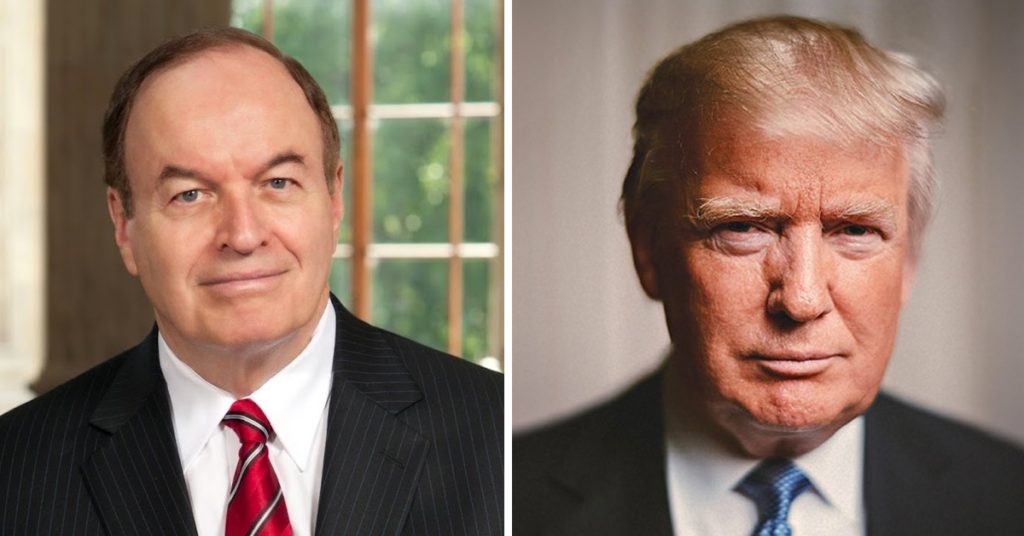
President Donald Trump announced his administration would declare the opioid crisis a public health emergency Thursday, which the White House says is killing 175 people every day. Following Trump’s announcement, Alabama U.S. Senator Richard Shelby, Chairman of the Senate Commerce, Justice, and Science (CJS) Appropriations Subcommittee, voiced his support for the president’s declaration. “I applaud the President and his Administration on their efforts to end the opioid epidemic. This is a real emergency, and it affects just about every community in our country,” said Shelby. “Senator Jeanne Shaheen and I have been working on our Appropriations Subcommittee to make sure that both law enforcement and the Justice Department have the tools they need to fight this epidemic. It is going to take a massive effort, and I fully support President Trump’s attention to this matter.” The growing epidemic regarding the misuse, abuse, and addiction to certain prescription pain medications and other types of opioids in the United States, such as heroin, remains a concern for communities across the country. The prescription of opioid painkillers has been the driving force behind increased opioid usage and subsequent overdose related deaths. In the FY2017 CJS Appropriations bill, Shelby secured $276.5 million to the Drug Enforcement Administration, Bureau of Prisons, and Department of Justice grants to combat the nation’s drug addiction and opioid crisis.
Feds investigate dozens of thefts of opioids, other drugs at VA facilities
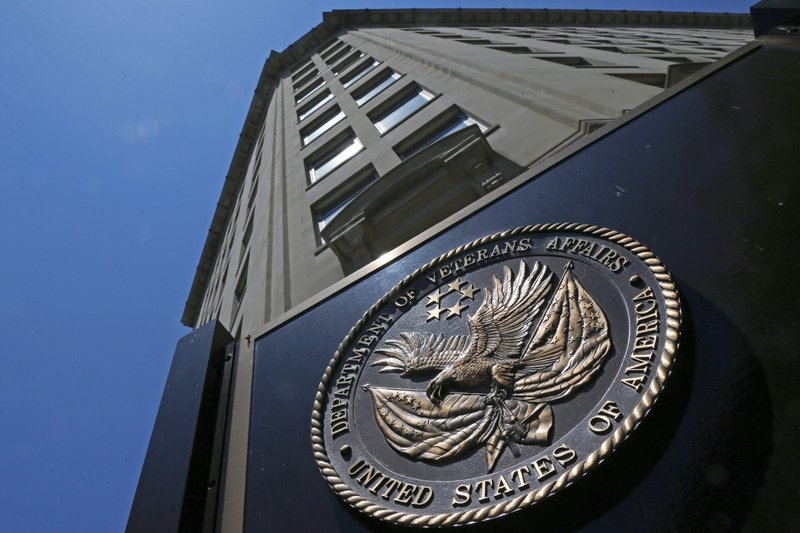
Federal authorities are investigating dozens of new cases of possible opioid and other drug theft by employees at Veterans Affairs hospitals, a sign the problem isn’t going away as more prescriptions disappear. Data obtained by The Associated Press show 36 criminal investigations opened by the VA inspector general’s office from Oct. 1 through May 19. It brings the total number of open criminal cases to 108 involving theft or unauthorized drug use. Most of those probes typically lead to criminal charges. The numbers are an increase from a similar period in the previous year. The VA has pledged “zero tolerance” in drug thefts following an AP story in February about a sharp rise in reported cases of stolen or missing drugs at the VA since 2009. Doctors, nurses or pharmacy staff in the VA’s network of more than 160 medical centers and 1,000 clinics are suspected of siphoning away controlled substances for their own use or street sale – sometimes to the harm of patients – or drugs simply vanished without explanation. Drug thefts are a growing problem at private hospitals as well as the government-run VA as the illegal use of opioids has increased in the United States. But separate data from the Drug Enforcement Administration obtained by the AP under the Freedom of Information Act show the rate of reported missing drugs at VA health facilities was more than double that of the private sector. DEA investigators cited in part a larger quantity of drugs kept in stock at the bigger VA medical centers to treat a higher volume of patients, both outpatient and inpatient, and for distribution of prescriptions by mail. Sen. Marco Rubio, R-Fla., said AP’s findings were “troubling.” He urged Congress to pass bipartisan accountability legislation he was co-sponsoring that would give the agency “the tools needed to dismiss employees engaged in misconduct.” The Senate is set to vote on the bill June 6. “The theft and misuse of prescription drugs, including opioids, by some VA employees is a good example of why we need greater accountability at the VA,” Rubio said. In February, the VA announced efforts to combat drug thefts, including employee drug tests and added inspections. Top VA officials in Washington led by VA Secretary David Shulkin pledged to be more active, holding conference calls with health facilities to develop plans and reviewing data to flag problems. The department said it would consider more internal audits. Criminal investigators said it was hard to say whether new safeguards are helping. “Prescription drug diversion is a multifaceted, egregious health care issue,” said Jeffrey Hughes, the acting VA assistant inspector general for investigations. “Veterans may be denied necessary medications or their proper dosage and medical records may contain false information to hide the diversion, further putting veterans’ health at risk.” Responding, the VA said it was working to develop additional policies “to improve drug safety and reduce drug theft and diversion across the entire health care system.” “We have security protocols in place and will continue to work hard to improve it,” Poonam Alaigh, VA’s acting undersecretary for health, told the AP. In one case, a registered nurse in the Spinal Cord Injury Ward at the VA medical center in Richmond, Virginia, was recently sentenced after admitting to stealing oxycodone tablets and fentanyl patches from VA medication dispensers. The nurse said she would sometimes shortchange the amount of pain medication prescribed to patients, taking the remainder to satisfy her addiction. Hughes cited in particular the risk of patient harm. “Health care providers who divert for personal use may be providing care while under the influence of narcotics,” he said. AP’s story in February had figures documenting the sharp rise in drug thefts at federal hospitals, most of them VA facilities. Subsequently released DEA data provide more specific details of the problem at the VA. Drug losses or theft increased from 237 in 2009 to 2,844 in 2015, before dipping to 2,397 last year. In only about 3 percent of those cases have doctors, nurses or pharmacy employees been disciplined, according to VA data. At private hospitals, reported drug losses or theft also rose – from 2,023 in 2009 to 3,185 in 2015, before falling slightly to 3,154 last year. There is a bigger pool of private U.S. hospitals, at least 4,369, according to the American Hospital Association. That means the rate of drug loss or theft is lower than VA’s. The VA inspector general’s office said it had opened 25 cases in the first half of the budget year that began Oct. 1. That is up from 21 in the same period in 2016. The IG’s office said the number of newly opened criminal probes had previously been declining since 2014. Michael Glavin, an IT specialist at the VA, says he’s heard numerous employee complaints of faulty VA technical systems that track drug inventories, leading to errors and months of delays in identifying when drugs go missing. Prescription drug shipments aren’t always fully inventoried when they arrive at a VA facility, he said, making it difficult to determine if a drug was missing upon arrival or stolen later. “It’s still the same process,” said Glavin, who heads the local union at the VA medical center in Columbia, Missouri. The union’s attorney, Natalie Khawam, says whistleblowers at other VA hospitals have made similar complaints. Criminal investigators stressed the need for a continuing drug prevention effort. The VA points to inventory checks every 72 hours and “double lock and key access” to drugs. It attributes many drug loss cases to reasons other than employee theft, such as drugs lost in transit. But the DEA says some of those cases may be wrongly classified. “Inventories are always an issue as to who’s watching or checking it,” said Tom Prevoznik, a DEA deputy chief of pharmaceutical investigations. “What are the employees doing, and who’s watching them?” Republished with permission of The Associated Press.
Robert Bentley awards grant to help Ala. inmates overcome substance abuse dependencies

Gov. Robert Bentley awarded a $210,605 grant to the Alabama Department of Corrections to treat inmates in several correctional facilities with drug dependencies on Tuesday. “So many evils are rooted in illegal and illegally obtained drugs. In recent years, Alabama has seen a significant increase in the number of fatalities caused by opioid abuse, and we must assist those suffering from opioid addiction whenever possible,” Bentley said in a statement. “I support this program as a way to reduce our prison population and to safely release people back into the public, once they have completed their sentence and want to become productive members of society.” The six-month treatment program will be available at seven correctional facilities across the state and will be conducted by trained drug counselors and drug program specialists. The grant is made possible from funds from the U.S. Department of Justice. The Law Enforcement and Traffic Safety Division of the Alabama Department of Economic and Community Affairs (ADECA) will be responsible for administering the funds. “This valuable partnership is a major step in helping inmates transition back into society,” ADECA Director Jim Byard Jr. said. “Through this program, inmates who have struggled with drug dependency can take control of their lives and prepare to become responsible citizens once released. Public safety and our communities win when inmates are able to break an addiction.”
Arthur Orr’s ‘drugged driving’ bill stalls in Alabama Senate committee

While Alabama lawmakers debate how to create safer roads, one Alabama state senator believes it can be achieved by taking a stronger stance on “drugged” driving. Decatur-Republican state Senator Arthur Orr filed Senate Bill 180 on Valentine’s Day, which seeks to strengthen DUI law in the Yellowhammer State. The bill would expand the DUI standard to include several additional drugs, involve greater punishment for repeat offenders, and ultimately make it easier for a drivers’ license to be revoked. Through his bill, Orr wants to increase penalties for repeat “drugged driving” offenders and extend a “lookback period” from five years to ten, which would give courts the ability to use past misdemeanor and felony DUI convictions to add severity to future sentencing. On Wednesday, Orr’s bill stalled as his colleagues on the Senate Transportation and Energy Committee questioned whether or not looking back 10 years was looking back too far. They also questioned the list of drugs named in the bill. Orr moved to table his bill. In 2015, the Washington Post reported on a study from the Governors Highway Safety Association, which found that “drugs were found in the systems of almost 40 percent of fatally injured drivers who were tested for them. That rivals the number of drivers who died with alcohol in their system.” And “the number of dead drivers who tested positive for drugs has increased from 29 percent in 2005 to 39.9 percent in 2013, the report said, citing federal crash data.” Below are the drugs and amounts that would qualify for penalty until Orr’s bill: There is a 6 blood concentration of the following substances that is equal 7 to or greater than: 90 ng/mL of Alprazola 200 ng/mL of Amphetamin 10,000 ng/mL of Butalbita 10,000 ng/mL of Carisoprodol or meprobama 70 ng/mL of Clonazepam 20 ng/mL of Cocaine 5 ng/mL of Delta-9-tetrahydrocannabinol (THC) 500 ng/mL of Diazepam or nordiazepam 60 ng/mL of Hydrocodone 100 ng/mL of Lorazepam 250 ng/mL of Methadon 10 ng/mL of Methamphetamine 100 ng/mL of Morphine 100 ng/mL of Oxycodone 800 ng/mL of Tramadol 50 ng/mL of Zolpidem
Drugs vanish at some VA hospitals
Federal authorities are stepping up investigations at Department of Veterans Affairs medical centers due to a sharp increase in opioid theft, missing prescriptions or unauthorized drug use by VA employees since 2009, according to government data obtained by The Associated Press. Doctors, nurses or pharmacy staff at federal hospitals — the vast majority within the VA system — siphoned away controlled substances for their own use or street sales, or drugs intended for patients simply disappeared. Aggravating the problem is that some VA hospitals have been lax in tracking drug supplies. Congressional auditors said spot checks found four VA hospitals skipped monthly inspections of drug stocks or missed other requirements. Investigators said that signals problems for VA’s entire network of more than 160 medical centers and 1,000 clinics, coming after auditor warnings about lax oversight dating back to at least 2009. “Drug theft is an area of concern,” Jeffrey Hughes, the VA’s acting assistant inspector general for investigations, told AP. He said the monthly inspections could help the VA uncover potential discrepancies and root out crime. Both the inspector general’s office and the Drug Enforcement Administration said they have increased scrutiny of drug thefts from the VA, with the DEA reporting more criminal investigations. It’s not clear if the problem is worse at the VA than at private facilities, where medical experts and law enforcement officials say drug theft is also increasingly common in a time of widespread opioid abuse in the U.S. But the VA gets special scrutiny from lawmakers and the public, given Americans’ esteem for ex-servicemembers served by the agency and because of past problems at the VA, especially a 2014 wait-time scandal in which some patients died. “Those VA employees who are entrusted with serving our nation’s wounded, ill and injured veterans must be held to a higher standard,” said Joe Davis, spokesman for Veterans of Foreign Wars. The drug thefts will be among the challenges facing newly confirmed VA Secretary David Shulkin, who served as the department’s undersecretary of health while the drug problem was growing. At his confirmation hearing this month, Shulkin said he was proud that the VA identified the opioid addiction problem before others did and “recognized it as a crisis and began to take action.” Still, the VA acknowledges it has had problems keeping up with monthly inspections and said it was taking steps to improve training. It also said it was requiring hospitals to comply with inspection procedures and develop plans for improvement. It did not respond to AP requests made three weeks ago to provide a list of VA facilities where drugs had been reported missing or disciplinary action was taken, saying it was still compiling the information. Reported incidents of drug losses or theft at federal hospitals jumped from 272 in 2009 to 2,926 in 2015, before dipping to 2,457 last year, according to DEA data obtained by AP. “Federal hospitals” include the VA’s more than 1,100 facilities as well as seven correctional hospitals and roughly 20 hospitals serving Indian tribes. The inspector general’s office estimates there are nearly 100 open criminal probes involving theft or loss of VA controlled substances. Three VA employees were charged this month with conspiring to steal prescription medications including opioids at the Little Rock, Arkansas, VA hospital. The inspector general’s office says a pharmacy technician used his VA access to a medical supplier’s web portal to order and divert 4,000 oxycodone pills, 3,300 hydrocodone pills and other drugs at a cost to the VA of $77,700 and a street value of $160,000. Christopher Thyer, the U.S. attorney overseeing the case, said the employees were abusing their position to steal from taxpayers and “poison the communities we live in with dangerous drugs.” The drug thefts from VA also raise the possibility that patients will be denied medication they need or that they will be treated by drug-impaired staff. In one case, a former VA employee in Baltimore pleaded guilty on charges that he injected himself with fentanyl intended for patients heading into surgery, then refilled the syringes with saline solution. Patients received solution tainted with the Hepatitis C virus carried by the employee. Dr. Dale Klein, a VA pain management specialist, said some of his patients suspected they weren’t getting the drugs they needed, including one patient with an amputated leg who had to do without morphine because a VA pharmacy said it did not have enough in supply. Klein, who is part of a whistleblowers network called VA Truth Tellers, ran a VA pain clinic from 2015 to 2016 and has filed a retaliation claim against VA, saying the VA restricted his work after he voiced complaints. The VA has said it was looking into the claims. Klein described several of VA’s inventory lists as inconsistent or a “slapdash rush job.” That concern was underscored by the findings from the Government Accountability Office, released last week, that drug stockpiles were not always being regularly inspected. Klein’s attorney, Natalie Khawam, says she’s heard similar complaints from other clients at their VA hospitals. The GAO review, covering January 2015 to February 2016, found the most missed inspections at VA’s hospital in Washington, D.C., according to a government official familiar with confidential parts of the audit. Monthly checks were missed there more than 40 percent of the time, mostly in critical patient care areas, such as the operating room and intensive care units. That adds to the risk of veterans not receiving their full medications. The Washington hospital also missed inspections of the facility’s pharmacy for three straight months, violating VA policy, according to the official, who insisted on anonymity to reveal findings that weren’t public. In the last year, the hospital had at least five incidents of controlled substances that were “lost” or otherwise unaccounted for, according to the DEA. Other problems were found in VA hospitals in Seattle, Milwaukee and Memphis, Tennessee. Milwaukee had the fewest, which the GAO attributed to a special coordinator put in place to ensure inspection compliance. Responding
Robert Bentley to announce creation of Alabama Council on Opioid Misuse and Addiction
As the opioid crisis continues to grow in Alabama, Governor Robert Bentley on Thursday will sign an executive order creating the Alabama Council on Opioid Misuse and Addiction. According to Bentley’s office, the Council will study the state’s current opioid crisis and identify a set of strategies to reduce opioid-related deaths in Alabama. In Alabama, 723 people died in 2014 of drug overdoses, up from 598 in 2013. The use of opioid pain relievers such as OxyContin, Percocet, and Lortab has been especially prevalent in the Yellowhammer State. Throughout 2016 Bentley has been hard a work signing several bill into law to fight drug abuse and in particular, opioid abuse. Most recently, in September, the Governor announced the state joined a National Governors Association learning lab to help combat the ongoing epidemic. Through the learning lab, Alabama will build on existing efforts by developing and implementing strategic action plans for reducing overdoses and deaths related to heroin and fentanyl.
