
Donald Trump’s lobbyist ban complicates administration hiring
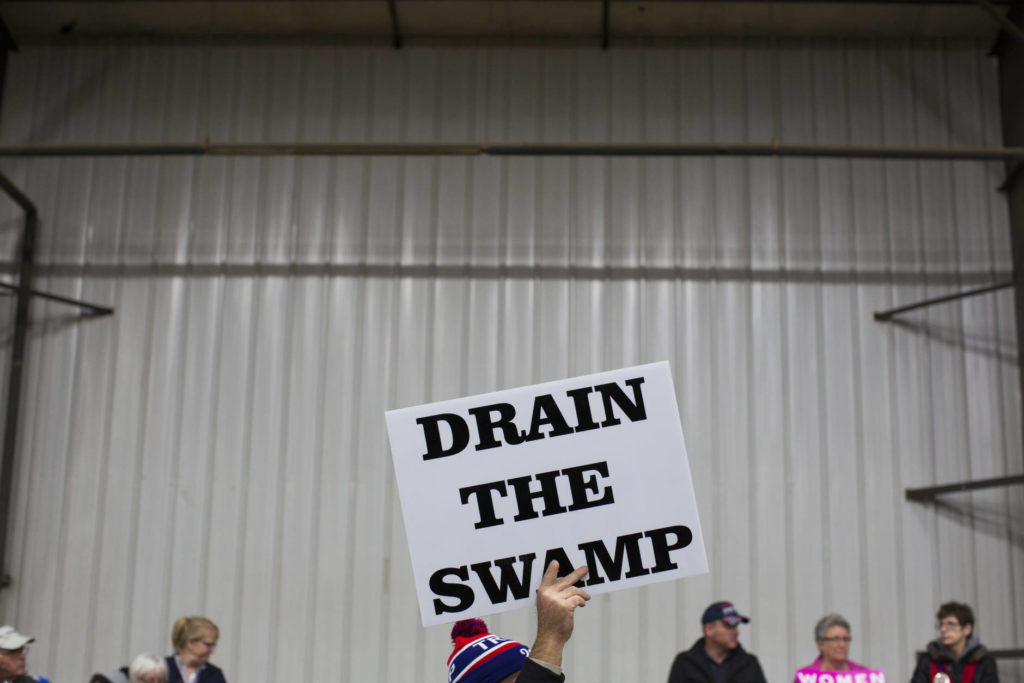
President-elect Donald Trump‘s campaign promise to “drain the swamp” of Washington might make it difficult for him to fill all the jobs in his administration. Trump’s ethics plan would ban all executive-branch officials from lobbying for five years after leaving their government jobs — one of several policies aimed at curbing the influence of lobbyists. His campaign released his plan about three weeks before Election Day, and “drain the swamp” quickly became a favorite rallying cry and social media hashtag. Lobbyists, many of whom are massed along the K Street corridor downtown just blocks from the White House, see the plan as misguided and argue that it could backfire on him. The incoming Republican president is racing to hire some 4,000 executive-branch employees, and his ethics plan could cause some job-seekers to look elsewhere because it limits how they can earn a living when they decide to leave the administration. “This will have a chilling effect on his hiring, no doubt,” said Paul Miller, who leads the National Institute for Lobbying and Ethics. “Most people who agree to government service want to go back into the private sector. We don’t want career politicians, and that’s what he could end up with.” But to those who have long advocated for breaking the “Potomac fever” that befalls those who come to Washington and never leave, Trump’s ban is worth the risk of losing some potential administration employees. “Too many people go into government service as a way to punch their ticket and come out and make millions of dollars. That’s both a concern and a reality,” said Meredith McGehee, an executive at the government reform group Issue One. Trump’s plan makes bold assertions, some more doable than others. He can enforce his executive-branch lobbying ban with the stroke of his pen, but measures involving Congress are trickier. Trump says he will ask Congress to institute a five-year lobbying ban for departing members and staff. That would take the approval of legislators who might be squeamish about tamping down their own future employment options. Senate Majority Leader Mitch McConnell didn’t directly answer when asked about Trump’s proposed lobbying ban for those leaving the Hill. He said he wants legislators to “address the real concerns of the American people” rather than fixate on every utterance during the presidential contest. Trump also wants to “expand the definition of lobbyist so we close all the loopholes that former government officials use by labeling themselves consultants and advisers when we all know they are lobbyists.” That’s reasonable, McGehee said, but difficult. Increasingly, those employed by the influence industry call themselves “consultants” or “strategists.” In fact, the number of registered lobbyists in Washington has dropped to fewer than 10,000 from 15,000 a decade ago, likely due to this rebranding effort. Miller and other lobbying advocates also agree registration should be more expansive. Yet 2011 legislation to do just that hasn’t moved forward. That could be a heavy lift for Trump. If it’s too onerous, he could pare back his goals and include a more expansive lobbying definition that would only apply to the administration. It’s also unclear how many of the 4,000 or so people Trump is about to hire would be subject to his ban. His proposal says “all executive-branch officials,” but in practice he may be referring only to Cabinet members and high-level White House officials. Trump’s transition team did not respond to questions about his ethics plan. Washington insiders are getting mixed signals from Trump. His original transition team was packed with lobbyists and interest advocates, and that group is charged with helping to find, vet and hire for the Trump administration. In recent days, Trump put Vice President-elect Mike Pence in charge of transition, and he is changing some of the people who are involved. Pence is “making good on President-elect Trump’s promise that we’re not going to have any lobbyists involved with the transition efforts,” Trump spokesman Jason Miller said Wednesday. “And this is, when we talk about draining the swamp, this is one of the first steps. And so, the bottom line is, we’re going to get the transition team where we need it to be.” In a “60 Minutes” interview that aired Sunday, Trump said he’d had no choice but to initially rely on lobbyists in Washington because “the whole place is one big lobbyist.” He vowed to “phase that out.” His White House predecessors have made similar promises. On the campaign trail in 2007, Barack Obama frequently condemned the “revolving door” of Washington in terms strikingly similar to Trump. Obama made bold promises before his first election, yet government influencers remained entrenched. Still, he won re-election after a second campaign that included almost no talk about the revolving door. “Drain the swamp. Stop the revolving door. These are great things to say to get elected,” said Howard Marlowe, president of Warwick Group Consultants, and a longtime advocate for fellow lobbyists. “After you get elected, you find a way to quietly push it aside.” Republished with permission of the Associated Press.
Elmore County Commissioner Joe Faulk arrested on felony ethics charge
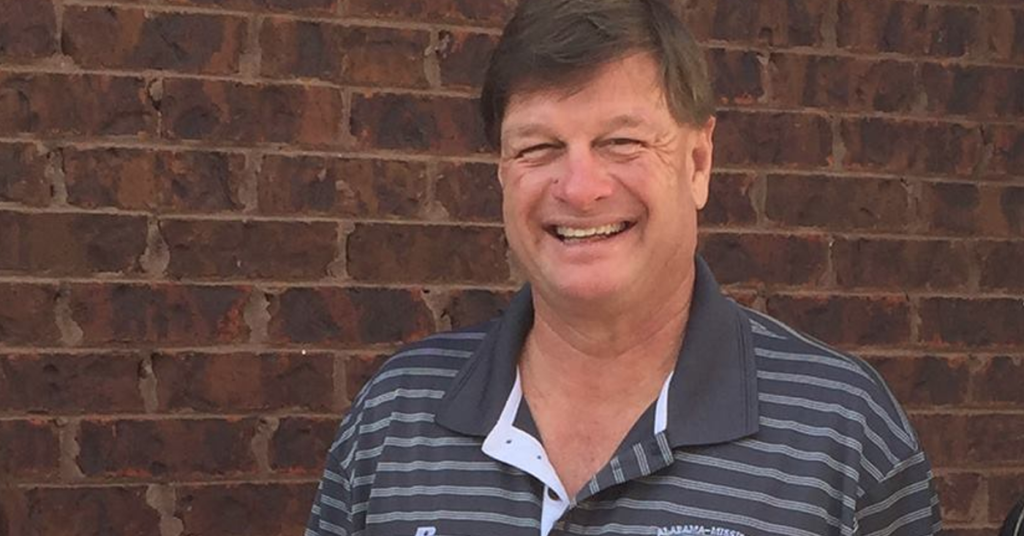
Elmore County Sheriff Bill Franklin confirmed Tuesday that County Commissioner Joe Faulk has been charged with felony ethics violations. According to Franklin, Faulk was arrested Tuesday morning, booked at Elmore County Jail and later released on $5,000 bond. Franklin explained Faulk was charged with using his public office for personal gain, but did not share further details of the arrest. Faulk was first elected to the county commission in November 2000. Prior to that he served as a Millbrook city councilman from 1994 to 2000 and served as mayor pro tem from 1996 to 2000.
Trussville Mayor Gene Melton surrounded by multiple ethics questions, rebukes opportunity to address them
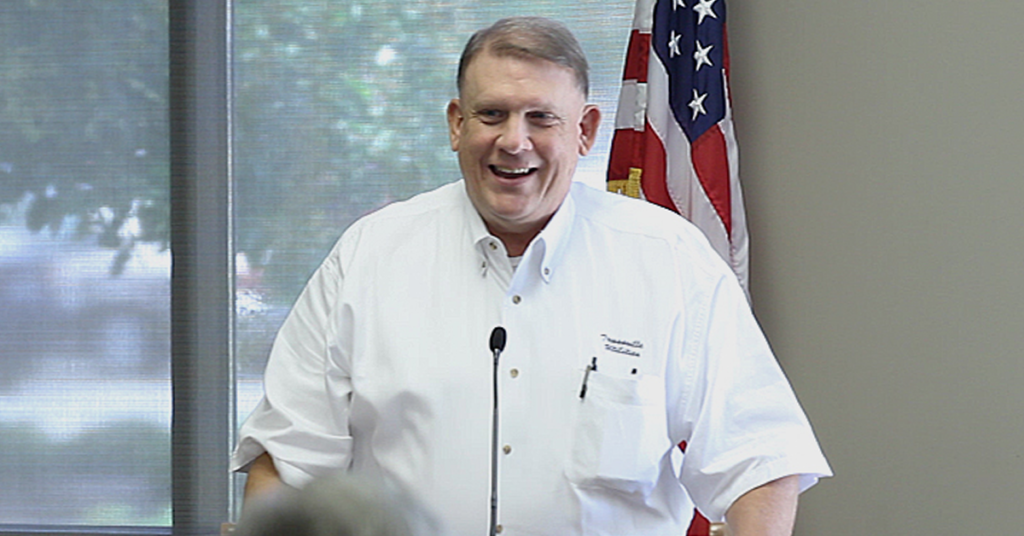
Trussville Mayor Gene Melton has been elected five times, beginning in 1996. While some that this is too long and that the city needs to move forward, Melton believes he deserves yet another term. This year, Melton has drawn two opponents, current City Council President Anthony Montalto and fellow City Council member Buddy Choat. In an unusual move, local residents have also started the “Take Back Trussville” movement, which endorses neither of Melton’s opponents but makes clear their goal is to move the city beyond another Melton mayorship. The founder of the movement, Butch Cole, spoke to Alabama Today after its launch and made clear the fact the group, and himself, wanted a new mayor, saying, “20 years is too long for anyone to be in office.” Last week, Alabama Today spoke to Melton about the race and his opponents, and pointed out a number of errors on his Statement of Economic Interests made from 2011 forward. Speaking about his campaign, Melton emphasized that he was born and raised in the area and that a lot of people in Trussville not only know him, but also know about his history in law enforcement. He stressed the strides in improving education, infrastructure and even the certification of local first responders that have occurred on his watch as ways he has been successful. As for his opponents, Mayor Melton said: “I take the high road, I’m not going to go out there and bash them. I’m running on my record and experience.” Today however, one can only hope he’s taking a break from campaigning and his mayoral duties to address errors on his ethics reports posed by Alabama Today last week. During our interview we had the opportunity to ask Melton about a number of inconsistencies, missing data and wrong information reported in his ethics reports throughout the last five years. Melton has several discrepancies on income and assets on multiple reports filed over a five-year period. Reports Melton noted he personally filled out and filed. The reports in question are his “Statement of Economic Interests,” legally mandated by the Alabama Ethics Commission. The commission’s website cites the appropriate state statutes that cover false and incorrect filings on these statements saying: (e) A person who intentionally violates any financial disclosure filing requirement of this chapter shall be subject to administrative fines imposed by the commission, or shall, upon conviction, be guilty of a Class A misdemeanor, or both. Any person who unintentionally neglects to include any information relating to the financial disclosure filing requirements of this chapter shall have 90 days to file an amended statement of economic interests without penalty. According to his Statement of Economic Interest, Melton claimed he made less than $1,000 as mayor in 2013, a job that pays $60,000 per year and will increase to $75,600 next term. When asked about it, he said, “That had to be a typo or error on my part. I didn’t take a cut in pay and I don’t recall not cashing my checks.” He also noted that, “During all this time, I draw state retirement.” Melton also owns a property at the Country Club Estates, which features properties on Logan Martin Lake in Talladega. On the Talladega property, which appears to make appearances on and off the reports, Melton says, “It’s been there the whole time.” He went on to clarify, “If it’s off, I just failed to disclose it.” The property doesn’t appear on the 2011 or the 2015 reports. Melton admitted it “should be on both of those.” In response to the low price he reportedly paid for the property, he explained, “I got it from my brother-in-law in 1972.” After our interview early last week Melton said, “Now that I’ve been made aware, I’ll go back and make the proper corrections.” Alabama Today reached out to the Alabama Ethics Commission just before their office closed on Friday and was told that they have yet to receive any amended reports. Melton is up for re-election in the upcoming Aug. 23 municipal elections.
Jim Zeigler says reversal of Virginia governor’s graft conviction could free Don Siegelman
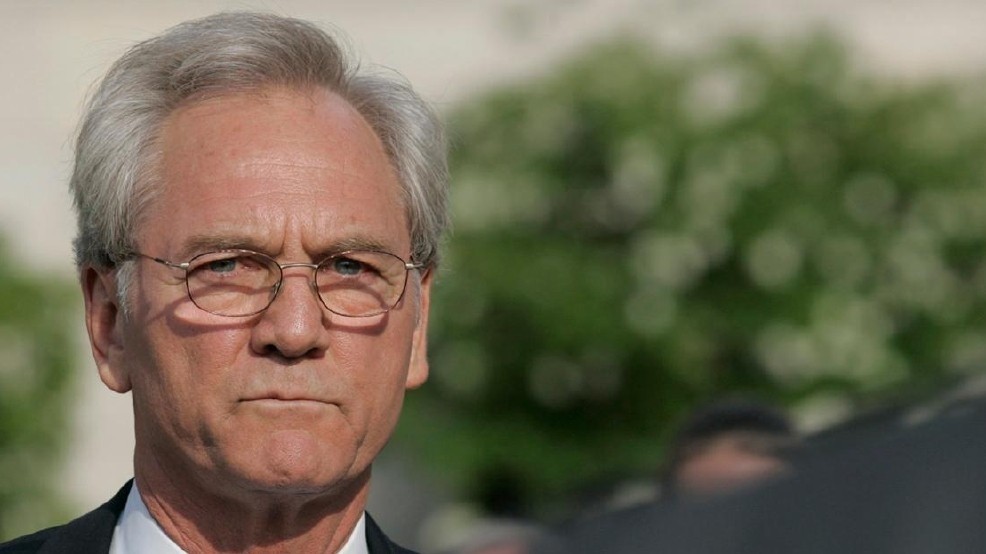
State Auditor Jim Zeigler said Monday he believes the U.S. Supreme Court‘s decision to overturn a prominent Virginia politician’s criminal conviction could spring former Alabama Gov. Don Siegelman as well. Saying Gov. Bob McDonnell was exonerated on charges “very close to what Siegelman was convicted of,” Zeigler said Siegelman — a longtime power broker in Montgomery and around the state — could benefit from procedural aspects of McDonnell’s case. The high court found Monday morning that the jury that convicted McDonnell was instructed incorrectly. Specifically, the court ruled that state prosecutors interpreted a federal bribery statute too broadly, and instructed jurors to deliberate over the decision whether or not to convict McDonnell for something that may not have been technically unlawful at all. The jury was instructed to interpret the term “public acts” to mean almost anything a governor does while in office, including setting up meetings between interests and constituents — precisely what McDonnell was convicted of doing in exchange for personal gifts from a businessman seeking access to public figures. Zeigler sees parallels between McDonnell’s case and Siegelman’s in this regard. Siegelman was convicted for re-appointing a hospital executive named Richard Scrushy to a state board that in part regulates hospitals, after Scrushy raised some $500,000 for a state lottery referendum at Siegelman’s request. In doing so, under one reading of the precedent set by the McDonnell case, Siegelman may have simply carried out a “public act” in accordance with his office, one not subject to the harsh scrutiny set out under federal bribery laws. Zeigler’s comments come amid a movement of activists in Alabama and beyond to free Seigelman. In April, more than 100 former state attorneys general from across the country asked President Barack Obama to pardon the former governor. In January the U.S. Supreme Court denied to hear an appeal from Siegelman, making a presidential pardon his last hope to reduce his sentence, aside from Monday’s high court ruling. On Facebook, the group “Free Don Siegelman” has gained 2,800 supporters and counting, including Alabama 7th District U.S. Rep. Terri Sewell, who all support Siegelman’s release. The recent conviction of House Speaker Mike Hubbard, Zeigler opined, would not be affected by the recent McDonnell decision.
Speaker Mike Hubbard on ethics charges: I took pains to obey the law
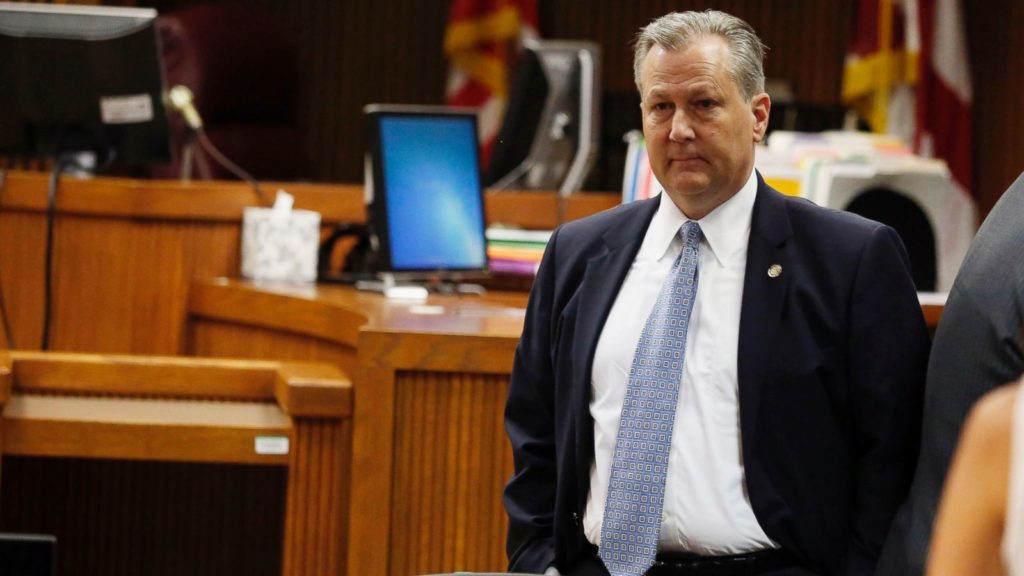
Alabama House Speaker Mike Hubbard took the witness stand in his own defense at his ethics trial Tuesday, saying he took precautions to obey state law with contracts his companies received and made “not a cent” from campaign work steered to his printing company. For two weeks in the public corruption trial, some of the most direct prosecution evidence came from Hubbard himself as prosecutors showed jurors emails he sent lamenting his financial situation and appearing to repeatedly ask former Gov. Bob Riley, now a lobbyist, and others for assistance in help finding work. Hubbard, 54, on Tuesday attempted an explanation, saying he sought advice from longtime friends when he was laid off, including Riley, a man he considered a father figure. “It was stressful,” Hubbard said. “I poured out my soul in the emails. You never think the government is going to get your emails and put them out there on the Internet. I learned my lesson.” Hubbard said he “called a lot of folks I thought could give me good advice” after being laid off from a $130,000 job with a sports media company. Prosecutors are presenting the emails as evidence that Hubbard improperly sought jobs and financial favors from lobbyists such as Riley and other company officials who had business before the Alabama Legislature. Hubbard faces 23 felony ethics charges accusing him of using the power and prestige of his political offices, as speaker and GOP chairman, to benefit his and his clients’ companies by obtaining $2.3 million in work and investments. Hubbard has insisted that the transactions were within the bounds of state ethics law exemptions for normal business dealings and longstanding friendships. Hubbard also said it was a “group decision” by top Republicans in the state to send legislative campaign business to a printing company he co-owned. He said he did not make money off the deal and that it would allow the party to save money and have more control over the delivery of the direct-mail pieces. Putting Hubbard on the witness stand could be a risky proposition, since prosecutors who depicted Hubbard as a conniving opportunist will get to question him again later. But Hubbard took his chances with the jury. Speaking in his characteristic rapid pace, Hubbard gave the jury anecdotes about how he pestered a radio station and eventually got a job as a disc jockey at the age of 13; worked on Heisman Trophy campaigns for Bo Jackson and others, and eventually found his way into state politics after meeting Riley, a man he said he liked instantly. He attempted a self-deprecating joke that Jackson’s athletic ability had a small part of the trophy win. Staying on message, Hubbard repeated the same defenses and explanations he had offered to the news media in the past. The speaker said he sought the informal advice of the then-director of the Alabama Ethics Commission before taking contracts, including an industrial recruiting job with a municipal-owned gas utility. “It had been approved by the ethics commission and that was my job,” Hubbard said. He added that he thought it was a good thing that the company paid for his attendance with the state delegation at the 2013 Paris Air Show because taxpayers didn’t have to pay to send him there. Hubbard was on the witness stand for about 90 minutes before court broke for the day. His testimony resumes Wednesday. Part of the charges against Hubbard are that he violated a provision of the ethics law forbidding legislators from getting paid to lobby the governor and executive branch offices, and from using their positions to help their own private businesses. Prosecutors rested their case Tuesday morning after a state investigator broke down for jurors the $2.3 million that Hubbard’s businesses received. The columns of numbers and excerpts from Hubbard’s personal income tax returns were projected on a screen for jurors in a quiet conclusion to more than two weeks of sometimes combative testimony from members of Hubbard’s inner circle and a roster of the state’s business and political elite. Greg Fee, an investigator with the Alabama attorney general’s office, testified that Hubbard’s companies received $600,000 in investments, $1 million in political party work, and about $700,000 from Hubbard’s consulting contracts. Hubbard’s household income from wages hovered between $312,000 and $352,000, according to federal tax returns from 2009 to 2012. His yearly income stayed relatively steady as consulting work replaced other wages when Hubbard was laid off from his primary job at a sports network. Lee County Circuit Judge Jacob Walker rejected a defense request to dismiss the charges. Republished with permission of The Associated Press.
Robert Bentley testifies in Mike Hubbard trial
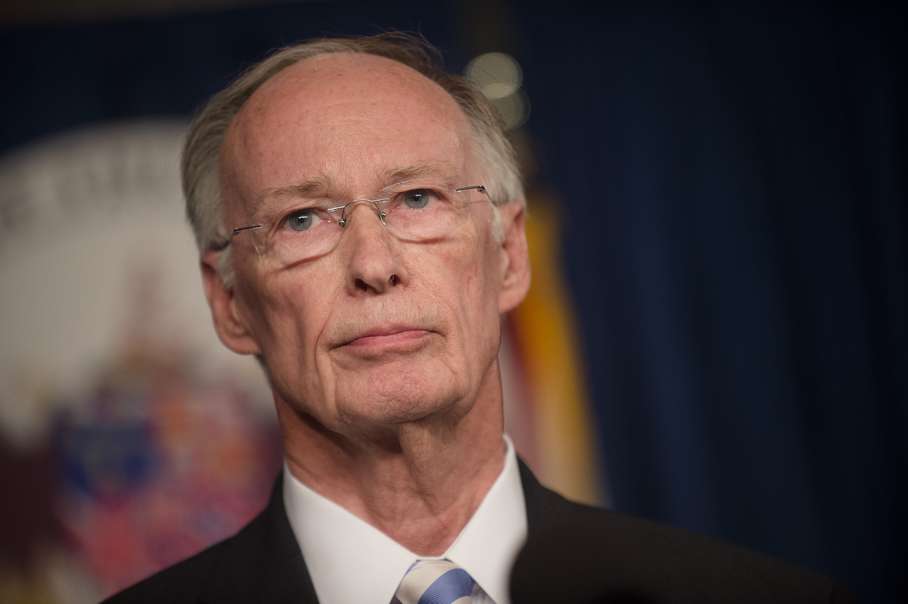
Alabama Gov. Robert Bentley testified under oath Wednesday that House Speaker Mike Hubbard met with him to discuss economic development projects that prosecutors say could have indirectly benefited one of Hubbard’s clients. That client – a municipal gas utility – was paying Hubbard $12,000 a month at the time. Alabama ethics law forbids lawmakers from taking money to lobby the governor. Bentley’s testimony provided a brief but dramatic moment in the criminal corruption trial as Alabama’s two most powerful politicians faced each other, one from the witness stand and the other from the defense table, with jurors paying close attention. The Republican governor is embroiled in his own scandal after admitting making sexually suggestive remarks to a female aide. Twenty-three House lawmakers have resolved to impeach him on charges of corruption and neglect of duty. In his 17-minute testimony, Bentley recalled meeting or working with Hubbard on efforts to recruit a trucking company and an aircraft company to southeast Alabama. Prosecutor John Gibbs showed Bentley reports that Hubbard sent to Southeast Alabama Gas Co. board members, describing how he met with Bentley and his commerce director on projects that could deliver new customers for the utility. Gibbs asked Bentley repeatedly if he believed he was meeting with Hubbard in his capacity as speaker. “I did. He is the speaker of the House,” Bentley said. The gas utility also paid for Hubbard’s attendance at the 2013 Paris Air Show, the major trade show of the aviation industry. The governor said Hubbard was invited to meetings there as part of the official state delegation. The governor offered no commentary on whether what Hubbard did was right or wrong, and the prosecutor focused his questions on facts about the meetings. On cross-examination by a defense lawyer Bill Baxley, Bentley said he thought the projects he met with Hubbard about were good for the state. “Yes sir. ‘Cause it was jobs,” Bentley said. Baxley, who has tried to emphasize Hubbard had to have a job as part of a “citizen legislature,” also had Bentley describe how he has maintained his medical practice while holding public office. Hubbard faces 23 ethics charges accusing him of using his political positions to make $2.3 million in work and investments. Hubbard has maintained his innocence and says the transactions were legal. But others – even some close Hubbard associates – have expressed concerns that Hubbard was violating the ethics law. Political consultant Dax Swatek, one of three lobbyists who had weekly meetings in the speaker’s office, testified Wednesday that he turned down Hubbard’s request for a $150,000 investment in his debt-ridden printing company. It was an “awkward” moment, he testified, but he believed that it was illegal for Hubbard to ask for the money, and for him to give it. Bentley and Hubbard were catapulted to higher office in 2010. Hubbard was elected as House speaker after helping Republicans win control of the Alabama Legislature, and Bentley leapfrogged from the House to the governor’s office after winning a longshot election. Since Hubbard’s indictment in 2014, the two have maintained a congenial tone, saying they could work together despite the expectation that Bentley would be a key witness against Hubbard. Republished with permission of The Associated Press.
Ahead of Tuesday court date, a summary of charges against Speaker Mike Hubbard
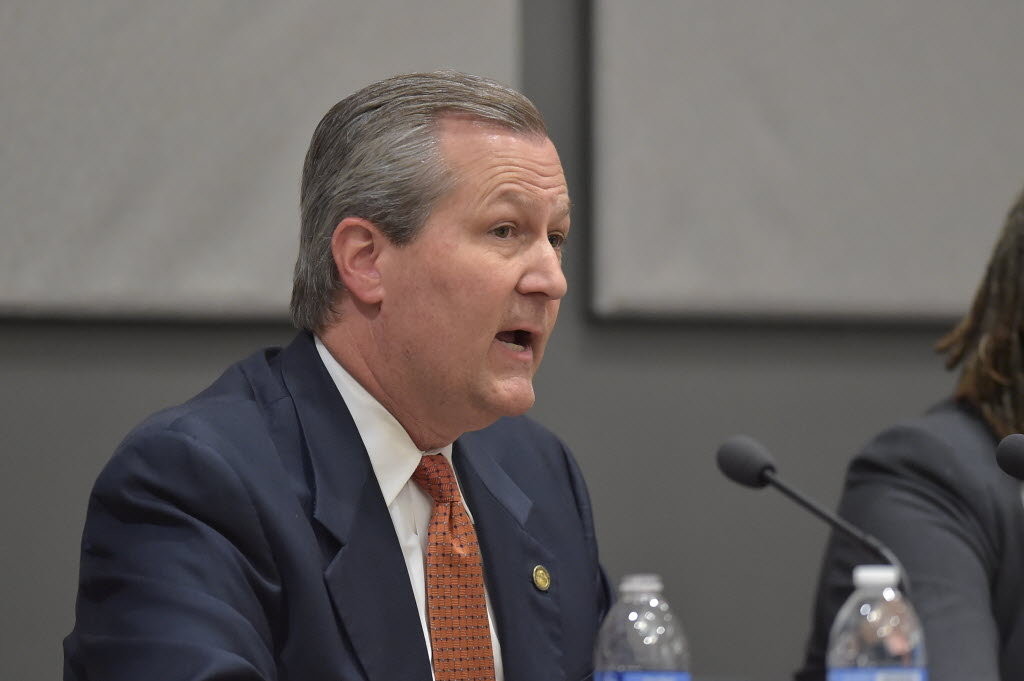
Alabama House Speaker Mike Hubbard goes on trial Tuesday. He is accused of using his political positions to make money and obtain financial favors from lobbyists and companies with business before the Alabama Legislature. Hubbard says he is innocent. Among the charges: — Hubbard is accused of using his past position as chairman of the Alabama Republican Party to steer $1 million in party funds to his media companies, Craftmaster printing company and the Auburn Network. The largest sum, according to prosecutors, was $697,479 in printing work that a Florida company subcontracted back to Craftmaster during the 2010 campaign. — The American Pharmacy Cooperative Inc. hired Hubbard in a $5,000-a-month consulting contract. He is accused of voting for legislation that could have benefited the company even though he had a conflict of interest. Budget language that prosecutors said Hubbard endorsed set requirements for any pharmacy benefit manager that Medicaid might hire. The only company that met the requirements was the Cooperative, Medicaid officials have said. — Hubbard is accused of improperly soliciting or receiving a thing of value from Southeast Alabama Gas. The company hired Hubbard in a $12,000-a-month consulting contract. Hubbard is also accused of being improperly paid to represent Southeast Alabama Gas before the Alabama Department of Commerce and Gov. Robert Bentley. — Hubbard is accused of soliciting political consultant Dax Swatek, Business Council of Alabama board member Will Brooke, a Sterne Agee investment company lobbyist, Great Southern Wood President Jimmy Rane and Hoar Construction company for an investment in his business, Craftmaster Printers. Republished with permission of The Associated Press.
State prosecutors gaining ground in Speaker Mike Hubbard’s ethics case
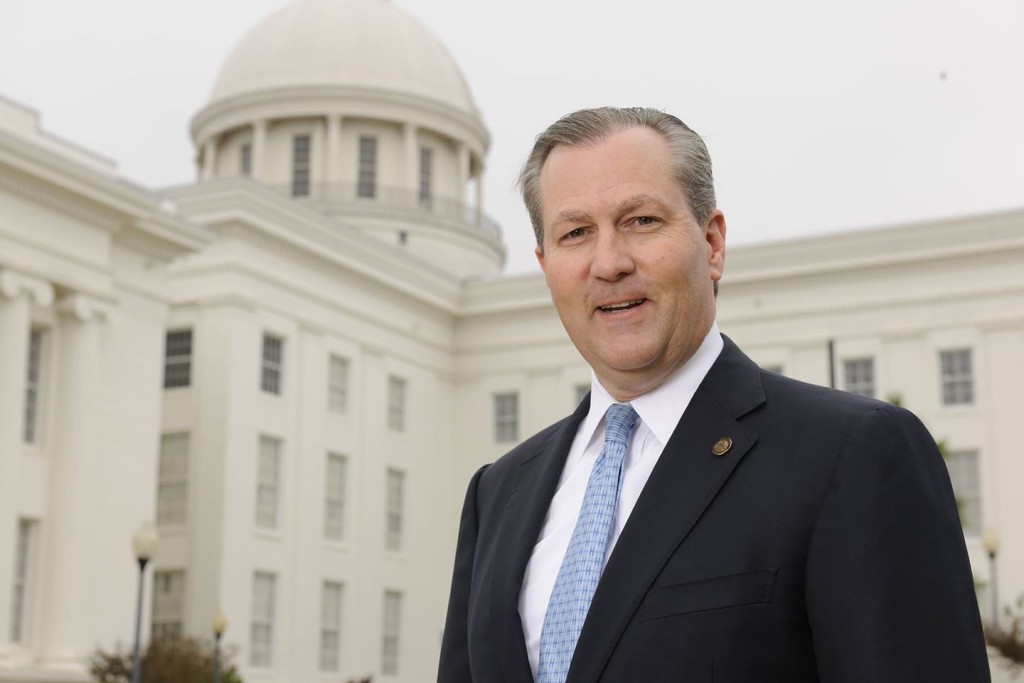
A judge presiding over the suit over alleged violations of state ethics laws by House Speaker Mike Hubbard shook things up with a pair of judicial orders on Wednesday. Lee County Circuit Court Judge Jacob A. Walker III ruled Wednesday that after nearly two years of delays pursued by Hubbard’s defense counsel, all briefs to be considered in the case must be submitted by Jan. 12. The move shortens the timeline for Hubbard, whose trial is set to start in March, to maneuver to bolster his defense. The judge also threw out subpoenas Hubbard’s lawyers sought for Assistant Attorney General William Lisenby as well as Sandy McLure, a special assistant and scheduler for Attorney General Luther Strange. Hubbard recently filed for a motion to dismiss the case, alleging prosecutorial misconduct by Strange and state prosecutors, saying the prosecution is selectively targeting the Republican lawmaker for political reasons. That motion was jettisoned by the court. Judge Walker’s ruling will likely help take the sting out of those charges as Hubbard mounts his defense. “I am aware that the defendant Michael Hubbard contends that I maintained a notebook, journal or diary about Deputy Attorney General Hart’s alleged violations of professional responsibilities or ethics. I keep notes on many things. I have no notes that reflect violations of rules of professional responsibility or ethics on the part of Matt Hart,” Lisenby stated in an affidavit. “If I had evidence that Deputy Attorney General Hart violated rules of professional responsibility or ethics, I would report the violation to a court or to the Alabama Bar. I have made no such report,” Lisenby said. The judge apparently deemed the affidavit sufficient to quash the requested subpoena for Lisenby. Likewise, an affidavit from McClure stating she had no significant involvement in the effort to investigate and prosecute Hubbard was received favorably by Walker, so she will not be forced to testify either. The rulings comprise a blow to Hubbard, who professes his innocence on charges he illicitly profited from his chairmanship of the Alabama Republican Party among other ethics charges, though he has focused his defense thus far on impugning the motives of the prosecution.
Ethics questions abound, who will investigate?

As Alabama legislators struggle over budgets for the state’s environmental agency, one lawmaker appears to have a tough time keeping his hands clean. Almost as questionable however are the actions of those who identified and knew the possible wrong doing and did nothing. It’s uncertain who, if anyone, will step up to investigate both issues but it’s clear someone needs to. Last week, Alabama Today reported on the fight over Alabama Department of Environmental Management’s (ADEM) budget between the agency and the Legislature. Shortly thereafter, ALToday received a copy of a letter purportedly written by ADEM Director Lance LeFleur and hand-delivered to Senator Arthur Orr in which he accuses Representative Steve Clouse of protecting the Underground Storage Tank Trust Fund (UST Trust Fund) for his own personal gain. In the letter he says, “It is clear the UST Fund ‘sacred cow’ is for the benefit of Clouse’s family business. This is outrageous.” The letter goes on to say, “Rep Clouse did not reach out to us before submitting the amended budget…” ALToday spoke to ADEM Director LeFleur about ADEM’s budget and recent fee increases as well as the authenticity of the letter. He said that he would “reserve comment on the letter” until he could see it, however he added that he wrote several letters. In the interview, LeFleur echoed all of the same sentiments about the “sacred cow” restrictions noted in the letter and when asked about specific points made in the letter went on to describe in detail the what was meant by them. He used the same language and in several instances verbatim word choice. This letter prompts five questions: Why didn’t LeFleur file a formal ethics complaint against Clouse? Why didn’t Senator Arthur Orr take LeFleur’s ethics questions to the ethics commission? Did Representative Clouse indeed propose language that would benefit his family business? Why didn’t LeFleur inform the Environmental Management Commission (EMC) in one of his regular memos or in his most recent report to them? What is the position EMC on the letter and Director LeFleur’s actions or inactions related to the ethical dilemmas it calls into question? You can read the letter here: LeFleur_Orr_Letter and a copy of Director LeFleur’s comments at the last EMC meeting (provided by the director via email) here. To read Rep. Steve Clouse’s response to this story please visit: Rep. Steve Clouse disputes Lance LeFleur allegations with facts
Roundup of Mike Hubbard ethics trial coverage from this week
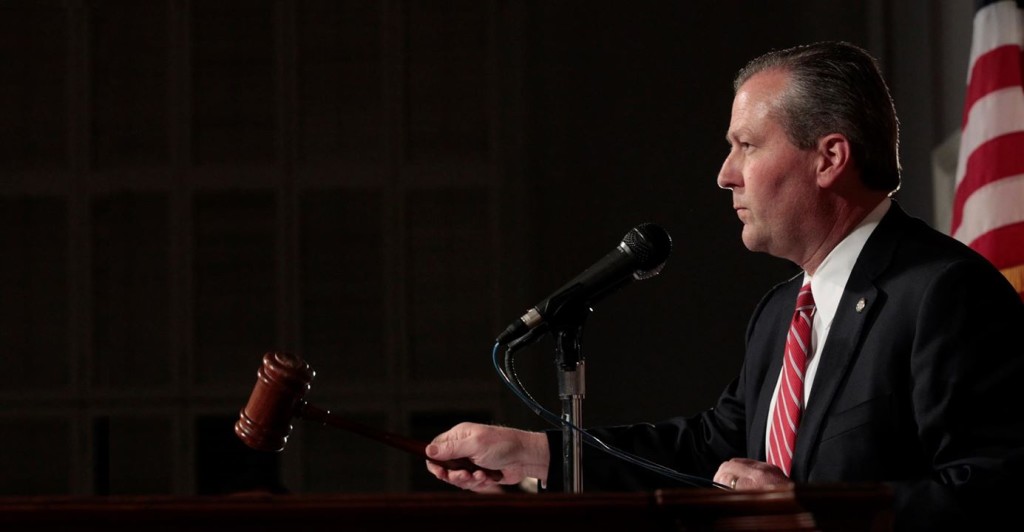
Another week another round of hearings and motions in the long-running ethics trial of Speaker of the House Mike Hubbard, we thought we’d check out coverage and provide you some links in case you missed the latest headlines and editorials. Hubbard’s lawyer has again filed for a continuance in the case – already delayed for a year and a half – this time because his attorney Mark White has had the “unprecedented privilege and honor” of being named dean of the American Academy of Trial Lawyers and is scheduled to speak to the group in Washington. Former deputy attorney general Sonny Reagan also made headlines by appearing at a pretrial hearing to help Hubbard clear his name, arguing Hubbard should not be held accountable because prosecutors had a vendetta against him. Lots going on here, as you can read on AL.com: Speechless: Lawyer wants to delay Hubbard trial again — to give a speech Hubbard prosecutors object to postponement of trial for lawyer to receive award Mike Hubbard hearings wrap up; both sides claim good week Former deputy AG questioned about conversations with Hubbard associates Prosecutor an angry blowhard? The best nuggets from rich corruption hearing Or in the Montgomery Advertiser: Hearing in Mike Hubbard case turns focus on prosecutors Hubbard hearing on prosecutorial misconduct ends Former Deputy AG: Prosecutor wanted to ‘ruin’ Hubbard Hubbard hearing on prosecutorial misconduct ends Or here on Alabama Today via the AP: Judge to hear Mike Hubbard motions to dismiss ethics case Former deputy AG testifies for Mike Hubbard defense Or on Alabama Political Reporter: Hubbard hearing concludes without fireworks Behind Closed Doors in Lee County as Hearing Concludes Statement from Deputy Attorney General Matt Hart Former Ethics Chief: Hubbard Without Ethics Protection No New Evidence Presented at Hubbard Hearing then there was this story on Yellow Hammer News: Former Alabama Deputy AG testifies that prosecutor wants to ‘ruin’ Hubbard politically We’ll continue to cover the trial as it moves forward.
Judge sets hearing in Mike Hubbard ethics case
A judge has set a hearing on House Speaker Mike Hubbard‘s claims of prosecutorial misconduct and argument that the ethics law is unconstitutional. Lee County Circuit Judge Jacob Walker scheduled the hearing for Oct. 26. Walker said for Hubbard to prevail, he must prove misconduct that substantially impacted a grand jury’s decision to indict Hubbard. Hubbard faces 23 ethics charges accusing him of using his public offices to benefit his businesses. Hubbard’s defense has argued that it is a selective prosecution and the ethics law is both unconstitutionally broad and being misapplied by prosecutors. Walker will hold a separate Oct. 20 hearing on defense efforts to subpoena witnesses. Defense lawyers are seeking additional testimony from Attorney General Luther Strange and others. Strange recused himself in the early days of the investigation. Republished with permission of the Associated Press.
Mike Hubbard asks judge to dismiss ethics case
Indicted House Speaker Mike Hubbard has asked a judge to dismiss ethics charges against him because prosecutors disclosed the names of some grand jury witnesses in a court filing. Hubbard’s defense team filed the motion Wednesday. Defense lawyer say prosecutors violated grand jury secrecy laws. The Republican speaker asked the judge to dismiss all charges against him on the grounds of prosecutorial misconduct. Prosecutors in the court filing opposed defense efforts to subpoena the grand jury court reporter. It included a May letter from prosecutors to Hubbard’s defense saying they had already provided transcripts of grand jury testimony by Hubbard, former Gov. Bob Riley and others. The Republican speaker faces 23 felony ethics charges accusing him of using his public offices to benefit his businesses.
