
Alabama school superintendent makes headlines asking for donations in exchange for early release
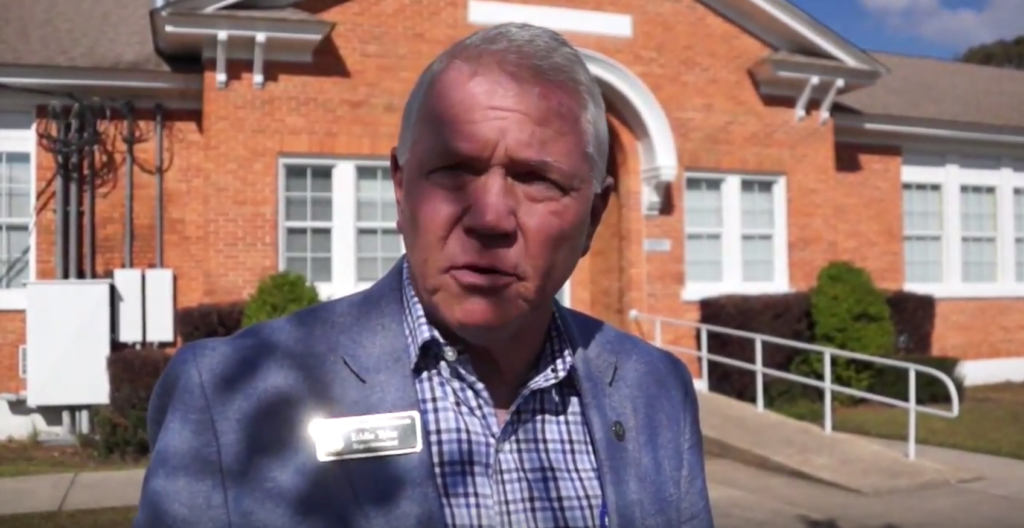
Eddie Tyler Superintendent of Baldwin County Public Schools has made headlines for a series of emails he sent last year to teachers and staff soliciting charity donations, and incentivizing contributions with early release from school. A series of Nov. 2017 emails were obtained by the Independent Press Journal (IPJ) from a source within Baldwin County Public Schools who wishes to remain anonymous. The emails were sent from Baldwin County Board of Education (BCBE) to all teachers and staff within their school district. According to IPJ, the emails begin with Executive Director of the United Way of Baldwin County, Inc. (UWBC) Marina Simpson pressing Tyler for more donations. On Nov. 27, Simpson said: “Unfortunately, the campaign dropped this year to 78,448.92… this number includes a combination payroll deduction, one-time donations made by BCBE employees, and any student campaigns that were held (we only have a few schools that do student campaigns).” Two days later, Tyler emailed all teachers and staff within the Baldwin County school district requesting donations to the UWBC, all the while incentivizing donations with early release from school: “we value our continuing partnership with Marina Simpson …. If our contributions meet or exceed $90K, the system will release students at 11:30 and ALL teachers at 1:00 the Friday before Christmas holidays 12/15/2017. If we as a system reach or exceed $100K, we will have a second early release day the Friday before Mardi Gras.” Tyler requested donations again on Dec. 6. “Time is running out. To make a decision about the early release, giving will be tallied at the end of the school day this coming Friday.” Tyler’s quid pro quo requests are nothing new While news of Tyler’s requests have just surfaced, he’s apparently made a practice of collecting funds on behalf of the UWBC and “rewarding” schools with early release for years. A youtube video from Nov. 2016 shows Tyler introducing Simpson who announced the school system has reached their goal of $75,000 donations, and thus have been “awarded” early release. Ethical issues According to IPJ, many Baldwin County teachers feel pressured to give, or else risk their reputation. A teacher told IPJ that BCBE officials place pledge cards and donation information in their mailboxes, and if staff don’t fill it out, then they are treated differently. “We’re pressured until we finally just do it to get them off our backs,” said a teacher. Sources also report that when teachers have not donated or filled-out their pledge cards for UWBC in the past, school officials have allowed a UWBC representative named Lana Mummah to come into the school and talk those teachers into donating. Lana Mummah is married to Ken Mummah, who is a former BCBE official. The Alabama State Department of Education (ALSDE) has yet to respond to Alabama Today’s request for comment.
Kay Ivey signs ethics exemption into law
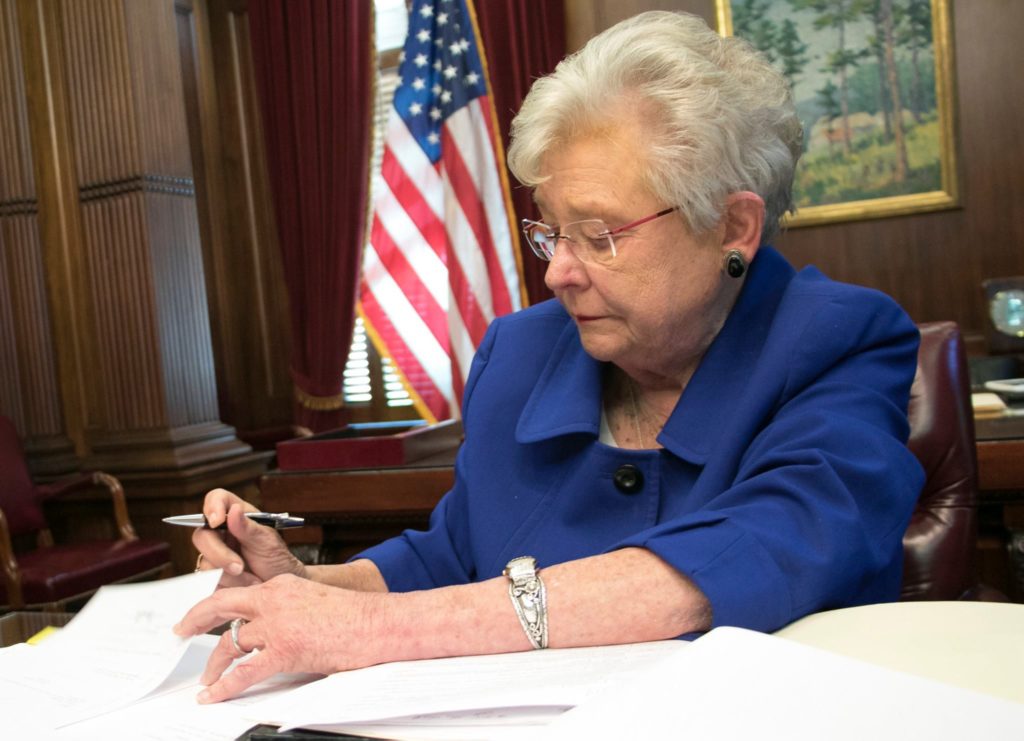
Praising it as a job recruitment tool, Alabama Gov. Kay Ivey has signed legislation to exempt economic developers from the state ethics law. Ivey’s office announced Friday that she signed the bill approved by lawmakers this session after contentious debate. Opponents of the bill argued it opens up a wide loophole in the state ethics law. Economic developers would not be considered lobbyists and would not register with the state or disclose their employers and activity as lobbyists do. Supporters said developers do not currently register, but the law needed to be clarified because of recent questions over whether they should. Ivey in an interview with The Associated Press this week said she believed there was misinformation about the bill she said ensures that developers are welcome in the state. Republished with the permission of the Associated Press.
Divided Alabama Senate approves ethics exemption
A divided Alabama Senate has voted to exempt economic developers from the state law that governs lobbyists. The 15-14 vote on Wednesday came after contentious debate over whether the bill was an economic development necessity or creates a wide new loophole in state ethics law. The House of Representatives will decide whether to go along with Senate changes. Under the bill, economic developers would not be considered lobbyists and would not register with the state and disclose their activity. Alabama Commerce Secretary Greg Canfield has argued site selectors, who help companies decide where to locate, won’t work in Alabama if they must register as lobbyists and disclose projects that could be in the works. Sen. Bobby Singleton, a Democrat from Greensboro, said that creating the exemption “stinks.” Republished with permission from the Associated Press.
Donald Trump’s politicking raises ethics flags
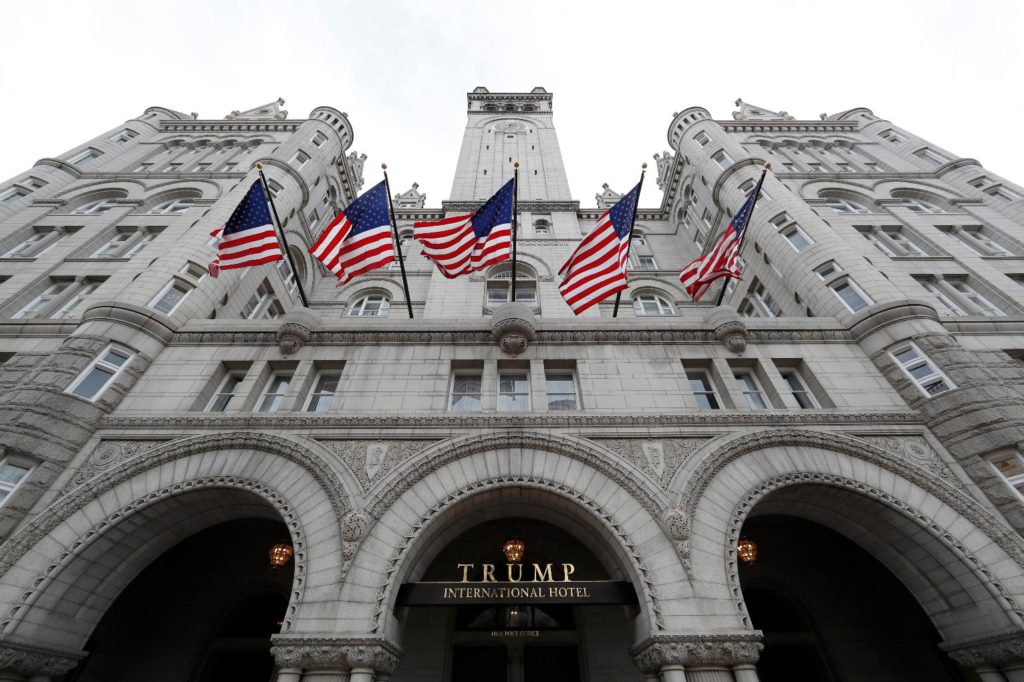
Barely five months into office, President Donald Trump keeps taking time out from governing to run for re-election. On Wednesday night, he’ll attend his first 2020 campaign fundraiser, rubbing elbows with some of the Republican Party’s top donors on familiar turf: his own hotel down the street from the White House. He’s already spent five evenings on the road at political rallies, always in states that supported him in November and always in front of an audience of thousands of fans who are screened and selected by his campaign aides. The historically early campaigning comes with clear fundraising benefits, but it has raised red flags. Among them: Government employees have inappropriately crossed over into campaign activities, tax dollars may be subsidizing some aspects of campaign events, and as a constant candidate, the president risks alienating Americans who did not vote for him. Larry Noble, former general counsel to the Federal Election Commission, said the early campaigning creates plenty of “potential tripwires,” adding: “They’re going to have to proceed very carefully to avoid violations.” The White House ensures that political entities pay for campaign events, and White House lawyers provide advice to employees to make sure they do not run afoul of rules preventing overtly political activities on government time, spokeswoman Lindsay Walter said Tuesday. The Trump team has decided that any risks are worth it. The re-election effort raised more than $7 million in the first three months of this year, all from small donations and the sale of “Make America Great Again” merchandise. Wednesday’s dinner is his first solicitation of larger donors, with tickets starting at $35,000. Trump can ask for those large donations because the money is to be split between his re-election campaign and Republican Party groups. Campaign director Michael Glassner has said the rallies give Trump the chance to speak directly and powerfully to his base of supporters. And the president is clearly energized by his campaign rallies. But Trump’s social media guru, who now works at the White House, is Exhibit A on the dangers of running a permanent campaign. The Office of the Special Counsel, an independent agency that investigates federal personnel, reprimanded Dan Scavino for violating the Hatch Act, a law prohibiting the use of government resources for campaigning. Scavino had tweeted a call to defeat a Republican representative who is often critical of Trump. “Mr. Scavino has been advised that if in the future he engages in prohibited political activity while employed in a position covered by the Hatch Act, we will consider such activity to be a willful and knowing violation of the law,” the counsel’s office wrote in a June 5 response to a liberal-funded watchdog that had complained about the tweet. Last week, Scavino sent a message from his government Twitter handle that mentioned both Trump’s presidential appearance in Iowa and his political rally there later that night. “What you have to do is draw very clear lines, or you risk having people constantly blurring or crossing them,” said Virginia Canter, executive branch counsel for the group Citizens for Responsibility and Ethics in Washington, which has complained about Scavino’s tweeting. Canter was a longtime federal ethics attorney before joining CREW. Scavino earns a government salary as White House director of social media, and his company continues to financially benefit from the Trump campaign. Scavino & Associates collected $14,500 for consulting from Trump’s re-election campaign in the first three months of this year, FEC reports show. He’s not the only person juggling duties. At an April Trump campaign rally in Harrisburg, Pennsylvania, Commerce Secretary Wilbur Ross was photographed signing a “Trump/Pence” poster for a fan. White House deputy press secretary Sarah Huckabee Sanders tweeted that photo from her government account with the Trump campaign slogan “MAGA” – short for “Make America Great Again.” CREW filed a Hatch Act complaint about Sanders, and the Office of Special Counsel cleared her because her tweets didn’t push for her boss’s re-election. The office said in public guidance issued in February that Trump’s early decision to become a candidate needed a special approach for how to navigate the Hatch Act. “Because the 2020 election is still more than three years away, at this time not all expressions of support or opposition to President Trump constitute political activity for purposes of the Hatch Act,” the office wrote. Closer to the election, it warned, the prohibitions will broaden. In April, the campaign made its first new commercial, a celebration of the president’s first 100 days in office. But its first cut of the 30-second ad included a clip of National Security Adviser H.R. McMaster in uniform – a no-no under Defense Department rules prohibiting active duty military members from political advocacy while in uniform. The campaign removed the footage. Trump’s predecessors also took heat for commingling presidential and political duties when they began running for re-election. In 2012, Reince Priebus, then head of the Republican National Committee, complained to the Government Accountability Office that President Barack Obama was “fraudulently” billing the government for political travel. Obama said he carefully followed the rules about when his campaign must reimburse the government. Priebus, now Trump’s chief of staff, joined the president at a February campaign rally in Melbourne, Florida. So far, no reimbursements to the Secret Service, which operates Air Force One, have shown up in the Trump campaign’s FEC reports. Walters said the White House, through its lawyers, “carefully scrutinizes each itinerary to ensure that the proper political entity pays for all political travel and that official funds are used exclusively for official travel.” Republished with permission of The Associated Press.
Ethics office blasts Donald Trump refusal to disclose lobby waivers
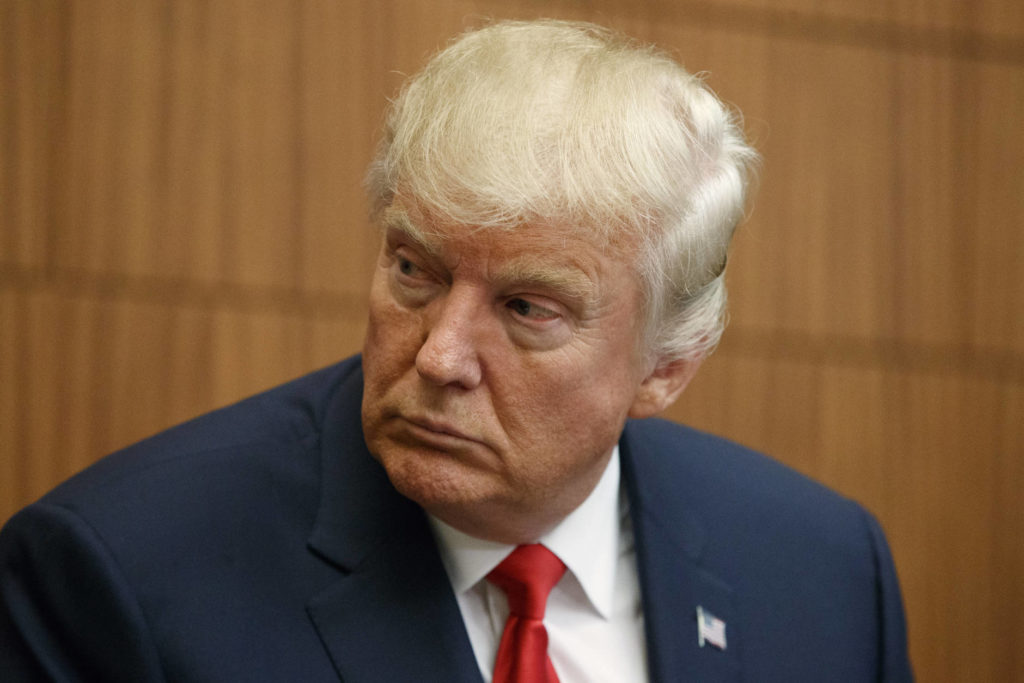
The message from a senator to the government ethics office: Use your authority to force the president to reveal how many waivers he’s granted to ex-lobbyists in his new administration. That was Republican Sen. Chuck Grassley‘s demand to the Office of Government Ethics in June 2009. He was seeking information about some of President Barack Obama‘s most controversial appointees, the people who used to make their living pressing the federal government for money and policies. Eight years and a political flip later, Republicans in President Donald Trump‘s administration say OGE lacks that authority, and they’ve asserted that there’s no need for them to publicly disclose any ethics waivers. Trump’s budget director Mick Mulvaney is asking that ethics director Walter Shaub halt his inquiry into lobbyists-turned-Trump administration employees. “In particular, this data call appears to raise legal questions regarding the scope of OGE’s authorities,” Mulvaney wrote in a letter last week to Shaub. Shaub fired back Monday that OGE’s request is well within bounds. He highlighted Grassley’s request years ago as evidence that lawmakers agree, even though Republicans so far have been silent on the Trump administration’s resistance to disclosure. The ethics director says he expects to see the waiver information within 10 days. “I want to assure you that a request from the Director of the Office of Management and Budget is not something that I decline lightly,” Shaub wrote to Mulvaney The back-and-forth follows a request Shaub made in late April that agency heads share with his office waivers that the Trump administration has issued to its ethics policies concerning lobbyists. As part of Trump’s promise to “drain the swamp” of Washington, he continued an Obama-era two-year prohibition of lobbyists and lawyers hired into the executive branch from working on “particular” government matters that involved their former clients. Trump also instituted a five-year lobbying freeze and lifetime ban on foreign government lobbying for people who later leave his administration. Like Obama, Trump is making exceptions to those rules. In his two terms as president, Obama granted waivers to 66 White House and administration employees, according to what the Office of Government Ethics posted on its website. “In the Obama administration, the President ordered that waivers be shared with OGE, and we gladly did so,” Obama’s chief ethics counsel Norman Eisen said Monday. Waivers continue under the Trump administration, but the extent of them is unknown because his executive actions on ethics do not include provisions for public disclosure or information-sharing with OGE. While each administration has the authority to grant waivers, there should be some central repository for the public to learn when an employee has been granted one, said Sean Moulton, the open government program manager at the Project on Government Oversight in Washington. Mulvaney’s letter last week indicated that administration agencies, such as Treasury, Commerce and Defense, wouldn’t respond to Shaub. Separately, there’s a longstanding legal question about whether the White House itself is subject to any disclosure to the OGE. The Office of the White House Counsel has until June 1 to comply with Shaub’s data request or decline in writing. Eisen called the move by Mulvaney “the latest salvo in his attack on good government.” Democratic lawmakers also seized on the White House’s desire to keep ethics waivers private – in such a way that seemed to channel Grassley circa 2009. They asked the OGE to keep up the fight. “It is critical that you and your office make transparent how the individuals serving in the Trump Administration are complying, or failing to comply, with President Trump’s executive order and other ethics requirements,” Rep. Elijah Cummings and other Democrats on the House Oversight Committee wrote in a letter dated May 19. “Your role is particularly important because the White House itself is keeping this information secret.” House Oversight Chairman Jason Chaffetz, a Utah Republican who says he is soon leaving office, did not respond to requests for comment. Eight years ago, Grassley asked the OGE to force “the Obama administration to live up to its word.” “As a senior member of the United States Senate, I have consistently worked to ensure that the business of the Government is done in as open and transparent manner as possible,” Grassley wrote in his June 10, 2009, letter to OGE’s then-director Robert Cusick. Shaub wrote in his letter Monday to Mulvaney that it was Grassley’s letter that prompted his office to develop a policy of posting ethics waivers for the Obama administration. “However, the current Administration has not been complying with this established practice,” Shaub wrote. Grassley’s office did not return repeated requests for comment. Republished with permission of The Associated Press.
Victory for political speech in Alabama, in-person ethics training requirement dropped

Move over burdensome ethics requirements, a victory for free speech is coming through. On Monday, the Virginia-based public interest law firm Institute for Justice (IJ) announced that following their federal lawsuit, that they filed on behalf of Maggie Ellinger-Locke and the Marijuana Policy Project (MPP), the Alabama Ethics Commission dropped its burdensome, in-state training requirement for private citizens who want to speak with state lawmakers. Previously, Alabama law required all registered lobbyists — and the state has expansive definition of “lobbyist” would — to physically attend an ethics class offered only four times a year and in only one place – Montgomery. This requirement presented a major hurdle for Maggie Ellinger-Locke, who works at the MPP headquarters in Washington, DC and wanted to reach out to Alabama officials to behalf of the company. She had intended to contact them by phone, but under Alabama’s lobbying laws, those phone calls would have required Maggie to register as an official lobbyist and travel nearly 800 miles, to Montgomery, to attend the state’s hour-long ethics class. The Ethics Commission has now dropped the wearying rule and has agreed lobbyists can take the training online rather than physically traveling to the Yellowhammer State. “Lobbying government officials about matters of public policy rests at the very core of the First Amendment’s protection for the right to petition the government,” said Paul Sherman, a senior attorney with IJ, which represents Maggie and MPP. “We are glad that the Ethics Commission agreed to a common-sense fix that honors the right of citizens from across the country to talk to lawmakers free from unreasonable regulation.” According to a press release from the IJ, “while other states have ethics-training requirements for lobbyists, Alabama was unique in requiring people to physically travel to the state capital to comply with the law.” Public records indicated that at the time Maggie filed her lawsuit, more than 15 percent of Alabama’s registered lobbyists lived outside Alabama and that all registered lobbyists lived, on average, more than 130 miles from Montgomery. “I’m thrilled that the Ethics Commission has brought its law into the twenty-first century,” said Maggie. “It’s critical that states make it easier—not harder—for Americans to communicate with their elected officials.” Live-streaming training from the Ethics Commission will be available by May 2017.
Ethics Commission clears Rebekah Mason in Jim Zeigler complaint
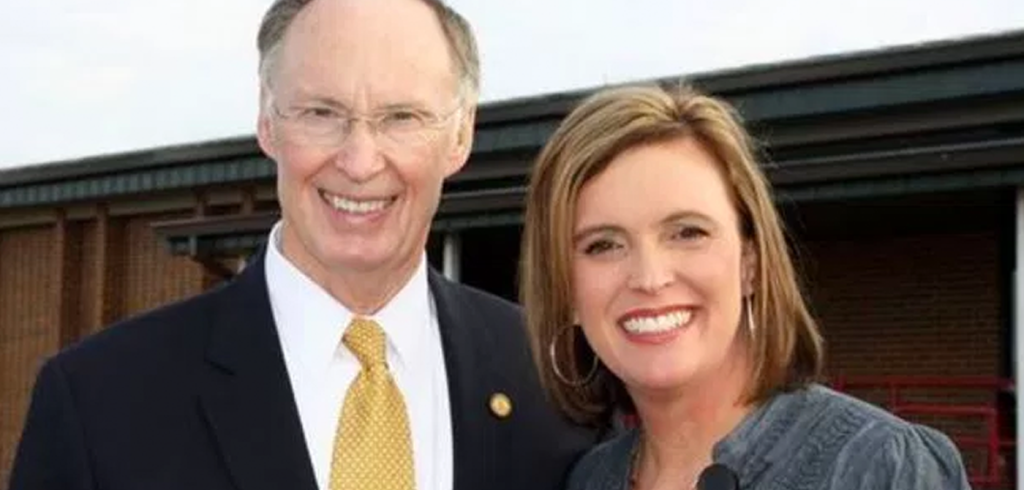
The former Senior Policy Adviser and alleged mistress of former-Gov. Robert Bentley was cleared Thursday by the Alabama Ethics Commission against accusations brought forth by State Auditor Jim Zeigler. Zeigler had named Mason in a complaint filed March 25, 2016 with the Ethics Commission, which according to Zeigler, launched a year-long investigation that ultimately resulted in finding probable cause Bentley violated state law. Zeigler reportedly included in his complaint the allegation that Bentley and Mason set up a “dark money” group to receive funds from unknown donors and spend it without accountability. Named among the group’s donors was ACEGOV, the Alabama Council for Excellent Government, a nonprofit founded by Bentley, which partially paid Mason. On April 5, the Ethics Commission met and held ten hours of hearings on complaints against Bentley and Mason, in which they were unable to prove Mason was guilty of an ethics violation. The Commission concluded, upon review of the evidence from the investigation, that there was not probable cause to believe that Rebekah Caldwell Mason committed a violation of the Alabama Ethics Act. Accordingly, your complaint has been dismissed. Should you provide any additional information that would warrant a reopening of this case, a new investigation would be conducted. Zeigler says he now looking to see if other options are available to continue to the investigation. Read the full letter from the Ethics Commission below:
Ethics panel finds probable cause Alabama governor broke law
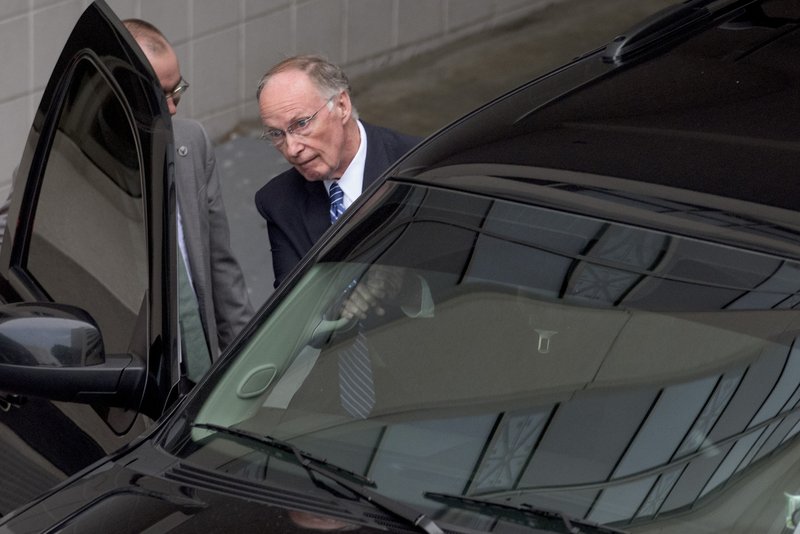
The Latest on the Ethics Commission hearing on Gov. Robert Bentley (all times local): 7:10 p.m. A state ethics panel has ruled that there is probable cause that Alabama Gov. Robert Bentley violated state ethics and campaign finance law in a sex-tinged scandal that has engulfed him for more than a year. The Alabama Ethics Commission voted Wednesday to refer the matter to the district attorney’s office for possible prosecution. The 74-year-old governor has struggled to shake off a scandal after recordings surfaced last year of him making suggestive remarks to a female aide before his divorce. Bentley has admitted making personal mistakes but denied doing anything illegal or that would merit his removal from office. State Auditor Jim Zeigler filed an ethics complaint against Bentley accusing him of using state resources to pursue a relationship with the aide. The commission found probable cause that Bentley misused state resources and improperly accepting a campaign contribution and loan outside allowed fundraising windows. ___ 8:18 a.m. The Alabama Ethics Commission could weigh in soon on whether there’s reason to believe Gov. Robert Bentley broke state law in a scandal that has engulfed him for a year. The commission is expected to go behind closed doors Wednesday to consider the matter. The 74-year-old governor admitted personal mistakes after recorded phone calls surfaced of him making sexually charged remarks to a female aide. However, he maintains he did nothing illegal. State Auditor Jim Zeigler filed an ethics complaint against Bentley accusing him of using state resources to pursue a relationship with the aide. The commission functions like a grand jury and will decide if there is probable cause that Bentley broke the ethics law. The commission could vote to refer the matter for possible prosecution. Republished with permission of The Associated Press.
First daughter Ivanka Trump gets West Wing office
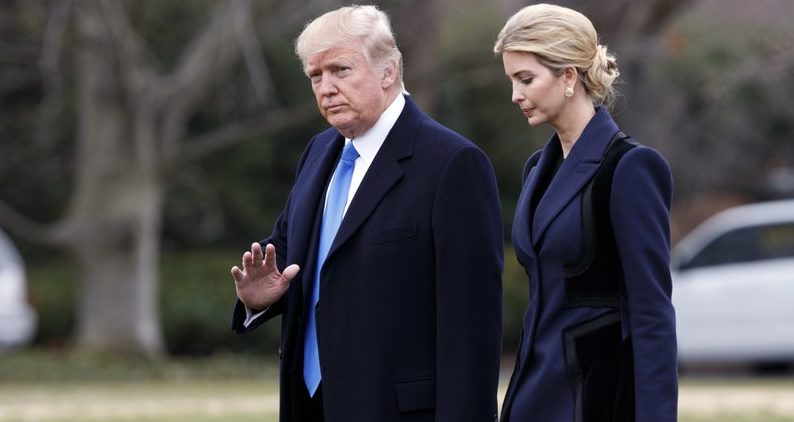
Cementing her role as a powerful White House influence, Ivanka Trump is working out of a West Wing office and will get access to classified information, though she is not technically serving as a government employee, according to an attorney for the first daughter. Since President Donald Trump took office, his eldest daughter has been a visible presence in the White House, where her husband, Jared Kushner, already serves as a senior adviser. On Friday, she participated in a meeting on vocational training with the president and German Chancellor Angela Merkel. Jamie Gorelick, an attorney and ethics adviser for Ivanka Trump, said Monday that the first daughter will not have an official title, but will get a West Wing office, government-issued communications devices and security clearance to access classified information. Gorelick said Ivanka Trump would follow the ethics rules that apply to government employees. “Our view is that the conservative approach is for Ivanka to voluntarily comply with the rules that would apply if she were a government employee, even though she is not,” said Gorelick, who also helped Kushner with the legal strategy that led to his White House appointment. “The White House Counsel’s Office agrees with that approach.” Ivanka Trump’s role has already come under scrutiny because there is little precedent for a member of the first family with this kind of influence. The White House did not immediately respond to a request for comment. A person with knowledge of Ivanka Trump’s thinking, who requested anonymity to discuss private conversations, said she believes she can offer more independent perspective to her father by not serving as a White House staffer. A popular surrogate for her father on the campaign trail, Ivanka Trump moved her young family to Washington at the start of the administration and signaled plans to work on economic issues, like maternity leave and child care. In a statement, she said: “I will continue to offer my father my candid advice and counsel, as I have for my entire life.” Federal anti-nepotism laws prevent relatives from being appointed to government positions. But the Justice Department’s Office of Legal Counsel recently said the president’s “special hiring authority” allowed him to appoint Kushner to the West Wing staff. Gorelick noted the office also made clear that the president could consult family members as private citizens, arguing that this is what Ivanka Trump will be doing. The first daughter has sought to distance herself from the Trump Organization and her lifestyle brand, which offers shoes, clothing and jewelry. She has removed herself from executive roles and will have a more hands-off approach to the brand — though she will still get certain information and will have the power to veto new deals if they raise ethical red flags. Richard Painter, a University of Minnesota law professor who served as President George W. Bush‘s chief White House lawyer on ethics, said that Ivanka Trump is effectively working as a White House employee. He said that “means that she, like her husband, has to follow the rules. It’s not a huge deal if she stays out of things that affect her financial interests.” Painter said that means Trump should avoid anything to do with foreign trade with countries where her products are made, as well as recuse herself from real estate matters, given Kushner’s family real estate business. Trump says she will follow ethics rules and some of her financial information will be included in Kushner’s official disclosures. She would have to disclose additional financial information if she were in a senior White House role, said Painter. That could include more details about her lifestyle brand, including her contracts and income. Attorney Andrew Herman, who has advised lawmakers on ethics issues, said he thought the administration should make her role official. He said: “I think the right way to do that is to make her a special government employee. But that implicates all kind of formal and disclosure issues.” Ivanka Trump continues to own her brand. But she has handed daily management to the company president and has set up a trust to provide further oversight. The business cannot make deals with any foreign state, and the trustees will confer with Gorelick over any new agreements. Ivanka Trump will also be able to veto proposed new transactions. Ivanka Trump has also barred the business from using her image to promote the products in advertising or marketing. To be sure, the trustees are in the family — her husband’s siblings Joshua Kushner and Nicole Meyer. But Gorelick said the goal of the trust wasn’t to shield Trump from everything, but to remove her from the day-to-day operations. She also acknowledged that the arrangement did not eliminate conflicts, but she said Trump is trying to minimize them and will recuse herself from any administration decision-making that affects her business. With the Trump Organization, Ivanka Trump has stepped down from a leadership role and will receive fixed payments rather than a share of the profits. Ivanka Trump has also written a book, “Women Who Work,” that will be released in May. The proceeds and royalties will be donated to charity, Gorelick said. Republished with permission of The Associated Press.
Trump hotel adds to ethics concern with inaugural festivity
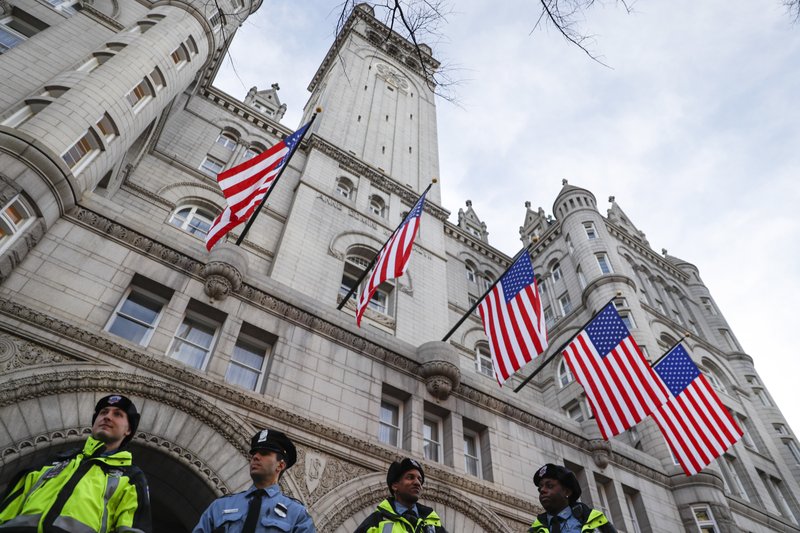
Red, white and blue balloons rained down over crystal chandeliers in the soaring atrium of the Trump International Hotel at midnight in “a new inaugural tradition,” its social media account promised. But while President Donald Trump‘s hotel in Washington did serve as a hub of Friday’s inaugural activities, it also stands as ground zero for what top Democrats and some ethics advisers see as his unique web of conflicts of interest. Trump’s lease with the federal government to develop and operate a hotel inside the historic Old Post Office building expressly prohibits any elected official from benefiting from the property, yet Trump has not divested from his company or this particular project. The government’s General Services Administration previously said it would refrain from commenting on the apparent contract violation until Trump took office, which he did at noon Friday. The agency did not respond to requests for comment. “I think it’s a simple matter of amending the lease,” said Patrick Keogh, a real estate investor in Austin, Texas, who has developed projects for the GSA and other federal agencies. He said Ivanka Trump, the president’s daughter and chief negotiator on the hotel, should ask the GSA to exempt her father from that provision of the contract. The GSA should make the process public and transparent, Keogh said. Others say Trump must relinquish ownership of the hotel. More broadly, they argue, Trump should sell off his company and put the cash into a blind trust as previous presidents have done. He is not legally required to do so, but it’s become common for presidents to separate themselves from their personal finances to avoid any possible conflicts with national policy. The liberal-funded watchdog group Citizens for Responsibility and Ethics in Washington complained to the GSA that it should terminate its deal or take legal action because the president had violated the conditions of the lease. The American Civil Liberties Union said it had filed a Freedom of Information Act request for documents about Trump’s conflicts of interest, including any recent memos, emails and other private communications on the issue with his transition team. The Washington hotel also attracted protesters on Friday and Saturday. People participating in the women’s march Saturday booed in unison as they walked by, and many left their protest signs in front of the building. Trump handed control of his international real estate development, property management and licensing company to his two adult sons. To help ease the appearance of conflicts of interest, the company said it would not enter into any new international deals, promised to hire a compliance officer and ethics adviser to vet domestic deals, donate foreign profit from its hotels and refrain from doing anything that could be perceived as exploiting the office of the presidency. “The Trump Organization has directed that no communications of the organization, including social media accounts, will reference or otherwise be tied to President-elect Trump’s role as president of the United States or the office of the presidency,” a company attorney wrote in a briefing released earlier this month. Trump has voluntarily taken these measures, since few conflict laws apply to the president or vice president. That means people will have to trust that the president and his company are following through. “We are waiting for you, Mr. President! Thank you!” Trump’s Washington hotel wrote on its Twitter account shortly before the president was scheduled to roll past the Pennsylvania Avenue property as part of the inaugural parade. Indeed, Trump hopped out of his motorcade to walk and wave in front of the hotel. The tweet would appear to violate the company’s no-reference-to-the-president policy. Trump Organization representatives did not respond to requests for comment. Patricia Tang, the Washington hotel’s director of sales and marketing — who said she was responsible for social media — did not directly answer questions about the possible violation. But she said, “We have nothing to do with the administration. We have nothing to do with the presidency. We just want to be the best possible luxury hotel that we can be.” The new White House raised eyebrows on its first day by posting on its official website a biography of first lady Melania Trump that included an explicit reference to her jewelry collection, which it noted was sold on the home-shopping channel QVC. By Saturday, that line had been edited and simplified to say that she had “launched her own jewelry collection.” A spokeswoman for the first lady said the website was updated out of “an abundance of caution” and that the jewelry line is no longer available in any case. There have also been questions about what the Trump Organization means by no “new” foreign deals. Earlier this week, the company confirmed it wanted to expand at one of its Scottish resorts, including plans to add a golf course. A spokeswoman for the resort said the expansion is just another “phase” of a project outlined in a planning document approved by the local government years ago, and so did not break any Trump promise. But Richard Painter, chief ethics lawyer under former President George W. Bush, said every phase of a real estate project is like a new deal, requiring financing and government permits, and allowing foreigners to hold something back that the president might want in hopes he will shape public policy in their favor. Trump’s administration addressed one potential conflict when the Justice Department on Saturday said federal anti-nepotism laws do not prevent the president from appointing his son-in-law to his administration. That clears the way for Jared Kushner, Ivanka Trump’s husband, to take a post as a senior adviser. Federal anti-nepotism laws prevent relatives from being appointed to government positions. The Trump transition team argued, and a career Justice attorney agreed, the laws apply to jobs in federal agencies, not White House posts. Republished with permission of the Associated Press.
Democrats want GOP committee head to open up ethics meeting
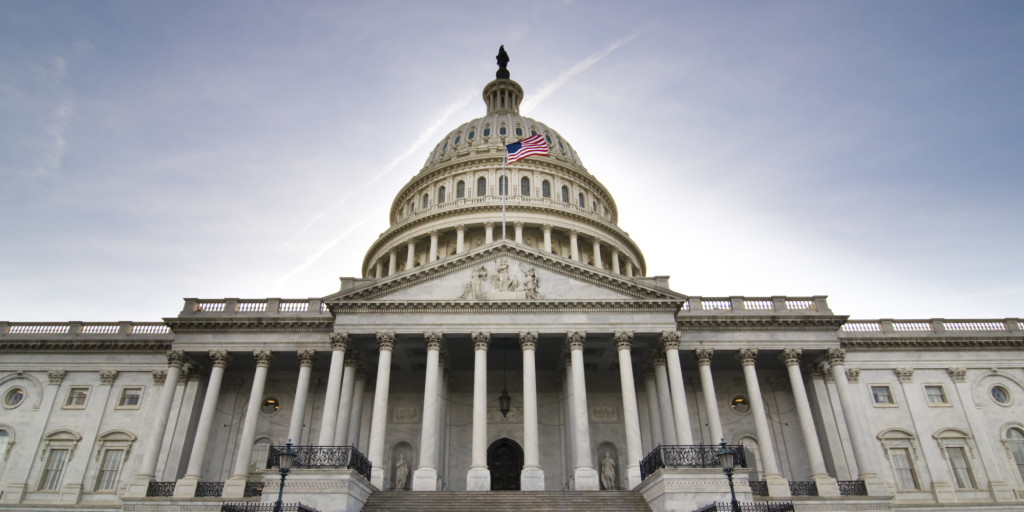
Democrats want all members of the House Oversight and Government Reform Committee to participate in a private meeting with the director of the Office of Government Ethics, and are frustrated that the Republican chairman has targeted the official for raising questions about President-elect Donald Trump’s possible conflicts of interest. In a letter Thursday, Rep. Elijah Cummings, D-Md., asked that Rep. Jason Chaffetz, R-Utah, invite all committee members to the Monday meeting with Walter Shaub Jr. Currently, the meeting is not open to the public, and Chaffetz and Cummings are the only lawmakers scheduled to attend. Chaffetz summoned Shaub to Capitol Hill after the ethics official challenged some of Trump’s business arrangements. Last week, Shaub issued a scathing review of Trump’s plan to turn over control of his business to his sons, saying the only way Trump could avoid a conflict of interest as president would be to divest from his business and have his assets placed in a blind trust. Chaffetz has said Shaub is acting unethically by offering opinions on conflicts of interest without fully researching the circumstances. Democrats have countered that Chaffetz is engaging in a coordinated effort to undermine the office responsible for ethics reviews of Cabinet nominees and ensuring they will avoid conflicts of interests. “Since you will not allow the American people to witness the meeting with Director Shaub, I am requesting that you at least allow the other members of our committee to participate — including Democrats and Republicans,” Cummings wrote. “I cannot think of any reason to deny all members of our committee the opportunity to hear first-hand what Mr. Shaub has to say.” A spokeswoman for Chaffetz said she had no comment on Cummings’ letter. Earlier this week, Shaub wrote Chaffetz and asked for the meeting to be public. “I believe passionately that ethics matters and that if Americans do not have confidence that their government leaders’ decisions are free from conflicts, the integrity of our government suffers,” Shaub wrote. Republished with permission of the Associated Press.
Donald Trump, with 2 tweets, helps push GOP reversal on ethics
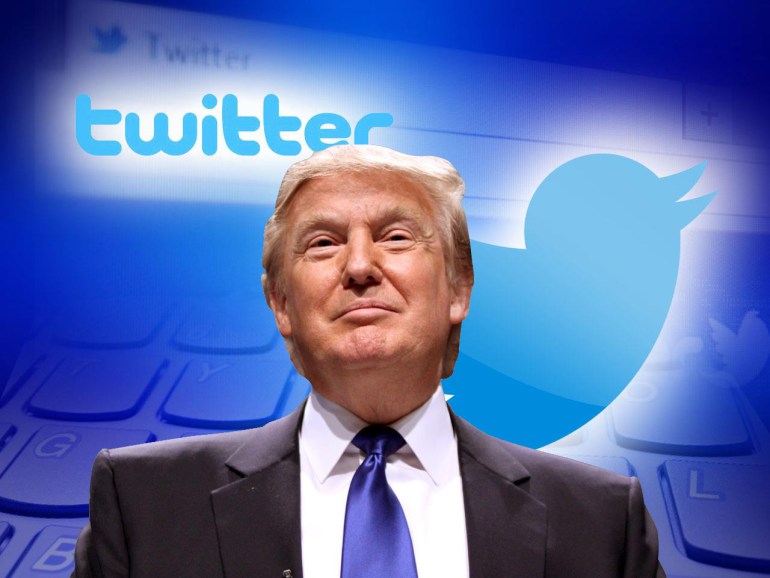
Every president taps a legislative affairs director to work with Congress. President-elect Donald Trump appears ready to use a legislative whip like none other: Twitter. On the opening day of Congress, Trump demonstrated the power of his 18.5-million Twitter followers and the clout of his populist credentials. With just a couple of tweets, the president-elect helped achieve what GOP leaders could not the night before, successfully pressuring House Republicans to reverse course on a plan to essentially scuttle an independent congressional ethics board. The move, only hours before Congress was sworn in, likely offered an early preview of how Trump intends to use his tech-savvy bully pulpit to persuade lawmakers who share his party but not all of his policy priorities. If Tuesday’s tactic is an example, the days of private back-channel negotiations and behind-the-scenes arm-twisting may be giving way to a new era of lobbying by social media shaming. “Virtually everything he does is a different style than Washington is used to,” former House Speaker Newt Gingrich said of Trump’s lobbying style. “He’s going to be very public, very aggressive.” By Trump’s standards, the tweets that piled pressure on lawmakers were relatively mild. After House Republicans voted in a closed-door session on Monday evening – a federal holiday – to undercut the independent Office of Congressional Ethics, government watchdogs and Democratic lawmakers railed against the move and people began calling their representatives. House Speaker Paul Ryan and Majority Leader Kevin McCarthy had opposed the changes, fearing exactly the kind of backlash that emerged. Then Trump weighed in with two Twitter messages Tuesday morning, writing, “With all that Congress has to work on, do they really have to make the weakening of the Independent Ethics Watchdog, as unfair as it may be, their number one act and priority.” The incoming president urged fellow Republicans to focus on top agenda items like a tax overhaul, health care and “so many other things of far greater importance!” His tweet ended with (hashtag)DTS – a reference to “drain the swamp,” a popular catch-phrase during his outsider presidential campaign. About two hours later, House Republicans, facing a deluge from angry constituents, dropped their plans to place the ethics board under their own control. The original rule’s author, Virginia Rep. Bob Goodlatte, saw his Facebook and Twitter pages bombarded with hundreds of critical messages. After Congress reversed course, Virginia resident Ed Heresniak celebrated on Goodlatte’s Facebook page, writing: “Dead. Trump killed it with a ‘tweet.’” Trump won’t rely on Twitter alone as his means of communicating with Congress. Vice President-elect Mike Pence, a former Indiana congressman, is expected to be a key conduit to lawmakers and was to meet with House Republicans on Wednesday. Trump has taken steps to fill out a more traditional congressional outreach team. He’s hired Rick Dearborn, a former aide to Alabama Sen. Jeff Sessions, as a deputy chief of staff and Marc Short, a top Pence aide, as the White House legislative affairs director. Both previously served in chief of staff positions on the Hill. They’ll have no shortage of work to do. Republicans in Congress differ sharply from Trump on major issues, including trade, Russia policy and entitlements. Trump seems ready to use the lobbying approach that fueled his campaign. As a candidate, he ridiculed his political opponents and detractors on Twitter, often in cutting personal terms, in a manner that his supporters said they found refreshing and direct. Fear of a Trump Twitter tirade could help congressional leadership, which has chafed with its own membership in recent years. That brash approach appeared to tame – for now – a rowdy group of House Republicans who have flummoxed both former House Speaker John Boehner and Ryan at times. “I don’t think there’s any question that the present-elect’s tweet this morning absolutely shifted the debate on this to where yesterday’s decision was reversed. There’s no two ways about it, because as of last night it was a done deal,” said Rep. Chris Collins, R-N.Y., one of Trump’s earliest and most vocal supporters in Congress. Collins, who serves as congressional liaison to the Trump transition team, said he didn’t receive any heads up about Trump’s opinion on the rules change before the president-elect tweeted. House GOP leadership aides said Ryan’s office was in touch with Trump’s transition team about the changes on Monday evening but Trump’s views were not clear until he fired off the tweets. It was also done in true Trump fashion, allowing some supporters to read into it what they want to believe. Trump didn’t flatly oppose the decision – he questioned the timing and the prioritization of it – and his tweets did not chastise lawmakers on the merits of their plan. By suggesting the watchdog apparatus under siege from lawmakers might be “unfair,” Trump spoke to lawmakers who have complained that they have been unfairly targeted by the independent ethics office. Trump had few admirers in Congress when he launched his campaign about 18 months ago but his tactics appear to be working – for now. “I’m not with him on everything, but on ‘drain the swamp,’ I will work with him on anything he wants to do,” said North Carolina Rep. Walter Jones, a Republican. “My hope is that his involvement will open a door for us. I’m not sure how wide, but a crack is better than no crack.” Republished with permission of the Associated Press.
