
Rauf Bolden: Many questions remain on Mayor Tony Kennons’s “work” boat outing

Rauf Bolden thinks the mayor of Orange Beach exposed the city to an unnecessary liability and violated ethics laws in the process.
No jail time for Probate Judge Al Booth
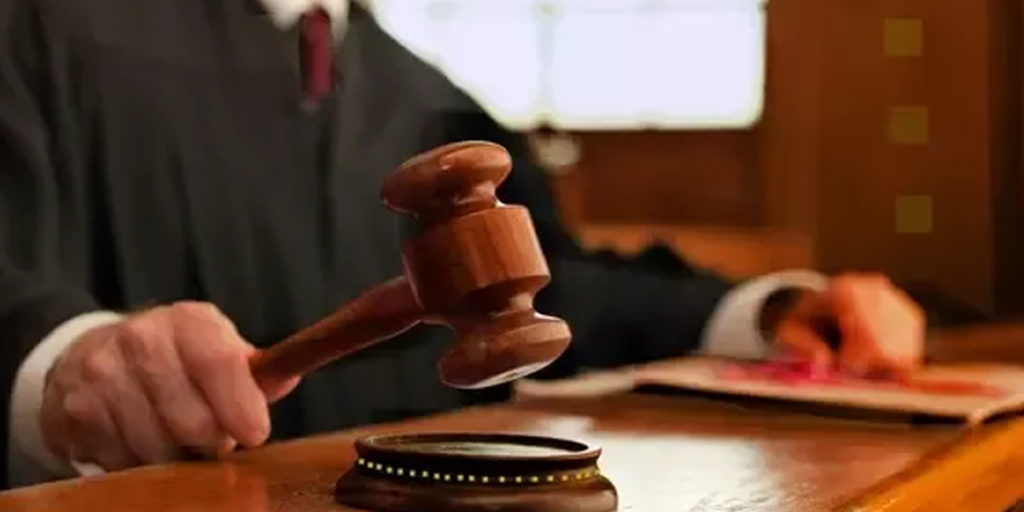
An Alabama judge has pleaded guilty to misdemeanor ethics charges for appointing his son to handle matters for his own court. The Montgomery Advertiser reports former Autauga County Probate Judge Al Booth entered his plea to one count of theft of services on Monday. The 75-year-old faced felony ethics violations, but a grand jury indicted him on misdemeanor charges instead. Circuit Judge Ben Fuller suspended jail time and gave Al Booth 40 hours of community service and mandated he pay back the county and serve two years’ probation. The indictment accused Al Booth of appointing his son to handle court matters for pay while he was the judge. The indictment says the son was paid less than $500 on each of four occasions. Al Booth says the violation was unintentional. Republished with the permission of the Associated Press.
Congresswoman Katie Hill resigns amid ethics investigation
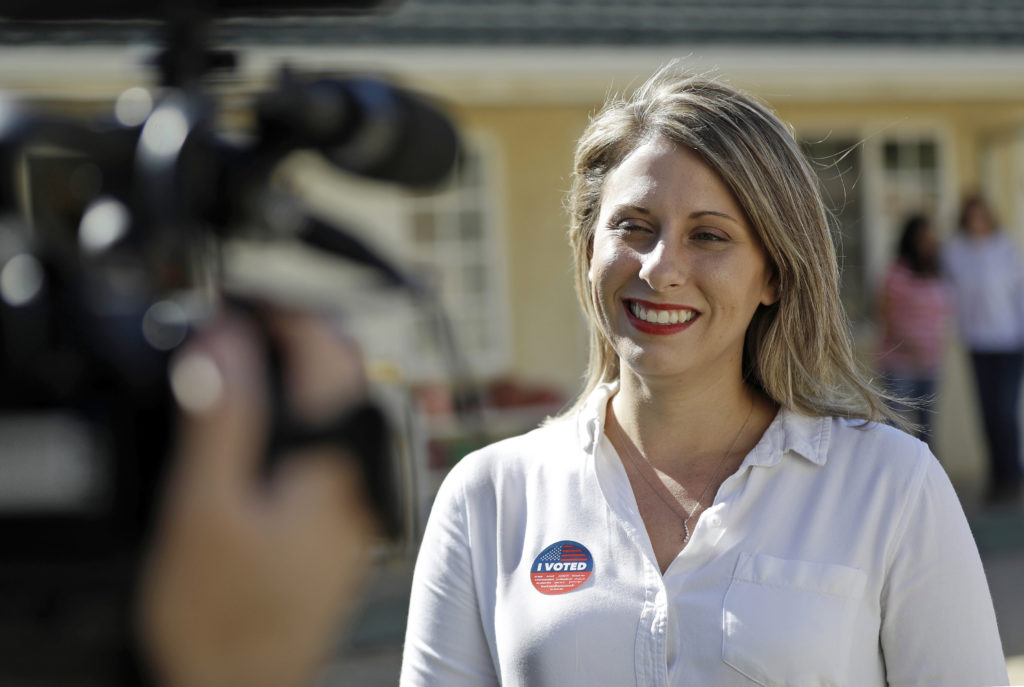
Freshman Rep. Katie Hill, a rising Democratic star in the House, announced her resignation amid an ethics probe, saying explicit private photos of her with a campaign staffer had been “weaponized” by her husband and political operatives. The California Democrat, 32, had been hand-picked for a coveted leadership seat. But in recent days, compromising photos of Hill and purported text messages from her to a campaign staffer surfaced online in a right-wing publication and a British tabloid. House Speaker Nancy Pelosi said Hill had acknowledged “errors in judgment” that Pelosi said made her continued service in Congress “untenable.” The House ethics committee had launched an investigation into whether Hill had an inappropriate relationship with an aide in her congressional office, which is prohibited under House rules. Hill, one of the few openly bisexual women in Congress, has denied that and vowed to fight a “smear” campaign waged by a husband she called abusive. But her relationship with the campaign aide became a concern for House Democrats who have made equality in the workplace a particular priority. On Sunday, after apologizing for the relationship with a subordinate, Hill announced she was stepping aside. “It is with a broken heart that today I announce my resignation from Congress,” she wrote in a statement released Sunday. “Having private photos of personal moments weaponized against me has been an appalling invasion of my privacy. It’s also illegal, and we are currently pursuing all of our available legal options,” she added. “However, I know that as long as I am in Congress, we’ll live fearful of what might come next and how much it will hurt.” Hill’s statement provided no details on that or when she would step down. Hill’s office and campaign provided no additional public comment. Pelosi, Democrat-California, praised Hill in a statement Sunday for bringing “a powerful commitment to her community and a bright vision for the future” to the House but added: “She has acknowledged errors in judgment that made her continued service as a Member untenable. We must ensure a climate of integrity and dignity in the Congress, and in all workplaces.” Pelosi picked Hill for a coveted leadership seat. Hill had also been named vice chair of the powerful House Oversight Committee. Hill’s abrupt fall came after a blazing rise in which she won the last Republican-held House seat anchored in Los Angeles County, part of a rout that saw GOP House members driven out of their seats in Southern California. She was elected by 9 percentage points last year, ousting two-term Republican Rep. Stephen Knight and capturing the district for her party for the first time since 1990. Democratic presidential candidate Hillary Clinton carried the district in 2016 by 7 points.Hill’s campaign had raised a healthy $2.2 million so far this year, putting her on track for a strong reelection bid. Citing the more than 4-in-10 district voters from minority groups, Rep. Cheri Bustos, Democrat-Illnois, who heads House Democrats’ campaign committee, said there was “no doubt” her party would hold the district next year. But Rep. Tom Emmer, Republican-Minnesota, chairman of the House GOP campaign arm, said Republicans “look forward to winning back this seat.” In recent days, Hill’s Los Angeles-area constituents were wrestling with questions about who might have been wronged, how much it matters and whether any punishment was warranted. Hill, celebrated as a face of millennial change in Congress, said in her statement that she had no choice but to step down. “This is what needs to happen so that the good people who supported me will no longer be subjected to the pain inflicted by my abusive husband and the brutality of hateful political operatives who seem to happily provide a platform to a monster who is driving a smear campaign built around cyber exploitation,” Hill said. “I can no longer allow my community, family, friends, staff, supporters, and especially the children who look up to me as a role model, to suffer this unprecedented brand of cruelty.” She apologized to “people who have been hurt.” She’s asked U.S. Capitol Police to investigate potential legal violations for posting and distributing the photos online without her consent. Hill is divorcing her husband, Kenneth Heslep, and says he is abusive. While not providing any evidence of abuse, Hill says she turned elsewhere for companionship because of their turbulent relationship and lamented that “the deeply personal matter of my divorce has been brought into public view.” In court papers, Heslep sketches a different story, one in which he was rejected by an ambitious wife after agreeing to her request that he play the role of house-husband, while she pursued her career aspirations. He said she left him soon after being elected to Congress. “Our agreement was that I would stay at home and take care of all the domestic duties and responsibilities while (Hill) worked,” Heslep said in documents filed in July in Los Angeles Superior Court. He did not allege any extramarital affairs by his wife. By Laurie Kellman Associated Press. Republished with the permission of the Associated Press.
Admissions scandal unfolds amid cynicism about moral values
In some ways, the college-admissions bribery scheme newly revealed by federal prosecutors seemed almost inevitable. Ethics experts say Americans these days are barraged with accounts of corruption, greed and amoral behavior to the point that many likely wonder, “Why should I play by the rules?” Whether it’s gaming the system to secure entry to an elite college, or circumventing laws and ethical norms to evade taxes, swindle customers or pocket illicit gains, unethical behavior has always been among America’s national pastimes. Yet a strong case can be made that this moment is distinctive, with its constant stream of high-profile scandals entangling bankers, drug companies, sports organizations, government officials and others. “There’s a rawer pursuit of opportunities and benefits than there once was,” said Cal Jillson, a political science professor at Southern Methodist University. “It was always there, but now it’s broader, and there are elements of society that once responded to social and professional restraints that no longer do so.” The admissions scandal, as outlined this week by federal authorities, is the biggest such scam ever prosecuted by the Justice Department. Fifty people were charged in a scheme in which wealthy parents allegedly paid an estimated $25 million in bribes to college coaches and other insiders to get their children into elite schools. “I don’t think anyone is shocked that children of the wealthy have an easier time getting into top schools,” said Nick Smith, a philosophy professor at the University of New Hampshire. “The deck is stacked in their favor, even if they can’t quite directly buy their way in.” “What is new here is that all of those considerable advantages apparently aren’t enough for some and they will go to any length to directly buy their way in,” Smith said. “It’s like the veneer of fairness is cracking all around us, and corruption is increasingly on the surface of our most esteemed institutions.” Some rule-breakers get caught, of course. Martin Shkreli, who provoked outrage with a 5,000 percent hike in the price of a vital drug, is serving a seven-year sentence in federal prison for securities fraud. Paul Manafort, Donald Trump‘s former campaign chairman, faces prison time for concealing his foreign lobbying work, laundering millions of dollars, and coaching witnesses to lie on his behalf. However, public cynicism about America’s moral standards is high, as evidenced in the annual Values and Morals poll conducted by Gallup since 2002. In the latest poll, released last June, a record high 49 percent of respondents rated moral values in the U.S. as poor, and only 14 percent rated them excellent or good. The perception that unethical behavior is increasingly commonplace could have a snowball effect, says Andrew Cullison, a philosophy professor who heads DePauw University’s Prindle Institute for Ethics. “People think that if moral standards have eroded, why should they play by the rules,” he said. “If they’ve lost trust in some entity or institution, then that organization has lost the right to their compliance with the rules.” Cullison said President Trump and his administration may be contributing to those perceptions with their departure from some longstanding ethical norms. Trump, for example, has refused to release his tax returns, as other recent presidents did, and has neither divested his business holdings or placed them in a blind trust. “It’s the objective truth that norms of conduct are being violated,” Cullison said. “Where people differ is how outraged they are. If you’re getting what you want (in terms of policy), you’ll be more willing to look the other way.” Jordan Libowitz, a spokesman for the watchdog group Citizens for Responsibility and Ethics in Washington, noted that several of Trump’s Cabinet appointees have been the subject of ethics investigations “We’re seeing a pattern of not caring about ethics that we’ve not seen before,” Libowitz said. “It sets a dangerous precedent for future administrations, that once ethical norms are pushed aside and nothing is done about it, this might become the new normal.” Libowitz said Congress could take new steps to tighten ethical standards for the executive branch, updating and strengthening some of the reforms enacted in the post-Watergate era of the late 1970s. Congress has its own image problems. A Gallup poll in December asked respondents in the U.S. to rank 20 different occupations in terms of their ethical standards — members of Congress ranked the lowest, below car salespeople and telemarketers. Nurses were at the top. College administrators, teachers and coaches weren’t part of the Gallup poll. But Robert M. Franklin, a professor of moral leadership at Emory University in Atlanta, said the admissions scandal should be a catalyst for substantive reforms throughout higher education, including auditing of admissions procedures by outside accreditation agencies. “This is revealed as hardworking, bright students of color, women and immigrants are benefiting from smart affirmative action policies that correct past injustice and exclusion,” Franklin said in an email. “Now, we must all question whether the scions of affluent white parents gamed the system to ensure admission for their average offspring.” Republished with permission from the Associated Press.
Lies and coverups: Did Ethics Commission attorney lie?
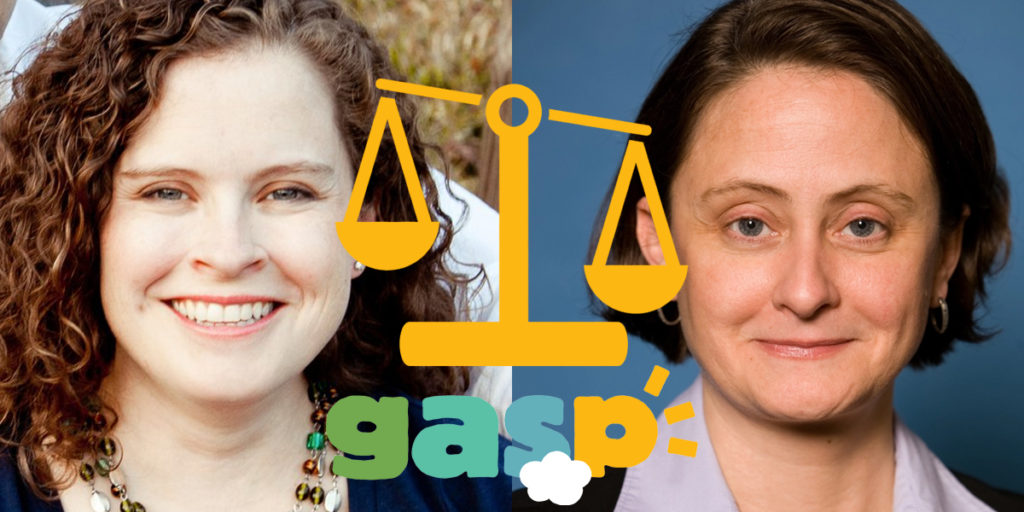
The narrative that an Alabama environmental group, activists and some journalists sold in November sounded menacing: “Indictments had been brought against Donald Trump‘s Regional EPA appointee Trey Glenn and former business partner, Scott Phillips, a state environmental board member.” But the problem with this narrative, in their own words, is that these charges were an effort of the environmentalists at Alabama’s GASP themselves. GASP claimed in a November tweet, “Just so y’all know, Gasp made this possible. We were the ones whose presentation was shared by Glenn and Phillips. We paid for the exhibits in PACER so we could piece this story together. We did the leg work and the organizing. We need your support to keep doing it.” Once GASP “did and the leg work and organizing,” the indictments were spearheaded and pushed for by Ethics Commission lawyer Cynthia Propst Raulston. If Raulston’s maiden name sounds familiar, it’s because her sister, Stacie Propst, is the former the Executive Director of GASP. Stacie Propst and others took issue with the fact that a presentation she was to give before the Alabama Department of Environmental Management (ADEM) commission, which Phillips sat on, was given to Glenn before the meeting. The presentation, which had been formally submitted to the commission, was already subject to Alabama’s open records laws, but that didn’t stop Propst’s supporters from crying foul once it was brought to light Phillips shared it with Glenn (who then shared it with his clients). AL.Com’s John Archibald described Propst’s in a column decrying the fact it was shared saying, “So Propst walked headlong into a buzz saw. She was, according to videos and minutes of the meeting, greeted with tough questions about data, degrees of health danger and whether you’d have to have a condition that makes you eat dirt to be harmed…” Certainly, there’s more to the charges being brought than just GASP and their former executive director’s sister, right? Kyle Whitmire from AL.Com broke the news of the indictments with a statement provided by the ethics commission. Whitmire reported, that, “The Alabama Ethics Commission lead the investigation after being asked for help by the Jefferson County District Attorney’s office.” He supported that with the following statement from the commission. “The Alabama Ethics Commission is committed to working with Alabama’s District Attorneys, and all enforcement agencies, whenever needed and asked to do so, to ensure enforcement of Alabama’s Ethics laws on behalf of the citizens of Alabama; and these indictments are evidence of that,” Alabama Ethics Commission Director Tom Albritton said in a press release. “I want to recognize the hard work from the Jefferson County DA’s office which requested our assistance in this important matter; and from our office, Cynthia Raulston, the Commission’s General Counsel, as well as Special Agents Dustin Lansford, Byron Butler and Chief Special Agent Chris Clark for their hard work and dedication to the enforcement of our Ethics laws.” That would be great except, The former Jefferson County DA, Mike Anderton, under penalty of perjury, has filed a formal declaration with the Circuit Court of Jefferson County that directly contradicts Whitmire’s reporting and the referenced Ethics Commission press statement. In it he says that Raulston was behind the entire case and that his office “had no plans to present any related matter to the grand jury.” He goes on to say his entire role in the case was just to facilitate Raulston’s use of the Jefferson County grand jury again, at her repeated request. Read Anderton’s declaration, as filed, below: So at the end of the day either the statement and claims from Allbrighton are factually incorrect or the sworn statement from Anderton is. Fortunately, we have the answer to how this all started, the tweet from Gasp says it all. So what’s next for those involved? At the February 11 arraignment of Glenn and Scott, where the charges were changed and some dropped, the defense filed for dismissal of the case in part for “malicious prosecution.” The judge made it clear that he would hold a hearing on the motion and that Raulston should be prepared to deal with the facts. The facts seem to point very clearly to misconduct on the part of the Ethics Commission and toward malicious prosecution.
Anniston councilman Ben Little indicted on ethics charges
Anniston city councilman Ben Little has been charged with two counts of ethics violations, Anniston Star reports. Little turned himself in at the Calhoun County jail Monday afternoon after a grand jury filed an indictment charging him with voting on city legislation on which he had a conflict of interest, and on an issue in which he had a financial interest. If convicted, he faces from two to 20 years in prison, a fine of up to $30,000, as well as removal from office. In 2017, the city council voted to abate a list of vehicles that were inoperable and sitting in yards. Little owned several of them, and a church where he serves as pastor owned a van. Calhoun County District Attorney Brian McVeigh confirmed the state Attorney General’s office is handling the case, according to AL.com. Little voted against declaring inoperable vehicles that were sitting in yards a nuisance in 2017 instead of abstaining, WBRC reports. Little owned several of the vehicles in question and is the pastor of a church that owned another. Little arraignment is scheduled for March 14. Read the indictment below:
AG Steve Marshall asks FEC to investigate Senate race tactics
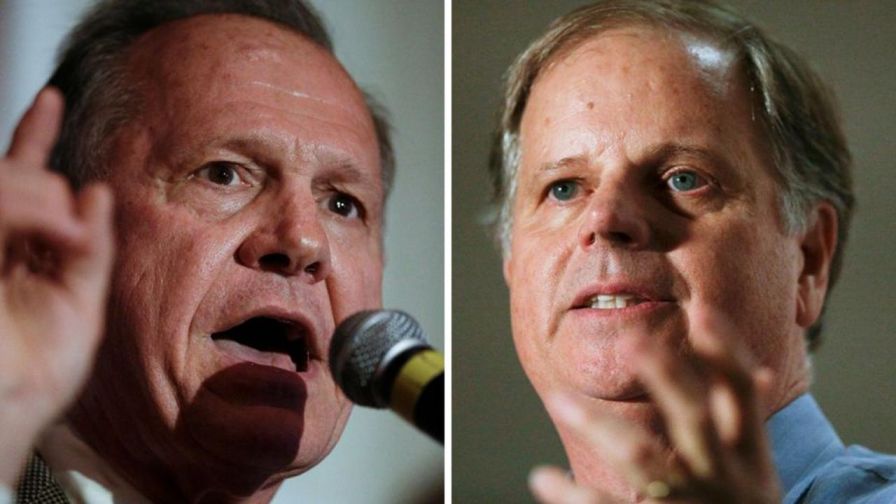
The Alabama attorney general is not investigating reports of online fakery in the 2017 Alabama Senate race after determining it is an issue for federal election regulators. A spokesman for Attorney General Steve Marshall said Monday that Marshall’s office has asked the Federal Election Commission to “investigate the matter to determine if any federal laws were violated.” The Washington Post and New York Times reported incidents of misleading online tactics by a social media researcher and others during Democratic Sen. Doug Jones’ 2017 campaign against Republican Roy Moore. Operators posed as conservative voters on Facebook. Marshall previously said he was evaluating the reports. Spokesman Mike Lewis wrote in an email that they evaluated reports of possible deception and “determined the matter to be under the exclusive jurisdiction” of the FEC. Republished with permission from the Associated Press.
EPA’s Southeastern chief indicted on Alabama ethics charges
The man appointed by President Donald Trump’s administration to run the Environmental Protection Agency’s Southeastern regional office has been indicted, along with a former business partner, on state ethics charges in Alabama. News outlets reported Tuesday that Trey Glenn and a former business partner, Scott Phillips, are charged with multiple ethics violations in Birmingham. The ethics law prohibits officials from using their office for personal financial gain and from soliciting or receiving money or other things of value. Glenn was appointed in August 2017 as administrator of the EPA’s regional office in Atlanta, which oversees eight Southeastern states. He had served previously as director of the Alabama Department of Environmental Management and also worked as a business lobbyist who opposed federal Superfund cleanup efforts in Birmingham. An EPA spokesman didn’t immediately return an email on Glenn’s behalf, and court records aren’t available to show whether Glenn or Phillips have attorneys. Al.com reported that Glenn and Phillips each maintained their innocence in statements sent by a worker at a law firm in Montgomery. The newspaper reported that charges against them include multiple violations of Alabama’s Ethics Act, including soliciting a thing of value from a principal, lobbyist or subordinate, and receiving money in addition that received in one’s official capacity. Glenn worked for nearly five years as director of Alabama’s environment department, where his tenure ended abruptly. The Alabama Ethics Commission in 2007 found unanimously that there was probable cause Glenn, may have violated the state ethics law to get his job and to obtain personal trips. He was also investigated for a personal family trip to Disney World that was paid for by a public relations firm that represented a client doing business with his agency. Glenn was eventually cleared of criminal wrongdoing in the case, but resigned in 2009 after the ethics investigations. Phillips is a former chairman of the Alabama Environmental Management Commission. After Glenn left the state environmental agency, he formed a lobbying firm with Phillips. Both were involved in opposing a federal Superfund cleanup in Birmingham. A former state lawmaker, Oliver Robinson, has pleaded guilty and two others — Drummond Co. executive David Roberson and attorney Joel Gilbert — were convicted on charges linked to that project. Glenn and Phillips each testified in the trial of Roberson and Gilbert this summer. Roberson and Gilbert were convicted on charges they bribed Robinson to oppose efforts by the EPA to clean up a Birmingham neighborhood in Robinson’s district. EPA’s Region 4, headquartered in Atlanta, includes Alabama, Florida, Georgia, Kentucky, Mississippi, North Carolina, South Carolina and Tennessee. Republished with permission from the Associated Press.
Ethics reform commission to meet to continue work on Alabama law
The Alabama Code of Ethics Clarification and Reform Commission will meet again on Thursday to continue its discussion what changes should be made to the state’s sweeping ethics law. The commission, which met for the first time in May is working to make recommendations to the State Legislature by the first day of the 2019 session. The meeting will take place at 1:00 p.m. in the multi-purpose room of Attorney General Steve Marshall‘s office (501 Washington Avenue in Montgomery, Ala.). It is open to the public.
Joe Siegelman wants Ethics Commission to act on complaint against AG Steve Marshall
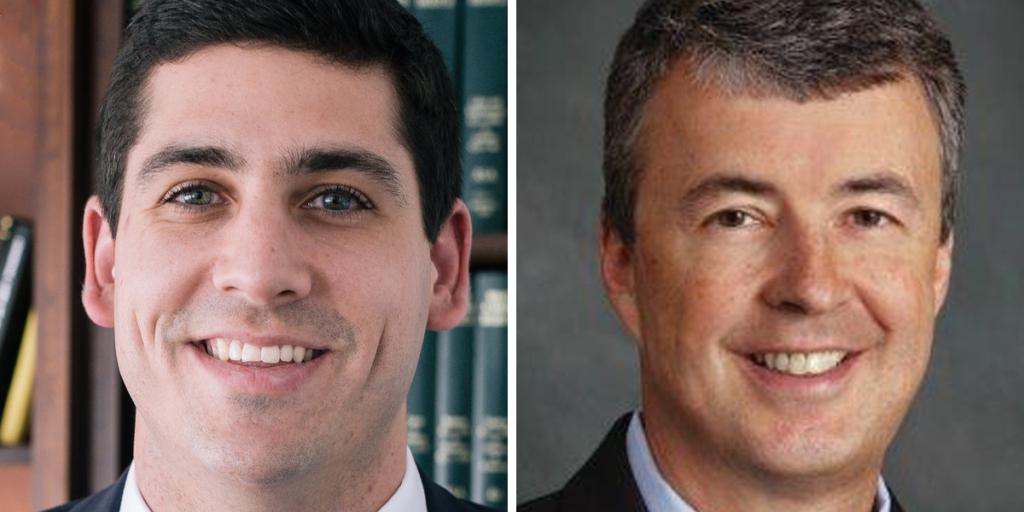
Democratic Attorney General Candidate Joe Siegelman held a press conference in Huntsville, Ala. on Thursday to urge the Alabama Ethics Commission to act on the ethics complaint filed against Attorney General Steve Marshall, that they have yet to take action on. The complaint alleges Marshall accepted $735,000 in illegal contributions from the Republican Attorneys General Association (RAGA) Action Fund. The actual complaint was filed back in July by Marshall’s Republican primary opponent, former state Attorney General Troy King. King alleged Marshall accepted the money from the RAGA political action committee and said that the group uses money from other PAC’s to fund their own PAC; violating Alabama’s PAC to PAC money laws. Siegelman’s press conference followed a letter that Siegelman sent to the members of the Alabama Ethics Commission earlier Thursday morning. “In less than three years, Alabama has lost the highest officeholder in every branch of its government due to unethical or illegal conduct. Now we may lose our Attorney General simply over greed for special-interest, dark money,” said Siegelman. “We face not only losing another high officeholder to illegality, but we face a crossroads of whether we are capable and willing to hold the chief law enforcement officer of the State accountable, or allow him to reside above the law.” Marshall’s campaign reacted to Siegelman’s press conference saying, “It is unfortunate that our young, inexperienced liberal democratic opponent has decided to run a false and negative campaign.” To which Siegelman replied, “My opponent criticizes me for being young. I may only be 30, but I know better than to accept $735,000 in illegal contributions. He sadly does not. Notably my opponent chose to attack me rather than respond to the allegations, which were made by a fellow Republican.” Read Siegelman’s letter to the Ethics Commission below:
Democrats link congressman’s indictment to Donald Trump ethics
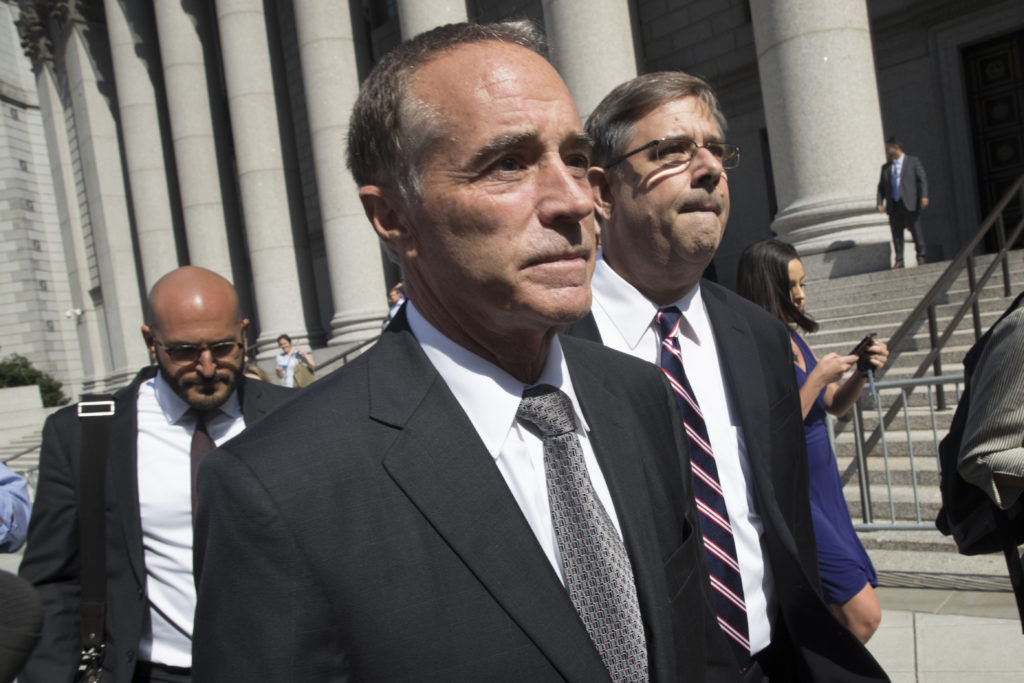
Democrats are linking a Republican congressman’s insider trading indictment to a culture of corruption they say President Donald Trump has fostered, amplifying a theme they hope will help them seize congressional control in November’s elections. “The fish rots from the head,” Rep. John Sarbanes, D-Md., told reporters Thursday in a conference call. He added that Trump is “the most ethically blind president we’ve ever seen.” Rep. Cheri Bustos, D-Ill., said Trump, Rep. Chris Collins and other Republicans have made the U.S. a country “of the rich, by the powerful and for the lobbyists.” Bustos and Sarbanes, the type of younger Democrats to whom party leaders are giving more exposure, spoke a day after Collins, R-N.Y., was arrested and indicted on charges of making illegal stock trades using inside information about a biotech company. Collins has denied wrongdoing. Collins was one of Trump’s earliest supporters in his 2016 presidential run and has remained a stalwart defender of the president. Their relationship — and the indictment’s assertion that Collins was on White House grounds when he used insider stock information — proved irresistible to Sarbanes. The Maryland lawmaker said there was “something poetic” that according to the indictment, Collins was attending the White House Congressional Picnic in June 2017 when he learned the company’s drug trials had failed and called his son — a fellow investor who also faces charges — to warn him about it. “It’s almost as though he walked into an ethics-free zone when he got to the White House that day,” Sarbanes said. Democrats want to taint the GOP with an aura of corruption and portray it as championing the wealthy elite as part of a campaign-season effort to offer themselves as the party of the people. Underscoring that contrast, Sarbanes and Bustos said Democrats were promising legislation aimed at protecting voters from Republican efforts to making registering and voting harder and beefing up ethics laws covering campaign contributions and financial disclosure by office holders. Democrats would retake House control if they gain 23 seats in November, which many analysts see as an achievable goal. Their chances of gaining a Senate majority are viewed as smaller. Attacking Republicans over ethics won’t be Democrats’ main line of campaign attacks. Trump himself motivates hordes of Democratic voters, as was demonstrated in this week’s still-undecided special election in an Ohio congressional district that has been safely in GOP hands for decades. In addition, Democrats view protecting people’s health care and defending the right to abortion as appealing arguments in many of the swing suburban districts that will help determine congressional control. Those issues are likely to be brought into sharper focus with the Senate’s upcoming battle over Brett Kavanaugh‘s nomination to the Supreme Court. Democrats will not have a clear field on the issue of ethics. Sen. Bob Menendez, D-N.J., is facing a harder than expected re-election race this year after the Senate Ethics Committee rebuked him for accepting gifts and using his position to advance the donor’s business interests. A criminal case against him was dismissed last year. Former Sen. Al Franken, D-Minn., and long-time Rep. John Conyers, D-Mich., were among several members of both parties who’ve resigned after charges of sexual harassment. As recent examples of Trump ethical issues, Bustos cited the ongoing financial fraud trial of Paul Manafort, Trump’s former campaign chairman, and questions about the timing of stock sales by Commerce Secretary Wilbur Ross. Republished with permission from the Associated Press.
Priority 1 for next session: Beef up open records laws
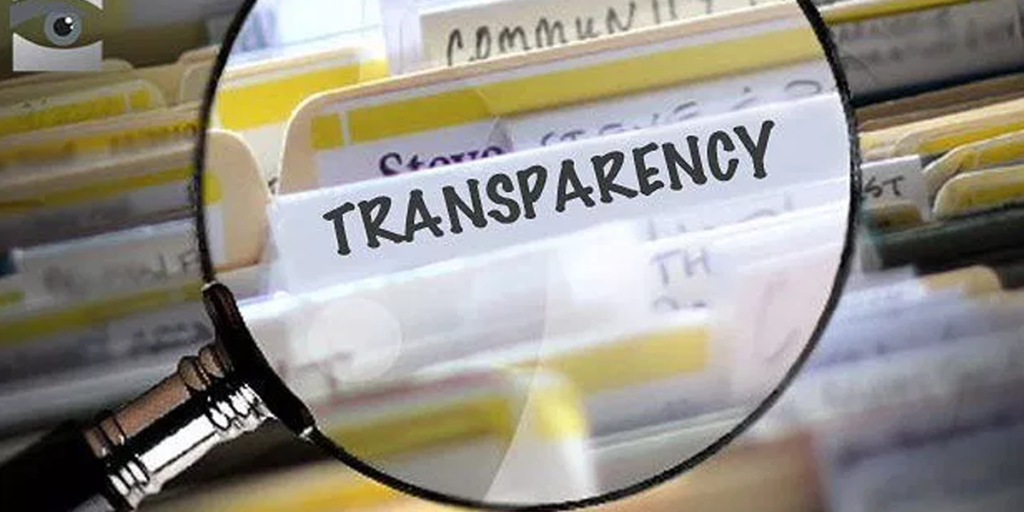
I have been long-railing against the insanity that is Alabama’s public records laws, or the way executive offices — specifically the Governor’s office, and more recently the Department of Transportation — and as Kyle Whitmire wrote about today, the Attorney General’s office also likes to hide documents, ignore requests and duck the law that allows residents to see what’s really happening behind closed doors. Enough is enough folks. Any elected official who’s office hides what should be accessible information and cherry picks who gets it, and when, needs to face consequences. Any staffer working within the government that obstructs requests — here’s looking at you Daniel Sparkman and Josh Pendergrass in Gov. Kay Ivey‘s press shop — needs to be fired on the spot. This is ridiculous. We as residents of the state, taxpayers, voters, yes and even in the press are responsible for holding our elected officials and those working for them accountable. We have every right to see what’s going on behind closed doors when it comes to state government and if you’re in impeding our ability to do so you need to go. Moreover there should be criminal sanctions for those who take pride and pleasure in obstructing transparency. It’s infuriating that there is no recourse when, either as individuals or as media, we are lied to, documents are withheld, or information is given by the discretion of others. We have to globally, across the state, raise our voices and do more. Demand better. When the Legislature comes back they are going to tackle ethics reform and a substantial part of that needs to include actual ramifications for public employees who hide information, for departments who don’t comply in a timely manner, or with full information on records requests. For our appointed and elected officials and those who work for them, transparency is a cornerstone of our democracy. Without it we cannot hold government officials accountable. Information doesn’t belong behind closed doors, shrouded in secrecy. Every single person in the state, regardless of your political party or position on issues, every single Alabamian should reach out to their state representatives, their state senators, the Governor and the Attorney General and tell them that we won’t take stonewalling in producing public information. Here’s a link to contact the Governor’s office , you can also tweet to her and her campaign and the attorney general. There’s an election right around the corner and not a single soul should be elected or reelected without promising to give Alabama’s open record law teeth and to hold their staff and appointees accountable when they don’t.
