
Japan PM in NY for 1st meeting by foreign leader with Donald Trump
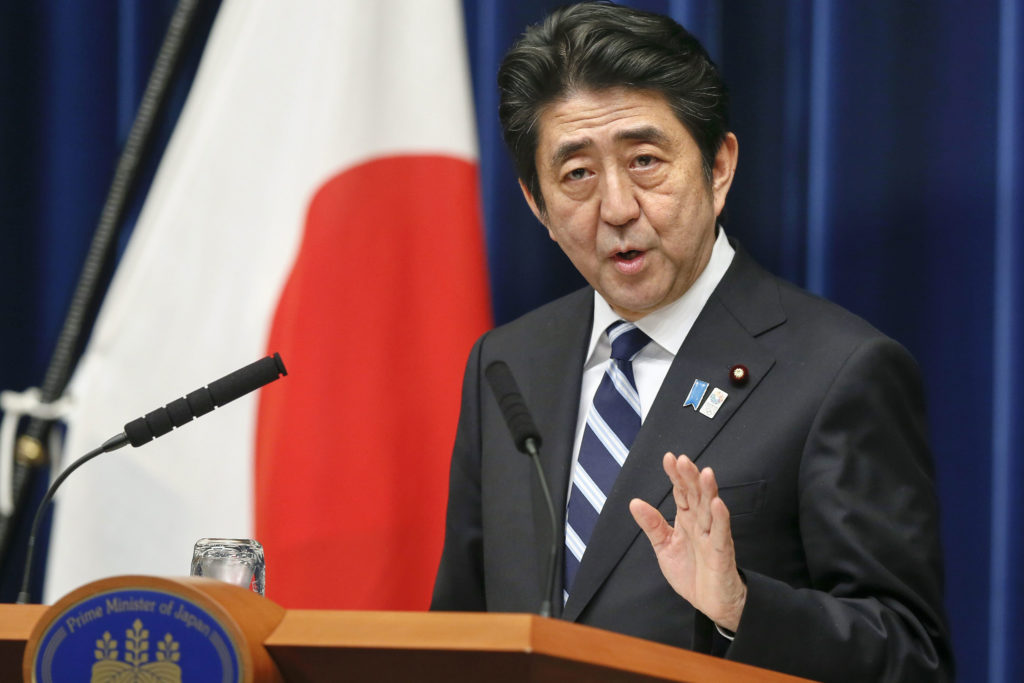
Japanese Prime Minister Shinzo Abe becomes the first world leader to meet President-elect Donald Trump on Thursday, seeking reassurances over the future of the U.S.-Japan security and trade relations. Abe meets with Trump in New York, where the incoming president is working on setting up an administration after his surprise election victory last week that has injected new uncertainty into old U.S. alliances. Trump’s campaign rhetoric caused consternation in many world capitals, including Tokyo. Trump has said he would demand that allies such as Japan and South Korea contribute more to the cost of basing U.S. troops in their countries. Such comments have worried Japan at a time when the threat from North Korea is rising, and China is challenging the U.S.-led security status quo in the Pacific. The State Department has said it had yet to hear from Trump’s transition team, raising the prospect of the Republican holding the meeting with Abe without any input from career diplomats with deep experience dealing with Japan. Both Japan and South Korea already pay considerable sums to support the U.S. bases, and note that it’s also in America’s strategic interest to deploy troops in the region. Trump has suggested that Japan and South Korea could obtain their own nuclear weapons, rather than rely on U.S. deterrence, which risks a triggering an atomic arms races in Northeast Asia. South Korea currently pays more than $800 million a year – about 50 percent of non-personnel costs of the U.S. military deployment on its soil – and is paying $9.7 billion more for relocating U.S. military bases, according to the Congressional Research Service. Japan pays about $2 billion a year, about half of the cost of the stationing U.S. forces. The Japanese leader may also try to sway Trump on the Trans-Pacific Partnership, a 12-country trade agreement that the president-elect opposes. The pact was championed by President Barack Obama, and Trump’s victory has all but erased hopes of its early ratification by the U.S. Congress. The pact is expected to be discussed in a side meeting at the annual summit of the Asia Pacific Economic Community in Peru, where Abe heads after New York. Obama will also be at APEC. Abe is Japan’s most powerful leader in a decade, and he has invested political capital in overcoming strong domestic opposition to the TPP. He has also sought to increase the international role played by Japan’s military, which is constrained by a pacifist constitution. That could jibe with Trump’s desire to see U.S. partners shoulder more of the burden for their defense. Republished with permission of the Associated Press.
Afghanistan: The war Donald Trump and Hillary Clinton have ignored
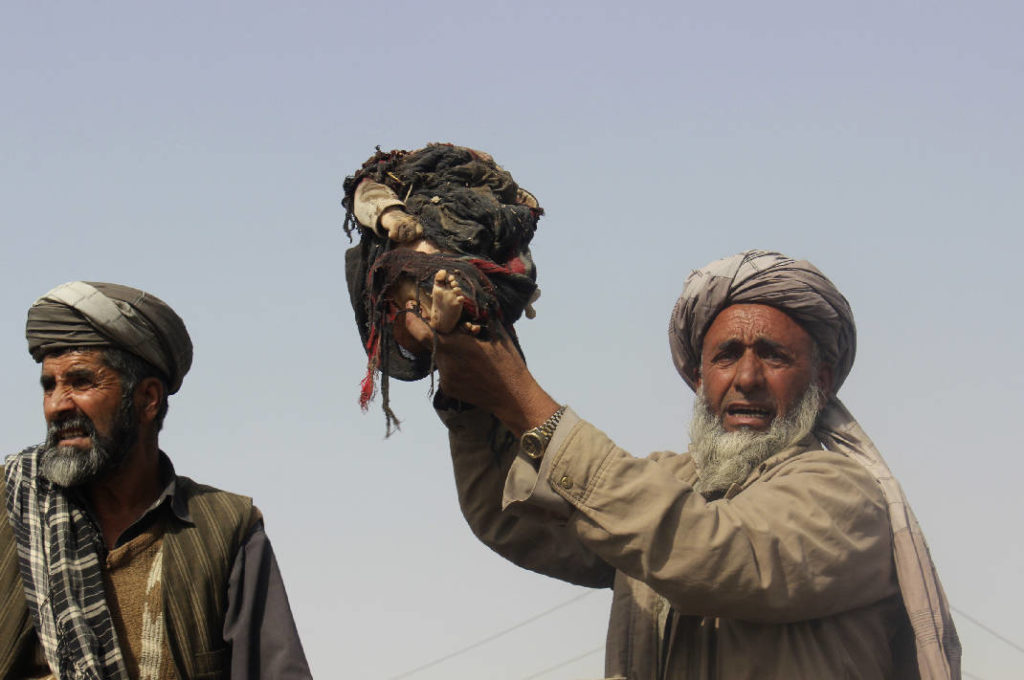
Donald Trump and Hillary Clinton have said next to nothing about how they would handle the war in Afghanistan. That’s remarkable, given the enormous U.S. investment in blood and treasure over the past 15 years – including two American deaths on Thursday – the resilience of the Taliban insurgency and the risk of an Afghan government collapse that would risk empowering extremists and could force the next president’s hands. In addition to the two service members killed on Thursday, four others were wounded while assisting Afghan forces in the northern city of Kunduz. President Barack Obama escalated the war shortly after he took office, but he fell short of his goal of compelling a political settlement between the Taliban and the Afghan government. The next president will face a new set of tough choices on Afghanistan early in his or her term, including whether to increase or reduce U.S. troop levels and, more broadly, whether to continue what might be called Obama’s minimalist military strategy. The difficulty of these choices may explain, at least in part, why Trump and Clinton have been largely silent on Afghanistan. They ignore it while campaigning; it came up only in passing during the first Trump-Clinton debate and was not mentioned at all during second and third debates. OBAMA’S FAILED MISSION If Obama’s eight-year struggle is a guide, his successor will not have an easy time disentangling the U.S. military from Afghanistan. Nor is there an obvious way in which a bigger U.S. military role could end the war. Neither Trump nor Clinton has offered more than broad clues about their intentions toward Afghanistan. Trump has called for an end to U.S. “nation-building” efforts. Clinton has said she would “deal with” the Islamic State affiliate in Afghanistan and “stem the flow of jihadists” to and from Afghanistan. Neither of the candidates’ websites, which usually go into detail on policy matters, have a mention of the U.S. military presence in Afghanistan or what to do about it. Shortly after entering the White House in 2009, Obama undertook a lengthy review of U.S. policy on Afghanistan and Pakistan with the eye toward fixing what he saw as U.S. failures there. He pushed U.S. troop levels in Afghanistan to 100,000, but the surge did not force the Taliban to the negotiating table. The war dragged on. Obama ended the U.S. combat role in December 2014 and said that by January 2017 the military would be reduced to only a “normal embassy presence.” But in October 2015 he put the skids on a full withdrawal, saying 5,500 troops would stay to support Afghan forces and to continue counterterrorism operations against al-Qaida. In July, with about 10,000 U.S. troops still there, he scrapped the 5,500 target. He pledged to keep 8,400 troops through the end of his term to continue training and advising Afghan forces and to maintain a counterterrorism mission. — AFGHANISTAN ‘AT RISK’ Washington has praised Afghan President Ashraf Ghani as a more effective U.S. partner than his predecessor, Hamid Karzai. But the political dimensions of Afghanistan’s problems are in some ways as worrisome as those on the military and security side. The so-called unity government set up in 2014 is led by Ghani and Chief Executive Abdullah Abdullah, who have been bickering since they took office. The rift has threatened to send the country further into chaos. Afghans are increasingly convinced the double-headed government cannot endure. National Intelligence Director James Clapper earlier this year told Congress that Afghanistan is “at serious risk of a political breakdown in 2016.” On the other hand, Afghan officials say the country’s progress since 2001 is often overlooked or underestimated. Hamdullah Mohib, the Afghan ambassador to Washington, in September ticked off several examples: More women are serving in government positions than at any time in Afghan history, anti-corruption measures have produced a 22 percent increase in national revenue and more rural families have access to electricity. — NO END IN SIGHT One measure of the intractable nature of the war is the language American officials have used to describe it. As far back as February 2009 the top American commander in Afghanistan said the U.S. and its Afghan partners were “at best, stalemated” against the Taliban. Seven years later, in September 2016, Gen. Joseph Dunford, chairman of the Joint Chiefs of Staff, told a congressional committee the war was “roughly a stalemate.” Just a few days after Dunford’s comments, the current commander in Afghanistan, Gen. John Nicholson, said the government and the Taliban had “reached some sort of equilibrium” on the battlefield. “This is a positive,” Nicholson said, in the sense that the government controls nearly 70 percent of the population. One might also say it’s a negative in the sense that nearly one-third of the population is NOT under government control, even after years of fighting a Taliban group that in December 2001 was seemingly defeated. There is no consensus view on how much longer the U.S. would need to keep troops there to help Afghan forces avoid defeat. The inattention to Afghanistan during the presidential campaign is seen by Stephen Walt, professor of international affairs at Harvard university, as symptomatic of Americans’ “war amnesia.” Writing for the Foreign Policy website, Walt called Afghanistan a conflict “we seem readier to forget than to end.” Republished with permission of the Associated Press.
Lost cause? North Korea nuke threat awaits next president
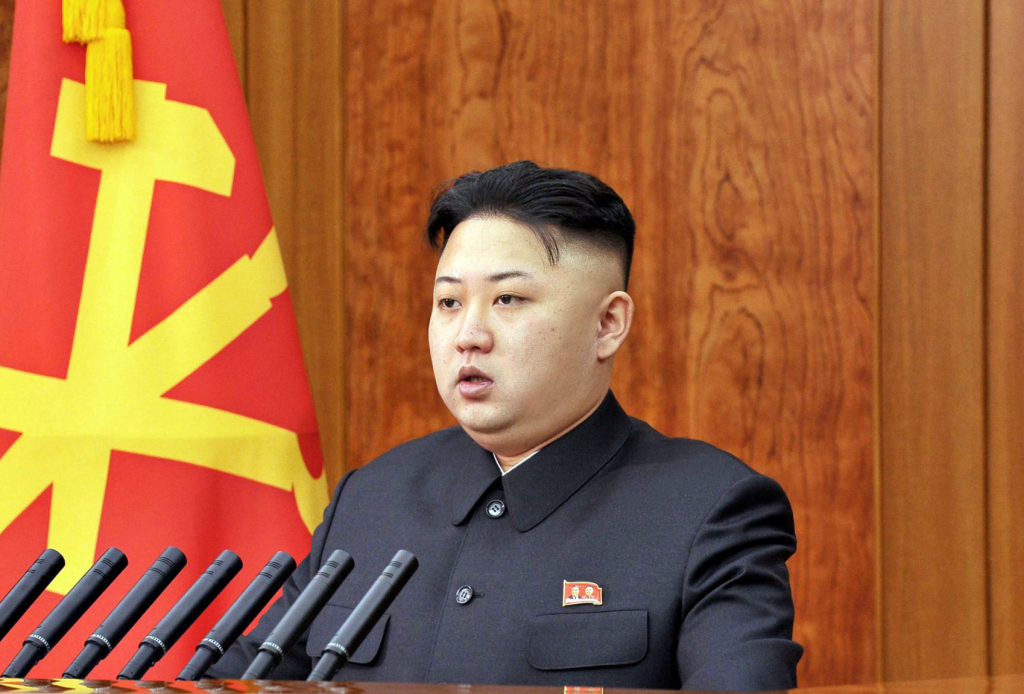
If North Korea has been a foreign policy headache for Barack Obama‘s presidency, it threatens to be a migraine for his successor. The next president will likely contend with an adversary able to strike the continental U.S. with a nuclear weapon. Whoever wins the White House in the Nov. 8 election is expected to conduct a review of North Korea policy. It’s too early to predict what that portends, but the North will grab more attention of the next president than it did for Obama, who adopted strategic patience: ramping up sanctions in a so-far fruitless effort to force the North to negotiate on denuclearization. With surprising candor this week, National Intelligence director James Clapper said that persuading North Korea to give up its nuclear weapons is probably a “lost cause.” That appeared to challenge to a key tenet of U.S. policy shared by U.S. allies and adversaries alike that agree on the goal of the denuclearization of the divided Korean Peninsula, however distant it may be. But Clapper was also channeling what many experts are thinking. Leader Kim Jong Un appears to see nuclear weapons as a guarantee of his own survival. Six-nation aid-for-disarmament talks have not convened since Obama took office in 2009, during which time the North’s capabilities have leapt ahead. “Without a shift in U.S. strategy toward North Korea, the next U.S. president will likely be sitting in the Oval Office when the regime finally acquires the ability to strike the continental United States with a nuclear weapon,” said a recent Council on Foreign Relations report. Speaking at the council in New York on Tuesday, Clapper said that North Korea has yet to test its KN-08 intercontinental ballistic missile, so it is unclear if it works, but the U.S. operates on the “worst-case” assumption that Pyongyang is potentially capable of launching a missile with a weapon on it that could reach Alaska and Hawaii. Experts have estimated the missile, which can be moved by road, making it harder to target in a pre-emptive strike, could be operational by around 2020. With five nuclear tests now under its belt, the North may already be able to miniaturize a warhead for use on a short-range missile, if not on an intercontinental missile. It has also launched two rockets into space, and has begun testing submarine-launched missiles. U.S. experts estimate that it now has 13 to 21 nuclear weapons, and could have as many as 100 by 2020 – approaching what India likely has today. Clapper said the best hope for the U.S. is probably to negotiate a cap on the North’s nuclear capabilities. But that implies recognition of North Korea as a nuclear weapons state, which the U.S. has said it will not do. “The dilemma for policymakers in dealing with North Korea is that if one accepts that the door to negotiation of denuclearization with North Korea is closed, the alternative set of options involves either acquiescence to a nuclear North Korea on the one hand or pressure leading to regime change on the other,” said Scott Snyder, senior fellow for Korea studies at the council. Of the U.S. presidential candidates, Democrat Hillary Clinton wants the international community to intensify sanctions as the Obama administration did with Iran, which eventually opened the way for a deal to contain its nuclear program. Divining what Republican Donald Trump might do is tricky. He wants the U.S. to leverage its trade ties to get China to rein in its unpredictable ally. But he’s also said he’d be ready to meet Kim, and suggested detaching the U.S. from the problem by allowing its allies Japan and South Korea to get nuclear weapons. U.S. experts who held unofficial talks with North Korean officials in Malaysia last week maintain that negotiations on denuclearization are still possible. “I think the best course would be to test the proposition by some serious engagement in which we see whether their (North Korea’s) legitimate security concerns can be met,” said Robert Gallucci, who negotiated a 1994 disarmament agreement that curbed North Korea’s nuclear program for nearly 10 years. He added that the concerns of neighboring South Korea and Japan – they face the most immediate threat from Pyongyang – would also have to be met. “We don’t know for sure that negotiations will work, but what I can say with some confidence is that pressure without negotiations won’t work, which is the track we are on right now,” said another participant, Leon Sigal from the New York-based Social Science Research Council. But there is a deep, bipartisan skepticism in Washington about talks with Pyongyang, which has recanted on past accords and says it will never give up its nuclear weapons. It claims it needs nukes to deter an invasion by the U.S., which has 28,500 troops in South Korea. Still, North Korea has not entirely closed the door to talks. A July government statement suggested it remained open to discussions on denuclearization of the peninsula. The U.S., however, slapped sanctions on Kim the same day for human rights abuses. The North said that was tantamount to declaring war. Republished with permission of the Associated Press.
Hillary Clinton, Donald Trump buff foreign policy bona fides on debate eve
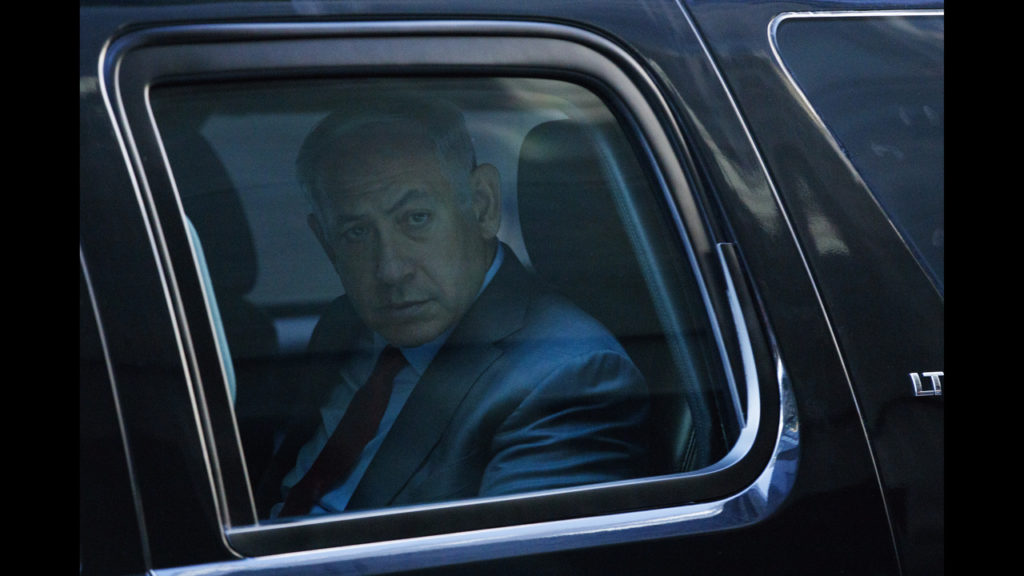
Hillary Clinton and Donald Trump were meeting separately with Israeli Prime Minister Benjamin Netanyahu Sunday, giving the each candidate fresh bragging rights about their knowledge of foreign policy and readiness to lead the nation on the eve of their first presidential debate. Trump and Netanyahu discussed “at length” Israel’s use of a fence to help secure its borders, an example Trump frequently cites when he’s talking about the wall he wants to build between the U.S. and Mexico. “Trump recognized that Israel and its citizens have suffered far too long on the front lines of Islamic terrorism,” the campaign said in a statement. “He agreed with Prime Minister Netanyahu that the Israeli people want a just and lasting peace with their neighbors, but that peace will only come when the Palestinians renounce hatred and violence and accept Israel as a Jewish State.” Clinton was expected to meet with the prime minister later in the day, also in New York. The meeting was designed to put Israel on good footing with the next U.S. president. But it also served to showcase the candidates’ expertise in foreign policy in the shadow of their first debate Monday, six weeks before Election Day. Clinton, a former senator and secretary of state, often says that Trump does not know enough about the world and lacks the temperament to be president. Trump has argued that he has extensive experience with foreign policy through his career as a business executive and blames Clinton for many of the nation’s stumbles in foreign policy. Meanwhile, the candidates deployed their top supporters to the Sunday shows to take early jabs at their opponents and lower expectations for a showdown expected to draw 75 million viewers — many of them disenchanted with both candidates, the least-popular presidential hopefuls in history. Facts and who will determine them during the 90-minute debate seemed to be a top concern of the campaigns’ strategists given Trump’s habit of saying things that are untrue and the public’s general distrust of Clinton. Robby Mook, Clinton’s campaign manager, told ABC’s “This Week” that he is concerned Trump will continue his habit of sometimes saying things that aren’t true and still get a passing grade. He called on moderator Lester Holt to correct any inaccuracies made by the candidates. But Trump’s campaign manager, Kellyanne Conway, said it’s not the job of debate moderators to fact check. Trump’s vice presidential running mate, Mike Pence, meanwhile, said that Gennifer Flowers will not attend the debate. Trump had tweeted that if frequent Trump critic Mark Cuban attended the showdown, he’d put Flowers, allegedly the former mistress of Clinton’s husband Bill, in the audience too. Conway said that Flowers had a right to be there if “somebody else gives her a ticket.” But Pence drew a harder line. “Gennifer Flowers will not be attending the debate tomorrow night,” Pence said on “Fox News Sunday.” The candidates were focused on other matters Sunday. Trump’s campaign said that during his meeting with Netanyahu, the Republican presidential nominee promised, “extraordinary strategic, technological, military and intelligence cooperation between the two countries” if he’s elected. The press was barred from covering the meeting between Netanyahu and Trump, but Trump’s campaign said in a statement that the men, who have known each other for years, discussed “many topics important to both countries,” including “the special relationship between America and Israel and the unbreakable bond between the two countries.” Among those topics: the nuclear deal with Iran, the battle against Islamic State militants, military assistance provided by the U.S. to Israel and other security issues. Republished with permission of the Associated Press.
Venturing to Mexico, Donald Trump defends right to build huge wall

On Mexican soil for the first time as the Republican presidential nominee, a firm but measured Donald Trump defended the right of the United States to build a massive border wall along its southern flank, standing up for the centerpiece of his immigration plan in a country where he is widely despised. Trump, who previously derided Mexico as a source of rapists and criminals, praised Mexicans Wednesday as “amazing people” following a closed-door meeting at the official residence of the country’s president, Enrique Pena Nieto. Trump and the Mexican president, who has compared the New York billionaire to Adolf Hitler, addressed reporters from adjacent lecterns before a Mexican flag. The trip, 10 weeks before America’s presidential Election Day, came just hours before Trump was to deliver a highly anticipated speech in Arizona about illegal immigration. That has been a defining issue of his presidential campaign, but also one on which he’s appeared to waver in recent days With political risks high for both men, Trump stayed on script, declining to repeat his promise to force Mexico to pay for a wall along the border between the two countries when pressed by reporters. While he and Pena Nieto talked about the wall, Trump said they didn’t discuss who would pay for a cost of construction pegged in the billions. “Having a secure border is a sovereign right and mutually beneficial,” Trump said, reading from prepared remarks. “We recognize and respect the right of any country to build a physical barrier or wall on any of its borders to stop the illegal movement of people, drugs and weapons. Cooperation toward achieving this shared objective — and it will be shared — of safety for all citizens is paramount to both the United States and to Mexico.” Trump’s presence on Wednesday, his first meeting with a head of state abroad as a presidential candidate, sparked anger and protests across Mexico’s capital city. Former Mexican President Vicente Fox bluntly told the celebrity businessman that, despite Pena Nieto’s hospitality, he was not welcome. “We don’t like him. We don’t want him. We reject his visit,” Fox said on CNN, calling the trip a “political stunt.” Pena Nieto was less combative as he addressed reporters alongside Trump. He acknowledged the two men had differences and defended the contribution of Mexicans working in the United States, but he described the conversation as “open and constructive.” He and Trump shook hands as the session ended. Pena Nieto’s performance came in for immediate condemnation from his many critics in Mexico. “Pena ended up forgiving Trump when he didn’t even ask for an apology,” said Esteban Illades, the editor of Nexos magazine. “The lowest point of the most painful day in the history of the Mexican presidency.” After saying during his Republican primary campaign he would use a “deportation force” to expel all of the estimated 11 million people living in the United States illegally, Trump suggested last week he could soften that stance. But he still says he plans to build a huge wall — paid for by Mexico — along the two nations’ border. He is under pressure to clarify just where he stands in the Wednesday night speech, which had been rescheduled several times. Trump’s running mate, Indiana Gov. Mike Pence, told CBS earlier in the day that Trump would make clear “that there will be no path to legalization, no path to citizenship. People will need to leave the country to be able to obtain legal status or obtain citizenship.” The buildup to the speech was abruptly interrupted Tuesday night by the news that Trump would visit Mexico, accepting on short notice an invitation offered last week by Pena Nieto. The newspaper El Universal wrote in an editorial that Trump “caught Mexican diplomats off guard.” Campaigning in Ohio earlier in the day, Democrat Hillary Clinton jabbed at Trump’s Mexican appearance as she promoted her own experience working with foreign leaders as the nation’s chief diplomat. “People have to get to know that they can count on you, that you won’t say one thing one day and something totally different the next,” she told the American Legion in Cincinnati. “And it certainly takes more than trying to make up for a year of insults and insinuations by dropping in on our neighbors for a few hours and then flying home again.” Trump has promised, if elected, to deport millions of immigrants who are in the United States illegally, force Mexico to pay for the construction of a wall to secure the nearly 2,000-mile border and renegotiate the NAFTA trade agreement to make it more favorable to the United States. Pena Nieto suggested there was room to improve the trade deal, which Trump described as unfair to American workers. The New York businessman promised to promote trade deals that would keep jobs in the Western Hemisphere. Pena Nieto made his invitation to both Trump and Clinton, who met with him in Mexico in 2014. The inclusion of Trump puzzled many in Mexico, who said it wasn’t clear why their own unpopular president would agree to meet with someone so widely disliked in his country. Pena Nieto has been sharply critical of Trump’s immigration policies, particularly the Republican’s plans to build a wall and have Mexico pay for it. In a March interview, he said that “there is no scenario” under which Mexico would do so and compared Trump’s language to that of dictators Hitler and Benito Mussolini. Pena Nieto did not repeat such criticism on Wednesday, but acknowledged Trump’s comments had “hurt and affected Mexicans.” “The Mexicans deserve everyone’s respect,” he said. Republished with permission of The Associated Press.
Donald Trump speech will focus on ‘foreign policy realism’
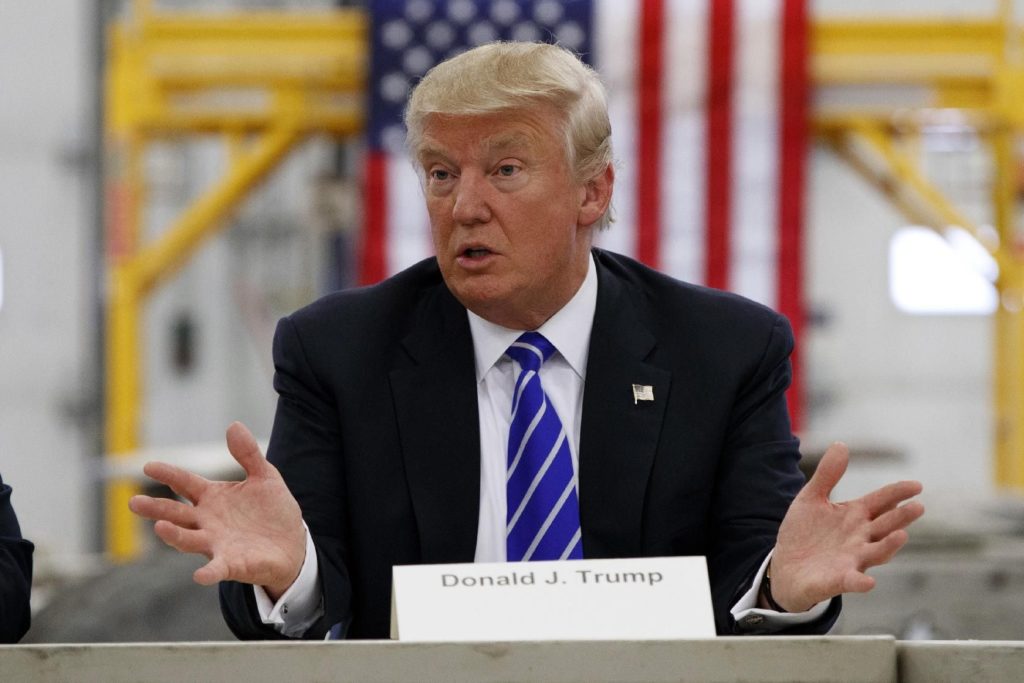
Donald Trump will declare an end to nation-building if elected president, replacing it with what aides described as ‘‘foreign policy realism’’ focused on destroying the Islamic State and other terrorist organizations. In a speech the Republican presidential nominee was scheduled to deliver Monday in Ohio, Trump will argue that the country needs to work with anyone who shares that mission, regardless of other ideological and strategic disagreements. Any country that wants to work with the United States to defeat ‘‘radical Islamic terrorism’’ will be a US ally, he is expected to say. ‘‘Mr. Trump’s speech will explain that while we can’t choose our friends, we must always recognize our enemies,’’ Trump senior policy adviser Stephen Miller said ahead of the speech. Trump is also expected to outline a new immigration policy proposal under which the United States would stop issuing visas in any case where it cannot perform adequate screenings. It will be the third iteration of a policy that began with Trump’s unprecedented call to temporarily bar foreign Muslims from entering the country — a religious test that was criticized across party lines as un-American. In a speech after the Orlando nightclub shooting, Trump introduced a new standard, vowing to ‘‘suspend immigration from areas of the world where there is a proven history of terrorism against the United States, Europe or our allies, until we fully understand how to end these threats.’’ Now, aides say, the campaign needs access to undisclosed government documents to assess exactly where the most serious threats lie. He is also expected to propose creating a new ideological test for admission to the country that would assess a candidate’s stances on issues such as religious freedom, gender equality, and gay rights. Through questionnaires, searching social media, or other means, applicants would be vetted to see whether they support US values like tolerance and pluralism. The candidate is also expected to call in the speech for declaring in explicit terms that, like during the Cold War in the fight against communism, the nation is in an ideological conflict with radical Islam. Trump’s Democratic rival Hillary Clinton and top US government officials have warned of the dangers of using that kind of language to describe the conflict, arguing that it plays into militants’ hands. While Trump has been criticized in the past for failing to lay out specific policy solutions, aides say that Monday’s speech will again focus on his broader vision. Additional speeches with more details are expected in the weeks ahead, they said. Trump is also expected to spend significant time going after President Obama and Clinton, the former secretary of state, blaming them for enacting policies he argues allowed the Islamic State to spread. ‘‘Mr. Trump will outline his vision for defeating radical Islamic terrorism, and explain how the policies of Obama-Clinton are responsible for the rise of ISIS and the spread of barbarism that has taken the lives of so many,’’ Miller said Sunday in an email, using an alternative acronym for the Islamic State group. The speech comes as Trump has struggled to stay on message. Last week, an economic policy speech he delivered calling for lower corporate taxes and rolling back federal regulations was overshadowed by a series of provocative statements, including falsely declaring that Obama was the ‘‘founder’’ of the Islamic State group. Trump’s allies said Sunday they’re confident that this time, the billionaire developer will stay on track. ‘‘Stay tuned, it’s very early in this campaign. This coming Monday, you’re going to see a vision for confronting radical Islamic terrorism,’’ his vice presidential running mate, Mike Pence, said on Fox News Sunday. Trump and his top advisers, meanwhile, have blamed the media for failing to focus on his proposals. ‘‘If the disgusting and corrupt media covered me honestly and didn’t put false meaning into the words I say, I would be beating Hillary by 20 percent,’’ he tweeted Sunday. Republished with permission of The Associated Press.
Joe Biden asserts Donald Trump could trigger surge in anti-Americanism
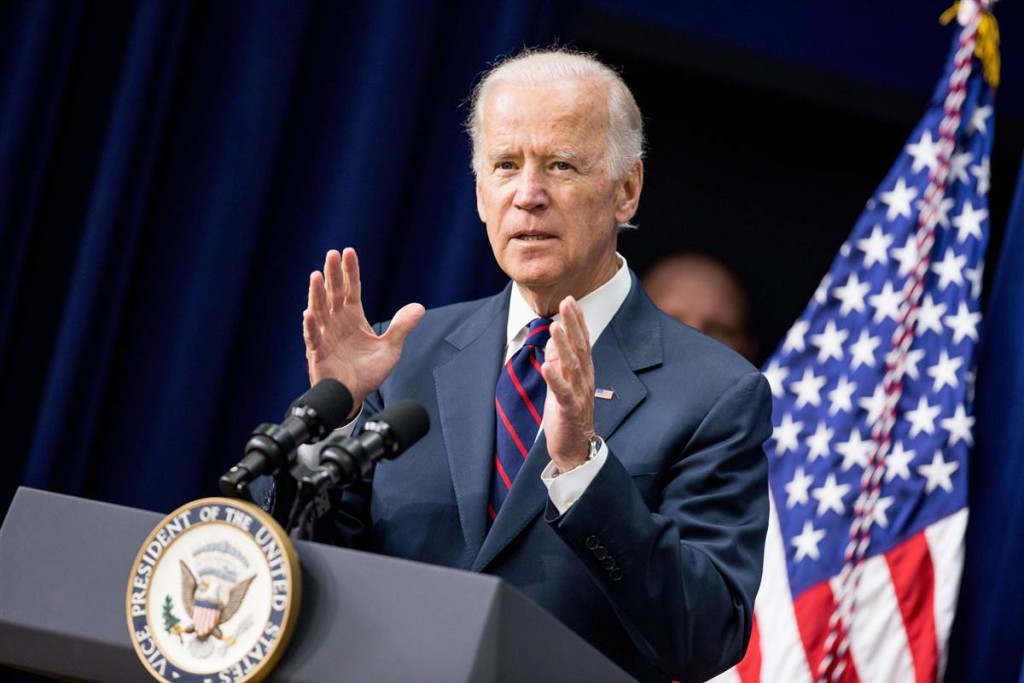
Warning of a potential surge in anti-Americanism, Vice President Joe Biden is tearing into Donald Trump’s views on foreign policy and urging the country not to follow the presumptive Republican nominee down a path of isolationism and bigotry. Biden, in a speech Monday to the Center for New American Security, planned to deliver a point-by-point rebuttal of Trump’s ideas on immigration, terrorism and relations with Russia. In excerpts of his speech released in advance by the White House, Biden cautioned against policies he said would make the U.S. and its neighborhood poorer, less democratic and less secure. “Wielding the politics of fear and intolerance, like proposals to ban Muslims from entering the United States or slandering entire religious communities as complicit in terrorism, calls into question America’s status as the greatest democracy in the history of the world,” Biden planned to say. Biden’s speech to the Washington think tank was to form his most concerted and lengthy rebuke to date of Trump, and comes as Biden and President Barack Obama are increasingly inserting themselves into the election in an attempt to stop Trump. Earlier this month both Biden and Obama endorsed Hillary Clinton, and both Democrats are expected to start campaigning aggressively for her in the coming days. Although Biden didn’t mention Trump by name in the excerpts of his speech, his intended target was clear. On Sunday, Trump went beyond his previous calls for temporarily banning Muslim immigration by suggesting the U.S. should consider profiling Muslims already in the U.S. The Republican has also called for reinstating waterboarding and other harsh interrogation methods to try to prevent terrorist attacks. “Adopting the tactics of our enemies — using torture, threatening to kill innocent family members, indiscriminately bombing civilian populations — not only violates our values, it’s deeply damaging to our security,” Biden said. He echoed Obama’s argument that demonizing the world’s Muslims would actually help the Islamic State group by playing “into the narrative of extremists.” Biden, who considered running for president before bowing out last year, said the country was at an “inflection point” in which hard-fought gains of the past several years risk being squandered. He dismissed those who “seek sound bite solutions in a world defined by complexity,” in another clear swipe at Trump. “If we build walls and disrespect our closest neighbors, we will quickly see all this progress disappear, replaced by a return of anti-Americanism and a corrosive rift throughout our hemisphere,” Biden said. The vice president also sought to undercut Trump’s argument that if elected, the U.S. would enjoy a more constructive and friendly relationship with Russia, following a dysfunctional relationship under Obama. Russian President Vladimir Putin, who has praised Trump’s intelligence in the past, more recently dodged questions about whether he prefers Trump or Clinton and pledged to work with whoever wins. “Embracing Putin at a time of renewed Russian aggression could call into question America’s longstanding commitment to a Europe whole, free and at peace,” Biden said. “But neither is it time to dust off the Cold War playbook.” Though the U.S. cut off formal military ties with Russia in 2014 to protest its actions in Ukraine, the two militaries have sought to maintain lines of communication to avoid an inadvertent confrontation in Syria, where both militaries are fighting the Islamic State group but backing opposing sides in Syria’s civil war. Biden said that as new military technologies raise the risk of a mistake or escalation, the U.S. needs to find “new channels with Moscow to clearly communicate our intentions.” Republished with permission of The Associated Press.
Hillary Clinton to attack Donald Trump’s foreign policy in San Diego speech
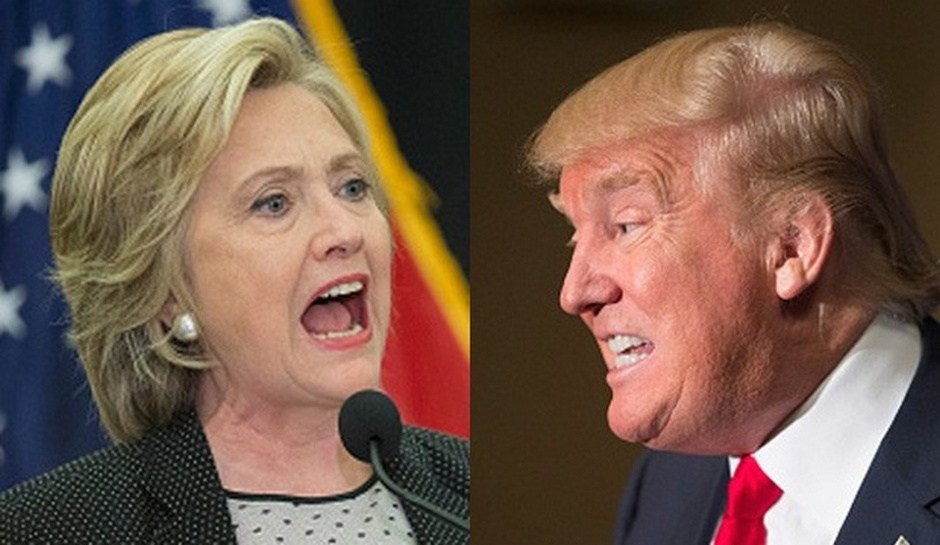
Hillary Clinton is set to unleash a major foreign policy attack on Donald Trump, using a speech in San Diego to cast the Republican as unqualified and dangerous. The former secretary of state, who has repeatedly called Trump a “loose cannon,” will seek Thursday to contrast her foreign policy experience with Trump’s. Foreign policy adviser Jake Sullivan said Clinton would make clear how high the stakes are in the race, as well as share her “larger vision of who we are, what we’re all about as a country.” “She is going to make clear why Donald Trump is simply unqualified to be commander in chief,” Sullivan said, adding that the speech “will go into specifics in a very direct and clear way about what makes Donald Trump unfit, both in terms of temperament and ideas. This is as full-throated and full-bodied a case as you will have seen from anyone on the danger that Donald Trump poses.” During an appearance in Newark, New Jersey, Wednesday, Clinton assailed Trump over his past statements, criticizing him for proposing to ban Muslims from entering the country, for advocating the use of torture and for saying other countries should acquire nuclear weapons. “This is not just divisive rhetoric, my friends, this is dangerous,” Clinton said. “What he has already said has given aid and comfort to terrorists.” Clinton and Trump offer starkly different visions of U.S. foreign policy. Clinton’s detail-oriented proposals reflect the traditional approach of both major parties. Despite differences on some issues, such as the Iraq war and Iran, Democratic and Republican presidents have been generally consistent on policies affecting China, Russia, North Korea, nuclear proliferation, trade, alliances and many other issues. Trump says U.S. foreign policy has failed. His strong-man “America first” approach is short on details, but appeals to the emotions of angry voters who believe that successive leaders have weakened the country, made it vulnerable to terrorism and have been duped into bad trade deals that have cost American jobs. Trump accused Clinton of lying about his foreign policy plans at a rally at an airport hangar in Sacramento, California, Wednesday night. “She lies. She made a speech and she’s making another one tomorrow. And they sent me a copy of the speech and it was such lies about my foreign policy,” Trump said. “They said I want Japan … to get nuclear weapons. Give me a break,” he objected. “I want Japan and Germany and Saudi Arabia and South Korea and many of the NATO nations – they owe us tremendous. We’re taking care of all these people. And what I want them to do is pay up.” Trump has suggested in the past that he might be OK with Japan one day obtaining nuclear weapons. Clinton’s campaign hopes her foreign policy experience will appeal to voters who may be wary of Trump’s bombastic style and lack of international experience. They hope those points, combined with Trump’s controversial statements about women and minorities, will give Clinton opportunities with independent and moderate Republican voters. In recent days, Clinton has criticized Trump over his past business practices, his recent promises to raise money for veterans and his now defunct education company, Trump University. On Wednesday Clinton called Trump a “fraud” and said the real estate mogul had taken advantage of vulnerable Americans. Trump has pushed back against the critiques. On the education company, he has maintained that customers were overwhelmingly satisfied with the offerings. While Clinton is stressing her concerns about Trump, she is still dealing with her primary race. Clinton needs just 71 more delegates from states voting Tuesday to win the Democratic primary, but is dealing with an increasingly tough fight with rival Bernie Sanders in California, where the Vermont senator is gaining in polling. Clinton plans to be in California though Monday as she seeks to avoid a primary loss there. Republished with permission of The Associated Press.
Bradley Byrne: We still don’t have a strategy to fight ISIS
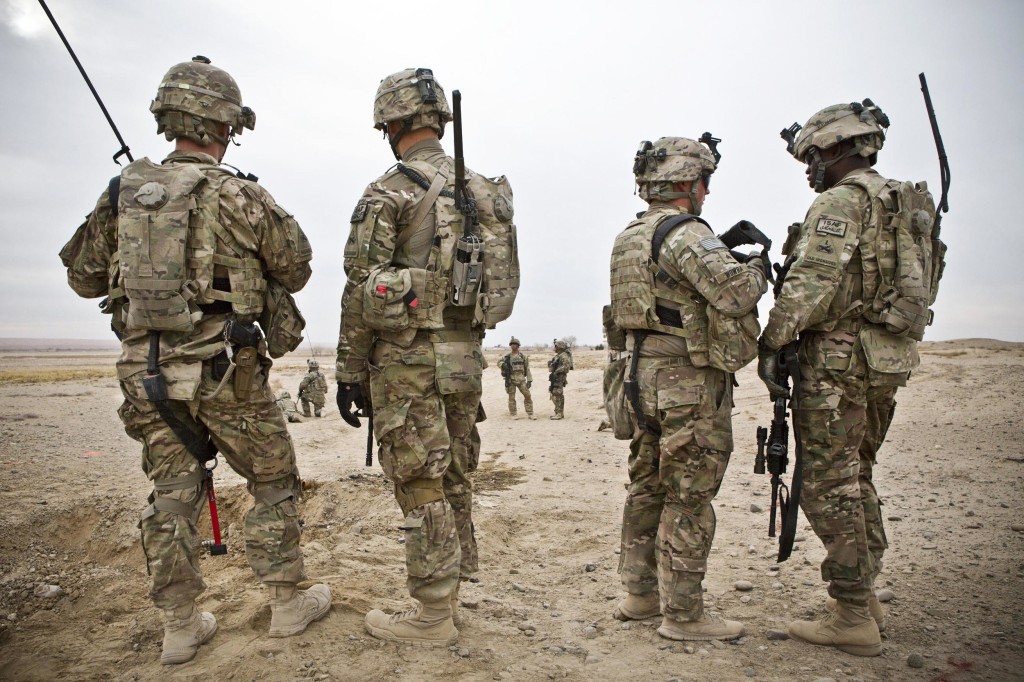
For over a year now, I have been pointing out that the Obama Administration lacks a clear strategy to defeat the Islamic State of Iraq and Syria (ISIS). This is the brutal terrorist organization that holds significant territory in the Middle East and claims responsibility for attacks in Brussels, Paris, and San Bernardino, California. When I visited the Middle East a few years ago, ISIS was gaining power and influence. In each country, I heard from American allies who were worried about ISIS and the lack of leadership from the United States. No one expected the United States to lead the fight alone, but they looked to us for guidance. Instead of leading, the President called ISIS a “JV team” and refused to acknowledge that our actions in Syria and Iraq were contributing to ISIS’s growth. At the same time, Syria was engaged in a violent civil war and Iraq’s military was falling apart. The United States has since started air strikes intended to disrupt ISIS operations and kill ISIS leadership. A few other countries have joined those efforts, but we still lack the large-scale support from U.S. allies that is needed to defeat ISIS. Don’t get me wrong: a number of American service members are doing a valiant job to defeat the enemy, but Administration has not given them a winning strategy. In other words, it doesn’t matter how great the athletes are on a football team if the coach does not have a game plan on how to win the game. That’s the challenge facing our military today. With this in mind, Congress included a provision in the annual National Defense Authorization Act last year that required the Obama Administration to submit a plan outlining their strategy for the Middle East and to defeat ISIS. The law couldn’t have been clearer. It said the report should be submitted to Congress “not later than February 15, 2016.” Well, February 15th came and passed without a plan being submitted to Congress. A few weeks ago, Secretary of Defense Ash Carter, who was responsible for submitting the report, testified before the Armed Services Committee about his annual budget request. I used the hearing to ask Secretary Carter why he had failed to submit the report on time as required by law. When an average American violates the law, there are consequences. The same should apply to leaders in the federal government. No one, regardless of their political position, should ever be above the law. I asked the Secretary where the report was and if he agreed the law was broken. Secretary Carter failed to answer my questions and simply said the report’s release was “imminent.” Well, two days later and over a month late, the report was submitted to Congress. It was only seven pages long and lacked a clear strategy. It reminded me of a kid who forgot to do their homework, so they recklessly threw something together at the last minute. Either the Obama Administration didn’t take the request from Congress seriously or they actually don’t have a strategy to defeat ISIS and combat Islamic extremism in the Middle East. I fear that both of those are true. Only the President, as the Commander-in-Chief of the military, can put forward a strategy for our military. So far, President Obama has failed to do that and ISIS continues to grow. In Congress, it is our job to continue holding the President and his advisors to the fire until they follow the law. As a member of the Armed Services Committee, I will continue doing just that. The safety and security of the American people require it. • • • Bradley Byrne is a member of U.S. Congress representing Alabama’s 1st Congressional District.
State Auditor Jim Zeigler: On foreign policy, President Obama is no FDR
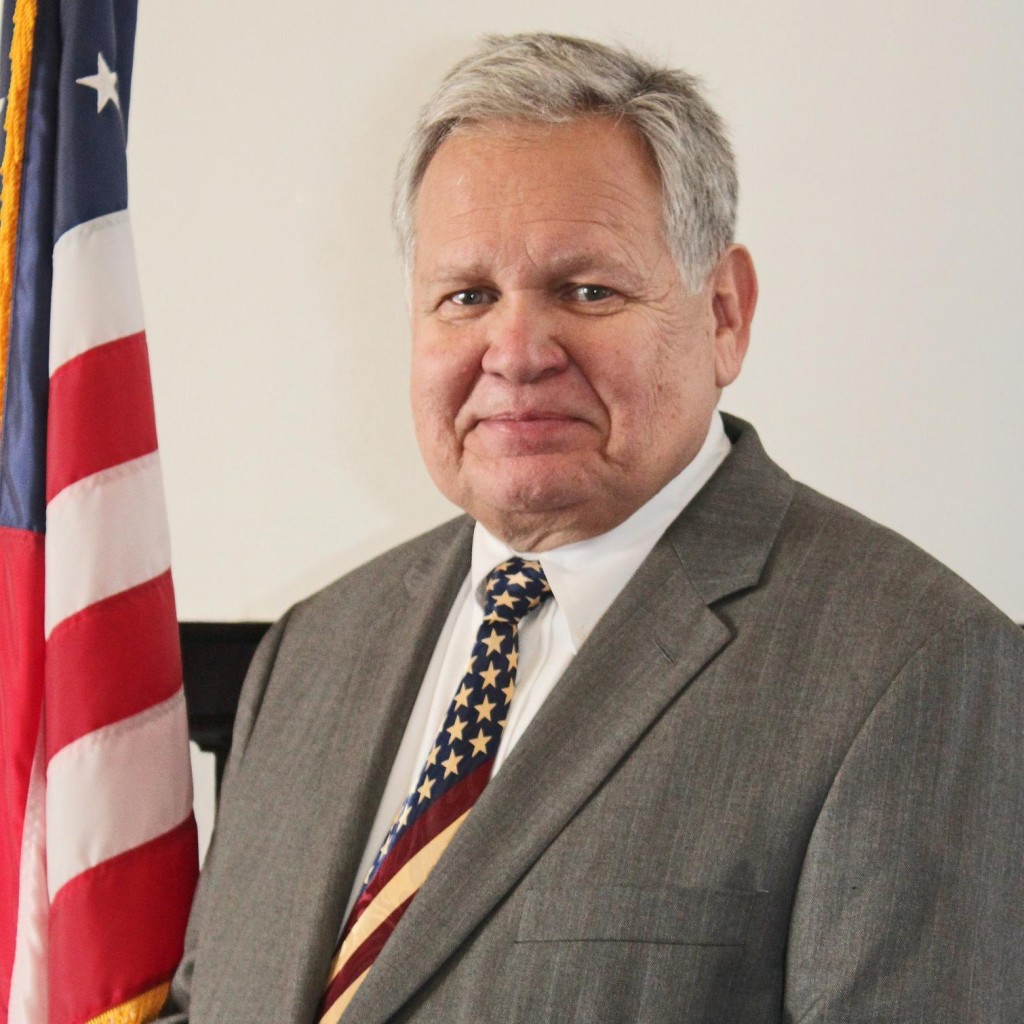
Alabama State Auditor Jim Zeigler, never shy with his thoughts on politics, took the occasion of President Barack Obama‘s speech Sunday night to compare the address to President Franklin Roosevelt gave on the eve of the Second World War. The result? No comparison, as Obama’s rhetoric falls far short, said Zeigler. “On this Pearl Harbor Remembrance Day, President Obama’s oval office speech cries out for comparison with the Presidential speech given Dec. 8 of 1941,” said Zeigler. “Obama announced no new military strategy, gave no clear plan for protecting America, and continued to blame Americans. Contrast the Franklin Roosevelt speech a day after the Pearl Harbor attack.” Zeigler says the world stage today is not unlike that of 74 years ago, when Nazi Germany’s incursions into eastern Europe were continuing unabated and fascist leaders in Italy and Japan were pressing their neighbors and threatening the global status quo. Zeigler quoted from FDR’s historic speech from the day after Pearl Harbor, when the President addressed Americans and an embattled world which had passed the point of no return. “Yesterday, December 7, 1941—a date which will live in infamy—the United States of America was suddenly and deliberately attacked by naval and air forces of the Empire of Japan,” said Roosevelt, in a turn of phrase inscribed in world history. “The United States was at peace with that nation, and, at the solicitation of Japan, was still in conversation with its government and its emperor looking toward the maintenance of peace in the Pacific,” Zeigler quoted Roosevelt. “Indeed, one hour after Japanese air squadrons had commenced bombing in the American island of Oahu, the Japanese ambassador to the United States and his colleague delivered to our secretary of state a formal reply to a recent American message. While this reply stated that it seemed useless to continue the existing diplomatic negotiations, it contained no threat or hint of war or armed attack,” said Roosevelt, in line of rhetoric led to a trope of perceived “sneaky” Japanese behavior that persisted long afterward, culminating in internment for thousands of immigrants from the island nation. Zeigler provided a link to the full speech, which can be found here. The statement Monday was far from the first time Zeigler had criticized Obama and his administration. Zeigler recently wrote an op-ed in support of Donald Trump‘s 2016 White House candidacy, calling him the “un-Obama” along the way to critiquing the administration’s “dumb” Iran deal and saying the government is best run by “a business tycoon, not a community organizer,” a dig at Obama’s past as an activist. Zeigler, who holds a unique ombudsman-like office elected statewide, had mostly stuck to state politics of late, however. The auditor has decried the removal of former Govs. George and Lurleen Wallace‘s official portraits from the Capitol rotunda, the state’s closure of half a dozen state parks amid budget cuts, as well as in favor of reimbursement a state scholarship plan fund and other sundry state issues.
Conservative dissent against Obama refugee resettlement plan continues to mount
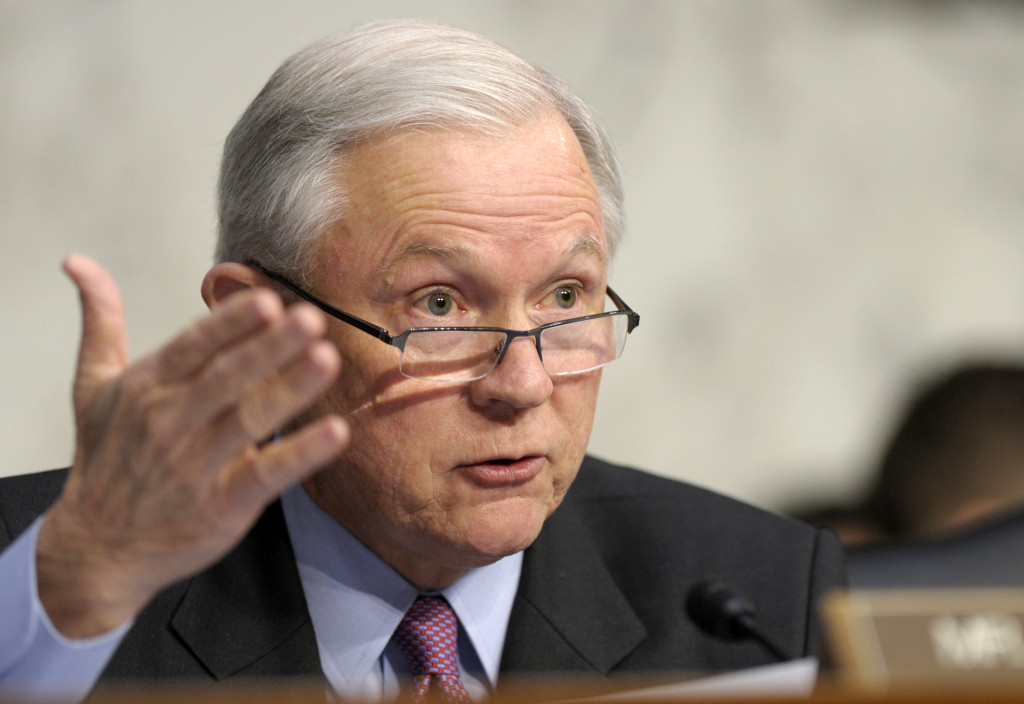
As President Barack Obama continues to seek public support for yet another controversial foreign policy initiative, in Alabama, his plan to raise the cap on refugees allowed into the country is instead garnering stern reproach from elected officials. The president, via Secretary of State John Kerry, recently rolled out a plan to gradually increase the annual cap on refugees allowed into the country from foreign soil to 100,000, up from 70,000 today. Alabama’s junior senator Sen. Jeff Sessions, on Monday took to the rostrum in the Capitol to excoriate Obama’s plan, saying the U.S. had already taken in some 1.5 million immigrants from Muslim nations since the attacks of September 11 and that given our federal deficit, that is plenty for the time being. “The U.S. has already taken in four times more immigrants than any other nation on Earth. Our foreign-born population share is set to break every known historical record,” inveighed Sessions. “Ninety percent of recent refugees from the Middle East living in our country are receiving food stamps and approximately 70 percent are receiving free healthcare and cash welfare. All of the nearly 200,000 refugees the Administration is planning to bring over the next two years would be entitled to these same benefits the moment they arrive.” “Since we are running huge deficits, every penny of these billions in costs will have to be borrowed and added to the debt,” Sessions added. He is far from alone in his opposition, especially among fellow southern Republicans. Congressman Bradley Byrne on Tuesday issued an announcement detailing his recent letter to the State Department citing concerns – echoed by Sessions and conservative columnist Rich Lowry in Monday’s New York Post among others – surrounding the nation’s limited capacity for vetting the incoming refugees. “Terrorist groups have made clear they intend to use the refugee process to infiltrate our country, and I have serious concerns about increasing the number of allowed refugees,” wrote Byrne in a letter to the department’s Bureau of Population, Rufugees, and Migration. So far, the U.S. has only accepted 1,500 refugees from Syria since the civil conflict began there four years ago. Millions have been displaced, largely looking to resettle in Turkey – which has taken in some 2 million Syrian refugees – or in continental Europe. Germany for instance, expects to take in up to 1 million refugees this year. The U.S. announced plans earlier this week to contribute some $419 million in aid to European and Middle Eastern countries which have taken the brunt of the mass exodus out of war-torn Syria.
Martha Roby: Iran deal is flawed, weak
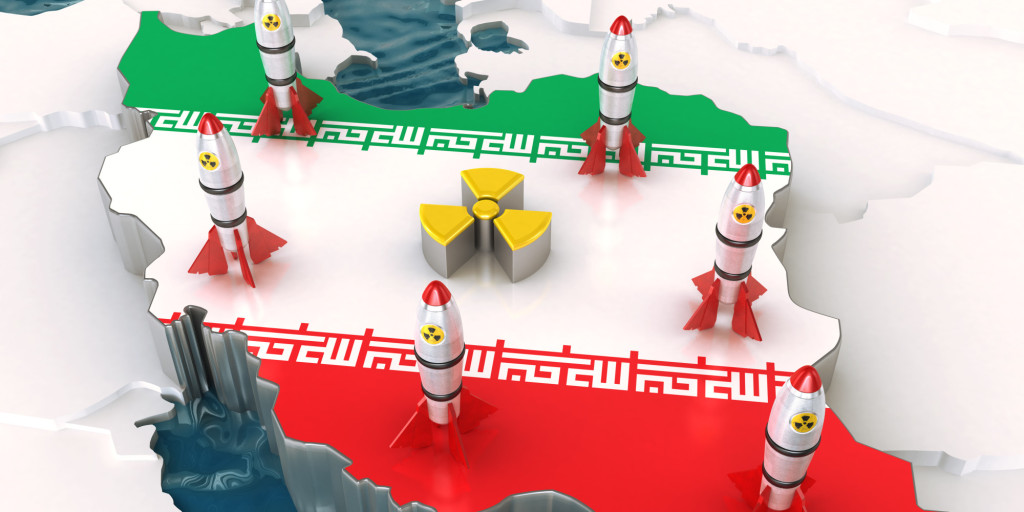
Among the most pressing issues facing Congress as we reconvene is a resolution to reject President Obama’s proposed agreement over Iran’s nuclear capabilities. I’ve discussed my thoughts about the deal as I’ve travelled throughout Alabama’s 2nd Congressional District the last few weeks and I’ve listened to the concerns expressed by those I represent. Many remain puzzled as to why are we negotiating in the first place with a regime that has a stated intent to destroy the United States and Israel. Remember that just days after this deal was reached, Iran’s Supreme Leader applauded and encouraged a large crowd gathered in Tehran as it chanted “Death to America!” and “Death to Israel!” Also puzzling is, even if we are going to negotiate, why be so unwilling to walk away when our stated objectives fall one after the other? I share my constituents’ frustration at a flawed, weak deal that seems to serve Iran’s interests at the expense of our own. How is that? First, inspections are not “anywhere, anytime” like negotiators originally said would be a deal-breaking must. In fact, at certain sites the Iranians could have up to 24 days’ notice before inspectors are allowed in. That’s a joke. And, even then, Americans are prohibited from making unilateral inspections. Second, the “snap back” provisions the Administration points to as accountability mechanisms are weak by their own admission. Secretary Kerry and President Obama have repeatedly said that our unilateral economic sanctions don’t work and put the United States at a disadvantage. Yet, the threat of those very sanctions “snapping back” into place is supposed to be the way we make sure Iran lives up to the agreement. They can’t have it both ways. If our sanctions aren’t strong enough on their own now, why would we rely on them as a way to hold Iran accountable in the future? Third, under this deal, at least $50 billion would flow into Iran’s coffers. Let’s not kid ourselves to think that the world’s foremost state sponsor of terrorism won’t turn around and fund those who want to harm Americans and our allies. So, not only will we have paved the way for Iran to obtain a nuclear weapon and potentially initiated a nuclear arms race in the Middle East, but we will have strengthened the hand of this adversarial state while weakening our own. Reports say President Obama now has the votes in the Senate to sustain a veto of our resolution rejecting the deal. That won’t stop me from working with my colleagues to point out these weaknesses and make those Senators defending this deal explain why to their constituents. One silver lining is, because this is an executive agreement and not a treaty, it is subject for review in the next administration. Let’s pray our next president doesn’t adhere to a foreign policy doctrine of “leading from behind.” Martha Roby represents Alabama’s 2nd Congressional District. She is currently serving her third term.
