
Democrats push ahead with short-term bill to avoid shutdown
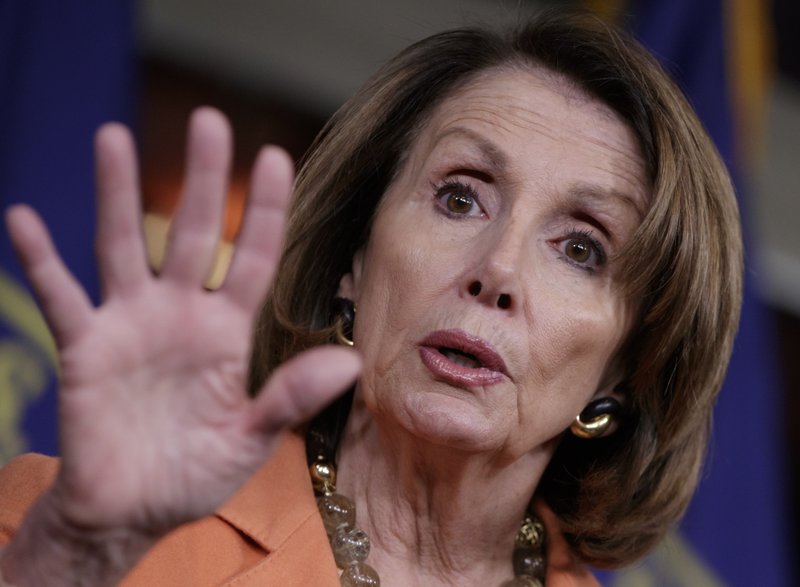
Democrats controlling the House are steering clear of controversy in a short-term, government-wide spending measure that’s needed to prevent a government shutdown at the end of September. House Speaker Nancy Pelosi has agreed to a White House request to replenish funds for bailout payments to farmers absorbing heavy losses as a result of President Donald Trump’s trade battles with China. She has also rejected suggestions from House liberals to try to use the must-pass stopgap measure to try to reverse the president’s controversial moves to raid military base construction projects to pay for the border wall, The temporary spending bill would keep the government running through Nov. 21 and is to be released Tuesday. House and Senate votes are expected well in advance of the Sept. 30 deadline to avert a shutdown, though its release remained held up over a relatively a relatively minor but complicated set of issues. The Senate, meanwhile, remains wrapped around the axle in its efforts to advance the 12 annual spending bills that would fill in the blanks of this summer’s bipartisan budget and debt deal. Majority Leader Mitch McConnell, Republican-Kentucky, has set up a procedural vote for Wednesday on a huge measure to fund the Pentagon, foreign aid, and domestic agencies like the energy and education departments, but Democrats appear likely to filibuster the measure to protest what they say is a raid on health and education programs to pay for more border wall projects. Next steps are unclear at best, and fears are growing that most of the government, including the Defense Department, will have to run on autopilot at current funding levels. “Of course Democrats oppose taking funds from Congress for our military to use on the president’s border wall. Everyone knows that,” Schumer said Tuesday. “McConnell has been accusing Democrats of threatening to block military funding because we don’t want to pass a bill that steals money from the military.” The maneuvering highlights the precarious nature of the summer’s bipartisan budget pact, which combined a two-year increase in the national debt with a set of new spending “caps” to prevent the return of automatic, across-the-board spending cuts to both the Pentagon and domestic federal agencies. In that agreement, both sides promised to steer clear of controversial provisions that, if included in the bills, would be so politically nettlesome that they would derail the entire process. But Sen. Patty Murray, Democrat-Washington, upset that education and health programs within her jurisdiction have been shortchanged and angry over a new Trump administration rule banning family planning providers that accept federal funds from counseling women about their abortion options, threatened an amendment to reverse the administration’s abortion “gag rule.” McConnell said Murray’s amendment — it would have likely passed the Appropriations Committee over opposition from GOP conservatives and the president — would violate the agreement to avoid politically toxic “poison pills,” and the typically bipartisan appropriations process in the Senate ran aground. A top Senate Democrat, Dick Durbin of Illinois, said that Democrats want allocations they consider to be fairer to social programs and agreements on plotting floor consideration of legislation so they are not at a disadvantage in fighting for their priorities. “We get those things and the poison pills start drifting away,” Durbin said. The Senate Appropriations Committee on Tuesday did approve three bipartisan bills funding transportation and housing, the IRS and the Treasury Department, and agriculture programs. The stopgap measure to fund the government is aimed at buying time for action and negotiations on $1.4 trillion in annual appropriations bills. Some items can’t wait and will be included, like accelerated funding for the 2020 census and $20 million to combat Ebola in Africa. Since the temporary spending bill is the only must-do legislation on the immediate horizon, lawmakers are using it as a locomotive to haul other priorities into law. That bundle of provisions, negotiated behind closed doors, offers plenty of evidence of Capitol Hill’s chronic dysfunction. It’s not just that the Democratic-controlled House and GOP-held Senate can’t agree on big issues like infrastructure, guns and health care. They also can’t agree on lower-tier items that typically pass by wide margins, such as short-term extensions of the federal flood insurance program and the Export-Import Bank, which helps finance export deals important to large manufacturers such as The Boeing Co. The House and Senate banking committees are responsible for legislation to reauthorize both the Export-Import Bank and the flood insurance program, which is particularly important to the real estate sector in coastal areas. But there’s been no progress, so temporary extensions of the two programs have been attached to the interim spending bill. Democrats are deferring a showdown over Trump’s border wall, which sparked a 35-day partial government shutdown at the turn of the year. Democratic leaders opted against trying to use the bill as a way to take on Trump controversies like cutting military base projects to pay for his U.S.-Mexico border wall. But they’re not granting Trump any favors, either, denying provisions such as the flexibility to build new border wall segments. A new bipartisan report by the Senate’s Permanent Subcommittee on Investigations released Tuesday found that this year’s shutdown and a more widespread 2013 shuttering of federal agencies cost taxpayers about $4 billion, mostly for back pay for workers who did not work during the shutdowns. Almost 57,000 years of worker productivity were lost, according to the report by Sens. Rob Portman, Republican-Ohio, and Tom Carper, Democrat-Delaware, contributing to piled-high trash at national parks, a suspension of consumer product safety inspections at U.S. ports, and delayed certifications for new aircraft. By Andrew Taylor Associated Press Republished with the permission of the Associated Press.
Bradley Byrne: Working for the people
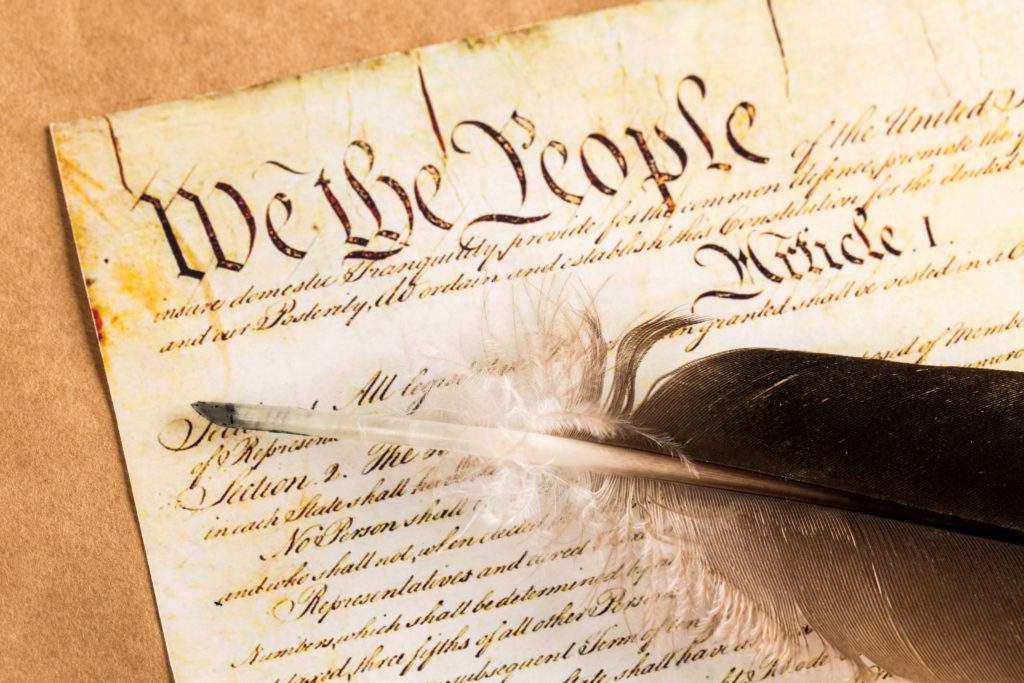
Over the last several weeks, we saw a prime example of how our government is broken. A portion of the federal government shut down, the Coast Guard went without pay as they completed their dangerous missions, and Democrat Members of Congress refused to negotiate after several efforts and deals were offered. It is clear that Congress and the federal government are broken. Something must be done to make our government operate more effectively, and I have a few ideas of how we can fix our broken system. The United States is a country wholly unique in the world, and we have been ever since our Founding Fathers laid the groundwork for our great nation. Thomas Jefferson once wrote, “I know no safe depository of the ultimate powers of the society but the people themselves,” and, “those entrusted with power have, in time, and by slow operations, perverted it.” The guiding principle that underlies the American Democratic system is that the people, not the institutions, hold the ultimate power and authority. We entrust that power to our elected officials who then take the will of the people and craft it into laws that govern our daily lives, in a way that we want to be governed. Seats in Congress belong to the American people, not any single person elected. Our Founding Fathers never expected individuals to make a career out of Congressional service. It is for this very reason that I have once again proposed an amendment to the Constitution that would impose term limits on Members of the House of Representatives and the Senate. Term limits will allow us to keep fresh blood and ideas in the halls of Congress. Elected officials who spend too much time in Washington become out of touch with what impacts the American people, and term limits would help prevent those in positions of power from becoming stale or biased in their views. Also in an effort to make our government work, I have proposed another amendment to the Constitution, one that would require the federal government to abide by a balanced budget. Every family in the United States knows the importance of balancing a household budget. Businesses, states, counties, and cities must have a balanced budget. Why should the federal government of the most powerful nation in the world not have to play by the same rules? We must stop passing debt down to future generations, and a balanced budget amendment would require is to address our nation’s spending issues right now. I have felt so strongly about this that I have introduced a Balanced Budget Amendment at the start of every Congress since I was elected. Operating in the red is no way to run a household or business, and it is no way to run a government. These are two commonsense reforms that would help us reform and restore faith in our government. By enacting term limits and drafting a balanced budget, we can ensure that our leaders do not become complacent and finally rein in our national debt. Thomas Jefferson also said, “I predict future happiness for Americans, if they can prevent the government from wasting the labors of the people under the pretense of taking care of them.” Congress must continue to be responsible to the people who elected them and must not waste their labors through out-of-control spending. We need term limits, we must balance the budget, and we must never give up on our efforts to form a “more perfect Union.” ••• Bradley Byrne is a member of U.S. Congress representing Alabama’s 1st Congressional District.
Ending showdown with Nancy Pelosi, Donald Trump postpones State of Union
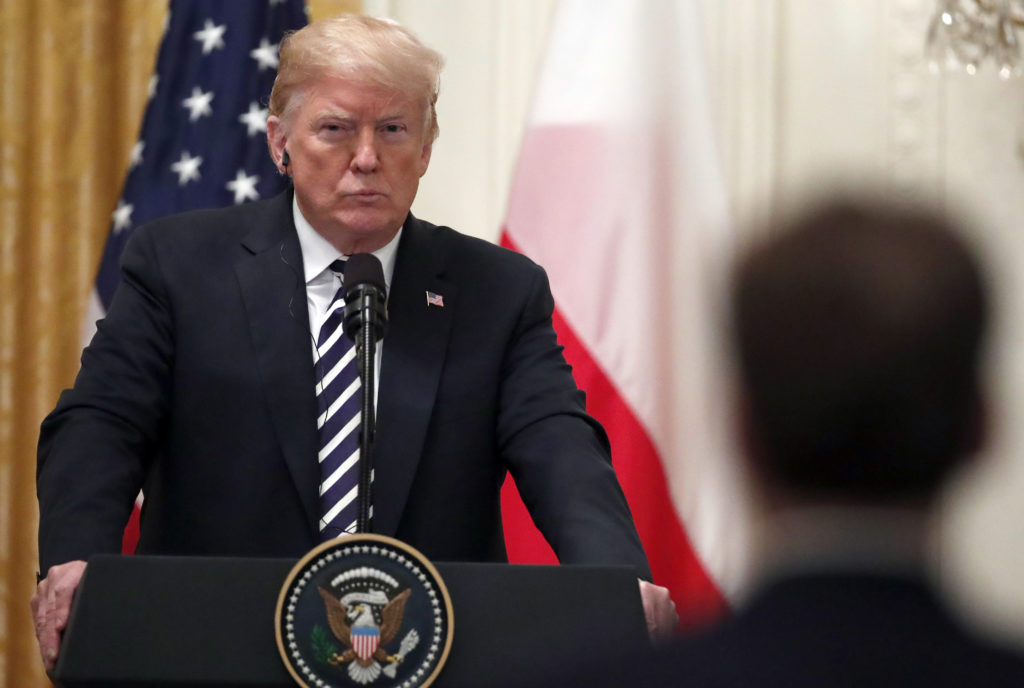
President Donald Trump said he is postponing his State of the Union address until the partial government shutdown ends, yielding after a weeklong showdown with House Speaker Nancy Pelosi. Following a high-stakes game of dare and double-dare, Trump conceded Wednesday night that “no venue that can compete with the history, tradition and importance of the House Chamber.” He said he was not looking for an alternate option after Pelosi served notice earlier in the day that he wouldn’t be allowed to deliver the address to a joint session of Congress next week. Pelosi had taken the step after Trump said he planned to show up in spite of Democratic objections to the speech taking place with large swaths of the government shut down. Denied that grand venue, Trump promised to come up with some sort of alternative event. The White House scrambled to find a site matching the gravitas of the traditional address from the rostrum of the House to lawmakers from both parties, Supreme Court justices, invited guests and a television audience of millions. “As the Shutdown was going on, Nancy Pelosi asked me to give the State of the Union Address. I agreed,” Trump tweeted shortly after 11 p.m. EST. “She then changed her mind because of the Shutdown, suggesting a later date. This is her prerogative – I will do the Address when the Shutdown is over.” Pelosi said Thursday that she was thankful the president recognized it was “inappropriate” to hold the State of the Union during the government shutdown, adding “thank goodness we put that matter to rest.” Fireworks over the speech shot back and forth between the Capitol and the White House as the monthlong partial government shutdown showed no signs of ending and about 800,000 federal workers faced the prospect of going without their second paycheck in a row come Friday. Pelosi told Trump the House wouldn’t approve a resolution allowing him to address Congress until the shutdown ended. Trump shot back that Pelosi was afraid of hearing the truth. “I think that’s a great blotch on the incredible country that we all love,” Trump said earlier Wednesday. “It’s a great, great horrible mark.” The drama surrounding the State of the Union address began last week when Pelosi asked Trump to make other plans but stopped short of denying him the chamber for his address. Trump called her bluff Wednesday in a letter, saying he intended to come anyway. “It would be so very sad for our Country if the State of the Union were not delivered on time, on schedule, and very importantly, on location,” he wrote. Pelosi quickly squelched the speech, writing back that the House “will not consider a concurrent resolution authorizing the President’s State of the Union address in the House Chamber until government has opened.” The president cannot speak in front of a joint session of Congress without both chambers’ explicit permission. A resolution needs to be approved by both chambers specifying the date and time for receiving an address from the president. The gamesmanship unfolded as the Senate prepared to vote this week on dueling proposals on the shutdown. A Republican one would give Trump money for the wall while one from Democrats would re-open government through Feb. 8, with no wall money, giving bargainers time to talk about it. Both proposals were likely to fail to reach the 60-vote threshold needed in the Senate, where Republicans hold a 53-47 majority. As well, House Democrats were putting forward a new proposal, aiming to lure Trump away from his demand for a border wall by offering billions of new dollars for other border security measures. The Constitution states only that the president “shall from time to time give to the Congress Information of the State of the Union,” meaning the president can speak anywhere he chooses or give his update in writing. The address has been delayed before. Ronald Reagan’s 1986 State of the Union address was postponed after the Challenger space shuttle exploded in flight on Jan. 28 of that year. But there is no precedent for a State of the Union invitation being rescinded. Presidents Harry Truman, Dwight Eisenhower and Jimmy Carter issued their final messages in print. As Eisenhower recovered from a heart attack in 1956, he prepared a seven-minute, filmed summary of the message from his retreat in Key West, Florida, that was broadcast nationwide. Richard Nixon sent a printed message in 1973; his staff said an oral message would have come too soon after his second inaugural address. White House officials had been working on a backup plan to have Trump give the speech somewhere else if Democrats blocked access to the House chamber. Nevertheless, they were rattled by Pelosi’s move Wednesday and expressed concern it would further sour shutdown negotiations. Pelosi said that when she extended her Jan. 3 invitation to Trump to deliver the State of the Union address on Jan. 29, there was no thought that the government would still be shut down. She wrote Wednesday: “I look forward to welcoming you to the House on a mutually agreeable date for this address when government has been opened.” Moments after her letter became public, Trump told reporters he wasn’t surprised by Pelosi’s action. Democrats have become “radicalized,” he claimed. He expanded on those sentiments during a subsequent event at the White House, calling the cancellation a “disgrace” and asserting that Pelosi didn’t want to hear the truth about the need for better border security. The White House and Democratic lawmakers have been accusing one another of pettiness since Pelosi raised doubts about the speech. Trump followed up by revoking her use of a military plane for a congressional delegation visit to Afghanistan. Republished with permission from the Associated Press.
Doug Jones says federal workers shouldn’t “be held hostage just over politics”
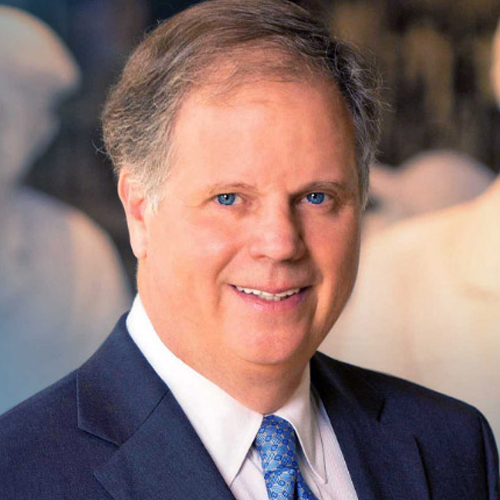
Sen. Doug Jones returned to Alabama last weekend, holding a townhall in Huntsville to discuss the government shutdown. The Democrat senator held the event at the University of Alabama Huntsville in a room that according to Al.Com, at 300 attendees, was filled to capacity. With about 5,500 federal workers in the state of Alabama, nearly half of those work for the Marshall Space Flight Center in Huntsville, so that city has the largest number of furloughed workers. He spoke to them specifically, saying they should not be “hostages” in this political fight saying, according to WHNT, “Federal workers and the contractors, people that do the service to this country should not be held hostage just over politics. I firmly believe that. I’ve continued to vote to keep this government open. I hope to continue to do that. And hopefully we’ll get something on the table pretty soon to do just that.” The senator blamed both parties for failing to compromise, which may help him hold on to his seat in Alabama, one that is considered highly precarious. Jones said that the compromise offered by President Donald Trump on Friday was encouraging, saying “What I’m seeing is a hopeful sign.” He continued, “The president is demonstrating that he, in good faith, will talk about border security in a bigger issue. And the House Democrats, who have been just as entrenched – saying nothing until we reopen the government – are saying, ‘OK, we want to talk, too, in good faith.’”
Shutdown goes on as Donald Trump offer doesn’t budge Democrats
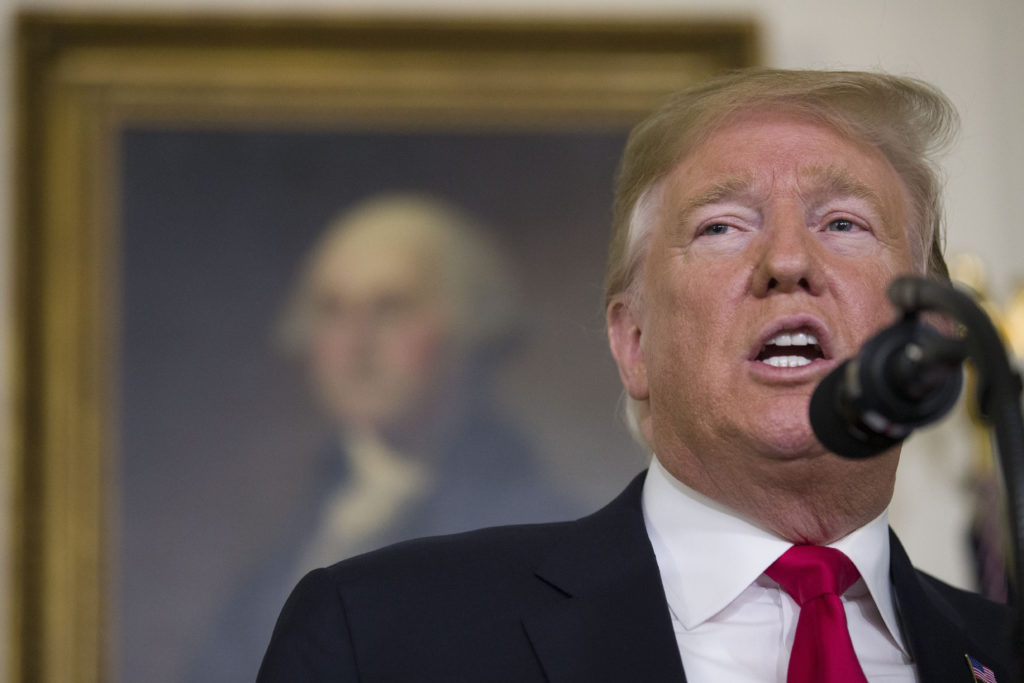
Thirty-one days into the partial government shutdown, Democrats and Republicans appeared no closer to ending the impasse than when it began, with President Donald Trump lashing out at his opponents after they dismissed a plan he’d billed as a compromise. Trump on Sunday branded House Speaker Nancy Pelosi a “radical” and said she was acting “irrationally.” The president also tried to fend off criticism from the right, as conservatives accused him of embracing “amnesty” for immigrants in the country illegally. Trump offered on Saturday to temporarily extend protections for young immigrants brought to the country illegally as children and those fleeing disaster zones in exchange for $5.7 billion for his border wall. But Democrats said the three-year proposal didn’t go nearly far enough. “No, Amnesty is not a part of my offer,” Trump tweeted Sunday, noting that he’d offered temporary, three-year extensions — not permanent relief. But he added: “Amnesty will be used only on a much bigger deal, whether on immigration or something else.” The criticism from both sides underscored Trump’s boxed in-position as he tries to win at least some Democratic buy-in without alienating his base. With hundreds of thousands of federal workers set to face another federal pay period without paychecks, the issue passed to the Senate, where Majority Leader Mitch McConnell has agreed to bring Trump’s proposal to the floor this week. Democrats say there’s little chance the measure will reach the 60-vote threshold usually required to advance legislation in the Senate. Republicans have a 53-47 majority, which means they need at least some Democrats to vote in favor. McConnell has long tried to avoid votes on legislation that is unlikely to become law. And the Kentucky Republican has said for weeks that he has no interest in “show votes” aimed only at forcing members to take sides after Trump rejected the Senate’s earlier bipartisan bill to avert the shutdown. What’s unclear is how McConnell will bring Trump’s plan forward — or when voting will begin. The Republican leader is a well-known architect of complicated legislative maneuvers. One question is whether he would allow a broader immigration debate with amendments to Trump’s plan on the Senate floor. McConnell spokesman David Popp said Sunday, “When we have (a plan) we will be sure to let everyone know.” One key Republican, Sen. James Lankford of Oklahoma, said that he and other lawmakers had been encouraging the White House to put an offer on the table — any offer — to get both sides talking. “Get something out there the president can say, ‘I can support this,’ and it has elements from both sides, put it on the table, then open it up for debate,” Lankford said on ABC’s “This Week.” “The vote this week in the Senate is not to pass the bill, it is to open up and say ‘Can we debate this? Can we amend it? Can we make changes?’” Lankford said. “Let’s find a way to be able to get the government open because there are elements in this that are clearly elements that have been supported by Democrats strongly in the past.” “The president really wants to come to an agreement here. He has put offers on the table,” said Rep Liz Cheney, R-Wyo., on NBC’s “Meet the Press.” ”The responsible thing for the Democrats to do is put a counteroffer on the table if you don’t like this one.” Vice President Mike Pence said on “Fox News Sunday” that Trump had “set the table for a deal that will address the crisis on our border, secure our border and give us a pathway” to reopen the government. Democrats, however, continue to say that they will not negotiate with Trump until he ends the shutdown, the longest in American history. “The starting point of this negotiation ought to be reopening the government,” Sen. Mark Warner, D-Va., told NBC. “We cannot reward the kind of behavior of hostage taking. Because if the president can arbitrarily shut down the government now, he will do it time and again.” As news media reported the outline of Trump’s proposal ahead of his Saturday speech, Pelosi and other Democrats made clear the president’s plan was a non-starter — a quick reaction Trump took issue with Sunday. “Nancy Pelosi and some of the Democrats turned down my offer yesterday before I even got up to speak. They don’t see crime & drugs, they only see 2020,” he said in first of a flurry of morning tweets. Trump also lashed out at Pelosi personally — something he had refrained from early on — and accused her, without evidence, of having “behaved so irrationally” and moving “so far to the left that she has now officially become a Radical Democrat.” He also appeared to threaten to target millions of people living in the country illegally if he doesn’t eventually get his way, writing that “there will be no big push to remove the 11,000,000 plus people who are here illegally-but be careful Nancy!” Pelosi responded with a tweet of her own, urging Trump to “Re-open the government, let workers get their paychecks and then we can discuss how we can come together to protect the border.” Senate Democratic leader Chuck Schumer also dug in during an appearance in New York, where he predicted Democrats would block the president’s proposal from passing the Senate. “If he opens the government, we’ll discuss whatever he offers, but hostage taking should not work,” Schumer said as he pushed legislation that would protect government workers who can’t pay their bills because of the government shutdown. “It’s very hard to negotiate when a gun is held to your head.” ___ Republished with permission from the Associated Press.
Donald Trump says solution to shutdown impasse ‘so simple’
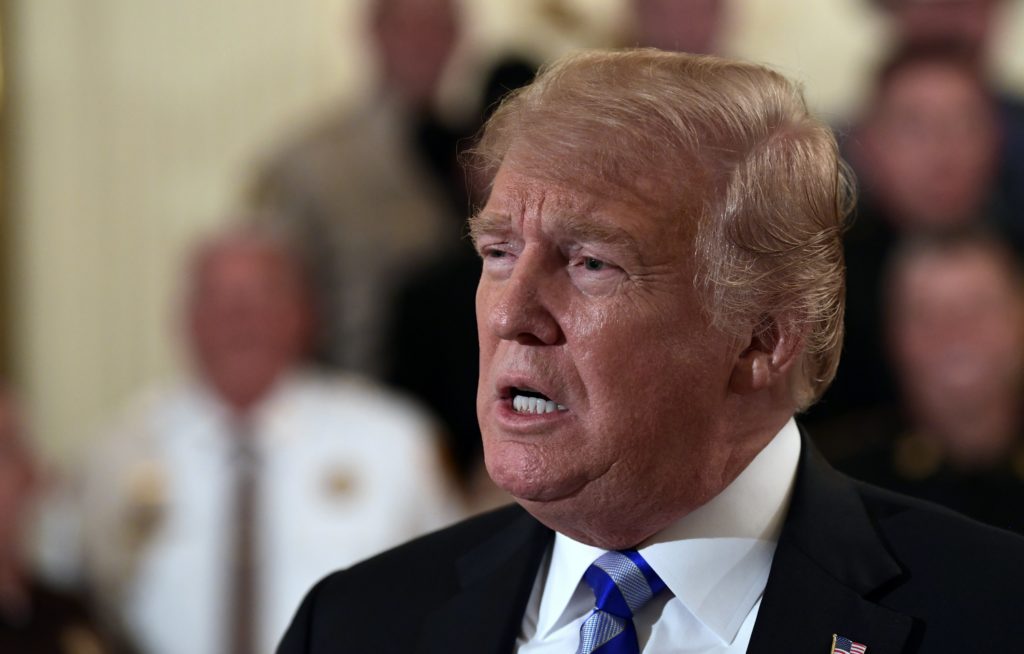
With the government mired in shutdown week four, President Donald Trump rejected a short-term legislative fix and dug in for more combat, declaring he would “never ever back down.” Trump rejected a suggestion to reopen the government for several weeks while negotiations would continue with Democrats over his demands for $5.7 billion for a long, impregnable wall along the U.S.-Mexico border. The president also edged further away from the idea of trying to declare a national emergency to circumvent Congress. “I’m not looking to call a national emergency,” Trump said Monday. “This is so simple we shouldn’t have to.” No cracks were apparent in the president’s deadlock with lawmakers after a weekend with no negotiations at all. His rejection of the short-term option proposed by Republican Sen. Lindsay Graham removed one path forward, and little else was in sight. Congressional Republicans were watching Trump for a signal for how to move next, and Democrats have not budged from their refusal to fund the wall and their demand that he reopen government before border talks resume. The White House has been considering reaching out to rank-and-file Democrats rather than dealing with House Speaker Nancy Pelosi and Senate Minority Leader Chuck Schumer to try to chip away at Democratic opposition to the wall. A White House official said plans were in the works to call freshman representatives, especially those who initially did not support Pelosi’s bid for the speakership. It was uncertain whether any Democrats would respond to the invitation. Separately, around a dozen senators from both parties met Monday to discuss ways out of the shutdown gridlock. Participants included Graham and Sens. Susan Collins, R-Maine, Joe Manchin, D-W.Va., and Tim Kaine, D-Va. Sen. John Cornyn, R-Texas, said Senate Majority Leader Mitch McConnell, R-Ky., was aware of the group’s effort but added, “I wouldn’t go so far as to say he’s blessed it.” The odds of the group producing an actual solution without Trump’s approval seemed slim. In the past, centrists of both parties banding together have seldom resolved major partisan disputes. Lawmakers returned to Capitol Hill late Monday “discouraged,” according to GOP Sen. Mike Rounds of South Dakota, as all signals pointed to a protracted fight. Alabama Sen. Richard Shelby, the GOP chairman of the Appropriations Committee, compared the shutdown saga to the play “Waiting for Godot.” “And Godot never shows up,” Shelby said. “We could be protracted here for a long time. There’s nobody on the horse coming to rescue us … that I know about.” Meanwhile, the impact of the 25-day partial government closure was intensifying around the country. Some 800,000 federal workers missed paychecks Friday, deepening anxieties about mortgage payments and unpaid bills, and about half of them were off the job, cutting off some services. Travelers at the Atlanta airport, the nation’s busiest, dealt with waits of more than an hour Monday as no-shows by security screeners soared. Trump spent the weekend in the White House reaching out to aides and lawmakers and tweeting aggressively about Democratic foes as he tried to make the case that the wall was needed on both security and humanitarian grounds. He stressed that argument repeatedly during a speech at a farming convention in New Orleans on Monday, insisting there was “no substitute” for a wall or a barrier along the southern border. Trump has continued to insist he has the power to sign an emergency declaration to deal with what he says is a crisis of drug smuggling and trafficking of women and children at the border. But he now appears to be in no rush to make such a declaration. Instead, he is focused on pushing Democrats to return to the negotiating table — though he walked out of the most recent talks last week — and seized on the fact that a group of House and Senate Democrats were on a retreat in Puerto Rico. Democrats, he argued, were partying on a beach rather than negotiating — though Pelosi and Schumer were not on the trip. White House officials cautioned that an emergency order remains on the table. Many inside and outside the White House hold that it may be the best option to end the budget standoff, reopening the government while allowing Trump to tell his base supporters he didn’t cave on the wall. However, some GOP lawmakers — as well as White House aides — have counseled against it, concerned that an emergency declaration would immediately be challenged in court. Others have raised concerns about re-routing money from other projects, including money Congress approved for disaster aid. Lawmakers on both sides of the aisle have also warned that acting under an emergency order would set a troubling precedent for executive power. For now, Trump apparently sees value in his extended fight to fulfill a key campaign pledge, knowing that his supporters — whom he’ll need to turn out in 2020 to win re-election — don’t want to see him back down. Trump was taking a wide range of advice on both sides of the issue, including from his new chief of staff, Mick Mulvaney, senior aide and son-in-law Jared Kushner, and Rep. Mark Meadows, as well as outside political advisers. In the House, Democrats look to keep the pressure on Trump by holding votes this week on two bills: one that would reopen the government until Feb. 1, and a second that would reopen it until Feb. 28. Rep. Nita Lowey of New York, the top Democrat on the Appropriations Committee, said the bills offer “additional options” to end the shutdown and would give lawmakers time for negotiations on border security and immigration. A key question is how long Trump is willing to hold out in hopes of extracting concessions from Democrats. Recent polling finds a slight majority of Americans opposed to building a wall along the U.S.-Mexico border — and few see the situation at the border as a crisis — but views are predictably divided by partisanship. Polls also show that Americans are more
Congress to face same question: When will shutdown end?
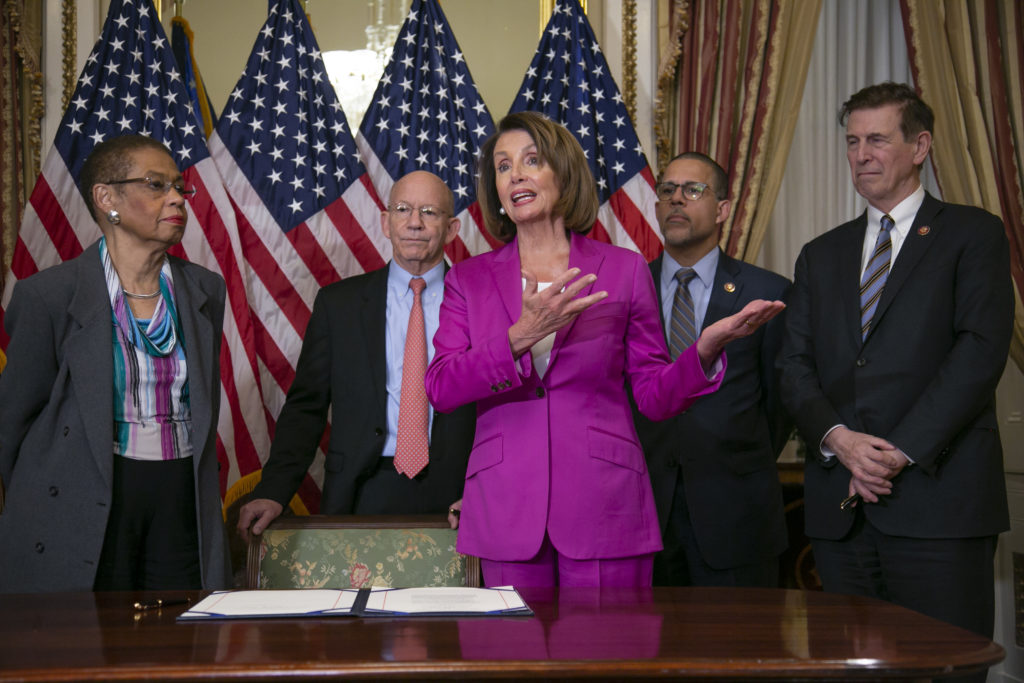
Congress returns to Washington for its first full week of legislative business since control of the House reverted to Democrats, but lawmakers will be confronted with the same lingering question: When will the partial government shutdown end? One Republican senator says he’s offered President Donald Trump a possible solution, though it may just be wishful thinking. Sen. Lindsey Graham is encouraging Trump to reopen government for several weeks to continue negotiating with Democrats over the border wall Trump wants to build on the U.S.-Mexico border. If there’s no deal at the end of that time, Graham says Trump would be free to take the more dramatic step of declaring a national emergency to build it. But the South Carolina Republican says Trump still wants a deal on funding for the wall before agreeing to reopen shuttered government departments. House Speaker Nancy Pelosi, a California Democrat, insists Trump reopen the government first. Their weeks-old standoff led to the partial government shutdown, now on day 24 without a clear end in sight. Trump insisted on Twitter Monday that he wanted to deal, declaring: “I’ve been waiting all weekend. Democrats must get to work now. Border must be secured!” Targeting Democratic House Speaker Nancy Pelosi and Senate Minority Leader Chuck Schumer, Trump also argued that the shutdown “has become their, and the Democrats, fault!” Trump weeks ago asserted that he would “own” the shutdown and polls show that he is taking most of the blame. Graham, who has publicly pushed Trump to use his authority to declare a national emergency to build the wall, is suggesting a short-term fix. “Before he pulls the plug on the legislative option, and I think we’re almost there, I would urge him to open up the government for a short period of time, like three weeks, before he pulls the plug, see if we can get a deal,” Graham said. “If we can’t at the end of three weeks, all bets are off. “See if he can do it by himself through the emergency powers. That’s my recommendation,” added Graham, who has publicly pushed Trump to use his authority to declare a national emergency to build the wall. Such a step would allow Trump to bypass Congress and tap various pots of unspent federal money, including for military construction and disaster relief as well as from assets seized by law enforcement, to pay for the wall. Trump has kept Washington on edge over whether he would resort to such a declaration, citing what he says is a “crisis” of drug smuggling and the trafficking of women and children at the border. The president initially sounded as though such a move was imminent, but then pulled back. He has said several times since he first mentioned the idea in public this month that he prefers a legislative solution. A key question is how much more time is Trump willing to give lawmakers. Graham, who spoke with Trump by telephone on Sunday morning, said the legislative path “is just about shut off” and blamed intransigence by Pelosi. The speaker’s office had no immediate comment. Democrats oppose an emergency declaration but may be powerless to block it. Some Republicans are wary, too, fearing how a future Democratic president might use that authority. Such a move, should Trump ultimately go that route, would almost certainly be challenged in the courts. Sen. Chris Coons, D-Del., called Graham’s idea to reopen the government a “great place to start.” “I do think if we reopen the government, if the president ends this shutdown crisis, we have folks who can negotiate a responsible, modern investment in technology that will actually make us safer,” Coons said. Trump says technology is nice, but that the border can’t be secured without a wall. The White House has been laying the groundwork for an emergency declaration, which is feared by lawmakers in both parties. Senate Homeland Security Committee Chairman Ron Johnson, R-Wis., said he’d “hate to see” a declaration issued because the wall wouldn’t get built, presumably because of legal challenges. Democrats voted in the past for border security and should again, he said. “I actually want to see this wall get built,” Johnson said. “I want to keep pressure on Democrats to actually come to the negotiating table in good faith and fund what they have supported in the past.” Graham favors a declaration and said the time for talk is running out. “It’s the last option, not the first option, but we’re pretty close to that being the only option,” he said. Graham and Coons spoke on “Fox News Sunday” and Johnson appeared on CNN’s “State of the Union.” Republished with permission from the Associated Press.
Bradley Byrne: Get the show on the road
It is time for the Democrat leaders in Washington to stop posturing when it comes to border security and end the government shutdown. The old expression “get the show on the road” is very apt in this situation. But, truth be told, the show is already on. There is no better way to describe the Democrat strategy right now than as a show, playing to their audience. The Democrats have lost touch with what matters to Americans outside of their bubble. They continue to play to the far-left base of their party in order to placate the loudest voices. But the loudest voices don’t always have the best interests of the American people at heart. President Donald Trump has made many efforts to work with Speaker Nancy Pelosi and Senate Minority Leader Chuck Schumer on a deal, but those efforts have fallen on deaf ears. Last Wednesday, the President asked Speaker Pelosi if she would be willing to negotiate for a deal to open the government quickly and provide funding for border security at a later date. Speaker Pelosi answered “no.” If Democrats aren’t willing to negotiate, then what is President Trump to do? He can’t negotiate with himself. I have heard from many folks in Alabama expressing their disbelief that Congress has not yet provided the necessary funds to secure our border, build a wall, and reopen the remaining 25 percent of the federal government. I cannot help but echo the sentiment of my fellow Alabamians: why would a Member of Congress not support something as commonsense as border security to end the partial shutdown? In the past, Democrats have supported these commonsense national security priorities such as fencing, barriers, and increased border funding, but there is something different going on here. It appears that it is not enough for the Democrats to earn a win. Instead, it must be that President Trump gets a loss. And the sad part is, the people that lose the most in this situation are the hardworking American taxpayers contributing their time, efforts, and skills to the betterment of our communities. Roughly 800,000 federal employees are currently on furlough, some continuing to work without pay. Last Friday, many of those people missed a paycheck. That is simply unacceptable, especially when the solution is one that both puts these people back to work and improves our national security. More than this, Americans have been greatly affected already by illegal immigration and the crisis taking place on our southern border. A big issue is the flow of illegal drugs. Hundreds of thousands of men and women in the United States have fallen victim to the evils and unbelievable effects of drug addiction and overdose. Many of those illegal drugs have their origins in Central and South America. All throughout the country, we have heard horror stories of illegal immigrants committing horrendous crimes. We had an illegal immigrant in Shelby County, Alabama rape a young girl, and everyone has heard the story of the police officer in California who was murdered by an illegal immigrant. In many of these crimes, the illegal immigrant had even been deported before and managed to reenter the country illegally a second time. Crimes happen every day, but these crimes were preventable. We must act, we must enforce border security, and we must provide the funds necessary to get the job done. I call on Democrats to stop with the show, come to the table, negotiate with President Trump, and let’s get the government back open. Bradley Byrne is a member of U.S. Congress representing Alabama’s 1st Congressional District.
Shutdown squeezing the Alabama city of Huntsville — built on federal spending
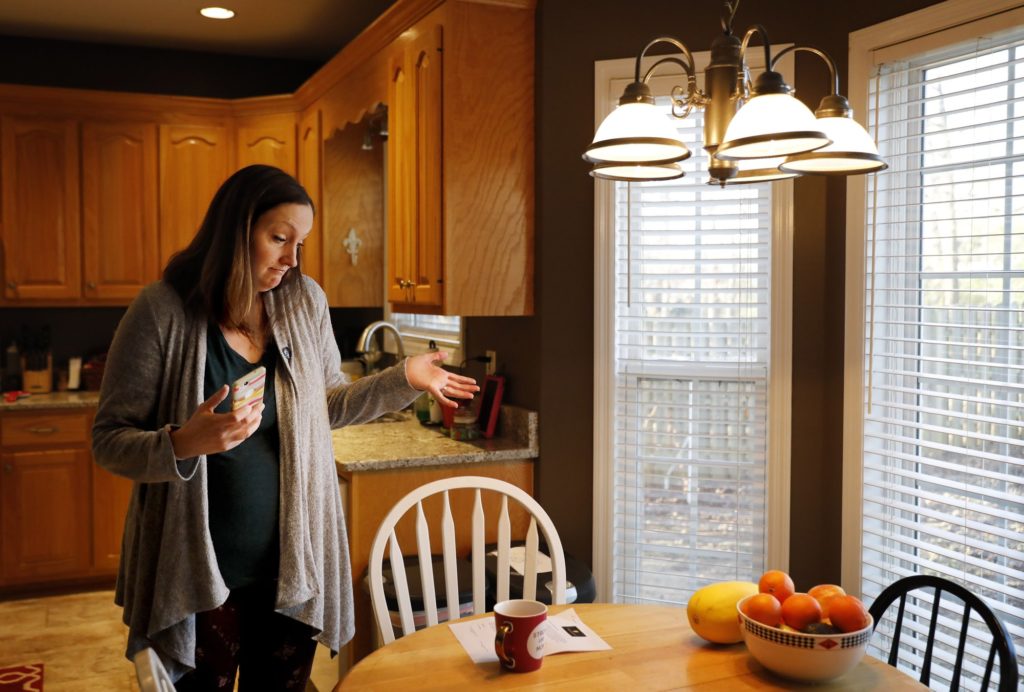
Once known for its cotton trade and watercress farms, Huntsville, Alabama, is now the ultimate government town: About 70 federal agencies are located at the Army’s 38,000-acre Redstone Arsenal. More than half of the area’s economy is tied to Washington spending. Empty parking lots and darkened offices at NASA’s Marshall Space Flight Center on Redstone have translated into vacant hotel rooms because out-of-town government workers and contractors aren’t coming. Restaurants frequented by federal workers who travel on government spending accounts are struggling, too. Transportation Security Administration employees working without pay at the city’s airport say they are spending their own money to bring in quiches and breakfast rolls as a morale booster. Moms are sharing tips online about free entertainment and buying food in bulk to save a few bucks. The largest credit union has already provided hundreds of bridge loans for struggling families. “It’s a fog with no end in sight,” said Michael Northern, an executive with a small company that runs three restaurants outside a main arsenal gate. The lunch crowd is still OK, he said, but dinner dollars have dried up, and business is off at least 35 percent. “People are just going home and nesting, trying to conserve resources,” said Northern, vice president of WJP Restaurant Group. “Imagine being in that posture and hearing Donald Trump say, ‘It could be a year.’” The closure persists because the president and congressional Democrats can’t agree on $5.7 billion in funding for a border wall, which Trump touts as vital to U.S. security and critics see as pointless and immoral. The jobs of some 800,000 workers hang in the balance. A little more than half are still working without pay, and hundreds of thousands will miss paychecks Friday. Economic statistics lag real-time events, so it’s hard to gauge the effects of a shutdown that’s been going on less than a month. But in Huntsville, a city of about 195,000 people where more than 5,000 workers are affected, frustration and worry are building. Located at the base of a mountain in the lush Tennessee Valley, Huntsville was just another Alabama city until the government decided to build rockets at Redstone Arsenal at the dawn of the space race. The influx of people and federal dollars that arrived with NASA transformed the city into a technical and engineering hub that only grew as Army missile and materiel programs expanded on the base. That heavy reliance on federal spending has Huntsville residents wondering what will come next. Jack Lyons, a lifelong space geek who thought he’d hit the jackpot when he got a job as a contractor working on massive rocket test stands for NASA, is spending the furlough on his small side business making props for marching bands. A solid Republican voter until 2016, when he couldn’t bring himself to vote for Trump, he’s frustrated and saddened by what’s going on in Washington. “They’re trying to use people as bargaining chips, and it just isn’t right,” Lyons said. Unlike civil service workers who expect to eventually get back pay, Lyons doesn’t know if he’ll ever see a dollar from the shutdown period. Just back from maternity leave following the birth of her second child, Katie Barron works at home for a private company not connected to the government, but her husband is a National Weather Service meteorologist forced to work without pay because his job is classified as essential. They’re canceling this Saturday’s date night to save a couple of hundred dollars, and the purchase of a new refrigerator is on hold. They’ve also put off home and car maintenance, but the $450-a-week bill for day care still has to be paid, as do the mortgage and utility bills. “We’re a little bit buffered, but our lives are basically based off dual incomes,” Barron said. While Barron frets over the loss of dental and optical insurance because of the shutdown, she said her family has some savings and will be fine for a while. Others are struggling. Redstone Federal Credit Union already has provided hundreds of low-interest loans of as much as $5,000 each to families affected by the shutdown, with no payments due for 60 days, and it’s also letting members skip payments on existing loans for a $35 fee, chief marketing officer Fred Trusty said. “As the days go on, we are seeing more and more traffic head to our branches,” he said. The timing of the shutdown couldn’t be worse since many families already were stretched thin by holiday spending or starting payments for upcoming summer travel, Trusty said. Jeff and Sabine Cool, who own a German-style food truck that operates in the heart of the NASA complex, say their income is down about $600 a week since the beginning of the shutdown. “It kind of hurt a little bit. We’re just rolling with the punches,” Jeff Cool said Wednesday as he set up tables outside Hildegard’s German Wurst Wagon on a bright, windy morning. “I’m glad I’m retired Army and have an additional income, but I feel for the other people.” Cool’s sympathy extends to people like Sandra Snell, a TSA officer working without pay at Huntsville International Airport. She hasn’t gotten a paycheck since December and wonders what will happen once her savings run out. The bright spots of the shutdown, she said, are the co-workers who share food and airline passengers who realize that the people checking their identification cards and staffing the X-ray machines are working for free. “They’ll say, ‘Thanks for being here.’ It helps. It’s nice when they realize your value,” she said. Republished with permission from the Associated Press.
Q&A: How the government shutdown might end
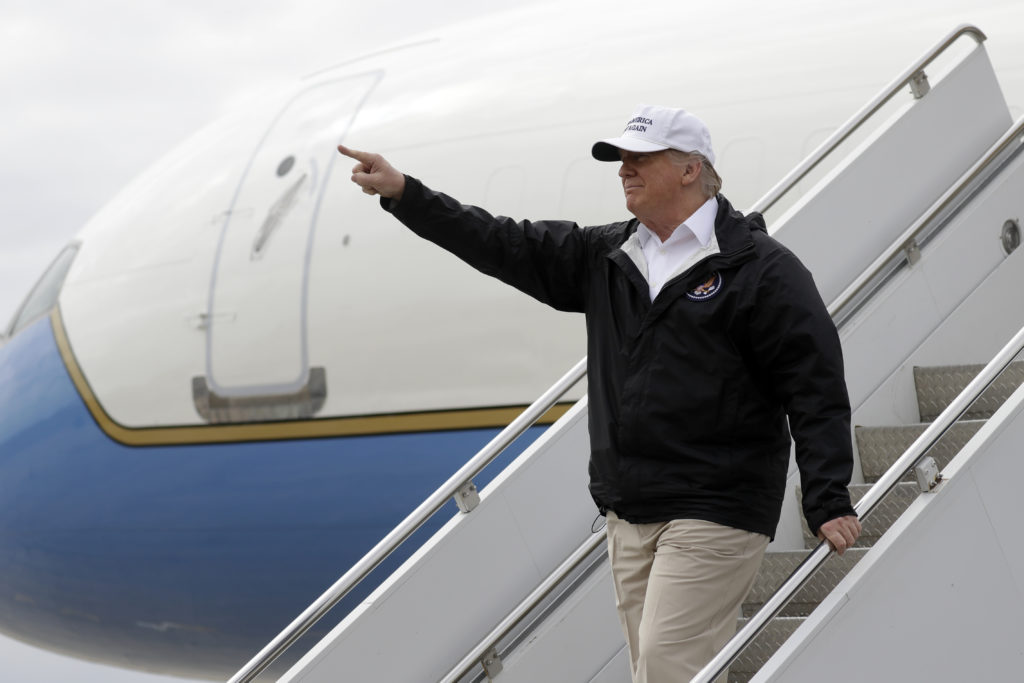
Somehow, some day, the nasty deadlock between President Donald Trump and congressional Democrats that’s shuttered federal agencies for a record-tying 21 days will end. The only real questions are when, how and who will be crowned the winner in public opinion polls and ultimately by voters. Things got bleaker this week when House Speaker Nancy Pelosi, D-Calif., told Trump at a fiery White House meeting that Democrats would not bow to his demand for $5.7 billion to start building a wall along the border with Mexico. Trump slammed his hand on the negotiating table and stormed out, Democrats said. Trump said he calmly left the room, saying, “Bye-bye.” A look at how the impasse might be resolved: Q: What’s the easiest solution? A: None is easy. Trump’s conservative base strongly backs his fight for wall money, even if it has meant a partial government shutdown. Democrats’ liberal stalwarts just as ardently oppose giving in. Trump and Democratic leaders have been so insistent on not surrendering that each would risk rebellion by supporters if they agreed to something viewed as a capitulation. Q: What’s the likeliest way out? A: Increasingly some people think that could be for Trump to declare a national emergency. By law, that could give him authority to use some money in the military’s budget for construction projects for the wall. It’s a tactic that could let each side claim a partial victory and move on. Trump could argue he did secure money for the wall, his most memorable campaign pledge, and overcame Democratic objections. Democrats could say they didn’t give in and they could file suits to block the move, claiming Trump had exceeded his authority by stretching the meaning of emergency. Trump could decide to finally sign bills reopening the government. Leaving the White House Thursday to visit the southwestern border, Trump strongly suggested he would take that route. “I have the absolute right to declare a national emergency,” he told reporters. He added: “If I have to, I will. I have no doubt about it.” Q: Why not just do it? A: Plenty of people on both sides hate the idea, and its legality in this instance is questionable. Some Republicans, including Texas Rep. Mac Thornberry, the top Republican on the House Armed Services Committee, say strengthening border infrastructure is not the military’s job and they oppose siphoning defense dollars for that purpose. Many Republicans worry that by stretching the definition of “emergency,” Trump opens the door to a future Democratic president circumventing lawmakers in ways the GOP would oppose. Democrats would consider the move a fresh example of Trump abusing his authority as president. They say it would be a ploy to bypass Congress and that there’s no emergency on the border, where the number of illegal crossings has fallen in recent years. While the law doesn’t clearly define a national emergency, some experts say a declaration here would be unwarranted. “The idea was that the executive would have these powers on a limited basis for true emergencies,” said Andrew Boyle, who studies presidential emergency powers at the Brennan Center for Justice, which is affiliated with New York University. He said declaring a national emergency at the border would be “clearly in bad faith.” Q: Polls show the public blames Trump more than Democrats for the shutdown. Will Republicans fold? A: Some GOP lawmakers have had enough, especially in the Senate. Reflecting that, a group of GOP senators has talked to Senate Majority Leader Mitch McConnell, R-Ky., and White House officials about forging a compromise, though that seems an uphill battle. Ultimately McConnell, a tough partisan also renowned for ending previous battles by cutting bipartisan deals, will decide the GOP’s path. It will take more than a few Republican defections for McConnell to abandon Trump. Ever since Trump reversed himself and turned down an agreement to avoid the shutdown before Christmas, McConnell has stepped aside, saying Trump and Democrats should bargain. Democrats have been trying to pressure McConnell, quoting his past ridicule of shutdowns and citing the damage the current one is inflicting on voters. With hundreds of thousands of federal workers due to miss their first paychecks Friday and constituents complaining about losing government services, pressure will only intensify. “I think public sentiment weighing in on his members” will change his mind, House Speaker Nancy Pelosi, D-Calif., said in a brief interview. “He’s a legislator.” “He’s watching, he’s waiting,” said retired Senate Majority Leader Trent Lott, R-Miss. Q: What about Democrats? A: They’ve shown no outward signs of divisions. If anything, Trump’s recent actions — leaving Wednesday’s negotiating session, seeming to blame Democrats for the recent deaths of two Guatemalan children in U.S. custody — have united them more. “Democrats’ reaction ranges from angry to enraged,” said Rep. Gerald Connolly, D-Va. Q: Is there a deal to be had? A: That seems increasingly unlikely. Sen. Lindsey Graham, R-S.C., and other Republicans have explored a compromise that might include border security money plus helping hundreds of thousands of young immigrants who arrived in the U.S. illegally as children stay in this country. But Vice President Mike Pence and Graham reported no progress after a meeting Thursday. Democrats know a deal with Trump could alienate liberals, and are loath to show Trump that they would fold during future confrontations. They also don’t trust him. Pelosi said Trump has moved the goalposts so often that “pretty soon these goal posts won’t even be in the stadium.” Republished with permission from the Associated Press.
Hope floats — Bradley Byrne introduces bill to pay Coast Guard during government shutdown

The U.S. Coast Guard is the only branch of the military whose members go without pay during a government shutdown. That’s because unlike the rest of the military, the branch falls under the Department of Homeland Security, rather than the Department of Defense. With no end in site for the government shutdown, Alabama 1st District U.S. Rep. Bradley Byrne has introduced legislation that would remedy the situation and ensure members of the Coast Guard and Coast Guard retirees are paid during the current shutdown. Byrne introduced the Always Ready Act, on Wednesday to keep paying personnel even during a lapse in appropriations. “I’m proud of the strong Coast Guard presence we have in Southwest Alabama. These men and women work hard and put their lives in danger in order to keep the American people safe. As we continue to fight for stronger border security and work to resolve the government shutdown, I believe members of the Coast Guard should be paid just as other members of the Armed Forces are paid,” said Byrne. “I hope the House and Senate will act swiftly on my bill, the Always Ready Act, to ensure members of the Coast Guard and their families receive the pay they deserve.” There are more than 50,000 members of the Coast Guard. Roughly 42,000 of them are required to work during the shutdown, regardless of pay, because they are deemed “essential” employees.
Political pressure leaves little room for resolving shutdown
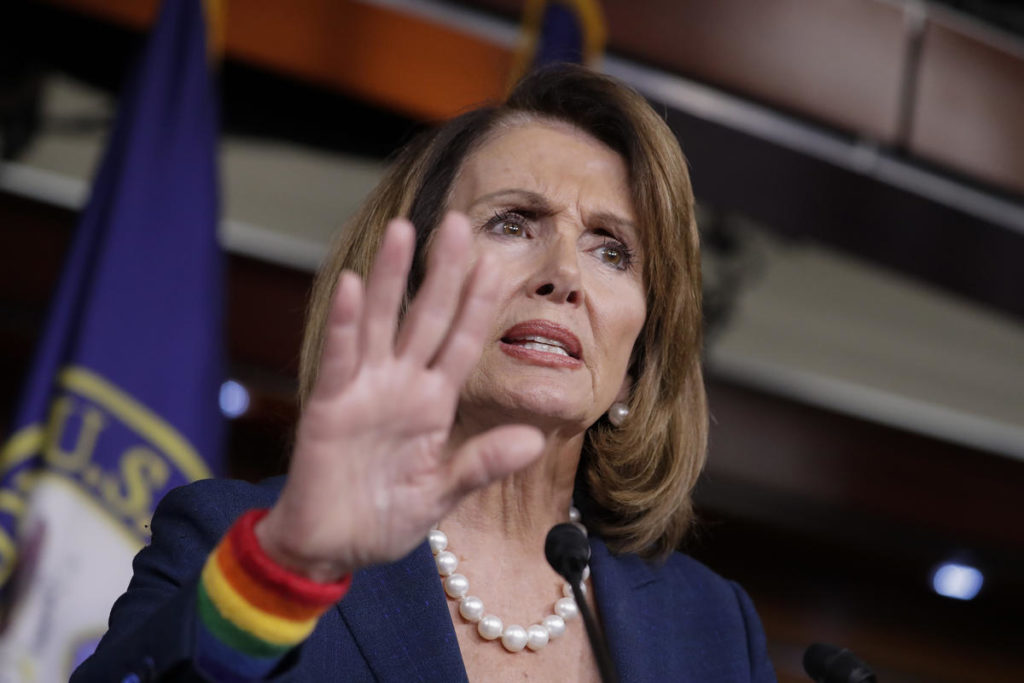
There is no easy way out. As the third government shutdown of President Donald Trump‘s tenure stretched into its 20th day, political pressures on Trump and the Democrats have left little room for compromise in the standoff over funding for a border wall. Most prominently, Trump’s narrow focus on the desires of his most ardent supporters has him convinced he cannot back off his signature campaign promise without facing backlash. Some powerful Republican allies in Washington and beyond are cheering on his demands for $5.7 billion funding for the wall, even if some remain uneasy. For Democrats, broad public skepticism about Trump’s case for the wall — combined with a driving push from the base to stand up to the Republican president — has assured them they’re on solid ground in refusing to bend. The looming question is whether the impact of the shutdown on government services and the plight of struggling federal workers force Republican lawmakers to break from the president or compel Democrats to budge. Until then, the dispute has given both parties a fast first test in the politics of divided government as they try to trade blame, manage their messages and strike a balance between competing political wings. Each side appeared dug in even deeper after a White House meeting between Trump and Democratic leaders on Wednesday as the economic livelihoods of some 800,000 federal workers hang in the balance. Trump said he quickly ended the meeting after House Speaker Nancy Pelosi indicated that Democrats would not fund his wall under any circumstances. Trump’s focus now is squarely on his conservative base and its support for the wall that came to symbolize Trump’s promise for a hardline, unrelenting approach to immigration. “He got elected because of that wall,” said Trump confidant Jerry Falwell Jr., president of the evangelical Liberty University. Falwell said he has told Trump he’s doing the right thing. “I don’t think it’ll help him at all if he backs down.” White House aides largely agree. Officials maintain the issue is a political winner, though they have urged the president to be more aggressive in making his case to the public — and to any wavering Republican lawmakers. Trump outlined his argument in graphic terms during a prime-time Oval Office address Tuesday night. While several studies suggest that illegal immigration has no impact on crime rates, the president highlighted horrific crimes committed by immigrants and suggested his wall was needed to prevent this “crisis.” “How much more American blood must we shed before Congress does its job?” asked Trump, who plans to visit the border on Thursday, the partial government shutdown’s 20th day. The longest shutdown ever was 21 days in 1995-96, when Bill Clinton was president. The White House has been searching for options — but not one that involves compromise. The administration has explored the possibility of funding the massive wall without congressional approval by declaring a national emergency or using funds from another department, though such moves would almost certainly trigger a legal challenge and may push some Republicans in Congress to break. Trump on Wednesday acknowledged the political pressure from within his own party not to back down. “If I did something that was foolish, like gave up on border security, the first ones that would hit me would be my senators — they’d be angry at me. The second ones would be the House. And the third ones would be frankly my base and a lot of Republicans out there and a lot of Democrats that want to see border security,” he told reporters. Meanwhile, the president’s Republican critics are few and far between. Vice President Mike Pence got a standing ovation during a closed-door meeting of congressional Republicans on Tuesday after he told them to “stand strong” and cited a C.S. Lewis quote on courage as a virtue. As many as two dozen Republicans — a tiny fraction of the 199 Republicans serving in the House — are expected to join House Democrats this week in passing a bill to start reopening parts of the government. There were modest signs of discomfort with Trump’s strategy among Senate Republicans, though few had a pressing political incentive to break with the president given that all but a handful expect easy re-elections in 2020. Sen. John Cornyn, R-Texas, called the shutdown “completely unnecessary and contrived. People expect their government to work … this obviously is not working.” At the same time, newly elected Sen. Kevin Cramer, R-N.D., was more representative of the mood in his caucus when he said voters back home believe Trump is doing the right thing: “They love him. And they want the wall.” The GOP support stands in sharp contrast to most Americans, who do not approve of Trump’s job performance. His approval rating has hovered close to 40 percent or below for much of his presidency. But Trump’s approval within the Republican Party has surged close to 90 percent. The sharp divide is reflected in public opinion of the wall. Overall, 54 percent of Americans oppose construction of a wall along the Mexican border, according to a Quinnipiac poll released in December. At the same time, 86 percent of Republicans backed the proposal. Those numbers have helped keep Democrats united in opposition. Both party leaders on the Hill and the handful of presidential hopefuls starting to compete for the Democratic nomination have called on Democrats to hold strong. Billionaire activist Tom Steyer began running ads in key states calling for Trump’s impeachment long before the shutdown drama began to unfold. “It’s not a question as to whether the Democrats are out of line,” said Steyer. “What (Trump) is doing is trying to extort the Democratic Congress with the pain of the American people. … It’s like somebody who kidnapped a kid and is holding them hostage to his campaign promise, which made no sense then, makes no sense now, and is incredibly wasteful.” Steyer said Wednesday that he had decided against a 2020 presidential bid.
