
Justin Bogie: Excuses are easy — Meaningful policy change takes bold leadership
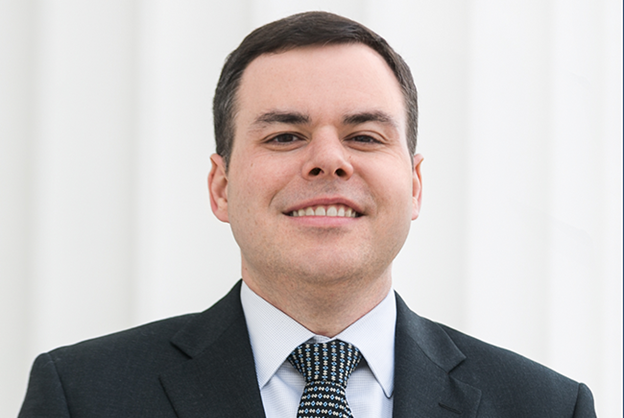
As summer turns to fall, the drumbeat for the Alabama Legislature to enact meaningful tax reform legislation has picked up its pace. But there is still no action — only discussion of temporary relief and the same old excuses as to why long-term reforms will be challenging to pursue. While major policy reforms are rarely easy, it should not be this hard. The state is likely to begin 2023 with a more than $2 billion revenue surplus, building on last year’s then-record $1.5 billion surplus. When Alabama’s government has more revenues than at any point in history, providing long-term relief to citizens should be a no-brainer. But despite having a Republican super-majority legislature and Republicans elected to all state-wide offices, Alabama continues to fall further behind other states when it comes to tax reform. Citizens are paying the price. Part of the problem is a lack of strong leadership. In August, Governor Kay Ivey’s spokeswoman, Gina Maiola said, “Right now, Alabamians and Americans alike are feeling the pinch, though, and Gov. Ivey wants to be able to help Alabamians in whatever ways we can.” I am glad that Gov. Ivey recognizes that Alabamians are feeling the pinch of inflation, but where is the action? She alone has the power to call legislators to Montgomery for a special session. Ivey could do that within days, but it seems apparent that there is unlikely to be any real movement on tax reform until at least next March, when the 2023 regular session begins. Meanwhile, 32 other states have enacted tax relief legislation this year. Missouri is currently in the midst of a special session, called by Gov. Mike Parson, aimed at passing $700 million in permanent tax cuts. That is what we need in Alabama. Instead, we are getting more excuses. Just last week, General Fund budget committee chairman State Sen. Greg Albritton (R-Atmore) said, “While y’all are focusing on how flush it appears that we are, I’m looking at what the problems are and how we’re going to resolve them.” First, the state does not appear flush with cash. It is flush with cash. In the past two years, it has collected more taxes from Alabamians than ever before. Instead of using that cash to take less money from citizens in the coming years, Albritton suggested that the best way “to help people in the long run in perpetuity is to take that money and put it into a trust account much like the Alabama Trust Fund (ATF),” and then use that fund for education. Alabama already has numerous trust funds and budget savings accounts that are intended to ease the impacts of an economic downturn. The state could draw more than $850 million from the ATF alone in 2023, if necessary. The state has not touched the account, which has a total balance of more than $3.35 billion, since 2012. Even during the onset of the COVID-19 pandemic, the reserve funds remained untapped. It was a rainy day for many Alabamians, but not for the government. The state does not need another savings account. The idea of establishing one shows how out of touch lawmakers are with Alabamians. When a recession hits, the government should not be protected at the expense of citizens. It should at the least be sharing in the pain. Another argument made against tax reform is that Alabama’s current stretch of strong economic growth will not last, and the record high surpluses are because of conservative budgeting. Legislative fiscal officer Kirk Fulford recently said, “You were conservative in both of those budgets, and because of that, and because of the enhanced federal money that came into the states, you are going to wind up with ending balances in both budgets that are far and above greater than any you’ve had in quite a while.” I am sorry, but would most Alabamians describe increasing spending at a faster pace than California or New York as remotely conservative? I do not think so. In April, Gov. Ivey praised the Legislature for sending her the “sixth consecutive balanced budget” she has signed as governor. It is easy to balance a budget when you are taxing citizens more than ever. A balanced budget in and of itself is not a sign of conservatism or fiscal responsibility. In Alabama’s recent history it represents the historic expansion of government. More taxes from you have kept the budget balanced. There is also the argument that inflationary pressures may prevent the state from being able to afford to provide long-term tax relief. In August, Representative Steve Clouse (R-Ozark) said, “We want to see if maybe the budget we passed and goes into October is adequate enough on the inflationary pressures hitting right now.” Again, shouldn’t the pain being felt by Alabamians outweigh any hardships felt by the state government? Moreover, the inflation argument makes little sense. Inflation was 8.3 percent when the two state budgets were enacted in April. At the end of August, it was still 8.3 percent. If the Legislature really did pass conservative budgets just five months ago, inflation should already be accounted for. The bottom line remains that Alabama’s state government has more of your taxpayer dollars flowing into it than ever. Instead of looking for excuses to not provide relief to citizens, it is time for bold leadership and action. Justin Bogie is the Senior Director of Fiscal Policy for the Alabama Policy Institute.
Seven State Senate seat races to watch
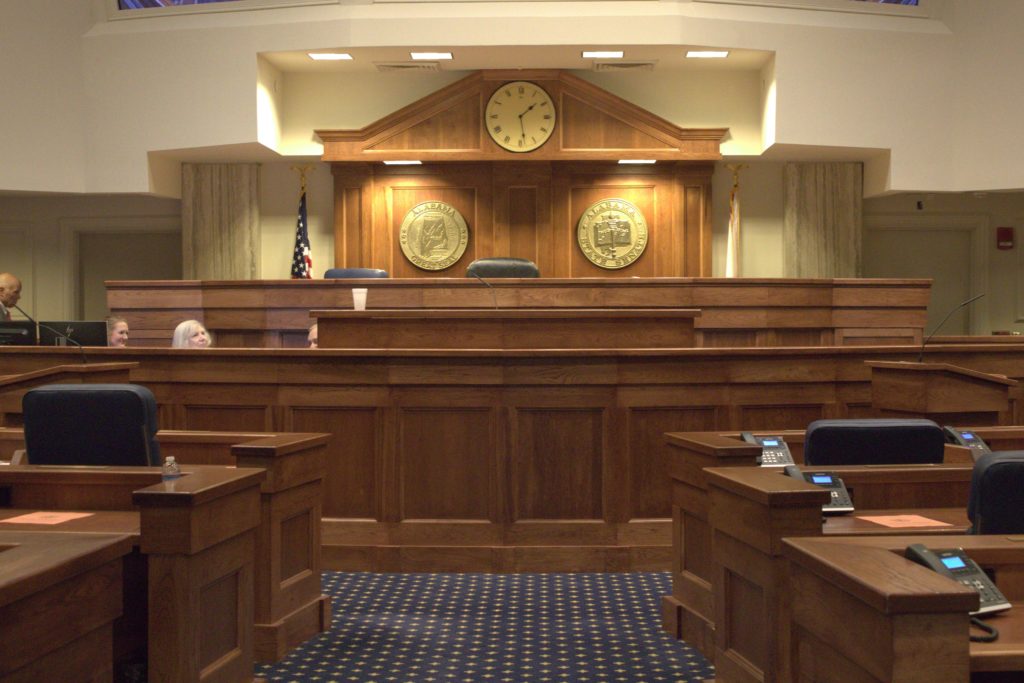
All 35 State Senate seats are up for grabs in the November 8 general election. Republicans hold a 27 to 8 margin over Democrats in the current makeup of the Alabama Senate. The Alabama Republican Party is running candidates in 29 seats. The GOP is defending all of the 27 seats they currently hold and are running candidates in two districts currently held by Democrats. Alabama Democrats are defending the eight seats they currently hold and are challenging the GOP in six districts currently held by Republicans. Libertarians currently hold no seats in the Alabama Senate but are running twelve candidates in State Senate races. There are a number of contested State Senate races on the November ballot. These are the seven races with the most chance of becoming interesting. Democrat Lisa Ward is challenging Republican incumbent State Sen. Gerald Allen in Senate District 21. Both of these candidates are well known in the Tuscaloosa area. Allen has represented the district for three terms and served in the Alabama House of Representatives before that. Ward is a former city councilwoman who is very active in the community. According to filings with the Alabama Secretary of State’s office, Allen has a $204,872.68 campaign account balance entering September, which includes August contributions of $8,250. Ward, the challenger, meanwhile raised $23,149.76 in August and has a cash balance of $31,968.94 entering September. Neither faced a primary opponent. Democrat Kim Lewis versus Republican incumbent State Sen. Tom Butler in Senate District 2. Butler has represented Madison County in the legislature for parts of five decades, but this is one of the fastest growing areas in the state, and there are thousands of new people that bring different politics with them to the area. Lewis is hoping that an increasingly purple Madison County will result in a win. Butler was pushed hard in the Republican primary by former State Sen. Bill Holtzclaw. Butler raised $44,500 in the month of August and enters September with $38,166.63. Lewis raised $7,830 in August and comes into September with $27,859.70. In Senate District 33, incumbent Democratic Sen. Vivian Figures faces Republican challenger Pete Riehm. This has been a very safe Democratic district consisting of the poorest parts of Mobile as well as Mobile County suburbs like Prichard, but redistricting meant that the new district now goes deep into Baldwin County and picked up the very prosperous and heavily Republican community of Spanish Fort. This district went from very blue to purple thanks to the legislature’s redistricting and efforts to “unpack” Black voters from majority-minority districts. Is it purple enough for a Republican to take it away from the Democrats? That is for the voters to decide on November 8. Sen. Figures raised $31,500 in the month of August to enter September with $110,497.02. Riehm had contributions of $19,577.54 in August and enters September with $60,911.31. Democrat Sherri Lewis versus Republican Jay Hovey in Senate District 27. Hovey, an Auburn City Councilman, just narrowly defeated incumbent Tom Whatley (R-Auburn) in a heavily contested GOP primary. Hovey, who has the challenge of unifying Republicans, raised $85,500 in contributions in August to enter September with a cash balance of $70,074.17. Reese meanwhile raised $1,806.20 in August to bring a total of $2,703.33 into the month of September. Senate District 23 – here, there are three candidates vying for the open seat formerly held by State Sen. Malika Sanders-Fortier, who vacated the seat in an unsuccessful bid for governor. Democrat Robert Lee Stewart narrowly defeated former State Sen. Hank Sanders in a hard-fought Democratic primary runoff in June. Stewart faces both a Republican in Michael Nimmer and a Libertarian in Portia Stephens. Stewart raised $16,987 in August to bring $17,872.84 into September. The Libertarian, Stephens, reported raising $2,060 in August to finish the month with $6,285 in cash on hand. The Republican, Nimmer, has not filed a campaign finance report. Alabama does not have general election runoffs, so when there are multiple candidates, the candidate with the most votes wins even if they got less than half of the votes. There is another three-way contest in Senate District 29. There, incumbent Republican Sen. Donnie Chesteen (R-Dothan) faces both Democrat Nathan “Nate” Mathis and Libertarian Floyd “Pete” McBroom. Matthis reported raising no money in August, but he has $5,719.36 in cash on hand. McBroom has not filed a campaign finance report with the Secretary of State’s office yet. The incumbent, Chesteen, raised $25,500 in August to enter September with $327,660.86. In Senate District 12, Republican Keith Kelley is battling Democrat David McCullars for the open seat currently held by Sen. Del Marsh. Kelley raised $29,658.24 in August and has $65,102.13 in cash on hand. McCullars only raised $265 in the month of August and entered the month of September with $4,377.15 in cash on hand. Kelley had a hard-fought Republican primary. This is a district that has given Marsh a close call in the 2014 general election. In other contested Alabama Senate races · SD3 incumbent Arthur Orr (R-Decatur) faces Libertarian Rick Chandler · SD4 incumbent Garlan Gudger (R-Cullman) faces Libertarian Jacob Marlow · SD6 incumbent Larry Stutts (R-Sheffield) faces Libertarian Kyle Richard-Garrison · SD7 incumbent Sam Givhan (R-Huntsville) faces Democrat Korey Wilson · SD15 incumbent Dan Roberts (R-Mountain Brook) faces Libertarian Michael Crump · SD17 incumbent Shay Shelnutt (R-Trussville) faces Libertarian John Fortenberry · SD24 incumbent Bobby Singleton (D-Greensboro) faces Libertarian Richard Benderson · SD25 incumbent Will Barfoot (R-Montgomery) versus Libertarian Louie Woolbright · SD28 incumbent Billy Beasley (D-Clayton) faces Libertarian David Boatwright · SD35 incumbent David Sessions (R-Grand Bay) faces Libertarian Clifton Hudson Republican incumbents Tim Melson, Greg Reed, Steve Livingston, Clay Scofield, Andrew Jones, Randy Price, April Weaver, Jabo Waggoner, Greg Albritton, Clyde Chambliss, Chris Elliott, and Jack Williams are all running unopposed. Republican newcomers Lance Bell in SD11 and Josh Carnley in SD31 are also unopposed in the general election. Democratic incumbents Rodger Smitherman, Linda Coleman-Madison, and Kirk Hatcher are all also unopposed in the general election. State Rep. Merika Coleman is unopposed in SD19, which is being vacated by the retirement of Priscilla Dunn (D-Bessemer). In 2022 Republican candidates in Alabama have received $44,321,108.97 in contributions. Political Action Committees have received $17,846,761.05. Democratic candidates have received $6,629,199.43, and all other candidates have received just $111,950.87. The general
Justin Bogie: Alabama Department of Labor overpaid unemployment recipients by more than $164 million in 2020-21
According to recent data from the U.S. Department of Labor, Alabama overpaid unemployment compensation benefit recipients by more than $164 million in 2020 and 2021. Now the Alabama Department of Labor wants some of that money back, sending bills, sometimes as high as $20,000, to citizens. Governor Kay Ivey disagrees, implying that the state should absorb the loss and move on. Regardless of what you think should be done in this case, shouldn’t we expect better stewardship of our taxpayer dollars? Alabama’s government grew by more than 35% from 2019 to 2022. As spending soars, so does government waste. The overpayments made by the Alabama Department of Labor are just one example of the problems that come with the expansion of government. You may be thinking that the overpayments were made after the onslaught of claims filed in the wake of the COVID-19 pandemic. And that’s true. Between May 2019 and May 2020, the state saw a 580% increase in unemployment claims. But the truth is, the Alabama Department of Labor was not doing much better before COVID. From 2018 to 2021, the state made an estimated $159.3 million (17.2% improper payment rate) in improper unemployment benefit payments, ranking in the bottom third among states. The reasons for the mistakes leading to overpayment vary. It could be something as innocent as an honest mistake by an applicant or their employer. It could be an error made by staff during claim review. In some cases, the reason is blatant fraud. Regardless of the reasons, though, the fact remains that the state is paying tens of millions of dollars per year to beneficiaries who should not receive unemployment. When the state’s unemployment compensation fund is depleted, businesses pay higher tax rates to fill the gap. The employer share of the unemployment tax nearly doubled from 2020 to 2021. Moreover, since 2020 the state has spent $464.5 million in federal stimulus funds, taxpayer dollars to replenish the fund. What happens now? So what happens now? According to Alabama Secretary of Labor Fitzgerald Washington, the Department is open to expanding the use of federal waivers to resolve some of the claims and will work with claimants on payment plans if their overpayments are not waived. The Governor’s Office said that “If a mistake is made by the government, people should not have to pay the price for something that was no fault of their own.” I tend to agree with the Governor. The state approved what turned out to be improper unemployment claims. Months later, errors were discovered, and now citizens are being held in limbo while our government determines if they will have to pay back the money. Apart from fraud, it isn’t their fault. However, the notion that $164 million of your money is insignificant is beyond troubling. Just three months ago, the Legislature passed the “largest tax cut in state history,” which will reduce the tax liability of Alabamians by about $160 million over the next few years. Senate General Fund Budget Committee Chairman Greg Albritton (R-Atmore) said at the time, “The primary headliner from this session, I think, is the amount of tax cuts we’ve done.” Our state lawmakers and appointed officials can’t have it both ways. $160 million can’t be considered “historic” one day, and then virtually the same amount be written off as an accounting error the next. This attitude all but confirms what I already suspected. The “record” tax cuts were merely a token gesture aimed at giving lawmakers something positive they could talk about on the 2022 campaign trail. They will have no meaningful impact for most citizens. We should all be outraged. In 2022 alone, at least ten states reduced individual and corporate income tax rates. Last year over a dozen states did the same. Our neighbors in Georgia and Mississippi will reduce income taxes by $1 billion and $500 million, respectively, over the next few years. Illinois recently passed legislation to suspend its grocery tax for the next year. Tennessee will suspend its grocery tax for the entire month of August. Virginia and Kansas enacted legislation to phase out their grocery taxes entirely. Meanwhile, our state government seems content to stay the course. There are no plans for a special session this fall to address tax relief. Nothing to address how inflation and rising gas prices are hurting Alabamians. The best we can hope for is that by the time the regular session begins next March, there is enough pressure from citizens that lawmakers have little choice but to act. By then, we will likely hear the usual refrain that inflation is hurting the budget. We can’t take revenues away from education. The economy is uncertain. But if that were the case, writing off $164 million in unemployment overpayments wouldn’t be insignificant. Clearly, our government has taken enough of your money to pay for that and enact tax relief for all Alabamians. Justin Bogie is the Senior Director of Fiscal Policy for the Alabama Policy Institute.
Justin Bogie: State government on pace for another record surplus; will it give Alabamians a break?
State government continues to take more money from Alabamians than ever before. Will it use that money to continue the historic expansion of state government or finally take less taxes from citizens? As first reported by Alabama Daily News, 2022 is on pace to be another banner year for state government. Through the end of May, state revenues totaled nearly $1.4 billion more than they did at this point last year. The state has already collected almost $8.7 billion in gross revenue. With four months remaining in the fiscal year, that revenue surplus will likely grow. If the current trend holds, lawmakers will have another historic opportunity to reduce taxes and take less from Alabamians next year. That should be priority number one. But remember, we found ourselves in this same situation just a few months ago. Alabama’s government began 2022 with a combined revenue surplus of $1.5 billion. Nearly all that surplus – excess tax dollars taken from you – went back into state government. The lone “victory” for taxpayers was around $160 million in targeted tax cuts, less than 1.3 percent of the total revenue available to the state. Most citizens saw no benefit from these tax cuts. Nothing was done to repeal the state’s sales tax on groceries, which could have mitigated some of the impacts of rising inflation. Nothing was done to suspend the state gas tax or repeal the governor and legislature’s 2019 tax increase, despite gas prices being at an all-time high. And while Alabama’s government hasn’t raised any tax rates since 2019, it has continued to collect record revenues on the backs of citizens. Gross income tax receipts are up almost 30% – more than a billion dollars – so far this year. Online sales tax collections are up over 20%. Our government is taking around 10% more in taxes from Alabamians every year than it needs to pay for an already bloated budget. Surely if the state finds itself with another massive revenue surplus heading into 2023, then that money will be used to tax citizens less, right? Don’t count on it. Based on comments made by lawmakers to Alabama Daily News, they are already looking for reasons to put any potential surplus back into government spending. Both Rep. Steve Clouse (R-Ozark) and Sen. Greg Albritton (R-Range), who are chairman of their respective General Fund Budget committees, pointed to rising inflation as a potential need for increased spending. Rep. Clouse said, “[We want to know] how inflationary pressures are hitting agencies and to see how they’re handling it.” Sen. Albritton indicated that lawmakers need more information from agencies so that they can better develop a plan to mitigate inflation impacts. While inflation may hurt the bottom line of state government, as it does Alabama families, state revenues are growing far faster than inflation. Through May, General Fund revenues had grown by 8.7 percent, while in the Education Trust Fund, which accounts for more than three quarters of state spending and receipts, revenues were up almost 22 percent. At the end of April, the U.S. inflation rate was 8.3 percent and is expected to gradually decline to around 3 percent by the end of next year. State revenue collections actually benefit from inflation at the expense of Alabama’s consumers. As the price of goods rises, so do tax collections. Through May, Alabama’s gross sales tax collections were up 8.5 percent, well above average. All the more reason for lawmakers to enact laws that will take less money from citizens. Sen. Albritton also pointed to federal stimulus funds as part of the reason for continued revenue growth. Albritton said, “That money is going to run out,” and questioned what will happen when revenues shrink. This could be the next line of reasoning that lawmakers use if they fail to pass meaningful tax cuts in the coming months. And while it is a valid concern that once all the federal intervention of the past few years wears off, state revenues will decline, this isn’t news to anyone. Lawmakers warned last year that revenue growth was unsustainable. That didn’t stop them from passing the largest budgets in state history for 2023 and adding another $1.5 billion in spending to the already then record-high 2022 budgets. If you really think that a downturn is fast approaching, why is Alabama growing spending more than California or New York? What was lost from Rep. Clouse and Sen. Albritton’s comments was how inflation, rising gas prices, increased home energy costs, and any number of other issues are impacting the citizens that they and their colleagues in Montgomery have been elected to represent. In the past few years, Alabama’s government has fared much better than many of the people it is supposed to serve. The state government continued to operate throughout the pandemic. All state employees received raises in the past two years. The same cannot be said of private businesses and their employees. It is time for the people of Alabama to demand that they be a higher priority than the government. Our neighbors are doing it, yet we continue to trail behind. Not one extra penny should be spent on Alabama’s government until the legislature enacts real tax relief that will benefit all Alabamians. Justin Bogie is the Senior Director of Fiscal Policy for the Alabama Policy Institute.
Steve Flowers: Incumbency reigns supreme in State Senate
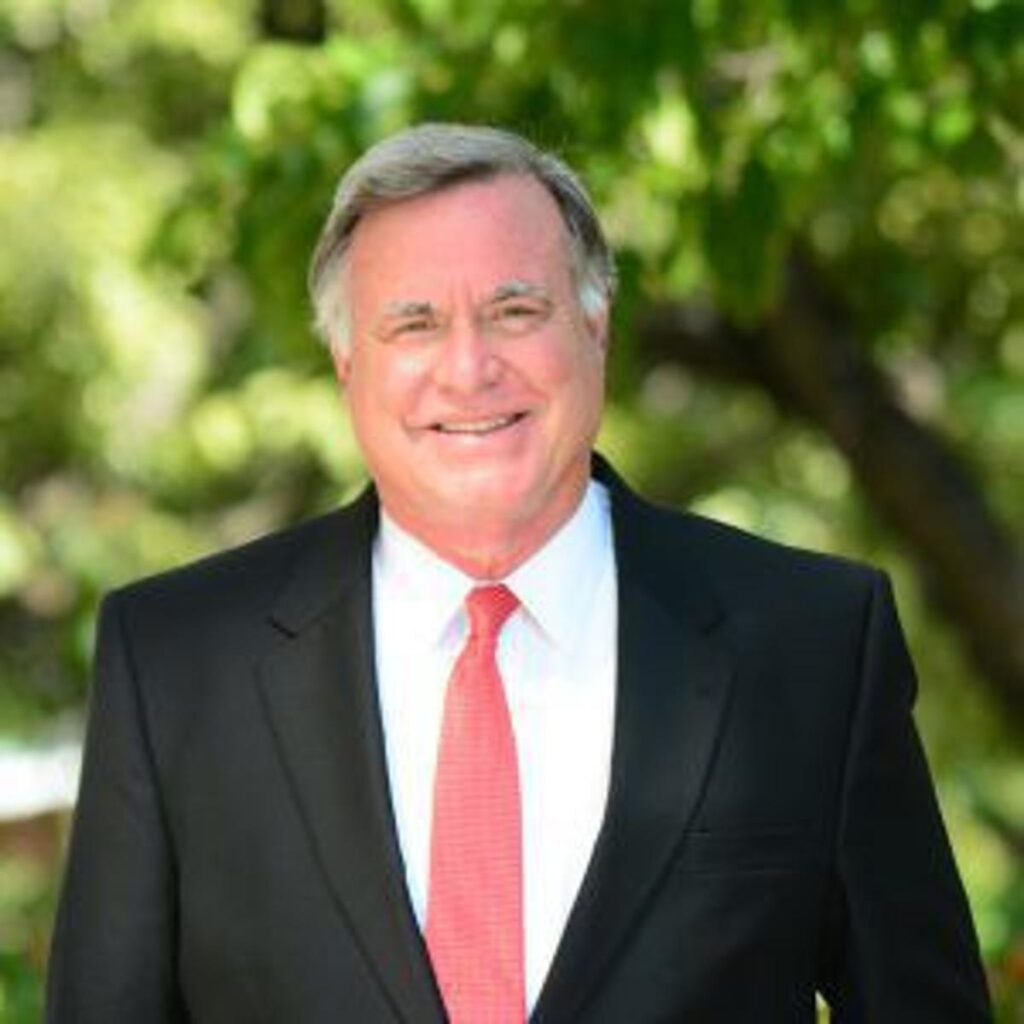
Being an incumbent state senator in Alabama is like owning that seat. The level of re-electability odds is probably better than that of an incumbent congressman, which is about the same as being elected to a seat in the Russian Communist Politburo. Being a freshman state senator in Alabama is a more powerful position than being a freshman U.S. congressman, especially if you want to affect public policy. Many times, a 50-year old, successful person who is interested in seeking a representative role will approach me and seek my advice about running for either a state senate seat or an open congressional seat. I will quickly advise them that as a state senator, you are one of 35, and you immediately have an impact on your first year as a state senator. However, if you win a congressional seat, you are one of 435. Because of the seniority system, it will be 15 years before they know your name in Washington and 25 years before you are chairman of a committee, and then it is time to retire. In the 35-member Alabama Senate, there are 27 Republicans and 8 Democrats – a pretty supermajority for the GOP. Twenty-four of the twenty-seven senate Republicans are running for reelection. Republicans Jimmy Holley, Del Marsh, and Jim McClendon are retiring. These seats will be filled by another Republican. Therefore, when the Senate organizes next January, the 27 to 8 supermajority will remain the same. The lines are drawn to protect incumbents on both sides of the aisle. The Constitution provides the power of the pencil for legislators to draw their own legislative districts. Seventeen of the 24 Republican incumbents have no opposition in the Republican Primary. Of the seven Republican senators who drew a Republican opponent, they only got an opponent the last day of qualifying, and their opposition is token at best. All 24 Republican incumbents will be reelected. If my prognostication is correct, that is a 100% re-electability rate. There are only two GOP incumbents that were first thought to have viable opponents. Tom Whatley, at first blush, was rumored to have a race. However, polling and fundraising reveal he will win easily. The only interesting race may be in the Huntsville area, where incumbent Tom Butler is being challenged by Bill Holtzclaw, who previously served in that senate seat. The rule of incumbency also prevails on the Democratic side of the aisle. There is only one Democratic seat open. Priscilla Dunn holds the post in name only. She has never attended a senate day in Montgomery for this entire quadrennium. The Senate has, in essence, been operating with 34 senators. In actuality, the Democrats have only seven senate seats. There are 150,000 residents of Jefferson County who have had no voice or vote in the Alabama Senate for four years. There are two Democratic House members vying to fill this seat, Merrika Coleman and Louise Alexander. Ms. Coleman is favored to win this open Senate seat. The cadre of leadership on the Democratic side will return, including powers Bobby Singleton, Rodger Smitherman, and Vivian Figures. Hank Sanders will return to represent Selma and the Black Belt after a four-year sabbatical. His daughter was in the seat this last quadrennium. The entire leadership of the Republican-led Senate will return unopposed, including Greg Reed, Jabo Waggoner, Clay Scofield, Arthur Orr, Greg Albritton, Steve Livingston, Gerald Allen, and especially Clyde Chambliss. They will be joined by a superstar freshman class, who will become even more powerful. This class of leaders includes Will Barfoot, Garlan Gudger, April Weaver, Sam Givhan, Donnie Chesteen, and a trio contingency of Baldwin/Mobile senators Chris Elliott, Jack Williams, and David Sessions. Another member of this sterling class, Dan Roberts of Jefferson, has an opponent but will be reelected. The three open Republican seats and one Democratic open seat will give us some interesting senate races to follow. One of, if not the most important ingredients which creates the power of incumbency is the almighty campaign dollar. Money is the mother’s milk of politics. Most of this campaign money comes from Special Interest Political Action Committees. Ninety percent of those special interest dollars go to incumbents. Thus, over 90% of Alabama state senators are reelected. See you next week. Steve Flowers is Alabama’s leading political columnist. His weekly column appears in over 60 Alabama newspapers. He served 16 years in the state legislature. Steve may be reached at: www.steveflowers.us.
Alabama House committee approves bills benefitting state employees

Alabama state employees could receive pay increases and one-time, lump-sum retirement contributions based on a package of bills under consideration. House Bill 202 and companion legislation Senate Bill 110 are calling for 4% salary increases for employees in the state’s next fiscal year that begins October 1. Lawmakers this legislative cycle also have introduced HB 404 and SB 111, which would provide retirees with a one-time bonus check if ultimately adopted. The proposal also has been referred to as a longevity bonus. Based on the draft language, the lump sump pay would be based on a formula of $2 per month for each year of service the retiree attained while on the state payroll. The provision applies to past employees who retired prior to March 1. The bills were most recently discussed at the state House Ways and Means Committee on March 9 and received favorable votes on a third reading. State Sen. Greg Albritton, R-Atmore, is the sponsor of SB 110 and SB 111. He spoke to his House colleagues at the recent meeting about the bills, particularly the call to increase base wages. “I think this bill is very much needed, especially when you consider the increased costs,” Albritton said of HB 202 and SB 110. On the House side, state Rep. Kelvin Lawrence, D-Hayneville, is the sponsor of HB 202, and state Rep. Chris Sells, R-Greenville, is the sponsor of HB 404. State officials have offered analyses on the fiscal impact of each of the legislative proposals. The 4% pay bump naturally would impact one of the state’s largest expense line items – personnel. “This bill will increase the personnel costs of state agencies by an estimated $87.8 million in fiscal year 2023, with an estimated $27.7 million of this increase paid from the state general fund,” financial analyst J.T. Mathis wrote in a fiscal note. The impact of the one-time lump sum payout to retirees has a more complex impact on the state’s bottom line. “According to the actuary for the Retirement Systems of Alabama, this bonus will cost an estimated total of $15 million, of which the state general fund portion is estimated at $4.2 million,” analyst Daniel Davenport wrote in a fiscal note. Moreover, in FY 2024, Davenport wrote the rate for recipients into the state Employees’ Retirement System “will increase by 0.98% of payroll for state employees, and the ERS employer rate paid by state agencies will increase by 1.18% for state police” if the bill is adopted in its current draft form. Republished with the permission of The Center Square.
Alabama tourism committee advances lottery and casino bill

An Alabama legislative committee swiftly advanced lottery and casino legislation on Wednesday, acting after a public hearing dominated by opponents who said the proposal would hand the licenses to a few powerful operators. The Senate Tourism Committee voted for the proposed constitutional amendment authorizing a state lottery, sports betting, eight full casinos with slots and table games, and two smaller gambling sites that could have up to 300 slot machines each. It now moves to the Senate floor. Republican Sen. Greg Albritton, the sponsor of the proposal, told the committee it was time for the state to address the issue of gambling. He argued his bill would give Alabamians a much-wanted state lottery and “grab control” of gambling by allowing a limited number of casino sites. “The people have been ready for this vote for years,” Albritton said of the proposal, which would go to a statewide vote in November if approved by lawmakers. Opponents argued that the bill would essentially hand the licenses to a few select operators. The casinos would be located at existing state dog tracks and sites owned by the Poarch Band of Creek Indians. “We shouldn’t be, as a Legislature, in the posture of picking winners and losers,” Rep. Kelvin Lawrence, a Democrat from Hayneville, told the committee. He said it would close an existing facility in his county by limiting the number of machines. Those speaking against the bill in the public hearing included both longtime opponents of legalized gambling and representatives of existing electronic bingo operations that would likely be shuttered under the proposal. Casinos would be located at the site of four existing dog tracks in Greene, Jefferson, Macon, and Mobile counties. The Poarch Band of Creek Indians would have a casino at each of the three tribal sites as well as a new location located in either DeKalb County or Jackson County. The licenses at the track locations would be competitively bid, although the track owners would have the opportunity to come in and make a final bid for the license. It would authorize two smaller satellite operations in Houston and Lowndes counties with up to 300 slot machines each. “The competitive bid process that it mentions in this piece of legislation is actually more of a rigged bid process because the current owner is given the opportunity to offer one dollar over the winning bid to secure the license at the end of the day,” Heather Coleman Davis, a lobbyist representing another Greene County operation, told the committee. The proposal would require a change to the Alabama Constitution. It must be approved by three-fifths of lawmakers and then a majority of state voters to take effect. The gambling proposal, along with a companion bill to create a state gaming commission and operating rules, now goes to the Alabama Senate, where similar legislation was approved last year. Tourism Committee Chairman Del Marsh urged the House of Representatives to take up the proposal if it is approved by the Senate. He said it is the top issue he is asked about when he goes home to his Anniston district. “I think the people of this state want to have something to vote on and make a decision on,” Marsh said. Alabama is just one of five states — along with Nevada, Utah, Alaska, and Hawaii — without a state lottery. State voters in 1999 rejected a lottery proposed by then-Gov. Don Siegelman. Since then, efforts to legalize casinos or create a state lottery have failed under a fatal mix of conservative opposition to legalized gambling and turf wars over who could operate lucrative electronic gambling machines. Albritton has previously acknowledged that it would be difficult to pass legislation that just put the licenses out for bid. The existing facilities carry political clout and support from local legislators who don’t want to see local jobs disappear. Republished with the permission of the Associated Press.
State lottery, casino bill proposed in Alabama Legislature

An Alabama lawmaker on Thursday introduced a proposal to create a lottery and allow multiple casinos, as well as sports betting, in the state, but the bill faces a ticking legislative clock and long-term divisions that have sunk previous gambling proposals. “It’s time Alabama got in the game,” Republican Sen. Greg Albritton said at a news conference. Albritton said the state is missing out on hundreds of millions of dollars in revenue each year. “We need to take action on this now,” he said. “Waiting another year is not going to help us.” The bill introduced Thursday would create a state lottery with proceeds going to fund college scholarships and other education needs. It would also authorize eight casinos with table games and online sports betting at sites owned by the Poarch Band of Creek Indians and at existing dog tracks. It would also authorize two smaller operations with up to 300 slot machines. Four casinos would be located at the site of existing dog tracks: Greenetrack in Greene County, the Birmingham Race Course in Jefferson County, VictoryLand in Macon County, and the Mobile County Greyhound Racing facility in Mobile County. The licenses would be competitively bid, although the track owners would have the opportunity to come in and make a final bid for the license. A fifth casino operated by the Poarch Band of Creek Indians would be located in either DeKalb County or Jackson County. The tribe, under federal law, would also be allowed table games at its three existing locations. Two smaller sites — one in Lowndes County and one in Houston County — would be allowed to operate a limited number of electronic gambling machines. Rep. Kelvin Lawrence, a Democrat from Hayneville, said the bill would likely lead to the closure of both existing electronic bingo facilities in Lowndes County. A single site in the county could have up to 300 gambling machines under the proposal. “It’s just an effort to appease us, but it basically puts us on life support. … We’re talking about a community that is underprivileged, 90% poverty. It would be a catastrophe if those facilities are closed,” Lawrence said. If approved by lawmakers, the proposal would go before voters in November. Albritton said he wants a committee vote on the proposal Tuesday. However, there are 12 meeting days remaining in the 30-day regular legislative session, giving the measure a small window to win approval. “We’ll have to see how the body reacts to the work that he’s done in regard to this very important issue,” Senate President Pro Tempore Greg Reed said when asked about the bill’s chances. The latest bill is similar to one state senators approved last year, but the measure failed in the Alabama House of Representatives. Alabama is just one of five states — along with Nevada, Utah, Alaska, and Hawaii — without a state lottery. Voters in 1999 rejected a lottery proposed by then-Gov. Don Siegelman. Since then, efforts to legalize casinos or create a state lottery have failed under a fatal mix of conservative opposition to legalized gambling and turf wars over who will get the licenses for the lucrative games. Republished with the permission of the Associated Press.
Senate approves budget, state worker raise
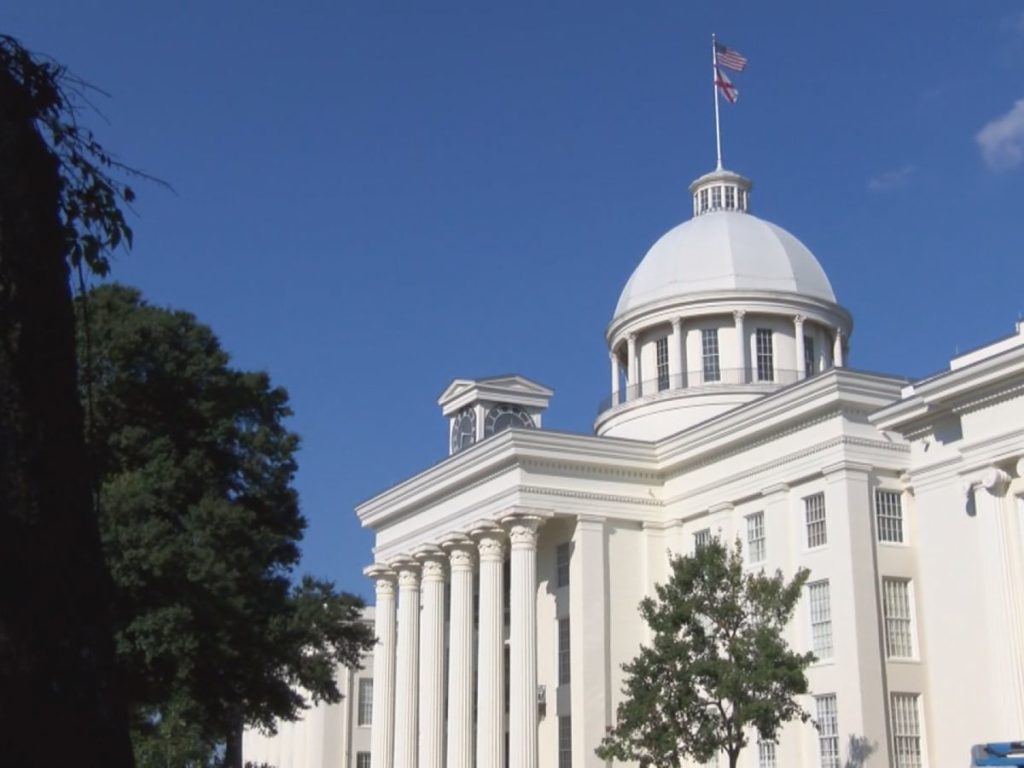
The Alabama Senate on Thursday approved a $2.7 billion general fund budget that includes a 4% pay raise for state employees. Senators voted 29-1 for the spending plan. It now moves to the Alabama House of Representatives. In addition to the employee raise, the proposed budget includes spending increases for mental health, state prisons, and pardons and paroles. “We’re trying to use the resources that Alabama entrusts with us in a way that we believe is going to have lasting effects in the future. We believe we’re doing that,” Sen. Greg Albritton, the Republican chairman of the general budget committee, said. Albritton said the spending increase, among other things, will fund the construction of three new mental health crisis centers in the state. The state general fund has gotten a boost from a rise in internet sales tax collections. Alabama lawmakers each year approve two budgets. One is for education programs and the second is the general fund which fuels state agencies. Republished with the permission of the Associated Press.
Lawmakers advance spending plan for pandemic funds
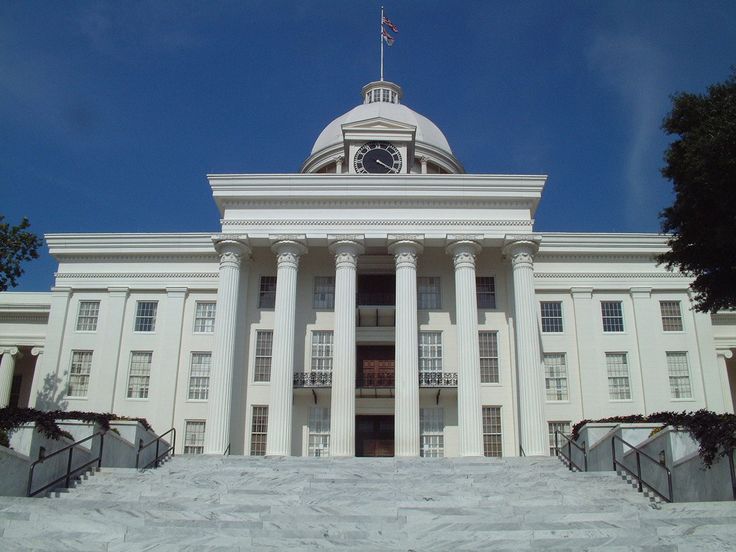
Legislative committees on Thursday advanced plans to spend more than half of the state’s available $772 million in pandemic relief funds for broadband expansion and water and sewer projects. The two budget committees approved identical spending plans for using available funds from the American Rescue Plan. The approval, which came after almost no debate, puts the bills in line for floor votes on Tuesday. The proposed spending plan so far appears to have support from Republicans and Democrats. The vote comes after Alabama faced criticism last year for using $400 million — nearly 20% of the state’s total $2.1 billion allocation from the American Rescue Plan — for prison construction. The massive $1.9 trillion American Rescue Plan is providing aid to state and local governments to shore up finances, pay pandemic-related costs, and invest in longer-term projects to strengthen communities. Alabama lawmakers are meeting in special session on how to spend the $580 million remaining from the state’s first $1.1 billion installment, as well as $191 million allocated through the America Rescue Plan’s Capital Projects Fund. The proposed spending plan would use almost 36% of the money, about $276 million on broadband expansion. Broadband expansion in the mostly rural state has long been a goal for policymakers, but the cost has been prohibitive. And officials with the Alabama Department of Economic and Community Affairs cautioned lawmakers earlier this week that the federal funds are only a fraction of the estimated $4.6 billion it would take to provide “border to border broadband.” The spending proposal would also use about $225 million on water and sewer projects. Lance LeFleur, director of the Alabama Department of Environmental Management, told lawmakers that his agency will work with the governor’s office on distributing the funds under a “needs-based approach.” “We will be looking at disadvantaged communities. Oftentimes these are in the Black Belt,” LeFleur said, referencing a high-poverty region of the state. The proposal would also provide $146 million, to health care providers, including hospitals and nursing homes. The spending plan would also steer $79.5 million to shore up the state’s unemployment fund; $20 million to emergency responders including volunteer fire departments; $11 million to reimburse counties for housing state inmates during the pandemic; $7.8 million for the cost of reporting and auditing the use of the funds and $5 million for telemedicine. While the committees advanced the bills with almost no debate, some have urged the state to address other needs. Robyn Hyden, executive director of Alabama Arise, a nonprofit focused on poverty-related issues, on Wednesday urged lawmakers to consider investing money in the Alabama House Trust Fund “to expand everyone’s access to safe affordable homes especially during this global pandemic” as well as money in rural transportation. Hyden said the organization applauded the use of the money for water and sewer projects. “We urge you to provide these funds with as few barriers and as little red tape as possible so the communities most in need can benefit,” she said. The state is expected to receive the second $1 billion installment later this year. “We will have to redo this at some point after the other $1 billion comes in,” Sen. Greg Albritton, who chairs the Senate General Fund budget committee, said after Thursday’s vote. Republished with the permission of the Associated Press.
Steve Flowers: Annual Legislative Session underway
The 2022 annual regular session of the legislature has begun. It began January 11, and constitutionally can last three and one-half months, which would have it ending at the end of April. This is the last year of the quadrennium and an election year. Therefore, the legislature will not address any controversial or substantive issues. This has always been the case in Alabama politics. This rule will ring true this year as it has in past years. They will come into session, pass the budgets, then go home to campaign. They may even adjourn early this year, probably the first part of April. It will be an easy year, budget-wise. The General Fund and Special Education Trust Fund will again have growth in revenue. The economy is still percolating from the COVID recovery, especially because of the influx of federal dollars. Alabama will have received over four billion dollars from the Federal American Rescue Plan (ARP) COVID relief money. Almost half has been earmarked and given to schools, counties, and cities and will not be allocated by the legislature. The state received over $500 million in 2021. Most of that, over $400 million, went to build new prisons, which was the most significant achievement last year. There will be approximately $560 million of ARP money coming into Alabama for this year. The legislature will be able to play Santa Claus in an election year. The General Fund Chairmen, Steve Clouse (R-Ozark) in the House and Greg Albritton (R-Escambia) in the Senate, are being lobbied heavily as might be expected. They will be looking at several ways to disburse these federal dollars. The feds like the states to focus on rural broadband expansion, water and sewage projects, and hospitals and nursing homes. It will be a short and successful and non-controversial session. Governor Ivey will miss her right arm, Jo Bonner. He has served as a quasi-governor for the past three years. Kay Ivey and Jo Bonner have a lifetime bond. They are both from Wilcox County, and like family. This remote rural black belt, southwest Alabama county has spawned Jeff Sessions, Kay Ivey, Judy Bonner, and Jo Bonner. Jeff, Kay, and Judy are all about the same age. Jo is about 15 years younger and like Kay’s little brother. Kay has never not known Jo Bonner. He has been the most influential Chief of Staff to a governor in state history. In November 2021, it was announced that Jo Bonner will become President of the University of South Alabama. He will be the fourth president of the University of South Alabama, which is the third largest university in the state. Jo Bonner is perfect for this position. His decade as a congressman from Mobile and his prowess as an economic developer and civic leader coupled with his winning personality will propel the university in Mobile to a regional educational and medical center for Alabama, Mississippi, and Northwest Florida. He is revered in Washington. His political connections and persona will make the University of South Alabama a politically powerful institution. The governor made a wise and prudent move to fill the void left by Jo Bonner’s departure from the governor’s office. She made her loyal, dedicated, and extremely qualified ally, Liz Filmore, Chief of Staff. Liz had already been functioning as a quasi-Chief of Staff to Ivey and Bonner. A few months ago, Ivey adroitly convinced State Representative Bill Poole of Tuscaloosa to become her finance director. Poole is immensely and uniquely qualified for finance director. He served over a decade in the House of Representatives. Eight of those years he chaired the Education Budget Committee and wrote the State Education budget. He was and still is one of the most universally well-liked and respected legislators in the state. Bill will remain finance director and Liz will be Chief of Staff. They will be part of what Governor Ivey will rely on as her leadership team. The other two members of the four-person team will be Brooks McClendon and Nathan Lindsey, who will be elevated to Deputy Chief of Staff. Governor Ivey along with Jo Bonner has run an exemplary Ship of State administratively. See you next week. Steve Flowers is Alabama’s leading political columnist. His weekly column appears in over 60 Alabama newspapers. He served 16 years in the state legislature. Steve may be reached at: www.steveflowers.us.
Alabama lawmakers begin session amid COVID surge, elections
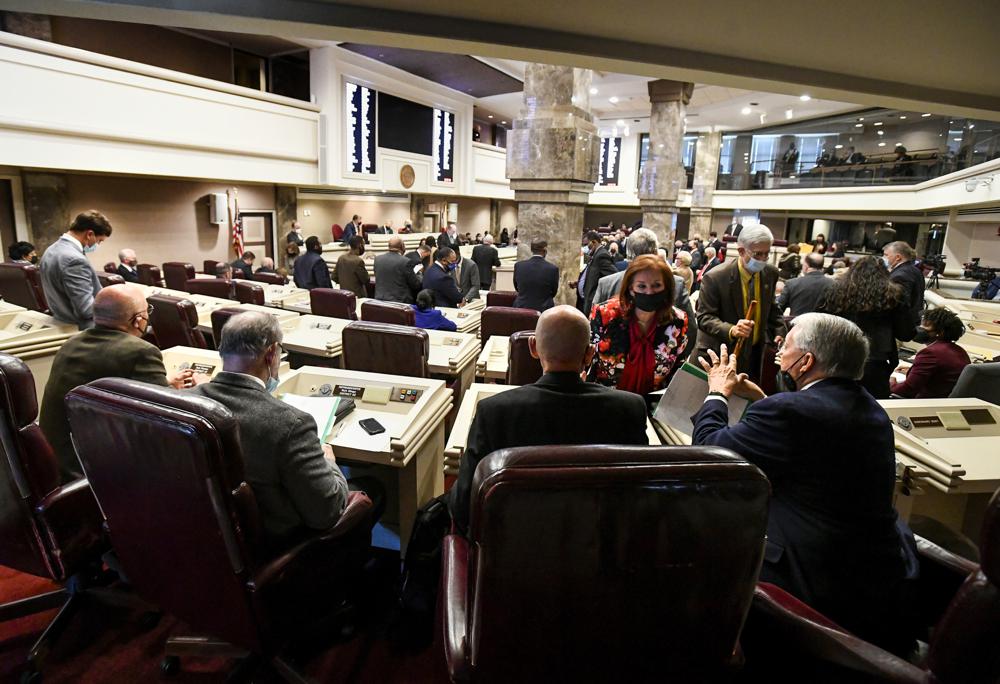
Alabama lawmakers returned to Montgomery on Tuesday to begin the 2022 legislative session against a backdrop of rising coronavirus cases and looming elections, faced with major decisions, including how to use the state’s remaining pandemic relief funds. Congress allocated $2.12 billion for Alabama through the American Rescue Plan. The state received the first half in June and has $580 million remaining after steering $80 million to hospitals and nursing homes and $400 million on a controversial prison construction plan. A key topic for the session will be how to use those remaining pandemic dollars. “We’re going to be looking at major priorities such as water and sewer grants for the state. Broadband will be an issue and health care,” House Speaker Mac McCutcheon said. Senate President Pro Tem Greg Reed agreed those will be funding priorities and said it is important lawmakers spend the money on projects that will have lasting effects. “We talked about water and sewer projects. These are things that we can spend the resources on that are beneficial for the people of Alabama for many, many years in the future,” Reed said. House Minority Leader Anthony Daniels, a Democrat from Huntsville, said that in addition to needs like broadband, Democrats would like to see health care, child care, affordable housing, and pandemic recovery for businesses addressed. “COVID-19 is not going away. In fact, the numbers are at their highest right now with this new variant,” said Daniels, who just recovered from his second bout with the coronavirus. “We just have to think through where our investments will be more well-spent and yield the returns that we need long term.” Key lawmakers said there are discussions with Gov. Kay Ivey about holding a special session to focus on the pandemic relief funds. A spokesperson for Ivey said last week that the governor “wants this to be an early priority for the Legislature.” Unlike previous years, state budgets are seeing significant growth because of increases in sales and income tax collections. Lawmakers are expected to approve a pay raise for teachers and state employees. Key lawmakers, including Sen. Greg Albritton, chairman of the Senate General Fund budget committee, said raises up to 4% are under discussion for both teachers and state employees. Lawmakers are coming to the Statehouse as Alabama experiences a record jump in COVID-19 cases fueled by the highly contagious omicron variant. The Statehouse is open to the public, but some safety precautions have been put in place. The 105-member Alabama House of Representatives is requiring masks in common areas such as hallways. Seating will be limited at Ivey’s State of the State address. Representatives can choose to vote from an overflow room if they feel unsafe in the crowded chamber. House Republicans this year are pushing what they have dubbed the “Standing Tall for Alabama” agenda, which includes legislation to do away with the requirement to get a permit to carry a concealed handgun in public. The backing increases the chances of approval for the proposal that has failed for several years in Montgomery. However, the proposal continues to face opposition from state sheriffs who say it will undermine public safety. The House GOP agenda also includes anti-critical race theory legislation and the creation of a felony crime for assaulting a first-responder. Daniels called the GOP agenda a “waste of time” as the state continues to deal with the ongoing COVID-19 pandemic. Lawmakers face primaries on May 24. An election-year session traditionally brings a flurry of legislation and resolutions that lawmakers believe will appeal to their voters. However, legislators also will feel pressure to finish up the session quickly in order to hit the campaign trail. Republished with the permission of the Associated Press.
