
Issues to watch in the 2022 legislative session
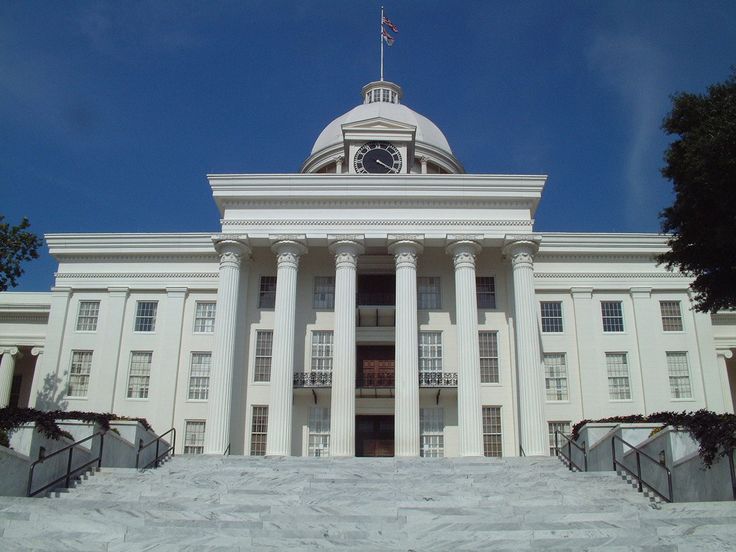
Alabama lawmakers return to Montgomery on January 11 for the 2022 legislative session. Here are some issues to watch as the session begins. PANDEMIC RELIEF FUNDS Lawmakers face decisions on how to spend over $1.5 billion in state relief funds from the American Rescue Plan. Congress allocated $2.12 billion for Alabama through the American Rescue Plan. The state has so far received $1 billion and has $580 million remaining after using $400 million for prison construction and $80 million to reimburse hospitals and nursing homes. Key lawmakers say they expect infrastructure projects to be among the proposed uses. GUN PERMITS Lawmakers are expected to again debate legislation that would do away with the need to get a permit to carry a concealed handgun. The legislation, known as “constitutional carry” to proponents, has been introduced for several years but never passed as it faced opposition from law enforcement. “I think, based on the feedback that I’m getting from members of the Senate, there’s going be a lot of interest in the constitutional carry legislation. I’ve heard that from both House and Senate members. So I think it will definitely be an issue that will be debated and will be something that we will deal with in session, for sure,” Senate President Pro Tempore Greg Reed said. ABORTION Nearly two dozen House Republicans are backing legislation similar to a Texas law that would ban most abortions and allow anyone to file civil lawsuits against violators and collect damages. The bill titled the “Alabama Heartbeat Act” would prohibit medical providers from performing an abortion once cardiac activity is detected, usually around six weeks and before some women know they are even pregnant. The measure would allow private citizens to file civil lawsuits against anyone who “aids or abets” an abortion and to collect at least $10,000 in damages for each performed abortion. GAMBLING Lottery and casino legislation will again be introduced in Alabama’s upcoming legislative session — with the goal of getting the measure before voters in November — but the outlook for the proposal is unclear. Some leaders in the House of Representatives have expressed skepticism that the bill will get a vote this year. Republican Sen. Greg Albritton of Atmore said he plans to propose a constitutional amendment that would include a state lottery, a compact with the Poarch Band of Creek Indians, and a yet-to-be-determined number of other gambling sites. Gambling legislation has failed in past sessions under a mix of conservative opposition and disputes over the number of casinos and who would have casino licenses. EDUCATION BILLS Republican Sen. Arthur Orr of Decatur is proposing an overhaul in math instruction that would include more math coaches in schools, summer programs, and interventions. Eventually, in 2028 fifth grade students would need to show they were meeting certain math benchmarks to move to the sixth grade under the proposal. Lawmakers previously approved a similar promotion requirement for third-graders with reading. However, Alabama Gov. Kay Ivey has said she will ask lawmakers for a one-year delay of the reading promotion requirement after the pandemic interrupted classrooms. The high-stakes promotion requirement for third-graders is currently set to take effect this spring. REMOVING RACIST LANGUAGE The Committee on the Recompilation of the Constitution has proposed a plan to strip racist language, such as provisions about segregated schools, from the state’s governing document. The sections were invalidated by court rulings but remain in the document. It also reorganizes the massive, sprawling document that has nearly 1,000 constitutional amendments to try to make it more user-friendly. If approved by lawmakers, it would go before voters in November 2022. TRANSGENDER TREATMENT BAN Lawmakers could again debate an attempt to forbid doctors from providing gender-confirming hormone treatment, puberty blockers, or sex reassignment surgery to treat transgender minors. The Alabama Senate approved the bill in 2021, but it did not get a vote in the House of Representatives. Arkansas became the first state to enact such a measure, but a federal judge in June blocked it from taking effect. ELECTION YEAR INFLUENCE Alabama legislators are up for reelection this year. For lawmakers seeking another term, the session brings the last opportunity to shore up their records before voters make their decisions. That traditionally brings a flurry of legislation and resolutions that legislators believe will appeal to their voters. The primary is May 24. However, lawmakers will also feel the need to finish up the session quickly in order to hit the campaign trail. Republished with the permission of the Associated Press.
Lawmakers face decisions on $1.5 billion in relief funds

Alabama lawmakers face decisions in the coming months on how to spend more than $1.5 billion in pandemic relief funds, and legislative leaders say infrastructure projects — such as broadband and sewer projects — are expected to be a spending priority. Congress allocated $2.12 billion for Alabama through the American Rescue Plan. The state received the first half in June and has $580 million remaining after steering $80 million to hospitals and nursing homes and $400 million on a controversial prison construction plan. The state will receive a second $1.060 billion in May or June of this coming year. The state also has $191 million allocated through the America Rescue Plan’s Capital Projects Fund. Senate President Pro Tempore Greg Reed, R-Jasper, said how to use the money will be one of the major issues before lawmakers in the session that begins January 11. He said proposals are still being developed, but he expects money to be steered toward a combination of local and regional projects as well as reimbursements to hospitals and other health care providers that have been hard hit during the pandemic. “You’re going to be looking at projects that are going be for individual communities,” Reed said adding that would likely be done by establishing a grant or application process. He said they are also considering line-item expenditures for “major projects that are going to be regional projects” as well as tasking the Department of Finance with managing additional reimbursement to health care providers. “There would be potentially additional dollars in healthcare that would need to go over and above the resources that we’ve already given that would go for reimbursement with hospitals, nursing homes, others.” Senate Finance and Taxation General Fund Chairmen Greg Albritton, R-Atmore, said legislative leaders plan to meet with Gov. Kay Ivey next week. He said every lawmaker has their own idea of how the remaining $580 million should be utilized. “I want this money to be invested in the future, not paying for the past. I want this money to go into matters that will make a difference for the next generation,” Albritton said. House Ways and Means General Fund Chairman Steve Clouse, R-Ozark, said he expects lawmakers will allocate the $580 million this session and leave decisions on the $1 billion — which the state won’t receive until after the session is concluded — until a later time. He anticipates a large amount of money will be put toward rural broadband and water and sewer projects. Clouse said the pandemic highlighted the lack of internet access with many children not having internet access as they tried to learn from home. “I don’t think we need to get into operating expenses and stuff that is going to require recurring revenue streams. This should be one-time capital type projects,” Clouse said. Alabama took criticism for using $400 million of pandemic relief funds for prison construction. Legislative Republicans said it was an allowed use, but critics argued it was not a proper use of the money. “Maybe our priorities will finally catch up after our $400 million we spent on prisons,” Rep. Chris England, D-Tuscaloosa, said. England said hospitals and nursing homes will be seeking additional resources, which he said is “especially relevant now that it looks like we are in the middle of another surge.” Hospitals have seen labor costs surge as they turn to contract travel staff to fill staff shortages as well as expenses for setting up clinics for monoclonal antibodies. “We’ve missed several opportunities to spend a lot of that money on education. While we were running CRT (critical race theory) out of the classroom, we ignored COVID sitting right there. We probably need to focus a little bit more resources on making sure our kids are safe from a real problem, versus an imaginary one,” England said. Republished with the permission of the Associated Press.
Gambling legislation again before lawmakers in ’22 session

Lottery and casino legislation will again be introduced in Alabama’s upcoming legislative session — with the goal of getting the measure before voters in November — but the outlook for the proposal is unclear as lawmakers face primaries this spring. Republican Sen. Greg Albritton of Range said he plans to introduce a proposed constitutional amendment that would include a state lottery, a compact with the Poarch Band of Creek Indians, and a yet-to-be-determined number of other gambling sites. “This simply needs to get off our plate, off the table. We need to deal with this, and waiting another year is not going to help us. That would just be revenue thrown aside or thrown away,” Albritton said. The Alabama Senate last year approved a proposed constitutional amendment that would establish a state lottery as well as allow nine casino sites in the state, but the measure stalled in the House of Representatives. “My goal is to find a path to get the votes that we need,” Albritton said of ongoing discussions. However, some members of the Republican leadership are doubtful about the outlook for any gambling legislation. Lawmakers face primaries in May, which brings both election concerns and time constraints in the 2022 session, a key member said. “I would be very surprised if it would pass in a regular session in an election year,” Republican Rep. Steve Clouse, chairman of the House general fund budget committee, said. “By the time we get toward to end of March, first of April, people are going to be antsy to get out of there.” Robbie McGhee, vice chairman of the Poarch Band of Creek Indians Tribal Council, said lawmakers would be giving the final decision to voters since the measure would have to be approved in a statewide vote. Albritton said his goal is to get the measure before voters in November. “I think this is the perfect opportunity to say, ‘That I’m going to give the power to people to make this decision,’” McGhee said. Gambling legislation in the past has failed under a mix of opposition from conservative lawmakers and turf wars over who would get lucrative casino licenses. Owners of dog tracks and other electronic bingo operations have argued the Poarch Creeks should not have a monopoly. Last year’s Senate-passed bill, in addition to authorizing casinos operated by the tribe, would have given existing dog tracks and electronic bingo operations, such as Greenetrack and VictoryLand dog tracks, an advantage in trying to win the other casino licenses. It is unclear what this year’s bill would mean for those sites. Albritton said he expected the sites would initially have an interim license to continue gaming. Albritton said he plans to propose that gambling revenue partly be used to fund mental health care and facilities. “That seems to be one major gap that we have in our state,” he said. Republished with the permission of the Associated Press.
Steve Flowers: State Senate will have little turnover in 2022
2022 was anticipated to be an exciting competitive election year. However, it is going to be a yawn of a political year. If you thought there was no competition for the constitutional offices and the House of Representatives seats in next year’s elections, then you have not seen anything like the lack of turnover in the Alabama State Senate. Incumbency will prevail. In fact, the power of incumbency in the Alabama State Senate is on par with the incumbent return percentage for Congress, which is probably comparable to the Russian Communist Politburo. There are 35 state Senate seats; 27 of the 35 are held by Republicans. Out of the 27 Republican state senators, 24 are running for reelection, and all 24 probably will be reelected. Almost all of them have no opposition. The Democratic minority has just as high a reelection bar. Of the eight Democrats, seven probably will be running unopposed. The only Democrat not running will be Priscilla Dunn, who has not been to the Senate this entire four-year term. Most of the first-term State Senators have never met her. According to rumors, she is in poor health and cannot attend. The 150,000 people in Senate District 19 in Jefferson County have been without a voice or vote in the Alabama Senate for four years. The three retiring Republican State Senators are giants. Del Marsh, Jimmy Holley, and Jim McClendon’s shoes will be hard to fill. These three seats will be filled by new Republicans. The 27-8 super Republican majority will continue. State Senator Del Marsh (R-Anniston) has been a leader in the Senate for 23 years. He served as President Pro Tempore of the Senate most of that time. He ran a very effective ship of state. State Senator Jimmy Holley (R-Elba/Coffee) is an icon. He was a master of Senate rules. He also was a mentor to a good many young senators. State Senator Jim McClendon (R-St. Clair) will be sorely missed in the state senate. The gentleman from St. Clair served with honor and distinction for eight years in the State Senate and 12 years before that in the House of Representatives. This freshman class of senators has bonded and work cohesively with the veteran leaders. The Freshman Class includes Will Barfoot (R-Pike Road), Tom Butler (R-Huntsville), Sam Givhan (R-Huntsville), Dan Roberts (R-Jefferson), Garlan Gudger (R-Cullman), Randy Price (R-Lee), Donnie Chesteen (R-Geneva/Houston), David Sessions (R-Mobile), Jack Williams (R-Mobile), Chris Elliott (R-Baldwin) and Andrew Jones (R-Cherokee/Etowah). Senator April Weaver (R-Shelby/Bibb) won her seat recently when Cam Ward left to become head of Pardons and Paroles. April Weaver previously served in the House of Representatives. She is the only female GOP Senator. She has a bright future. All twelve of these new senators have done an excellent job, and all will be reelected. Ten of the twelve will probably run unopposed. There are some exceptionally talented and dedicated veterans in the Senate that will coast to reelection. Most, if not all, will be unopposed. This stellar group of legislative leaders includes President Pro Tem Greg Reed (R-Jasper/Walker), Senate Majority Leader Clay Scofield (R-Guntersville), Senator Clyde Chambliss (R-Autauga/Elmore), Senator Steve Livingston (R-Scottsboro/Jackson), Senator Shay Shelnutt (R-Jefferson), Senator Tom Whatley (R-Auburn/Lee), Senator Gerald Allen (R-Tuscaloosa), Senator Greg Albritton (R-Escambia) the Chairman of the Senate Finance General Fund, Senator Arthur Orr (R-Decatur) Chairman of Senate Finance Education, and last but certainly not least, the legendary Jabo Waggoner (R-Vestavia), who chairs the Senate Rules Committee. There will be some outstanding veteran Democrats returning to the State Senate. There are several giants, who include Senator Bobby Singleton (D-Greene), Senator Vivian Figures (D-Mobile), Senator Rodger Smitherman (D-Birmingham), and Senator Billy Beasley (D-Barbour). Senator Kirk Hatcher (D-Montgomery) is new to the senate. However, he bears watching. He is gregarious, likable, and a quick study. He will be effective for Capitol City. The senate abounds with outstanding leadership on both sides of the aisle. The lack of competition the members are garnering is a testament to their good work. This returning group of leaders could well portend for a successful future quadrennium. With this kind of experience and leadership, they will also be an independent group. They will not be a rubber stamp for the governor. See you next week. Steve Flowers is Alabama’s leading political columnist. His weekly column appears in over 60 Alabama newspapers. He served 16 years in the state legislature. Steve may be reached at www.steveflowers.us.
Justin Bogie: Tax cuts seem to be everywhere – except in Alabama’s future
Kansas, one of a handful of states alongside Alabama that still fully taxes the sale of food, recently announced a bipartisan plan to “Axe the Food Tax.” Just before Thanksgiving, North Carolina Gov. Roy Cooper signed a budget into law that will make sweeping changes to the state’s tax code, fully repealing the corporate income tax by the end of the decade and cutting the personal income tax rate by 1.26% over the next five years. And the tax cuts that North Carolina just enacted and that Kansas is proposing are not outliers. According to the Tax Foundation, North Carolina became the 12th state to enact personal or corporate income tax rate cuts in 2021. So, what did Gov. Kay Ivey and the Alabama Legislature do in 2021, and what could be on the horizon? Despite taking more revenue from citizens than ever before, there was no meaningful effort to reduce taxes this year. Instead, the 2021 Regular Legislative Session was consumed by a failed effort to legalize, and of course, heavily tax casino-style gaming in Alabama. Lawmakers also found time to legalize the use and sale of medicinal marijuana in Alabama, which could mean financial windfalls for state government and the chosen few businesses allowed to grow, process, and distribute marijuana in Alabama. Given the progress made by other states and Alabama’s failure to pass any meaningful tax reforms this year, surely they are coming in 2022, right? If tax cuts are in the cards, our elected state leaders are not talking about them. Most lawmakers seem focused on how to spend money that has already been taxed from citizens or find ways to take even more. Just this week, State Sen. Greg Albritton, chairman of the Senate general fund budget committee, said that he expects gaming legislation to be a hot topic when the legislature reconvenes on January 11. According to a report from Yellowhammer News, Albritton said that he was hopeful gaming legislation would pass in the upcoming session. And while he said getting control of existing gaming in the state was a driving factor, money may be the biggest motivation. Albritton said, “We’ve got to have some taxing on it. We’ve got to have some benefits on it.” It was estimated that the 2021 gaming legislation would have brought in $260 million to $393 million annually, just from a new tax on gaming revenue. Much of that revenue would have, of course, come out of the pockets of Alabamians. What are other priorities? Sens. Del Marsh and Bobby Singleton have bonuses for retired state workers and teachers on their minds. Marsh’s pre-filed bill would give a minimum bonus of $300 to retirees. Senate education budget chairman Arthur Orr has indicated support not only for retiree bonuses but another pay raise for the state’s teachers. If those priorities pass, Orr has said that it might be the right time to look at limited tax breaks for retirement age and lower-income Alabamians. But surely Gov. Kay Ivey is talking about taking less money from the people of Alabama? Not exactly. On Monday, Ivey announced a state-sponsored plan to expand electric vehicle use in Alabama. Interestingly, when asked if she would move to an electric vehicle, Ivey said her car is “still in good shape,” but she might consider a change in the future. Perhaps Ivey is like many other Alabamians who don’t know much about or have little interest in driving an electric vehicle. According to the Alabama Department of Revenue, nearly five million passenger vehicles were registered in 2020. Less than 3,000 of those vehicles were electric. Are these really the major priorities for Alabama citizens? If the recent gubernatorial election in Virginia is any indication, no. After a 12-year drought in statewide elections for Virginia Republicans, Glenn Youngkin was able to win because he focused on conservative principles such as school choice and lowering taxes. Exit polling conducted by Cygnal found the driving issues for Youngkin voters were education, taxes, the economy, and public safety, among others. Electric vehicles and expanded gambling appeared nowhere on the list. Few would argue that Alabama is a conservative state. Yet, the current tax and spend priorities of state lawmakers do not reflect conservative principles. If the governor and Republican supermajority legislature want to get back to those roots, they need only look to other states for inspiration. Justin Bogie is the Senior Director of Fiscal Policy for the Alabama Policy Institute.
Steve Marshall advises Alabama federal contractors not to investigate employees seeking vaccine exemption
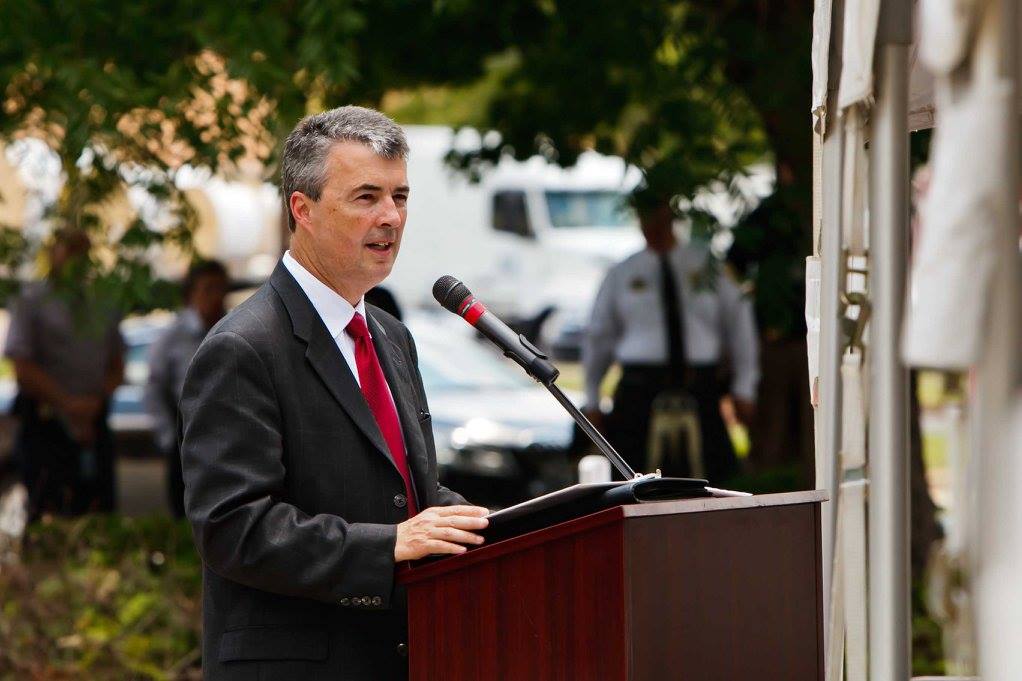
Alabama Attorney General Steve Marshall, along with Republican state legislative leaders and the state Personnel Office, have issued an advisory regarding the COVID-19 vaccine mandate for federal contractors. The advisory urges federal contractors in the state to not investigate employees seeing a religious exemption to the COVID-19 vaccine. The letter states, “Alabama-based employers, and particularly public university employers, should liberally construe—in favor of the employee—any exemption sought by an employee for medical or religious reasons. In reviewing an employee’s request for a religious exemption, employers should not inquire into the validity of an employee’s religious beliefs, including the motives or reasons for holding the belief.” The letter was co-signed by State Personnel Department Director Jackie Graham, Mac McCutcheon, Greg Reed, Danny Garrett, Arthur Orr, Steve Clouse, and Greg Albritton. The letter comes after the University of Alabama and Auburn University said they will require all federal employess to be vaccinated by December 8. The schools issued a joint statement last week saying, “As federal contractors, and like most higher education institutions, the University of Alabama System campuses – including The University of Alabama, the University of Alabama at Birmingham, and the University of Alabama in Huntsville – and Auburn University must comply with the executive order and accompanying guidance, unless that executive order is withdrawn or modified.” “Failure to comply will place our universities in jeopardy of losing hundreds of millions of dollars received through federal contracts and awards, as well as thousands of jobs funded by those dollars.” Marshall also added that any public university employee that is denied a reasonable request for exemption should contact the Civil Division of the Attorney General’s Office. The letter explains, “No employee of a public university in Alabama, nor any employee of Alabama state government, will forfeit their livelihood as a result of the federal government’s flagrant overreach.” “The Attorney General’s Office, working with the State Personnel Department, will assist in transferring these employees into other public university/state employment,” the letter continued. Marshall also added that the Attorney General’s Office is preparent a lawsuit to fight the mandate. Marshall stated on Twitter, “Alabama-based employers should liberally construe – in favor of the employee – any exemption sought by an employee for medical or religious exemptions with regards to vaccine mandates. My office is preparing its lawsuit to challenge the federal government.”
Steve Flowers: Prison issue tackled, new prisons on the way
The problem of overcrowded prisons is a dilemma that has been facing Alabama for close to a decade. It was not something that Kay Ivey created. She simply inherited the situation, and the chickens have come home to roost during her tenure. To her credit, she did not hide from the issue. She has tackled it head-on and with gusto and resolve. She and the legislature were and are under the gun because the U.S. Justice Department is breathing down their necks to resolve the inequities and unconstitutional conditions in our prisons. When you get into a scenario where the Justice Department adamantly demands some concrete resolutions, you have to act. Otherwise, they will take over the state’s prison system, mandate the resolutions, and hand you the bill. Just ask California. The Justice Department is not only building new prisons at the Golden State’s expense but also releasing a good many of their prisoners. The bottom line is if the Justice Department will mandate and take over the California Prison System, you can bet your bottom dollar that they will do the same to Alabama. We have been down this path before. Years ago, in the 1960s, during all the segregation and civil rights wars raging in the Heart of Dixie, the federal courts took over Alabama’s prison system. Governor George Wallace and Justice Frank Johnson were law school classmates and friends. Johnson was married to his lovely wife, Ruth Jenkins, while in law school. Ruth was an excellent cook, and they would have George over for dinner. Their friendship ended when they clashed over civil rights and integration. Johnson handed down most of the rulings that integrated schools and other institutions throughout the state, while Wallace lambasted Johnson daily as a scallywagging, carpetbagging, integrating liberal. Wallace won the demagogic battle and rode it to being governor for eternity. However, Johnson and the federal courts won the war. Judge Johnson took over the state prisons, and the bill was so costly that it took the State of Alabama 25 years to dig out of the financial hole. Kay Ivey is old enough to remember this disastrous solution for Alabama. That is probably why she took the bull by the horns and declared boldly in her State of the State address over two years ago that this is an Alabama problem and we need to find an Alabama solution. Gov. Kay Ivey and probably, more importantly, the state legislature has worked to resolve this imminent and pressing problem. This current Special Session called by Governor Ivey to address the need for new prisons will more than likely resolve the issue for at least the next 25 to 30 years. The legislative leadership and governor have worked prudently and harmoniously to implement a solution to this prison overcrowding issue. This joint success follows months of negotiations between Ivey and legislative leaders in determining the scope and scale of the project. The two General Fund Budget Chairmen, Representative Steve Clouse and Senator Greg Albritton deserve a lot of credit and accolades for orchestrating the pieces of the puzzle. Ivey and legislators knew that the gravity of the situation required the governor calling a Special Session. The solution will be to build two new men’s prisons with at least 4,000 beds, one in Elmore County and one in Escambia County, in addition to a new 1,000 bed women’s correctional facility in Elmore County. The new Elmore men’s facility will provide enhanced medical and mental health, substance abuse and educational programming as suggested by the Justice Department. The two new men’s prisons will cost an estimated $1.2 billion, and the women’s prison and renovations of existing prisons will cost between $600 to $700 million. The prisons will be paid for by a $785 million bond issue. The salvation for the plan was the state receiving $400 million from the federal American Recovery Plan ACT (“ARPA”), which was like manna from heaven. The heroes for their area and constituents were Senator Greg Albritton of Escambia and Senator Clyde Chambliss of Elmore, who won the new prisons for their people. These prisons are an economic bonanza for Elmore and Escambia. Chambliss got two. Hopefully, this will resolve this issue for at least a few decades. We will see. See you next week. Steve Flowers is Alabama’s leading political columnist. His weekly column appears in over 60 Alabama newspapers. He served 16 years in the state legislature. Steve may be reached at www.steveflowers.us.
Alabama bypasses bid process to move fast on prison builds
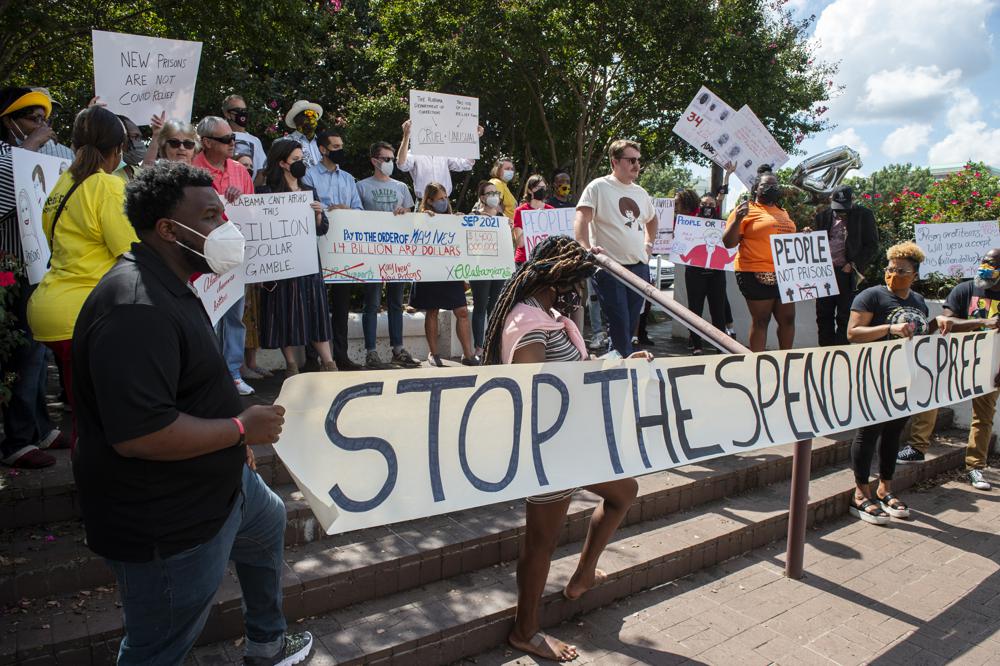
Alabama intends to move quickly on building new prisons under a plan that taps pandemic relief funds and could skip the normal bidding process for the construction of two supersize facilities. Alabama Gov. Kay Ivey Friday signed into law the $1.3 billion construction plan to build two 4,000-bed prisons and a new prison for women and renovate other facilities. The plan taps $400 million from the American Rescue Plan — money the state has already received — and could steer the construction contracts toward companies that previously qualified for the work. The construction bill signed into law bypasses the normal bidding process for the two 4,000-bed facilities. It specifies that the state instead can negotiate directly with entities that were part of development teams that qualified for the projects under a lease plan that Ivey’s administration had pursued but abandoned. Those entities include Birmingham-based construction giant BL Harbert International and Montgomery-based Caddell Construction. Caddell and BL are each expected to be the main contractors for one of the two prisons, Republican Sen. Greg Albritton said. Lawmakers said working with those companies will allow the state to incorporate the prior work, saving both time and money. “The main thing is time, and time is of the essence. This is going to enable us to start these projects 12 months in advance, and time is money,” said the bill’s sponsor, Republican Rep. Steve Clouse. House Speaker Mac McCutcheon, defending the selection language, said the companies previously went through a selection process under the lease plan. The law specifies that if the state doesn’t reach an agreement with one of those companies, officials will start over with a fresh selection process seeking bids on the work. Alabama officials will have the money to start construction after lawmakers approved $400 million in virus funds and another $150 million from the state’s general fund, in addition to agreeing to borrow $785 million through a bond issue. “We can start this construction now with the money we have on hand now … without having to wait to float bonds,” Albritton said. “I believe we’re going to see dirt flying in January.” The U.S. Department of Justice has sued Alabama over a prison system “riddled with prisoner-on-prisoner and guard-on-prisoner violence.” The Justice Department noted in an earlier report that dilapidated facilities were a contributing factor to the unconstitutional conditions but wrote “new facilities alone will not resolve” the matter because of problems in culture, management deficiencies, corruption, violence, and other problems. Dozens of advocacy groups objected to the prison construction plan. “We do not believe the issues facing Alabama’s prisons are about the buildings,” said Bryan Stevenson, executive director and founder of the Equal Justice Initiative. “We think it’s entirely about leadership, culture, and the practices,” Stevenson said. “I just think engaging in a costly effort around new prisons is not going to solve the problem and worse is distracting us from dealing with the prisons.” Republished with the permission of the Associated Press.
Alabama lawmakers OK plan to build prisons with virus cash

Amid a national debate over the use of pandemic relief funds, Alabama lawmakers swiftly approved a plan Friday to tap $400 million from the American Rescue Plan to help build two super-size prisons, brushing off criticism from congressional Democrats that the money was not intended for such projects. The Alabama Legislature gave final approval to the $1.3 billion prison construction plan, and to a separate bill to steer $400 million of the state’s $2.1 billion from the rescue funds to pay for it. With legislative leaders standing behind her, Alabama Gov. Kay Ivey signed the bills into law soon afterward. The Republican called the construction plan “a major step forward” for the prison system, which faces various federal court orders and a lawsuit from the U.S. Department of Justice. “This is a pivotal moment for the trajectory of our state’s criminal justice system,” Ivey said. President Joe Biden’s sweeping $1.9 trillion COVID-19 rescue package was signed in March, providing a stream of funds to states and cities to recover from the coronavirus pandemic. Alabama’s plan to use almost 20% of its American Rescue funds for prison construction drew criticism from some congressional Democrats, including U.S. Rep. Terri Sewell of Alabama, who argued that was not the intent of the relief program. But state Republicans argued that the expenditure addresses a public safety need and is allowed under a provision to replace lost revenue and shore up state services. Republican Sen. Greg Albritton said the funds will “go a long way” to addressing the state’s longstanding problems in prisons. “This was the right thing for Alabama to do. We’ve got crumbling infrastructure. We’ve got people housed in places that are filthy. We’ve got individuals working in conditions that are unsafe,” Albritton said. The plan drew opposition from many Democrats in the House of Representatives but had minimal dissenting votes in the state Senate, where senators approved the use of the pandemic money in a 30-1 vote and the overall construction plan in a 29-2 vote. Democratic Rep. Juandalynn Givan of Birmingham, who voted against the bills in the House, said she hopes the federal government steps in and tells the state the expenditure is not allowed. “There are many needs here in the state of Alabama and there are many people who need these funds,” she said. “But they (Republicans) saw an opportunity to take the Biden money, that $400 million, because it was just like liquid water flowing through their hands and say, ‘OK, let’s jump on it,’” Givan said. U.S. House Judiciary Committee Chairman Jerrold Nadler of New York this week sent a letter to Treasury Department Secretary Janet Yellen asking her to “prevent the misuse of ARP funding by any state, including Alabama” to build prisons. Asked Wednesday about Alabama’s plan, White House press secretary Jen Psaki said, “I would be surprised if that was the intention of the funding.” Republican legislative leaders said they are comfortable they can legally use the funds because the American Rescue Plan, in addition to authorizing the dollars for economic and health care programs, says states can use the money to replace revenue lost during the pandemic to strengthen support for vital public services and help retain jobs. The U.S. Department of Justice has sued Alabama over a prison system “riddled with prisoner-on-prisoner and guard-on-prisoner violence.” The Justice Department noted in an earlier report that dilapidated facilities were a contributing factor to the unconstitutional conditions but wrote “new facilities alone will not resolve” the matter because of problems in culture, management deficiencies, corruption, violence, and other problems. The Alabama prison construction proposal calls for three new prisons — a prison in Elmore County with at least 4,000 beds and enhanced space for medical and mental health care needs; another prison with at least 4,000 beds in Escambia County and a women’s prison — as well as renovations to existing facilities. Six current facilities would close. The package of approved bills includes modest reform measures: The state will purchase a vacant private prison and use it to house parole violators — instead of sending them back to prison — and provide rehabilitation programs there to try to combat recidivism. Corrections Commissioner Jeff Dunn said the construction plan was both the “right thing to do” and would help the state “with respect to DOJ, with the other litigation.” Advocacy groups argued the state needed to take on broader reforms. “The Alabama Legislature has proved its determination to spend $400 million of American Rescue Plan funds to build two mega-prisons when we have one of the highest COVID death rates in the world,” said Katie Glenn, policy associate at the SPLC Action Fund, an arm of the Southern Poverty Law Center. “It won’t solve the problems plaguing the prison system, only decarceration can do that.” Republished with the permission of the Associated Press.
Alabama prison plan heads to final vote in Legislature

Alabama lawmakers on Thursday continued to advance a $1.3 billion prison construction plan that would be partly funded with pandemic economic relief dollars, saying they are comfortable that the expenditure is allowed. The Senate Finance and Taxation Committee approved the construction plan and related financial bills, including using $400 million of the state’s $2.1 billion from the American Rescue Plan to pay for part of the construction. The approval put the bills in line for a final vote Friday in the Alabama Senate. Republican Sen. Greg Albritton said the $400 million for prisons is a necessary expenditure and represents a fraction of the billions in pandemic relief dollars that have come into the state, payments ranging from stimulus and unemployment for individuals to grants for government. “Alabama’s need on the prison matter is acute, and it’s necessary,” Albritton said. Democratic Sen. Linda Coleman-Madison said she believed some of the money should go to the “self-contained petri dish” that prisons are but questioned whether the state had done enough for health care services. “I’m concerned right now about hospitals closing, especially in rural areas. When hospitals close in rural areas, that’s a long distance for people to travel and a loss of lives, possibly,” Coleman-Madison said. The $400 million comes from a segment of the American Rescue Plan funds that provides money to replace revenue lost during the pandemic. The Treasury Department said the money can be used for infrastructure and to strengthen support for vital public services. “Now without saying, ‘Yes, Alabama, you can build a prison,’ I think that pretty clearly says, ‘Yes, Alabama, you can build a prison,’” Kirk Fulford, deputy director of the Legislative Services Agency, told lawmakers during a presentation. The proposal calls for at least three new prisons — one with at least 4,000 beds in Elmore County that would have enhanced space for medical and mental health care needs, another with at least 4,000 beds in Escambia County, and a women’s prison — as well as renovations to existing facilities. Six existing prisons would eventually close, a prospect that has brought objections from some lawmakers. Sen. Democratic Sen. Billy Beasley of Clayton said his district has three prisons, all recruited to provide jobs in the isolated rural area. “If I lose my facilities, then it’s going to be a devastating blow to the economy of Clayton and Clio and Barbour County, for that matter — and Bullock County,” Beasley said. Beasley also unsuccessfully tried to decrease the maximum number of inmates the prisons would house, questioning the feasibility of safely running and staffing two 4,000-bed prisons. The committee tabled the proposed amendment. “I think it’s in the best interest of the correctional officers. I think it’s in the best interest of the inmates,” Beasley said of having smaller prisons. To pay for construction, the state would also borrow $785 million through a bond issue and tap $150 million in general fund dollars. Republished with the permission of the Associated Press.
Alabama lawmakers weigh using virus funds to build prisons
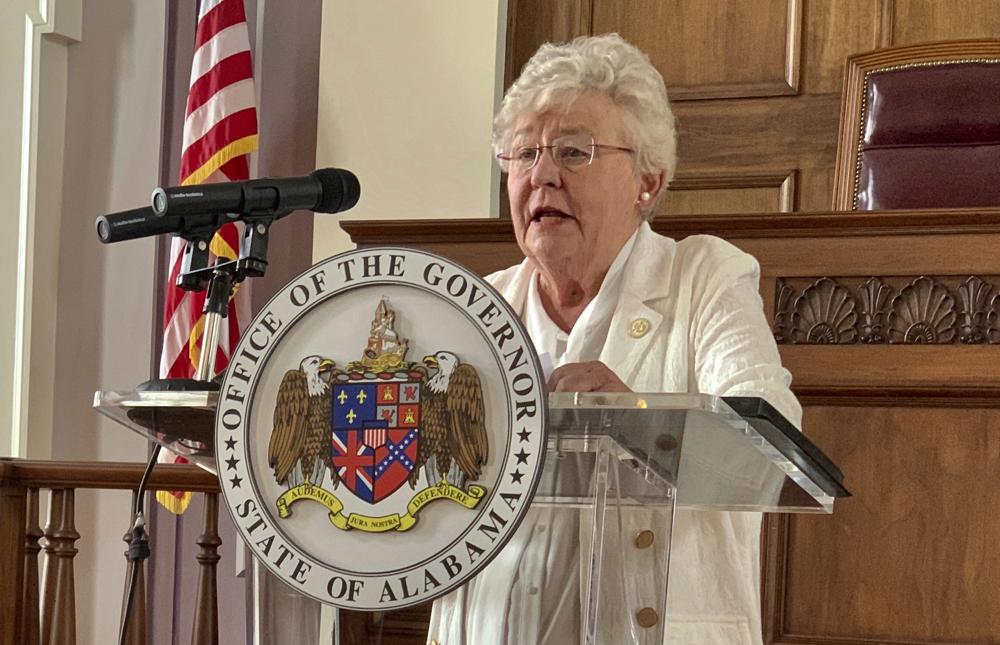
Alabama is weighing the use of $400 million in pandemic relief funds to build new prisons, a proposal that state Republican leaders say would save state taxpayer money but that critics argue is not the intended use of the federal aid. Lawmakers on Monday are scheduled to begin a special session focused on a $1.3 billion prison construction plan to build at least three new prisons and renovate others. The projects would be done in phases and funded with a $785 million bond issue, $150 million in general fund dollars, and $400 million from the state’s $2.2 billion share of American Rescue Plan funds. Gov. Kay Ivey and Republican legislative leaders have defended the use of the virus funds, saying it will enable the state to essentially “pay cash” for part of the construction and avoid using state dollars as well as paying interest on a loan. “We don’t have to borrow quite as much money and pay all that money back,” Ivey told reporters this week of why the virus funds should be used for prison construction. Republican Sen. Greg Albritton, who chairs the Senate general fund budget committee, said legislative leaders are comfortable they can legally use the money for prison construction. Albritton said part of the federal dollars are to replace revenue lost during the pandemic. He said that pot of funds “has many, many fewer restrictions” on how it is used. Dev Wakeley, a policy analyst with Alabama Arise, said while the state may be legally able to use the money for prison construction, the purpose was to do things that “will help everyday Alabamians in their lives, and to smooth out the recovery.” Alabama Arise is an advocacy organization for low-income families. He said the money could be used for items such as an expansion of the state’s Medicaid program to provide medical coverage to previously uninsured Alabamians and child care programs. “Congress surely did not contemplate, state governments, deciding that well, you know, we’re just not going to use this money to actually improve lives of people … instead we’re going to blow $400 million on building fancy new prisons that don’t even really get at the problems” of the state incarceration system. Rep. Chris England, D-Tuscaloosa, said there are “obviously better uses of the money.” President Joe Biden’s sweeping $1.9 trillion COVID-19 rescue package known as the American Rescue Plan was signed in March, providing a stream of funds to states and cities to recover from the pandemic. The program gives broad discretion to states and cities on how to use the money. The U.S. Department of Treasury has said the funds can be used to support COVID-19 response, support economic stabilization for households and businesses, address systemic public health and economic challenges, and to replace lost revenue to “strengthen support for vital public services and help retain jobs.” A spokesman said the U.S. Department of Treasury does not preapprove any specific uses of the funds and has not issued a final rule on usage. Treasury officials say the department is monitoring all proposed expenditures and expects any state or local government that uses state and local funds in violation of the eligible uses to repay the misused funds to the federal government. The Alabama prison construction proposal calls for at least three new prisons — at least a 4,000-bed prison in Elmore County with enhanced space for medical and mental health care needs; another at least 4,000-bed prison in Escambia County; and a women’s prison — as well as renovations to existing facilities. Republished with the permission of the Associated Press.
Steve Flowers: Session ends, gambling left on the table
The 2021 Legislative Session is in the books. I would rate it a success. When you pass budgets that are balanced, any session is a success. In fact, the only constitutional mandate given to the legislature is that they pass the two budgets. The amazing revelation that is almost difficult to comprehend is the fact that both the General Fund and the Educational Fund budgets were not only status quo but were flush with growth coming out of a year of the COVID pandemic. State employees and teachers both received raises in the budgets. Alabama is one of the few states in America that has not been devastated financially by the pandemic. A lot of credit for this good fiscal stability goes to the Chairmen of the Budget Committees in both the House and Senate. They have worked and strived diligently to pass conservative budgets with reserve accounts that have allowed the state to avoid rainy days. The state owes a debt of gratitude and a tip of the hat to House Budget Chairmen Bill Poole (R-Tuscaloosa) and Steve Clouse (R-Ozark) and Senate Finance Chairmen Arthur Orr (R-Decatur) and Greg Albritton (R-Escambia). The Legislature dealt with a lot of high-profile issues. Not the least of which was the perennial issue of allowing doctors to prescribe medicinal marijuana for pain for their patients. This prescription has been allowed for years in many states. Now, Alabama doctors will be able to prescribe this medication to their patients. The gambling issue dominated the entire session. The state Senate passed the gambling proposal to send to the people for a vote. However, it failed in the House of Representatives. It is a Constitutional Amendment and therefore needs 21 votes in the 35-member State Senate and 63 votes in the State House of 105 member representatives. It does not even go to the governor for a signature but goes straight to the ballot. The governor is very much for this initiative. However, it probably needs to be dealt with in a special session for it to pass. Governor Kay Ivey needs to really promote the issue in a special session where it is the only issue dealt with and focused on. She has plenty of time. The Amendment, if approved by legislators, is not set to be voted on until the November 2022 General Election. This proposed constitutional amendment is a very all-encompassing gambling plan. It institutes a lottery, authorizes sports betting, and legalizes casinos around the state. It is a constitutional amendment that will also be exact and detailed and with authoritative gambling policy enforcement procedures. This regulation of gambling has been needed for years because we already have gambling in Alabama. The new state gambling regulatory commission would oversee the lottery, as well as the five existing casinos in Macon, Mobile, Greene, and Jefferson counties, and one yet to be determined in Northeast Alabama. This new location would be in the pristine Northeast Alabama mountains and would be given to the Poarch Band of Creek Indians. It would have the potential to be a destination tourist attraction. The Poarch Creek casinos would continue to be regulated by federal statutes, but the state would be enabled to enter into a compact with the tribe for Class III table games. All lottery revenue would be directed to education, including scholarships for higher education and trade schools and a loan forgiveness program for graduates who locate back in Alabama. The annual revenue from casinos and sports betting would be divided for several uses. Almost 50% would be up to the legislature to appropriate toward capital or other non-recurring expenses. Forty percent would be earmarked for “enhanced health care services,” and 10% would be divided among counties and cities for “Capital or other non-recurring expenses.” Under the legislation, for all gambling revenue, up to 5% would be set aside for initiatives to help problem gamblers. This legislation pretty much tracks the recommendations of Governor Kay Ivey’s proposal and actually does not even require her signature. She was very prominently lobbying for its passage and will endorse its ratification by Alabama voters. It will reap a significant amount of revenue for the State of Alabama. You may very well see it come up again this year in a special session. See you next week. Steve Flowers is Alabama’s leading political columnist. His weekly column appears in over 60 Alabama newspapers. He served 16 years in the state legislature. Steve may be reached at www.steveflowers.us.
