
The 2023 Alabama Legislative Session has begun
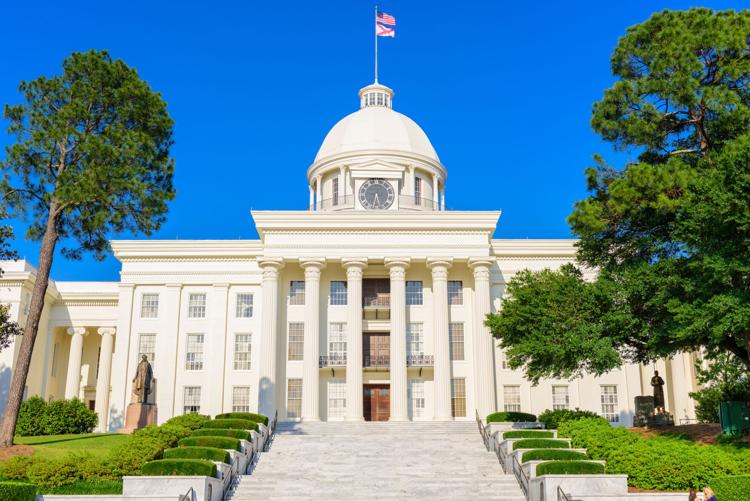
Tuesday, the Alabama State Legislature returned to Montgomery for the start of the 2024 Alabama Regular Legislative Session. The Alabama House of Representatives and the Alabama Senate gaveled in at noon for the first legislative day and then joined the governor that night for a joint session where she presented her state of the state address. Senate Pro Tem. Greg Reed told members of the Senate, “I appreciate you being willing to serve the people of Alabama.” “The sacrifices made by the family of those who serve is not insignificant,” Reed added, thanking the families of the 35 Senators for their sacrifices. The Senate opened the journal to introduce bills, selected a committee to inform the governor that the Senate was now in session, and passed a resolution in honor of March being Women’s History Month. The resolution “celebrates the contribution that Alabama women have made to American history.” The resolution honors a number of Alabama women, including Rosa Parks, Helen Keller, and Condoleezza Rice, for their contributions to the state as well as the governor. “Current governor Kay Ivey is the longest serving woman governor in history and the second after Lurleen Wallace.” State Sen. Rodger Smitherman said, “This resolution inspired me. That resolution is a cosmic picture of the state of Alabama. It does not matter whether you are Black or White. It was a cosmic picture of all the people of Alabama.” “That’s our state,” Smitherman said. “All of us, we represent the state. Look around this room. This is what our state looks like. I am looking forward to voting for this resolution with a smile on my face.” Senate Joint Resolution 4 passed unanimously. Senate Joint Resolution 5 honoring former U.S. Senator Richard Shelby for his decades of service to the state passed. State Sen. Gerald Allen sponsored this. A second resolution supporting the oil and gas exploration by Allen was held over and referred to the Rules Committee after State Sen. Bobby Singleton asked for more time to study it. Reed announced that the Senate needed to address statutory requirements at the start of the session. The Senate held a Legislative Council election and selected Sens. Clyde Chambliss, Steve Livingston, and Vivian Figures to represent the Senate on the Council. For the Committee on Public Accounts, the Senate elected Sens. Arthur Orr, Clay Scofield, and Jabo Waggoner. On the Sunset Committee, Sens. Garlan Gudger, Keith Kelley, and Figures were elected. Sens. Orr, Scofield, Waggoner, Figures, and Singleton were elected to the Senate Ethics and Conduct Committee. Ivey called a special session beginning on Wednesday for the Legislature to focus on appropriating over one billion dollars in American Rescue Plan Act funds that the federal government sent to the state of Alabama. “This evening, I am calling a Special Session of the Alabama Legislature to begin tomorrow so that we can urgently address these endeavors,” Ivey said. “We are, once again, tasked with allocating our taxpayers’ dollars that are part of the second round of the American Rescue Plan Act from Congress.” “This is not free money,” Ivey warned legislators. “And we must invest these one-time funds wisely. Last year, thanks to you, members of the Alabama Legislature, we put these dollars to work, meeting some of Alabama’s biggest challenges. I commit to the people of Alabama we will once again take a smart approach and put it towards major and needed endeavors like expanding broadband access, improving our water and sewer infrastructure, and investing in our health care – including telemedicine.” Tuesday was the first day of the 2023 Alabama Regular Legislative Session, but since Ivey has called a special session, the second legislative day of the regular session will not begin until Tuesday, March 21. The Alabama Constitution of 1901 limits the Legislature to just thirty legislative days in a regular session. Members worked on Tuesday, introducing their bills for the regular session. At the close of the day on Monday, 98 bills had been pre-filed ahead of the session. By the end of the day on Tuesday, that had grown to 174 bills. Reed explained to reporters that it takes a minimum of five legislative days for a bill to pass both Houses of the Legislature, so it will take the rest of this legislative week and next week for the ARPA appropriations bill to pass and go to Gov. Ivey for her signature. Once that is done, the special session can end, and the Legislature will be poised to remove the 2023 Alabama Regular Legislative Session. To connect with the author of this story or to comment, email brandonmreporter@gmail.com.
Steve Flowers: Legislature organizes for Quadrennium
The legislature had their every four-year organizational session earlier this month. It is exactly what the title states. They are organizing for the next quadrennium of lawmaking. They officially chose their leadership and adopted the rules for the two chambers. The 105-member House of Representatives and 35-member State Senate are elected for four-year terms, the same as the governor and other constitutional offices. However, unlike the governor, who was sworn in on Monday, January 16, as set out in the state constitution, the legislature takes office the day after they are elected in November. The state House of Representatives will have 77 Republicans and 28 Democrats. That is a veto-proof, bulldozer-shoving, anything-you-want supermajority. The Democrats have very little say with those overwhelming numbers. Two days after they were elected in November, the 77-member Republican majority met in a private caucus meeting in Montgomery and selected their leadership. Therefore, the vote for Speaker of the House two weeks ago was simply a formality. The House has chosen Representative Nathaniel Ledbetter to be the Speaker of the House. Speaker Ledbetter hails from Rainsville in DeKalb County. He is a former Mayor of Rainsville. He has only been in the House of Representatives for eight years, having been first elected in 2014. He was chosen to be the majority leader in the House in his freshman year. He was close to the former Speaker Mac McCutcheon, and he served on both the powerful agenda-setting Rules Committee, as well as the Ways and Means Education Budget Writing Committee. Representative Chris Pringle of Mobile has been chosen to be Speaker Pro Tem of the House, which is the second highest position within the body. He has served previously for 16 years in the House from the Port City. He succeeds fellow Mobilian Victor Gaston in this post. There are two young stalwarts who will be serving in Republican Party positions within the House. Representative Scott Stadthagen of Decatur will be the new House Majority Leader. Representative Wes Kitchens of Arab will serve as the Republican Leadership Caucus Vice Chair. Representative Debbie Wood from the Valley will serve as the Republican Caucus Secretary/Treasurer. The three most powerful posts in the House are the chairmanships of the two money committees and the agenda-setting Rules Committee. Representative Danny Garrett of Trussville in Jefferson County will continue to Chair the Ways and Means Education Budget Committee. Representative Rex Reynolds of Huntsville will be the General Fund Ways and Means Chairman. Reynolds replaces longtime Ways and Means Chairman Steve Clouse of Ozark. Representative Joe Lovvorn of Auburn will be the new Rules Committee Chairman. Representative Jim Hill of St. Clair will chair Judiciary. He is a former circuit Judge and a veteran of the House. All of these House leadership positions are held by Republicans. To the victor goes the spoils. The Democrats have a veteran and sterling team heading their Caucus Leadership in the House. Anthony Daniels of Huntsville will be the Democratic Minority Leader. Barbara Drummond of Mobile will be the Caucus Chair. Mary Moore of Birmingham will be the Vice Chair, and Kelvin Lawrence of Hayneville will be Secretary/Treasurer of the Democratic Caucus. The 35-member Alabama State Senate returns almost intact with their continuity and quality leadership. They will dominate and provide a stable State of Ship to help lead the state. Republicans control this upper chamber to the same degree that the GOP members do in the House. Republicans outnumber Democrats 28 to 7 in the Senate. State Senator Jabo Waggoner of Jefferson County begins his 50th year in the legislature. This is a state record. He is definitely destined for the state history books. Jabo will continue to Chair the powerful Rules Committee. Greg Reed of Walker County will be Pro Tem of the Senate again. The Majority Leader will again be Clay Scofield of Marshall County. The two money committee chairmen will continue to be in charge of how the state revenues are spent. Senator Arthur Orr of Decatur will chair Finance and Taxation/Education. Senator Greg Albritton of Escambia will chair Finance and Taxation/General Fund. These two men will be very powerful. Popular state Senator Will Barfoot of Pike Road will chair Judiciary in the Senate. Senator Clyde Chambliss of Prattville has become a stalwart leader in the Senate. He will be Majority Whip. Lieutenant Governor Will Ainsworth presides over the Senate. The Regular Session begins in early March. See you next week. Steve Flowers is Alabama’s leading political columnist. His weekly column appears in over 60 Alabama newspapers. He served 16 years in the state legislature. Steve may be reached at www.steveflowers.us.
Alabama Legislature to hold organizational session Tuesday

The Alabama Legislature will be in session on Tuesday. This two-day session is not to pass legislation but rather to organize for this new quadrennium. Both bodies will pass rules for the Legislature to operate under moving forward and set their leadership. Most attention is focused on the Alabama House of Representatives, where a number of changes are coming. Both Speaker of the House, State Rep. Mac McCutcheon, and Speaker Pro Tem. State Rep. Victor Gaston did not run for re-election in 2022. The House is expected to elect state Rep. Nathaniel Ledbetter as the new Speaker and State Rep. Chris Pringle as the new Pro Tem. During the last legislative session, Republicans had a 77 to 28 filibuster-proof supermajority over Democrats. That is unchanged in 2023, so the Republican choices for the top leadership positions in the House are virtually a lock to be elected on Tuesday. Ledbetter is the former Mayor of Rainsville and was the Majority Leader during the previous quadrennium. He is in his third term in the state legislature. State Rep. Scott Stadthagen will be the new Majority Leader. He is serving in his second term in the Legislature. State Rep. Anthony Daniels will return as the House Minority Leader. Ledbetter has already announced his staff hires and committee chairs. This is one of the least experienced groups of House members in many years. Two-thirds of the House members are in their first or second term. This is the biggest change in the body since Republicans took control of the Legislature in 2010 after 135 straight years of Democratic Party domination. In the Alabama Senate, Lieutenant Governor Will Ainsworth was re-elected in a landslide. Ainsworth serves as President of the Senate as one of his office’s primary responsibilities. The inauguration for his second term will be on Monday. State Sen. Greg Reed will return as Senate President Pro Tempore. State Sen. Clay Scofield was also re-elected and likely will continue as the Senate Majority Leader. Republicans had a filibuster-proof 27 to 8 supermajority in the Alabama Senate during the last legislative session, and that supermajority returns. Both Reed and Scofield are returning for their fourth term in office. State Sen. James T. “Jabo” Waggoner returns as the dean of the Legislature. Waggoner was first elected to the Legislature in 1966. He is expected to continue to chair the powerful Senate Rules Committee. Both the House and the Senate will update their rules for the next four years. This is just an organizational session, and no actual legislation will be introduced or passed during these anticipated two days. The state legislature will return on March 7 for the 2023 regular legislative session. A regular legislative session is constitutionally limited to just 30 days. To connect with the author of this story, or to comment, email brandonmreporter@gmail.com.
Legislators seek a bailout of Birmingham Southern College
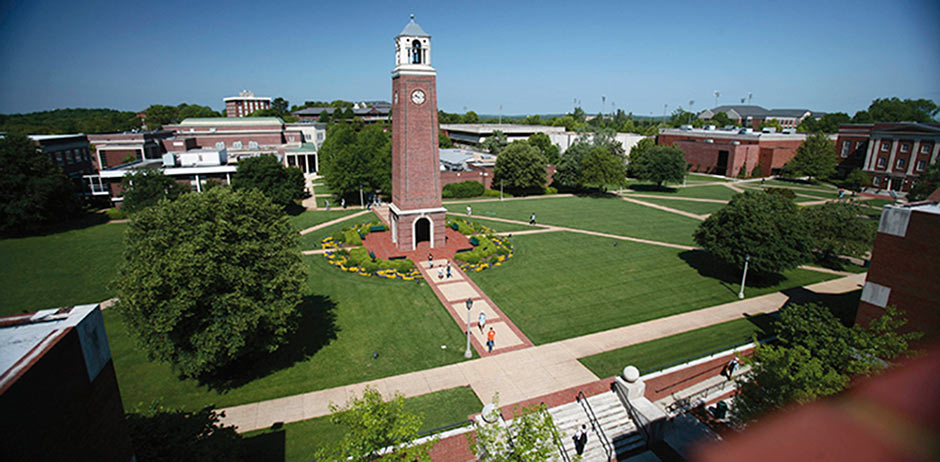
Members of the Jefferson County Legislative delegation met on Monday at Birmingham Southern College (BSC) to discuss their proposal to take $30 million of state dollars and give that to the struggling liberal arts college near Legion Field in Birmingham. The meeting was called by State Sen. Jabo Waggoner and State Rep. Jim Carns. “This plan includes a $30 million one-time infusion from the State of Alabama ($12.5 million from ARPA and $17.5 million from the Education Trust Fund). Along with smaller grants from the City of Birmingham ($5 million) and Jefferson County ($2.5 million), this infusion will cover projected deficits through May 31, 2026,” Waggoner and Carns wrote. “Without support from the state, the college will not be able to continue to operate past May 2023. Without a commitment from the state, the college will need to notify high school seniors that they will no longer be accepting applications by the middle of January.” The college released a statement acknowledging the dire straits that the school faces. “Over the past 18 months, BSC President Daniel Coleman has secured firm commitments from hundreds of private donors for $45 million toward a goal of raising $200 million by May 2026 to refresh its endowment fund. This is a remarkable demonstration of support for BSC and a reflection of the fact that the college is important—not only to Birmingham but to the State of Alabama. In order to allow sufficient time for this fund-raising effort to succeed and to give BSC breathing room to operate, we are seeking a one-time contribution of $12.5 million from the second tranche of the American Rescue Plan Act and $17.5 million from the Education Trust Fund (ETF). BSC is also asking for a commitment of $5 million from the City of Birmingham and $2.5 million from Jefferson County. We believe Birmingham-Southern College’s contributions to the greater Birmingham area and the state warrant such an investment, which is clearly permissible under state law and for which there is considerable precedent.” Coleman briefed legislators on his plan. “We believe with the time that the state funds will give us, we can gain support from the other 16,000 graduates we have not contacted as well as the many thousands of people and organizations of this state who appreciate the value of this College,” Coleman said. “Our target of $200 million of pledges by May 2026 is achievable, especially with our $45.5 million head start. Such an endowment will give us the financial stability that this college needs to thrive.” The administration blames its current financial distress on a “building program in the mid-2000s that drew heavily upon the endowment and caused the college to take on significant debt. The financial crisis of 2008-2009 and an error in the accounting of federal financial aid further depleted the college’s resources.” At the meeting on Monday, State Sen. Rodger Smitherman and State Rep. Juandalynn Givan added their bipartisan support to the bailout of the private college. “This is the urgency of now,” said Rep. Givan. “To lose Birmingham-Southern would be a travesty for all of us.” When Judson College in Marian County ran into financial trouble, the Legislature allowed the college to fail in 2021. Some Judson alums have asked why the state would bail out BSC and did nothing to save Judson. Birmingham-Southern College was founded back in 1898 as Birmingham College. Most of its students come from Alabama, and 28% self-identify as either African-American or Hispanic. In addition to potential state support, the school will need to raise about $150 million more to be back on its feet by 2026. At the meetings, the legislators said they plan to present their plan to bail out the struggling private liberal arts college to Alabama Governor Kay Ivey in the coming weeks. To connect with the author of this story, or to comment, email brandonmreporter@gmail.com.
Seven State Senate seat races to watch
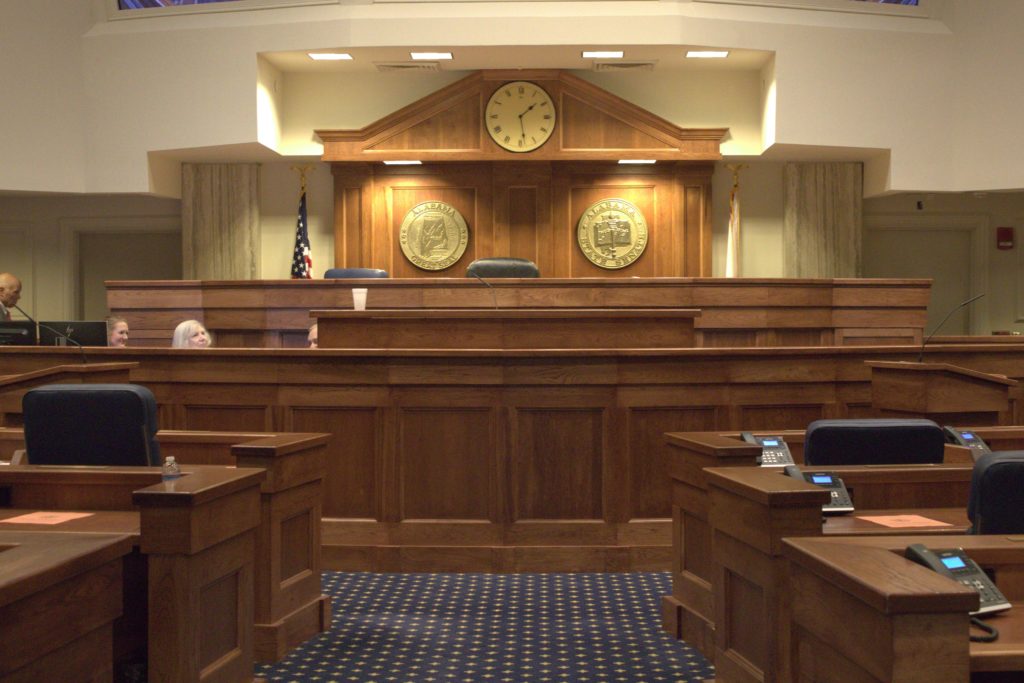
All 35 State Senate seats are up for grabs in the November 8 general election. Republicans hold a 27 to 8 margin over Democrats in the current makeup of the Alabama Senate. The Alabama Republican Party is running candidates in 29 seats. The GOP is defending all of the 27 seats they currently hold and are running candidates in two districts currently held by Democrats. Alabama Democrats are defending the eight seats they currently hold and are challenging the GOP in six districts currently held by Republicans. Libertarians currently hold no seats in the Alabama Senate but are running twelve candidates in State Senate races. There are a number of contested State Senate races on the November ballot. These are the seven races with the most chance of becoming interesting. Democrat Lisa Ward is challenging Republican incumbent State Sen. Gerald Allen in Senate District 21. Both of these candidates are well known in the Tuscaloosa area. Allen has represented the district for three terms and served in the Alabama House of Representatives before that. Ward is a former city councilwoman who is very active in the community. According to filings with the Alabama Secretary of State’s office, Allen has a $204,872.68 campaign account balance entering September, which includes August contributions of $8,250. Ward, the challenger, meanwhile raised $23,149.76 in August and has a cash balance of $31,968.94 entering September. Neither faced a primary opponent. Democrat Kim Lewis versus Republican incumbent State Sen. Tom Butler in Senate District 2. Butler has represented Madison County in the legislature for parts of five decades, but this is one of the fastest growing areas in the state, and there are thousands of new people that bring different politics with them to the area. Lewis is hoping that an increasingly purple Madison County will result in a win. Butler was pushed hard in the Republican primary by former State Sen. Bill Holtzclaw. Butler raised $44,500 in the month of August and enters September with $38,166.63. Lewis raised $7,830 in August and comes into September with $27,859.70. In Senate District 33, incumbent Democratic Sen. Vivian Figures faces Republican challenger Pete Riehm. This has been a very safe Democratic district consisting of the poorest parts of Mobile as well as Mobile County suburbs like Prichard, but redistricting meant that the new district now goes deep into Baldwin County and picked up the very prosperous and heavily Republican community of Spanish Fort. This district went from very blue to purple thanks to the legislature’s redistricting and efforts to “unpack” Black voters from majority-minority districts. Is it purple enough for a Republican to take it away from the Democrats? That is for the voters to decide on November 8. Sen. Figures raised $31,500 in the month of August to enter September with $110,497.02. Riehm had contributions of $19,577.54 in August and enters September with $60,911.31. Democrat Sherri Lewis versus Republican Jay Hovey in Senate District 27. Hovey, an Auburn City Councilman, just narrowly defeated incumbent Tom Whatley (R-Auburn) in a heavily contested GOP primary. Hovey, who has the challenge of unifying Republicans, raised $85,500 in contributions in August to enter September with a cash balance of $70,074.17. Reese meanwhile raised $1,806.20 in August to bring a total of $2,703.33 into the month of September. Senate District 23 – here, there are three candidates vying for the open seat formerly held by State Sen. Malika Sanders-Fortier, who vacated the seat in an unsuccessful bid for governor. Democrat Robert Lee Stewart narrowly defeated former State Sen. Hank Sanders in a hard-fought Democratic primary runoff in June. Stewart faces both a Republican in Michael Nimmer and a Libertarian in Portia Stephens. Stewart raised $16,987 in August to bring $17,872.84 into September. The Libertarian, Stephens, reported raising $2,060 in August to finish the month with $6,285 in cash on hand. The Republican, Nimmer, has not filed a campaign finance report. Alabama does not have general election runoffs, so when there are multiple candidates, the candidate with the most votes wins even if they got less than half of the votes. There is another three-way contest in Senate District 29. There, incumbent Republican Sen. Donnie Chesteen (R-Dothan) faces both Democrat Nathan “Nate” Mathis and Libertarian Floyd “Pete” McBroom. Matthis reported raising no money in August, but he has $5,719.36 in cash on hand. McBroom has not filed a campaign finance report with the Secretary of State’s office yet. The incumbent, Chesteen, raised $25,500 in August to enter September with $327,660.86. In Senate District 12, Republican Keith Kelley is battling Democrat David McCullars for the open seat currently held by Sen. Del Marsh. Kelley raised $29,658.24 in August and has $65,102.13 in cash on hand. McCullars only raised $265 in the month of August and entered the month of September with $4,377.15 in cash on hand. Kelley had a hard-fought Republican primary. This is a district that has given Marsh a close call in the 2014 general election. In other contested Alabama Senate races · SD3 incumbent Arthur Orr (R-Decatur) faces Libertarian Rick Chandler · SD4 incumbent Garlan Gudger (R-Cullman) faces Libertarian Jacob Marlow · SD6 incumbent Larry Stutts (R-Sheffield) faces Libertarian Kyle Richard-Garrison · SD7 incumbent Sam Givhan (R-Huntsville) faces Democrat Korey Wilson · SD15 incumbent Dan Roberts (R-Mountain Brook) faces Libertarian Michael Crump · SD17 incumbent Shay Shelnutt (R-Trussville) faces Libertarian John Fortenberry · SD24 incumbent Bobby Singleton (D-Greensboro) faces Libertarian Richard Benderson · SD25 incumbent Will Barfoot (R-Montgomery) versus Libertarian Louie Woolbright · SD28 incumbent Billy Beasley (D-Clayton) faces Libertarian David Boatwright · SD35 incumbent David Sessions (R-Grand Bay) faces Libertarian Clifton Hudson Republican incumbents Tim Melson, Greg Reed, Steve Livingston, Clay Scofield, Andrew Jones, Randy Price, April Weaver, Jabo Waggoner, Greg Albritton, Clyde Chambliss, Chris Elliott, and Jack Williams are all running unopposed. Republican newcomers Lance Bell in SD11 and Josh Carnley in SD31 are also unopposed in the general election. Democratic incumbents Rodger Smitherman, Linda Coleman-Madison, and Kirk Hatcher are all also unopposed in the general election. State Rep. Merika Coleman is unopposed in SD19, which is being vacated by the retirement of Priscilla Dunn (D-Bessemer). In 2022 Republican candidates in Alabama have received $44,321,108.97 in contributions. Political Action Committees have received $17,846,761.05. Democratic candidates have received $6,629,199.43, and all other candidates have received just $111,950.87. The general
Steve Flowers: Incumbency reigns supreme in State Senate
Being an incumbent state senator in Alabama is like owning that seat. The level of re-electability odds is probably better than that of an incumbent congressman, which is about the same as being elected to a seat in the Russian Communist Politburo. Being a freshman state senator in Alabama is a more powerful position than being a freshman U.S. congressman, especially if you want to affect public policy. Many times, a 50-year old, successful person who is interested in seeking a representative role will approach me and seek my advice about running for either a state senate seat or an open congressional seat. I will quickly advise them that as a state senator, you are one of 35, and you immediately have an impact on your first year as a state senator. However, if you win a congressional seat, you are one of 435. Because of the seniority system, it will be 15 years before they know your name in Washington and 25 years before you are chairman of a committee, and then it is time to retire. In the 35-member Alabama Senate, there are 27 Republicans and 8 Democrats – a pretty supermajority for the GOP. Twenty-four of the twenty-seven senate Republicans are running for reelection. Republicans Jimmy Holley, Del Marsh, and Jim McClendon are retiring. These seats will be filled by another Republican. Therefore, when the Senate organizes next January, the 27 to 8 supermajority will remain the same. The lines are drawn to protect incumbents on both sides of the aisle. The Constitution provides the power of the pencil for legislators to draw their own legislative districts. Seventeen of the 24 Republican incumbents have no opposition in the Republican Primary. Of the seven Republican senators who drew a Republican opponent, they only got an opponent the last day of qualifying, and their opposition is token at best. All 24 Republican incumbents will be reelected. If my prognostication is correct, that is a 100% re-electability rate. There are only two GOP incumbents that were first thought to have viable opponents. Tom Whatley, at first blush, was rumored to have a race. However, polling and fundraising reveal he will win easily. The only interesting race may be in the Huntsville area, where incumbent Tom Butler is being challenged by Bill Holtzclaw, who previously served in that senate seat. The rule of incumbency also prevails on the Democratic side of the aisle. There is only one Democratic seat open. Priscilla Dunn holds the post in name only. She has never attended a senate day in Montgomery for this entire quadrennium. The Senate has, in essence, been operating with 34 senators. In actuality, the Democrats have only seven senate seats. There are 150,000 residents of Jefferson County who have had no voice or vote in the Alabama Senate for four years. There are two Democratic House members vying to fill this seat, Merrika Coleman and Louise Alexander. Ms. Coleman is favored to win this open Senate seat. The cadre of leadership on the Democratic side will return, including powers Bobby Singleton, Rodger Smitherman, and Vivian Figures. Hank Sanders will return to represent Selma and the Black Belt after a four-year sabbatical. His daughter was in the seat this last quadrennium. The entire leadership of the Republican-led Senate will return unopposed, including Greg Reed, Jabo Waggoner, Clay Scofield, Arthur Orr, Greg Albritton, Steve Livingston, Gerald Allen, and especially Clyde Chambliss. They will be joined by a superstar freshman class, who will become even more powerful. This class of leaders includes Will Barfoot, Garlan Gudger, April Weaver, Sam Givhan, Donnie Chesteen, and a trio contingency of Baldwin/Mobile senators Chris Elliott, Jack Williams, and David Sessions. Another member of this sterling class, Dan Roberts of Jefferson, has an opponent but will be reelected. The three open Republican seats and one Democratic open seat will give us some interesting senate races to follow. One of, if not the most important ingredients which creates the power of incumbency is the almighty campaign dollar. Money is the mother’s milk of politics. Most of this campaign money comes from Special Interest Political Action Committees. Ninety percent of those special interest dollars go to incumbents. Thus, over 90% of Alabama state senators are reelected. See you next week. Steve Flowers is Alabama’s leading political columnist. His weekly column appears in over 60 Alabama newspapers. He served 16 years in the state legislature. Steve may be reached at: www.steveflowers.us.
Steve Flowers: State Senate will have little turnover in 2022
2022 was anticipated to be an exciting competitive election year. However, it is going to be a yawn of a political year. If you thought there was no competition for the constitutional offices and the House of Representatives seats in next year’s elections, then you have not seen anything like the lack of turnover in the Alabama State Senate. Incumbency will prevail. In fact, the power of incumbency in the Alabama State Senate is on par with the incumbent return percentage for Congress, which is probably comparable to the Russian Communist Politburo. There are 35 state Senate seats; 27 of the 35 are held by Republicans. Out of the 27 Republican state senators, 24 are running for reelection, and all 24 probably will be reelected. Almost all of them have no opposition. The Democratic minority has just as high a reelection bar. Of the eight Democrats, seven probably will be running unopposed. The only Democrat not running will be Priscilla Dunn, who has not been to the Senate this entire four-year term. Most of the first-term State Senators have never met her. According to rumors, she is in poor health and cannot attend. The 150,000 people in Senate District 19 in Jefferson County have been without a voice or vote in the Alabama Senate for four years. The three retiring Republican State Senators are giants. Del Marsh, Jimmy Holley, and Jim McClendon’s shoes will be hard to fill. These three seats will be filled by new Republicans. The 27-8 super Republican majority will continue. State Senator Del Marsh (R-Anniston) has been a leader in the Senate for 23 years. He served as President Pro Tempore of the Senate most of that time. He ran a very effective ship of state. State Senator Jimmy Holley (R-Elba/Coffee) is an icon. He was a master of Senate rules. He also was a mentor to a good many young senators. State Senator Jim McClendon (R-St. Clair) will be sorely missed in the state senate. The gentleman from St. Clair served with honor and distinction for eight years in the State Senate and 12 years before that in the House of Representatives. This freshman class of senators has bonded and work cohesively with the veteran leaders. The Freshman Class includes Will Barfoot (R-Pike Road), Tom Butler (R-Huntsville), Sam Givhan (R-Huntsville), Dan Roberts (R-Jefferson), Garlan Gudger (R-Cullman), Randy Price (R-Lee), Donnie Chesteen (R-Geneva/Houston), David Sessions (R-Mobile), Jack Williams (R-Mobile), Chris Elliott (R-Baldwin) and Andrew Jones (R-Cherokee/Etowah). Senator April Weaver (R-Shelby/Bibb) won her seat recently when Cam Ward left to become head of Pardons and Paroles. April Weaver previously served in the House of Representatives. She is the only female GOP Senator. She has a bright future. All twelve of these new senators have done an excellent job, and all will be reelected. Ten of the twelve will probably run unopposed. There are some exceptionally talented and dedicated veterans in the Senate that will coast to reelection. Most, if not all, will be unopposed. This stellar group of legislative leaders includes President Pro Tem Greg Reed (R-Jasper/Walker), Senate Majority Leader Clay Scofield (R-Guntersville), Senator Clyde Chambliss (R-Autauga/Elmore), Senator Steve Livingston (R-Scottsboro/Jackson), Senator Shay Shelnutt (R-Jefferson), Senator Tom Whatley (R-Auburn/Lee), Senator Gerald Allen (R-Tuscaloosa), Senator Greg Albritton (R-Escambia) the Chairman of the Senate Finance General Fund, Senator Arthur Orr (R-Decatur) Chairman of Senate Finance Education, and last but certainly not least, the legendary Jabo Waggoner (R-Vestavia), who chairs the Senate Rules Committee. There will be some outstanding veteran Democrats returning to the State Senate. There are several giants, who include Senator Bobby Singleton (D-Greene), Senator Vivian Figures (D-Mobile), Senator Rodger Smitherman (D-Birmingham), and Senator Billy Beasley (D-Barbour). Senator Kirk Hatcher (D-Montgomery) is new to the senate. However, he bears watching. He is gregarious, likable, and a quick study. He will be effective for Capitol City. The senate abounds with outstanding leadership on both sides of the aisle. The lack of competition the members are garnering is a testament to their good work. This returning group of leaders could well portend for a successful future quadrennium. With this kind of experience and leadership, they will also be an independent group. They will not be a rubber stamp for the governor. See you next week. Steve Flowers is Alabama’s leading political columnist. His weekly column appears in over 60 Alabama newspapers. He served 16 years in the state legislature. Steve may be reached at www.steveflowers.us.
Steve Flowers: Birmingham’s political inside man
Historically, political power in the state has rested in the rural counties. Birmingham has been the home of the “Big Mules,” where the money that fueled the gubernatorial campaigns came from, but very few Birmingham politicians have ascended to governor or U.S. Senator. Counties like Barbour and Cullman have been where governors are bred, not imperial Jefferson. Indeed, the small-town boys that ran for governor would demagogue and make fun of and run against the “Big Mules” of the Magic City, especially the village of Mountain Brook. Therefore, the legendary kingmakers in the state were the probate judges in the rural counties throughout the Heart of Dixie. The giants of Alabama political lore, Big Jim Folsom and George Wallace, won their races in the rural counties. They would run against the “got rocks,” Big Mules and silk-stocking Mountain Brook and Over the Mountain elite, so it was not surprising that Wallace nor Big Jim ever carried Jefferson County. Business, not politics, prevailed in Jefferson County. Therefore, Birmingham did not yield as many inside political men as might be expected of the major city of the state. However, there has been one go-to political kingmaker in Birmingham in my generation. Joe Fuller has been the go-to man to see in the Magic City, especially in Republican primaries. Joe was proudly born and raised in Birmingham and knows the city like the back of his hand. Fuller has been a successful, independent insurance agent his entire career and has led the Alabama Independent Insurance Agents Association for decades. He began his civic political involvement in his 20’s through the legendary Birmingham Jaycees. He, like a good many of Birmingham’s civic and political leaders, cut their teeth in the Birmingham Jaycees. This group were the original founders of Birmingham’s Legion Field. The Birmingham Jaycees were the training ground for the leaders of the city. Some of Fuller’s contemporaries in the 1960s and early 70s were Fox DeFuniak, J. Mason Davis, David Wheeler, Julian Smith, George McMillan, and George Siebels. The Birmingham Jaycees became the springboard for George Siebels to be elected Mayor of Birmingham in 1965. Joe Fuller was instrumental in helping to orchestrate Siebel’s victory. Thus, began Joe Fuller’s reign as the kingmaker of Birmingham politics. Fuller would start candidates off in his stately home on top of a hill in the historic Redmont neighborhood in Birmingham. He would have a gathering of 20 to 30 at an elegant meal, which he primarily prepared. His first major horse he bet on was George McMillan. He helped George get elected to the legislature and then helped mastermind McMillan’s historical upset of state senator George Lewis Bailes. He then helped manage his successful run for Lt. Governor and then saw him almost beat George Wallace for Governor in 1974. It has been my honor and privilege to have known Joe for almost 40 years and have had the opportunity to be invited to his great political gatherings over those years. I have watched him as he helped launch the careers of Birmingham Congressman Spencer Bachus, who served in the legislature before serving in Congress 20 years. Joe was extremely close to legendary state representative John Hawkins. He has been a loyal supporter of iconic State Senator Jabo Waggoner over all of his almost five decades in the state legislature. Joe Fuller has been and was one of the early supporters of my great friend and legislative colleague, Mike Hill. Mike served three decades in the House from Shelby County and is now the State Banking Commissioner. Fuller has been close-to another longtime veteran state legislator, Jim Carnes. Jim has been at almost all of Joe’s political dinner parties as he helped launch the political careers of legislators Paul DeMarco, David Wheeler, and Dan Roberts. Joe was instrumental in the election of state senator Steve Windom as Lt. Governor. Joe’s house was Windom’s first stop. Joe was one of the founders of the renowned Mid-Alabama Republican Club, which meets monthly in Vestavia. It is a sought-after invitation to speak for all aspiring statewide Republican candidates, as are his dinner parties. The first place that Jeff Sessions came to when he first began his political career as Attorney General of Alabama was Joe Fuller’s home. Joe supported Jeff Sessions during his entire 20-year career in the United States Senate. Jeff will never forget it. A good many of Alabama’s political leaders have found their way to the home of “ole” Joe Fuller atop Red Mountain over the last 40 to 50 years. See you next week. Steve Flowers is Alabama’s leading political columnist. His weekly column appears in over 60 Alabama newspapers. He served 16 years in the state legislature. Steve may be reached at www.steveflowers.us.
Lottery, casino bill heads to Alabama Senate vote

The Alabama Senate will debate a gambling bill soon, the bill’s sponsor said Monday, signaling the first major test of the proposal to begin a lottery and allow as many as eight casinos statewide. Republican Sen. Del Marsh of Anniston said Monday that he expects his bill will come to the Senate floor Tuesday. The proposal, which would have to be put before Alabama voters if approved by lawmakers, would authorize a state lottery, five casinos locations and a compact with the Poarch Band of Creek Indians for casino games at their three sites. Marsh stressed, however, that many final details were still under negotiation. “One way or the other, a bill is coming out tomorrow and we are going to vote. That’s where I am,” Marsh said, expecting debate to begin as early as Tuesday. “I’ve been optimistic since day one. I just think the mood is there to get something for the people to vote on,” Marsh said. Senate Rules Chairman Jabo Waggoner, R-Vestavia Hills, was less certain the bill would get a vote Tuesday, saying it was a bit “up in the air” with last-minute negotiations and Marsh’s discussions with House members and others. “Some of the senators don’t want to cast that vote knowing it is just going to die in the House,” Waggoner said. Waggoner said he supported the idea of a lottery, but wanted to see the “final product” as far as the casino proposal. The most recent version of the bill proposes establishing a state lottery and five casinos — one at four existing dog tracks plus a fifth site in north Alabama that would be run by the Poarch Band of Creek Indians. It also would authorize a compact with the Poarch Band for casino games at their three existing sites that currently have electronic bingo machines. Other smaller operators, including sites in Lowndes and Houston counties, have asked to be included. Marsh said that, for now, the bill is limited to the five sites. Marsh said governor Kay Ivey was “very clear” that she didn’t want a large number of casinos in the state. Asked if the governor wants to limit the number of sites to five, a spokeswoman said, “Governor Ivey wants to be able to support the final gaming proposal from the Legislature” and “has expressed this to Senator Marsh and others, and we still have some work to be done.” “Ultimately, we must be able to control and regulate gambling if it is going to be legal in Alabama, and the intention is certainly not to have a casino on every corner. The governor supports the people of Alabama having the final say,” Ivey spokeswoman Gina Maiola said in a text message. Republished with the permission of the Associated Press.
Early gambling debate mired in casino location concerns

Alabama state senators on Thursday raised concerns about five proposed casino locations — with some wanting additional gambling locations — as lawmakers began debate on a bill to allow a lottery and casinos in the state. The Alabama Senate began debate on the bill Thursday but sponsor Sen. Del Marsh said he will not seek a vote until lawmakers return from next week’s legislative break. Senators debated the bill for about an hour before adjourning. Marsh said he plans to spend the next week working on the legislation. Some lawmakers said they are concerned their districts were not included in five casino locations spelled out in the bill. “Southeast Alabama was left out, the Dothan area. I’ve had a lot of calls wanting to know why Dothan was left out,” Republican Sen. Donnie Chesteen, R-Geneva, said. The area had a facility that offered electronic bingo games, which resemble slot machines, but state law enforcement pushed to shut it down. Marsh’s bill would shut down electronic bingo sites, although card and paper games could continue. “You are not alone,” Marsh replied to Chesteen. ”I’ve had at least four others in this chamber come to me with the same situation. Marsh said that he was looking at adding up to two additional sites, but cautioned that he did not think voters would approve a gambling bill that allowed a large number of casinos. The bill proposes establishing a state lottery as well as five casinos offering table games, sports betting, and slot machines. The casinos would be located at four existing dog tracks plus a fifth site in north Alabama that would be run by the Poarch Band of Creek Indians, the state’s only federally recognized Native American tribe. The proposal also would encourage the governor to negotiate with the Poarch Band for a compact involving their three other sites which currently have electronic bingo machines. The proposal would have to be approved by a three-fifths majority of each chamber of the Alabama Legislature and then a majority of voters in a statewide vote. The Legislative Services Agency estimated the lottery would generate $194-$279 million annually for college scholarships awarded on a mix of need, merit, and workforce needs in the state. The agency estimated the casinos would generate $260-$393 million annually from the 20% tax on gaming revenues as authorized by this amendment. Marsh wants to use casino revenue to help expand broadband access in the state as well as to fund mental and rural health services. Alabama is one of just five states without a state lottery. Alabamians last voted on gambling in 1999 when they defeated a lottery proposed by then-Gov. Don Siegelman. Gambling bills introduced since then have fallen short under a mix of conservative opposition to gambling as a revenue source and a turf war over which entities could offer casino games or electronic bingo machines. Marsh said the location the tribe would operate would be in either Jackson or DeKalb counties. The other four would be at VictoryLand dog track in Macon County, Greenetrack in Green County, the racecourse in Birmingham, and the racecourse in Mobile, which is owned by the Poarch Band. Some lawmakers have expressed concern about allowing any casinos in the state. Sen. Jabo Waggoner, R-Vestavia Hills, said Wednesday that he believes most voters support a lottery, but he was uncertain about allowing casinos in the state. “I’ve got to think about casinos a long time, but I think lottery would be an easy sale to the Legislature and to the public. There is going to be debate on opening up Alabama to casinos,” Waggoner said. Republished with the permission of the Associated Press.
Alabama Senate committee advances lottery, casino bill

A lottery and casino bill cleared its first hurdle in the Alabama Legislature as supporters push to get the issue of gambling before voters for the first time since 1999. The Senate Tourism and Marketing Committee unanimously voted to advance the legislation to the full Alabama Senate. Sponsor Sen. Del Marsh said he anticipates the Senate will discuss the bill Thursday, but he will not seek a vote until lawmakers return from a planned weeklong break. “I firmly believe the people of Alabama want to address this issue once and for all,” Marsh said during the committee voting. The bill proposes a state lottery as well as five casinos offering table games, sports betting and slot machines. The casinos would be located at four existing dog tracks plus a fifth site in north Alabama that would be run by the Poarch Band of Creek Indians, the state’s only federally recognized, Native American tribe. The proposal also would encourage the governor to negotiate with the Poarch Band for a compact involving their three other sites which currently have electronic bingo machines. The proposal would have to be approved by a three-fifths majority of each chamber of the Alabama Legislature and then a majority of voters in a statewide vote. The bill will need 21 yes votes to clear the Alabama Senate. Sen. Jabo Waggoner, R-Vestavia Hills, said he was undecided on the bill because of the casino portion. Waggoner said he believes most voters support a lottery, but he was uncertain about allowing casinos in the state. “I’ve got to think about casinos a long time, but I think lottery would be an easy sale to the Legislature and to the public. There is going to be debate on opening up Alabama to casinos,” Waggoner said. The Legislative Services Agency estimated the lottery would generate $194-$279 million annually for college scholarships awarded on a mix of need, merit, and workforce needs in the state. The agency estimated the casinos would generate $260-$393 million annually from the 20% tax on gaming revenues as authorized by this amendment. Marsh is proposing to use casino revenue to help expand broadband access in the state as well as to fund mental and rural health services. Alabamians last voted on gambling in 1999 when they defeated a lottery proposed by then-Gov. Don Siegelman. Gambling bills introduced since 1999 have fallen short under a mix of conservative opposition to gambling as a revenue source and a turf war over which entities could offer casino games or electronic bingo machines, which resemble slot machines. Marsh said the location the tribe would operate would be located in either Jackson or DeKalb counties. The other four would be at VictoryLand dog track in Macon County, Greenetrack in Green County, the racecourse in Birmingham, and the racecourse in Mobile, which is owned by the Poarch Band. Sharon Wheeler, a lobbyist representing the Whitehall Entertainment Center, a smaller electronic bingo operator in Lowndes County, said it was unfair to exclude the smaller site that provides jobs in one of the most impoverished areas of the state while allowing cities and north Alabama to have casinos and the jobs they create. Sen. Malika Sanders Fortier, who represents the area, sent a letter to the committee asking her colleagues to include the site. The bill was approved by committee with little discussion, but Marsh said he expects lawmakers will discuss the bill during the break. Republished with the permission of the Associated Press.
Jefferson County GOP demands answers from Kay Ivey on the appointment of a democrat to critical probate seat
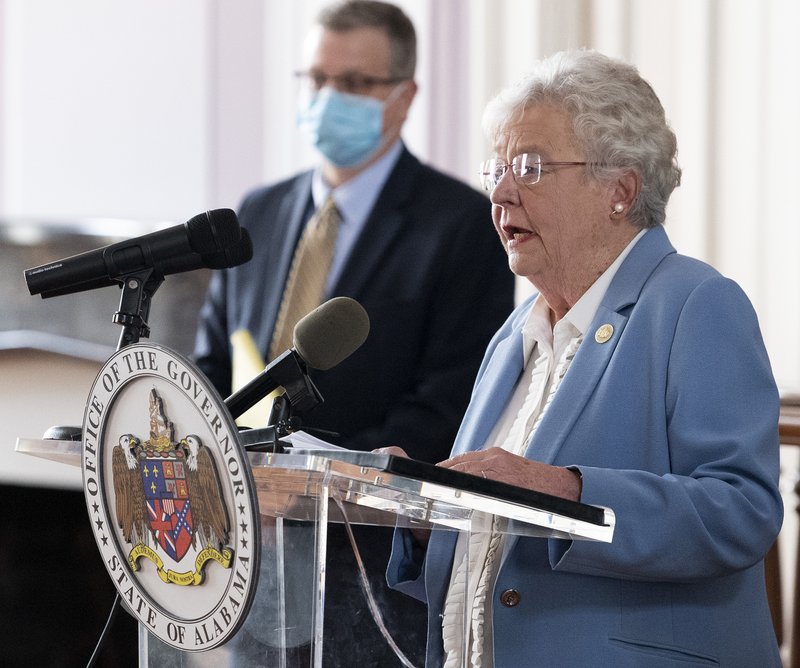
Kay Ivey has made a new appointment to replace former Jefferson County Probate Judge Alan King, Jim Naftel. The Jefferson County Republican Party is not happy about it, and they are demanding answers on how she came to her decision. As Alabama Today reported on June 22, Paul DeMarco, chairman of that same Jefferson County Republican Party, drafted a letter to Ivey saying that, “it is imperative that you appoint a strong, qualified Republican with knowledge of the election process to this position.” In the most recent letter, DeMarco, with the likes of Jefferson County Republican leaders such as State Senator Jabo Waggoner, State Representative Jim Carns, and County Commissioner Jimmie Stephens, takes issue with Ivey’s appointing of Jim Naftel. The letter’s first complaint is that Naftel has voted in several Democratic primaries in recent years. A review of James (Jim) Naftel’s voter history by Alabama Today confirms this point. He voted in the 2018 Democratic primary and the 2020 Democratic Primary. He voted in the 2017 Special Republican Primary for U.S. Senate. According to Yellowhammer News, “Naftel advised that he has not made a decision on whether he will seek election to this office after the appointment term expires, however Naftel added that he would run as a Republican if he did run.” Alabama Today asked party leaders what the process is for someone with an inconsistent voting record and was advised that upon filing, if a complaint is made against a candidate with the party, then a board would consider the facts of the case, including the candidates voting history. Jim Naftel’s Voting History* Election Party 2020 Primary Democrat 2018 Primary Democrat 2017 Primary Republican *Data Source: AL Secretary of State’s Office, Elections Division The second complaint by Jefferson County leaders is a question on Naftel’s experience in election administration. This point is particularly noteworthy because the Probate Judge Place 1 has jurisdiction over elections in the county. The letter quotes Secretary of State John Merrill, who said in a previous Alabama Today story, “The probate judge has a significant level of influence. I cannot emphasize how important it is that this person is involved, interested, and informed on all things related to elections.” Their third complaint is that Ivey did not go with the County GOP’s recommendation for who that new Probate Judge should be. The letter states of their recommendation, “This Republican had been recommended and mentored by a former ALGOP General Counsel who you personally hired to be your legal counsel during your last campaign. This choice was clearly experienced in the elections area of the Probate position and was best prepared to serve as our chief elections officer.” The letter does not say who that person is. You may read the letter in its entirety below.
