
Alabama Legislators react to Space Command decision, denouncing it as a ‘political move’
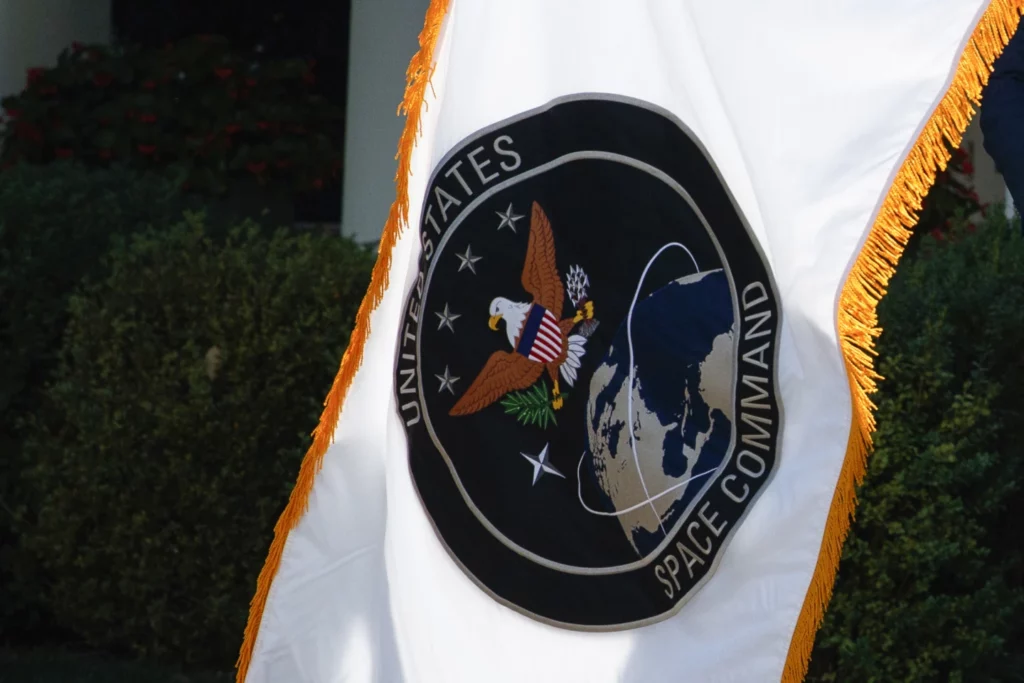
On Monday, President Joe Biden formalized what most political observers already knew when he announced that he was going to block Space Command from coming to Alabama. To Alabama legislators, the decision seems to have been made for political reasons, as the President needs Colorado’s electoral college votes to have any realistic chance of surviving next year’s presidential election. No Democrat has carried the state of Alabama in a presidential race since 1976, and Biden has no chance of being competitive in conservative Alabama. Biden said that U.S. officials believe that keeping the command in Colorado Springs will avoid a disruption in readiness that moving would cause. U.S. officials told The Associated Press that Biden was convinced by the head of Space Command, Gen. James Dickinson, who argued that moving his headquarters now would jeopardize military readiness. A number of Alabama leaders noted their displeasure at Biden’s decision to keep Space Command in Colorado Springs. Colorado Springs was fourth behind Redstone Arsenal in Huntsville, Nebraska, and San Antonio, Texas. Space Command was formed in 2019. The command was temporarily based in Colorado, and Air Force and Space Force leaders initially recommended it stay there. In the final days of his presidency, Donald Trump decided it should be based in Huntsville. Congressman Robert Aderholt (R-AL04) said, “Not only is it outrageous, but also unfortunate for the American people to hear that the Secretary of the Air Force allowed politics to circumvent his, and the Department of Defense’s, own basing selection process that determined Huntsville, Alabama as the preferred location of SPACECOM.” “Over and over again, the legitimate process proved that Alabama was the right choice for SPACECOM HQ,” said Rep. Aderholt. “Unfortunately for this nation this decision is the latest chapter in the long saga of the Biden Administration’s failing national security record, and I know the majority of the American people feel the same way. As a nation, we must do better.” Congresswoman Terri Sewell (D-AL07) said, “The Administration’s decision to keep Space Command in Colorado bows to the whims of politics over merit. Huntsville won this selection process fair and square based on the merits. In three separate reports, Huntsville reigned victorious, whereas Colorado did not come in second or even third. This reversal is as shameful as it is disappointing.” “I expected more from the Biden Administration,” said Sewell. “A decision of this magnitude should not be about red states versus blue states, but rather what is in the best interest of our national security. To be clear, the Alabama Congressional Delegation stands united in opposition to this decision.” Congressman Gary Palmer (R-AL06) said, “This decision made by the Biden Administration is unacceptable,” said Rep. Palmer. “When making decisions, the administration has continuously put politics over what is best for the nation. The Department of Defense determined that Huntsville, Alabama, was the best location for Space Command long ago. Instead, they are picking Colorado, the fifth best option by their very own report. Not only is this decision another broken promise and the result of political gamesmanship, but it jeopardizes our nation’s national security and sets a dangerous precedent for future decisions made solely based on political preference.” “Over two and a half years ago, the Air Force chose Redstone Arsenal in Huntsville for the headquarters of Space Command over 59 other cities on the basis of 21 different criteria,” explained U.S. Senator Tommy Tuberville (R-Alabama). “As soon as Joe Biden took office, he paused movement on that decision and inserted politics into what had been a fair and objective competition—not because the facts had changed, but because the political party of the sitting President had changed.” “The Biden Administration has been talking a lot about readiness over the past few months, but no Administration has done more to damage our military readiness in my lifetime,” Sen. Tuberville said. “They’ve politicized our military, destroyed our recruiting, misused our tax dollars for their extremist social agenda, and now they are putting Space Command headquarters in a location that didn’t even make the top three. They are doing this at a time when space is only becoming more important for national security.” Congressman Mike Rogers (R-AL03) said, “Huntsville, Alabama was chosen to be the headquarters of U.S. Space Command because it was the strongest location and investigations by the DoD IG and GAO have upheld this decision. Yet, the Biden administration decided to make Colorado Springs, Colorado, which came in fifth in the Selection Phase, the location of the headquarters for U.S. Space Command. It’s clear that far-left politics, not national security, was the driving force behind this decision.” Both Houses of Congress had just passed their versions of the National Defense Authorization Act (NDAA), with the Senate only finishing their version late on Thursday. Congress then left for its August recess. “It is also shameful that the Administration waited until Congress had gone into recess and already passed next year’s defense budget before announcing this decision,” Tuberville said. “The top three choices for Space Command headquarters were all in red states—Alabama, Nebraska, and Texas. Colorado didn’t even come close. This decision to bypass the three most qualified sites looks like blatant patronage politics, and it sets a dangerous precedent that military bases are now to be used as rewards for political supporters rather than for our security.” U.S. Senator Katie Britt (R-Alabama) said, “President Biden has irresponsibly decided to yank a military decision out of the Air Force’s hands in the name of partisan politics. Huntsville finished first in both the Air Force’s Evaluation Phase and Selection Phase, leaving no doubt that the Air Force’s decision to choose Redstone as the preferred basing location was correct purely on the merits. That decision should have remained in the Air Force’s purview. Instead, President Biden is now trying to hand the Gold Medal to the fifth-place finisher. The President’s blatant prioritization of partisan political considerations at the expense of our national security, military modernization, and force readiness is a disservice and a dishonor to his oath of office as our nation’s Commander-in-Chief. Locating the permanent Space Command Headquarters on Redstone Arsenal
Joe Biden decides to keep Space Command in Colorado, rejecting move to Alabama

President Joe Biden has decided to keep U.S. Space Command headquarters in Colorado, overturning a last-ditch decision by the Trump administration to move it to Alabama. The choice ended months of thorny deliberations, but an Alabama lawmaker vowed to fight on. U.S. officials told The Associated Press on Monday that Biden was convinced by the head of Space Command, Gen. James Dickinson, who argued that moving his headquarters now would jeopardize military readiness. Dickinson’s view, however, was in contrast to Air Force leadership, who studied the issue at length and determined that relocating to Huntsville, Alabama, was the right move. The officials spoke on condition of anonymity to provide details of Biden’s rationale for the decision. In announcing the plans, Brig. Gen. Pat Ryder, Pentagon press secretary, said the decision was based on an “objective and deliberate process informed by data and analysis.” He said Defense Secretary Lloyd Austin supported the president’s decision. Reaction to the decision came fast and was sharply divided, as Colorado lawmakers praised it and Alabama officials slammed it as a political maneuver. “This fight is far from over,” warned Rep. Mike Rogers, R-Ala., chairman of the House Armed Services Committee. Biden, said the U.S. officials, believes that keeping the command in Colorado Springs would avoid a disruption in readiness that the move would cause, particularly as the U.S. races to compete with China in space. And they said Biden firmly believes that maintaining stability will help the military be better able to respond in space over the next decade. Those factors, they said, outweighed what the president believed would be any minor benefits of moving to Alabama. Biden’s decision enraged Alabama lawmakers and is sure to fuel accusations that abortion politics played a role in the choice. The location debate has become entangled in the ongoing battle between Alabama Republican Sen. Tommy Tuberville and the Defense Department over the move to provide travel for troops seeking reproductive health care. Tuberville opposed the policy is blocking hundreds of military promotions in protest. The U.S. officials said the abortion issue had no effect at all on Biden’s decision. And they said the president fully expected there would be different views on the matter within the Defense Department. Tuberville, in a statement, said the top three choices for Space Command headquarters were all in Republican-leaning states — Alabama, Nebraska, and Texas — and bypassing them “looks like blatant patronage politics.” Formally created in August 2019, the command was temporarily based in Colorado, and Air Force and Space Force leaders initially recommended it stay there. In the final days of his presidency, Donald Trump decided it should be based in Huntsville. The change triggered a number of reviews. Proponents of keeping the command in Colorado have argued that moving it to Huntsville and creating a new headquarters would set back its progress at a time it needs to move quickly to be positioned to match China’s military space rise. And Colorado Springs is also home to the Air Force Academy, which now graduates Space Force guardians, and more than 24 military space missions, including three Space Force bases. Officials also argued that any new headquarters in Alabama would not be completed until sometime after 2030, forcing a lengthy transition. Huntsville, however, scored higher than Colorado Springs in a Government Accountability Office assessment of potential locations and has long been a home to some of the earliest missiles used in the nation’s space programs, including the Saturn V rocket. It is home to the Army’s Space and Missile Defense Command. According to officials, Air Force Secretary Frank Kendall, who ordered his own review of the matter, leaned toward Huntsville, while Dickinson was staunchly in favor of staying put. The officials said Austin presented both options to Biden. In a statement Monday, Kendall said the service will work to quickly implement Biden’s decision, adding that keeping the command in Colorado will “avoid any disruption to its operational capability.” The decision was hailed as a victory in Colorado lawmakers and condemned in Alabama. “For two and a half years, we’ve known any objective analysis of this basing decision would reach the same conclusion we did, that Peterson Space Force Base is the best home for Space Command,” Sen. John Hickenlooper, D-Colo., said in a statement. “Most importantly, this decision firmly rejects the idea that politics — instead of national security — should determine basing decisions central to our national security.” Sen. Michael Bennet, D-Colo., said the decision “restores integrity to the Pentagon’s basing process and sends a strong message that national security and the readiness of our Armed Forces drive our military decisions.” Rogers, meanwhile, vowed that his committee will continue an investigation into the matter, calling it a “deliberate taxpayer-funded manipulation of the selection process.” He added, “It’s clear that far-left politics, not national security, was the driving force behind this decision.” Republican Alabama Sen. Katie Britt echoed his sentiment, saying it was irresponsible for Biden to “yank a military decision out of the Air Force’s hands in the name of partisan politics.” She said an Air Force evaluation of the potential locations ranked Huntsville first, adding that the decision ”should have remained in the Air Force’s purview.” Republished with the permission of The Associated Press.
Rep. Robert Aderholt secures Space Command spending language in House appropriations bill

On Tuesday, Congressman Robert Aderholt (R-AL04) announced that he has been able to secure language halting the development of the U.S. Space Command (SPACECOM) in Colorado until an official basing decision has been made. “Now more than ever, the establishment of a permanent Space Command Headquarters remains vital to our national security,” said Rep. Aderholt. “The language incentivizes the Secretary of the Air Force to determine the permanent headquarters location as quickly as possible.” “In this matter, timeliness remains of the utmost importance,” Aderholt continued. “I urge the Department to move the headquarters to its preferred permanent location as quickly as possible; however, if the Administration continues to delay, I am relieved that General (James H.) Dickinson, the SPACECOM Commander, last week assured the Alabama Delegation that he had no national security concerns about moving the headquarters.” The bipartisan language is included in the House Appropriations Subcommittee on Military Construction and Veterans Affairs fiscal year 2024 spending bill, following a review and approval by the United States Air Force. During the Trump administration, the Air Force held a national search for a permanent home for Space Command. Dozens of sites across the country were considered for a multitude of factors. Two different evaluations found that Redstone Arsenal in Huntsville was the best possible site. Nebraska came in second, followed by San Antonio, Texas. Colorado, where Space Command is presently, came in fourth. A review by the inspector general found that the decision to locate SPACECOM in Huntsville was the correct decision and was not tainted by politics. “The fact is, Air Force already made the correct decision well over two years ago,” said Congressman Mike Rogers (R-AL03). That decision was affirmed by the GAO and the DoD Inspector General over a year ago. This decision was based on multiple factors, and Redstone Arsenal in Huntsville, Alabama, was the clear winner in the Evaluation and Selection phase. I am deeply concerned that the continued delays in making this move final are politically motivated and damaging to our national security.” Over 24 months later, no action has been taken to relocate SPACECOM. A recent report by NBC News claims that the White House may halt plans to move Space Command. The report cites Alabama’s restrictive abortion law. Alabama’s congressional delegation, however, points to the fact that Colorado voted for President Joe Biden while Alabama voted to keep President Donald Trump. The SPACECOM basing decision remains a responsibility of the Secretary of the Air Force, Frank Kendall, a decision delegated by the President of the United States and the Secretary of Defense. “As we take this step, I would like to thank the Alabama delegation for their commitment to this fight,” said Aderholt. “We all know that Space Command belongs in the Rocket City.” According to a June 2022 Government Accountability Office (GAO) report, the decision-making process that the Air Force used to decide to move Space Command headquarters from Colorado Springs to Alabama had “significant shortfalls in its transparency and credibility.” “Over the past year, we’ve repeatedly raised concerns that the previous administration used a flawed, untested, and inconsistent process to select a location for U.S. Space Command. The reports from the Government Accountability Office and the Department of Defense Inspector General both confirm that the basing process lacked integrity and neglected key national security considerations,” Sens. Michael Bennet and John Hickenlooper and Reps. Doug Lamborn and Jason Crow said in a joint statement. Additionally, legislators from Colorado argue that the decision to move Space Command was politically motivated, arguing that former President Trump indicated that he would decide the 2020 election. AL.com reported in 2021 that during an interview on the Rick & Bubba show, Trump stated, “Space force – I sent to Alabama. I hope you know that. (They) said they were looking for a home, and I single-handedly said, ‘Let’s go to Alabama.’ They wanted it. I said let’s go to Alabama. I love Alabama.” Robert Aderholt is in his 14th term representing Alabama’s Fourth Congressional District. He is an attorney and was formerly counsel for Alabama Governor Fob James. He is a native of Haleyville. To connect with the author of this story or to comment, email brandonmreporter@gmail.com.
Katies Britt joins bipartisan group of colleagues questioning Federal Reserve’s actions in Silicon Valley Bank crisis
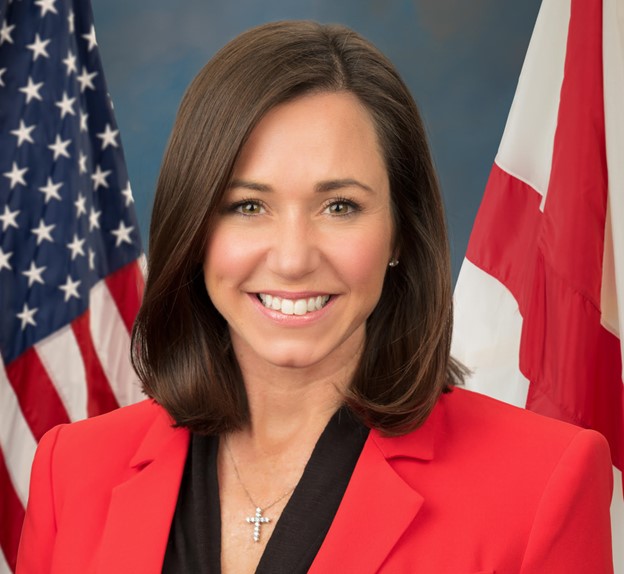
On Monday, U.S. Senator Katie Britt joined Senators Kyrsten Sinema, Thom Tillis, and a bipartisan group of Senators questioning the Federal Reserve its’ oversight of troubled Silicon Valley Bank before the bank’s failure. The Sens. claim that the Federal Reserve missed clear warning signs – including bank leadership’s failure to appropriately manage customer deposits. That it missed as part of its responsibilities to conduct oversight and examinations ahead of Silicon Valley Bank’s collapse. “SVB is a clear case of regulators refusing to do their job despite the fact that all of the red flags were there,” said Sen. Britt. “The Fed failed to use the tools in their toolbox to prevent what we saw in recent weeks, and I want to know why. Alabamians don’t just want answers, they deserve answers. And I, for one, will not stop until we get them.” “It is gravely concerning that retail participants, utilizing only publicly available information, were able to identify clear and compelling examples of financial mismanagement and asset over-concentration at SVB, while the Fed, which can draw even deeper from non-public supervisory information, was unable to ascertain a similar conclusion,” the Sens. wrote in their letter. “The fact that the San Francisco Fed, among other regulatory agencies, found no reason to take appropriate regulatory action or even investigate SVB further in the months, weeks, and days prior to the bank’s collapse must be addressed in a manner that restores public confidence in Fed supervision.” “Safety and soundness is the cornerstone regulatory principle of the U.S. banking system, and it is important we assess what went wrong at SVB to ensure future stability in the U.S. financial services sector. Specifically, we support any efforts that will provide further information on all relevant risks, actions, and inactions – taken by SVB and by regulators, supervisors, and examiners – that contributed to this failure,” the Sens. wrote. “It is gravely concerning that retail participants, utilizing only publicly available information, were able to identify clear and compelling examples of financial mismanagement and asset over-concentration at SVB, while the Fed, which can draw even deeper from non-public supervisory information, was unable to ascertain a similar conclusion. The fact that the San Francisco Fed, among other regulatory agencies, found no reason to take appropriate regulatory action or even investigate SVB further in the months, weeks, and days prior to the bank’s collapse must be addressed in a manner that restores public confidence in Fed supervision. We look forward to evaluating the results of your review, particularly with respect to the robustness of Fed supervision and examination of SVB.” Britt joined Sinema and Tillis in cosigning the letter. Also cosigning were Sens. John Hickenlooper (D-Colorado), Kevin Cramer (R-North Dakota), Chris Murphy (D-Connecticut), Mike Rounds (R-South Dakota), Cynthia Lummis (R-Wyoming), Bill Hagerty (R-Tennessee), Catherine Cortez Masto (D-Nevada), J.D. Vance (R-Ohio), and Michael Bennet (D-Colorado). There are media reports that federal regulators knew about the problems at SVB for more than a year, and yet they hesitated to act. The Wall Street Journal reported that federal bank regulators knew Silicon Valley Bank was a troubled bank as early as 2019. In 2021, the Federal Reserve cautioned the bank about significant vulnerabilities in the bank’s containment of risk. SVB had a uniquely concentrated customer base of venture capital funds, venture investors, and start-ups, many of whom have or have had financial relationships or business partnerships with one another. That customer base includes a significant level of financial interdependency that potentially increased risk. The Fed identified the risks to the bank, yet SVB did nothing to mitigate any of the risks. The Federal Reserve has already announced an internal investigation into its regulatory oversight, supervision, and examination of Silicon Valley Bank. The Senators urged that as part of this investigation, the Fed should focus on the role of concentration risk in the bank examination process and review the financial arrangements between Silicon Valley Bank and its customers to determine their impact on the bank’s collapse. Katie Britt is a member of the Financial Institutions and Consumer Protection Subcommittee of the Senate Committee on Banking, Housing, and Urban Affairs. To connect with the author of this story or to comment, email brandonmreporter@gmail.com.
Three senators test positive for COVID in breakthrough cases
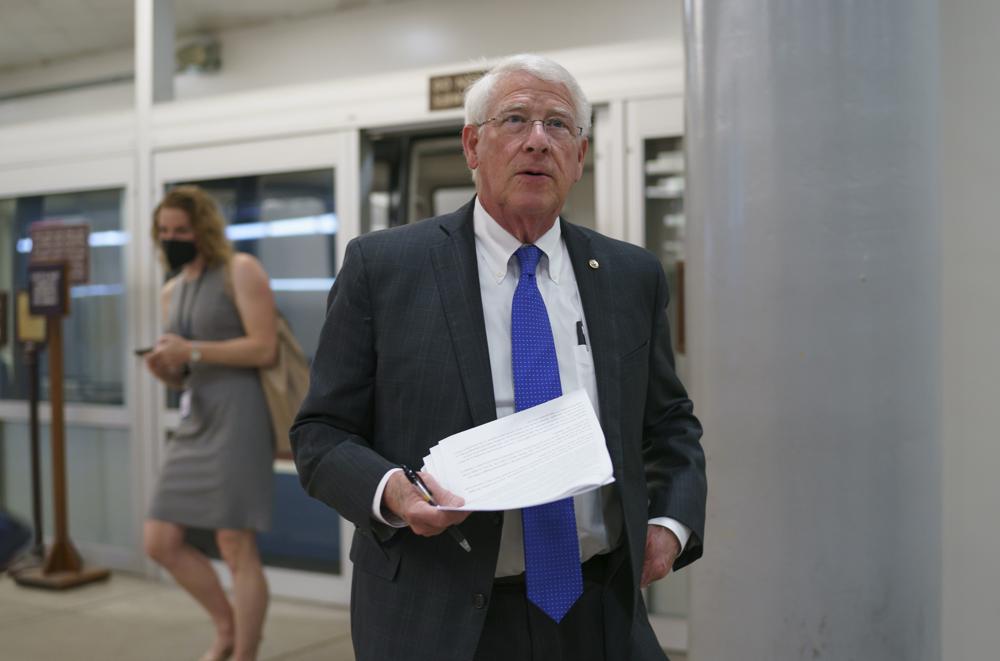
Three senators said Thursday they have tested positive for COVID-19 despite being vaccinated, a high-profile collection of breakthrough cases that comes as the highly infectious delta variant spreads rapidly across the United States. Sens. Angus King, I-Maine, Roger Wicker, R-Miss., and John Hickenlooper, D-Colo., all said they have tested positive for the virus. Almost every member of the Senate spent long hours together on the chamber’s floor last week in an all-night session of budget votes before leaving town for August recess. King said he began feeling feverish Wednesday and took a COVID test at his doctor’s suggestion. “While I am not feeling great, I’m definitely feeling much better than I would have without the vaccine,” King said. Wicker’s office said he tested positive for the virus Thursday morning. “Senator Wicker is fully vaccinated against COVID-19, is in good health, and is being treated by his Tupelo-based physician,” a statement from his staff read. “He is isolating, and everyone with whom Senator Wicker has come in close contact recently has been notified.” Hickenlooper announced his positive test a few hours later. “I feel good but will isolate per docs instructions. I’m grateful for the vaccine (& the scientists behind it!) for limiting my symptoms,” Hickenlooper tweeted. “If you haven’t gotten your shot—get it today! And a booster when it’s available too!” The breakthrough cases emerged the day after U.S. health officials announced plans to dispense COVID-19 booster shots to Americans. They said the shots are needed to shore up their protection against the delta variant amid signs that the vaccines’ effectiveness is waning over time. Sen. Lindsey Graham, R-S.C. had announced Aug. 2 that he had tested positive for COVID-19 despite being vaccinated. “Sending best wishes for a speedy recovery to my good friends and colleagues,” he tweeted Thursday. “If you have not already done so please #GetVaccinated,” Graham added. Dozens of members of Congress have reported testing positive for COVID-19. Rep. Ron Wright, R-Texas, 67, died from the disease early this year while Rep.-elect Luke Letlow, R-La., 41, died in December before being sworn into office. Republished with the permission of the Associated Press.
Colorado’s Aerospace Alley prepares for Space Command move
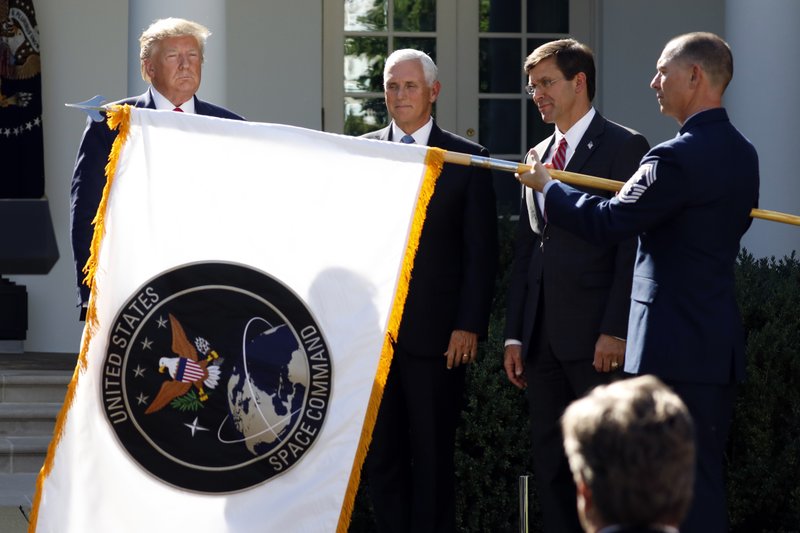
When Kathy Boe heard the news in January that President Donald Trump was moving the headquarters of U.S. Space Command from Colorado Springs to Huntsville, Alabama, she understood why Trump was making the move — even though she expected Colorado Springs to be the frontrunner in the race. “We kind of knew they were our biggest competitor all along,” said Boe, the founder and CEO of Colorado Springs-based aerospace company Boecore. Boe started her company in her Colorado Springs basement 21 years ago. The business, which designs software for military space and missile defense projects, now employs 275 people in the city.Since that time, Boe’s business has also expanded to other locations, including Huntsville. The Boecore office there opened 12 years ago, and Boe said there has been plenty of private and public sector military work going on between the two cities for decades. Boe has even advocated for the Colorado Springs Airport to add a direct flight to Huntsville. The Army’s Redstone Arsenal, near Huntsville, is host to a number of federal military installations, including the Missile Defense Agency, NASA’s Marshall Space Flight Center and Army Space and Missile Defense Command. After Trump’s decision, Alabama Governor Kay Ivey called the region “the most natural choice” for U.S. Space Command. Yet, Colorado’s top elected representatives, including the state’s entire congressional delegation, cried foul. They argued the Defense Department’s space assets in Colorado focused on operating military satellites are a far more logical fit for the work done through the Space Command mission. Plus, they pointed out, Peterson Air Force base has already been effectively hosting the command since it was re-established in 2019 and moving it would lead to a costly duplication of resources. Colorado’s political leaders saw Trump’s move as an overtly partisan one, meant to pacify two Republican senators ahead of a heated vote on whether to convict the former President on impeachment charges. In February, the Defense Department — operating under new President Joe Biden — announced it would investigate the circumstances behind Trump’s Space Command decision. News of the investigation left Colorado politicians cheering. Governor Jared Polis said the investigation could help “restore integrity” to the flawed and “fiscally irresponsible” decision. Senators Michael Bennet And John Hickenlooper put out a joint statement that said moving the command to Alabama would jeopardize national security. Gov. Ivey in Alabama quickly welcomed the official review of the Huntsville selection, saying the location was “chosen based on merit.” Journalist Lee Roop covers Alabama’s aerospace industry for the statewide news service AL.com. He said despite Colorado’s enthusiasm in the wake of the investigation, people in Huntsville are largely convinced the decision will stand. “Our (University of Alabama) football coach down here, Nick Saban, he always says ‘Trust the process and you’ll get where you want to go,’” Roop said. “So, there’s a process and they felt confident about the process.” The earliest Redstone Arsenal would take over hosting Space Command from Colorado Springs would be in 2026. That time would allow Redstone to build the necessary facilities to house the Command. Rep. Doug Lamborn said in a commentary for Defense News that the Department of Defense has spent over $350 million in the last 15 years on “space-specific infrastructure” in Colorado. He said building the infrastructure for a new headquarters in Alabama would be “expensive” and that building similar headquarters around the country have cost the federal government hundreds of millions of dollars. Roop said he expects the newly announced investigation into the decision will delay the timing of Space Command’s move to Alabama even further. More than 18 months ago, the Wings Over The Rockies Air and Space Museum started a campaign to popularize the term “Aerospace Alley” in reference to Colorado’s burgeoning aerospace industry. The campaign touts Colorado’s concentration of a private aerospace workforce, which they say is the highest in the nation: 500 aerospace companies. The majority of those companies employ 10 or fewer people, according to retired Air Force Maj. Gen. John Barry, the President and CEO of Wings Over The Rockies. “It kind of reminds me of what Silicon Valley must have been like when the industry started out back there with small companies and people working in garages and things like that,” Barry said. The Aerospace Alley campaign is largely focused on workforce development — to attract and educate young aerospace talent. Barry said that even if U.S. Space Command does ultimately move to Alabama, much of the command’s operations will still be run from the Centennial State. “Will it hurt? Yeah, it’ll be a little bit of a stigma,” Barry said. “But, will it be able to prevent us from being able to continue with the aspect of trying to put Colorado as maybe the number one aerospace state in the nation? I don’t think so.” That’s also the case for Alabama. Roop said the rest of the country doesn’t often realize how much aerospace work is already done in the state. “People here really want the command to come, and we’re very excited about it. But, you know, it’ll be OK. It’ll be OK any way it turns out,” Roop said. Republished with the permission of the Associated Press.
Inspector general reviews Donald Trump’s relocation of Space Command

The Department of Defense’s inspector general announced Friday that it was reviewing the Trump administration’s last-minute decision to relocate U.S. Space Command from Colorado to Alabama. The decision on Jan. 13, one week before Trump left office, blindsided Colorado officials and raised questions of political retaliation. Donald Trump had hinted at a Colorado Springs rally in 2020 that the command would stay at Peterson Air Force Base in Colorado Springs. But the man with whom Trump held that rally, Republican Sen. Cory Gardner, lost his reelection bid in November, and Colorado, unlike Alabama, voted decisively against Trump. The Air Force’s last-minute relocation of command headquarters to Huntsville, Alabama — home of the U.S. Army’s Redstone Arsenal — blindsided Colorado officials of both parties, who have urged the Biden administration to reconsider the decision. On Friday, the inspector general’s office announced it was investigating whether the relocation complied with Air Force and Pentagon policy and was based on proper evaluations of competing locations. Colorado officials of both parties were thrilled. “It is imperative that we thoroughly review what I believe will prove to be a fundamentally flawed process that focused on bean-counting rather than American space dominance,” said Rep. Doug Lamborn, a Republican whose district includes Space Command. The state’s two Democratic U.S. senators, Michael Bennet and John Hickenlooper, also hailed the probe. “Moving Space Command will disrupt the mission while risking our national security and economic vitality,” the senators said in a joint statement. “Politics have no role to play in our national security. We fully support the investigation.” Among other duties, the Space Command enables satellite-based navigation and troop communication and provides warning of missile launches. Also based at Peterson are the North American Aerospace Defense Command, or NORAD, and the U.S. Northern Command. The Space Command differs from the U.S. Space Force, launched in December 2019 as the first new military service since the Air Force was created in 1947. The Space Command is not an individual military service but a central command for military wide space operations. It operated at Peterson from 1985 until it was dissolved in 2002, and it was revived in 2019. The Air Force accepted bids from locations for the command when it was revived and was considering six finalists, including Huntsville, when Trump hinted it’d stay in Colorado Springs. Republished with the permission of the Associated Press.
Some Democrats fear fallout from Bernie Sanders atop the ticket
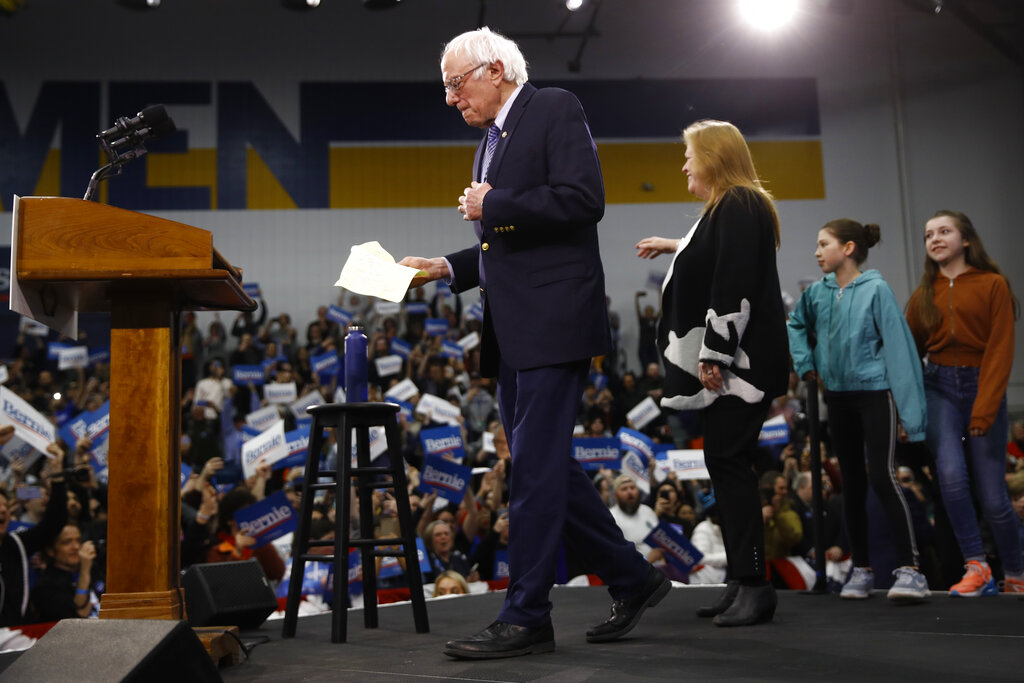
Democrats are worried that Sanders’ socialist label and unyielding embrace of controversial proposals such as medicare for all will repel voters.
Steve Bullock ends presidential campaign
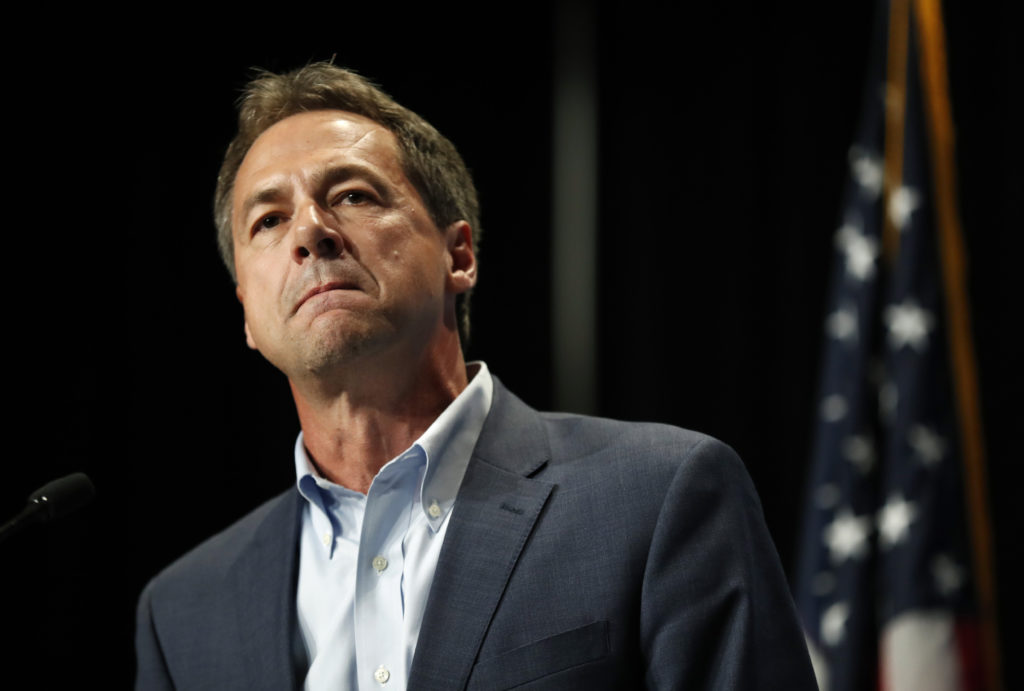
Montana Gov. Steve Bullock announced Monday that he’s ending his Democratic presidential campaign, saying it’s become clear that he won’t have a shot at being his party’s nominee. The two-term governor and former state attorney general tried to make the case that he was the best bet to beat President Donald Trump because he was the only Democratic candidate to win in a state that Trump won in 2016. But he got a late start, announcing his candidacy in May and joining nearly two dozen other Democratic candidates competing for attention and campaign donations. “While there were many obstacles we could not have anticipated when entering this race, it has become clear that in this moment, I won’t be able to break through to the top tier of this still-crowded field of candidates,” Bullock said in a statement. The governor said that he ran to win back places Democrats have lost and end the influence of “dark money” in politics. Those concerns have not changed, he said, but he leaves the race “filled with gratitude and optimism, inspired and energized by the good people I’ve had the privilege of meeting over the course of the campaign.” The 53-year-old struggled to raise money and register in the polls, managing to meet qualification thresholds for only one Democratic National Committee debate in July. He’s the third Western governor or former governor to drop out of the 2020 race after struggling to build a national profile and donor base against well-known alternatives like former Vice President Joe Biden and Vermont Sen. Bernie Sanders. Former Colorado Gov. John Hickenlooper dropped out in August to instead run for the Senate. His departure was followed quickly by that of Washington Gov. Jay Inslee, who is seeking reelection. Democrats had been pushing Bullock to give up his presidential bid and run instead for Senate, where first-term Republican Steve Daines is running for reelection. But Bullock has consistently and repeatedly said he has no interest in the Senate seat and that there are already strong candidates running against Daines. Bullock’s spokeswoman Galia Slayen reiterated that Monday. “While he plans to work hard to elect Democrats in the state and across the country in 2020, it will be in his capacity as a governor and a senior voice in the Democratic Party — not as a candidate for U.S. Senate,” Slayen said in a statement. Bullock had been exploring a presidential run since 2017, but he said he couldn’t announce his candidacy until he had finished his work in Helena, where the state legislature was meeting. He staked his presidential campaign on Iowa, and he made repeated trips to the state to campaign alongside prominent state Attorney General Tom Miller, the first statewide elected official in Iowa to endorse a 2020 candidate. Bullock stuck strictly to his campaign message of needing to win back rural Trump voters, noting he won reelection the day that Trump carried his state by 20 percentage points. He also touted his history as a crusader to eliminate the influence of anonymous and foreign money in elections. But he remained at the bottom of the polls and unfamiliar to many voters. His biggest national exposure appeared to come when he didn’t make the cut for the first debate, resulting in a slate of news stories and an appearance on “Late Night with Stephen Colbert.” Bullock was Montana’s attorney general for a term before he became governor in 2013. Before that, he worked as an assistant attorney general, as an attorney in private practice in Helena and for law firms in New York and Washington, D.C. By Michelle L. Price and Matt Volz Associated Press. Price reported from Las Vegas. Republished with the Permission of the Associated Press.
Donald Trump rakes in cash while some Senate Republicans lag

President Donald Trump is raising record amounts of cash for his 2020 reelection. But that fundraising might isn’t spilling over to the most vulnerable Republicans fighting to hold onto their seats in a narrowly divided Senate. During the third quarter, former astronaut Mark Kelly took in $2.5 million more than Republican Sen. Martha McSally in Arizona. In Maine, state House Speaker Sara Gideon bested longtime Republican Sen. Susan Collins by over $1 million. And in Colorado, Cory Gardner, who led Senate Republicans’ campaign arm in 2018, barely outraised former Gov. John Hickenlooper, who had been in the race just five weeks before the quarter ended. The trouble for Republicans extends to states where they’re supposed to be on firmer ground. Iowa Sen. Joni Ernst didn’t crack $1 million and was outraised by the leading Democrat. North Carolina Sen. Thom Tillis narrowly outraised Democrat Cal Cunningham but is also facing a primary challenge from the right that has forced him to spend millions in early TV and radio ads. The lagging numbers suggest that much of the enthusiasm among the GOP base is focused on Trump and doesn’t necessarily translate to Republicans running for other offices. Democrats, meanwhile, are paying close attention to races across the board, including the House, Senate and presidency, fueling them with small-dollar donations that Republicans have struggled to counter. Fundraising prowess isn’t always an indicator of who will actually win on Election Day. But the dynamic could complicate the GOP’s effort to maintain their 53-47 grip on the Senate. This should serve as a “real wakeup call,” said Scott Reed, a senior political strategist for the U.S. Chamber of Commerce, a group that has long been allied with Senate Republicans. The “ongoing Trump drama” over impeachment and other issues “drowns out all the political news back home every single night,” making it difficult for GOP candidates to get their message out, Reed said. But the challenges facing Republicans have mounted in recent weeks as the Democratic-controlled House pursues an impeachment inquiry. Instead of focusing on their own records, Republicans seeking reelection have often been barraged with uncomfortable questions about Trump’s conduct. The pressure will only grow if the Senate holds an impeachment trial, forcing these Republicans to decide whether Trump should be removed from office. “Republicans are going to struggle with fundraising and messaging if the only thing they can talk about is President Trump,” said Jonathan Kott, who was a senior adviser to Sen. Joe Manchin, a West Virginia Democrat, during his successful 2018 reelection bid. “What we found is no matter how popular the president is, you have to stand up to him when it’s good for your state. Democratic senators are finding a way to do that. Republican senators aren’t.” Democrats also have a small-dollar cash advantage. Despite an organized push, Republicans have yet to develop an online fundraising behemoth rivaling ActBlue, the Democrats’ donation platform, which enables donors across the country to direct a contribution of $1, $5 or any amount up to $2,800 with a few taps on a smartphone. “Democrats over the last several years have formulated a culture among the activist class where every time they are motivated by content or a candidate they contribute five bucks,” said Josh Holmes, an adviser to Senate Majority Leader Mitch McConnell, who is running for reelection in Kentucky and was outraised almost 5-to-1 last quarter even though the state isn’t considered a battleground. “Republicans have made strides, but we still have a long way to go.” Still, there are bright spots for the GOP. In order to regain control of the Senate, Democrats might have to win in states that have traditionally sided with Republicans over the past two decades, such as Arizona and Georgia. And some GOP candidates are successfully putting Democrats on defense. Michigan candidate John James, who came up short in his bid last year to oust Sen. Debbie Stabenow, is now beating Democratic incumbent Gary Peters in the money game. The African American, pro-Trump candidate raised $3 million, while Peters took in $2.4 million over the past three months, records show. In Georgia, where there will be two Senate seats on the ballot because of the retirement of Sen. Johnny Isakson, Democrats are still sorting out who all will run. Jon Ossoff was the top-raising Democrat in the contest to take on Republican incumbent David Perdue. But of the $1.3 million he took in, more than $500,000 was left over from his failed 2017 bid for a suburban Atlanta House seat. Perdue, meanwhile, raised about $2.5 million. While Republicans acknowledge they face an unfavorable political environment, it’s also early in the cycle. In 2018, Democrats appeared to be making strides in Senate contests as the election neared, but the party’s handling of a sexual misconduct allegation leveled against now-Supreme Court Justice Brett Kavanaugh galvanized the Republican base and helped them turn the tide. Kavanaugh denies the allegation. If Democrats were to mishandle the impeachment inquiry of Trump, it could deliver a similar jolt. “Democrats have found fundraising success pretty regularly during the last several years,” said Jesse Hunt, spokesman for the Republican Senatorial Campaign Committee. “In many cases, that’s not manifested itself into electoral victories.” By Brian Slodyski Associated Press Republished with the permission of the Associated Press.
John Hickenlooper ending his 2020 White House bid

John Hickenlooper will drop out of the Democratic presidential primary on Thursday, according to a Democrat close to him. The former two-term Colorado governor, who ran as a moderate warning of the perils of extreme partisanship, struggled with fundraising and low polling numbers. His planned departure from the 2020 race was confirmed Wednesday night by a Democrat who wasn’t authorized to speak publicly before the announcement and spoke to The Associated Press on the condition of anonymity. Hickenlooper, 67, is not expected to announce a decision Thursday on whether he will run for Senate in Colorado, though he has been discussing the possibility with advisers. Republican Sen. Cory Gardner, up for reelection in 2020, is considered one of the most vulnerable senators in the country because of Colorado’s shift to the left. Hickenlooper became a political giant in Colorado for his quirky, consensus-driven and unscripted approach to politics. He once jumped out of a plane to sell a ballot measure to increase state spending and won two statewide elections in a purple state during Republican wave years. He was previously the mayor of Denver. He launched his longshot White House bid in March, promising to unite the country. Instead, he quickly became a political punch line. Shortly before taking his first trip to Iowa as a candidate, Hickenlooper, who became a multimillionaire founding a series of brewpubs, balked at calling himself a capitalist on national television. Then, at a CNN town hall, he recounted how he once took his mother to see a pornographic movie. With the campaign struggling to raise money, his staff urged Hickenlooper to instead challenge Gardner. But Hickenlooper stayed in and hired another group of staffers in a last-ditch effort to turn around his campaign. Positioning himself as a common-sense candidate who couldn’t be labeled a socialist by Republicans, Hickenlooper couldn’t make his voice heard in the crowded Democratic presidential field of about two dozen candidates. It didn’t help that, by Hickenlooper’s own admission, he’s a mediocre debater and erratic public speaker. In the end, he couldn’t even scrape together enough money for many of his trademark quirky ads, only launching one in which avid beer drinkers toast Hickenlooper by comparing him to favorite brews. Hickenlooper softened his denials of interest in the Senate in recent weeks as his campaign finances dwindled and pressure increased from other Democrats. He started telling people he’d make a decision by the end of this week. It’s unclear whether Hickenlooper plans to run against Gardner, whom national Democrats have urged him to take on since last year. He’s repeatedly said he’s not interested in the Senate and prefers an executive position. But if Hickenlooper did run against Gardner, he’d first have to get through another crowded Democratic primary field. Numerous Colorado Democrats have launched primary bids for Gardner’s seat, and many have indicated they’d stay in the race, even if Hickenlooper enters the contest. Hickenlooper isn’t the first Democratic hopeful to end his 2020 presidential bid. U.S. Rep. Eric Swalwell of California announced his departure in July. By Nicholas Riccardi Associated Press. AP Washington Bureau Chief Julie Pace contributed to this report from Washington. Republished with permission of the Associated Press.
John Hickenlooper proposes gun licensing and safety test

Democratic presidential candidate John Hickenlooper says gun owners should have to be licensed and pass a safety test to own firearms. The former Colorado governor on Wednesday released a detailed gun control proposal, similar to that of presidential rival and New Jersey Sen. Cory Booker. The licensing proposal would only affect people born after 2001. Upon turning 21 they would have to pass a safety test to obtain a gun license. Hickenlooper also proposes making the Bureau of Alcohol, Tobacco and Firearms part of the FBI, and banning assault weapons and 3-D printed guns. Gun licensing is sure to spark controversy with gun rights groups, who have long seen it as the start of gun confiscation. Reprinted with permission of the Associated Press.
