
Transgender treatment, doctors threatened by new Alabama law
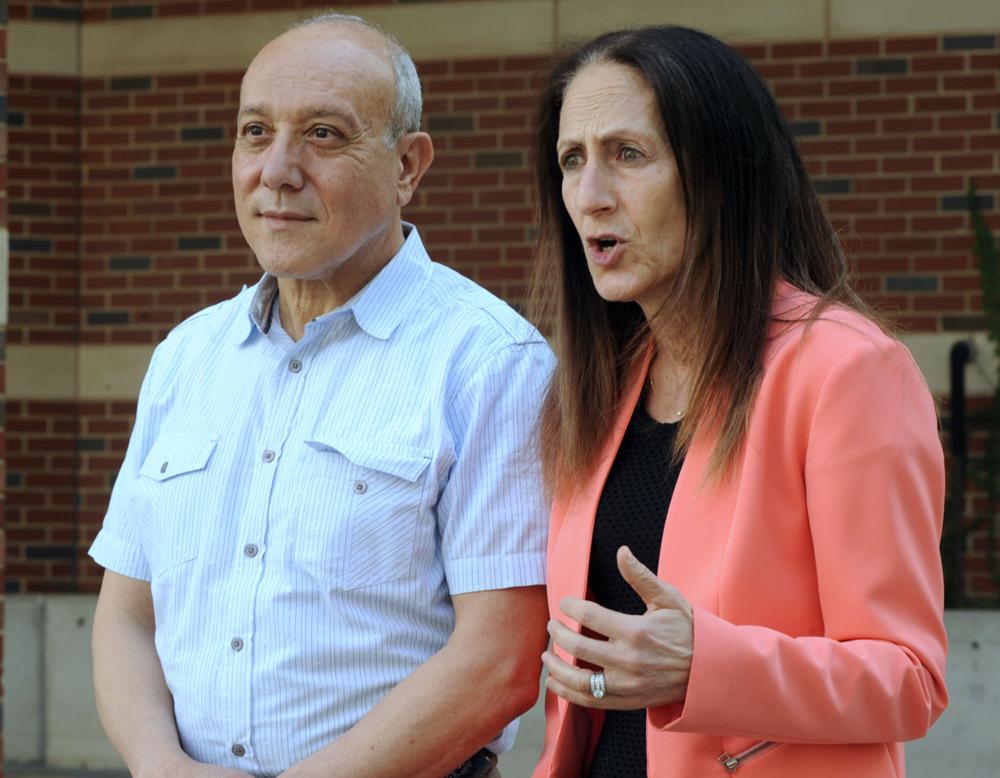
Dr. Hussein Abdul-Latif spent the last week typing out prescription refills for his young transgender patients, trying to make sure they had access to their medications for a few months before Alabama made it illegal for him to prescribe them. He also answered questions from anxious patients and their parents: What will happen to me if I suddenly have to stop taking testosterone? Should we go out of state for care? A new state law that took effect Sunday makes it a felony, punishable by up to 10 years in prison, for doctors to prescribe puberty blockers and hormones to trans people under age 19. A judge has not yet ruled on a request to block the state from enforcing the law. The measure is part of a wave of legislation in Republican-controlled states focused on LGBTQ youth. Bills have been introduced to limit discussion of gender and sexual identity issues in younger grades or to prohibit kids from using school restrooms or playing on sports teams that don’t align with their sex at birth. Abdul-Latif, a pediatric endocrinologist and co-founder of a clinic in Birmingham to treat children with gender dysphoria, said he is very discouraged by the Alabama law. He said it was already hard enough for families in this very conservative state to come to terms themselves with their children’s situations. They had already faced the social stigma and “the difficult decision of leaving their church family or being viewed less worthy,” he said. But gradually, he said, trans kids became more visible, and there was a greater openness in the state for them to come out. “They always existed, but they often did not have the feeling of empowerment to come out or come out to their physicians,” he said. “And now that they are, we’re hitting them back with legal action.” Abdul-Latif notes that the American Academy of Pediatrics and the Pediatric Endocrine Society both endorse the treatments that clinics here and in other states are providing for transgender youth. In contrast, “The state is not only saying I am criminal for prescribing those medications, but it’s saying that my organization of thousands of physicians, pediatricians, and pediatric endocrinologists are maybe partners in that criminal enterprise,” he said. Four Alabama families with transgender children have filed a lawsuit challenging the new state law as unconstitutional. The U.S. Department of Justice has joined the suit. A federal judge heard evidence this week on a request to block the state from enforcing the statute while the legal challenge goes forward. More than 20 medical and mental health organizations, including the American Academy of Pediatrics, have also urged the judge to block the law. A decision is expected sometime this week. Alabama maintains the law is about protecting children. “The science and common sense are on Alabama’s side. We will win this fight to protect our children,” Alabama Attorney General Steve Marshall said last week. Now that the law is in effect, families are wondering if they will have to move out of state, and doctors are worried about what will become of their patients. Abdul-Latif, who is originally from Jordan, and pediatrician Dr. Morissa Ladinsky both moved to Alabama years ago to work as instructors and physicians at the University of Alabama at Birmingham. In 2015, after seeing more families with kids identifying as trans and seeking help for gender-related issues, they decided to found a clinic to treat children with gender dysphoria. They now treat more than 150 young people who are transgender or gender diverse. Ladinsky, who testified last week as a witness in the lawsuit, told The Associated Press that she felt like she was “walking in a nightmare” when the Alabama Legislature approved the ban. She says the measure is an unprecedented legislative overreach into the decisions of parents and the practice of medicine. “This is the first time ever that I can remember, at least for pediatricians, that we are literally forced to choose between the Hippocratic Oath we took to ‘do no harm’ and never abandon our patients versus the facing of a potential felony conviction,” she said. Ladinsky quickly agreed to co-found the gender clinic in Birmingham when Abdul-Latif approached her about it. She had moved to the city from a hospital in Cincinnati, Ohio, that had a pediatric gender health team and was familiar with the treatments. But that wasn’t all. She also had taken a route to work each morning that brought her by the spot where Ohio transgender teen Leelah Alcorn had stepped in front of an oncoming tractor-trailer in 2014. Leelah left a suicide note that read, “My death needs to mean something. … Fix society. Please.” Some of the children Abdul-Latif and Ladinsky have treated in the Birmingham clinic came to them after suicide attempts, the doctors said. One patient tried to kill themselves five times, he said. A 2021 survey by the Trevor Project, a nonprofit organization focused on suicide prevention efforts among LGBTQ youth, found that 52% of transgender and nonbinary youth seriously considered suicide in the past year, and 1 in 5 reported attempting suicide. “In our minds, there is no doubt they saved my daughter’s life,” said David Fuller, whose daughter was among the first patients treated in Birmingham. Jessica Fuller, now 22, was 16 when she first came to the clinic after telling her father that she was trans. “The dysphoria was awful, and I was thinking about suicide more often than I wish to talk about,” Fuller wrote in an email. She called the new Alabama law “a waste of time and money.” “It’s terrifying not just for the kids but the doctors and nurses just trying to help kids not kill themselves,” she wrote. “Are you gonna arrest him for something so harmless?” Abdul-Latif said he understands that some people may be skeptical over the medical treatments for transgender kids. “But to make it into a law and make it into a felony — that is way beyond skepticism,” he said, adding that the law “basically closes …
Terri Sewell secures $1.1 million grant for University of Alabama Birmingham

Rep. Terri Sewell announced that a $1,100,000 TRIO Grant has been awarded for the University of Alabama at Birmingham from the United States Department of Education. This funding is a part of the TRIO Educational Opportunity Center (EOC) program, designed to provide students from disadvantaged backgrounds with opportunities for academic development as they seek higher education. The goal of the EOC program is to increase the number of adult participants who enroll in postsecondary educational institutions. The Educational Opportunity Centers program provides counseling and information on college admissions to qualified adults who want to enter or continue a program of postsecondary education. It also provides services to improve the financial and economic literacy of participants. An important objective of the program is to counsel participants on financial aid options, including basic financial planning skills, and to assist in the application process. Sewell stated, “I am thrilled to announce this round of TRIO Grant funding for the University of Alabama at Birmingham! This funding is instrumental in our continued efforts to expand access to higher education to our most underserved communities by providing the resources necessary for them to achieve their academic goals. I know firsthand the transformative power of a good education and remain committed to supporting these types of programs to ensure that the residents of my district have the tools they need to thrive.” According to Sewell’s press release, the program will work with community partners to serve 850 first-generation students, limited-income adults, as well as veterans in Jefferson County. The services provided are free and aim to help adult learners when re-entering college. Services offered include GED counseling, guiding eligible individuals through the college enrollment process including admissions, financial aid applications, preparing for placement exams, and registering for courses. “As the Principal Investigator for this grant, I’m so excited that UAB gets to be a community partner to assist our adult learners,” said Dr. Tracy Lyons, Executive Director of Undergraduate Student Success and Retention at UAB. “This program is ideal for individuals who may have dropped out of school or those seeking new and different skills that come with a college certificate or degree.”
Alabama NewsCenter: UAB partners with ADPH to launch Alabama Regional Center for Infection Prevention and Control
Alabama NewsCenter The University of Alabama at Birmingham has been awarded nearly $2 million by the Alabama Department of Public Health to support the establishment of the Alabama Regional Center for Infection Prevention and Control (ARC IPC). This new center will provide consultation and support services across Alabama. It was approved by the board of trustees of the University of Alabama System at its June meeting. The ARC IPC will bring together experts from the university and state to assist the ADPH Infectious Disease and Outbreaks Division in management and response to emerging and reemerging diseases. Key to the center’s mission is training and technical assistance to increase workforce skills. “Our efforts will work to enhance and support infection prevention and control efforts across Alabama’s health care and public health systems,” said Lisa McCormick, associate professor and associate dean for Public Health Practice in the UAB School of Public Health and director of the ARC IPC. “I am excited to be working with a diverse team of IPC experts to assist the ADPH in strengthening Alabama’s capacity to prevent, control and manage infectious disease outbreaks.” IPC experts are playing a critical part role during the pandemic through surveillance, detection, response, and prevention of future outbreaks. McCormick hopes the efforts will build capacity within the workforce combating COVID-19 and increase awareness of the need for and importance of professionals in the field. The pandemic has resulted in immense impacts on the economy, health, and social well-being of Alabamians. As of June, there have been more than 548,000 COVID-19 cases and 11,250 deaths due to the virus in Alabama. The state’s vaccination rates are lagging as new, increasingly transmissible variants, such as the Delta variant, are emerging. In addition, Alabama continues to see increases in cases of hepatitis A and RSV, into the summer months when concerns of vector-borne and foodborne illnesses increase. Suzanne Judd (UAB) “As a nation and state, we were really caught flat-footed by SARS-CoV-2 even though scientists had been warning that coronaviruses had the potential to create a global pandemic,” saidSuzanne Judd, professor, co-director of the ARC IPC and director of the Lister Hill Center for Health Policy in the UAB School of Public Health. “Working together with the ADPH will help us to be ready when a new virus or bacteria threatens the health of Alabamians. We will be better prepared to communicate risks to the public to help prevent future pandemics.” The center will provide training and technical assistance to local, district, and state health department IPC personnel, infection control managers, and nurses at in-patient and out-patient health care facilities and long-term care facilities, hospital epidemiologists, school nurses, and other infection control practitioners. “The UAB faculty and staff involved in this center have extensive experience in infectious disease prevention and control, epidemiology and surveillance, behavioral health, public health preparedness, and forecasting and modeling, as well as in implementing and evaluating public health programs whose purpose is to strengthen the current public health and health care workforce,” McCormick said. The ARC IPC investigators include Dr. Paul Erwin, Dr. Rachael Lee, Dr. Marjorie White, Dr. Sarah Nafziger, Dr. James Crosby, Bertha Hidalgo, Greg Pavela, Tamika Smith, and Judd McCormick. The ARC IPC is currently launching its efforts. Visit the website to request training or technical assistance, access infection prevention resources, see upcoming training opportunities or learn more about the center. For more information, with questions or to sign up for the ARC IPC’s newsletter, email ARCIPC@uab.edu. This story originally appeared on the UAB News website. Republished with the permission of the Alabama NewsCenter.
Carly’s Law study at UAB finds medical marijuana oil helps epilepsy patients

It’s official: cannabidiol, or CBD oil, oil derived from marijuana plants, helps reduce the number of seizures in patients with treatment-resistant epilepsy. That’s according to findings by the University of Alabama at Birmingham (UAB) released earlier this month. CBD oil, which contains little of the “high-inducing” chemical THC, came into the Alabama lexicon with the passage of “Carly’s Law,” in 2014 after piece of legislation provided the UAB Epilepsy Center and Children’s of Alabama the ability to conduct clinical trials of cannabidiol, a component of cannabis. Starting in 2015, UAB launched the landmark study, which focused on 132 patients, 72 children and 60 adults, with intractable epilepsy who did not respond to traditional therapies. “The study analyzed data from the 132 patients at baseline and at visits at 12, 24 and 48 weeks. Seizure frequency decreased from a mean of 144 seizures every two weeks at baseline to 52 seizures over two weeks at 12 weeks into the study. The reduction remained stable through the 48-week study period,” wrote Bob Shepard at UAB. “This is a highly significant reduction in the number of seizures that the majority of patients experienced, nearly a two-thirds reduction across the entire study population,” said Martina Bebin, M.D., professor in the Department of Neurology in the School of Medicine and principal investigator of the pediatric arm of the study. “Some patients experienced an even greater reduction of seizure frequency.” The investigators also noted parallel decreases in both seizure severity and seizure frequency, indicating that, for many patients, use of CBD oil led to both fewer and less intense seizures. UAB research makes national impact Thanks in part to the research coming out of UAB, on June 25, the U.S. Food and Drug Administration (FDA) approved Epidiolex® for seizures associated with two rare and severe forms of epilepsy, Lennox-Gastaut syndrome and Dravet syndrome, marking the first FDA approval of a purified drug derived from cannabis. “This approval serves as a reminder that advancing sound development programs that properly evaluate active ingredients contained in marijuana can lead to important medical therapies. And, the FDA is committed to this kind of careful scientific research and drug development,” said FDA Commissioner Scott Gottlieb, M.D. “Controlled clinical trials testing the safety and efficacy of a drug, along with careful review through the FDA’s drug approval process, is the most appropriate way to bring marijuana-derived treatments to patients. Because of the adequate and well-controlled clinical studies that supported this approval, prescribers can have confidence in the drug’s uniform strength and consistent delivery that support appropriate dosing needed for treating patients with these complex and serious epilepsy syndromes.”
Alabama’s largest county looks to continue economic development momentum
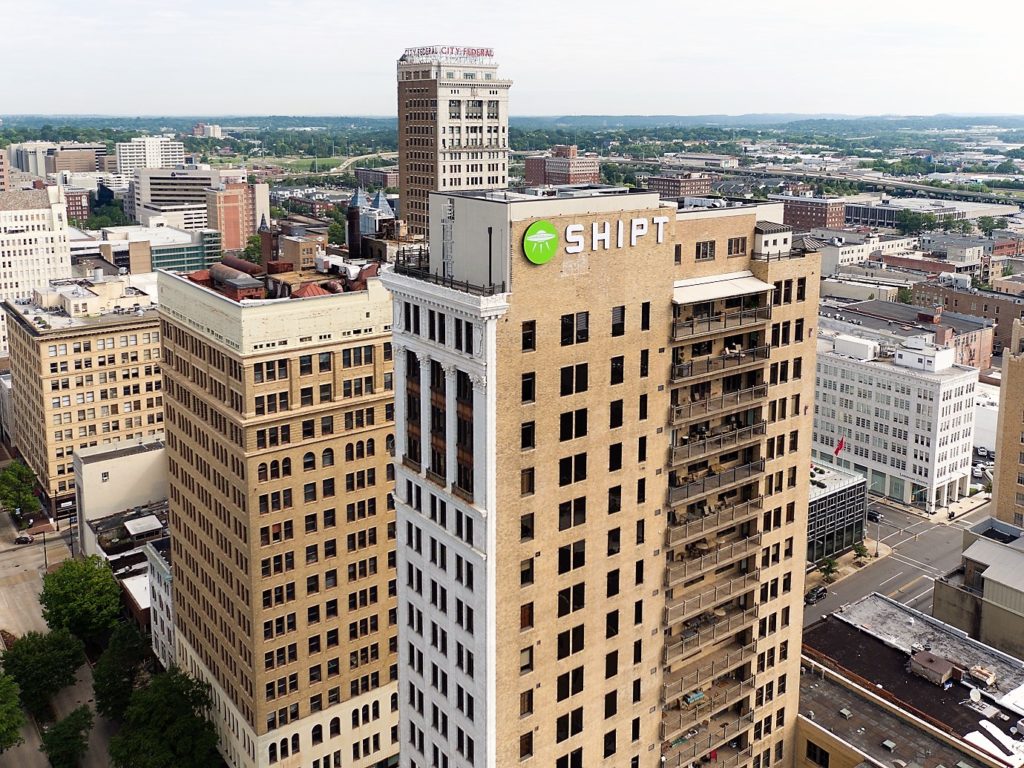
With the recent announcements of thousands of jobs coming into Jefferson County in connection with Amazon’s advanced robotics fulfillment center, DC BLOX’s data center and Shipt’s decision to keep its corporate headquarters in Birmingham, local officials are working from a playbook that has four steps, they say. It all begins with Alabama’s business climate that has been ranked as best in the United States for growth potential and workforce training by Business Facilities magazine, said Commissioner David Carrington, chair of the county’s Finance, Information Technology and Business Development Committee. The second is that Jefferson County is the economic center of the state, with the largest population and number of jobs. In 2016, companies announced they were going to create 14,500 jobs and invest $5.1 billion in Alabama. The Birmingham-Hoover metro area accounted for about 20 percent of those jobs and 25 percent of the capital investment. Jefferson County alone was responsible for 1,436 announced jobs and $506 million in capital investment. “In fact, the metro area’s gross domestic product is greater than Mobile, Montgomery and Huntsville combined,” Carrington said. “In 2017, according to the Alabama Department of Commerce, Jefferson County led the state with 2,200 new announced jobs in targeted industries.” The next step is collaboration among partners that often include the Birmingham Business Alliance (BBA), University of Alabama at Birmingham (UAB) and, if a proposed site is in a city, the city. “As in most successful projects, it was a well-coordinated community effort that led to a successful conclusion, and we’re very grateful to our partners and allies for their great work on this project,” said Lee Smith, East Region CEO for BBVA Compass and 2018 chairman of the BBA, after the area secured Amazon’s $325 million investment. “The county actively listens to the prospect’s needs and then participates in the development of an aggressive marketing plan with (those) partners,” Carrington said. Fourth, a project team is in place that “leverages our community’s assets,” Carrington said. “. . . We will talk about our enviable road and rail transportation network when talking to a distribution company; or UAB, Southern Research and Innovation Depot when talking to a STEM (science, technology, engineering and math) company; or our central, geographic proximity to Mercedes, Honda, Hyundai, Volkswagen, Kia and the soon to be open Toyota/Mazda plants when talking to an automotive supplier.” All of those steps are done under a positioning umbrella, he said. “Even if we don’t win a project, we want the company and their consultants to ‘have a good feeling’ about the community so we will be considered for a future project,” he said. Carrington pointed to the community’s Amazon HQ2 “BringAtoB” campaign. “The primary project team knew that Birmingham was at best a long shot, but, despite the odds, we put together an innovative vision and proposal for the company to consider,” he said. “While we didn’t win the headquarters, we caught Amazon’s attention and less than a year later announced an 855,000-square-foot advanced robotics fulfillment center in Bessemer.” Republished with the permission of the Alabama Newscenter.
UAB’s $37.5 million state-of-the art Collat School of Business opens
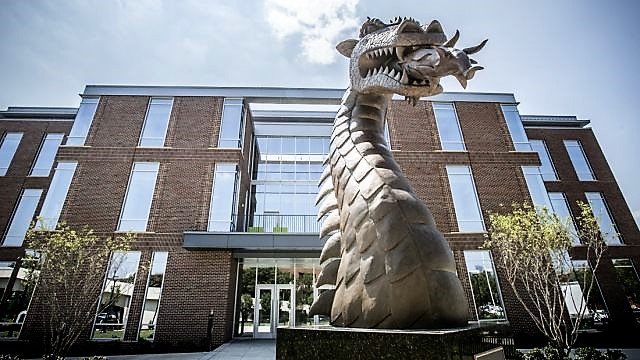
The University of Alabama at Birmingham bridges collaboration, innovation and entrepreneurship with the opening of the $37.5 million state-of-the-art facility that will house the Collat School of Business and Bill L. Harbert Institute for Innovation and Entrepreneurship (HIIE). UAB’s Collat School of Business welcomed students Aug. 27. (Adam Pope/UAB/Alabama Newscenter) “This beautiful new building changes everything,” said Collat School of Business Dean Eric Jack. “This addition to UAB’s campus heralds a new era of leadership in business education that will help drive innovation at UAB and in Birmingham for many years to come.” The grand opening and ribbon-cutting ceremony took place Friday, Aug. 24, at 10 a.m. at 1201 University Blvd. Students began classes for the fall semester Monday, Aug. 27. The 108,000-square-foot building was designed with input from students and community business leaders so that every detail enhances the learning experience while preparing students to work in modern business environments. The facility features breakout rooms, an innovation lab, classrooms designed for team-based learning, a high-tech finance lab, sales role-playing rooms, a three-story atrium, an auditorium, a career center and quiet study spaces. “The generous gift from Charles and his late wife, Patsy, for our new Collat School of Business has already enabled us to build on our reputation as one of the premier business schools in the nation,” said UAB President Ray Watts. “The Collats have been actively engaged with our School of Business and contributed to its success for nearly three decades, and their outstanding example of philanthropy underscores the power of partnership to advance all areas of UAB’s mission. This is a transformational moment for the Collat School of Business and our university, and we look forward to the tremendous impact this facility will have for years to come – providing exceptional opportunities for tomorrow’s business leaders and entrepreneurs and helping to grow a robust innovation-based economy for Birmingham and Alabama.” Located along the north side of University Boulevard between 12th and 13th streets south, the building will offer a modern learning environment and the technology infrastructure expected to competitively recruit the next generation of business leaders, as well as top faculty and staff dedicated to educating them. Open seating areas throughout the building promote collaboration and a sense of community, affiliation and connection to UAB while furthering innovation and entrepreneurship opportunities. “Locating the HIIE in the new Collat School of Business Building creates a hub for innovation and entrepreneurship right in the heart of campus that serves students, faculty and also the wider Birmingham innovation community,” said Kathy Nugent, Ph.D., associate vice president and executive director of the Bill L. Harbert Institute of Innovation and Entrepreneurship. “The new space supports our commitment to leveraging UAB’s powerful research engine to transfer discoveries into products that positively impact quality of life and highlights our goal to generate a pipeline of companies that promote economic development within the region.” The facility houses administrative and student function space for the Collat School of Business and HIIE, as well as the Center for Sales Leadership, the Nielsen Innovation Lab, the Healthcare Leadership Academy and the Regions Institute for Financial Education. The co-location of these cross-discipline entities will foster increased collaboration and create a bridge between undergraduate and graduate students and the marketplace. “We also want to thank our incredible business community, alumni, faculty, staff and students,” Jack said. “We would not have this incredible new learning facility without their generous support.” Gifts given by local businesses such as the Joy and Bill Harbert Foundation, Medical Properties Trust, Regions Bank and Kassouf & Co. exemplify the support of the community in furthering this project, which is the cornerstone of efforts to expand technology commercialization to attain positive impacts on economic development for the community, state and beyond. From an exterior perspective, the overall architecture of the building is in keeping with the recently completed Hill Student Center and soon-to-be completed School of Nursing, featuring a combination of traditional building materials and contemporary building elements. The building is four stories in total, with a primarily traditional brick enclosure and conventional windows on the western and eastern elevations, while the northern and southern elevations are primarily glass storefront. Robert A.M. Stern Architects of New York City and Williams Blackstock Architects of Birmingham designed the building so that all 100-plus offices have a window that is exposed to natural light from the exterior of the building. This was accomplished by having full-height atriums, or light-wells, on the east and west ends of the building. The Coca-Cola UNITED Dining Alcove offers dining options for students, faculty and staff, including Jamba Juice and Sandella’s Flatbread. UAB’s student-run investment fund, the Green & Gold Fund, will be housed in the new Chad Thomas Hagwood Finance Lab. Blazer Pride Plaza, a large landscaped courtyard on the east side of the building, leads students to the main entrance of the Collat School of Business, while the main entrance to the HIIE will be on the northern side of the building. The auditorium in the basement of the building has a FEMA-rated storm shelter that can accommodate more than 200 people in the event of severe weather. Williams Blackstock and Robert A.M. Stern served as the architects of record on this project. Brasfield & Gorrie served as general contractor and self-performed all concrete work, including foundations, foundation walls and site hardscapes. Republished with the permission of the Alabama Newscenter.
UAB to bring awareness to transgender rights

The University of Alabama at Birmingham (UAB) will host an event to bring awareness to the rights of transgender people in September. The Human Rights of Transgender Persons event will be held at the UAB Hill Student Center on Thursday September 13 at 6:00 p.m. Several guest speakers will be there to discuss issues facing the community, including Brianna Patterson, a transgender rights activist. According to the event’s Facebook description, Patterson is a “military veteran, former firefighter, and current graduate student who is working hard to change the narrative about Transgender people in the South.” Patterson is a member of the World Professional Association for Transgender Health, an educational organization devoted to transgender health. She first posted her story of overcoming discrimination in the work place on the Invisible History Project’s (IHP) website. According to the same site, the IHP is “designed to be a repository for the preservation of the history of LGBTQ life first in the state of Alabama and then the entire Southeast.” The UAB Special Collections Library is a partner of the project. Married couple, and screenwriters, Tony Phelan and Joan Rater, will also be speaking on how having a transgender son has transformed their lives. Phelan and Rater were both executive producers and writers for the popular hospital drama television show Grey’s Anatomy. For more information on the event click here.
UAB ranked No. 1 young university in the U.S.
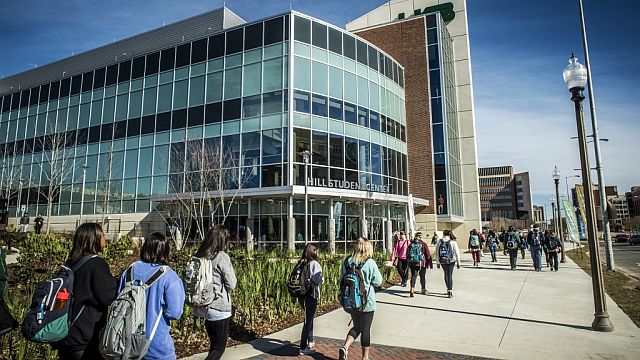
The University of Alabama at Birmingham(UAB) has been ranked the top young university in the United States and No. 10 worldwide in the Times Higher Education World University Rankings, 2018 Young University Rankings. Times Higher Education’s university rankings are among the world’s most comprehensive, balanced and trusted — a vital resource trusted by academics, students, their families, industry and governments globally. “This prestigious recognition directly reflects the dedication and hard work that our faculty, staff, students, alumni and community supporters have contributed to build tremendous, growing momentum in every pillar of our mission in less than 50 short years,” said UAB President Ray L. Watts. “I celebrate and share this tremendous honor with everyone in the UAB community, as well as with those who came before us and built the strong foundation from which we continue to effect positive, global change.” The full rankings are available online [timeshighereducation.com]. Students walking on campus prepping for summer months at UAB. (UAB) Times Higher Education ranked 250 institutions from 55 countries in this year’s Young University Rankings, which explores the same rigorous 13 performance indicators as the overall Times Higher Education’s World University Rankings — with young universities measured across their teaching, research, citations, international outlooks and industry incomes. However, the methodology has been carefully recalibrated, with less emphasis on reputation since younger universities are still building their reputations. Times Higher Education defines a young university as aged 50 years or under. UAB, which spans more than 100 city blocks — roughly a quarter of downtown Birmingham — will celebrate its 50th anniversary in 2019. With nearly 21,000 students and more than 23,000 faculty and staff, UAB has become the largest single employer in Alabama, with an annual statewide economic impact exceeding $7.15 billion. It boasts many nationally ranked programs, including 13 graduate programs ranked in the top 25, according to U.S. News & World Report. Bird’s eye view of the UAB campus. (UAB) With annual research spending exceeding $562 million, UAB continues to create new knowledge and solve critical worldwide issues as a leader in federal research funding — ranking 23rd (top 4 percent) nationally and eighth (top 2 percent) among public institutions in funding from the National Institutes of Health. UAB Hospital, the centerpiece of the UAB Health System, is among the 20 largest hospitals in the United States. UAB Hospital’s American College of Surgeons Verified Level 1 Adult Trauma Center is the only one of its kind in Alabama and sees more than a million patient visits a year. The U.S. News & World Report Best Hospitals report listed 10 of UAB’s medical specialties in the nation’s top 50 programs of their kind, and UAB has the only NCI-designated comprehensive cancer center in Alabama and a five-state region. Republished with permission from the Alabama NewsCenter.
Analysis: Alabama bioscience industry’s impact tops $7.3 billion a year
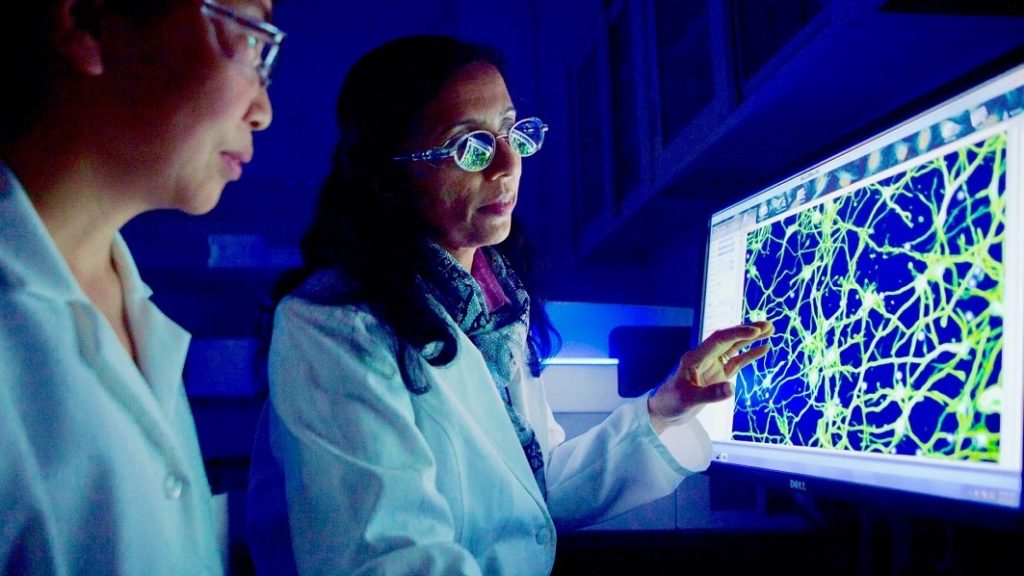
Alabama’s multifaceted biosciences industry generates $7.3 billion in economic activity annually while supporting 780 companies and nearly 48,000 direct and indirect jobs across the state, according to a new analysis by researchers at the University of Alabama. The comprehensive study underscores the contributions and growth potential of the statewide life sciences sector, a robust combination of research institutions, medical labs, innovative startups, international pharmaceutical manufacturers and more. “We have exceptional strengths in biosciences, including world-class research organizations and a roster of cutting-edge companies, so it’s a natural growth area for the state,” said Greg Canfield, secretary of the Alabama Department of Commerce. “We’re committed to helping accelerate the development of the life sciences sector, and we want the state to become home to more of these high-paying jobs and the talented individuals to fill them,” he added. Massive impact The analysis, conducted for the BioAlabama industry trade group, shows that Alabama’s 780 life sciences companies directly employ 17,871 workers, each earning an average annual salary of $67,664. Total expenditures of those companies exceed $3.8 billion a year. Other key findings in the University of Alabama report: The bioscience industry’s 47,980 direct and indirect jobs in Alabama support a total yearly payroll of $2.3 billion. The industry contributes $3.9 billion annually to Alabama’s gross domestic product (GDP), nearly 2 percent of the state’s total economic output. The industry’s earnings impact generates $161.4 million in tax revenue annually, including $74.7 million in state income taxes and $86.7 million in state and local sales taxes. In addition, the UA researchers examined the economic contributions of bio-industries such as agricultural feedstock and chemicals, and bioscience-related distribution. They found that these activities magnified the impact of the core life sciences sector in Alabama, elevating overall economic output to $11 billion a year with more than 70,000 jobs and annual tax revenue topping $233 million. “This analysis confirms the far-reaching impact of Alabama’s bioscience industries throughout the state, and demonstrates why we continue to pursue strategies that allow the sector to continue to grow and create even more high-caliber jobs across the state,” said Blair King, president-elect of BioAlabama and manager of economic development and existing industry at Alabama Power Co. Diverse activities The foundations of Alabama’s bioscience research rest on the work conducted by the University of Alabama at Birmingham (UAB), Southern Research, the HudsonAlpha Institute for Biotechnology, and the University of South Alabama’s Mitchell Cancer Institute. The specialties of these organizations include drug discovery and development, genomics, and personalized medicine. They also frequently engage in collaborations such as the Alabama Drug Discovery Alliance, a partnership between UAB and Southern Research that has developed a pipeline of potential therapeutics for diseases such as cancer and diabetes. Alabama is also home to multinational companies involved in pharmaceutical and medical device manufacturing. In March, Germany’s Evonik, for example, announced plans to expand production of biomaterials and launch a Global Competence Center for Medical Devices at its Birmingham facility. “Evonik’s investments in the Birmingham site reflect its commitment to the medical device and drug delivery business as well as the city of Birmingham and its history of world-class medical research and technology,” said Kel Boisvert, Birmingham site manager for Evonik. Other manufacturers operating in the state include Kowa Pharmaceuticals (Montgomery), Nektar Therapeutics (Huntsville), Baxter and Pharmavite (both Opelika), and Oxford Pharmaceuticals, Avanti Polar Lipids and BioHorizons (all Birmingham). At the same time, a number of innovative startup companies have sprung up in Alabama, with many of them based at HudsonAlpha and Birmingham’s Innovation Depot, the Southeast’s largest technology business incubator. Promising startups include Birmingham’s Blondin Bioscience, Huntsville’s GeneCapture, Mobile’s Swift Biotech and Auburn’s Vitruvias Therapeutics. “We are fortunate to have started our business in Alabama because we have benefited from the highly collaborative entrepreneurial spirit throughout the state, including Alabama Launchpad and the various Small Business Development Centers, and especially our connection with HudsonAlpha and the University of Alabama in Huntsville,” said BioAlabama President Peggy Sammon, CEO and co-founder of GeneCapture. “We have been able to find highly skilled molecular biologists, chemical engineers, optical engineers and lab specialists,” she added. “Our membership in BioAlabama has connected us with other scientists and business professionals who have significantly helped us advance our business plan.” Alabama’s research universities are key players in the bioscience ecosystem and contribute to the industry’s economic impact. The network includes Auburn University, USA, Tuskegee University, Alabama State University, Alabama A&M University and the three University of Alabama System campuses. The analysis is the first to comprehensively examine the economic impact of the state’s bioscience sector. It was prepared by Senior Research Economist Sam Addy, Ph.D., and his team at the Center for Business and Economic Research at the University of Alabama’s Culverhouse College of Business, with assistance from BioAlabama. Addy noted in the report that investing in life sciences should remain a pillar of the state’s overall economic development strategy. “Alabama should continue to keep biosciences as a focus in its economic development strategy since these industries provide high-wage jobs and are highly productive,” he writes. What others say “Since launching its cancer program in 1946, Southern Research has discovered seven FDA-approved oncology drugs and made many significant discoveries that have helped patients with cancer and other diseases,” said Art Tipton, Ph.D., president and CEO of the Birmingham nonprofit. “This highlights the vital importance of the groundbreaking bioscience work that continues to be done in labs in Alabama.” “I see UAB as not only the hub for healthcare innovation in Birmingham, but definitely throughout the state and the region,” said Kathy Nugent, Ph.D., executive director of UAB’s Harbert Institute for Innovation and Entrepreneurship. “That means producing as many companies as possible. It’s harder to produce biotech companies, because it takes time to develop new drug therapies. What we’re trying to do is think about it strategically and give our faculty the resources they need to be entrepreneurial to turn their research into new life sciences ventures.” “HudsonAlpha has gone from just a handful of startups and faculty to more than 35 life sciences companies and 15 faculty investigators in just 10 years,” said Carter Wells, vice president for economic development at HudsonAlpha. “It goes to show that Jim Hudson and Lonnie McMillian’s model works, and we’re proud
Shelby County Board of Education to host Superintendent candidates’ forum
The Greater Shelby County, South Shelby County, Montevallo Chamber’s of Commerce and Shelby County Newspapers, Inc. will join forces to co-host a candidate forum for the Shelby County Board of Education Superintendent candidates on Thursday, May, 31. “On behalf of our partners for this Forum we’re looking forward to hosting this program,” said Kirk Mancer, President and CEO of the Greater Shelby County Chamber of Commerce. “All three of our chambers work collaboratively with schools throughout Shelby County, so having the opportunity to hear from the two candidates seeking this important leadership position was something we all wanted to do.” The forum will take place from at Jefferson State Community College’s Shelby-Hoover campus from 6:00 p.m. – 7:30 p.m.. Three-term current Superintendent, Randy Fuller, announced his retirement, effective in December in January of this year. Looking to fill his shoes is Assistant Superintendent of Administration Shelby County Schools, Dr. Lewis Brooks along with Oak Mountain High School Principal Kristi Sayer. Each of the candidates will have time to respond to questions determined by the three chambers. “The Superintendent for the Shelby County Board of Education oversees programming for 20,950+ students throughout all of our communities,” Keyla Handley, Acting Director for the South Shelby Chamber of Commerce said. “As the unified voice for Shelby County businesses — who will employ and work with these students in the future — it’s vital we hear from these individuals on career readiness efforts we’ll need moving forward.” “Our schools are the foundation of our communities,”Executive Director of the Montevallo Chamber of Commerce, Steve Gilbert commented. “This forum will allow everyone the opportunity to learn more about the platform the two candidates seeking to serve as Superintendent for the Shelby County Board of Education want to implement.” The candidates Dr. Lewis Brooks, current assistant superintendent of administration and pupil services for Shelby County Schools, Brooks has been a resident of Shelby County for the past 26 years. A graduate of the University of Montevallo, he also received his doctorate of education degree in 2010 at Samford University. “I decided to run for the position of superintendent of Shelby County Schools because, after many years of working in the district, I know the parents, educators and the staff here have such a high level of commitment to excellence in education for the students we serve,” Brooks told 280 Reporter. “I love that about this district and I share that same commitment.” Kristi Sayers, current Oak Mountain High School Principal has been an educator for 23 years. She received her master’s degree in educational administration and supervision from the University of Montevallo and a doctorate degree in educational leadership from the University of Alabama at Birmingham. “For too long, we’ve just kind of left the family out, and we all have to work together,” she told the 280 Reporter. “It’s not a one-size-fits-all. I think I have good ideas, and I’m not afraid to act on those ideas. My goal is always to move things forward.” The event is free to the public.
Women of Influence: UAB space archeoligist Sarah Parcak
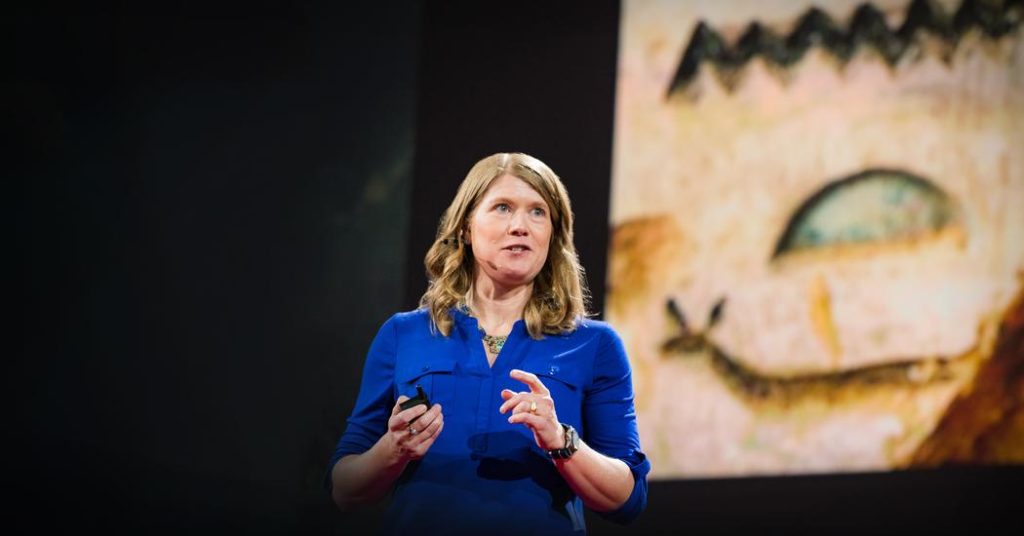
“Sharing knowledge is the greatest of all callings. There’s nothing like it in the land.” University of Alabama at Birmingham (UAB) professor of anthropology Sarah Parcak told this ancient Egyptian quote to a crowd of listeners during a 2012 TED talk (which has since been viewed over 1 million times) on her work to detect hidden archaeological sites with satellites and Infra-red technology, also known as “space archeology,” and Parcak does just that. Parcak was born in Bangor, Maine, earned her bachelor’s degree in near Eastern languages and civilizations at Yale University in 2001, and her Master’s and Ph.D in Egyptian archaeology from Trinity College at Cambridge. From there, she taught Egyptian art and history at the University of Wales in Swansea before moving to Birmingham to work at UAB, where she founded the Laboratory for Global Observation. Parcak has since directed multiple surveys and excavation projects from the Sinai Peninsula, and the Nile’s East Delta to Romania, Nabetaea, Tunisia and Italy. Her work has been featured in three documentaries, the 2011 documentary Egypt: What Lies Beneath, the 2012 documentary Rome’s Lost Empire and Vikings Unearthed. Parcak’s team of archaeologists at UAB has claimed the discovery of 17 pyramids, more than 1,000 tombs and 3,000 settlements in the vicinity of Sa el-HagarIn, and in 2015 she collaborated on the identification of a possible Norse settlement in Newfoundland. But the spotlight really hit her in 2016 when she won the 2016 TED prize, a coveted prize of $1 million, which she used to fund the Global Xplorer platform; a web-based platform designed to “revolutionize how modern archaeology is done altogether, by creating a global network of citizen explorers.” The first goal of Global Xplorer is to map out the entire country Peru — the home of Machu Picchu, the Nazca lines and other archaeological wonders waiting to be discovered. “We will do nothing less than use state-of-the-art technology to map an entire country,” said Parcak at the TED Summit in 2016. “This is a dream started by Hiram Bingham, but we are expanding it to the world, making archaeological exploration more open, inclusive, and at a scale simply not previously possible.” One of Parcaks goals is to preserve the history, and save sites in the middle-east from looters, “the past few years have been horrific for archaeology. I’ve spent a lot of time, as have many of my colleagues, looking at the destruction,” Parcak said when she accepted the TED prize in 2016. “This Prize is not about me. It’s about our field. It’s about the thousands of men and women around the world, particularly in the Middle East, who are defending and protecting sites.” She has been selected for many top honors including being named on of the 100 Leading Global Thinkers by Foreign Policy magazine, and is also a National Geographic Society Archaeology Fellow, Fellow of the Society of Antiquaries, and a 2013 TED Senior Fellow. Parcak’s work has led to many discoveries and excavated an abundant amount of historical sites otherwise lost to the modern world, she is also bringing together “citizen scientists” from around the globe to learn, and work together to open windows to the past for our modern world. For her service to our world, the students at the University of Alabama, and for her relentless pursuit of unearthing the past for our modern eyes, Sarah Parcak is doubtlessly an Alabama woman of influence.
Alabama women suing for equal pay lack state protection

Amy Heatherly believes she would have been paid at least $50,000 more to do her job over the past five years if she had been a man. As the only female human resources director overseeing compensation at the University of Alabama’s main campus, Heatherly said she knew for years she was getting paid less than three men on a similar management level with fewer years of experience. She filed a complaint with the Equal Employment Opportunity Commission in 2014, after receiving a raise that was half of her male colleagues’. In 2016, she sued the university. “It did not have as much to do with the money but me feeling like I’m paid my worth, or at least paid equitably, like you’re being respected and recognized for what you do,” said Heatherly, 52, who has worked at the university for 19 years. The university argues differences in pay are justified because her position is not comparable to her male colleagues. Heatherly says that she is a victim of gender discrimination because she’s not receiving equal pay for equal work. White women in Alabama make 72 cents to a white man’s dollar. Black women make 57 and Latinas 47, the National Women’s Law Center calculated. Federal law prohibits wage discrimination on the basis of sex for equal work, except where there is a difference in experience or productivity. Alabama and Mississippi are the only two states that don’t have equal pay laws. Rep. Adline Clarke, a Democrat from Mobile, unsuccessfully pushed lawmakers to approve equal pay legislation. Clarke’s bill, which failed this legislative session, mirrored federal law but tasked the Alabama Department of Labor with enforcement. She said that would hold employers more accountable. Lilly Ledbetter, the Alabama woman who lost a lawsuit over being paid less than her male counterparts, is the namesake of the law signed by former President Barack Obama to make it easier for women to sue over wage discrimination. She said people wrongly think that pay discrimination does not exist. “It seems like they all have blinders on,” Ledbetter told the Associated Press. “The corporate world in some regards feels that equal pay for equal work is a myth. They think we have it.” The university said in court filings that it explained Heatherly’s low raise was because of how she handled an employee complaint and software problems. Heatherly said they never talked with her about disciplinary problems at the time and gave her no performance evaluation. Heatherly’s complaint said that when she sued, she and her three male colleagues all had the title of director, each with unique responsibilities. “She’s the only person in the job, so then can she never be a victim of sex discrimination because there’s no comparator?” said Heatherly’s attorney Charles Guerrier, who worked for the EEOC for three decades. “If you segregate the jobs and underpay the women, you can’t violate law because there are no men doing the same jobs.” The university counters in court filings that Heatherly’s role was not comparable because it wasn’t systemwide and had different responsibilities. The university uses a pay grade system that tallies salaries based on the differentials. A statistical analysis by Heatherly’s economic expert reported she was paid less than 19 out of 20 men in her pay grade. The expert calculated the university paid female administrators between 5 to 14 percent less. The university’s expert responded that the analysis was “flawed” because jobs can’t be compared within the same pay grade. The university said doing so is “ignoring legitimate factors that drive compensation,” like type of work and job performance. Monica Watts, the university’s associate vice president for communications, said the university could not answer questions or comment on the ongoing case. In response to an open records request for documentation of equal pay complaints, lawsuits and settlements, the university said they have “no responsive public documents that compile the information.” Federal court records show two University of Alabama at Birmingham professors sued over unequal pay in 2006. One settled and one left the university, according to their attorney. Heatherly said the lawsuit has dashed her dreams of a promotion. She is her family’s breadwinner, currently earning more than her husband at $131,000 a year. “There are days when I wonder, why do I keep helping a place that’s done this to me?” she said, wiping at tears. “If I can help to make it better for other females, and I know I can’t change the world, but if I do that I’ll feel like I’ve had an impact.” Republished with the permission of the Associated Press.
