
Honda Alabama opens new logistics buildings in $85 million project

Honda Manufacturing of Alabama has officially opened its new logistics buildings, an $85 million project that further deepens the automaker’s roots in Talladega County, as well as its significant imprint on the state’s economy. The new facilities add nearly 400,000 square feet to Honda’s existing 4.2 million-square-foot factory in Lincoln, where more than 4,500 workers build the Odyssey minivan, Pilot SUV, Ridgeline pickup and the V-6 engines that power all three models for customers around the world. “Our new logistics operations represent an $85 million investment in our operations, as well as continued investment in our associates, our products and in customer satisfaction,” said Mike Oatridge, HMA vice president. “This new space will help us better streamline our logistics operations, which will result in improved parts delivery, improved quality and improved organization across our production lines.” The new logistics facilities are mirror-image buildings at both Line 1 and Line 2. They are part of a multiphased project dedicated to the enhancement and revitalization of Honda operations in Alabama. “I’m excited to see these new buildings come alive,” HMA President Tsutomu Morimoto said. Commerce Secretary Greg Canfield speaks at a grand opening ceremony for the new logistics buildings at Honda’s Alabama factory. (contributed/Alabama Newscenter) ‘Setting the standard’ Alabama Secretary of Commerce Greg Canfield joined company officials in cutting the ribbon on the expansion. He praised employees for Honda’s success in the state, growing from an initial $400 million investment in 2001 to more than $2.6 billion today. “You guys here have been a vital part of the fabric of the automotive sector that is growing very rapidly in our state,” he said. Canfield also cited Accelerate Alabama, the state’s strategic plan for economic development. One of the plan’s key drivers is supporting the growth of existing companies in the state. HMA’s latest investments in technology that will prepare the facility and workforce for future models are exactly the kind of growth from within that Accelerate Alabama promotes, he said. “Honda is a brand that people across the globe recognize, respect and desire to own, and you are setting the standard for that quality and excellence right here in Alabama,” Canfield said. “We’re looking forward to the continued investment that occurs here.” Alabama Commerce Secretary Greg Canfield, flanked by Honda Alabama workers and officials, cuts the ribbon on the company’s new $85 million logistics buildings. (contributed/Alabama Newscenter) Additional investment More growth is on the way. Last week, HMA announced an additional $54.8 million investment to improve weld operations at Line 2. This expansion, which will add more than 50,000 square feet, is expected to be completed in early 2021. When combined with the 2017 investment announcements for the Line 1 and Line 2 logistics facilities and other investments, HMA has taken on additions of more than 425,000 square feet to its production operations, along with an investment of about $150 million. A University of Alabama analysis shows HMA has an estimated $6.8 billion economic impact in the state. Republished with the permission of the Alabama Newscenter.
Honda to invest $54.8 million in Alabama expansion project

Honda Manufacturing of Alabama continues to grow its operations in Talladega County, with a multi-phase project that will improve flexibility, strengthen efficiency and prepare for future technologies. The latest phase announced by the automaker is a $54.8 million expansion that will add more than 50,000 square feet at Honda Alabama’s Line 2 operations. The expansion is expected to be completed in early 2021. When combined with last year’s investment announcements for both the Line 1 and Line 2 facilities, Honda Alabama will add more than 425,000 square feet to its production operations for a combined investment of about $150 million. “Honda is a cornerstone of Alabama’s vibrant automotive industry,” said Greg Canfield, secretary of the Alabama Department of Commerce. “The company continues to show confidence in its local workforce, with new investments that fuel innovative technologies sought by customers around the world.” Economic impact Honda has more than 4,500 employees at its $2.6 billion plant in Lincoln, which has the capacity to produce more than 340,000 vehicles and engines each year. Its lineup includes the Odyssey minivan, Pilot SUV and Ridgeline pickup, as well as the V-6 engines that power all three models. Last year, workers built a record number of Pilots as part of a total output of 357,316 minivans, sport utility vehicles, pickup trucks and V-6 engines. The factory has an annual estimated economic impact in the state of $6.8 billion, according to a University of Alabama analysis. Republished with the permission of the Alabama Newscenter.
Five things you need to know about Joseph Siegelman
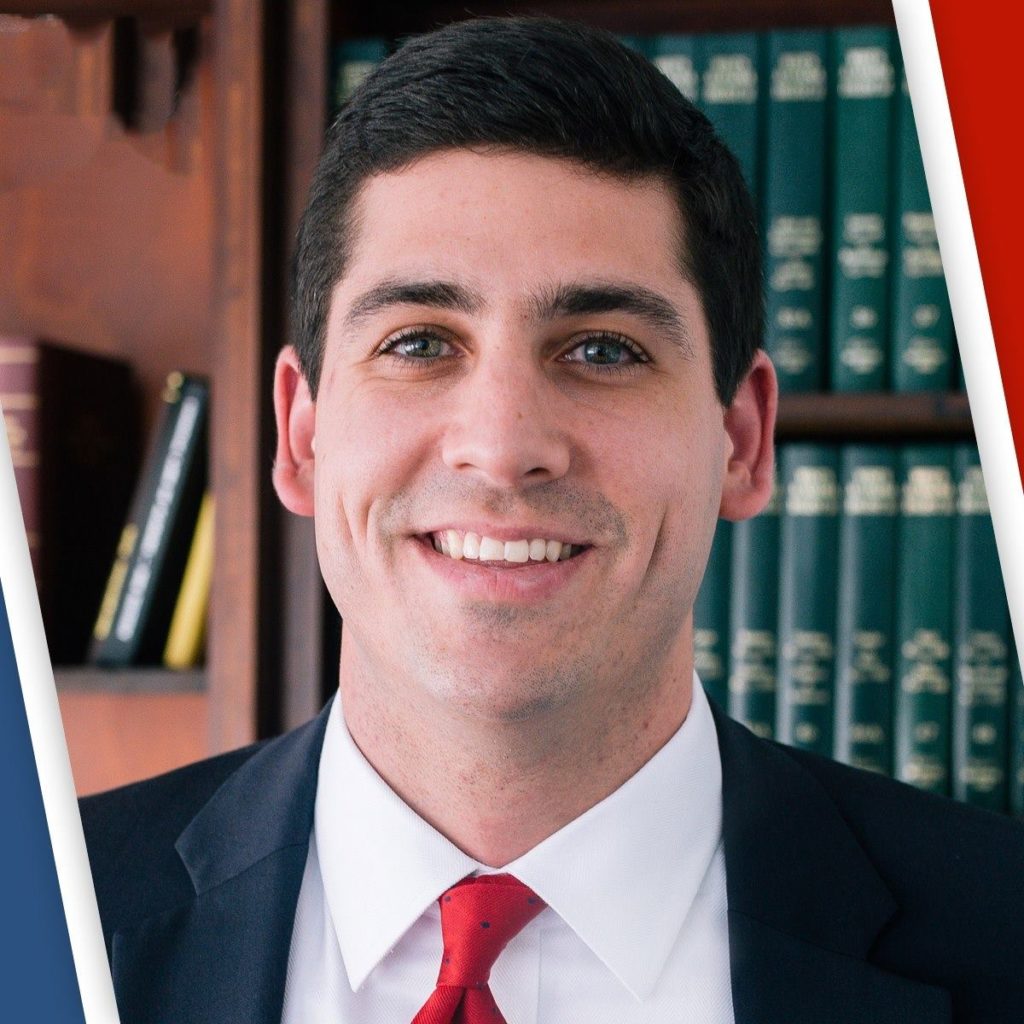
Now that the runoff elections are over, voters are turning their attention to the November General Election only 106 days away. Democratic Attorney General candidate Joseph Siegelman beat his primary opponent Chris Christie in the June primary elections while Incumbent Attorney General and Republican candidate Steve Marshall was thrown into a runoff race. Marshall won his runoff election against Troy King last week with just over 62 percent of the vote; now Marshall will face Siegelman in the November General Election. The attorney general is responsible for representing the state in criminal and civil matters, and the office often is a stepping-stone to other positions. Just ask former Alabama attorney general and U.S. Senator, now-U.S. Attorney General Jeff Sessions. With that in mind, here are the five things you need to know about Joseph Siegelman: 1. He’s the the son of former Gov. Don Siegelman. Siegelman’s father, former Gov. Don Siegelman was a dominating figure in state politics for years, but his career came to a close with a conviction on federal bribery charges. In 2016, Siegelman had filed a lawsuit seeking Department of Justice documents about his father’s prosecution. Ultimately nothing came of it and Don Siegelman was released in 2017, which was a year to the day that Joseph announced his candidacy, from a federal prison in Louisiana where he was serving a six-year sentence for bribery and obstruction of justice. 2. He received some big endorsements during the primary. Siegelman has been endorsed by the New South Alliance and equal pay activist Lilly Ledbetter. 3. He would be a very young AG. If elected, Siegelman, 29, would only be 30 when he assumes office — a stark contrast to his Republican opponent, Steve Marshall who’s career has spanned over 30 years. 4. He’s the managing partner and with The Cochran Firm. Siegelman is the managing partner in The Cochran Firm – Birmingham office. There, his practice focuses primarily in the areas of personal injury, products liability, medical malpractice and mass tort litigation. He is a member of the Alabama State Bar Association and the Birmingham Bar Association and is admitted to practice in all Alabama State and Federal courts. 5. Roll Tide Roll. Siegelman obtained his undergraduate degree from the University of Alabama while completing part of his coursework at the London School of Economics and Political Science in London, England. He received a Bachelor of Science in Commerce and Business Administration, graduating summa cum laude from the University of Alabama’s Honors College and Business Honors Program. He also received his Juris Doctor from the University of Alabama School of Law. In law school, he twice represented the University of Alabama as an advocate on its National Trial Team and was awarded the George Peach Taylor Award for his outstanding trial advocacy.
Five things you need to know about Chris McCool
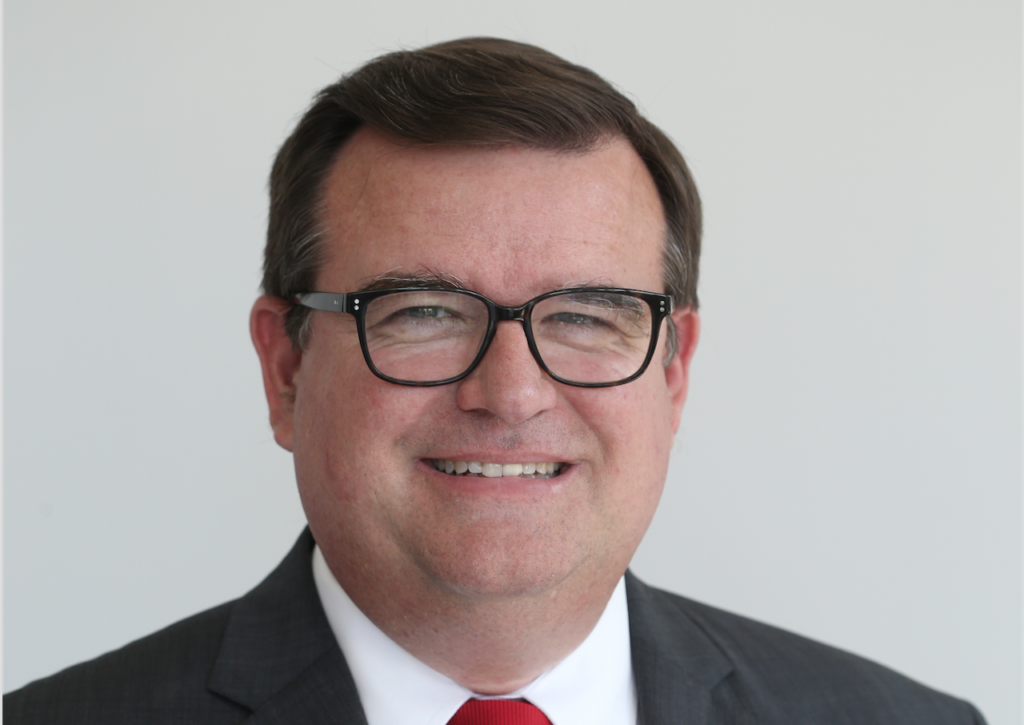
The primary elections are over, but some highly sought spots still remain open due to the primary races resulting in runoffs. One of those races is for the Alabama Court of Criminal Appeals Place 2. Three candidates stepped up to the plate seeking election in the June 5 primary. Both Chris McCool and Rich Anderson garnered enough support to tip the race into a a runoff election set for July 17. With that in mind, here are the five things you need to know about Chris McCool: 1. Has served on the Executive Committee of the Alabama District Attorneys Association (ADAA) for 10 years. During that time he’s served in multiple roles: as President, Vice President, and Treasurer. 2. He’s won a lot of awards for the work he’s done. In 2007, he was named “Prosecutor of the Year” by VOCAL (Victims of Crime and Leniency) and “District Attorney of the Year” by the ADAA. He was also named “Prosecutor of the Year” by the Alabama Forest Owners Association in 2012. 3. He’s worked as an adjunct professor. McCool was an adjunct professor in the Trial Advocacy Program at the University of Alabama, School of Law from 1998 to 2000. 4. He knows a thing or two about farming. He lives on, and manages, the farm that has been in his family for five generations. 5. Roll Tide Roll (need we say any more?). McCool graduated from the University of Alabama in 1990, with a bachelor’s degree in History and Classics, and the University of Alabama, School of Law in 1993.
Meet Christy Edwards, your presumptive, new Court of Civil Appeals, Place 1 Judge

In the race for Alabama Court of Civil Appeals Place 1, three candidates stepped up to the plate seeking election in the June 5 primary. Judge Christy Edwards and Judge Michelle Thomason both garnered enough support to tip the race into a runoff election in which Edwards took home 54 percent of the vote. Now, facing no Democratic challenger in the November general election, Edwards has presumably won her race and will become Court of Civil Appeals Place 1 Judge in 2019. With that in mind, here are the five things you need to know about Christy Edwards: 1. She’s a judge on the Alabama Tax Court. In 2016 Edwards was appointed to the Alabama Tax Tribunal where she currently serves as a Judge. According to her campaign website, she wants to bring her knowledge of tax laws to bear on the appeals process. “Everyone has to pay taxes – businesses, business owners, consumers and regular people,” Edwards said. “The businesses and the people of this state need a judge who will oversee the tax laws and protect the taxpayers according to all the laws overseen by this court. I will do that.” 2. She’s an award-winning writer and orator. In law school Edwards was the Regional Champion of the American Bar Association’s appellate advocacy competition, Regional Champion and national quarter finalist of the National Best Brief competition, and was named Jones Law School Best Oral Advocate. Her most recent articles have been published in the Journal of Multi-State Taxation and Incentives. 3. She was endorsed by primary opponent Pat Thetford. Primary opponent Pat Thetford endorsed Edwards, saying he believed she is the best candidate for the job and urged his supporters to vote for her in the runoff election. 4. She has two degrees from Alabama. After completing a bachelor’s degree in Finance and Economics from the University of Alabama, Edwards earned her Juris Doctorate from Faulkner University Jones School of Law and an LL.M. from the University of Alabama School of Law with a focus on complex state tax laws. 5. She previously served as an Assistant Attorney General. Edwards practiced family and commercial and civil litigation in her own private practice for 2 years after law school. She then was appointed to serve as an attorney for the court of civil appeals before becoming an Assistant Attorney General under then Attorney General Luther Strange in 2011. There, she represented the state in state and local tax disputes in the Alabama Department of Revenue.
Five things you need to know about Jim Zeigler
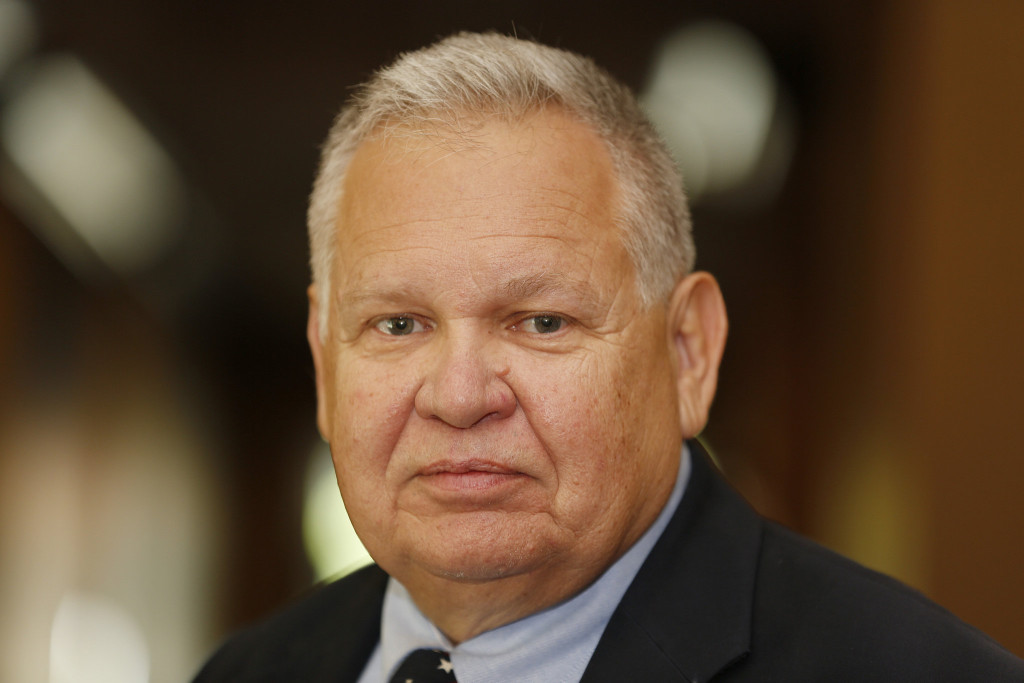
Incumbent State Auditor Jim Zeigler ran circles around his opponents in the June primary, taking home 55 percent of the vote. But now that the primaries are over, the real battle has begun. Zeigler one again faces Democratic nominee Miranda Joseph in the November 6 general election, creating a bit of a déjà vu for voters as the two ran against one another in 2014. With that in mind, here are the five things you need to know about Jim Zeigler: 1. He’s been Alabama’s state auditor since 2014, and has served in one other state office. Zeigler served on the Alabama Public Service commission in the 1970’s, and after running several unsuccessful campaigns for statewide offices in the early 2000’s, he was elected State Auditor in 2014. Since then he has been working hard: announcing a budget plan to save the state’s park system in 2015 and launching a volunteer-based program within his office to investigate claims of waste, fraud and abuse within Alabama state government, to his most recent quest to solve Alabama’s infrastructure problems; he’s become a public fixture nobody expected. 2. His background is in law and he practiced law for over 20 years. Originally from Sylacauga, Ala., Zeigler earned his JD from the Jones Law Institute at Faulkner University in Montgomery; obtaining his license in 1978. In 1993, he opened his own private practice, practicing as a mediator, arbitrator, and attorney until 2015, when he was elected State Auditor. Zeigler recently voluntarily relinquished his law license, after deciding not to run for Alabama Attorney General. 3. He’s fought hard against government waste while in office and continually seeks to keep Alabama lawmakers in check. The Alabama Department of Transportation’s (ALDOT) long contested “bridge to nowhere,” was a battle against wasteful spending Zeigler was willing to fight. Calling on ALDOT’s transportation director John Cooper to answer his questions about the need for an $87 million state-funded bridge project in Baldwin County — which would be a second bridge to Orange Beach, later saying the department needed to redirect funds from the bridge to the Mobile River Bridge and the I-10 Bayway Project. Zeigler has continued to “stir the pot” during his time in office, and seeks to continue what he sees as his job; keeping Alabama legislative officials in check. “I have a plan to turn the State Auditor’s office into a watchman against government mismanagement and waste,” Zeigler told Alabama Today. “It is starting to work.” 4. He was Student Government Association President at the University of Alabama. While in college, Zeigler served as President of the university’s Student Government Association (SGA) from 1970 to 1971. While there, he also served on the Athletic Committee with Coach Paul “Bear” Bryant. Note: Several members of the Alabama legislature have begun their political careers in universities student government associations. Governor Kay Ivey was a member of the SGA at Auburn University and Secretary of State John Merrill served as President of the University of Alabama’s SGA from 1986 to 1987. 5. He was one of the first legislative officials to file a complaint with the Alabama Ethics Commission regarding former governor Robert Bentley In March of 2016, before former governor Robert Bentley‘s impeachment process began, Zeigler filed a report with the Alabama Ethics Commission requesting they investigate Bentley’s affair with senior advisor Rebekah Caldwell Mason. A frequent critic of Bentley’s Zeigler released a statement saying; “the governor continues to disgrace the state of Alabama, and in my official capacity as state auditor, I am required to report these suspected violations.” Bentley was later impeached for his inappropriate affair with Mason, resigning from office in April of 2017.
UA professor Dr. Andrew Lemmon receives $500K for US Navy research
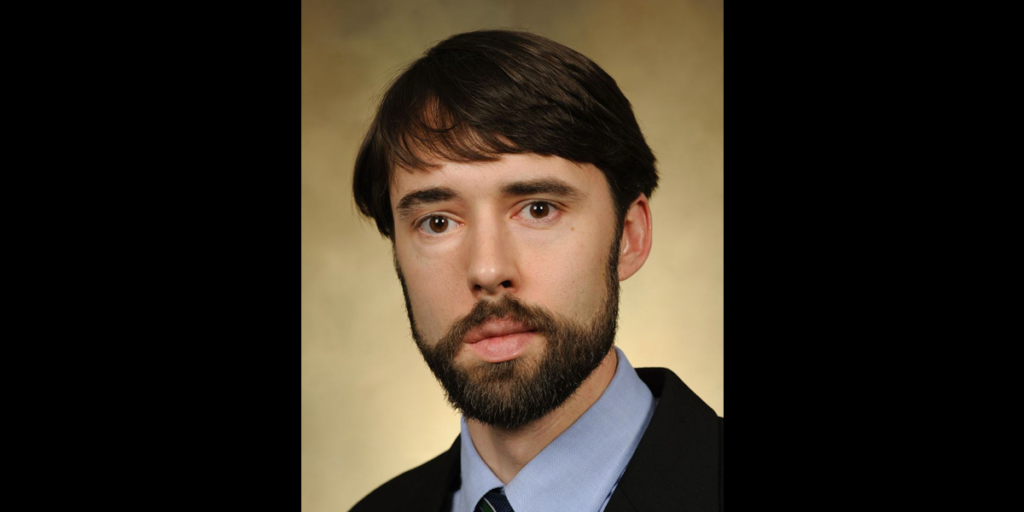
A University of Alabama professor has received half a million dollars from a U.S. Navy award in hopes of advancing the future of Naval ships. Dr. Andrew Lemmon, UA assistant professor of electrical and computer engineering, is one of 31 recipients of the prestigious 2018 Young Investigator Program (YIP) from the Office of Naval Research (ONR). Awards were given to those whose research holds strong promise across a wide range of naval-relevant science and technology areas. “To meet the demand signal from the 2018 National Defense Strategy, we must attract the best and brightest minds to work on naval warfighting challenges. The Young Investigator Program does just that, and I’m honored to announce the recipients for 2018,” said Chief of Naval Research Rear Adm. David Hahn. “Since 1985, this program has attracted outstanding scientists and engineers from across academia to support our Navy and Marine Corps, and as we return to an era of great power competition, that is more important than ever before.” The YIP is a highly competitive process, rewarding the achievements made by young faculty members. This year’s candidates were selected amongst more than 340 highly qualified applicants based on past performance, technical merit, potential for scientific breakthrough and long-term university commitment. All are college and university faculty who have obtained tenure-track positions within the past five years. Lemmon will receive the $500,000 over the course of three years. “It’s obviously a huge honor, and I feel very fortunate to have received this award,” Lemmon said. Introduced in 1985, the ONR YIP is one of the nation’s oldest and most selective science and technology basic research programs. Its purpose is to fund early-career academic researchers-called investigators-whose scientific pursuits show outstanding promise for supporting the Department of Defense, while also promoting their professional development. Lemmon is the first faculty member at UA to receive the YIP award since its inception. “We are very proud of Dr. Lemmon for receiving an ONR Young Investigator Award,” said Dr. Charles Karr, dean of UA’s College of Engineering. “This is a very prestigious award, but one that is well deserved. We are excited about the work Andy does for the Navy.” According to UA, Lemmon’s research in power electronics is expected to contribute to closing known technology gaps in the Navy’s current 30-year ship building plan. This long-term plan includes a shift toward electric propulsion for some types of U.S. Navy ships, which requires moving to a new power architecture called the Integrated Power System. IPS will enable ship propulsion and other loads to be powered from a common system in order to reduce the total amount of power required. This system has been in development for several years, and it is where Lemmon’s research ties in. His research team is working with a new generation of high voltage semiconductors made from silicon carbide, or SiC, which is a key enabling technology for future large-scale IPS implementations. The goal of Lemmon’s YIP program is to help the Navy understand and resolve the challenge of electromagnetic interference, or EMI, in systems designed with SiC. “This is a major challenge, and we can’t yet solve it completely, but we are discovering methods to drastically reduce the amount of electromagnetic interference that is emitted by these devices,” Lemmon explained.
State crash data shows seat belt use critical in saving lives

By: Adam Jones | Communications Specialist Senior/Research at the University of Alabama Those involved in auto crashes while not wearing seat belts are 40 times more likely to die than those who buckle up, according to an analysis of state crash records from the past five years. For the study, University of Alabama researchers at the Center for Advanced Public Safety examined crash records from 2013 through 2017 provided by the Alabama Law Enforcement Agency, or ALEA. Crash records showed about one out of every 25 unrestrained motorists involved in a crash will suffer a fatal injury, but only about one out of every 1,000 restrained motorists involved in a crash will have a fatal injury. This means that people are 40 times more likely to be killed without restraints. One reason for this is those ejected from vehicles during crashes have 50 times the death rate as those who remain in the vehicles, and the probability of being thrown from vehicles increases about 337 times for those not restrained. “There is no doubt that seat belts are the most effective way of reducing the chances of getting killed in a crash,” said Dr. David Brown, a research associate at CAPS who led the study. “The chances of avoiding a crash altogether that involves injury over your driving lifetime is very low, so these are not just hypothetical or extreme examples. They are real life-and-death probabilities.” Along with an increased chance of dying in a crash if unrestrained, there is an increased chance of serious injury. About one in seven unrestrained motorists involved in a crash will sustain a serious injury, while only about one in 50 properly restrained motorists will have a serious injury. The chances of serious injury for those unrestrained increase by more than a factor of seven. For those who buckle up, nine out of 10 are not injured during a crash. Some of the other interesting factors include driver and passenger demographics and other correlations: Those between the ages 17 and 36 are unrestrained significantly more than average. Males are about twice as likely to be unrestrained as females. If all back-seat occupants were properly restrained, it would result in an estimated saving of 62 lives per year in Alabama. Unrestrained drivers are about 2.5 times more likely to have their crashes in the rural areas than in the cities. Brown said there are many things drivers should do to prevent severe traffic crashes in addition to the use of seatbelts. They include, in the order of ability to prevent fatal crashes: Slowing down, as the probability of fatality doubles for every 10 mph increase. Pulling over to a safe stopping point until distractions, such as cell phones, are resolved. Never driving or riding with anyone who has had any alcohol or who has taken any mind-altering drugs, even if prescribed. Anticipating and avoiding bad weather, especially when coupled with darkness. Watching for deer if traveling just after dark and slowing down. Driving defensively to reduce risk by putting distance between others vehicles, staying out of the blind spots of large trucks and letting aggressive drivers pass. This article as first published on the University of Alabama website.
University of Alabama wins fourth straight championship — in robotics
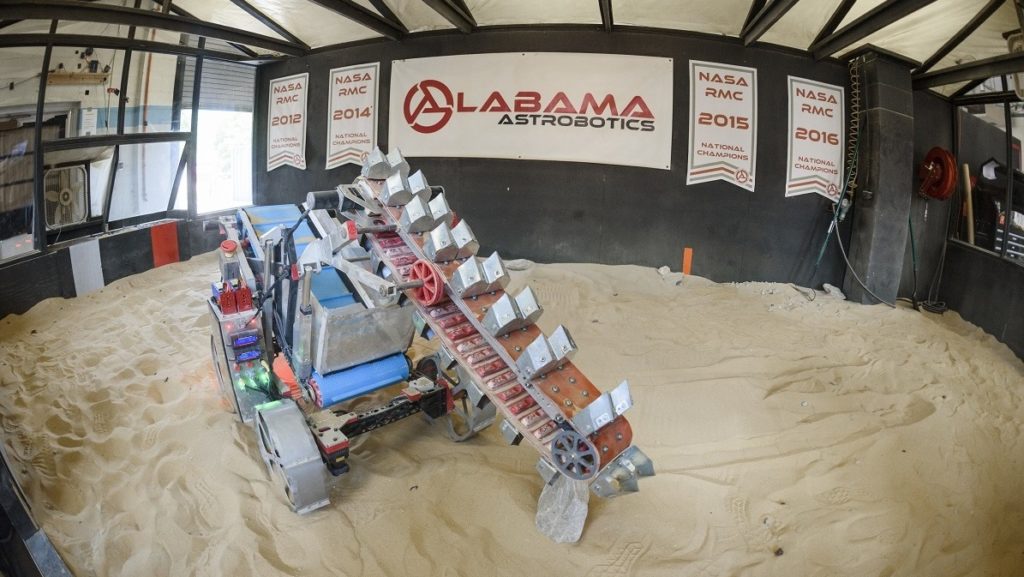
Make it four in a row. University of Alabama students who competed in a NASA robotics contest came away with the top prize again, making it four straight years for the team from UA to win. Alabama Astrobotics took the top prize at the NASA Robotic Mining Competition, besting student teams from more than 50 other institutions in the challenge to build a robot capable of navigating and excavating simulated Martian soil, or regolith. Made up of about 65 students from across eight disciplines including engineering and computer science, Alabama Astrobotics is the only team to win more than once in the nine-year history of the NASA contest, placing first in 2012, 2015, 2016, 2017 and, now, 2018. “Our team is just like a football team, you have seniors who graduate at the end and you have new people coming in at the beginning, so every year it’s a completely different team,” said team lead and electrical engineering student Max Eastepp. “For us to be successful this year says a lot for this team and says a lot for how we adapt to new challenges each year.” Eastepp, a native of New Orleans, said teamwork is critical as students worked from July through the contest this month to design the robot and tackle the new problem NASA presented this year. Contest organizers revised the rules and rubrics this year to reflect the discovery that water ice is prevalent throughout the Red Planet. The challenge is to mine the precious icy regolith, simulated with gravel in the contest, since water ice will provide oxygen, water and fuel for future off-world colonists. What that meant for the contest, though, is no points were awarded to teams for digging the top foot of regolith. Teams earned points for collecting the gravel 12 inches below the surface. UA’s robot mined more of the gravel than any other team in the contest, with many teams failing to mine any gravel. Also, Alabama Astrobotics was the only team with a robot that competed entirely autonomously, meaning the robot used computer programming to guide itself, mine and deposit the soil and gravel without any directions from students during the contest. The team placed first in five of nine categories: mining, autonomy, systems engineering paper, efficient use of communications power and outreach reports. In all, the students won $11,000 for use on next year’s robot. Dr. Kenneth Ricks, team adviser and associate professor of electrical and computer engineering, said the team’s consistent success comes from a culture of sticking to a plan – meeting deadlines, testing thoroughly before competition and paying attention to detail. “We know what needs to be done and when it needs to be done,” he said. “If our students buy into that process, they know they will have opportunities to be successful.” The team received funding from the Alabama Space Grant Consortium, NASA, Dynetics, Fitz-Thors Engineering, Crank N Chrome and the university. Republished with the permission of the Alabama Newscenter.
Women of Influence: Department of Early Childhood Education Secretary Jeana Ross
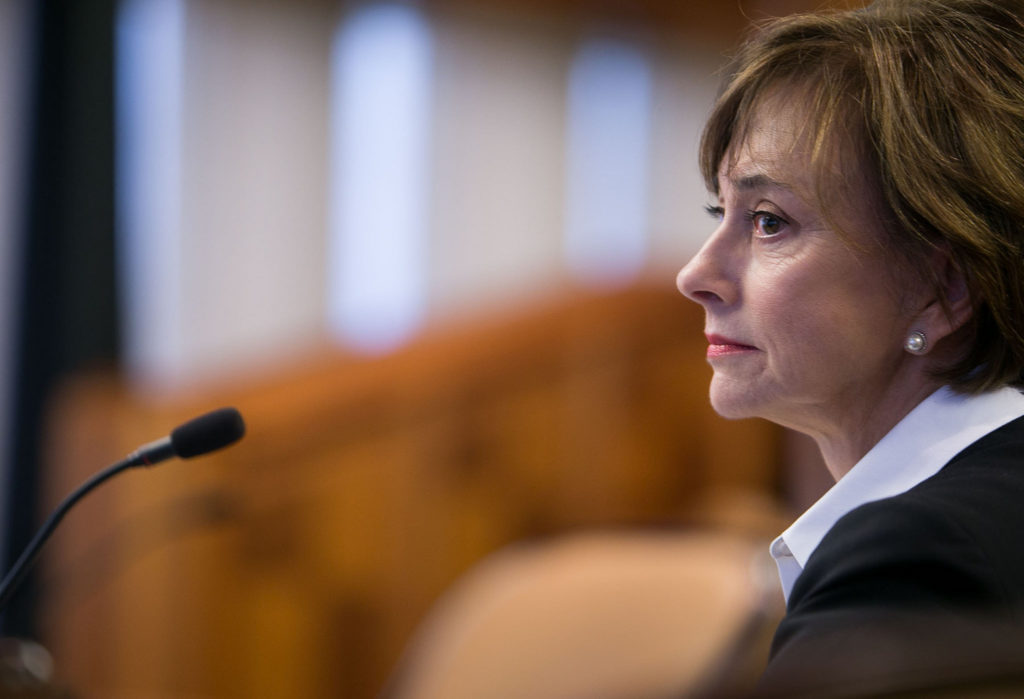
Few women in education have worked as long, and as hard to advance the education of young children in Alabama as Jeana Ross. A Guntersville native, Ross earned her Bachelors degree in Early Childhood Education from the University of Alabama in Birmingham, and her Master’s in educational leadership from the University of Alabama. She began her career in the Jackson County school system in 1975, teaching second and third grades. From there, she taught in the Guntersville education system, continuing her work with children in kindergarten through the third grade, and became one of the first kindergarten teachers in Alabama Public Schools, a full-day program. “My love for children’s curiosity and delight of discovery created a strong desire to always participate in and facilitate the pure joy of learning,” Ross told the U.S. Department of Education in an interview. When she started her own family, Ross chose to take a break from her career, and focussed on raising her two sons. In 1997 she jumped back in to the workforce, full speed ahead. Starting back as a preschool teacher, Ross was given the opportunity to write school readiness standards for the Marshall County school district. With her focus now turned on developing other children throughout the state; she quickly advanced to a leadership position, coaching pre-k teachers, and building pre-k programs in school systems across the state. In 2008 she became the Director for Educational Services in the Boaz City School Systems, implementing and evaluating Early childhood education programs. From 2010-2011 she served as the Assistant Principal at Madison City Schools, until she was appointed by then Governor Robert Bentley to lead the Alabama Department of Early Childhood Education. Through Ross’s leadership, the department has made leaps and bounds. Turning the state’s fragmented early childhood education programs into award winning, nationally recognized curriculums. Under her watchful eye, the program has experienced the most growth in its history; growing from 211 classrooms to more than 900 classrooms located in all 67 counties in the state. Her department has also been responsible for writing and receiving over $100 million in federal grant awards for education. The program has also received national recognition, with Alabama being one of only four states in the nation to be recognized by the National Institute for Early Education Research (NIEER) for meeting all 10 of the NIEER quality benchmarks. As a member of Governor Kay Ivey‘s cabinet, she is also a leader of the Children’s Policy Council, the Children First Trust Fund, and the Head Start Collaboration Office, and a founding member of the Office of School Readiness Advisory Board and Evaluation Task Force. Ross has always held a special interest, and love for children from low-income and has secured over $7.5 million in grant funds over the course of her career to offer quality services to low income and at-risk children and families. Through her efforts, the Alabama Department of Early Childhood Education has experienced tremendous growth, in numbers, and in the quality of the programs offered. Ross is an expert leader and educator, spending over two decades advancing the Alabama education system, and improving the lives of the children she encountered along the way. In spite of her busy schedule, Ross was kind enough to take some time, and answer some of Alabama Today’s questions on her life, work, and influences. How have other women influenced your success? I have been greatly influenced by the effort of devoted educators, many of whom are women, who work regardless of pay or recognition every day to teach children and champion their right to reach their greatest potential. These women are examples of selflessness and responsiveness that provides children powerful opportunities to find purpose and experience success that impacts their entire life through an excellent education. An incredible mother and two dear grandmothers, true examples of graciousness, humility, love and determination continue to inspire me. What shaped your desire to work in education, and then in government? A love for a child’s curiosity and delight of discovery created a strong desire to always participate in this pure joy of learning and to protect it as much as possible. What has been your favorite area of service, and what is your favorite thing about that position? My opportunity for service from the first was centered around early learning and has remained my favorite area of concentration. The first five years are the most important in a child’s development. It is during these years that a foundation is established that shapes a child’s future health, skills and abilities. A position at the state level that enables me to be part of an amazing team of experts that with great energy and enthusiasm effect change and creates a system of support for the early years is a much-appreciated responsibility. Have you read any books that have shaped your perspective on life? The Bible is the book that has most shaped my perspective on life. It has given me understanding of purpose, knowledge of truth and acceptance of my limitations. It provides guidance and strength to continually improve and persevere in serving others. What advice would you give to young women who want to pursue careers as educators, or serve in state government? Surround yourself with positive and innovative people that value authentic collaboration and strategic risk-taking. Never under estimate the power of communication and honesty. How do you spend your (rare) free time? During rare free time, I enjoy entertaining, gardening and reading and most of all being with family.
Analysis: Alabama bioscience industry’s impact tops $7.3 billion a year
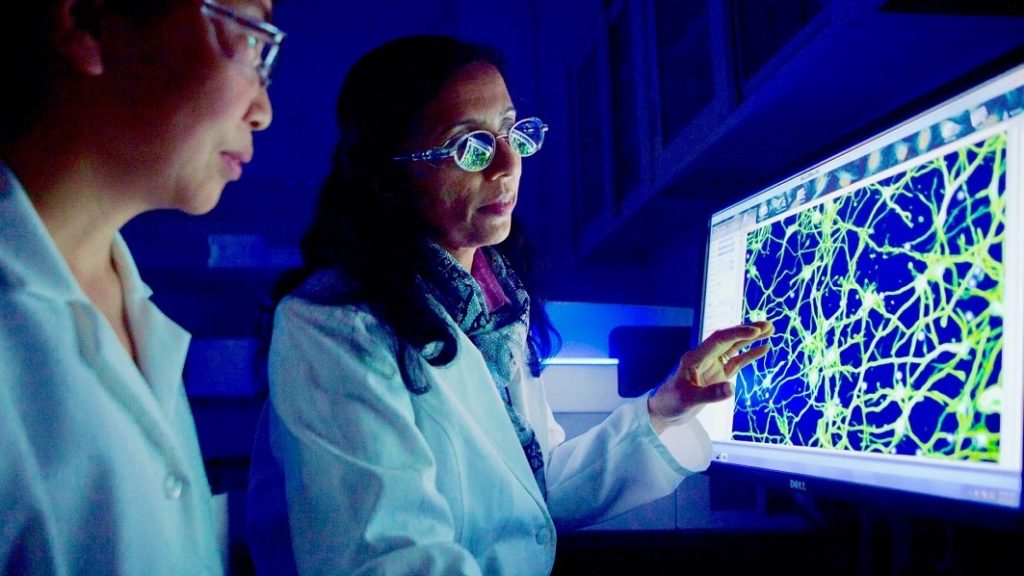
Alabama’s multifaceted biosciences industry generates $7.3 billion in economic activity annually while supporting 780 companies and nearly 48,000 direct and indirect jobs across the state, according to a new analysis by researchers at the University of Alabama. The comprehensive study underscores the contributions and growth potential of the statewide life sciences sector, a robust combination of research institutions, medical labs, innovative startups, international pharmaceutical manufacturers and more. “We have exceptional strengths in biosciences, including world-class research organizations and a roster of cutting-edge companies, so it’s a natural growth area for the state,” said Greg Canfield, secretary of the Alabama Department of Commerce. “We’re committed to helping accelerate the development of the life sciences sector, and we want the state to become home to more of these high-paying jobs and the talented individuals to fill them,” he added. Massive impact The analysis, conducted for the BioAlabama industry trade group, shows that Alabama’s 780 life sciences companies directly employ 17,871 workers, each earning an average annual salary of $67,664. Total expenditures of those companies exceed $3.8 billion a year. Other key findings in the University of Alabama report: The bioscience industry’s 47,980 direct and indirect jobs in Alabama support a total yearly payroll of $2.3 billion. The industry contributes $3.9 billion annually to Alabama’s gross domestic product (GDP), nearly 2 percent of the state’s total economic output. The industry’s earnings impact generates $161.4 million in tax revenue annually, including $74.7 million in state income taxes and $86.7 million in state and local sales taxes. In addition, the UA researchers examined the economic contributions of bio-industries such as agricultural feedstock and chemicals, and bioscience-related distribution. They found that these activities magnified the impact of the core life sciences sector in Alabama, elevating overall economic output to $11 billion a year with more than 70,000 jobs and annual tax revenue topping $233 million. “This analysis confirms the far-reaching impact of Alabama’s bioscience industries throughout the state, and demonstrates why we continue to pursue strategies that allow the sector to continue to grow and create even more high-caliber jobs across the state,” said Blair King, president-elect of BioAlabama and manager of economic development and existing industry at Alabama Power Co. Diverse activities The foundations of Alabama’s bioscience research rest on the work conducted by the University of Alabama at Birmingham (UAB), Southern Research, the HudsonAlpha Institute for Biotechnology, and the University of South Alabama’s Mitchell Cancer Institute. The specialties of these organizations include drug discovery and development, genomics, and personalized medicine. They also frequently engage in collaborations such as the Alabama Drug Discovery Alliance, a partnership between UAB and Southern Research that has developed a pipeline of potential therapeutics for diseases such as cancer and diabetes. Alabama is also home to multinational companies involved in pharmaceutical and medical device manufacturing. In March, Germany’s Evonik, for example, announced plans to expand production of biomaterials and launch a Global Competence Center for Medical Devices at its Birmingham facility. “Evonik’s investments in the Birmingham site reflect its commitment to the medical device and drug delivery business as well as the city of Birmingham and its history of world-class medical research and technology,” said Kel Boisvert, Birmingham site manager for Evonik. Other manufacturers operating in the state include Kowa Pharmaceuticals (Montgomery), Nektar Therapeutics (Huntsville), Baxter and Pharmavite (both Opelika), and Oxford Pharmaceuticals, Avanti Polar Lipids and BioHorizons (all Birmingham). At the same time, a number of innovative startup companies have sprung up in Alabama, with many of them based at HudsonAlpha and Birmingham’s Innovation Depot, the Southeast’s largest technology business incubator. Promising startups include Birmingham’s Blondin Bioscience, Huntsville’s GeneCapture, Mobile’s Swift Biotech and Auburn’s Vitruvias Therapeutics. “We are fortunate to have started our business in Alabama because we have benefited from the highly collaborative entrepreneurial spirit throughout the state, including Alabama Launchpad and the various Small Business Development Centers, and especially our connection with HudsonAlpha and the University of Alabama in Huntsville,” said BioAlabama President Peggy Sammon, CEO and co-founder of GeneCapture. “We have been able to find highly skilled molecular biologists, chemical engineers, optical engineers and lab specialists,” she added. “Our membership in BioAlabama has connected us with other scientists and business professionals who have significantly helped us advance our business plan.” Alabama’s research universities are key players in the bioscience ecosystem and contribute to the industry’s economic impact. The network includes Auburn University, USA, Tuskegee University, Alabama State University, Alabama A&M University and the three University of Alabama System campuses. The analysis is the first to comprehensively examine the economic impact of the state’s bioscience sector. It was prepared by Senior Research Economist Sam Addy, Ph.D., and his team at the Center for Business and Economic Research at the University of Alabama’s Culverhouse College of Business, with assistance from BioAlabama. Addy noted in the report that investing in life sciences should remain a pillar of the state’s overall economic development strategy. “Alabama should continue to keep biosciences as a focus in its economic development strategy since these industries provide high-wage jobs and are highly productive,” he writes. What others say “Since launching its cancer program in 1946, Southern Research has discovered seven FDA-approved oncology drugs and made many significant discoveries that have helped patients with cancer and other diseases,” said Art Tipton, Ph.D., president and CEO of the Birmingham nonprofit. “This highlights the vital importance of the groundbreaking bioscience work that continues to be done in labs in Alabama.” “I see UAB as not only the hub for healthcare innovation in Birmingham, but definitely throughout the state and the region,” said Kathy Nugent, Ph.D., executive director of UAB’s Harbert Institute for Innovation and Entrepreneurship. “That means producing as many companies as possible. It’s harder to produce biotech companies, because it takes time to develop new drug therapies. What we’re trying to do is think about it strategically and give our faculty the resources they need to be entrepreneurial to turn their research into new life sciences ventures.” “HudsonAlpha has gone from just a handful of startups and faculty to more than 35 life sciences companies and 15 faculty investigators in just 10 years,” said Carter Wells, vice president for economic development at HudsonAlpha. “It goes to show that Jim Hudson and Lonnie McMillian’s model works, and we’re proud
Tuscaloosa sheriff’s office vindicated, threatens legal action against internet trolls
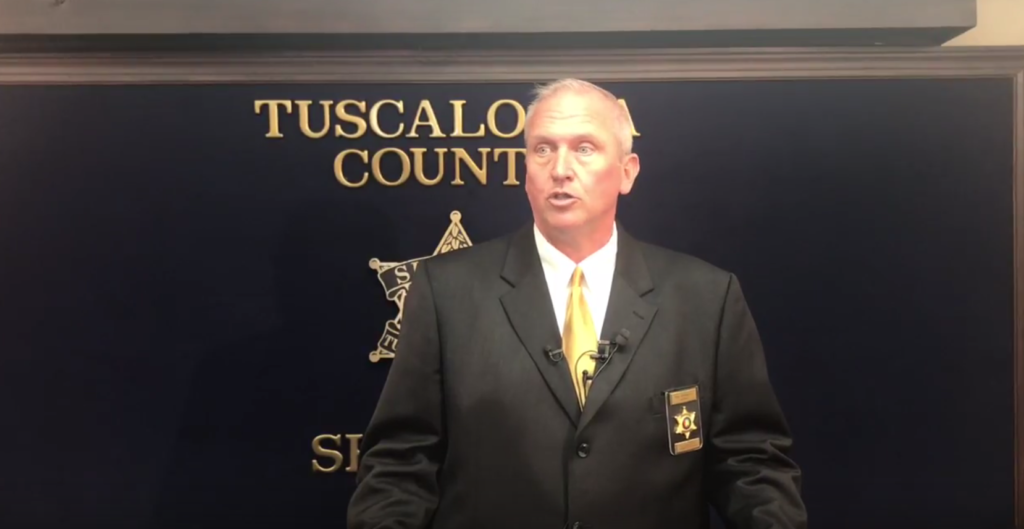
Tuscaloosa County Sheriff Ron Abernathy called a press conference on Wednesday to announce the lawsuit over an investigation regarding the alleged rape of Megan Rondini, a former University of Alabama who killed herself after reporting a sexual assault as a student, has been dismissed. The lawsuit at hand, filed in July 2017, claims the school and Tuscaloosa law enforcement officials mishandled Rodini’s sexual assault allegations, which led her to commit suicide. News of the dismissal comes two months after the University of Alabama reached a settlement agreement with the Rodini family from their portion of the suit. “A lawsuit filed against two investigators and me regarding the Megan Rondini suicide has been dismissed,” Abernathy announced at the press conference. “It was dismissed because it was unfounded from the beginning.” He continued, “After several months of unjust accusations against my office and other Tuscaloosa law enforcement agencies, the truth has indeed finally prevailed… This case and the investigation has undergone complete scrutiny, proving beyond any doubt that the accusations previously made against the Sheriff’s Office and our community were completely false.” Abernathy claims false allegations made about the case have led some victims to be “reluctant to come forward to report cases.” “We hope this incident will serve as a lesson to all that social media cannot, and should not, be the venue in which any case is tried, and that social media sites should not be trusted as a reliable source of substantiated information regarding important matters. False allegations made by internet bloggers and perpetuated by local political hacks have done damage to our community in that some victims have been reluctant to come forward to report cases, fearing that their information will be made known on social media,” he said. He also threatened to take legal action against those who have publicly weighed in on the case; “For those who have facilitated these injustices on Facebook and other sites, civil litigation should be expected, if for no other reason than to prevent this from occurring in the future.” “Baseless slander directed against innocent parties should be addressed and the offending parties held accountable. Those who perpetuate the false allegations for their own political gain should be held accountable. Their lack of integrity and self-serving disregard for the truth resulted in an unjustified attack on our community and many of its most respected institutions. Our message must be strong and clear, that libelous behavior will not be tolerated,” Abernathy concluded. Read Abernathy’s full statement below: When I was elected Sheriff of Tuscaloosa County, I understood the public position I was taking and that criticism often comes with it. As Sheriff, unwarranted attacks on my character and judgement come with the job, except for intentional, false, misleading and malicious conduct. We trust that the truth will ultimately prevail. After several months of unjust accusations against my office and other Tuscaloosa law enforcement agencies, the truth has indeed finally prevailed. A lawsuit filed against two investigators and me regarding the Megan Rondini suicide has been dismissed. It was dismissed because it was unfounded from the beginning. The investigation that was the subject of the lawsuit has been examined thoroughly and completely by several entities, and actions taken by Sheriff’s Office investigators have been affirmed. After it was investigated, it was heard in its entirety by a Grand Jury. No probable cause that a crime had occurred was found and no indictment was issued. Our actions were questioned and, at my request, the Alabama Attorney General’s Office reviewed the case and approved our investigators’ actions, and the investigative process. Finally, a federal district court decided the case and dismissed all civil litigation against me and against the investigators. This case and the investigation has undergone complete scrutiny, proving beyond any doubt that the accusations previously made against the Sheriff’s Office and our community were completely false. We hope this incident will serve as a lesson to all that social media cannot, and should not, be the venue in which any case is tried, and that social media sites should not be trusted as a reliable source of substantiated information regarding important matters. False allegations made by internet bloggers and certain out of state journalists, and perpetuated by local political hacks have done damage to our community in that some victims have been reluctant to come forward to report cases, fearing that their information will be made known on social media. For those who have facilitated these injustices on Facebook and other sites, civil litigation should be expected, if for no other reason than to prevent this from occurring in the future. Baseless slander directed against innocent parties should be addressed and the offending parties held accountable. Those who perpetuate the false allegations for their own political gain should be held accountable. Their lack of integrity and self-serving disregard for the truth resulted in an unjustified attack on our community and many of its most respected institutions. Our message must be strong and clear, that libelous behavior will not be tolerated.
