
College towns plan to challenge results of 2020 census
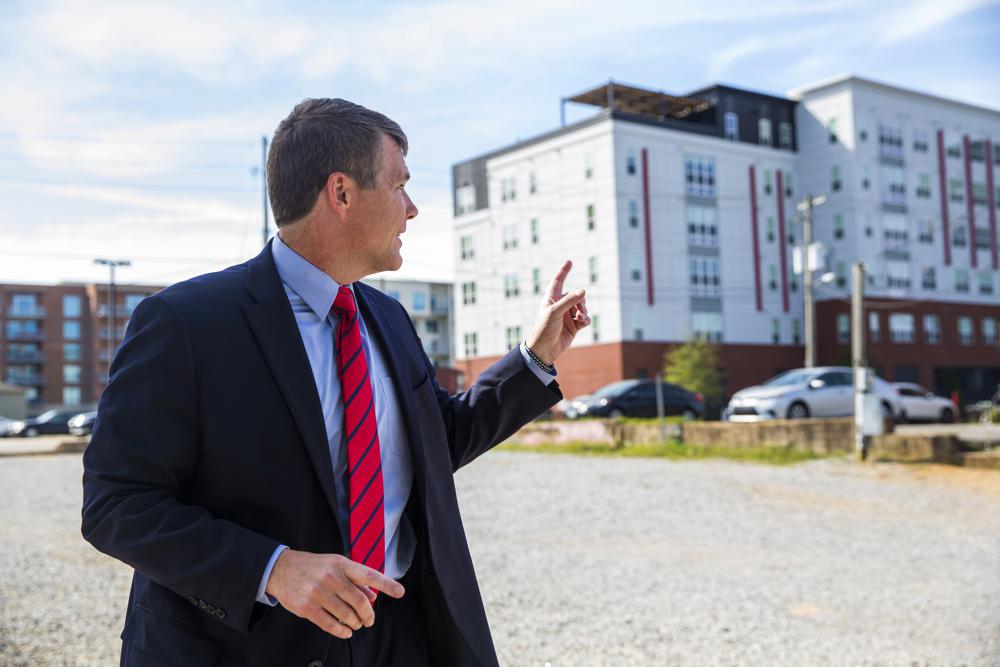
Some college towns plan to challenge the results of the 2020 census, claiming they were shortchanged because the pandemic forced students to leave campuses and complaining that the undercount could cost them federal money and prestige. College communities such as Bloomington, Indiana; Tuscaloosa, Alabama; and State College, Pennsylvania, are exploring their options for contesting the population counts, which they say do not accurately reflect how many people live there. When the pandemic struck the U.S. around spring break of 2020, it set off an exodus in college towns as classrooms went virtual almost overnight. The sudden departure of tens of thousands of students made it difficult to count them in the census, which began at almost the same time. Because universities were able to provide the Census Bureau with records for students living in dorms and other on-campus housing, off-campus students “ran the risk of being missed,” said Dudley Poston, a sociology professor at Texas A&M University. An Associated Press review of 75 metro areas with the largest share of residents between 20 and 24 showed that the census results fell well below population estimates in some cases but also exceeded them significantly in others. Officials in college towns are not sure why there was such variation, and they are reviewing whether it was due to the timing of spring breaks, outreach efforts, or the percentage of students living on campus versus off. Another variable is whether schools cooperated when the Census Bureau asked for records on off-campus students. Only about half of schools did so since many had privacy concerns or did not have the requested information. “You can kind of go crazy thinking about the variations,” said Douglas Shontz, a spokesman for the Borough of State College, home of Penn State University, where officials believe the census missed 4,000 to 5,800 residents. The AP review showed that the population counts were below estimates by about 5% to 7% in Mount Pleasant, Michigan; Greenville, North Carolina; and Bloomington, Indiana, metro areas, which are home to Central Michigan University, East Carolina University, and Indiana University, respectively. The 2020 census put the city of Bloomington at 79,168 residents, a decline from about 80,405 in 2010. City officials expected a 2020 count of 85,000 to 90,000 residents. The nation’s headcount was just beginning in March 2020 when schools, including Indiana University, told students not to return to campus in response to the spread of the coronavirus. Most of the university’s 48,000 students were on spring break. “It’s just not a credible number,” Bloomington Mayor John Hamilton said. “The simplest explanation is that the count was done after the university told students, ‘Don’t return to Bloomington and go back to your parents’ homes.′ I’m not blaming anybody. The university did the right thing to protect its students.” Counting university students has always been a difficult task, even before the pandemic. The Census Bureau’s rule of thumb was that students should be counted at their college addresses, even if the coronavirus temporarily sent them elsewhere on the April 1 date that provides a benchmark for the census. In State College, home to Penn State’s 39,000 students, the bureau’s message prior to the pandemic was that people should be counted “where they sleep most of the time,” which was confusing to students after they went home. As a result, neighborhoods dominated by students had the lowest census response rates in the borough, said State College Borough Manager Tom Fountaine in a memo to city officials. In Greenville, North Carolina, home to East Carolina University’s 29,000 students, the census figure fell more than 6% below estimates, and Mayor P.J. Connelly worries that could affect the city’s ability to get funding for its bus system and low-income housing. Connelly plans to challenge his city’s count of 87,521 residents. “We believe there were some miscalculations based off the college students,” Connelly said. Some metro areas, such as Tuscaloosa, Alabama, and Huntsville, Texas, had census counts that were 6% above their estimates, according to the AP review. The cities are respectively home to the University of Alabama and Sam Houston State University. Even so, Tuscaloosa Mayor Walt Maddox believes thousands of off-campus students were overlooked, and the city plans to challenge the numbers. The 2020 count put the city 400 people shy of 100,000 residents, which could cost it access to certain federal funding that is available only to cities with 100,000 residents or more. “In terms of economic development, the perception of being above 100,000 has a greater psychological impact in your recruiting and development,” Maddox said. Auburn, Alabama, home to Auburn University, had census numbers well above estimates, but city officials believe the strong count was just a correction for an undercount in 2010, city spokesman David Dorton said. Cities, states, and tribal nations can start contesting their numbers in January through the bureau’s Count Question Resolution program, but it looks only at number-crunching errors, such as an overlooked housing unit or incorrect boundaries. The program only revises figures used for population estimates over the next decade that help determine federal funding. The Census Bureau won’t revise the numbers used for determining how many congressional seats each state gets nor the redistricting data used for drawing congressional and legislative districts. “While we are anticipating more cases because of the many challenges the 2020 census went through, the scope is going to be limited, and the data products are going to be limited,” Census Bureau official Matthew Frates told Texas demographers and economists during a presentation last summer. There have been victories in the past, such as the city of Houston’s effort to get its population count revised from 2.09 million to 2.1 million residents after the 2010 census. The change triggered the addition of two city council seats. “It’s going to be an uphill battle, but it’s worth a try,” said Shontz in State College. Republished with the permission of the Associated Press.
Gov. Kay Ivey raises $1.2 million for reelection
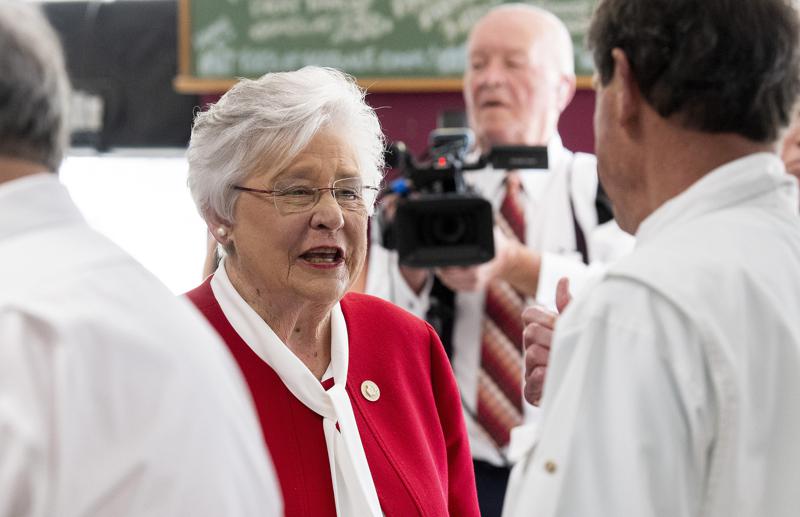
Alabama Gov. Kay Ivey has raised $1.2 million in her bid for reelection, her campaign announced Thursday. The Republican incumbent’s fundraising could deter challengers from either side of the aisle in the 2022 election. In a bit of saber-rattling, her campaign made the sizable figure known ahead of mandatory election filings. “The people of Alabama are energized and enthusiastic for 2022, and I could not be more grateful to them for their overwhelming support of my re-election campaign,” Ivey said in a statement. Ivey, 76, announced four weeks ago that she’s running for reelection. She made the announcement in a video message released by her campaign. The governor emphasized her administration’s investment in infrastructure, job creation, Alabama’s pandemic recovery, and the state’s low unemployment rate. Campaign finance records show that Ivey had a campaign balance of under $200,000 at the end of 2020. She has garnered a number of major contributions since announcing her bid for office. Ivey is the state’s second female governor and the first Republican woman elected to the position. She had been lieutenant governor when she succeeded Gov. Robert Bentley in 2017. She won election to her first full term the next year, defeating first a field of primary challengers and then Tuscaloosa Mayor Walt Maddox in the general election. Ivey, who is two years younger than President Joe Biden, faced indirect questions about her health during the 2018 race but easily won her party’s nomination and then the general election. Republished with the permission of the Associated Press.
Tuscaloosa seeks to cut water use because of leaking pipe

Tuscaloosa is ordering most of its water customers to use less, saying a leak in a key water line is reducing how much water it can pump out. Mayor Walt Maddox on Sunday ordered conservation measures for areas south of the Black Warrior River, including the University of Alabama, the Mercedes-Benz assembly plant, and four rural water systems outside the city limits. City officials believe pipes that carry untreated water from Lake Tuscaloosa to a water treatment plant are leaking somewhere along a 2-mile (3-kilometer) stretch. But floodwaters from Tropical Storm Claudette are covering much of the low-lying areas where the pipes run. Maddox said at a televised news conference that it could be several days before workers can find the leak. Water treatment capacity has fallen from 40 million gallons (150 million liters) a day to 22 million gallons (83 million liters), the mayor said. He ordered people to turn off sprinkler systems, not wash cars, not wash pavement and not fill swimming pools until further notice. “That should sustain us with water conservation,” he said. Maddox said storage tanks are full, and customers shouldn’t see any difference in pressure at home right now. No boil-water notice was issued. However, he warned things could get worse if the leaking pipe collapses or the area had a major fire. “We don’t want to be alarmist, but we don’t want to sugar-coat it and say all is well,” Maddox said. Republished with the permission of the Associated Press.
Tuscaloosa works to create a mental health court
An Alabama city is working to establish a mental health court inside the city’s municipal court. “This is one way, with really misdemeanor offenses, that those with mental health needs, that get into our system, can get treatment and help instead of jail-time,” Tuscaloosa Mayor Walt Maddox said Friday. Police responded to 612 mental wellness calls and 198 suicide calls in 2020, the city said. Maddox recently appointed five people to a committee to provide recommendations that would help establish such a court, WBRC-TV reported. “We need people who are going through acute mental health distress to get services and not be part of the court system,” Maddox said. Maddox considers a mental health court similar to diversion programs that work with first-time offenders. “This allows the judge to sentence somebody to treatment instead of jail. We see this as no different. It provides the judge a list of options that are not as punitive, that could actually treat the mental health illness, instead of someone being sentenced to serve time or pay a large fine, but does nothing to deal with the mental health trauma that they’re going through at the time,” he said. Maddox wants the mental health committee to present recommendations on a mental health court before the end of this year. He hopes to have it operating by early 2022. Republished with the permission of the Associated Press.
Kay Ivey declines to discuss election plans

Alabama Gov. Kay Ivey on Friday declined to say if she will seek another term in office in 2022. Ivey, 76, said it was not the time to discuss the matter when asked by an al.com reporter if she will run for re-election. “We’re busy getting (COVID-19) shots in arms, and we are busy working on the prison system and other major issues that have been long neglected in our state. My plate is pretty full right now, and it’s just not time to make that decision known,” Ivey said. The question came after Lt. Gov. Will Ainsworth told CBS-42 that he will not run for governor if Ivey chooses to run for re-election. “If Governor Ivey wants to run for re-election for governor, I will not run against her for governor,” Ainsworth said. Ivey, who had been lieutenant governor, became governor in 2017 when then-Gov. Robert Bentley resigned as he faced an impeachment push. Ivey won a full term in office in 2018 after defeating Tuscaloosa Mayor Walt Maddox. Republished with the permission of the Associated Press.
Thousands party in streets after Alabama win, despite virus
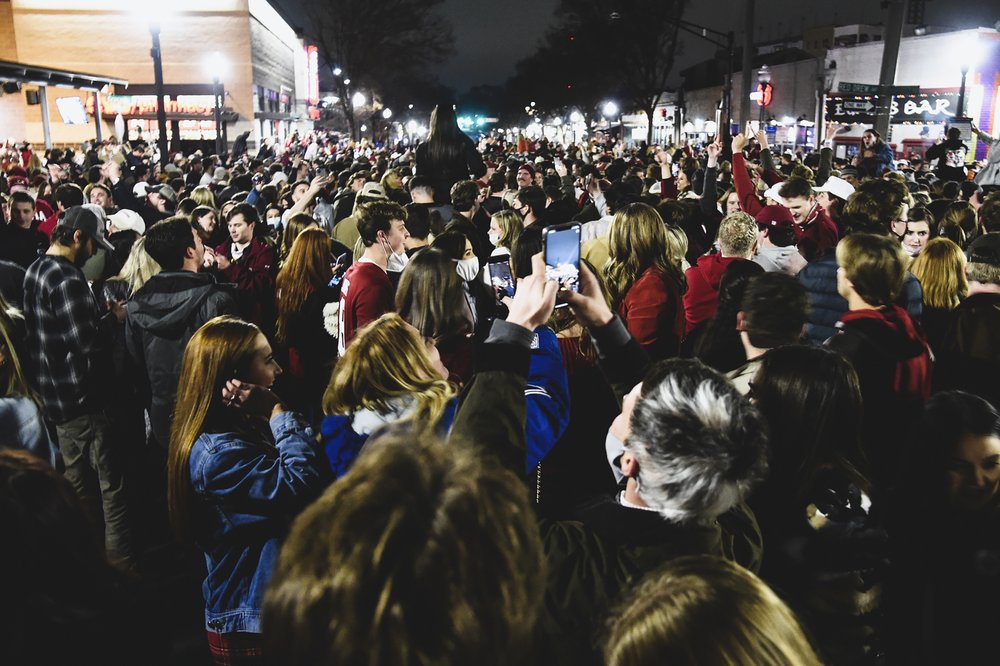
Thousands of University of Alabama football fans partied in the street near campus after the Crimson Tide defeated Ohio State 52-24 for the national championship, ignoring pleas for safety at the height of the coronavirus pandemic in a celebration a top health official said Tuesday could worsen disease. Students and others poured out of jampacked bars near campus as time expired in Miami late Monday, traffic cameras and images posted on social media show, gathering on University Boulevard in an area called “The Strip.” Many of the fans screaming and cheering as they pressed against each other in the street didn’t wear face masks. Dr. Scott Harris, the head of the Alabama Department of Public Health, said he expected more cases of COVID-19 to result from the street party. “It’s disappointing to see people not paying attention to the guidance that we try to give to keep them safe. I was excited as anybody and wanted to celebrate also, but right now is not a time to be out in large groups of people close together when you are not masked,” he said. Fourteen people were arrested on charges including public intoxication, disorderly conduct and resisting arrest, officials said at a news conference where Mayor Walt Maddox said the crowd was “larger than any celebration that we’ve seen in recent memory.” In an open letter released through social media, the United Campus Workers of Alabama, a labor group for university employees, said the gathering could become a “super-spreader event” and asked for hazardous-duty pay for workers in close contact with students; evidence of virus testing; and a two-week suspension of in-person classes. The university is requiring virus screening for all students returning for the semester who plan to live on campus, with testing planned through next week at the basketball arena. Students and workers also are required to complete online training about reducing the risk of spreading the illness. A university statement released Tuesday afternoon said its officials had worked to minimize risk before, during, and after the championship game, including “issuing warnings and admonitions about the need for masks, social distancing, and responsible behavior.” “As a result of recent events, we are allowing faculty to be flexible for the next two weeks with the option to temporarily hold classes remotely,” the statement added. “Students have the option to attend in-person activities remotely as well.” It added that while classroom transmission “is almost nonexistent, we understand the concerns caused by recent events” and said all health and safety rules continue in effect. More than 5,500 people have died in Alabama from the illness caused by the coronavirus, and about 408,000 have tested positive. About 20,000 people have tested positive in Tuscaloosa County, making it one of the worst in the state for the virus in overall numbers, and about 175 COVID-19 patients are being treated by DCH Regional Medical Center in the city. The postgame scene was exactly what officials feared as they urged people to watch at home and celebrate privately. “Cheer, celebrate, and enjoy the success of our team, but please do so responsibly and safely. Roll Tide!” Police Chief Brent Blankley said in a statement beforehand. Police cars and officers are visible at the fringes of the throng in some images. People lined up to get into the bars an hour before kickoff despite the warnings, The Tuscaloosa News reported. “All bars are open and we’re ready to roll over Ohio State,” said a tweet by Gallettes, a popular student bar, long before the game began. Republished with the permission of the Associated Press.
Inside the Statehouse: All politics is local. Most of Alabama’s mayoral races are this year.
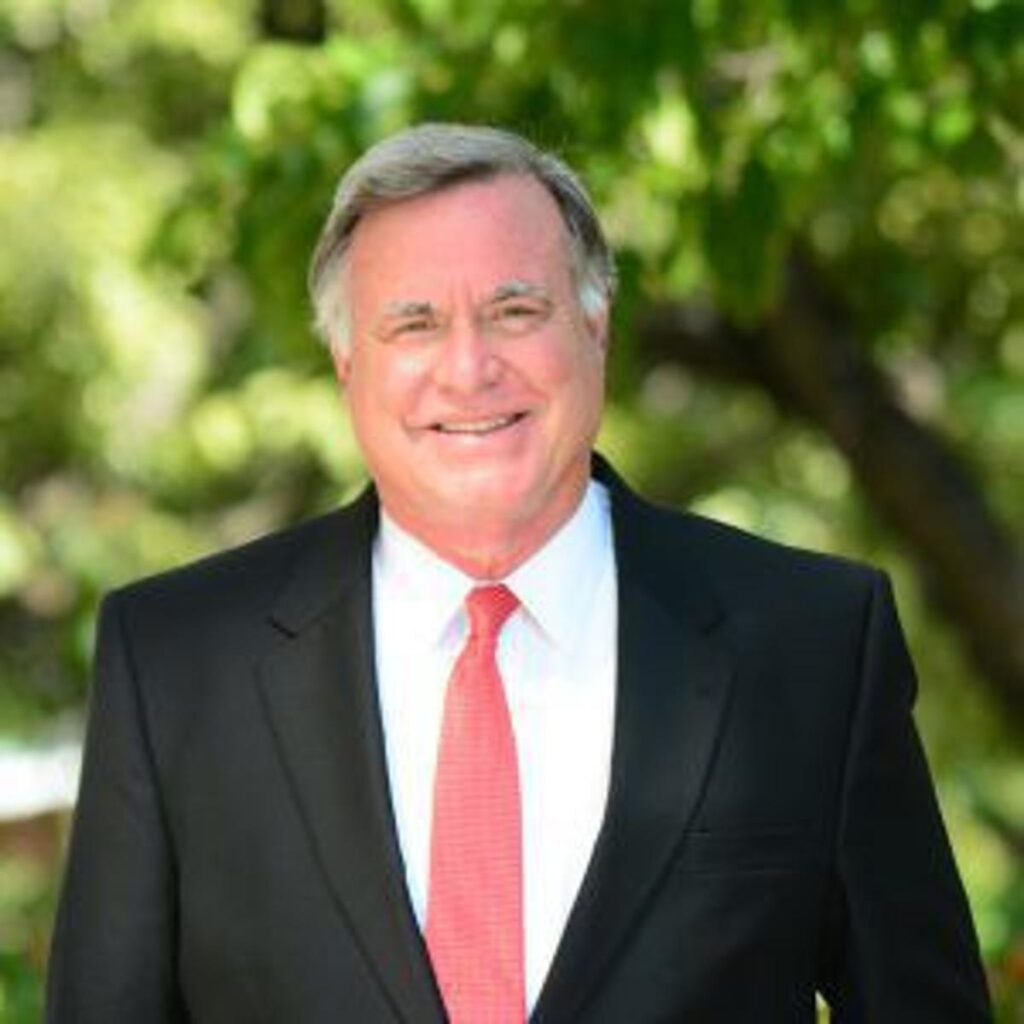
“Folks, being mayor of a city is where the rubber meets the road.”
Tuscaloosa allowing bars to reopen after pandemic shutdown
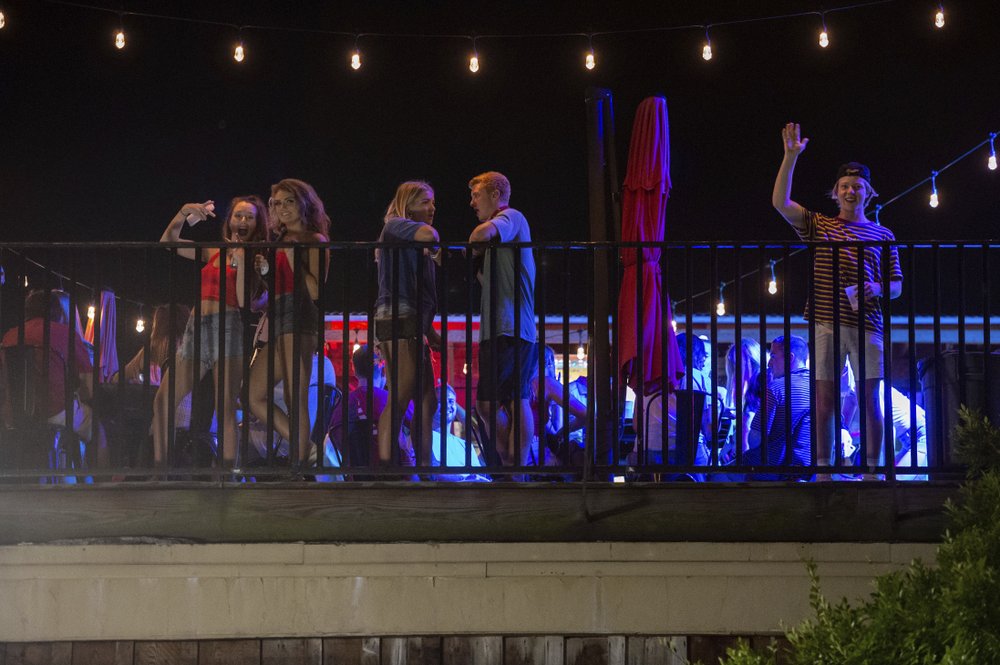
The change followed complaints from bar owners that a two-week shutdown, meant to stem the spread of the illness on campus, was unfair and hurting business.
Tuscaloosa mulling $400K in aid for bars hurt by pandemic
Bar owners in Tuscaloosa say they are being hurt by a city order that forced them to close for two weeks after students returned to town and hundreds of new coronavirus infections were confirmed.
Tuscaloosa closes bars after rise in university virus cases
Tuscaloosa Mayor Walt Maddox announced the closures along with the end of bar service at restaurants during a news conference with campus officials.
Alabama college crowds raise questions about pandemic safety

Police already are “depleted and exhausted,” and leaders don’t want to add to restrictions that already include early closing times and crowd limits at nightspots.
COVID-19 cases decline, but state braces for school impact

The reported number of daily COVID-19 cases this week fell to under 1,000. The state was reporting as many as 2,000 new cases per day last week.
