
Steve Marshall urges voters to vote Yes for Aniah’s Law
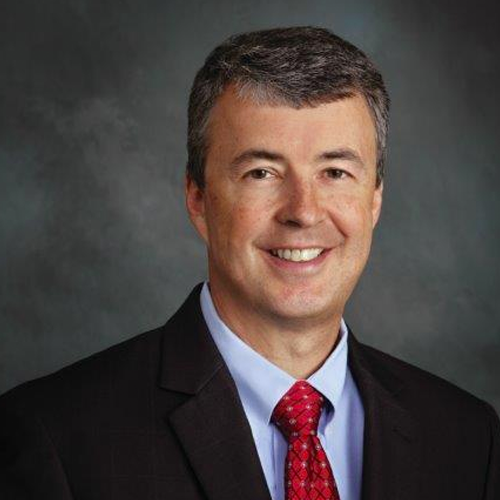
Attorney General Steve Marshall released a video statement on Monday expressing his strong support for Statewide Amendment 1, Aniah’s Law. Marshall asked the people of Alabama to vote to adopt the amendment when they vote on Tuesday. “On Election Day, several proposed amendments to the state constitution will be on the ballot,” Marshall said. “One is vital for public safety. That would be Amendment 1, which creates what is known as Aniah’s Law.” “As you will recall, Aniah Blanchard was the young woman who, in 2019, went missing and was later found murdered,” Marshall said. “The man charged with Aniah’s abduction and murder was out on bond at the time he committed his heinous acts, despite already being charged with multiple violent crimes, including kidnapping.” “Aniah’s case was a terrible tragedy that drew national attention, but I am here to tell you that hers is not the only case of this kind—and it won’t be the last,” said Marshall. “That’s why we need Aniah’s Law. Aniah’s Law—which you will find on your ballot as Amendment 1—amends the state constitution to allow judges the discretion to deny bond to violent criminals like Aniah’s murderer. So, on Tuesday, be sure to vote “yes” on Amendment 1, which will keep dangerous criminals off the street and the public out of harm’s way. And thank you to Aniah’s family for leading the charge to make Alabama a safer place.” Aniah’s Law has also been endorsed by Governor Kay Ivey. “It is past time we fix those issues, but because of the unwavering dedication of Aniah’s family and the unanimous support by the Alabama Legislature, Amendment One, also known as Aniah’s Law, will be on the ballot this November,” Ivey said. “I encourage every Alabamian to join me in voting yes on Aniah’s Law to ensure no family would have to go through the pain of preventable tragedy.” Under current Alabama law, judges have limited authority to deny bail to violent offenders unless the suspect is charged with a capital offense or poses a flight risk. That means that dangerous criminals are often released back onto the streets, even when it is likely they will commit more violent crimes as soon as they make bail. Proponents argue that if the majority of Alabamians vote for Aniah’s Law, then judges will be able to deny bail to dangerous offenders who are likely to re-offend when they are charged with serious felonies like murder, kidnapping, rape, sexual torture, domestic violence, human trafficking, burglary, arson, robbery, terrorism, or aggravated child abuse. This legislation was sponsored by State Rep. Chip Brown. It passed unanimously by the state legislature in April 2021 and was named in memory of murdered 19-year-old Southern Union Community College student Aniah Blanchard. Her accused murderer was out on bail awaiting trial for charges of kidnapping, attempted murder, and robbery. Amendment One has also been endorsed by the Mayors of Alabama’s ten largest cities. “As members of the Alabama Big 10 Mayors, public safety is one of our top priorities,” the Mayors wrote in a statement. “And on the November 8 ballot, there will be a constitutional amendment that, if voted for by a majority of Alabamians, would give our state’s judges the tools they need to keep violent, repeat offenders off our streets and out of our communities, and in jail where they belong. In October 2019, 19-year-old college student Aniah Blanchard was tragically kidnapped. The suspect in her case was out free on bond, awaiting trial for charges of attempted murder and armed robbery. He should have been incarcerated, and Aniah Blanchard should still be alive.” “We urge all Alabama voters to vote for Amendment One on election day so what happened to Aniah and her loved ones will not happen again,” the Big 10 Mayors concluded. The Alabama Big 10 Mayors include Auburn Mayor Ron Anders, Birmingham Mayor Randall Woodfin, Decatur Mayor Tab Bowling, Dothan Mayor Mark Saliba, Hoover Mayor Frank Brocato, Huntsville Mayor Tommy Battle, Madison Mayor Paul Finley, Mobile Mayor Sandy Stimpson, Montgomery Mayor Steven Reed, and Tuscaloosa Mayor Walt Maddox. Polls will open Tuesday at 7:00 am and close at 7:00 pm. Voters need to bring a valid photo ID to the polls with them in order to vote. To connect with the author of this story, or to comment, email brandonmreporter@gmail.com.
Big 10 Mayors urge Alabama voters to vote Yes for Aniah’s Law – Amendment One
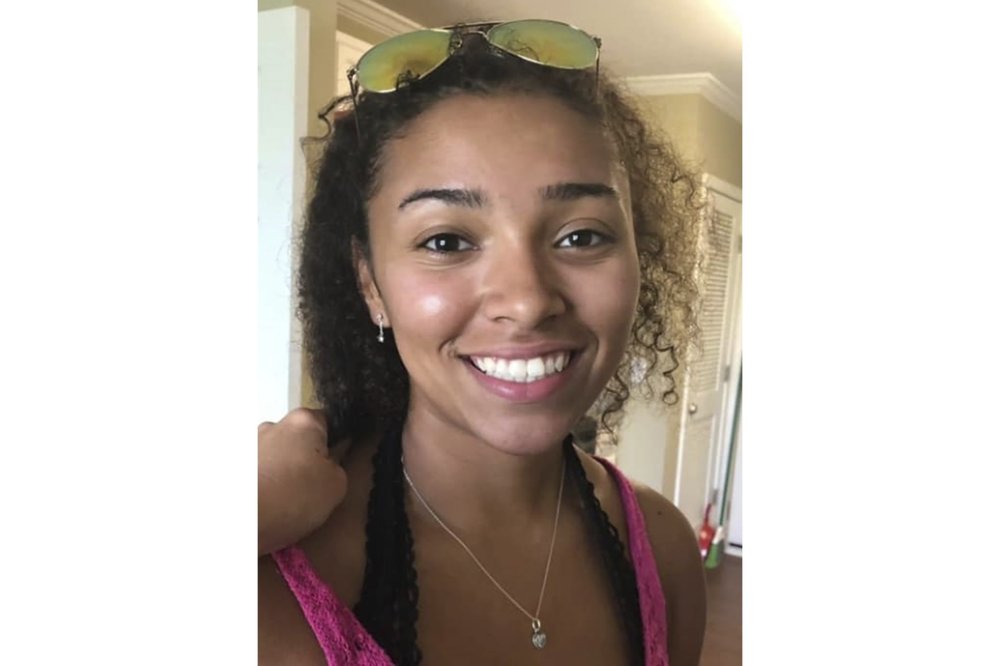
Aniah’s Law – Amendment One – will be on the November 8 general election ballot. If ratified by Alabama voters, it would allow judges to deny bail to dangerous criminals likely to re-offend. The Alabama Big 10 Mayors held a press conference in Auburn on Monday to express their support for the Aniah’s Law constitutional amendment. The mayors urged Alabama voters to support it on Election Day. “As governments, public safety is our number one responsibility,” said Mobile Mayor Sandy Stimpson. “Collectively, we have been working since 2019 on legislation to change our state constitution and give judges the option of denying pre-trial bail to the most violent offenders who are likely to re-offend. We know this will save lives in every community across the state.” Aniah Blanchard was a Southern Union student who was kidnapped off of the streets of Auburn at a gas station by a known violent kidnapper who was out on bond. She was brutalized, raped, and murdered by her attacker. Her parents were instrumental in Aniah’s law being passed by the Alabama Legislature. “Fall is an exciting time in Auburn, with new students, football, relationships, and classes,” said Auburn Mayor Ron Anders. “It has been a great fall here in Auburn, but it should have included Aniah Blanchard. On November 8, the citizens of Alabama have something they can do about this. By voting for amendment one, you will allow judges to keep violent offenders in jail, so in the future, we will not have other stories like Aniah Blanchard’s to remember.” “When Aniah was taken from us, it was extremely unsettling,” said Anders. “It was unnerving. It rocked our world.” “The thing is, when you talk to our men and women in the police department, they do great work – they do a lot of hard work. One of the most dispiriting things that happen is that when they arrest someone, especially for a violent offense is when that person is back out before the community even settles down,” said Montgomery Mayor Steven Reed. “We want to make sure that when people do wrong, when they commit a violent offense, that they have to pay for it.” Angela Harris – the mother of Aniah Blanchard – said, “Aniah’s Law will be on the ballot on November 8, and I encourage everyone to get out to vote for Amendment One. No family should have to go through such a tragedy. If this could happen to Aniah, it could happen to anyone. Please keep your family, your friends, and your community safe, and honor Aniah’s memory on November 8.” “This bill would change so that other parents would not have to go through the same tragedy that we have had to go through,” said Elijah Blanchard – Aniah’s father. “On November 8, vote yes for Amendment One because we are going to make a change.” Alabama judges have limited authority to deny bail to violent offenders unless the suspect is charged with a capital offense or poses a flight risk. This allows known dangerous criminals to be released back onto the streets, even when it’s likely they will commit more violent crimes as soon as they make bail. At one point, there were 300 accused murderers out on the streets of Mobile alone awaiting trial. If the voters ratify Aniah’s Law, judges will be able to deny bail to dangerous offenders who are likely to re-offend when they are charged with serious felonies like attempted murder, kidnapping, rape, sexual torture, domestic violence, human trafficking, burglary, arson, robbery, terrorism, or aggravated child abuse. This law passed both Houses of the Alabama Legislature unanimously in April 2021. Representing the largest cities in Alabama, the Alabama Big 10 Mayors include Auburn Mayor Ron Anders, Birmingham Mayor Randall Woodfin, Decatur Mayor Tab Bowling, Dothan Mayor Mark Saliba, Hoover Mayor Frank Brocato, Huntsville Mayor Tommy Battle, Madison Mayor Paul Finley, Mobile Mayor Sandy Stimpson, Montgomery Mayor Steven Reed, and Tuscaloosa Mayor Walt Maddox. These mayors meet quarterly to address the state’s most critical issues and to make Alabama a safer, better place for all of its residents. Voters will get to vote on Amendment one in the general election. To connect with the author of this story, or to comment, email brandonmreporter@gmail.com.
Terri Sewell speaks to citizens at Tuscaloosa town hall
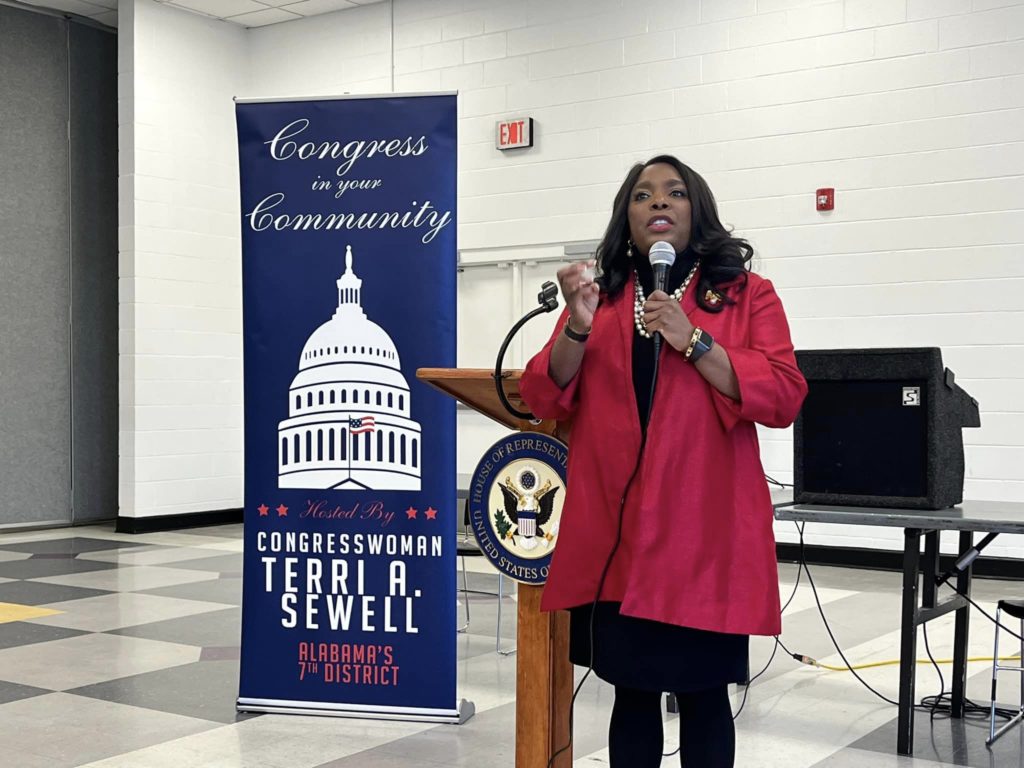
Congresswoman Terri Sewell held a town hall in Tuscaloosa on Tuesday, followed by stops where she announced federal funding awards at the University of Alabama and Stillman College. Sewell hosted the town hall at the McDonald Hughes Center in Tuscaloosa, where she was joined by Tuscaloosa Mayor Walt Maddox, constituents, as well as members of the media. “It is my honor to welcome someone who really makes a difference in our community,” Mayor Maddox said. Maddox thanked Sewell for voting for the American Rescue Plan Act that delivered aid directly to cities and counties, “Let’s not forget that a year and a half ago, we did not know if we would even make payroll,” Maddox said. “Without that help from Congresswoman Sewell’s office, who knows where we would be.” Maddox also thanked Sewell for federal funding that Tuscaloosa has received to extend its riverwalk for another mile. “We could not have done that without that help from Congresswoman Sewell,” Maddox said. “Thank you all for the opportunity to represent you in Congress,” Sewell said. “So many people ask what do you do in Congress. You read a lot of stuff in the news, but I have to tell you most of the legislation, most of the negotiation goes on behind the scenes, and I have to tell you that the state of Alabama has a delegation that seeks to work together. The fact that Alabama’s delegation tries to work together makes a difference for everybody in this room.” Sewell said that despite differences in opinion between herself and the other members of the Alabama Congressional District, “Ultimately, everyone one of us wants what’s best for our districts and the whole state of Alabama.” “My heart is in the blackbelt of Selma, Alabama, and the Seventh Congressional Delegation, which includes Tuscaloosa and Birmingham,” Sewell continued. “I wouldn’t be where I am today without the whole community’s nurturing. No one journeys alone.” Sewell praised Mayor Maddox and the Tuscaloosa City Council for their work, stating, “I want to thank you for all that you do to bridge the gap. None of us is proud of the economic disparity. It is a joy to work with the council every day.” Sewell spoke about the student loan debt forgiveness program that President Joe Biden announced recently. “While the fancy schools sound great, and I did get scholarships to go there, I still came out of law school with $140,000 in debt, and I did direct the next seven years of my life until I could pay it off,” Sewell said. “There are so many students who graduate from great schools and are still in homes with mom and dad because the cost of living is so high, but also because they have so much student loan debt. Some of them never graduate from college but still have student loan debt.” Sewell explained that the new program would provide $20,000 of debt forgiveness for Pell Grant recipients and $10,000 for other federal loans. “The site to apply is Studentaid.gov,” Sewell said. “Monday was the first day that it opened up. I know that $20,000 is not a lot of money,” Sewell said. “But I would love to have had that opportunity. Let me just say that I was one of the first around the table to say that we needed to do something about student loan debt.” Sewell said that she was proud to have voted for President Biden’s COVID relief bill. “ARPA, the American Rescue Plan Act, was voted on while we were still in the pandemic, and it came after the CARES Act,” Sewell said. “For the very first time, Congress gave money directly to towns and cities to keep our government functioning during this pandemic.” Sewell also said that she supported Biden’s infrastructure bill. “It is a one trillion-dollar investment in our roads and bridges, but not just our roads and bridges because your Congresswoman understands that water and sewer is essential infrastructure,” Sewell said. “We have not invested in our roads since Eisenhower built the interstates.” Sewell said that the bill also addressed the uneven investment in broadband. “I was proud to work with the Biden Administration to help get Alabama $100 million for broadband alone to make sure that it goes not just the last mile,” Sewell explained. “There are communities in the Seventh Congressional District that have not gotten the first mile yet.” Sewell said that the state will also get $182 million for water and sewer and that she made sure that the Seventh Congressional District gets most of that. Sewell said that she also voted for the “Inflation Reduction Act, which was passed right before we left for our August recess.” “One of the things that we did was lower prescription drug costs for our seniors who are on Medicare,” Sewell said. “We capped it at $2,000 so that the most that our seniors on Medicare will have to pay out of pocket is $2,000.” Sewell said that Congress capped the cost that seniors on Medicare pay for a vial of insulin at $35. “Insulin was costing twenty times more than in the United Kingdom,” Sewell said. “Now, for all Medicare recipients, it is $35 a vial.” Sewell said she is, “Laser focused on trying to bring down the cost of groceries of prescription drugs, but it won’t happen overnight.” Sewell said she would not tell voters how to vote in the November 8 general election but urged them to vote. “Nothing is more important to the history of our district Alabama’s Seventh Congressional District is civil rights, and voting rights-it is a proud legacy,” Sewell said. “None of us can afford to stay at home.” “Let’s make sure that we do the right thing and vote for the people who have our backs, whether it is Congress, the governor’s house, or the state house,” Sewell said. “It is important that you don’t go to the polls by yourself but that you make sure that you bring someone to the polls with you.” Each year, Rep. Sewell hosts a series of town hall meetings in
Kay Ivey outpaces other gubernatorial candidates in September fundraising
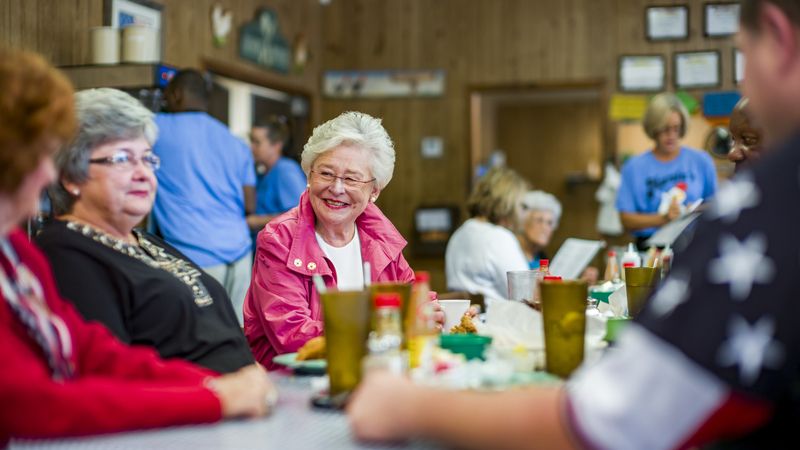
The September campaign finance reports are in, and incumbent Governor Kay Ivey, the Republican nominee, is lapping her opponents in fundraising. According to the campaign finance reports filed by the Secretary of State’s office, the governor entered the month of September with $75,583.16 in her re-election account. During September, the governor raised another $316,011 in contributions. Ivey outspent everyone else in the race: combined with expenditures of $189,915.81 in September alone. Ivey enters the month with $201,678.35 in cash on hand. Ivey is only the second woman to be elected as Governor of Alabama. She is the longest serving woman governor in state history as Gov. Lurleen Wallace died of breast cancer in office during her one and only term. Ivey was twice elected as State Treasurer and twice elected as Lieutenant Governor; before being elevated to governor in 2017 when then Gov. Robert Bentley resigned. Ivey was elected to her own term of office in 2018. Dr. James “Jimmy” Blake is the Libertarian candidate for governor. Blake, as a challenger, enters the race with less name recognition than the incumbent governor. The way a campaign builds name recognition is through commercials: radio, TV, internet, print, direct mail, signs, and billboards, and all of that costs money in a state with over five million people and multiple media markets. The Libertarians did not even get ballot access until late May, so building a fundraising apparatus to challenge an incumbent Governor has been challenging. The Blake campaign began in September with just $834. Over the course of the month, Blake raised $9,325, spent $5,389.90, and entered October with $4,769.10 in cash on hand. The situation is even bleaker for the Democratic nominee for Governor. Yolanda Rochelle Flowers reported contributions for the month of just $2,150. The Democratic nominee only had $673.32 in funds coming into September. After spending just $2777.09, the Flowers campaign was left with only $46.23 entering October. The last three Democratic nominees for governor Walt Maddox, Parker Griffith, and Ron Sparks, were running campaigns that were at distinct disadvantages to their Republican counterparts. Still, ideological liberals, Democratic Party loyalists, and allied special interests did at least fund their campaigns. Flowers can’t raise money, and Democrats appear to have thrown in the towel on this and every other statewide race. Democrats aren’t giving to Flowers, who already has a mountain to climb to establish name recognition, much less win votes on election day. Flowers is the first Black woman to be nominated for Governor of Alabama by one of the two major political parties. Ivey, Blake, and Flowers are the only three candidates that will appear on the ballot on November 8, but there are also at least two write-in candidates who do not have the advantages of a statewide political party working for their cause. Write-in candidate Jared Budlong began the month of September with just $105.23 in his campaign account. Over the course of the month, he raised $918.40 in contributions for his campaign and borrowed another $370.07. Budlong spent $659.72 on the campaign and entered October with $733.98 in cash on hand. Lee county pastor and former Republican primary candidate Dean Odle is running as a write-in candidate. Odle entered the month of September with $12,081.61 in cash on hand. Odle reported cash contributions of $5,735.02, in-kind contributions of $666.40, expenditures of $11,550.16, and an ending cash balance of $6,266.47. To vote for Budlong or Odle, voters must check the write-in candidate as their choice for governor and then write in their name on the paper ballot. Republican candidates have dominated fundraising in this election cycle. Republican candidates have raised $46,753,741.68. Political Action Committees have raised $19,798,304.29 in contributions. The Democratic candidates have contributions of $7,282,846.27 combined. All other candidates, including the 65 Libertarian candidates on the ballot, have only raised $178,572.12 combined in this cycle. By comparison, Ivey by herself raised $316,011 just in the month of September. Ivey has raised $9,898,554.35 in this election – more than every Democrat, Libertarian, and independent candidate combined. The election will be on November 8. If, for some reason you are unable to vote on November 8, you can apply for and obtain an absentee ballot. To connect with the author of this story, or to comment, email brandonmreporter@gmail.com.
Justin Bogie: In the aftermath of Roe, Alabama should not rush to fully expand Medicaid
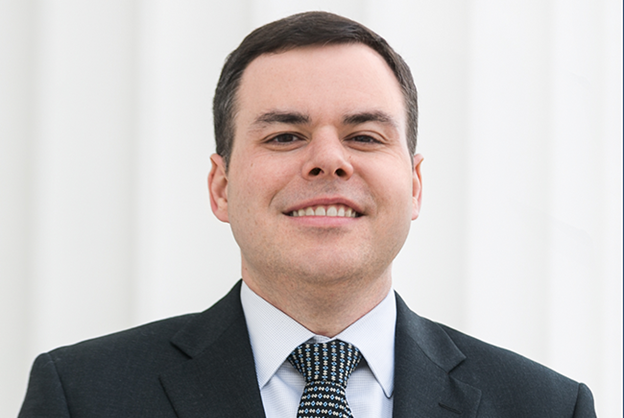
In the wake of the U.S. Supreme Court’s decision to overturn Roe v. Wade, will Alabama lawmakers make a renewed push to expand Medicaid in Alabama? The early indications suggest yes, but lawmakers should be in no rush to take action. Governor Kay Ivey and the Legislature have already expanded Medicaid coverage for new mothers, and full Medicaid expansion would come at a hefty cost to taxpayers. The day after the Supreme Court decision was released, the calls for Medicaid expansion began. Tuscaloosa Mayor Walt Maddox took to Twitter, saying that Medicaid expansion “would make quantum leaps for Alabama’s ability to ensure healthy pregnancies and births. The time must be now.” While not specifically referencing the Roe v. Wade decision, Alabama Arise Executive Director Robyn Hyden published a column renewing the call for Medicaid expansion. Other policymakers have followed suit. The call to expand Medicaid coverage for new mothers in a post-Roe world is understandable. While the specifics of how the decision will impact the number of births in Alabama are unknown, we can assume that the state’s ban on abortions, with limited exceptions, will result in more babies being born. But using the Roe decision as a means to push for full Medicaid expansion is disingenuous at best. Expanding Medicaid would almost certainly improve health outcomes for new mothers and their children. It would also provide relief from the financial burdens of having a child. But the reality that so many pro-Medicaid expansion advocates seem to ignore is that Alabama already expanded Medicaid coverage for new mothers and their children before the Roe decision. During the 2022 regular legislative session, the Legislature enacted a budget that extends Medicaid coverage from six weeks to 12 months for postpartum care. The General Fund budget signed by Governor Kay Ivey included $4 million in funding for the extension of care, and the Alabama Medicaid Agency had previously designated another $4.5 million for the program. As of now, the extension is part of a one-year pilot program, which will allow the Alabama Medicaid Agency to evaluate its cost, how many eligible mothers use the services, and whether it improves health outcomes. If the pilot program is successful, it will almost certainly be extended. This is a much more fiscally responsible and reasonable approach than bowing to the pressure of calls for full-blown Medicaid expansion. The cost of expanding postpartum care is $8.5 million. That could fluctuate based on how many mothers utilize the program over the coming years, but in the scope of a $2.7 billion General Fund budget, the costs to the state are negligible. The same cannot be said for full Medicaid expansion. The Public Affairs Research Council of Alabama (PARCA) recently estimated that full expansion would cost the state over $225 million per year on average. Total expansion costs would rise to $243 million by 2027, and the increases would likely continue thereafter. One common argument in favor of Medicaid expansion is that Alabama will receive more federal Medicaid funding and realize net savings from the expansion. PARCA estimated net savings to be over $1 billion from 2022-2027. Saying that the state will save money is an oversimplification of the issue though. While the state may see a net gain within the Alabama Medicaid Agency, it will be at the cost of other agencies funded by the General Fund budget. If the state expands Medicaid, nearly a quarter of a billion dollars from the General Fund budget will be going towards that by 2027. Most of the federal dollars that the state receives as a result of expansion would go back into the Medicaid program. Apart from potential new tax revenues, they could not be used to pay for Corrections, Mental Health, or other General Fund expenses. The decision to expand Medicaid would have ramifications far outside of the Medicaid budget. Despite the current period of record state revenues, if there is a gap left to be filled, lawmakers might turn to tax increases on the citizens of Alabama to pay the bill. Because of the required state matching funds to expand Medicare, it also means that lawmakers will have less autonomy in making budget decisions. The looming threat of an economic recession could mean less budget flexibility. While the U.S. Supreme Court’s decision to overturn Roe v. Wade may increase the need for postpartum Medicaid coverage, Alabama’s lawmakers have already addressed that issue, extending postpartum coverage from six weeks to 12 months. The Roe decision is not a reason to undertake full Medicaid expansion. Doing so could come at a high cost to Alabamians. Justin Bogie is the Senior Director of Fiscal Policy for the Alabama Policy Institute.
Gov. Kay Ivey avoids runoff in Republican primary
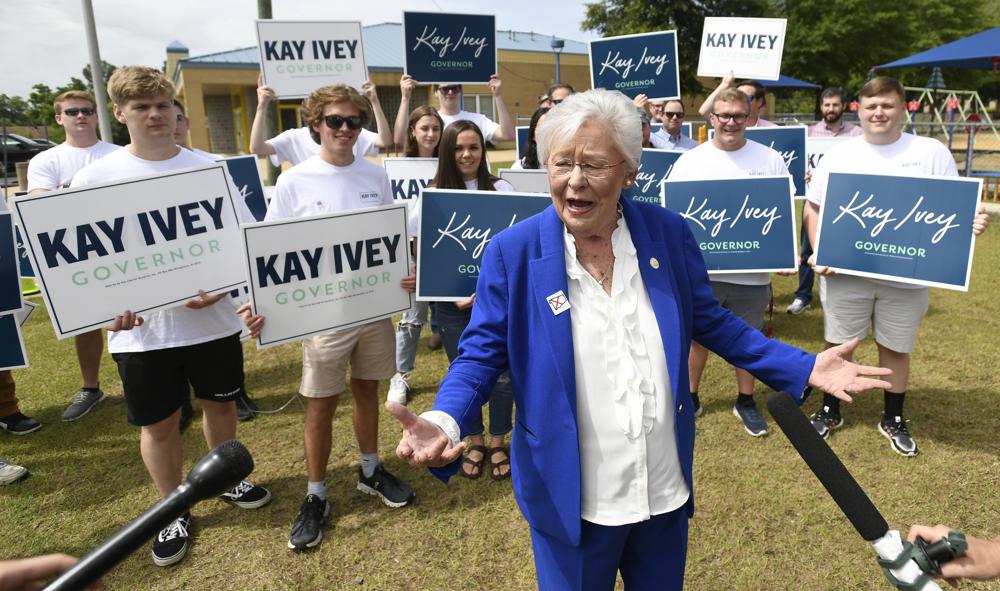
Alabama Gov. Kay Ivey has turned back eight primary challengers to win the GOP gubernatorial nomination without a runoff in a race that pushed her far to the right. Over the course of the campaign, Ivey repeated former President Donald Trump’s false claims about election theft. Then, the white-haired, 77-year-old Ivey sat at her office desk and pulled three things out of her purse for a campaign commercial: a lipstick, a cellphone, and a revolver. One challenger, former Trump ambassador Lindy Blanchard, slammed Ivey for doing too much to control COVID-19 in a state with one of the nation’s worst pandemic death rates. Another, toll bridge developer Tim James, the son of former Gov. Fob James, did the same and attacked a charter school that opened under Ivey’s watch to cater to LGBTQ youth. Other challengers include Lew Burdette, a former business executive who runs Christian-based group homes; Stacy George, a prison officer and former county commissioner; pastor Dean Odle; GOP activist and businessman Dean Young; Springville Mayor Dave Thomas; and a yoga advocate, Donald Trent Jones. The eventual GOP nominee will face whoever emerges from a Democratic primary runoff between state Sen. Malika Sanders-Fortier of Selma and Yolanda Rochelle Flowers, a career educator from Birmingham. Lieutenant governor at the time, Ivey was catapulted to the state’s top office when Robert Bentley resigned amid scandal in 2017. She easily dispatched four Republican primary challengers and won a full term against a well-financed Democrat, Tuscaloosa Mayor Walt Maddox, in 2018. Ivey has pushed a plan to construct new lockups to upgrade Alabama’s crowded, dilapidated prisons, which are the subject of a Justice Department lawsuit, and she passed a gasoline tax hike with automatic increases to fund road work. Challengers have criticized all that as too much big government and also zeroed in on her handling of the pandemic. While some bash Ivey over a COVID-19 response that left the state with nearly 20,000 dead and the nation’s fourth-highest death rate, Republican opponents have hammered her for shutting down businesses and churches to prevent the spread of disease. In a state where roughly 51% are fully vaccinated, Ivey’s claim that it was “time to start blaming the unvaccinated folks” for illness could come back to haunt her. Republished with the permission of The Associated Press.
Katie Britt, Mo Brooks challenge Mike Durant to debate in U.S. Senate race

U.S. Senate candidates Katie Britt and Rep. Mo Brooks this week challenged GOP primary rival Mike Durant to debate them ahead of next month’s primary. “I’ve agreed to multiple proposed debates between myself, Mike Durant, and Mo Brooks. Congressman Brooks, to his credit, has also agreed. Why won’t Mr. Durant?” Britt wrote on Twitter this week. Durant campaign adviser Scott Stone maintained Thursday afternoon that “Mike is not refusing to debate anyone.” In an email he added that “Mike is busy traveling the state, talking with voters building the wall, ensuring election integrity, and defending the 2nd Amendment. Like Coach [Tommy] Tuberville, Mike is focused on meeting with voters, not playing political games with career politicians.” The GOP primary in the conservative state will likely decide who succeeds GOP Sen. Richard Shelby, who is retiring. The three Republicans are considered frontrunners in next month’s GOP primary for the Senate seat being vacated by retiring Sen. Richard Shelby. Alabama Republican Party Chairman John Wahl said the party offered to host a Senate debate as a resource to GOP voters and to the candidates ahead of the May 24 primary. He said they had floated several possible dates to the campaigns. “Mo Brooks agreed to participate. Mike Durant could not work it out, and Katie Britt basically said if Mike Durant can’t make it, she was not interested,” Wahl said. Wahl said it is “unlikely at this point” that the debate will happen. Durant is a businessman best known as the helicopter pilot shot down and held prisoner in the 1993 “Black Hawk Down” incident. Britt is Shelby’s former chief of staff and the former head of a state business group. Brooks represents Alabama’s 5th Congressional District after first being elected in 2010. Brooks, who voted against certifying President Joe Biden’s election win, was initially endorsed by former President Donald Trump. Trump rescinded the endorsement last month. “There are multiple open-ended debate offers from groups throughout the state that are willing to be flexible to accommodate Mike Durant. If he actually was willing to debate, he would be willing to make one of those opportunities work,” Brooks campaign spokesman Will Hampson said Thursday. The Britt campaign echoed that sentiment and a spokesman said that they are “100% in for a three-person debate.” “No one knows what Mike Durant really believes, because he is hiding from debates, forums, the media, and questions from voters on the campaign trail … The only logical conclusion is that the character Mike Durant plays on TV doesn’t match the person he is in real life,” Sean Ross wrote in an emailed statement. It is not unusual for safe incumbents to refuse to debate, believing they have nothing to gain. but much to risk, by putting themselves on a debate stage. Shelby refused to debate a primary challenger in 2016, a decision Britt, as his then-campaign spokeswoman, defended by saying Shelby had a record that was already well known to state voters. Alabama Gov. Kay Ivey in 2018 did not debate primary challengers or Democratic challenger Walt Maddox. Steve Flowers, a political commentator, said this is different in that it is an open seat with no incumbent for the powerful office. He said Durant appears to be trying to “run out the clock” and run a race that depends mostly on television advertising. “I call him a phantom candidate,” said Flowers. Republished with the permission of the Associated Press.
Tripp Powell announces end to candidacy for Senate District 21
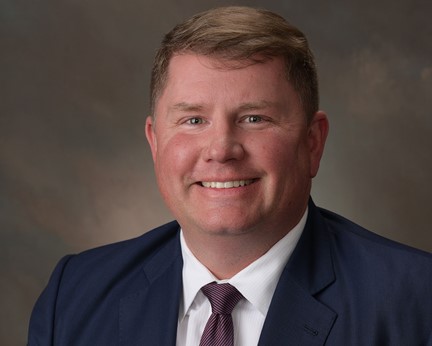
Tripp Powell announced Monday that he will not run for State Senate District 21. Powell was dropped from the GOP Primary in Birmingham after the ALGOP winter meeting in February. The decision to drop Powell stemmed from a $500 donation given to the Democratic gubernatorial primary campaign of Mayor Walt Maddox in 2018. Powell, a lifelong Republican and Tuscaloosa native, was running for the seat currently held by Gerald Allen before the state GOP executive committee prohibited him from challenging Allen in the GOP primary. “Today, I am announcing that I have instructed my campaign team to cease all campaign operations, and I am terminating my bid for this office,” Powell said. “This decision is against my nature as a competitor, as a fighter. But it is true to my nature and to my convictions as a conservative. I am the same Republican today that I was two weeks ago. I cannot – and I will not – become someone else just to seek election to this office.” Powell said because he was a Republican, he must abide by the rules set out by the Republican Party and thanked his supporters. “I do not agree with the decision of this 21-person committee, but if I am, in fact, a Republican, I must agree with the process followed by the Republican Party. If I disagree with that process, then I should take steps to change it. But I can’t stop being a Republican,” Powell said. “It is with the deepest humility and gratitude that I thank those who have already shown support for our campaign. I believe with all my heart we would have been victorious. I will not forget you.” Powell attended the University of Alabama and played football for the Crimson Tide. He bought his family’s wholesale and retail gasoline business in 2009. He has been married to his wife, Lesley, for 20 years, and they have two daughters, Leigh, 15, and Libby, 11.
ALGOP Chair John Wahl stands behind ousting of three candidates; aims to keep ballot ‘pure’
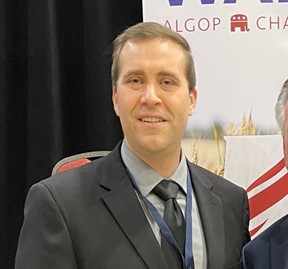
The Alabama Republican Party’s candidate committee voted to remove three candidates from its primary ballot in state legislative races on Saturday, during its winter meeting. House District 10 candidate Anson Knowles, Senate District 21 candidate Tripp Powell, and Senate District 10 hopeful Teresa Rhea were removed from the primary ballot after challenges to their candidacies. The decision to drop Knowles from the ballot was connected to his prior Libertarian Party activity. For fifteen months, starting in 2015, Anson was the Chairman of the Libertarian Party in Madison County, Alabama. Additionally, after his time with the Libertarian Party, Knowles donated to a Libertarian candidate’s campaign. The decision to drop Powell stemmed from a $500 donation given to the Democratic gubernatorial primary campaign of Mayor Walt Maddox in 2018. During an appearance on Mobile radio FM Talk 106.5’s “The Jeff Poor Show”, Alabama Republican Party chairman John Wahl applauded the committee’s efforts to keep the ballots “pure”. “[W]e take it extremely serious that we keep the Republican primary ballots pure,” Wahl said. “And what I mean by that is we’re not going to let a Nancy Pelosi or Hillary Clinton come in and run on the Republican ticket. It’s not going to happen. Sometimes it gets hard. It’s very hard to know who is a Republican and who is not a Republican. The candidate committee makes those decisions, and I chair that committee. I choose not to take a vote because I feel like it is important for the chairman dispense all the information to provide the body information they need to make the best decision.” “It’s always a hard process for both sides — the challenger and the defendees, and for us as a committee because it is an uncomfortable situation,” Wahl continued. “But it’s an incredibly important part of the ballot process. I think it is always important to respect how hard that is and know the members do the best job they can. They’re not perfect. They may make a mistake, but they do the best job they can to make sure people know the Republican Party is keeping the ballots pure.” According to party rules, if a Republican elected official donates or endorses a Democrat, there would be instant removal from the party. Wahl argued that if this rule applies to elected officials, the standard should be the same for candidates. Wah stated that there is no standard or statute of limitations, but that it was decided on a case-by-case basis. When asked if he stood by the decision, Wahl stated, “I don’t think there’s any doubt that the candidate committee worked hard to make sure they made the best decision possible for the people of Alabama.”
Anson Knowles dropped from Primary election ballot for House District 10
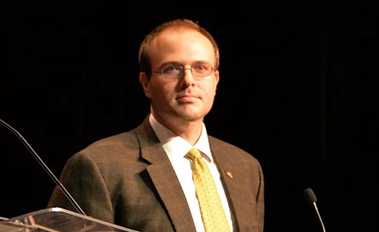
The Alabama Republican Party Candidate Committee voted to remove Anson Knowles from the Primary election ballot on February 18. Knowles was running for Alabama House of Representatives District 10. The GOP hearing was conducted in Birmingham after the ALGOP winter meeting. The decision to drop Knowles from the ballot was because of his prior Libertarian Party activity. In 2015, Anson was the Chairman of the Libertarian Party in Madison County, Alabama, for fifteen months. Additionally, after his time with the Libertarian Party, Knowles donated to a Libertarian candidate’s campaign. During the same meeting, Tuscaloosa businessman and Republican candidate Tripp Powell was dropped from the GOP Primary in Alabama Senate District 21. Dropping Powell effectively handed the Republican nomination to longtime incumbent Sen. Gerald Allen. The decision to drop Powell stemmed from a $500 donation given to the Democratic gubernatorial primary campaign of Mayor Walt Maddox in 2018. Knowles said he was left with more questions than answers when he found out that his name would not appear on the GOP primary ballot. Knowles spoke to Patch.com on Monday, arguing that he was never given a physical copy of the ballot challenge. Therefore, he doesn’t know who was responsible for the challenge. “The evidence presented against me was in closed session, so there’s no way to know what was said,” Knowles stated. “The challengers were given the opportunity to speak for five minutes, but I can’t speculate what that decision-making process was because I wasn’t in the room.” He referred to the GOP’s Steering Committee as a “kangaroo court,” arguing that although he had spent some time with the Libertarian Party, he has also contributed funds to Republican candidates for years. Since his time as a Libertarian, Knowles served as Secretary and Chairman of the Madison County Young Republican Club and is also an at-large voting member of the Madison County Republican Executive Committee (MCREC). “I am a Republican,” Knowles stated. “I just finished telling a room full of people Republicans that I am a Republican. I will not run unless the GOP allows it.” Both Powell and Knowles can appeal the Committee’s decision if they can get signatures from 50 members of the state executive committee. That would force the chair of the party to call a special meeting. If a quorum is reached at the special called party meeting, then the appeal of the decision of the Steering Committee could be voted on.
Terri Sewell secures $17 million for Tuscaloosa’s University Boulevard corridor
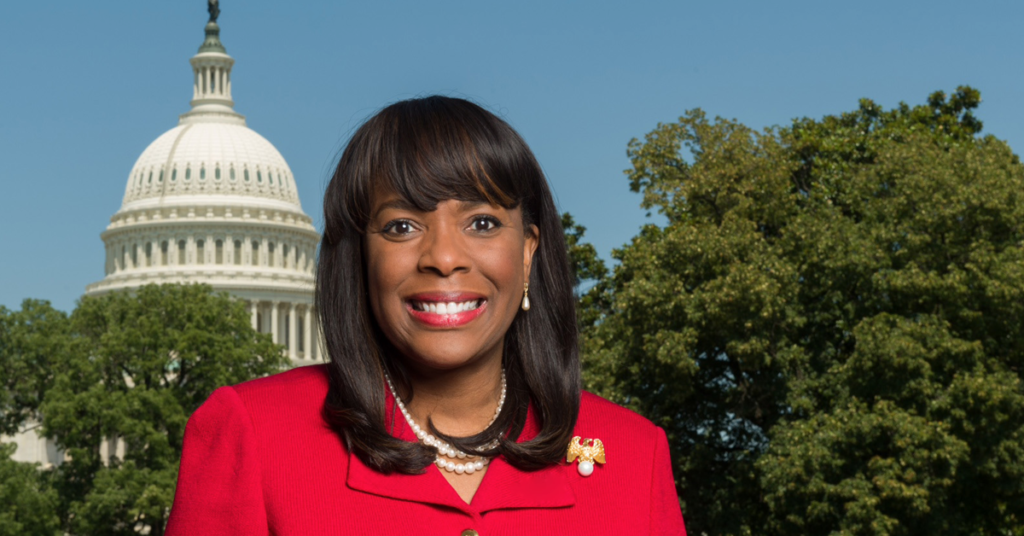
Congresswoman Terri Sewell announced the City of Tuscaloosa has received $17,149,167 in funding from the U.S. Department of Transportation’s(DOT) Federal Rebuilding American Infrastructure with Sustainability and Equity (RAISE) grant program. The funding will be used to support the city’s Tuscaloosa University Boulevard Corridor project for infrastructure improvements. In a press release, Sewell commented, “This is great news for the City of Tuscaloosa and its partners! Investing in our infrastructure provides cities with the revenue they need to not only rebuild but modernize and make room for new innovative development. I applaud the City of Tuscaloosa, the University of Alabama, and the Alabama Department of Transportation for working together to rebuild and revitalize this community. These are the types of funding opportunities that will ensure that the 7th Congressional District can build back better!” According to the DOT website, the program selection criteria for the grants included safety, environmental sustainability, quality of life, economic competitiveness, state of good repair, innovation, and partnerships with a broad range of stakeholders. The grants also wanted to ensure each project would create good-paying jobs, improve safety, apply transformative technology, and address climate change and advance racial equity. The RAISE funding will help with technology upgrades, stormwater drainage improvements, and expand pedestrian access from residential areas to institutional and retail areas in Tuscaloosa. Tuscaloosa Mayor Walt Maddox expressed excitement about the new project. “The City of Tuscaloosa could not be more thrilled to be among the recipients of the Department of Transportation’s RAISE Grant. These funds will give us the opportunity to make improvements to one of the major arteries connecting all of Tuscaloosa and will provide better connectivity across our community,” said stated Maddox. “The enhancements that will be made to the University Blvd corridor will include increased storm drain capacity, streetscape enhancements, advancements in security and safety measures, and the inclusion of bike lanes and underground utilities in several locations.” The RAISE grant program was previously known as the Better Utilizing Investments to Leverage Development (BUILD) and Transportation Investment Generating Economic Recovery (TIGER) Discretionary Grants. Congress has dedicated nearly $8.9 billion for twelve rounds of National Infrastructure Investments to fund projects that have a significant local or regional impact.
Groundbreaking held for nearly $760M west Alabama highway

Gov. Kay Ivey and other officials held a ceremony Friday to break ground on a project to construct a four-lane highway spanning rural western Alabama from north to south. Expected to cost some $758 million over five years, the West Alabama Corridor project will provide an interstate-type highway that will eventually connect Mobile and Tuscaloosa. A bypass at the Marengo County city of Linden is the first phase of the project. After that project, a southern leg will begin at U.S. 43 in Thomasville and run northward to the bypass. A northern section will begin from Linden to Alabama 69 north of Moundville, located just south of Tuscaloosa. Officials in the Black Belt region have long cited the lack of access to four-lane highways as a factor holding back development in the area. Passed in 2019, the Rebuild Alabama Act has allowed the state to spend more on economic development and road projects, Ivey’s office said. Tuscaloosa Mayor Walt Maddox, a Democrat who opposed Ivey in the 2018 gubernatorial race, attended the groundbreaking and praised Ivey’s leadership on the highway. Republished with the permission of the Associated Press.
