
‘Women for Moore’ to hold press conference at Alabama State Capitol on Friday
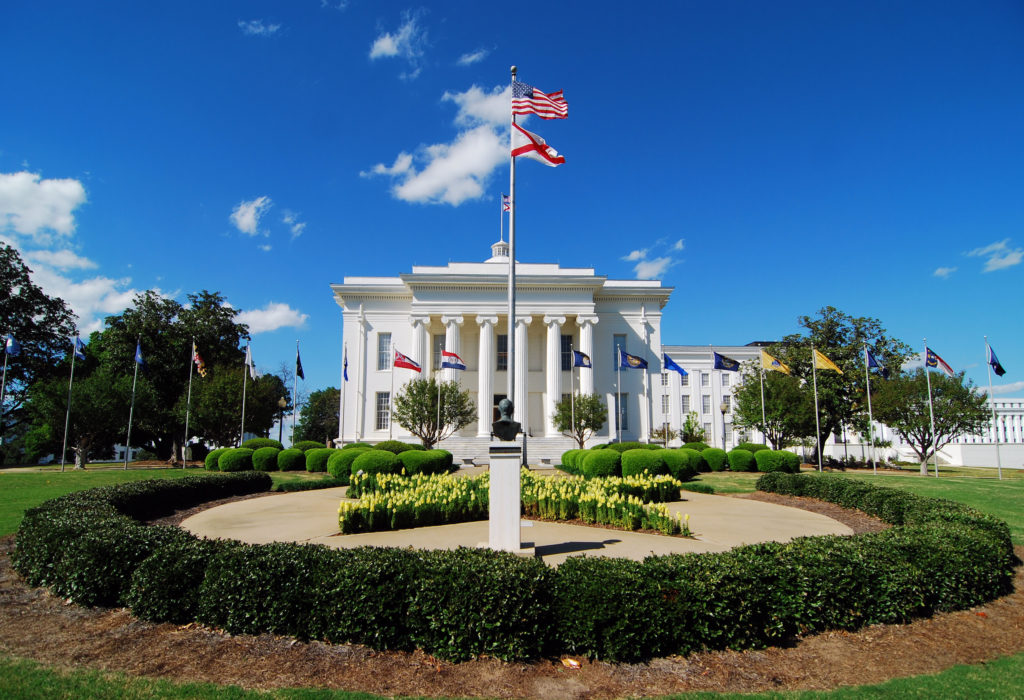
While women continue to come out of the woodwork alleging Roy Moore‘s sexual misconduct with them as teenagers when he was in the 30s, one group of women are taking a stand in support of him. “Women for Moore” will hold a press conference Friday morning on the steps of the Alabama State Capitol in Montgomery, where they will defend the former Alabama Chief Justice who they claim “has faithfully served in public office for forty years.” Wetumpka Tea Party founder Becky Gerritson made the announcement Thursday morning. “He ran for Chief Justice of the Alabama Supreme Court twice and won and he ran Governor in 2010. Yet, not once, during all that time were there any allegations of sexual misconduct,” Gerritson wrote in a news release announcing the event. “During the fight over the removal of the Ten Commandments monument in 2003 and again last year he was put through the fire with the Judicial Inquiry Commission there were no allegations of sexual impropriety. But now, one month before the election, a volunteer of his opponent, Doug Jones, who also worked as an interpreter for Democrat Joe Biden comes forward. The second accuser is also looking very suspicious. It appears that the evidence that she has against Moore has been fabricated.” “We know Judge Moore and we aren’t buying it,” Gerritson concluded. Gerritson will be among the speakers at the event that will attest to Moore’s character. She will be joined by Ann Eubank, the statewide co-chair of Rainy Day Patriots, and the legislative chair of the Alabama Legislative Watchdogs, and Moore’s wife Kayla. Moore has been under fire since The Washington Post published an explosive report Thursday afternoon with the accounts of four women who claim he sexually pursued them when he was in his 30s and they were in their teens. As of Thursday evening, a total of nine women have levied accusations against Moore. The news has caused rapid fallout from dozens within the Republican Party who have called on him to withdraw his name from next month’s special election if the allegations are true.
State elections see infusion of first-time women candidates
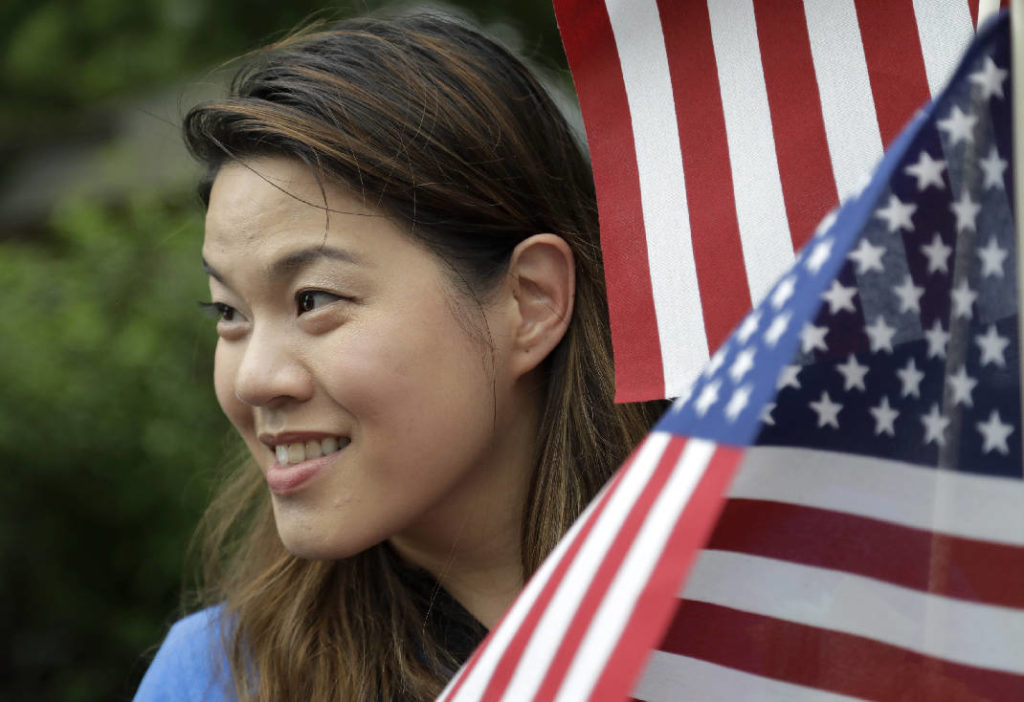
Christine Lui Chen, a 36-year-old health care executive in New Jersey and mother of two small children, had never considered entering politics, focusing instead on her family, her career and her community. That all changed in January, 13 hours after she attended the Women’s March on Washington. She emailed Democratic officials: “Here’s my resume. I want to get involved.” Less than five months later, Chen’s name will be on the ballot, unopposed, in Tuesday’s Democratic primary. She hopes to become her district’s first Democratic state senator in more than 30 years, the first-ever Asian-American woman in her state’s legislature – and a spear-point for legions of enthusiastic, mainly liberal-leaning women inspired by the election of President Donald Trump to get into politics. “I just never thought politics was in the cards,” says Chen, whose parents immigrated to the United States with almost nothing to their name. “But I don’t want to be the one who didn’t do anything, when we’re at this moment in history where we need to stand up and say, ‘This is what it means to be an American.’” New Jersey is one of two states holding general legislative elections this year; the other is Virginia. Political analysts will be watching closely to see if there’s a shift in the red-blue balance, but the newfound enthusiasm for politics among women – particularly young women like Chen – is also drawing attention. Like her, a number of them say they were inspired by Barack Obama‘s suggestion, in his farewell speech, to “grab a clipboard” and collect signatures to run for office themselves, if they were disappointed with their elected officials. “This moment is unprecedented,” says Stephanie Schriock, president of EMILY’s List, which works to recruit and elect pro-choice Democratic women. “We’ve never seen anything like it.” She says since Election Day, her organization has heard from over 13,000 women from all 50 states interested in running for office. To compare: In 2015 and 2016 combined, about 920 women contacted the group. “And that was a good year!” she notes. The vast majority, Schriock adds, are running in their local communities or on the state level. “They realize, ‘I’ve got to start local.’ It’s our responsibility to try to guide them into a race and that may be 2018, or it may be 2022. It’s a huge pipeline.” In New Jersey, the Center for American Women and Politics holds an annual, non-partisan campaign training program, Ready to Run, each March at Rutgers University. Typically, only four or five women sign up by December, says Debbie Walsh, who heads the center. This year, 100 women had done so. Running out of space, organizers had to limit registration to 250. “I’ve never felt that kind of energy,” says Walsh of the recent session, where Chen was among the trainees. “I think it’s this universal moment for a lot of women – more on the middle-of-the-road to progressive end of the spectrum – who didn’t really pay that much attention to politics, kind of thought this was a world that they didn’t need to really participate in. This idea that you could be on the sidelines and that that was OK – no longer feels OK.” Also among this year’s trainees was Lacey Rzeszowski, 42, a registered Republican until January, when she officially switched to the Democratic side. Rzeszowski is running for New Jersey Assembly; like Chen, she hoping to turn a longtime red district blue. Rzeszowski, who in recent years has been a fulltime mother to her three sons, says she made her final decision to run during the bus ride home from the women’s march. All day, she’d been awed by the crowd – “the scale, enormity and beauty of it,” she says. “Women standing up for women.” And so, when her seatmate fell asleep on the way home, she found herself staring out the window. “I knew that when I got home, I was going to discuss it with my husband,” she says. Like Chen and Rzeszowski, Lisa Mandelblatt, an attorney and teacher in Westfield, New Jersey, found her career plans changing quickly after the march. She recalls feeling “stunned and horrified” after Trump defeated Hillary Clinton, but newly hopeful after encountering the thousands of women – a sea of pink hats – who converged on Washington with her. “I started to feel, ‘OK, we’ve got this,’” says Mandelblatt, 53, referring to the country at large. “We’re gonna be OK.” Perhaps because she’s a teacher, Mandelblatt already owned a clipboard. “But I grabbed it,” she laughs. She’s now preparing to run for U.S. Congress in 2018, challenging for the seat held by Rep. Leonard Lance, a Republican. In Virginia, Danica Roem faces a June 13 primary for the House of Delegates. Roem, 32, says she was motivated less by feelings about Trump than about the longtime incumbent she seeks to unseat, Bob Marshall, a conservative Republican who Roem contends has been “for 25 years, the most anti-LGBT legislator not just in Virginia, but in the entire South.” But Roem, a journalist and transgender woman, doesn’t plan to spend a cent on opposition research. She covered Marshall for nearly a decade for several Virginia news outlets. On the day Roem announced her candidacy, Marshall introduced his bathroom bill, prohibiting people from entering restrooms designated for use by members of the opposite sex. “His legislative priorities are more concerned with where I go to the bathroom than how his constituents get to work,” she says, referring to a major quality-of-life issue in her district: traffic. Roem hopes to become what she says will be the first out transgender person ever seated in a state legislature. She’s confident: Asked why her opponent has remained in his seat so long, she replies: “Because he’s never run against me before.” Also facing a primary for a Virginia legislative seat is Jennifer Carroll Foy, a public defender. Foy never thought politics would be her thing. But her shock over the election – she’d gone
Ronda M. Walker: Teaching our daughters more than sugar and spice

I was in my mid-twenties, young and energetic. My life was filled with travel, excitement and opportunity. I even drove a cool convertible. I had few worries, tons of expectations, and an admittedly easy outlook on life. My colleague was in her mid-forties. She had a dour countenance and was hardened by life’s disappointments. We were friendly but we were not friends. We exchanged the expected office niceties but it never amounted to anything too in depth. One day as I passed by her desk I smiled at her and said hello and she stopped me. She gently touched my arm, looked me in the eye and said, “I wish you had known me before.” Her words confused me at first, but as I studied her eyes I completely understood what she meant. She wished I had known her before. Before her childhood dreams were crushed by the harsh realities of a life full of disappointment. She wished I had known her before when she was young, happy, and expectant. As she looked at me she could see herself, before. Now I am in my mid-forties and life has thrown a lot of harsh reality my way. As my 20-something self stood staring into the darkened eyes of my colleague, I shamefully admit I had more disdain than sympathy for her disposition. The girl I was back then could not begin to imagine the tsunami of emotion I would experience in my lifetime facing personal loss, pain, and disappointment. By the time I was 45 years old I had buried both of my parents and fought a nasty battle with stage III breast cancer, and those are just the highlights. Life sucker-punched me just as it had sucker-punched her. How do your present circumstances differ from the expectations of your childhood? Perhaps you dreamt of being a wife, a mother, having a beautiful home and healthy relationships. Perhaps you dreamt of having a successful career or philanthropic opportunities to contribute to your community. Perhaps you dreamt of travel, education, adventure, or creating something bigger than yourself. But instead of your dreams you got divorce, miscarriage, bankruptcy, rejection, loss, illness, heartbreak, adversity, and disappointment. You got sucker-punched by life. Perhaps if our life expectations had been better managed from a younger age, the disappointment could have been abated. Perhaps. As smart, experienced women we have a responsibility to speak truth to our daughters, to the next generation of women. We must prepare them to face everything life has in store for them. Not to crush their spirit or rob them of their innocence. But to build in them a strong core of faith and trust in themselves and the God who created them. Instead of the constant unicorns and sunshine, there must come an appropriate time when we grab our precious daughters by the hands, look them deep in the eye, and say, “brace yourself, baby, life is going to be tough.” But we don’t dare leave them in despair, instead we must teach them how to be tougher than their circumstances. I encourage every woman out there who has influence over the life of a young woman to help them prepare for life’s realities. Let them know that while life may have a happy ending, the journey will be filled with struggles. Let’s teach our girls: Get an education Take care of your body Spend wisely Give and receive love and respect Build savings Avoid debt Build and sustain healthy relationships Take time for yourself Teach your daughter how to manage stress and disappointment without ever using the words stress and disappointment. Go on a daily walk or bike ride with her Buy less junk food, and more fruit and vegetables Cultivate her hobbies Spend one on one time with her, listen more than you talk Make sure she keeps her body well rested Be her best example: don’t constantly be in a rush, never criticize your body, never put yourself or others down Model for her how to confidently adapt and adjust when plans don’t go your way If you are happy, she will be happy. If you are stressed, she will be stressed Ladies, the highs and lows of motherhood, career, and life are dizzying and the demands on our time are unrelenting. Our minds never stop thinking, working, planning. Life is tough, stressful, and at times unexpected but it is also joyful, exciting, and meaningful. We must show our daughters our strength and in doing so they will begin to build their own strength. We could sit and talk for hours about the mistakes we’ve made, about the negativity that beats us down daily, about the lack of appreciation we receive, and the bitter taste of disappointment. But ladies, the simple truth is this — we are a gorgeous tapestry of triumph and tragedy, strength and mercy, energy and exhaustion. We must celebrate our womanhood and pour strength and courage into the next generation of women. Even when you don’t feel amazing, believe that you are. We must keep each other encouraged and healthy and motivated, and we must teach our daughters their worth, their strength, and their hope. Because if the hand that rocks the cradle is broken, who is going to rule the world? ••• Ronda M. Walker is the Vice Chairman of the Montgomery County Commission, a wife, and a mother of four.
Women’s health services face cuts in Republican bill
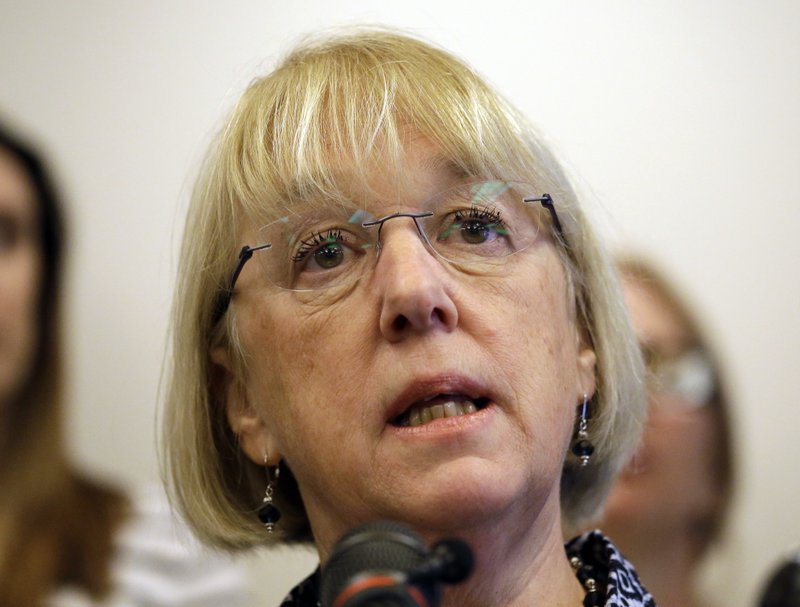
Women seeking abortions and some basic health services, including prenatal care, contraception and cancer screenings, would face restrictions and struggle to pay for some of that medical care under the House Republicans’ proposed bill. The legislation, which would replace much of former President Barack Obama‘s health law, was approved by two House committees on Thursday. Republicans are hoping to move quickly to pass it, despite unified opposition from Democrats, criticism from some conservatives who don’t think it goes far enough and several health groups who fear millions of Americans would lose coverage and benefits. The bill would prohibit for a year any funding to Planned Parenthood, a major provider of women’s health services, restrict abortion access in covered plans on the health exchange and scale back Medicaid services used by many low-income women, among other changes. Washington Sen. Patty Murray, the top Democrat on the Health, Labor, Education and Pensions Committee, said the legislation is a “slap in the face” to women. She said it would shift more decisions to insurance companies. “You buy it thinking you will be covered, but there is no guarantee,” Murray said. House Republican leaders said the bill, which is backed by President Donald Trump, will prevent higher premiums some have seen under the current law and give patients more control over their care. “Lower costs, more choices not less, patients in control, universal access to care,” House Speaker Paul Ryan, R-Wis., said Thursday. The abortion restrictions and cuts to women’s health care could draw opposition from some Republican women. Sens. Lisa Murkowski of Alaska and Susan Collins of Maine have both said that a prohibition on Planned Parenthood funding shouldn’t be part of the bill. Last month, before the legislation was released, Murkowski told the Alaska state legislature that she doesn’t believe that taxpayer money should go toward abortions but added, “I will not vote to deny Alaskans access to the health services that Planned Parenthood provides.” Support from Collins and Murkowski will be crucial once the bill moves to the Senate, since there are 52 Republicans and the GOP will need 50 votes to pass it. A look at how the bill would affect women’s health care: ___ PLANNED PARENTHOOD Republicans have tried for years to block federal payments to the group, but weren’t able to do so with Democrat Barack Obama in the White House. Now that Republican Donald Trump is president, they are adding the one-year freeze in funding to their bill. Most GOP lawmakers have long opposed Planned Parenthood because many of its clinics provide abortions. Their antagonism intensified after anti-abortion activists released secretly recorded videos in 2015 showing Planned Parenthood officials discussing how they sometimes provide fetal tissue to researchers, which is legal if no profit is made. Federal dollars comprise nearly half of the group’s annual billion-dollar budget. Government dollars don’t pay for abortions, but the organization is reimbursed by Medicaid for other services, including birth control, cancer screenings and treatment of sexually transmitted diseases. The group has said the vast majority of women seek out those non-abortion services. Ryan boasted this week that the bill is a “conservative wish list,” as it “ends funding to Planned Parenthood and sends money to community centers.” Democrats argue that many of the other clinics are already overloaded and would not be able to meet the increased demand for screenings and other services. ___ ABORTION COVERAGE Under Obama’s health law, health plans on the exchange can cover elective abortions, but they must collect a separate premium to pay for them so it’s clear that no federal funds are used. The GOP bill would go further, prohibiting the use of new federal tax credits to purchase any plan that covers abortions. That could make it more difficult for women covered under the federal exchange to find a plan that covers abortions at all, because many companies may just drop the abortion coverage if it disqualifies the entire plan from the tax credits. Massachusetts Rep. Joe Kennedy, a Democrat, said during the Energy and Commerce Committee’s debate on the bill Thursday that he is concerned those prohibitions will extend to hospitals that do abortions, as well. ___ MEDICAID AND ‘ESSENTIAL HEALTH BENEFITS’ The bill would phase out the current law’s expanded Medicaid coverage for more low-income people that 31 states accepted, which is almost completely financed by federal funds. That could affect women’s health care services, including mammograms and prenatal care, for those who would lose that coverage. The legislation also repeals the requirement that state Medicaid plans must provide “essential health benefits” that are currently required, including pregnancy, maternity and newborn care for women. The legislation will still require that private health plans fund the essential health benefits, but those insurers will have more leeway as to how much is covered. Rep. John Shimkus, R-Ill., complained during the committee debate about the current law’s requirements that certain services be covered. “What about men having to purchase pre-natal care?” Shimkus said in response to a question from a Democrat who asked him what mandates he was concerned about. “Is that not correct? And should they?” Republished with permission of The Associated Press.
Alabama is 2017’s 3rd worst state for women

Things aren’t looking so good for women in the Yellowhammer State. The state ranks 47th in the nation for its share of women in poverty, 49th in women’s life expectancy at birth, and 49th for its quality of women’s hospitals. These are just a few reasons why Alabama was named the third worst state for women in 2017 by the personal financial company WalletHub. In their latest study of “2017’s Best and Worst States for Women,” WalletHub’s analysts compared the 50 states and the District of Columbia across 19 key indicators of living standards for women, with data sets ranging from “median earnings for female workers” to “women’s preventive health care” to “female homicide rate.” Woman-friendliness of Alabama (1=Best, 25=Avg.): 29th: Median earnings for female workers (adjusted for cost of living) 43rd: Unemployment rate for women 47th: Share of women in poverty 26th: Share of women-owned businesses 36th: Share of women who voted in 2012* presidential election 32nd: Female uninsured rate 49th: Women’s life expectancy at birth 49th: Quality of women’s hospitals 23rd: Women’s preventive health care Here’s a look at how Alabama compares to the rest of the country: Source: WalletHub
Donald Trump, Justin Trudeau to discuss women in workforce
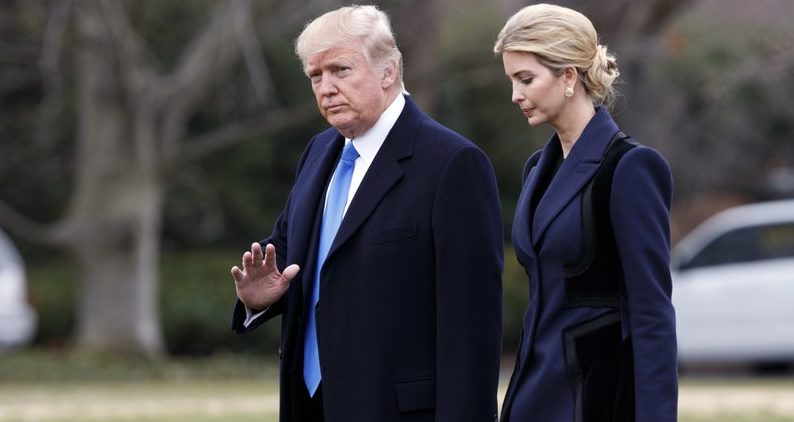
President Donald Trump and Canadian Prime Minister Justin Trudeau will participate in a roundtable discussion about women in the workforce Monday, showing the rising policy influence of the first daughter who has stressed her commitment to issues like child care. A White House official said the two countries would launch a new task force called the United States Canada Council for the Advancement of Women Business Leaders-Female Entrepreneurs. The official said Trudeau’s office reached out to discuss working on a joint effort, noting that this was seen as an area of shared interest between both leaders. Ivanka Trump, who has been a vocal advocate for policies benefiting working women, was involved in recruiting participants and setting the agenda for the meeting and will attend, the official said. Ivanka Trump stressed the importance of maternity leave and child care on the campaign trail, and has recently been meeting with business leaders to discuss those issues. The White House official said that Trump’s economic agenda will include a “focus on ensuring women enter and stay in the work force and addressing barriers facing female entrepreneurs.” The official requested anonymity to provide details in advance of the meeting. Advancing women has been a clear priority for Trudeau. In late 2015, he drew attention for naming a Cabinet that was 50 percent women, saying that he chose a group that “looks like Canada.” Trump did not promise to appoint a gender-balanced Cabinet and has named a smaller number of women and minorities to top jobs. “Our team reached out and suggested as it is an important part of the prime minister’s agenda and of our economic growth plan,” a Canadian official said. “It seemed like a natural fit given their commitments in their platform as well.” The official requested anonymity to discuss the meeting in advance. Trump has offered a childcare plan and has signaled an interest in working on those issues. The business round table will be part of an itinerary that includes a bilateral meeting and a working lunch. The visit is crucial for Canada, which relies heavily on the United States for trade. Trump has said he wants to discuss his plan to overhaul the North American Free Trade Agreement, which involves the United States, Canada and Mexico. There are fears Canada could unintentionally be sideswiped as Trump negotiates with Mexico. Female executives from the United States and Canada are expected for the round table, including General Electric Canada CEO Elyse Allan, TransAlta Corp. CEO Dawn Farrell, Linamar Corp. CEO Linda Hasenfratz, T&T Supermarket Inc. Tina Lee and Schnitzer Steel Industries CEO Tamara Lundgren. Also expected are Julie Sweet, CEO-North America for Accenture, NRStor CEO Annette Verschuren, Monique Leroux, chair of the board of directors for Investissement Québec. Carol Stephenson, of the board of directors for General Motors Co. will attend in place of the GM CEO. Additionally, the meeting will include Katie Telford, Trudeau’s chief of staff, Canadian Foreign Minister Chrystia Freeland and Dina Powell, assistant to the president and senior counselor for economic initiatives. Powell, Telford and Freeland were involved in setting up the council and recruiting the CEOS. The council includes many of the meeting attendees, as well as Mary Barra, General Motors CEO, GE Vice Chair Beth Comstock and Catalyst CEO Deborah Gillis. Topics at the event will likely include issues like providing maternity leave and childcare, how to recruit and retain women and how to better support women entrepreneurs. Ivanka Trump does not have an official White House role. But her husband, Jared Kushner, is a senior adviser to the president and she stepped away from her executive positions at the Trump Organization and her lifestyle brand to move her family to Washington. She has been at several public White House events so far and has been privately sitting down with CEOs and thought leaders as she weighs how to pursue her policy interest. Republished with permission of the Associated Press.
White House announces support for women in military draft

The Obama administration has declared its support for requiring women to register for the military draft, a symbolic but significant shift that reflects the U.S. military’s evolution from a male-dominated force to one seeking to incorporate women at all levels. President Barack Obama has been considering whether to adopt the position since last December, when Defense Secretary Ash Carter ordered the military to open all jobs to women, including the most arduous combat posts. Ned Price, a spokesman for the White House’s National Security Council, said Thursday that Obama believes women have “proven their mettle,” including in Afghanistan and Iraq. “As old barriers for military service are being removed, the administration supports – as a logical next step – women registering for the Selective Service,” Price said, using the formal name for the military draft. The White House emphasized that the administration remains committed to an all-volunteer military – meaning women, like men, wouldn’t be forced to serve unless there were a national emergency like a major world war. Changing the policy would require an act of Congress, and there are no signs that lawmakers plan to move swiftly to alter the law. Obama, who will leave office in less than two months, has less leverage over Congress and the broader Washington agenda than he did earlier in his presidency. Like his embrace of gay marriage in 2012, Obama’s announcement appeared aimed more at influencing the public debate about women in the military in the coming years than forcing an immediate policy change. The Defense Department echoed Obama’s position, first reported by USA Today. Pentagon press secretary Peter Cook said that Carter believes the inclusion of women throughout the military’s echelons has strengthened the military’s might. “He thinks it makes sense for women to register for Selective Service, just as men must,” Cook said. But a $611 defense policy bill now up for a vote in the House stripped out language that would have required women to register for the draft. Late last year, the Pentagon ordered all military jobs opened to women, including about 220,000 jobs previously restricted to men, including in special operations forces. Carter and other military leaders insisted that the military wouldn’t lower the physical standards for those jobs to enable more women to qualify. Integrating women has not been fast or easy. Earlier this year the top Army and Marine Corps generals told senators it would take up to three years to fully integrate women into all combat jobs. The military services have started recruiting women for those jobs and making necessary changes to bathrooms and other facilities. But some of the services, such as the Marine Corps, have predicted or experienced challenges identifying large numbers of candidates who want to serve in combat and meet the physical requirements. Under current law, women can volunteer to serve in the military, but aren’t required to register for the draft. All adult men must register within 30 days of their 18th birthday, and risk losing eligibility for student aid, job training and government jobs if they fail to comply. Signing up for the draft entails registering with the U.S. Selective Service, an independent agency aimed at ensuring a fair distribution of military duties if the president and Congress had to enact a draft. The U.S. hasn’t had a military draft since 1973, during the Vietnam War era. The new posture from the Obama administration came at an unusual time, just two days after House and Senate negotiators agreed to strip a provision from the annual defense policy bill that would have required young women to register. The measure had roiled social conservatives, who decried it as another step toward the blurring of gender lines akin to allowing transgender people to use public lavatories and locker rooms. Rep. Pete Sessions, R-Texas, spoke for a number of Republicans when he described the provision as “coercing America’s daughters” into draft registration. But proponents of including women in the draft pool viewed the requirement as a sensible step toward gender equality. They pointed to the Pentagon’s decision last year to open all front-line combat jobs to women as removing any justification for gender restrictions on registration. Republished with permission of The Associated Press.
2016 race devolves into ugly fight over treatment of women
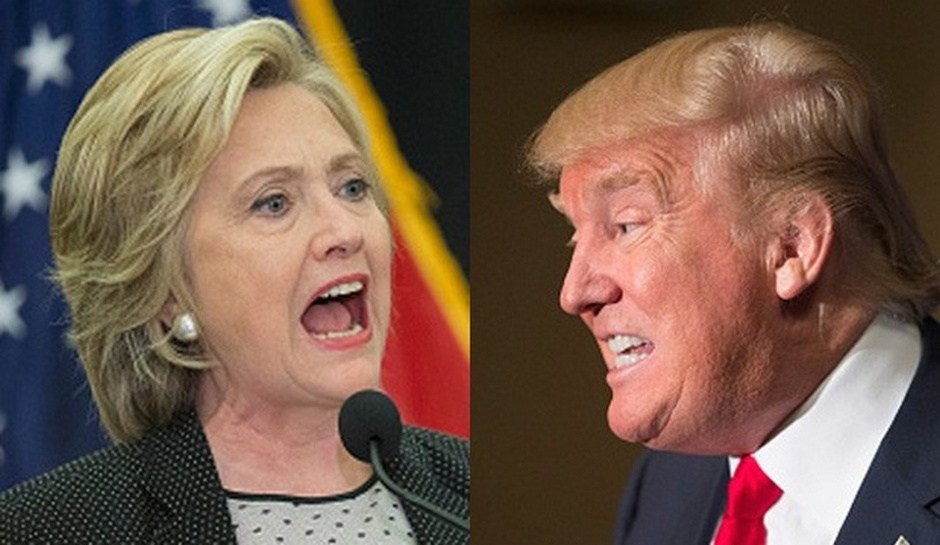
Deeply divisive all year, America’s campaign for president has devolved into charges and countercharges of predatory treatment of women. As Donald Trump is rocked by allegations of sexual assault, he is fighting back by shaming former President Bill Clinton, who isn’t on the ballot, for his infidelities. Trump’s campaign is now signaling it will spend the election’s final month relitigating Clinton’s marital affairs and unproven charges of sexual assault, as well as what Trump says is Democratic nominee Hillary Clinton‘s role in intimidating the women who were involved. But Trump is a deeply imperfect messenger, given that almost everything he says is being overshadowed by a flood of allegations that he kissed and groped women without their consent. Just four days ago, Trump campaign manager Kellyanne Conway promoted a tweet from Clinton declaring that “every survivor of sexual assault deserves to be heard, believed, and supported.” “‘Every’ the operative word here,” wrote Conway, whose campaign is now attacking the credibility of the new allegations against Trump. The New York Times and the Palm Beach Post on Wednesday reported stories about three women who alleged Trump had inappropriately touched them. Separately, a People Magazine reporter wrote a detailed first-person account of being attacked by Trump while interviewing the businessman and his wife, Melania Trump. Trump on Thursday took to Twitter to denounce the Times story as a “total fabrication,” and to assert that the incident cited by People “did not happen.” His campaign threatened to sue. The stories come less than a week after the publication of a 2005 recording in which the Republican nominee boasted of using his fame to kiss and grab women. In an interview broadcast Thursday, the soap opera actress in the video said Trump’s comments were offensive. But actress Arianne Zucker, on NBC’s “Today,” said she wasn’t shocked, given “that type of personality.” She said that’s “probably why it doesn’t mean a lot to me.” The revelation of the video last Friday prompted many Republicans to withdraw their support for Trump – with some calling for him to drop out of the race – though a handful have since switched back to supporting him. Clinton adviser Jennifer Palmieri said the latest revelations match “everything we know about the way Donald Trump has treated women.” Taken together, the stories about Trump and his retorts about Bill Clinton have plunged an already rancorous campaign to new lows. The real estate mogul has also aggressively charged that Hillary Clinton not only needs to be defeated in November but also “has got to go to jail.” And his campaign is facing questions about ties to Russian interests accused of hacking Democratic groups, as well as the hacking of a top Clinton adviser’s emails. For Trump, the cumulative effect appears to be a tumble in the battleground states he needs to win in November. What was already a narrow path to the 270 Electoral College votes needed for victory is virtually indiscernible for Trump unless there’s a significant shake-up in the race between now and Nov. 8 Rather than trying to make up ground by shifting attention back to issues like trade that have energized Trump backers and could appeal to new voters, the Republican campaign appears to be moving swiftly to make Bill Clinton’s past a centerpiece of its campaign. Building on Trump’s decision to bring three Bill Clinton accusers to last week’s presidential debate, the Republican nominee is expected to have the women appear with him on stage at rallies and do television interviews, according to a person briefed on the plan but not authorized to discuss it publicly. Trump supporters are also confronting Hillary Clinton with the accusations about her husband. Multiple Clinton rallies were interrupted this week by hecklers shouting “Bill Clinton is a rapist.” Bill Clinton never faced any criminal charges over the allegations, and a lawsuit over an alleged rape was dismissed. He did settle a lawsuit with one of the women who claimed harassment. The Trump campaign’s hope is to showcase the decades-old accusations to young voters, particularly women, who may not have been old enough to remember the controversies that dogged the Clintons in the 1990s. If the campaign can’t get them to vote for Trump, the hope is that they will stay home and depress turnout, which would likely hurt Democrats. Former Trump senior adviser Michael Caputo said the businessman’s only way to win is to “go nuclear” on the Clintons. “There’s no way Trump can do anything positive to earn back women,” Caputo said. “The only way he can stave off the bleeding is to drag them into parity.” But it’s unclear whether Trump’s strategy is even aimed at winning the election at this point. Increasingly, Trump’s campaign feels like an opportunity for longtime Clinton opponents to air decades worth of grievances about the Democratic power couple on the biggest stage in American politics. Trump confidant and informal adviser Roger Stone has long encouraged Trump to make Bill Clinton’s alleged assaults and the way his wife treated his accusers a centerpiece of the campaign. Steve Bannon, the campaign’s chief executive, ran Breitbart News, a conservative website that eagerly promotes conspiracy theories about the Clintons. Hillary Clinton, who is on pace to become America’s first female president if her lead holds, has tried to stay above the fray. She has yet to respond directly to Trump’s decision to resurrect accusations about her husband. Republished with permission of the Associated Press.
Donald Trump’s 2005 comments disgust women, but change few opinions
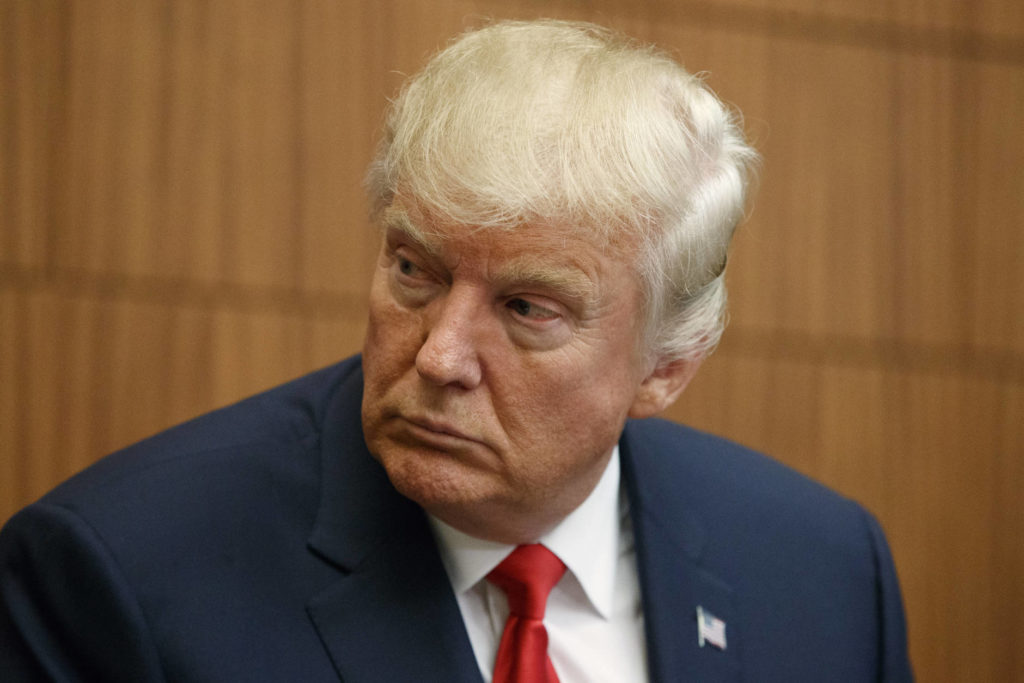
Women voters in swing states are expressing deep disgust about Republican presidential nominee Donald Trump‘s assertion that an old tape featuring him talking about groping women amounted to “locker room talk” and not sexual assault. But interviews with several dozen on Monday show Trump’s latest actions, including bringing women who have accused former President Bill Clinton of sexual harassment or rape to Sunday’s debate, did little to sway their opinions about the presidential contest. Many Republicans and independents said they already weren’t going to support Trump, but weren’t convinced to vote for Hillary Clinton. Some said they wouldn’t vote at all or would choose Libertarian candidate Gary Johnson. “It didn’t surprise me that it came from him. It makes it even more shameful that there’s a possibility that he would represent the United States,” said Chris O’Rourke, a New Hampshire voter who doesn’t identify with a political party. But, she added, “I’m not a fan of the Clintons. … I don’t know if I’m going to vote.” In the 2005 recording released Friday, Trump is heard saying he can grab, kiss and “do anything” with women because he is famous. On Sunday he denied that he’s ever grabbed women without their consent and again characterized the comments as “locker room talk.” Prior to the debate, he met with three women who have accused Bill Clinton of harassment or rape. The former president never faced criminal charges in relation to the allegations, and a lawsuit over an alleged rape was dismissed. He did settle a lawsuit with one of the women who claimed harassment. Trump was already struggling with women voters, while Clinton is looking to run up her margins with them to make up for her challenges among men. Among registered voters, women were more likely than men to say they’d be afraid if Trump were elected, 60 percent to 52 percent, according to a recent Associated Press-GfK poll released before the tape of Trump came to light. They were more likely to say he’s not at all civil, 54 percent to 49 percent, or compassionate, 58 percent to 50 percent. And 51 percent of women said they planned to vote for Clinton compared to 34 percent for Trump. The 2005 tape prompted a stream of elected Republicans, including Sens. Kelly Ayotte of New Hampshire and Rob Portman of Ohio, to denounce their party’s nominee. But many women voters said the tape shouldn’t have been surprising. Debbie Manzanares, a Republican from Colorado, won’t cast a vote for Trump, but the tapes aren’t the reason. “If anyone’s surprised,” she said. “They haven’t been listening.” Marie Cote, of New Hampshire, is one voter who said the tape did sway her vote. Cote, 60, said she was on the fence about voting for Trump because she sees him as a “go-getter.” But she has five daughters, and Trump’s comments about grabbing and kissing women disturbed her. “It concerns me about what their future will be like if he’s president,” she said. Cote said she’s now leaning toward voting for Clinton but hasn’t decided, adding, “It is hard for women.” Cote said she thinks it’s fair game for Trump to link Hillary Clinton to her husband’s infidelities: “She must’ve known he was a womanizer.” Still, some female voters said they planned to vote for Trump despite being appalled by his latest remarks. Susan Broadwell of New Hampshire, who wore a “Nobody for President” shirt as she grocery shopped, said some of Trump’s behavior is “distressing, to say the least.” But she said Trump’s words pale in comparison to some of Clinton’s actions, particularly her response to the 2012 attack that killed four Americans in Benghazi, Libya. Broadwell, 56, met Trump at a rally in New Hampshire earlier this year. She said she appreciates that he is the same person in public and in private. “I’m willing to see what he can do,” she said. But others said they’ll vote for Johnson because they dislike Clinton and Trump so deeply. Cynthia Isom of Pennsylvania said the recording reveals Trump’s true thoughts on women and that she felt he was trying to intimidate Clinton in Sunday’s debate. “I just can’t look in the mirror and say I voted for either one of them,” she said. Democrats like Anne Green of Pennsylvania wonder how any women could vote for Trump at this point. “If any woman votes for Trump, they’re out of their mind, but I do know a few people who are,” she said. Republished with permission of the Associated Press.
Donald Trump in ’93 on women: Lucky I don’t have to run for office
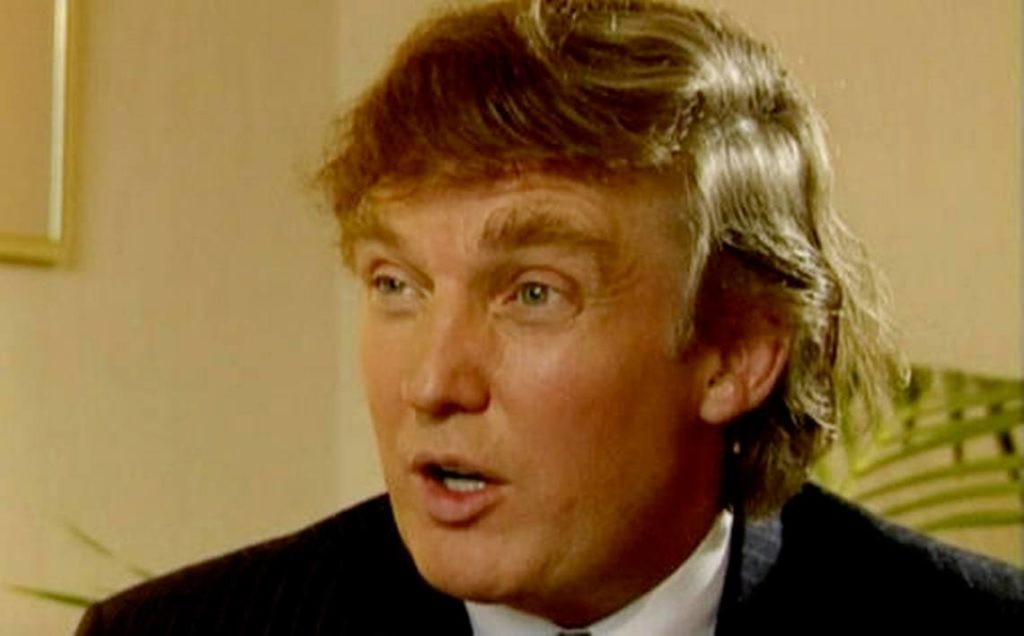
A 23-year-old video interview unearthed in New Zealand shows Donald Trump talking about his womanizing image and saying it was fortunate that he didn’t have to run for political office. The video was released Monday by New Zealand’s TV3, which conducted the 1993 interview with Trump, now the U.S. Republican presidential nominee. At the time, Trump was making an ultimately unsuccessful bid to start a casino in New Zealand. In the video, interviewer Owen Poland asks Trump: “On a more personal level, a lot of people have this image of you as a high-rolling tycoon associated with glamorous women. Is that the sort of image you enjoy of yourself?” Trump responds: “No, I don’t enjoy that image. I guess I have that image. I think women are beautiful, I think certain women are more beautiful than others, to be perfectly honest. And it’s fortunate I don’t have to run for political office.” On Friday, a 2005 tape was released in which Trump bragged about kissing women and grabbing their genitals without their consent. During the second presidential debate in St. Louis on Sunday, Trump repeatedly called his comments “locker room talk.” The New Zealand television station’s Newshub newsgathering division on Monday released just the 30-second back-and-forth with Trump and not the full 1993 interview. In an interview with The Associated Press, Poland, now a freelance journalist and media trainer, said he recalls Trump being open about his personal life during his visit. “It’s funny how 23 years later a one-liner like that, which is what it is really, kind of comes back and bites you … ,” Poland said. New Zealand’s Prime Minister John Key weighed in, describing Trump’s 2005 comments as “indefensible.” Asked about the New Zealand video, Key said he hadn’t seen it but had heard about it, and added: “It’s all on a bit of consistent theme, really, isn’t it?” Republished with permission of the Associated Press.
Some of Donald Trump’s most insulting comments about women
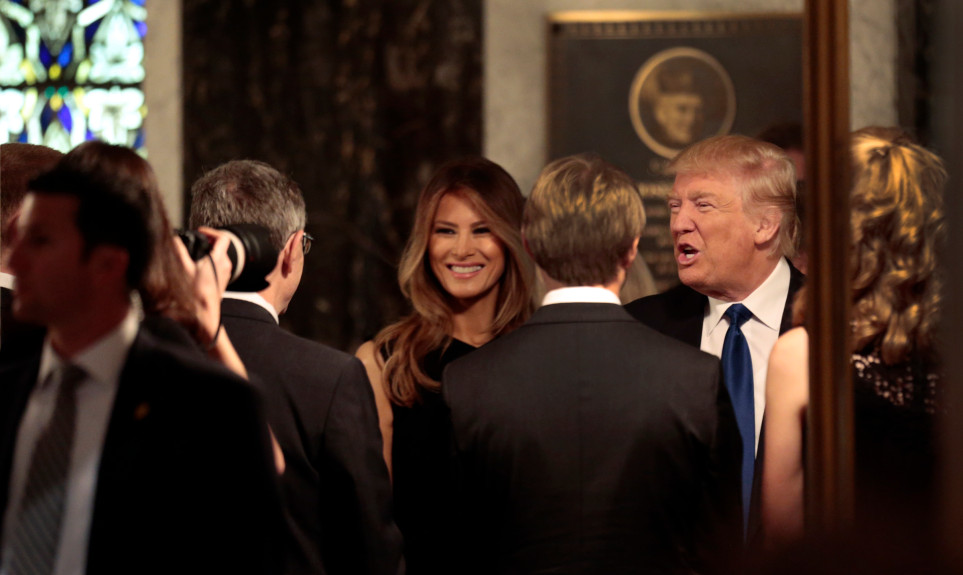
The footage of Donald Trump released Friday in which he brags about aggressively groping women and trying to seduce a woman who is not his wife is the latest example of lewd and sexist comments made about women by the billionaire businessman and former reality TV star. The comments threaten the viability of the Republican nominee’s campaign for president. Here is a look at some of the other past comments Trump has made about women. ___ “When you’re a star, they let you do it. You can do anything.” He adds seconds later: “Grab them by the p—-. You can do anything.” — Trump in a previously unreleased recording made by “Access Hollywood” in 2005, published Friday by The Washington Post and NBC News. ___ “If Hillary Clinton can’t satisfy her husband what makes her think she can satisfy America #MakeAmericaGreatAgain.” — Trump tweeted in April 2015. He later deleted the post. ___ “It must be a pretty picture, you dropping to your knees.” — Trump to a female contestant in 2013 on an episode of “Celebrity Apprentice.” ___ “Did Crooked Hillary help disgusting (check out sex tape and past) Alicia M become a U.S. citizen so she could use her in the debate?” — Trump tweeted in September 2016. He was referring to former Miss Universe winner Alicia Machado, whom he publicly shamed for gaining weight when he owned the contest. ___ “It’s certainly not groundbreaking news that the early victories by the women on ‘The Apprentice’ were, to a very large extent, dependent on their sex appeal.” — Trump wrote in his 2004 book, “How To Get Rich.” ___ “All of the women on ‘The Apprentice’ flirted with me — consciously or unconsciously. That’s to be expected. A sexual dynamic is always present between people, unless you are asexual.” — Trump, also from “How To Get Rich.” ___ “You could see there was blood coming out of her eyes. Blood coming out of her wherever.” — Trump in an interview with CNN in August 2015, referring to Fox News Channel anchor Megyn Kelly. ___ “Look at that face! Would anyone vote for that? Can you imagine that, the face of our next president? I mean, she’s a woman, and I’m not s’posedta say bad things, but really, folks, come on. Are we serious?” — Trump in a September 2015 interview with Rolling Stone, speaking about then-primary rival Carly Fiorina. ___ “It doesn’t really matter what (the media) write as long as you’ve got a young and beautiful piece of ass.” — Trump in an interview with Esquire Magazine in 1991. ___ “A person who’s flat-chested is very hard to be a 10, OK?” — Trump in an interview with shock jock Howard Stern in September 2005. ___ “I saw a woman who was totally beautiful. She was angry that so many men were calling her. ‘How dare they call me! It’s terrible! They’re all looking at my breasts.’ So she had a major breast reduction. The good news: Nobody calls her anymore — nobody even looks — and not only that, it was a terrible job.” — Trump to Stern in 2008. Republished with permission of the Associated Press.
Birmingham ranks among Top 3 U.S. cities for women to start a business

Across the Yellowhammer State, women are taking the lead in business ownership. At last count, women owned more than 153,000 businesses throughout Alabama. In fact, according to the sixth annual State of Women-Owned Businesses Report, those businesses employ over 111,000 Alabamians and generate nearly $19 billion into the state’s economy. The growing number of women-owned businesses in Alabama is part of a national trend. Recent data from SCORE shows women-owned businesses are growing 1.5 times faster than the national average, and the trend particularly benefits female business owners of color. A National Women’s Business Council study found Hispanic and black women are dramatically outpacing their Asian and white counterparts in business ownership. And according to a recent survey by Thumbtack, a local services marketplace that connects customers with skilled professionals, Birmingham is among the best cities in the nation for women to start a business. Ranked No. 3, Birmingham outshines it nearby neighbors Lakeland, Florida at No. 5, and Atlanta, Georgia, ranked No.8. Alabama came in as the No. 6 best state overall for women to start a business. To conduct the survey, Thumbtack analysts studied proprietary marketplace data to determine places where women are most optimistic about their prospects (i.e., where they’re happiest running a business) and surveyed over than 20,000 female professionals and business owners from across the country to determine the places where women are happiest running a business. The survey focused on sentiment, pay, and state/city friendliness toward female-owned businesses. Click here to view the full report.
