As we approach the end of a year filled with an unprecedented global pandemic and seemingly ceaseless campaign coverage, it is more important than ever that Congress closes this session strong and puts our nation in a stable position to handle the coming year. However, as it stands, many rural states like Alabama may be looking at a long road ahead.
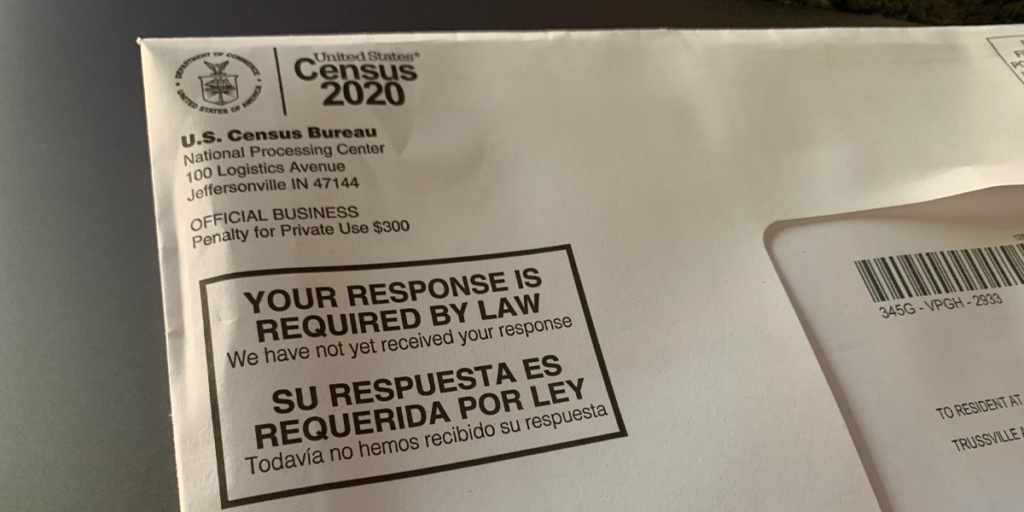
While television and phone screens across the nation have been flooded with real-time updates on COVID-19 and this year’s election, another major development that has a direct impact on all of us, the U.S. Census, has been mostly overlooked. With lawmakers finding their way back to Washington for the next few weeks, though, addressing issues with this year’s Census needs to be among their top priorities.
That is because, when a court ruling brought the Census counting process to an abrupt end in October, those responsible for checking and verifying the data were only given until December 31 to report their findings, despite the fact that this process normally takes about five months. Of course, verifying that the results are accurate is especially difficult this year, given the challenges that Census officials faced in collecting responses due to the pandemic and harsh coastal weather conditions.
In cases when a person or a household does not fill out a response form for the Census, officials normally go to visit them to ask questions in-person. This year, however, opportunities for in-person discussions were limited due to concerns about COVID-19, and these workers were instead forced to fall back on information contained in government documents and administrative records, which are less reliable and could very well be out-of-date, especially in more rural states like Alabama where communities can be harder to reach. Alabama, for example, had more than 35 percent of its responses enumerated in these types of “Nonresponse Follow-up.”
With these challenges, Census officials have now publicly recognized that it is unlikely the current reporting deadline is feasible to meet. As they close out the year, lawmakers should heed the words of these Census workers, and pass legislation giving them more time to report their findings.
If they do not pass a bill extending the deadline for reporting Census results, there is a significant chance that rural and agricultural states like ours could be undercounted. Given that the Census directs billions in federal dollars each year, the potential ramifications are enormous.
For example, research indicates that if Alabama’s population is undercounted by even one percent, we will lose almost $40 million in just jobs programs, healthcare, and education funding. The total costs would no doubt go even well beyond that though, as Alabama received a total of more than $13 billion in Census funding in 2016 alone. That is money we’ve been paying through our taxes, and we deserve for it to help our communities, not some large coastal state that had a more accurate Census tally.
Some lawmakers have recognized how serious this issue is for rural Americans, and are working to help. Senator Dan Sullivan (R-AK) has introduced a bill called the 2020 Census Deadline Extensions Act to push back the Census reporting deadline and has since gained support from other prominent Senate Republicans like Senators David Perdue (R-GA) and Steve Daines (R-MT). Now, I hope Senator Richard Shelby joins them in making sure our state does not miss out on important federal funding.
It may not have received the same level of attention as the other major stories this year, but the 2020 Census is a vital process for ensuring good governance is possible, and those who have been working on it deserve the opportunity to do it right. As of now, the best way to guarantee that is by extending the reporting deadline past the end of the year.
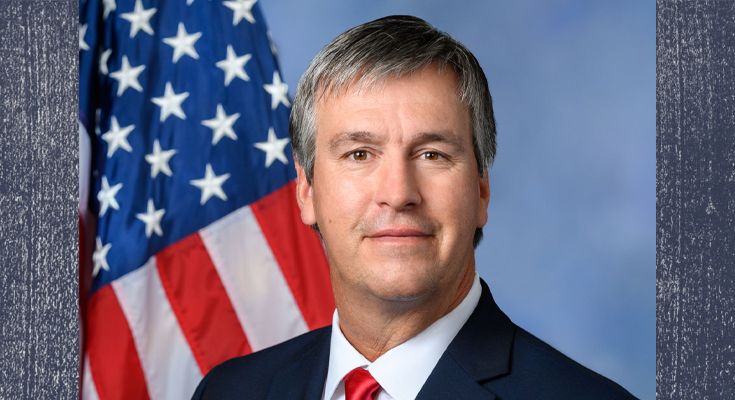
Russell Bedsole recently won the special election for Alabama State House District 49.
Related
Share via: