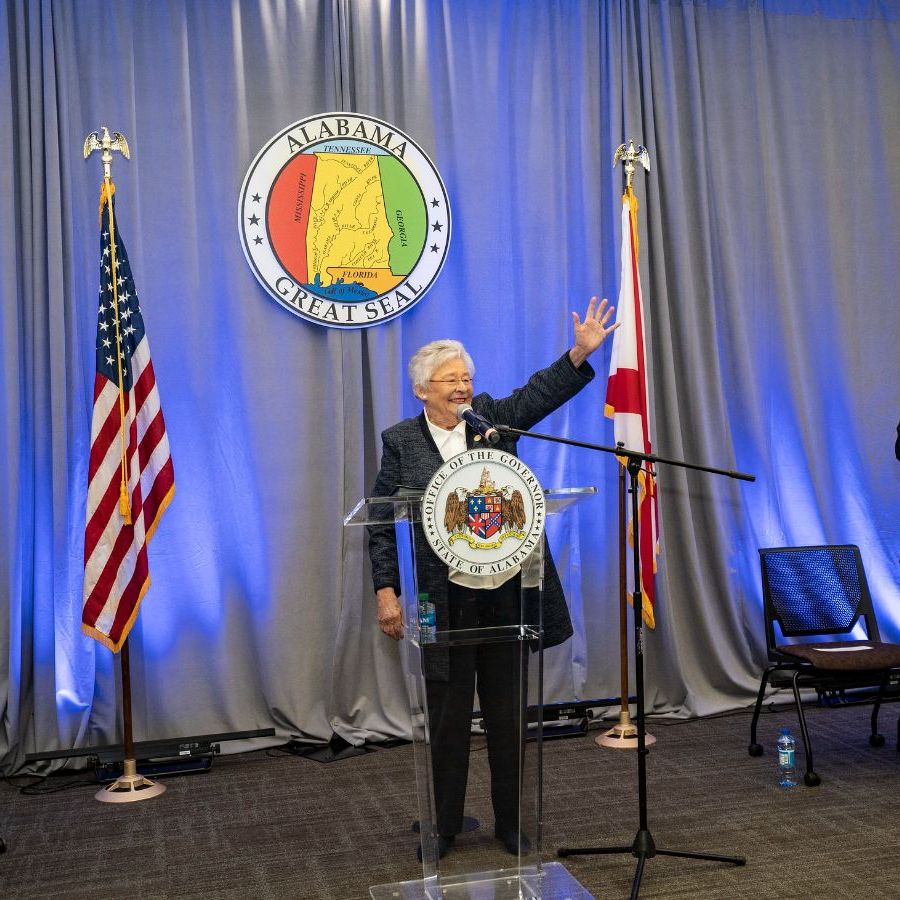
Alabama Governor Kay Ivey on Thursday issued a statement voicing her support for ratification of Aniah’s Law.
Amendment one would allow judges to deny bail to violent criminals with a history of violent and anti-social behavior. It is named for college student, Aniah Blanchard, who in 2019 was kidnapped, raped, beaten, and brutally murdered by a violent felon who was out on bond awaiting trial for kidnapping.
“Three years ago this week, the nation watched as Alabama learned the beginnings of an unjust tragedy that never should have taken place,” Gov. Ivey stated. “While we prayed for a different outcome, Aniah Blanchard’s untimely death revealed flaws in the judicial system. It is past time we fix those issues, but because of the unwavering dedication of Aniah’s family and the unanimous support by the Alabama Legislature, Amendment One, also known as Aniah’s Law, will be on the ballot this November. I encourage every Alabamian to join me in voting yes on Aniah’s Law to ensure no family would have to go through the pain of preventable tragedy. Public safety is a top priority, and Aniah’s Law won’t just bolster public safety, but also, honor and allow for Aniah to redefine Alabama’s judicial system to help save lives across the state.”
The 1901 Constitution of Alabama, which is the oldest state constitution still in current use, is the longest constitution in the world. It has been frequently amended over the last 121 years, and an amendment requires passage both by a supermajority of both Houses of the Alabama Legislature and an affirmative vote by a vote of the people.
If voters pass Amendment One, judges would be able to deny bail to a person charged with a violent felony following a hearing. This power would be extended to 13 first-degree offenses, including murder, assault, kidnapping, rape, sodomy, domestic violence, human trafficking, burglary, arson, robbery, sexual torture, terrorism, and aggravated child abuse.
A no vote on Amendment One would mean that the law would stay as it is now, and Alabama judges will continue to have limited authority to deny bail to violent offenders unless the suspect is charged with a capital offense or poses a flight risk.
There are numerous such proposed constitutional changes on this year’s election ballot.
In addition to the amendments, three political parties: the Republicans, the Democrats, and the Libertarians, are vying for control of state government. A voter can pick which of the three they want to run state government. Alabama is one of six states (Alabama, Indiana, Kentucky, Michigan, Oklahoma, and South Carolina) that allows straight-ticket voting.
Voters can also choose which candidate they want for each elected office and work their way all the way down the ballot. Ivey is running for a second term as Governor of Alabama. She faces Democratic nominee Yolanda Flowers and Libertarian nominee Dr. James “Jimmy” Blake.
To connect with the author of this story, or to comment, email brandonmreporter@gmail.com.
Related
Share via: