
State auditor Jim Zeigler says if BP bill fails, special session will be ‘complete waste’

The Alabama Legislature returns Tuesday to continue a special session, which began last month. In July, Gov. Robert Bentley called the special session to consider a lottery to fund state’s perennial budget shortfall. Lawmakers have also used the session to mull over what to do with the state’s allotment BP settlement funds. While the lottery plan failed to pass before an Aug. 26 deadline to have it included on the November general election ballot, when lawmakers return Tuesday they will still have three days to finalize what to do with BP settlement funds before the end of the special session. The BP settlement plan, if enacted, it will apply $448 million to repay state debts and nearly $200 million to Baldwin and Mobile counties, which were directly impacted by the 2010 Deepwater Horizon BP oil spill in the Gulf of Mexico. State Auditor Jim Zeigler has taken an otherwise quiet news day to remind Alabama’s lawmakers what’s at stake in the final days of special session. “If a compromise bill to allocate $850 million in BP settlement funds is not enacted, the current special session will be a complete waste of taxpayers’ money,” Zeigler said in a Labor Day news release. According to Zeigler, the special session is costing taxpayers roughly $350,000. “The governor did not do his homework on the lottery bill, and it was a badly flawed bill. The lottery bill died in the state Senate,” Zeigler said. “That leaves only the BP bill to keep the session from being a total failure. Even if the BP compromise passes, that could have been done in the regular session — and almost was.”
What will the Alabama Legislature tackle in the final three days of special session?
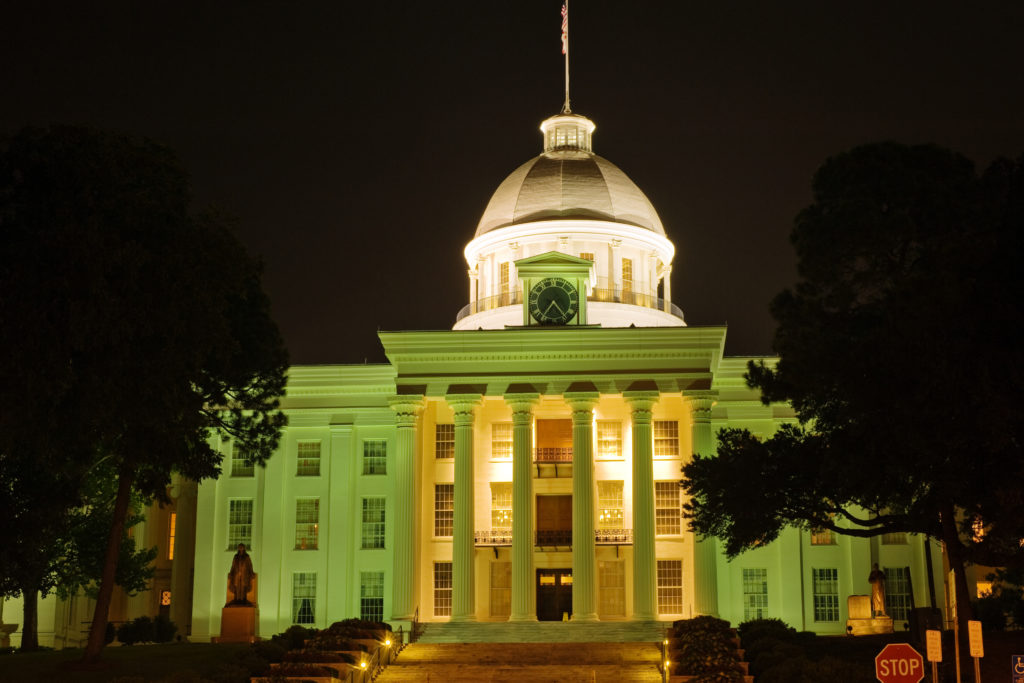
After an 11th-hour Hail Mary attempt to save it, Gov. Robert Bentley‘s proposed state lottery failed in the Alabama Senate Friday night. Bentley called the special session in July and tasked lawmakers solely with considering a state lottery. After a week of back-and-forth on various bills, Senators voted 23-7 to reject changes the Alabama House of Representatives made to the bill. The bill’s sponsor, Sen. Jim McClendon, on Friday proclaimed the legislation is “dead” for the special session. “It’s over,” he said. In the wake of the lottery bill’s failure, both chambers adjourned until Sept. 6. Meanwhile, Alabama Medicaid continues to face an $85 million shortfall in funding — an issue expected to be fixed with the BP settlement bill. In the first week of special session, the House of Representatives cleared a major hurdle in approving a bill to use the state’s settlement funds from the 2010 Deepwater Horizon BP oil spill in the Gulf of Mexico to pay debts and build roads in south Alabama. Lawmakers approved the bill 88-10. Whether or not that bill will clear the Senate remains to be seen. When the special session resumes after Labor Day, lawmakers will only have three days to land on a solution to a lottery and the issue of what to do with BP settlement funds. Bentley has not ruled out the possibility of another special session to bring the lottery back up as a permanent fix.
Presumed dead state lottery comes back to life, passes Alabama House
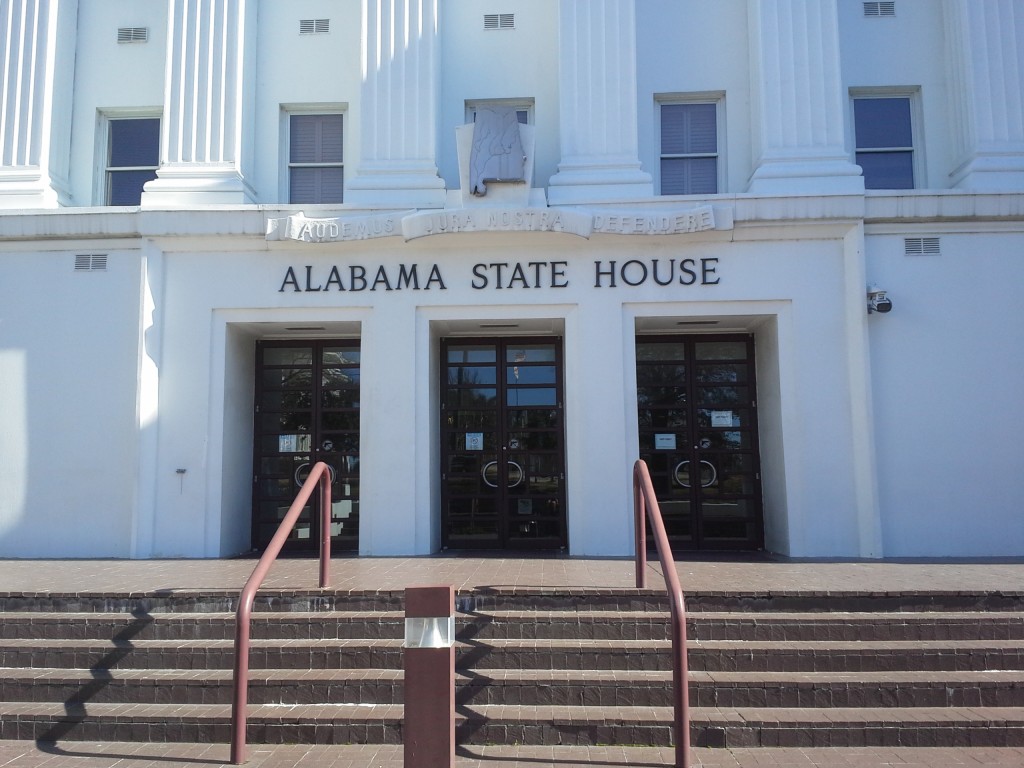
In the dead of night, the state lottery bill came back to life. After a constitutional amendment to establish a state lottery fell two votes shy of the number required for approval, the bill was presumed dead Thursday evening. With no clear path to passage, and a looming Friday deadline for the amendment to appear on the Nov. 8 general election ballot, lawmakers in favor of the bill began a series of long-shot resuscitation efforts to bring the bill back to life. Remarkably, their efforts worked. In an unbelievable of series of votes, supporters of the lottery managed to revive the amendment around midnight and pass it, 64-35, with just one vote more than was needed. Three Democrat representatives — Selma’s Darrio Melton, Hayneville’s Kelvin Lawrence and Grand Bay’s David Sessions — crossed the aisle to make passage possible. “I would like to thank the Democrats and Republicans for coming together and showing bipartisan leadership,” Gov. Robert Bentley said Friday morning. “I would just like to say that I appreciate what they did and what they did for the people of this state.” The amendment’s future is still not finalized, as it must now head back to the Alabama Senate for final approval, where senators must decide whether or not to go along with mostly minor House changes to the legislation they passed last week. But for the time being, the lottery bill is still alive.
Ala. State Sens. Dick Brewbaker, Paul Bussman resign from Republican Caucus
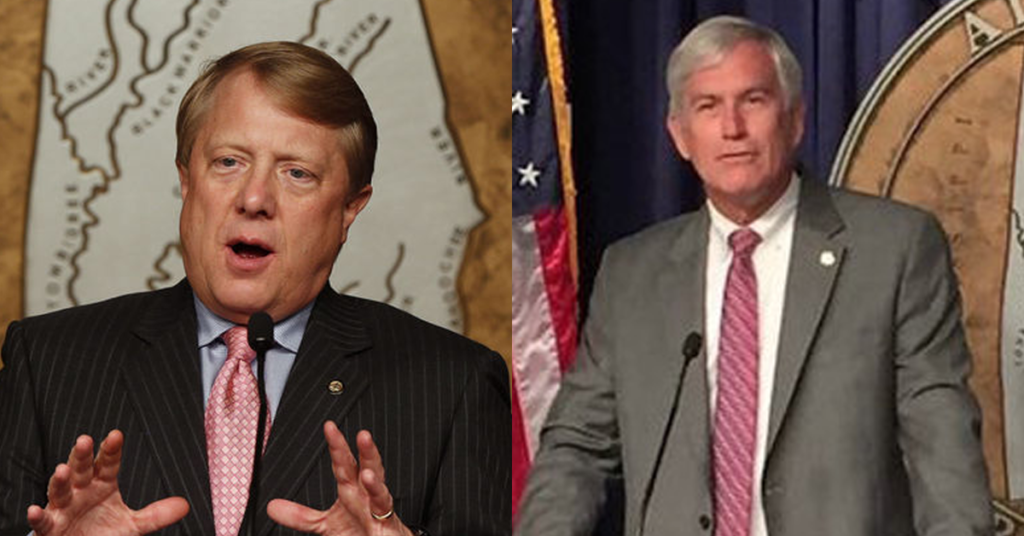
Montgomery State Sen. Dick Brewbaker has resigned from the Alabama Senate Republican Caucus. The two-term Republican, who announced in November he does not plan to seek re-election in 2018, resigned Friday to protest the way various lottery proposals have been handled in the current special session of the Alabama Legislature. Monday, Brewbaker said he assumes his resignation means he will lose his seat as chairman of the Senate Education and Youth Affairs Committee. Brewbaker was joined by Cullman State Sen. Paul Bussman. Both lawmakers have said they remain Republican, but have sent formal letters to Senate leadership withdrawing from the majority caucus. “In order for the Alabama Senate to operate fairly, we have set rules by which all members must abide,” Bussman said in a Facebook post Tuesday explaining his resignation. “This organized process is crucial to a fair and transparent government. It is when these rules are not followed that the breakdown of the system occurs. The process broke down last week when these rules were violated. These rules cannot be used when convenient and discarded when it is inconvenient.” Bussman continued, “I can no longer sit back and ignore the actions of the Alabama Senate Republican Caucus leadership which are misguided, unequally applied, punitive and divisive. As a result, the caucus has made a significant shift in priorities since 2010. In order for us to be successful in Alabama, we cannot return to the old ways of doing business. We are expected to do better and we must do better.” Despite the defections, the GOP will still hold the supermajority in the Alabama Senate with 24 members. There are only eight Democrats and one independent.
Alabama House approves BP oil spill settlement split

The Alabama House of Representatives cleared a major hurdle Thursday, approving a bill to use the state’s settlement funds from the 2010 Deepwater Horizon BP oil spill in the Gulf of Mexico to pay debts and build roads in south Alabama. Lawmakers approved the bill 88-10. The plan, devised primarily by Ozark Republican and Committee Chairman Steve Clouse, calls for the state to create a $639 million bond issue and apply the BP payments to pay off the bonds. Under the plan, $450 million of the settlement would be used for debt repayment and nearly $200 million would go toward road projects in coastal counties. The bill now moves to the Alabama Senate.
Lottery bills get first test in Alabama Legislature
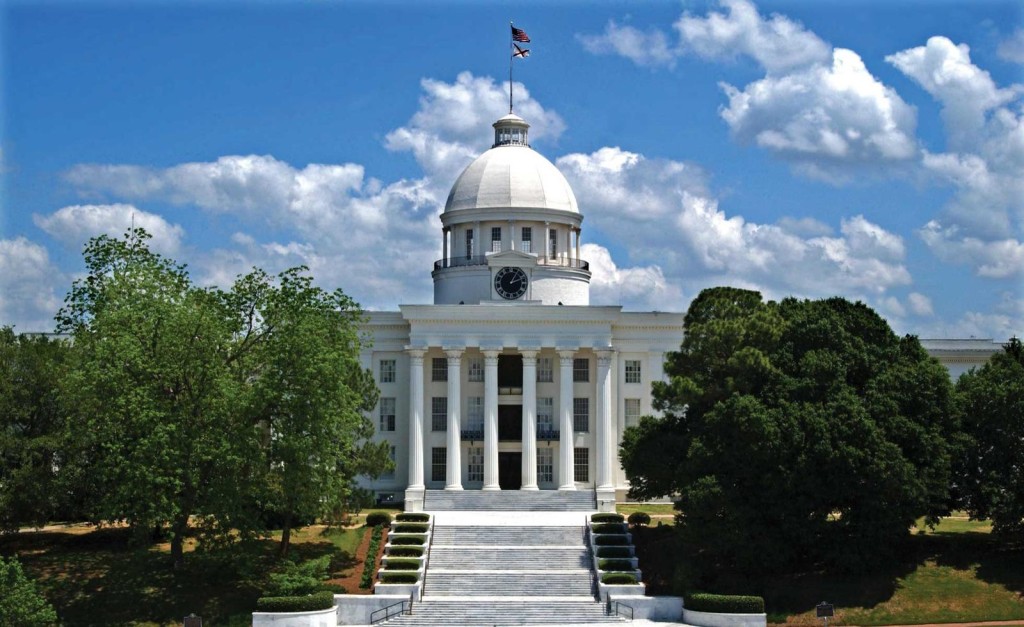
Lottery bills are getting their first test with Alabama lawmakers. The Senate Tourism and Marketing Committee is meeting Tuesday morning for public hearings on five different lottery bills. The committee could vote as soon as Tuesday afternoon. The proposals up for debate include Gov. Robert Bentley‘s plan to set up a lottery to fund Medicaid. However, lawmakers have introduced several rival proposals. One would also allow electronic lottery terminals, which can resemble slot machines, at four state dog tracks, and seek a compact with the Poarch Band of Creek Indians. Another bill would limit a lottery to multistate games, such as Powerball, to save administration costs. Alabama is one of six states without a lottery. However, lawmakers say the bills face an uncertain outlook in the special session. Republished with permission of The Associated Press.
Alabama Legislature 2016 special session preview
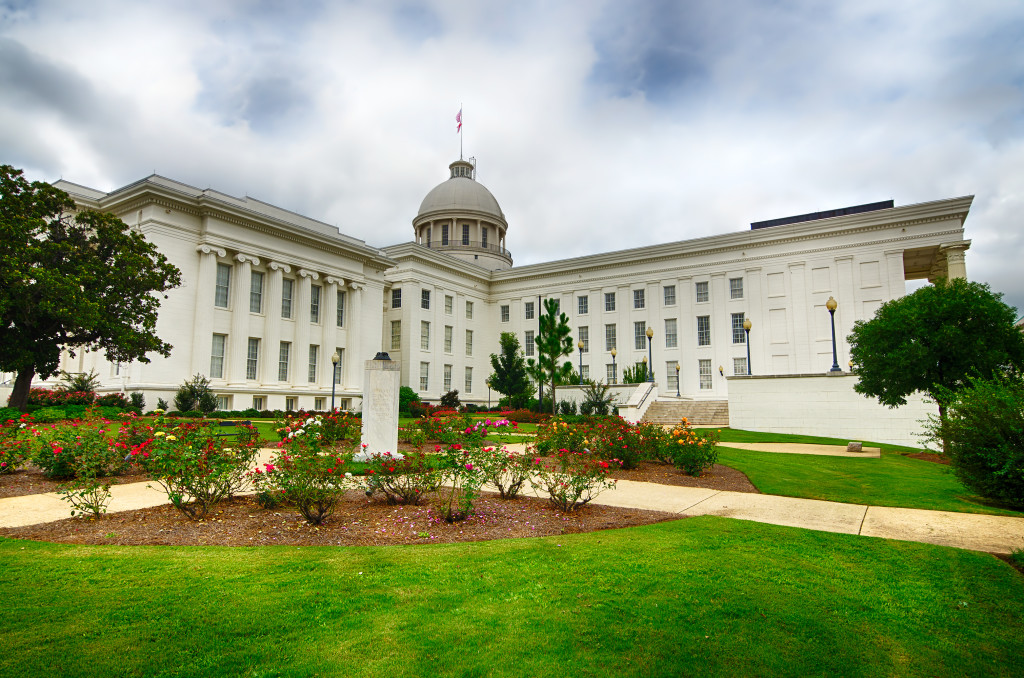
A topic that has long divided the Alabama Legislature will take center stage Monday when lawmakers return to Montgomery for a special session called by Gov. Robert Bentley last month. Starting 4 p.m. Monday, lawmakers will begin to consider the fate of a state lottery as a solution to the state’s perennial budgetary shortfall. The state last considered a lottery in 1999, under Gov. Don Siegelman, when it was voted down. In order for a lottery proposal to make it on the general election ballot Nov. 8, the Legislature would need to approve it no later than Aug. 24. Friday, Bentley announced he’d also allow the Legislature the opportunity to address the allocation of the state’s BP settlement, but he wasn’t optimistic lawmakers could come to an agreement on how to use the funds. In the regular 2016 session, spending proposals fell apart over a disagreement between northern and southern Alabama lawmakers over how much money should be spent on state debt versus road projects in south Alabama. But before any of the policy proposals are considered, the Legislature will name the new Speaker of the House — a vacancy created after former House Speaker Mike Hubbard was convicted in June of 12 felony counts of public corruption. “This call [for a special session] is designed for the Alabama Legislature to address adequate support of essential state services including children, the elderly, people with mental illness and support for men and women in law enforcement,” Bentley said. “A primary focus of this special session is for legislators to allow the people within their district the right to vote on a statewide lottery. I am looking forward to working with lawmakers over the next few days as we address legislation that is simple, clean and transparent.” Updated at 8/15/16 at 12:25 p.m. with statement by Gov. Bentley.
Jim Zeigler asks House committee to meet, present impeachment article to Robert Bentley

State Auditor Jim Zeigler has asked the Alabama House Judiciary Committee to report at least one impeachment article against Gov. Robert Bentley when the Alabama Legislature returns Aug. 15 for a special session. Zeigler will release a copy of the request to the committee in a speech and news conference noon, Tuesday, Aug. 9 at the Wetumpka Rotary Club. Read Zeigler’s official request below: I ask that you schedule a meeting of the House Judiciary Committee before or during the early stage of the August 15th special session. The purpose would be to consider at least one article of impeachment against Gov. Bentley. This would allow the full House to take up impeachment in the special session. There is widespread discouragement among Alabama citizens about the impeachment proceedings. Many believe that the impeachment proceedings are not moving ahead. The people want the air cleared on the Bentley administration sooner rather than later. If an impeachment resolution is not reported out of your committee in time for consideration in the special session, it would likely mean that the full House would not take up impeachment until the February 7 regular session. That is simply too long to let this sore fester. I do not buy the notion that a committee consideration of impeachment at all deliberate speed is not doing it right. Nor do I buy that a slow process like the one now being done is a correct and deliberate process. Slowness does not mean doing it right and a speedy hearing does not mean doing it wrong. Please let me know if you will schedule a meeting of the judiciary committee to consider one or more impeachment articles. Thank you. Jim Zeigler, Citizen
Phil Williams: It’s time for fundamental budget reform

A few nights ago I watched in tense disbelief as a man jumped from an airplane at 25,000 feet without a parachute! As an Army Paratrooper, I never exited a plane without both a main chute and a reserve. This man jumped from almost five miles high into a net without either. It was an incredible feat of skill and daring with no chance of a do-over. The jumper had to get it right the first time. Let me use that as an analogy to discuss the coming special session of the Alabama Legislature: we need to come in the door of the Statehouse and stick the landing. Let’s nail the net the first time. Our state is one of only three in the nation that bears the self-imposed load of having two budgets (Education and General). Every year we find ourselves in the throes of an annual political Kabuki dance called budget negotiations that usually involve the tense discussions of surplus funds in the Education budget versus shortfalls in the General Fund. By law, nearly all of the growth revenues that go up with a good economy benefit only the Education budget, while generally flat revenues go to the General Fund. Too often, the General Fund is like Oliver Twist, an orphan child forced to beg for more or go hungry. Yet, I recognize the valid concern that if the budgets were combined, the two runaway expenditures in the General Fund (Medicaid and Corrections) could eat education alive. It does not need to be this way. Each budget is vital to our state’s interests. Public education is the backbone of our economy and a vital link between Alabamians being free of dependency on the state and able to thrive in the workforce. Likewise, the General Fund supports vital services like State Troopers, Mental Health, Medicaid, Prisons, the National Guard, and thousands of state employees. Neither budget can survive in a state that does not care for both. I recently met with the leadership of both the House and the Senate to propose what I simply call “the Two-Step Plan”. This plan combines fiscal reform with the potential for increased revenues gained by a lottery. And the entire plan engages the people of this great state by giving them the final say in the form of a vote. To be clear, I have never been a fan of lotteries. I don’t think it is wise stewardship to see games of chance as an all-encompassing solution to our budget woes. But if a solid lottery bill came before me that was tightly governed, expressly disallowed the expansion of casino gaming, benefited the General Fund, and was voted on by the people, then I would not work against it. I am a fiscal hawk, and firmly believe that we must fix the broken manner in which revenues are distributed within our multi-budget structure. The Two-Step plan proposes to pass separate but linked pieces of legislation. The first is a version of what was proposed by my colleague Senator Paul Sanford during the 2015 Regular Session that establishes one fund into which all revenues are deposited. From that fund the revenues would be allocated to the two budgets, 76% to the Education Trust Fund and 24% to the General Fund. The second bill would be a lottery whose revenues are collected and deposited into the same fund and divided in a like manner. Each of the two bills must first pass the Legislature, and then both must also pass a majority vote of the people. If one bill fails, they both fail. Those who want fiscal reform must engage the lottery issue, and those who advocate for a lottery must accept long-term budget reform. In the end, the people of this State will decide the ultimate outcome. Budget analysts have indicated that enactment of the Two-Step Plan could see a net increase of over $200 million to the General Fund and almost $100 million to the Education Trust Fund. At that point, discussions of moving revenues between the budgets would be unnecessary. Likewise, any concerns that purists have of a future consolidation of the two budgets would also be over. As the Chair of the Senate Committee on Fiscal Responsibility, I believe that this plan is very doable. It allows everyone to have a say in the process, achieves true budget reform, and ends the lottery debate forever. If this budget plan fails at the polls, then the people will have spoken, and we will return to austerity measures and face the inevitable debate of future taxes. This proposal is bold, audacious, and its time has come. The special session is upon us. Let’s stick the landing! ••• Phil Williams represents Etowah, Cherokee, Dekalb and St. Clair counties in the Alabama Senate. Follow him on Twitter for the latest legislative updates: @SenPhilWilliams.
Jim Zeigler questions Robert Bentley’s lottery special session
Alabama State Auditor Jim Zeigler is asking questions about Gov. Robert Bentley‘s Wednesday announcement of a special session of the Alabama Legislature to consider a statewide lottery. Bentley explained a lottery would raise roughly $225 million a year, revenue which could be applied to basic services such as ones that aid children, the elderly, the mentally ill, and law enforcement. A longtime critic of Bentley, Zeigler took the opportunity to question Bentley’s past decisions, referencing several recent incidents where he believes the governor has cost Alabama taxpayers millions. “Would there be safeguards to keep Bentley supporters from getting no-bid contracts with the lottery commission?,” Zeigler asked in a news release shortly after Bentley’s announcement. “Would there be safeguards to prevent Bentley insiders from landing $200,000-a-year jobs with expense accounts and luxury state cars? Would there be safeguards to prevent the revenues from being siphoned off for Bentley pet projects?” Zeigler announced last week a special session would cost Alabama taxpayers $350,000.
Robert Bentley calls special session for Alabama lottery
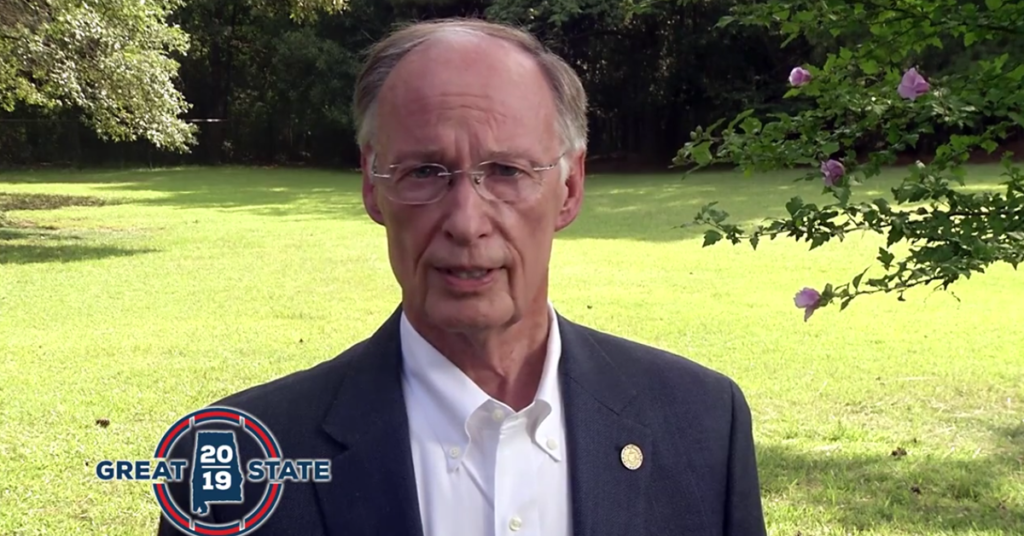
Alabama Gov. Robert Bentley is calling a special session of the Alabama Legislature solely tasked with considering a state lottery. Bentley announced the plan Wednesday morning in a video posted on his website where he says he wants lawmakers to approve legislation that would allow voters to decide whether to approve a constitutional amendment to allow a lottery. “Let’s hear from the people of this great state on whether the time has come to approve a statewide lottery to help fund essential state services for our children, our elderly, those with mental illness and those who are in most need, as well as the men and women in law enforcement,” Bentley said. BREAKING: We need your help solving our funding crisis.I’m giving you the opportunity to vote on a Statewide Lottery. https://t.co/BLzE3bOXLP — Gov. Robert Bentley (@GovernorBentley) July 27, 2016 Bentley explained a lottery would raise roughly $225 million a year, revenue which could be applied to basic services. “We must once and for all solve problems that have held our state back for decades,” Bentley explained. “The time has come for us to find a permanent solution …. This solution will provide funding that we can count on for year after year without ever having to raise your taxes or put one more band-aid on our state’s money problems.” In order for a lottery proposal to make it on the general election ballot Nov. 8, the Legislature would need to approve it no later than Aug. 24. Bentley did not announce a date for the session. Watch Bentley’s announcement below:
Del Marsh says Alabama lawmakers polled on lottery legislation
According to Alabama Senate President Pro Tem Del Marsh, Alabama lawmakers are being polled regarding their support for lottery legislation as Gov. Robert Bentley contemplates a special session of the Alabama Legislature later this summer or in early fall. Last week Bentley announced he’s still considering a special session to make up a shortfall in the state’s Medicaid funding — which fell short of the agency’s requested budget by $85 million — and that he anticipated an announcement soon on whether he would call said session. In the spring, lawmakers funded up to $700 million for Medicaid. The program requires at least $785 million to operate. A state lottery could potentially fund the budget shortfall. Several lawmakers have lottery bills in the works, including Gadsden-Democrat and House Minority Leader Craig Ford and Springfield-Republican Sen. Jim McClendon. Earlier this year, other lottery bills stalled in the Legislature under a mix of opposition to gambling, disagreements on how a state lottery should be structured and a push to include casino gambling. The bills failed to receive a floor vote in either chamber. Forty-four states have lotteries. Alabama is one of only six states without one, along with Mississippi, Utah, Nevada, Hawaii and Alaska. The state last considered a lottery in 1999, under Gov. Don Siegelman, when it was voted down.
