
Donald Trump filed for an extension on his 2016 tax return
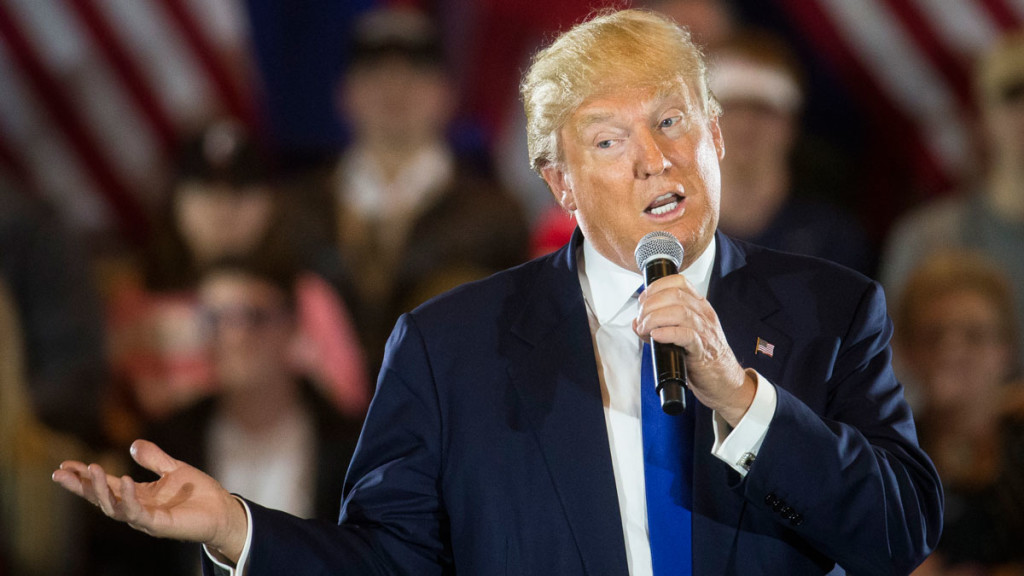
President Donald Trump filed for an extension on his 2016 tax return, the White House said Saturday. Press secretary Sean Spicer did not provide information on when Trump sought the extension or why. Tax Day this year was on April 18. The Internal Revenue Service allows individuals and businesses to apply for a six-month extension to get more time to file a return. An extension does not provide more time to pay taxes. As a candidate and as president, Trump has refused to release his tax returns, breaking a decades-long tradition. He has said he would release them when the Internal Revenue Service completes an audit – though experts and IRS officials said such audits don’t bar taxpayers from releasing their returns. The few Trump tax returns the public has seen weren’t released by him, but disclosed by news outlets. Two leaked pages of his 2005 return that came out in March didn’t include full details on income and deductions, but did show that he would have benefited massively by an elimination of the alternative minimum tax – a feature of his just-outlined tax plan. And three pages that surfaced last year showed he had claimed a $916 million loss on his 1995 return, which could be used to reduce his taxes by offsetting later gains. Republished with permission of The Associated Press.
Winners and losers in Donald Trump’s first budget plan

Military spending would get the biggest boost in President Donald Trump‘s proposed budget. Environmental programs, medical research, Amtrak and an array of international and cultural programs — from Africa to Appalachia — would take big hits, among the many parts of the government he’d put on a crash diet. The budget proposal out Thursday is a White House wish list; it’ll be up to Congress to decide where money goes. If Trump gets his way, there will be more losers than winners among government departments and programs. Some programs would tread water: WIC grants — money to states for health care and nutrition for low-income women, infants and children — are one example. Monday for states grants for water infrastructure projects would be held level as well. Some others would lose everything: Trump proposes to eliminate money for the Corporation for Public Broadcasting, the national endowments for the arts and the humanities and more than a dozen other independent agencies financed by the government. A sampling: WINNERS —The Pentagon. Trump proposes a 10 percent increase in the massive defense budget, adding $52 billion in military spending in one year top expand personnel, equipment and capability. Another $2 billion would go to nuclear weapons. —Veterans Affairs. Up 5.9 percent. That’s an additional $4.4 billion, driven by ever-growing health care costs. —Homeland Security. Up 6.8 percent. That’s $2.8 billion more. Most of the increase, $2.6 billion, would be to help kick-start Trump’s promised border wall. The president has repeatedly said Mexico would pay for the wall; Mexican officials are adamant that they won’t. Trump also wants an extra $1.5 billion for more immigration jails and deportations, and $314 million to hire 1,500 immigration enforcement and border patrol agents. —The National Nuclear Security Administration, which oversees the maintenance and safety of the nuclear arsenal and its research labs. The agency would grow by 11.3 percent, or $1.4 billion, so that it takes up more than half the Energy Department’s budget, which would shrink overall. —Opioid prevention and treatment: a proposed $500 million increase in the Health and Human Services Department to counter the epidemic and more money for the Justice Department to combat the problem. —School choice: $1.4 billion more to expand school choice programs, bringing spending in that area to $20 billion, even as the Education Department’s overall budget would be cut by $9 billion, or 13 percent. LOSERS: —EPA, facing a 31.4 percent cut, or $2.6 billion. The plan would cut 3,200 jobs at the agency, eliminate a new plan for tighter regulations on power plants, and “zero out” programs to clean up the Great Lakes and the Chesapeake Bay. —Health and Human Services, facing the largest cut in dollar terms: $12.6 billion, or 16.2 percent. The plan would cut $5.8 billion from the nearly $32 billion National Institutes of Health, the nation’s premier medical research agency, bringing its total to $25.9 billion. It’s not clear what research on diseases or disorders would lose the most money, although the budget plan specifically calls for elimination of a division that focuses on global health. Already, the NIH’s budget hasn’t kept pace with inflation over the last decade, making it dramatically harder for scientists around the country to win money for research projects into potential new treatments or better understanding of disease. —State Department and U.S. Agency for International Development. Down 28 percent, or $10 billion. Foreign aid would be reduced, as would money to the U.N. and to multilateral development banks including the World Bank. Some foreign military grants would be shifted to loans. —Labor Department. A more than 20 percent cut, or $2.5 billion. To be eliminated: a $434 million program that has helped more than 1 million people 55 and older find jobs, according to the department. The blueprint says the Senior Community Service Employment Program is inefficient and unproven. —Agriculture Department. A nearly 21 percent cut, or $4.7 billion, achieved in part by cutting land acquisition in the National Forest System, rural water infrastructure and statistical capabilities at the department. Trump also proposes reduced staff in county USDA offices, an idea that fell flat in Congress when President Barack Obama proposed a similar reduction. —Transportation Department. Trump proposes a cut of nearly 13 percent, or $2.4 billion. Amtrak, local transit agencies, and rural communities that depend on federal subsidies to obtain scheduled airline service would take the brunt. Trump would eliminate subsidies for Amtrak long-distance train routes, which would most likely mean the end of those routes since they are generally not profitable. Money for the Federal Transit Administration grant program for new light rail and subway construction would be eliminated except for multi-year projects the government has already committed to help fund. —Internal Revenue Service: After years of cuts, the IRS budget would be cut again — by $239 million from this year’s spending levels. The IRS budget is down about $1 billion from its height in 2010. Since then, the agency has lost more than 17,000 employees. As a result, the chances of getting audited have rarely been so low. —Commerce Department. A 16 percent or $1.5 billion cut. The plan would eliminate more than $250 million in National Oceanic and Atmospheric Administration grants, including a program that helps coastal communities adapt to climate change, deal with invasive species and maintain healthy water and fisheries. Also on the chopping block: the Economic Development Administration, which provides federal dollars to foster job creation and attract private investment; and the Minority Business Development Agency, which is dedicated to helping minority-owned business get off the ground and grow. The Trump administration says the two agencies duplicate work done elsewhere. —School programs: The plan would eliminate a $1.2 billion initiative that supports before- and after-school programs as well as summer programs. —Independent agencies supported by tax dollars. If Trump prevails, a hefty contingent of entities would lose all federal money and be shut. Among them, the public broadcasting corporation, the Appalachian Regional Commission, the Chemical Safety Board, the United States
IRS strikes back as agents make big dent in identity theft
The IRS strikes back: The tax agency reports that the number of identity theft victims plummeted last year after agents struggled for years to combat what has become a multibillion-dollar industry. The number of victims dropped by 46 percent, to 376,000, the IRS said. These taxpayers had their identities stolen by criminals who used their Social Security numbers and birthdates to obtain fraudulent tax refunds. The IRS stopped nearly 1 million fraudulent refunds from being issued last year. They totaled almost $6.6 billion, the agency said. “It’s a much more challenging time for the cybercrooks,” said Mark Ciaramitaro, vice president for retail tax products and services at H&R Block. “All of the easy paths have been closed.” Identity theft exploded from 2010 to 2012, and “for a time overwhelmed law enforcement and the IRS,” said John Dalrymple, deputy IRS commissioner for services and enforcement. At the IRS, it peaked in 2014, when the agency identified more than 766,000 victims. That same year, the IRS blocked 1.8 million in fraudulent refunds from being issued. They totaled $10.8 billion. “We’ve driven a lot of the fraud out of the system,” Dalrymple said. The IRS is a popular target for sophisticated identity thieves because the agency issues more than $300 billion in tax refunds each year. Several years ago, it was as simple as using another person’s Social Security number and birthdate to fill out a fake tax return claiming a big refund. If thieves filed the return early in the tax filing season — before the legitimate taxpayer — they could get refunds before the IRS received verifying financial information from employers, banks and brokers. To make it easier, thieves can get fraudulent refunds on prepaid debit cards that are not linked to bank accounts. “I think everybody got caught by surprise by how inventive the criminals were here,” Dalrymple said. “I don’t think it was just the IRS. I think in general, the whole idea of identity theft caught everybody by surprise.” Criminals can steal victims’ personal information from hospitals, doctor’s offices, universities, prisons — any entity that collects Social Security numbers and birthdates. In 2015, federal authorities broke up a massive identity theft ring in Alabama and Georgia that netted $10 million in fraudulent refunds. Among the victims: Soldiers injured in Afghanistan who were being treated at Fort Benning’s hospital. Last year, authorities broke up a ring in the District of Columbia that tried to obtain more than $20 million in fraudulent tax refunds. Among the victims: people in assisted living facilities, drug addicts and prison inmates. In recent years, the IRS has beefed up its computer filters to identity potential fake tax returns. If there are dramatic differences in a taxpayer’s return from year to year, it might get flagged for additional review. Two years ago, the IRS also teamed up with major tax preparers and state tax agencies to share information and improve security. Identity theft is “the No. 1 issue that the IRS talks to us about,” said Brian Ashcraft, director of tax compliance at Liberty Tax. “It’s been a huge focus.” Online tax preparers are working to better confirm the identity of their customers through stronger passwords and by using more than one way to verify them, said Julie Miller of Intuit Inc., which owns Turbo Tax. For example, after online customers enter a password, they might receive a text from the company with an additional code to enter. Congress has also given the IRS more tools to prevent criminals from getting fraudulent tax refunds. This year, employers are required to report wage information to the IRS by Jan. 31. In the past, most employers had until the end of March to report wage information, often long after refunds had been issued. Also, the IRS is now required to hold refunds until Feb. 15 for families claiming the earned income tax credit or the additional child tax credit. These credits are available in the form of payments to people who don’t make enough money to owe any federal income taxes, which makes them attractive to identity thieves. The provision, however, delays tax refunds for millions of low-income families. Tax preparers and the IRS said identity theft is still a major threat as criminals become more sophisticated. To combat it, they regularly share information about new threats and scams, especially during tax season. “This is not a time to celebrate,” said Ciaramitaro of H&R Block. “It’s not fixed but I think that cooperation has led to measurable improvement.” Graphic shows figures for tax identity theft since 2013; 2c x 3 inches; 96.3 mm x 76 mm Republished with permission of The Associated Press.
Donald Trump’s charity admits violating IRS’ self-dealing ban
President-elect Donald Trump‘s charity has admitted that it violated IRS regulations barring it from using its money or assets to benefit Trump, his family, his companies or substantial contributors to the foundation. According to a 2015 tax return posted on the nonprofit monitoring website GuideStar, the Donald J. Trump Foundation acknowledged that it used money or assets in violation of the regulations not only during 2015, but in prior years. The tax filing, first reported Tuesday by The Washington Post, doesn’t provide details on the violations. The filing’s release comes as the New York attorney general’s office investigates whether Trump personally benefited from the foundation’s spending, including several purchases detailed in reports by The Post. Questions sent via email to Trump’s transition team weren’t immediately answered Tuesday. The foundation’s admission in the tax filing isn’t the first time it has run afoul of laws and regulations governing charitable organizations. In October, the office of New York Attorney General Eric Schneiderman, a Democrat, ordered the foundation to stop soliciting donations after it was discovered that the charity had been accepting outside contributions without the proper New York state registration. The foundation also gave an improper $25,000 check to a political committee supporting Florida Attorney General Pam Bondi in 2013. Charities are barred from engaging in political activities, and the president-elect’s staff says the check he signed was mistakenly issued following a series of inexplicable clerical errors. Earlier this year, the Trump Foundation paid a $2,500 fine to the IRS over the check. Trump had intended to use personal funds to support Bondi’s re-election, his campaign said. At the time, Bondi’s office was fielding media questions about whether she would follow the lead of Schneiderman, who had filed a lawsuit against Trump University and Trump Institute. Scores of former students say they were scammed by Trump’s namesake get-rich-quick seminars in real estate. Bondi, who the AP reported in June personally solicited the $25,000 check from Trump, took no action against Trump University. Trump last week settled three lawsuits over Trump University days before the scheduled start of a fraud trial in California, agreeing to pay out $25 million with no admission of wrongdoing. Bondi, meanwhile, met with Trump in Manhattan last week and appears to be under consideration for an appointment in the Trump administration. Republished with permission of the Associated Press.
House vote on impeaching IRS chief possible next week
The House will vote as early as next week on a conservative effort to impeach IRS chief John Koskinen. But congressional GOP leaders still must decide how to avert a federal shutdown and finance federal efforts to contain the Zika virus, even as the approaching elections pressure them to avoid riling voters. After House Republicans met privately Wednesday for the first time since Congress returned from summer recess, leaders said GOP lawmakers would meet again next week to discuss their next steps on Koskinen’s impeachment. They said a House vote would come sometime after that. Conservatives have pushed for Koskinen’s removal since last year, saying he’s impeded their investigation of how the IRS treated tea party groups several years ago – before he led the agency. Others worry that with the effort certain to fail in the Senate should it get that far, it needlessly risks making the GOP look too partisan just before voters go to the polls. “Members are going to vote the way they want to vote on this,” House Speaker Paul Ryan, R-Wis., told reporters. But he added, “You have members on both sides of this.” The impeachment drive has prompted little enthusiasm among GOP leaders and is solidly opposed by Democrats. Even if the House votes to impeach Koskinen – the equivalent of formally charging him with a crime – the move is certain to go nowhere in the Senate, which has final say on removing an official from office. A resolution introduced by conservatives accuses Koskinen of not cooperating with congressional subpoenas for documents and making false statements to Congress about destroyed emails in the probe. Koskinen has said the charges are without substance. Republican leaders hope to resolve that and other issues and send Congress home by September’s end so lawmakers can campaign. In a post-summer fixture for Congress, Republicans and Democrats remain divided over federal expenditures. Lawmakers have a long way to go to complete spending legislation to keep agencies functioning after Sept. 30. With zero chance of completing all 12 spending bills by then, the key questions are how many weeks a temporary spending package will last, and whether the GOP can garner enough votes for such a measure without triggering a government shutdown sure to enrage voters. Many conservatives want to provide temporary spending into early next year, instead of extending it only into December. They don’t want to let a post-election, lame duck session of Congress make the year’s spending decisions because they say retiring lawmakers who no longer must face voters are more inclined to accept wasteful spending. President Barack Obama and Senate Democrat oppose that idea. Even House Speaker Paul Ryan, R-Wis., has said he wants to keep negotiating into the fall on full-year spending measures. “I’m sure we’ll have a successful outcome to make sure just that the trains are running on time,” Ryan told hometown radio host Stan Milam of AM 1380 in Janesville, Wisconsin, on Tuesday. Some conservatives said Wednesday they might support a short-term spending bill into December in exchange for language blocking money to resettle Syrian refugees in the United States, language opposed by most Democrats. Late Tuesday, the Senate used its first vote since returning to recess to highlight that partisan battling over financing the battle against Zika remains as bitter as ever. For the third time this year, Senate Democrats blocked a Republican measure to battle the virus. A 52-46 vote to advance the money fell short of the 60 votes needed as Democrats opposed provisions blocking Zika prevention and treatment money from going to Planned Parenthood clinics in Puerto Rico. Republicans called that a shaky excuse compared to the threat of the mosquito-carried Zika virus. No. 3 Senate Democratic leader Chuck Schumer of New York said the GOP was using the bill “to assuage the hard right.” There have been dozens of Zika cases in the political battleground state of Florida. Tuesday’s vote could prod Republicans to attach Zika money to temporary spending legislation. Part of the spending fight is over the Pentagon. Republicans want to use emergency war funds to artificially increase the basic defense budget by $16 billion next year. The Obama administration and its Democratic allies oppose the idea, saying if Republicans want more money for defense, domestic programs will have to receive an equal boost. Senate Democrats also blocked that measure from advancing Tuesday. Republished with permission of the Associated Press.
IRS taps Alabama Revenue Commissioner for Advisory Committee

The Internal Revenue Service on Wednesday announced the selection of Alabama Revenue Commissioner Julie Magee for the Electronic Tax Administration Advisory Committee (ETAAC). Established in 1998 to provide an organized public forum for discussion of electronic tax administration issues, including preventing identity theft and refund fraud, the committee supports the overriding goal that paperless filing should be the preferred and most convenient method of filing returns. “Commissioner Magee has been an outstanding administrator of the Alabama Department of Revenue,” Alabama Gov. Robert Bentley said in a news release of Magee’s appointment. “She is a great choice to serve on this advisory committee. Her work shows her dedication to the people of Alabama and the security of their private information. I know her work on this committee will be beneficial to our state and the country as a whole.” As state revenue commissioner, Magee is responsible for the operation and management of the Alabama Department of Revenue. “As the commissioner of revenue, it is my responsibility to help ensure taxpayers can easily file income tax returns while protecting the process from criminals seeking to steal taxpayers’ identities and treasury dollars,” Commissioner Magee said. “I am honored to be a part of the ongoing efforts started by Commissioner Koskinen and I believe we will be more successful in the future because of the work done by ETAAC.” ETAAC members will work closely with the Security Summit, a joint effort of the IRS, state tax administrators, and the tax software industry to fight electronic fraud. Commissioner Magee currently participates in the IRS Security Summit.
Alabama tax refunds could come late for half a million residents
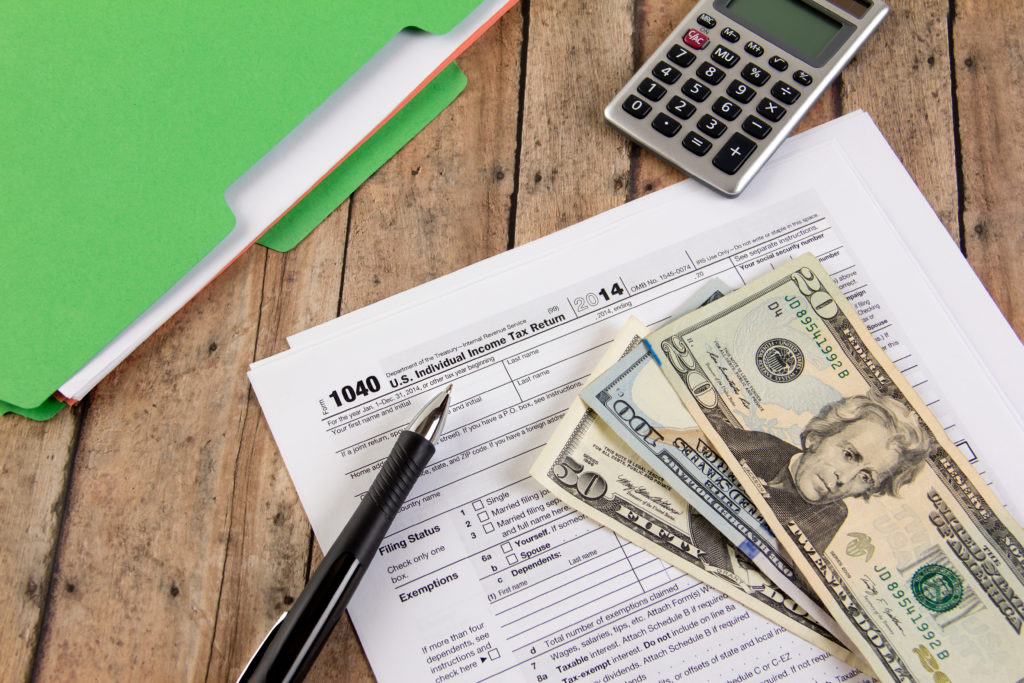
Some households may find themselves waiting a little longer for their tax refunds next spring. Due to an IRS procedural change, households that file early and claim the Earned Income Tax Credit (EITC) or the Additional Child Tax Credit will not see their refunds until after Feb. 15. The Internal Revenue Service said the delays are the result of a new anti-fraud regulation that will take effect in 2017. The rule will give the agency more time to identify and eliminate fraud in both programs. These changes are a result of the passage of the Protecting Americans from Tax Hikes Act of 2015. While the majority of the law simply makes some temporary tax credits permanent, other portions of the bill attempt to crack down on what some investigators have called a “formula for fraud.” In 2014, 27.5 million Americans — and roughly 507,000 Alabamians — filed for the EITC. In Alabama, the EITC average return amount was $2,784, which came in above the national average of $2,400. ”This is an important change to be aware of for some taxpayers used to getting an early refund,” said IRS Commissioner John Koskinen. “We’ll be focusing on awareness of this change throughout the fall, but it’s important for taxpayers who might be affected by this to be aware of the change for their planning purposes. Although we still expect to issue most refunds within 21 days, we don’t want people caught by surprise if they get their refund a few weeks later than previous years.” The IRS usually issues refunds within 21 days or less after processing begins on a return. The agency began accepting returns Jan. 19 this year. “These increased security screenings are invisible to most taxpayers,” Koskinen continued. “But we want people to be aware we are taking additional steps to protect taxpayers from identity theft, and that sometimes means the real taxpayers face a slight delay in their refunds. As we continue improving our processes and working with the states and the tax industry, we will stop more fraud while also fine-tuning our tools to reduce the number of innocent taxpayers who might see a refund delay. “
Democratic donors, allies offer reward for Donald Trump tax returns
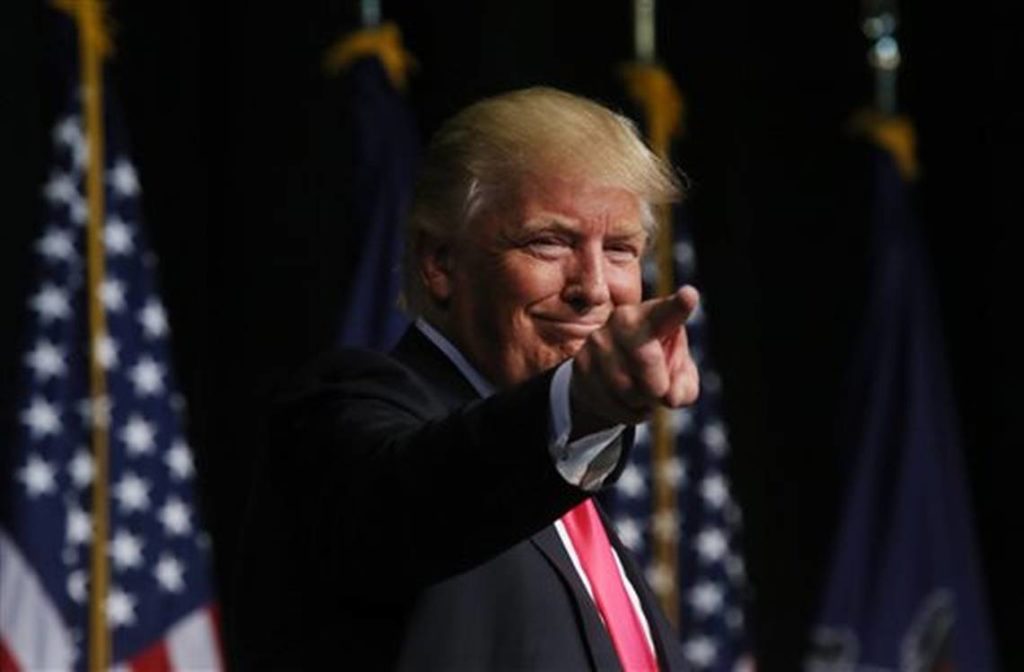
The wealthy Democratic donors, many of them executives who run complex businesses, know firsthand how revealing tax returns can be. Perhaps that’s why they can’t stop talking about Republican nominee Donald Trump‘s refusal to release his. In their suites at the Ritz Carlton hotel, where many are staying during this week’s Democratic convention, and at its auxiliary swanky parties, the supporters of Hillary Clinton are sounding the alarm about Trump’s break with decades of presidential campaign tradition. Clinton put out eight years of recent tax filings last summer, and they lament that voters don’t seem to understand why Trump’s refusal to do the same matters. Democratic talk of the taxes spilled onto the convention stage Wednesday night. Vice presidential candidate Tim Kaine, mocking Trump, said, “Believe me, there’s nothing suspicious in my tax returns. Believe me!” The crowd laughed. There’s even a literally a bounty for the Trump documents. Moishe Mana, a top fundraiser for Clinton, has offered to give $1 million to the charity of Trump’s choice if he makes them public. He joins an unnamed Republican donor working with Clinton ally David Brock who has made a similar offer of $5 million. “Through his financial documents, we are trying to break into the image that he’s portraying to the American people,” said Mana, a real estate developer in Miami. “He says he’s a successful businessman who wants to do for the country what he did for his company. Well, go ahead, show me the money.” Trump is unmoved. The billionaire owner of the Trump Organization, an international development company, says the Internal Revenue Service is reviewing his most recent returns and that he’ll release them once that audit is complete. He reiterated that plan at a news conference Wednesday in Doral, Florida. Asked when he would put out the documents, he said: “I don’t know. Depends on the audit.” There’s no telling whether that would happen before Election Day, but the IRS says there’s no legal reason Trump can’t make the tax returns public even as they are under review. The issue has flared up in recent days, in the wake of the hack of emails at the Democratic National Committee that the Obama administration said Wednesday was almost certainly the work of Russia. The group WikiLeaks released the emails on the eve of the convention, a leak its leader Julian Assange has said was timed to inflict political damage on Clinton. Trump said Wednesday that he has no ties to Russia whatsoever, but that hasn’t stopped Democratic donors in Philadelphia from saying that in the absence of Trump’s tax returns, voters are left to wonder whether there are undisclosed financial ties between Trump and foreign entities. “Think of what’s gone on just this week and connect the dotted lines,” said top Clinton donor J.B. Pritzker, a billionaire venture capitalist in Chicago. “I’m not sure what’s going on, but it sure doesn’t look good. The question is who his investors are, and whether there are any in China or Russia that are affecting his personal income.” Mana also wants that answered. If Trump’s elected president, he said, “how much in debt would we be to other countries? This is about the security of the United States. We have the right to make sure he’s not in debt to other countries.” While information about Trump’s debts has been made public in personal financial disclosures filed with federal election regulators, the Democratic donors say access to his taxes might shed light on previously unknown business arrangements. The returns would also detail for the first time how much he pays in income tax and how much he gives to charity. “He is obfuscating in order to avoid being discovered as a liar,” Pritzker said. The 2012 GOP nominee, Mitt Romney, resisted putting out his 2011 tax return until the September just before the election, after being pressed for months about doing so. The documents showed he paid an effective tax rate of 14.1 percent, far lower than the average person, spawning days of bad headlines. Other presidential candidates, including Republican Texas Sen. Ted Cruz, have been dinged for not giving much to charity. Bill and Hillary Clinton paid an overall federal tax rate of 31.6 percent between 2007 and 2014, her returns showed. In 2014, they donated almost 11 percent of their income to charity. In addition to blaming the IRS audit, Trump has said in interviews that it might not make political sense for him to put out his returns. Romney’s returns were “a tiny peanut compared to mine,” Trump said on “Meet the Press” in an interview that aired last Sunday. There was little controversial in the Romney documents, he said. Yet the media “made him look bad,” Trump said. “In fact, I think he lost his election because of that.” Republished with permission of the Associated Press.
Mike Rogers: It’s time to rein in the Internal Revenue Service
On the heels of Tax Day 2016, the House of Representatives brought several bills to the Floor this week dealing with the Internal Revenue Service (IRS). With such a complicated tax code, most folks across East Alabama dread mid-April. The IRS hasn’t helped its credibility in recent years by choosing to target citizens based on their political beliefs while wasting money on conventions and bonuses. This week’s legislation represents just a few of the common-sense improvements we can make to the IRS. H.R. 4903 permanently bars the IRS from using any of its budget to target U.S. citizens for exercising their constitutional rights. It is very revealing about the motives of the Obama Administration that Congress would have to pass such a bill. The IRS Oversight While Eliminating Spending (OWES) Act, H.R. 4885, eliminates fee driven slush funds in the IRS’ budget and makes them subject to Congressional oversight. This change will stop the IRS from using fees on taxpayers to avoid restrictions on their budget. To deal with rogue employees of the IRS were two bills including H.R. 1206, the No Hires for the Delinquent IRS Act and H.R. 3724, the Ensuring Integrity in the IRS Workforce Act. The first piece of legislation prohibits the IRS from hiring new employees until the Treasury Department certifies that no IRS worker has serious tax delinquencies. The second bill prohibits the IRS from rehiring former employees who had been terminated from the IRS for misconduct. The IRS should hold its workers to the same standards it expects from taxpayers. Anyone who has had the misfortune of having to contact the IRS knows firsthand that customer service is not their forte. H.R. 4890, the Ban IRS Bonuses Until Customer Service Strategy is Developed Act, does just what the title says. The bill prohibits bonuses be paid to any IRS employees until the agency develops a comprehensive customer service strategy. I supported all of these bills because Americans deserve better than the bloated bureaucracy the IRS has become and I will continue to support legislation that forces the agency to do a better job. • • • Mike Rogers is a member of U.S. Congress representing Alabama’s 3rd Congressional District.
Tax time: More than 5M returns expected by midnight deadline
Millions of taxpayers were facing a midnight deadline to file their tax returns, while millions of others were asking for a six-month extension. The filing deadline on Monday was delayed three days beyond the traditional April 15 deadline because Friday was a legal holiday in the District of Columbia. Some things to know about taxes: THANK YOU, EMANCIPATION DAY The traditional April 15 filing deadline was extended because of Emancipation Day, a legal holiday in the nation’s capital. The holiday commemorates President Abraham Lincoln‘s signing of the District of Columbia Compensated Emancipation Act in 1862. The act freed more than 3,000 enslaved people in the district and compensated their owners. The Friday holiday moved the tax deadline to the next business day. In Massachusetts and Maine, taxpayers get one more day to file. The deadline there is Tuesday because Monday is a legal holiday, Patriots’ Day, in both states. The holiday commemorates the first battles of the Revolutionary War in 1775. When the federal deadline is moved back, state and local deadlines also move back to match it. ___ 150 MILLION TAX RETURNS The IRS said millions of tax returns are filed daily as the tax deadline approaches, with more than 5 million returns expected on Monday. More than 150 million tax returns are expected to be filed in 2016. Almost 82 million refunds were issued as of April 8, the IRS said. The average refund amount was $2,798. For those who needed more time to finish their returns, tax-filing extensions were available. The IRS reminds taxpayers that extensions grant more time to file returns, but do not extend time to pay. The IRS projects it will receive 13.5 million requests for extensions. ___ CONGRESS TARGETS IRS The IRS is a favorite target of lawmakers from both parties who complain about the complexity of the tax code and accompanying regulations that span more than 70,000 pages. Instructions to complete IRS Form 1040 — the main individual income-tax return — run more than 100 pages. House Speaker Paul Ryan, R-Wis., released a statement Monday outlining “three reasons why the IRS is failing” taxpayers. The agency has a leadership deficit, “a huge lack of transparency” and is implementing a tax code that is “way too complicated,” Ryan said. The GOP-led House will vote this week on a half-dozen bills to hold the IRS more accountable. One bill would require the IRS to crack down on employees who are delinquent on their own taxes. According to the agency’s inspector general, nearly 1,600 IRS employees have failed to pay their own taxes in the past decade. The House also will consider legislation that blocks the IRS from rehiring employees who were already fired by the agency for misconduct. It will vote on bills to ban IRS employees from getting bonus payments until the agency puts in place a plan to improve customer service, and to block any IRS funding from being used to target citizens for political purposes. The last bill is in response to complaints by Republicans that the tax agency unfairly treated conservative and tea party groups seeking tax-exempt status. The Justice Department said last fall that no IRS official will face criminal charges in the political controversy over the processing of applications by groups seeking tax-exempt status. Rep. Steny Hoyer of Maryland, the No. 2 Democrat in the House, said he was disappointed that House Republicans will bring bills to the floor that Hoyer said will make it harder for the IRS to do its work. Criticizing “hard-working federal employees simply because they are tasked with collecting Americans’ taxes is wrong,” said Hoyer, whose suburban Washington district includes thousands of federal workers. The fate of the IRS-related bills in the Senate is uncertain. ___ IMPEACH IRS COMMISSIONER? The House Oversight and Government Reform Committee has moved to impeach IRS Commissioner John Koskinen, but a full vote has not been taken in the House. Ryan said last week that “the IRS is not being led well,” but he stopped short of backing impeachment. The IRS “is an agency that needs to be cleaned up,” Ryan said, but instead of impeachment, Republicans need to win the presidential election to “get better people in these agencies and reform the tax code so we’re not harassing the average taxpayer with a tax code that they can’t even understand.” ___ CYBERSECURITY Ryan and other Republicans also criticize the IRS for failing to secure sensitive taxpayer data. They cite an inspector general’s report that identifies “significant security weaknesses that could affect the confidentiality, integrity and availability of financial and sensitive taxpayer data.” Koskinen told a House Science, Space and Technology subcommittee last week that securing taxpayer data continues to be a top priority. The IRS withstands more than one million malicious attempts to access its data each day, Koskinen said, and is stepping up efforts to combat identity theft. Even so, the problem is growing. What used to be limited to individuals filing a few dozen or a few hundred false tax returns now is often the work of organized crime syndicates in the U.S. and other countries, Koskinen said. The agency has “a delicate balance” to maintain, he said: “We need to keep the criminals out, while letting legitimate taxpayers in.” Republished with permission of the Associated Press.
How seniors can prevent rising online scams, identity theft during 2016 tax season

As April 15 quickly approaches and Americans start to file tax returns, a large number of people will be in for a shock. And it’s not a bigger-than-expected refund. Many will learn their taxes have already been filed – by someone else using their identity. Identity theft and tax fraud are on the rise in 2016, with an increasing number of fraudulent tax filings to the Internal Revenue Service through such popular online programs as TurboTax, H&R Block, and eFile. Con artists use information such as Social Security numbers to file taxes and get a job falsely – resulting in the IRS having inaccurate taxpayer income data. One such case was a 29-year-old Okeechobee woman who filed a report in January with the local Sheriff’s office after discovering a tax return was previously submitted in her name, giving the thieves a refund of $1,500. According to the IRS, there were nearly 736,000 reports of fraudulent contacts since 2013, a majority of those by scammers posing as IRS agents. Phone rip-offs have cost taxpayers more than $23 million, the agency says. With more taxpayers turning to the Internet to file taxes quickly and easily, the problem of identity theft is far from a minor nuisance. The IRS estimates it prevented $24.2 billion in identity theft in 2013; a report by the U.S. Government Accountability Office shows the IRS still paid $5.8 billion in fraudulent refunds, up from $3.6 billion the year before. Seniors and immigrants are particularly vulnerable to identity theft, IRS officials say. Usually, the scam begins with a call to victims asking for Social Security numbers. “Callers claim to be employees of the IRS, but are not,” the IRS website advises. “These con artists can sound convincing when they call. They use fake names and bogus IRS identification badge numbers. They may know a lot about their targets, and they usually alter the caller ID to make it look like the IRS is calling.” In a recent Context Florida op-ed, Apryl Marie Fogel of the 60 Plus Association, a nonpartisan senior advocacy group, warns that the use of technology and a lack of online security will only increase the problem. “There are literally millions of online accounts that criminals can use to prey on legitimate taxpayers, stealing their identity and pocketing their hard-earned money,” she writes. “Everyone is at risk, especially seniors.” As an example, Fogel points to the 2015 instance of two former TurboTax employees who acknowledged the existence of accounts that “were 100 percent used only for fraud.” The pair accused TurboTax management of “forbidding” either flagging or turning off the fake accounts while refusing to implement security measures to stop widespread fraud. In Florida, Attorney Gen. Pam Bondi’s office released a checklist to help safeguard taxpayers from fraud and identity theft: File tax returns early; Research tax preparers thoroughly before providing personal information; When filing electronically, Use a secure Internet connection. Do not use unsecured, publicly available Wi-Fi hot spots; Mail tax returns directly from the post office, not from home; Many taxpayers are eligible for an Identity Protection PIN from the IRS. Should someone enrolled in the IRS IP PIN program and file a return with an incorrect PIN, the IRS will reject or delay the return until submitted with the correct PIN and the taxpayer’s identity is confirmed. To obtain an IRS IP PIN IRS.gov; The IRS will never initiate contact by email, phone, text or social media. If the IRS needs information, it will first contact by mail; and If a Social Security number has been compromised, contact the IRS ID Theft Protection Specialized Unit at (800) 908-4490. Also, the 60 Plus Association issued a news alert/fact sheet with tips, precautions and things to keep in mind to avoid being scammed, which includes information about the IRS services available for seniors and others with low incomes. 60 Plus also provides an online resource with more information geared toward older adults: www.60Plus.org/StopIRSScams.
Bradley Byrne: Standing up for Small Business

With the Thanksgiving holiday behind us, the hustle and bustle of the Christmas season has officially started. From shopping for presents to finalizing your travel plans, the next few weeks are sure to be busy. Many of you likely tried to get a head start on shopping last Friday, but did you know that Saturday was also a special day for shopping? Last Saturday marked Small Business Saturday. This is a day set aside to support our nation’s small businesses and to highlight the vital impact they have on our economy. Small Business Saturday is a relatively new tradition, but it has really taken off over the last few years. Since our nation’s founding, entrepreneurs and innovators have built our economy up through small businesses. These small businesses are very important to our economy. In fact, half of all working Americans who have a job in the private sector are working at a small business. From boutique clothing stores to ship repair companies to candle shops, Southwest Alabama is home to a wide range of small businesses. During my time in Congress, I have made it a top priority to visit these businesses in Southwest Alabama to learn more about the challenges they face. Sadly, I quickly realized that small businesses are drowning in costly regulations and a confusing maze of red tape. Since 2008, more small businesses have closed than have opened. That’s why I have made it a priority over the last two years to push for legislation that cuts back regulations, gets Washington out of the way, and allows small businesses to flourish. For example, the tax code is far too confusing and complicated for our small businesses. I believe we should simplify the tax code and make it easier for all Americans. It shouldn’t require countless hours and hundreds of dollars to do your taxes each year. A fairer, simpler tax code would go a long way toward getting the federal government off the back of our small businesses. The Internal Revenue Service (IRS) isn’t the only federal agency making life harder for small businesses. There is also the Occupational Safety and Health Administration (OHSA), which puts excessive compliance requirements on small businesses that simply don’t make sense. Regulations from the Environmental Protection Agency (EPA) are also driving up energy costs and making it harder for small businesses to get ahead. It seems like every day the Obama Administration is putting out a new, costly regulation. In the House, we have an entire committee devoted to fighting back against these regulations and supporting our nation’s small businesses. Chairman Steve Chabot (R-OH) and the House Small Business Committee work diligently to advance legislation designed to make life easier for our small businesses. This year alone, the House has passed a number of bills designed to support small business. In February, the House passed H.R. 527, the Small Business Regulatory Flexibility Improvements Act. This bill would require the federal government to conduct detailed cost analysis of proposed regulations and ensure small businesses have input before regulations are released. Another example of a House-passed small business bill is the Small Business Investment Company Capital Act of 2015, which would boost the Small Business Investment Company (SBIC). The SBIC is a public-private partnership that helps new small businesses gain access to equity and financing. In Congress, I am committed to being an outspoken advocate for small businesses as we work to get Washington bureaucrats out of the way. You can also do your part. As you check items off your Christmas list, don’t forget to spend time shopping at small businesses in your local community. They are the real backbone of our economy. Bradley Byrne is a member of the U.S. Congress representing Alabama’s 1st Congressional District.
