
Taxes fall, wages rise, and jaywalking OK’d by new state laws
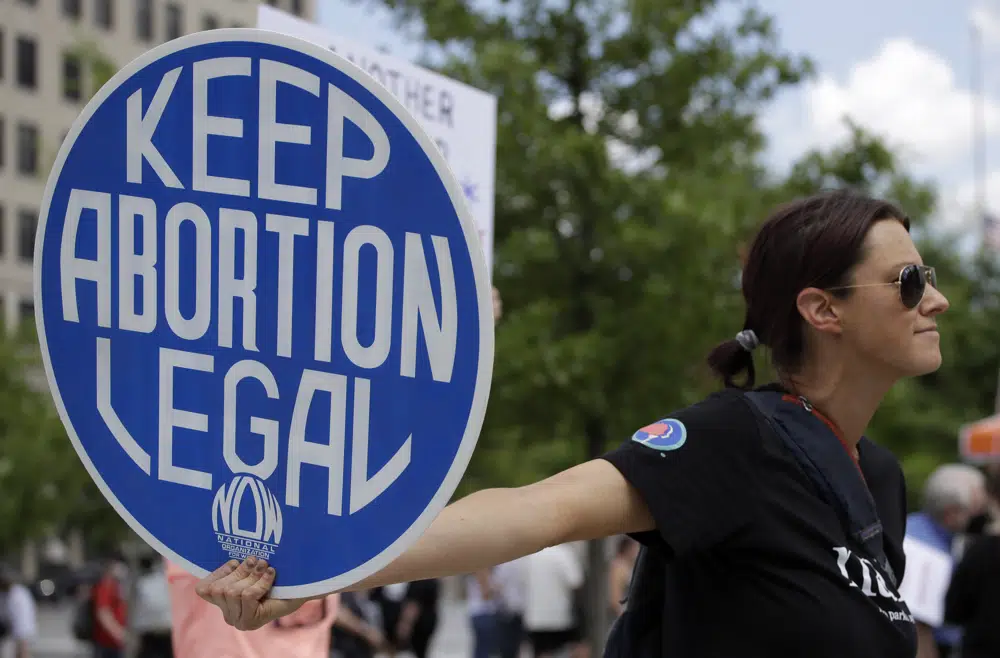
Taxes will fall, and minimum wages rise for residents in numerous states as a variety of new laws take effect Sunday that could impact people’s finances and, in some cases, their personal liberties. Some new laws could affect access to abortion. Others will ease restrictions on marijuana and concealed guns, or eliminate the need to pay to get out of jail. Jaywalkers will get a reprieve in California, thanks to a new law prohibiting police from stopping pedestrians for traffic violations unless they are in immediate danger of being hit by a vehicle. Here’s a look at some of the laws taking effect in the new year. After the U.S. Supreme Court overturned the 1973 Roe v. Wade ruling in June, abortion access became a state issue. Laws in place in 13 states, most of them controlled by Republicans, ban abortion at all stages of pregnancy, with varying exceptions. Meanwhile, more liberal states have been extending abortion protections. Laws taking effect in January are not wholesale policy changes but are intended to make abortion more accessible in California and New York. Abortion already is legal in those states through viability, which is about 24 weeks gestational age. California will allow trained nurse practitioners, midwives, and physician assistants to provide abortions without supervision from a physician. In New York, a law dealing with multiple facets of health care requires private insurers that cover births to also cover abortion services, without requiring co-payments or co-insurance. A new Tennessee law, adopted in May, will bar dispensing abortion pills by mail or at pharmacies, instead requiring them to be given with a physician present. But advocates on both sides of the issue believe the effect will be minimal because a ban on abortions throughout pregnancy went into effect after the Supreme Court’s ruling. TAXES Thanks to large budget surpluses, about two-thirds of the states approved permanent tax cuts or one-time rebates last year. Several of those will take effect in January. Income tax cuts mean less money will be withheld from workers’ paychecks in Idaho, Indiana, Kentucky, Mississippi, Missouri, Nebraska, New York, North Carolina, and South Carolina. An Arizona income tax rate reduction to a flat 2.5% also will take effect in January, a year before originally scheduled because of strong state revenues. Iowa will revamp its income tax brackets as a first step toward an eventual flat tax, and it will stop taxing retirement income. Kansas will reduce its sales tax on groceries. Virginia will lower the tax on groceries and personal hygiene products. Colorado also will remove taxes from hygiene products but will impose a 10-cent fee on plastic bags as a precursor to their elimination in 2024. Other states are providing tax incentives for law-and-order professions. Rhode Island will exempt military pensions from tax. Georgia will offer a tax credit for donations to local law enforcement foundations. But not all taxes will be going down. A voter-approved “millionaire tax” will take effect in Massachusetts, imposing a 4% surcharge on income of more than $1 million. Wyoming is taking steps to collect taxes more quickly. Producers of coal, oil, gas, and uranium will have to pay taxes monthly, instead of up to 18 months after extraction. The change comes after some counties had difficulty collecting millions of dollars owed by coal companies that went bankrupt. WAGES Minimum wage workers will get a pay raise in 23 states as a result of laws passed in previous years, some of which provide annual inflationary adjustments. The increases range from an extra 23 cents in Michigan to an additional $1.50 in Nebraska, where a ballot measure approved in November will raise the minimum wage from $8 to $9.50 an hour. The gap continues to grow between the 20 states following the federal minimum wage of $7.25 an hour and the 30 others requiring more. The highest state minimum wage now will be $15.74 an hour in Washington — more than double the federal rate. Another law taking effect with the new year will require employers in Washington to include salary and benefits information in job postings, rather than waiting until a job offer to reveal such information. Similar salary transparency laws are in place in half a dozen other states. Workers in Colorado and Oregon will start seeing paycheck deductions in January to fund new paid family leave programs. But Oregon residents will have to wait until September and Colorado residents until 2024 before they can claim paid time off following a serious illness in their family, the arrival of new children, or recovery from sexual assault, domestic violence, harassment or stalking. Ohio will offer a new way for people to spend their paychecks. Sports betting will become legal, joining more than 30 states that have adopted similar laws since a 2018 U.S. Supreme Court ruling said it was OK. CRIMINAL JUSTICE A new law in Illinois is supposed to eliminate cash bail for people accused of crimes, but a judge put that on hold in late December after 64 counties challenged it as unconstitutional. Requiring bonds to be posted has long been a way to ensure people who are arrested show up for their trials, but critics say the system penalizes the poor. Eliminating cash bail would put Illinois in a group of states including California, Indiana, New Jersey, Nebraska, and New York that have prohibited or restricted the practice. Another area where social justice meets criminal justice is relaxing marijuana laws. In November, voters made Maryland the 21st state to legalize recreational use by adults. That begins on July 1, 2023. As an interim step at the start of the year, possession by adults of up to 1.5 ounces of cannabis will become a civil offense punishable with a maximum fine of $100. In Connecticut, some provisions of a 2021 law that legalized recreational marijuana also kick in, including automatic expungement of convictions for possession of less than 4 ounces of marijuana that were imposed from 2000 through September 2015. According to the National Organization for the Reform of Marijuana Laws, 21 other states have expungement laws. Alabama will become the 25th state where it will
City of Dothan closes fiscal year with rise in sales tax
The final numbers are in and officials say the city of Dothan has experienced a 10.7 percent increase in sales tax revenue growth in the 2019 fiscal year. Overall, the city collected $74.1 million from October 2018 through September 2019— an increase of almost $7.2 million more than the previous fiscal year. The figures beat officials’ budget projections by $11.9 million. Strong sales in August bolstered remittances as business submitted more than $6 million in sales tax revenue in September. The tally represented an 11.1 percent increase over the same time frame in the 2018 fiscal year The Dothan Eagle reports Hurricane Michael’s impact played a role in the overall gains. The Category 5 storm heavily damaged several communities in adjacent counties, causing multiple hotel stays and increased shopping in Dothan. Information from: The Dothan Eagle, https://www.dothaneagle.com. Republished with the permission of the Associated Press.
Rachel Blackmon Bryars: ‘School choice’ also means ‘tax choice’ in Alabama

It’s back-to-school season and for some parents, this is a happy time. But for those whose children are stuck in underperforming schools, or schools where they are bullied or are in danger, this is a heartbreaking time, especially if they cannot afford to move or go to private school. “There was fighting every day. People wanted to shoot me, kill me, and everything,” said Calvin Coleman in a speech about his experiences at his Mobile public high school. Did you know that you, or your company, can help students like Calvin by donating a portion of what you already owe in state income taxes to a program that funds scholarships for low-income families in Alabama? “When my son Carlos was in the fifth grade, he was constantly bullied and I wanted to desperately put him into a private school,” wrote Nyenya Webster of Montgomery in Alabama Daily News. Every day was a struggle, she added. “I was at a loss as to what to do to help my son.” Then Webster learned about the tax-credit scholarship program created in 2013 by the Alabama Accountability Act that serves roughly 4,000 low-income, mostly minority Alabama students. She applied, and Carlos received a scholarship to attend Success Unlimited Academy in Montgomery. “Success Unlimited has been a lifesaver for my son,” Webster wrote. “He … is now considering college. My son never talked about going to college before Success.”For those who want to help other Alabama families break the cycle of poverty through education, it’s a no-brainer. “For a donor, it doesn’t cost them anything,” said Warren Callaway, executive director of Scholarships For Kids, one of the scholarship granting organizations funded by the program. That’s because a tax credit is different from a charitable contribution. When you make a charitable contribution to a non-profit organization, you deduct a portion of that on your income tax. However, a tax credit allows you to take a dollar for dollar reduction in your state income tax. “Basically, donors are redirecting some of their state income tax liability to a [scholarship granting organization],” Callaway said. “So, if you give $100 to us, you can reduce your state income tax by $100.” Who benefits from the donation? “The average household income for these students is under $30,000 so these are families that would have no other way of choosing the school that is best for their child,” said Ryan Cantrell, director of state strategy and political affairs for the American Federation for Children, during an interview of the 1819 podcast. Higher-income families have always had school choice, Cantrell said, but “it’s the low-income families who get stuck with no options in under-performing schools or schools that don’t work for their child.” There are $30 million in tax credits available and, so far, only about a third have been claimed, according to the Department of Revenue’s My Alabama Taxes website. Here’s how you can reserve your tax credit before the December 31, 2019, deadline: Step 1: Estimate how much income tax you or your business will owe Alabama next year by checking how much you paid last year. Individuals and corporations can donate up to 50 percent of their tax bill, and while individuals are limited to $50,000, corporations are unlimited. Step 2: Visit the My Alabama Taxes website and follow instructions for reserving an Alabama Accountability Act tax credit. Step 3: Send a check to one of the seven scholarship granting organizations in Alabama within 30 days. Step 4: When you do your taxes next year, fill out an Alabama Department of Revenue Schedule AATC form to reduce your income tax bill by the amount you donated. For more help, individuals may call the Alabama Department of Revenue at 334-353-0602 or 334-353-9770, and corporations may call 334-242-1200. You’re already going to have to write a check for your state income taxes. Why not control where some of that money goes, especially when it has the power to change lives? “It was a relief that nobody would understand,” said mother-of-five Alleane West in an Alabama Opportunity Scholarship video about the program’s impact on her family. “You know, you’re a single mom with boys trying to not make them a statistic.” Rachel Blackmon Bryars is a senior fellow at the Alabama Policy Institute. Connect with her at rachel@alabamapolicy.org or on Instagram @RachelBlackmonBryars.
Winners, losers and the joker of the tax increase fight
Wow, are there some big winners and big losers this week in the gas tax fight. I’m going to look at this objectively, and call myself a loser. We’ll get to that in a minute. Winner #1: I’d be remiss not to point out that the big winner in securing the gas tax was the new and improved Business Council of Alabama. Much to the chagrin of the people who wished it dead during the Bill Canary years. The BCA is now back and stronger than ever under the leadership of Katie Boyd Britt. It was with the support of Katie and the BCA board that the gas tax fast-tracked through the state legislature during special session. BCA, Katie, y’all are winner #1. Winner #2: Those who forced change at the BCA and hired Katie Britt. Make no mistake Canary would have loved to hold onto power if not for the public departure of Alabama’s biggest businesses from the council to force change. Those same individuals had the wherewithal to hire Britt away from Senator Richard Shelby. Here’s looking at BCA Chairman Mark Crosswhite. Undoubtedly, Crosswhite drove this train and put Britt at the control. Winner #3: Senator Richard Shelby. He made his position on this bill known and few people wanted to face his wrath if they went against his will. Certainly no one from Mobile stood a chance as a “no” vote. Love or hate that level of influence, it worked well for him and his priority: the Port of Mobile. Winner #4: Anybody associated with roads and roadbuilding. That includes anybody who contracts with ALDOT, the cities or the counties. Yay! You guys are getting more money. Winner #5: The cities and the counties, who now have more money to play with in their budgets. What was the price of these additional funds? Not speaking up for Alabama taxpayers and pushing an offset for the gas tax or working against it. Loser #1: Me! Okay well not just me, but rather those few of us who were adamantly opposed to the gas tax, but could not get their voices heard or amplified enough to stop it. Too little, too late. Too few of us speaking out. This goes to prove just how important it is for conservatives to regroup before the next election cycle (more on that coming soon). Loser #2: The taxpayers. We need to do more, and do better. Income taxes, and high sales taxes. We need to work together to offset this gas tax. Loser #3: Not who you’d expect, but I’m going to say Gov. Kay Ivey. Why? Because this is Kay’s legacy. Her legacy is her first act as officially being elected governor, rather than assuming the position post-scandal/resignation, is raising taxes. Way to disappoint a conservative constituency who had high hopes for you coming in a a red state governor. Jokes on you: Everyone who thought Walt Maddox‘s campaign was too liberal for the state: medicaid expansion, gas tax, and lottery? Rumor is we’re getting all three as part of this deal.
Daniel Sutter: Taxes, roads, and limited government
The Alabama legislature kicked off its new term with a special session to increase the gas tax, a result which seemed foreordained. Nonetheless, the gas tax raises interesting economic and political considerations. Our gas tax is currently just under 21 cents a gallon, which ranks 41st nationally according to the Tax Foundation, or 36th if we adjust for state hourly wages. Pennsylvania has the highest gas tax at nearly 59 cents a gallon, and eight other states have taxes in excess of 40 cents. The proposed 10 cent increase over three years would put our tax 23rd, 17th when adjusted for income. Over eighty percent of Alabama’s tax revenues are earmarked for specific purposes, the most of any state. The gas tax is dedicated for highways, so the new revenues should go to road improvements. Revenue sharing will allow counties to repair their roads as well. Alabama has many roads and bridges needing repairs. According to the Federal Highway Administration, we had 1,200 structurally deficient bridges at the end of 2017. I can’t say exactly what this means, but structurally deficient doesn’t sound like a compliment. An earmarked gas tax functions as a user fee, which implements the “benefit principle” of taxation. Citizens who benefit the most from roads will pay a larger share of the cost of repairs. The Tax Foundation, which generally opposes taxes, likes gas taxes: “Because they adhere to the benefit principle, gas taxes … are the revenue tools most suitable for generating the funds needed to maintain and repair public roads over time.” Unfortunately, lower income families spend relatively more on gas, making the gas tax regressive. This means that lower income households pay a higher percentage of income in taxes. The gas tax does poorly on the ability to pay principle of taxation. This would not be as problematic if Alabama did not rely on regressive sales taxes for so much state and local tax revenue. The failure to invest adequately in roads costs our state and nation. Twenty one percent of highways nationally have poor pavement condition, which costs Americans $120 billion annually in added repair costs, or over $500 per driver. Traffic congestion costs Americans another $160 billion in lost time and wasted gas. Forty percent of urban interstate highways are congested. Congestion is arguably due to a failure to expand road capacity. Despite our low gas tax, Alabama’s roads and bridges are not, relatively speaking, in poor shape. Seven percent of our bridges are structurally deficient, which ranks 30th among states, and only two percent of our highways have poor pavement condition. Is a tax increase truly necessary to maintain our roads? The general wastefulness of government, like the Pentagon spending $4.6 million in lobster and crab in one month for military contractors, probably gives many Alabamians pause. If Washington, Montgomery, and our cities and counties spent our tax dollars wisely, they’d probably have enough money to fix our roads. While we should never tolerate government waste, waste is unavoidable because costs are very hard to assess. We also place many legal requirements on government contractors, increasing costs. Government waste does not change the reality that road maintenance requires resources. If we wait to eliminate all government waste before approving new taxes, our bridges and roads will likely have crumbled. Unwillingness to pay taxes can lead states to seek alternative revenues. You’ve probably seen signs along roads warning of damaged guardrails. Tennessee bills drivers who damage guardrails in accidents to avoid spending tax dollars. This policy led to the family of a teenage girl killed in 2016 when her car hit a median guardrail being billed $3,000 for repairs. We may not like taxes, but alternatives can be more offensive. Alabama has some of the lowest state and local taxes, so perhaps we shouldn’t complain about the gas tax hike. I would suggest that fiscal conservatives must also ask government to do less for us. Limited government does not mean big government on the cheap. Daniel Sutter is the Charles G. Koch Professor of Economics with the Manuel H. Johnson Center for Political Economy at Troy University and host of Econversations on TrojanVision. The opinions expressed in this column are the author’s and do not necessarily reflect the views of Troy University.
Daniel Sutter: Politics and the economics of the Carbon Tax
A carbon tax involves some good economics and is probably the best way to address global warming. And yet I think that adopting the tax represents bad policy. My reservations involve the politics of policy implementation as examined by Nobel prize-winning economist James Buchanan. Before getting to my concerns, let’s consider two other arguments against limiting greenhouse gas (GHG) emissions. The first is that reducing U.S. emissions will have little effect on global temperatures. The Clean Power Plan’s emissions cuts, for instance, were projected to prevent 0.02 degrees Celsius warming by 2100. This just reflects the global nature of the challenge. The U.S. will likely generate 10 to 20 percent of global GHG emissions through 2100. We cannot stabilize atmospheric carbon dioxide alone. Whether leading by example or conditioning our actions on other nations’ efforts makes more sense is a matter of international diplomacy, not economics. Another argument is the overestimation of the costs of warming by economists’ Integrated Assessment Models (IAMs). This could happen for two reasons. First, future GHG emissions may produce less warming than currently forecast. Second, the projected warming may occur and not prove extremely costly. Climate models are a crucial component of an IAM; the costs of warming come entirely from predicted climate impacts. The Intergovernmental Panel on Climate Change’s (IPCC) climate models have been running hot: since 1990, only about half of the predicted warming has been observed. This raises questions about the models.Humans will adapt to higher temperatures and rising sea levels. Inadequate modeling of adaptation means that IAMs will overestimate the costs of warming. And climate engineering could potentially remove carbon dioxide from the atmosphere, allowing continued use of fossil fuels while limiting warming. And yet these climate and economic concerns, I think, recommend a smaller tax than currently estimated as opposed to no tax. Unrestrained use of fossil fuels over 200 or 300 years may eventually produce dramatic and costly warming, even if emissions through 2100 merely constitute a nuisance. James Buchanan pioneered the integration of economic and political analysis. He criticized policy recommendations based exclusively on economics. Such advice implicitly assumes government by a benevolent despot who does exactly what economists recommend. Ignoring politics leads to useless and potentially harmful policy recommendations. Economists advocating for initiating carbon taxation based on the benefits from an optimal tax are committing the error Buchanan warned against. The IPCC in 2018 announced a new goal of keeping global temperatures from rising more than 1.5 degrees Celsius. Attainting this goal will essentially require ending the use of fossil fuels by mid-century. IAM pioneer William Nordhaus’ model estimates an optimal tax of almost $50 per ton, or $0.50 per gallon of gas. The optimal tax increases over time but not enough to halt use of fossil fuels anytime soon. Ending fossil fuel use might require a tax of as much as $5,000 per ton. The debate is now whether to end the use of fossil fuels. If the U.S. begins taxing GHG, we will almost certainly within a few years end up with a tax set well above $50 a ton. Why? After we initiate taxation of GHGs, politicians would then need to set and adjust the tax. Politicians will likely balance the views of tax supporters in setting a rate, having resigned themselves to losing the votes of tax opponents. All proponents other than a handful of economists will want a tax much in excess of $50. The IAMs underlying economists’ support for a carbon tax show that costs rise sharply if we limit GHG emissions more than optimally. The IPCC’s new 1.5 degrees of warming goal would, according to Professor Nordhaus’s model, produce net losses for the global economy even relative to no limits on GHGs. An optimal carbon tax may well be sound economically. But if we enact carbon taxation, politics will likely produce a very costly tax rate. Economists should not let the allure of an optimal tax create an impression that carbon taxation will benefit the economy. … Daniel Sutter is the Charles G. Koch Professor of Economics with the Manuel H. Johnson Center for Political Economy at Troy University and host of Econversations on TrojanVision. The opinions expressed in this column are the author’s and do not necessarily reflect the views of Troy University.
Walt Maddox proposes penny tax for ‘Elevate Tuscaloosa’ project
Tuscaloosa Mayor Walt Maddox has proposed a one-cent sales tax to raise money for the Elevate Tuscaloosa initiative, ABC 3340 reports. Maddox believes this will shift Tuscaloosa from a retail economy to an experience-based, technology-driven city through improvements to transportation, education, and recreation over the next 10 years. Elevate Tuscaloosa consists of 19 projects that will improve mass transit, develop centers for performing arts, adds parts and sports venues, enhance the education system. “If our economy wants to grow, we got to attract and retain the best and brightest. We have a distinct advantage over most cities. We have the University of Alabama, we have Shelton State and Stillman College. We need them to not only build their business here, but raise their families here,” Maddox told ABC. Maddox says this is about growth for the future. “This is not about where we are. We can continue where we are. That’s not an issue but if we want to elevate our city. If we want to be competitive in this 21st century technology driven environment, We have to change the way we think about the economy,” Maddox said, according to WBRC. “It’s about my son Eli and my daughter Taylor, building a Tuscaloosa where they can get a high quality education..where they can go find a quality job,” The city hasn’t seen a tax increase in nearly 30 years, ABC says, so Maddox has proposed this as one way to raise the $250 million necessary for the project. “We’re going to take the revenue that’s going to be generated by this investment. They will not be co-mingled with our general fund and they will be used for those 19 specific projects only,” said Maddox. Tuscaloosa City Council is waiting for more specifics before committing. “I’m looking at it, is it balanced? Is there one area of the city that seems to be favored over all the other districts? I’m going to depend heavily on the people who elected me to see how the winds blowing,” Tuscaloosa City Councilman Kip Tyner told WBRC. As part of the proposed tax increase, the city will ask the state legislature for grocery stores to be exempt from municipal sales tax. That would reduce the tax rate from nine percent to seven. There will be an open house on Wednesday, February 6 at the Tuscaloosa River Market from 4-7 p.m to see the project, how the city proposes to fund it, and ask questions. Elevate Tuscaloosa’s 19 projects Experience venue: a large-capacity venue drawing thousands of visitors annually – resulting in direct and indirect jobs as well as infusing millions of dollars into Tuscaloosa’s experience economy Cost: $60M Implementation: FY2025 Improvements to Tuscaloosa National Airport: A commercial and TSA-ready terminal, runway enhancement, and public safety enhancements. Cost: $15M Implementation: FY2024 Workforce and Downtown Transit: Mass transit for the workers and expanded hours and days. Rapid transit for tourists to stimulate economic growth. Cost: $6.9M Implementation: FY2021 Project Trinity: A local match to infrastructure improvements. Cost: $7.5M Implementation: Undefined Nichol-Harris Water Recreation & Trails Experience: Create a national park out of this area which will bring jobs and visitors. Cost: Undefined Implementation: 2021 Bama Theater: Upgrades to a historic venue including enhancements to the educational experience. Cost: $3M Implementation: 2023 McDonald Hughes Event Complex: A venue allowing the city to recruit athletic tournaments (including basketball and volleyball). Cost: $18M Implementation: 2025 Center Court Tuscaloosa: Indoor and/or outdoor tennis courts. Consolidation of all public tennis courts into one site. Cost: $3.5M Implementation: 2023 McAbee Senior Center: Expanding fitness, proving a new fitness track, adding a new lap pool. Cost: Undefined Implementation: 2023 Phelps Center: Upgrades including a new lap pool, racquetball, and fitness center. A new trail. Cost: Undefined Implementation: 2024 Western Riverwalk: Continue the Riverwalk expansion west from the amphitheater. Cost: $5M Implementation: 2023 Northern Riverwalk: Riverwalk expansion. Cost: $2M Implementation: 2024 Snow Hinton Park: Upgrade the pedestrian experience with paths, lighting, and other needs. Cost: $2M Implementation: 2022 Bowers Park: Become a baseball and softball “megasite.” Upgraded lighting, facilities, and access. Cost: $10M Implementation: 2024 Sokol Park: Make this the primary center for soccer, lacrosse, and football. Upgraded lighting, facilities, and access. Additional fields. Cost: Undefined Implementation: 2023 Tuscaloosa Public Library: Complete necessary upgrades. Cost: $1.25M Implementation: Undefined Tuscaloosa Pre-K Initiative: Additional classrooms and opportunities for Pre-K. Cost: $4.8M Implementation: 2020 Summer Learning Academy: Extending this program to address summer learning loss. Cost: Undefined Implementation: 2020 Job and Career-ready Scholarships: Scholarships to prepare students for college or jobs of the future. Cost: $9.7M Implementation: 2020 https://www.youtube.com/watch?v=e80tLVztXSA
Jim Zeigler to release ‘Plan Z’ to fund roads without gas tax increases

Alabama State Auditor Jim Zeigler on Monday will release his plan to fund Alabama’s road and infrastructure needs without a hike in gasoline taxes. Zeigler has scheduled a news briefing on his plan today at 11 a.m. in the State Auditor’s office in th State Capitol building in Montgomery, Ala. Zeigler calls his proposal “Plan Z,” which stands for “zero tax increases and zero congestion on our roads.” He says Plan Z can provide about $900 million in new road construction funds from present revenues and he will release copies of Plan Z and brief news media and others present at the Monday news briefing. The state legislature convenes March 5 for the 2019 regular session. They are expected to consider increasing the gasoline tax for roads and infrastructure, though no specific bill or proposal has been released
Rauf Bolden: The web, the city and business in Orange Beach
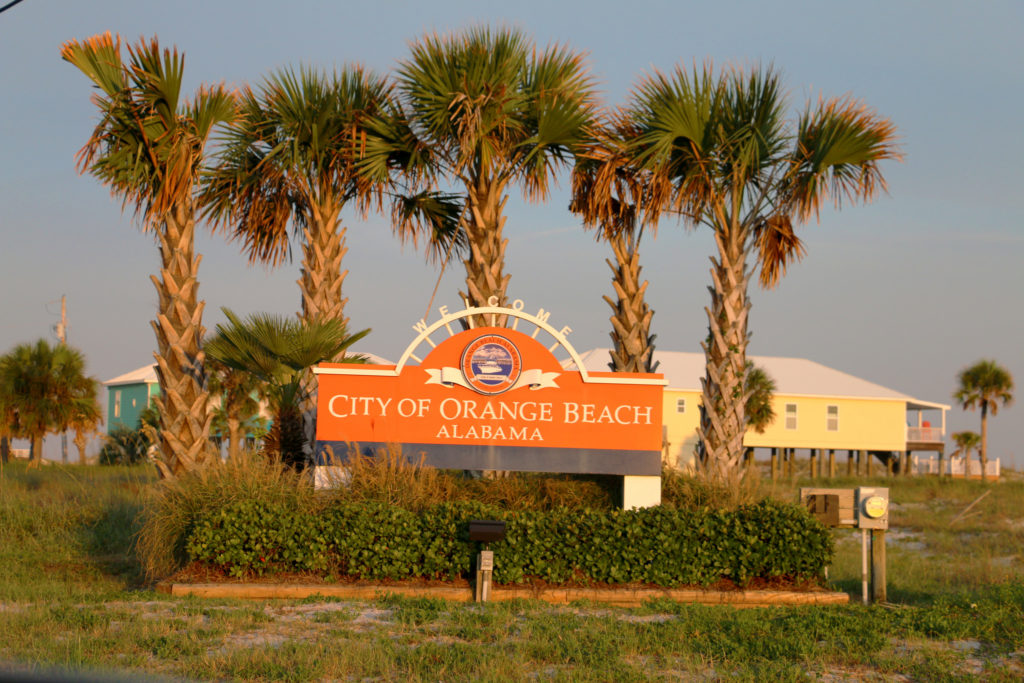
Imagine sitting in an office overlooking the Gulf-of-Mexico taking reservations from your website, booking vacation rentals for condos, houses and charters, answering the phone, checking guests in, depending on the Internet to keep your business going. Web applications, like Airbnb, VRBO, Uber and Lyft, specifically written to streamline the interaction between businesses and vacationers are useful. Governments seek to collect tax, by improving “the economic well-being and quality of life for a community,” according to the Salmon Valley Business and Innovation Center. Resolving this relationship is complicated. Hurricane Irma offered proof for hoteliers and restaurateurs. Being able to respond to changing market conditions is vital. “An estimated 250,000 evacuees arrived into Alabama from Florida as Hurricane Irma bore down on the Sunshine State,” wrote John Sharp in AL.com. Evacuees were able to book rooms, make dinner reservations, or find a shelter with their smartphones or tablets, evacuating west on I-10. Any person with an Internet connection and a credit card can book a hotel room, charter a yacht or purchase goods from the far corners of the planet. When I buy olive oil from Amazon, I am charged tax, assessing the point of sale as Orange Beach, Ala. where the product is delivered. Not all Internet vendors are so obliging. Orange Beach’s revenue has steadily increased since the recession in 2009, 2011 – $35.2 million; 2012 – $34.8 million; 2013 – $43.5 million; 2014 – $40.3 million; 2015 – $47.1 million; 2016 – $48.6 million, according to Audited Financial Documents on the website. Internet is so prevalent in our lives, booking and purchasing online. How can government ensure the people of Orange Beach are getting every cent they are due from online-vacation rentals, or ride sharing services that process credit cards over the Internet? I guess we will just have to trust providers to report honestly, accepting we may have no way to audit Internet retailers. Mark Zuckerberg, CEO of Facebook, is determined to help grow the global community, according to his 6000-word letter on Facebook’s Global Ambitions. This is a utopian idea, assuming the global community will be in Facebook’s image, realizing their appetite for expansion could engulf our short-term rental market as well. Competition already exists from online vendors like Expedia, Kayak, Airbnb and VRBO, booking vacation rentals in Orange Beach. Realtors, property developers and investors have no taste for slowing upward pressure on economic development. Orange Beach had a record-setting year in 2016 with $49 million in revenue less $5 Million in debt payment versus $30 million in expenses, according to Ford Handley, Finance Director for the City of Orange Beach in an email. Planning a way for Internet sales to flourish is important, as this is today’s preferred method of doing business. Business owners with a physical location are at a disadvantage, as they must ensure payment for various business licenses, fees and building permits, obliging them to collect taxes for lodgings, sales, and build-out authorizations, perhaps remitting these online. Internet businesses have an advantage, being outside the jurisdiction, making it much harder for municipalities to collect tax revenue on Internet sales delivered locally. For online sales, “UPS is expecting to deliver more than 30 million packages per day in the lead-up to Christmas. Over the entire holiday season, the company is expecting to handle shipments north of 700 million,“ according to US News. Brick and mortar stores may be in decline, “as the recent bankruptcies and closures of The Limited, American Apparel, Wet Seal, Aeropostale and Pacific Sunwear can attest,” according to Forbes. The pivotal points are about evolving into an online presence or to stay brick-and-mortar, being a difficult decision for the local-business owner. Government on one hand needs to collect taxes from sales in the jurisdiction to pay for services, pitted against online entrepreneurship, selling locally but waving their finger at small-town officials from outside of the jurisdiction. When Internet vendors finally do step up and agree to pay taxes on sales that occur from today forward, we will never know how much money was left on the table over the past decade. Some argue for streamlining government outside of the tax arena with web applications. These are pieces-of-code, allowing Fire, Police and citizens to report streetlight outages from their phone or tablet directly to Baldwin EMC, or potholes directly to Public Works without having to phone, getting re-directed from desk to desk, possibly having to leave a voice-mail after hours. In the Internet era governments are online 24/7, leveraging the technology of well-constructed web applications, consolidating reporting by engaging citizens in the online process of telling City Hall about streetlight outages and potholes, delivering those electronic messages directly to the right desk, is a community-based solution. We cannot solve tax avoidance in the global economy today, but we can use the resources we have, applying our sense of civic responsibility to collaborate on the smaller things, like reporting streetlight outages and potholes. Working together on our collective turf, making life a little less complicated. ••• Rauf Bolden is retired IT Director at the City of Orange Beach, working as an IT & Web Consultant on the Beach Road. He can be reached at: publisher@velvetillusion.com.
Will Ainsworth: From morning to midnight, Alabamians are taxed enough already
Consider the fact that from the moment you open your eyes in the morning until you close them again at night, you are being taxed. The electricity that powers the light that you turn on as soon as you awaken and the water you use to shower and brush your teeth are taxed. The over-the-counter medications that you take in the morning for headaches, allergies, or other conditions are taxed. The car you drive to work and the gas and fluids that make it run are taxed. The coffee you drink and the doughnut you eat for breakfast are taxed. The salary you earn at work, the lunch you eat, and the landline that you use to talk to clients or customers are taxed, taxed, and taxed. The Internet service that you use to send and receive emails is taxed. The groceries you purchase on your way home are taxed. The smartphone that sends your texts to friends and family is taxed, and the apps and games you download to it are taxed, as well. The cable or satellite television that you watch before going to bed is taxed. In addition to the levies that I named above, there are dozens of additional taxes that you pay each day. My point is a simple one. Alabamians are taxed enough already. That is why I have dedicated my term in the Alabama House toward fighting the tax raisers, combating new levies, and killing tax bills that were introduced. Working alongside a group of deeply conservative freshman and sophomore House members, I helped block roughly $1 billion in taxes over the past four years. When Robert Bentley proposed $700 million in new taxes in 2015, I was among the first legislators to oppose his plan and highlight his broken re-election campaign promise of “no new taxes.” Alabama currently collects enough revenue to meet our needs and provide essential services, but our state government lacks the flexibility to shift money to meet emergencies and unexpected challenges. In years past, whenever a new tax was approved, its proceeds were earmarked for one specific purpose or another. Some of these earmarks are constitutional, which means the voters, in their wisdom, dedicated the taxes to an agency, initiative, or spotlighted need during referendum elections. Many of Alabama’s statutory earmarks, however, were put in place many years ago through back room bargains between lobbyists and long-retired politicians who no longer roam the State House halls. Removing these earmarks will allow us to avoid new taxes and set priorities based on need, not on decades-old, money-hoarding schemes that lobbyists locked into our budgets. At 91 percent, we have the highest percentage of earmarked tax dollars in the nation. The national average is just 24 percent, and the next highest state behind Alabama is Michigan with 63 percent. Rhode Island is the lowest in the United States with only 4 percent of its tax revenues being earmarked. Attempting to raise taxes without first addressing earmarking is like pouring water into a bucket that has a large hole in the bottom of it. No matter how much water you pour, the bucket is never going to fill up. That is why I sponsored legislation that attempted to plug the hole in the bottom of the bucket first and prevent any more trips to the taxpayers’ well. My bill would have removed the statutory earmarks that exist in our code, which would allow us the freedom to budget like families gathered at the kitchen table – placing our bills on one side, our income on the other, and setting priorities that meet critical needs while living within our means. Unfortunately, the same special interests that carved out those earmarks and the career politicians that do their bidding united against my legislation. If elected, I plan to use the bully pulpit of the lieutenant governor’s office to make another push for commonsense, conservative un-earmarking legislation By right-sizing state government, attacking waste where it exists, and removing the handcuffs that earmarks present, Alabama can resolve its fiscal problems without forcing its citizens to pay more taxes. ••• Guntersville-Republican, State Rep. Will Ainsworth is a candidate for lieutenant governor. Elected to the Legislature in 2014, Ainsworth currently represents Alabama’s House District 27, which includes portions of Marshall, DeKalb, and Blount counties.
Donald Trump tax reform means more money in your pocket

The Trump presidency, while controversial in some ways, has also been very effective in others. We should give credit where credit is due. Trump’s plan is a win for Alabama families who will have more money in their pockets in coming months due to the national tax reform plan passed by Congress and signed by the President right before Christmas. If you missed it, last week the Alabama Public Service Commission (PSC) voted on $337 million in energy cost relief for Alabama residents. It’s estimated that families will save around $250 from July, when the savings go into effect, through the end of the year. Even House Speaker Paul Ryan highlighted the benefits of the cuts here in Alabama in a release from his office. In the few months following the passage of the Tax Cuts and Jobs Act, utility companies in 48 out of 50 states, and DC, have taken action to pass their federal tax savings on to their customers. This means more than 87 million customers across the country—so far—are set to see lower monthly utility bills. Just this week, Alabama Power Company announced that it would be reducing its customers’ bills by $257 million this year. That’s 1.4 million Alabamians who will now be paying less each month for their utilities. The President doesn’t get a lot of good press even when he and his administration have positive results. At the same time Alabama’s Public Service Commission rarely makes the news, so lets not miss this opportunity to give both an “atta boy.”
Bradley Byrne: A tax code that works
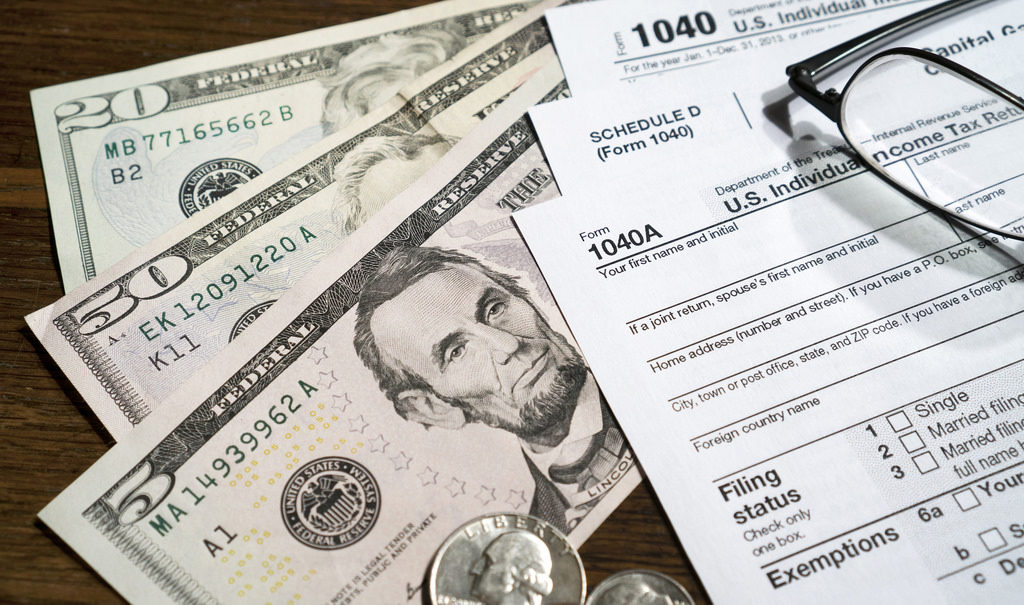
Each April, Americans across the country face great frustration and inconvenience in filing their taxes. Fortunately, this Tax Day marked the last time Americans would file their taxes under the old tax code. Thanks to passage of the Tax Cuts and Jobs Act, Americans will now have a simpler and fairer tax code. I was proud to work with President Trump to reform our tax code and make the process easier for taxpayers. Starting next year, the Tax Cuts and Jobs Act will bring Americans relief when filing their taxes under a more streamlined, straightforward tax code. However, making the overall filing process simpler and more convenient was just one of the many ways we worked to create a tax code that benefits and works for the American people. One of the most important reforms under the new tax code is the doubling of the standard deduction. This provision increases the standard deduction to $12,000 for individuals and $24,000 for married couples. Combined with new lower tax rates, almost every Alabamian should see a tax decrease. Also important, the new tax code prioritizes American families by doubling the Child Tax Credit from $1,000 to $2,000 per child. It is no secret that raising a family is not cheap; so, this increase provides additional support for families struggling to pay for childcare and other necessary expenses associated with parenting. To provide even more support for families, the bill preserves the Child and Dependent Care Tax Credit, as well as the Adoption Tax Credit. Even more, the bill makes improvements to saving options for education by allowing parents to use 529 accounts to save for elementary, secondary, and higher education. Most people will not have to wait until the next tax season to see the impact of the Tax Cuts and Jobs Act. Already, many hardworking Alabamians are seeing more money in their paychecks each month. That means your hard-earned money is ending up back in your pockets, rather than the coffers of the federal government. Tax reform has also helped spur overall economic growth. Our bill helps to level the playing field for American businesses, creating new job opportunities and finally causing wages to rise after years of stagnation. Many businesses have also handed out bonuses and improved benefits to their workforce. Since passage of the Tax Cuts and Jobs Act, I have had the pleasure of personally handing out bonus checks at multiple businesses in Southwest Alabama. Trust me, these workers were thrilled with the extra money. We aren’t stopping now either. The House passed a package of bills last week to help cut down on identity theft and to hold criminals accountable for IRS scams. It is important that these crooks be punished for trying to defraud hardworking Americans, including our nation’s senior citizens. Equally important, the House also passed bills to make the IRS more efficient, effective, and accountable. The IRS should be a customer-friendly organization that responds to the questions and concerns of the American people. In the past four months, we have seen tremendous growth right here in Southwest Alabama because of the Tax Cuts & Jobs Act. From our small business owners handing out bonus checks to our single-income families taking home extra money in their paychecks, evidence shows that allowing Americans to keep more of their hard-earned money is a huge boom for our economy. As we bid farewell to an old, outdated tax code, Americans can rest easy knowing they have a simpler, fairer tax code to work with in the future. • • • Bradley Byrne is a member of U.S. Congress representing Alabama’s 1st Congressional District.
