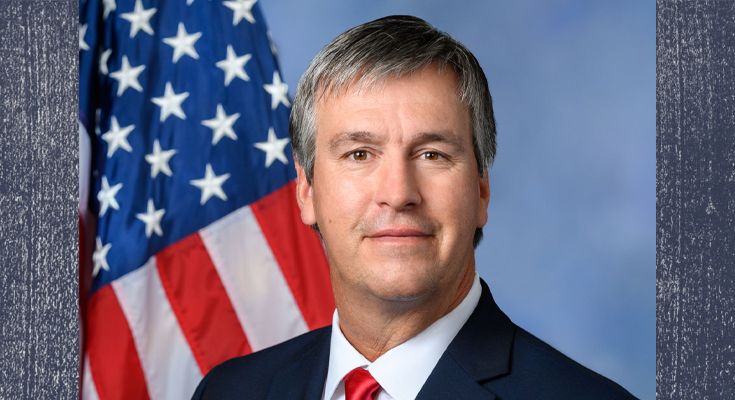
On Friday, U.S. Senators Katie Britt and Tommy Tuberville joined a bipartisan group of fourteen Senators urging the extension of a policy that is helping rural hospitals in states like Alabama continue to deliver quality care.
The two Alabama Republicans joined in a letter to Centers for Medicare and Medicaid Services (CMS) Administrator Chiquita Brooks-LaSure formally requesting a four-year extension of the Low Wage Index Hospital Policy, which allows hospitals in rural areas to compete for and retain high-quality staff by increasing reimbursements to hospitals in rural areas with lower overall wages. Without action, Medicare payments to these hospitals will reduce after September 30, 2023.
Sen. Britt is a member of the subcommittee for Labor, Health and Human Services, Education, and Related Agencies of the Senate Committee on Appropriations.
“Our rural families and communities depend on the medical services and potentially life-saving treatments that local hospitals provide,” said Sen. Britt. “Every Alabamian deserves access to quality care and the opportunity to thrive in safe, strong communities – no matter their zip code.”
I enjoyed visiting recently with members of the Alabama Rural Health Association — along with students and faculty of the Alabama Rural Medicine Program and Alabama Rural Programs. pic.twitter.com/sIdWO2zO4I
— Senator Katie Boyd Britt (@SenKatieBritt) February 26, 2023
The four-year AWI adjustment by CMS for bottom quartile hospitals was first passed by the Trump administration in August 2019. Then, Sens. Richard Shelby and Doug Jones represented Alabama in the Senate.
“For two decades, Alabama has been fighting the unfair Medicare reimbursements and today receives a rate that is just 67 percent of the national average,” Sen. Jones explained in 2019.
“This rule adjustment will bring balance to Medicare reimbursement for Alabama, particularly our rural hospitals and hospitals across the country,” explained then-Sen. Shelby.
“For years, I’ve been working with Alabama’s hospitals and the delegation to advocate for increased Medicare reimbursements for Alabama’s hospitals, which are currently reimbursed at the lowest rates in the country,” Congresswoman Terri Sewell stated when the rule was passed. “Today’s announcement is great news for Alabama’s hospitals, especially those in rural areas of the state where every dollar counts. With over 88 percent of rural Alabama hospitals operating in the red, it is critical that we do everything we can to help our hospitals provide the services needed to keep Alabamians healthy. Recalculating the way Medicare reimburses Alabama hospitals is a crucial step in achieving that goal.”
“Unfortunately, due to disruptions in the marketplace caused by the COVID-19 pandemic, we have not had the opportunity to see the true impact of the Low Wage Index Hospital Policy envisioned by CMS,” the Senators wrote in their letter. “Extending the Low Wage Index Hospital Policy for four additional years will allow hospitals and the agency to better understand the policy’s true impact in a more normal environment.”
Senators Britt and Tuberville were joined by Senators Mark Warner (D-Virginia), Marsha Blackburn (R-Tennessee), Tim Kaine (D-Virginia), Joe Manchin (D-West Virginia), John Boozman (R-Arkansas), Shelley Moore Capito (R-West Virginia), Roger Wicker (R-Mississippi), Cindy Hyde-Smith (R-Mississippi), Bill Hagerty (R-Tennessee), James Lankford (R-Oklahoma), Tim Scott (R-South Carolina), and Tom Cotton (R-Arkansas).
Without a renewal and extension of the rule, CMS will revert back to compensating rural hospitals at 60 to 75% of the rates as hospitals in many major metropolitan areas based on the assumption that the cost of living and, thus, wages are less in the rural areas. The difficulty with that theory is that there is an intense nationwide competition for medical professionals who all go to the same medical and nursing schools. Rural hospitals already struggle to hire competent medical professionals due to the small rural populations. This means fewer patients seeking care, particularly specialized care, than in a major city hospital. If Medicare and Medicaid reimburse those hospitals for significantly less than the major hospitals will, then attracting and retaining staff at the rural hospitals becomes problematic.
To connect with the author of this story or to comment, email brandonmreporter@gmail.com.
Related
Share via: