
Mike Rounds, Joe Manchin seek back pay for military officers affected by Tommy Tuberville holds
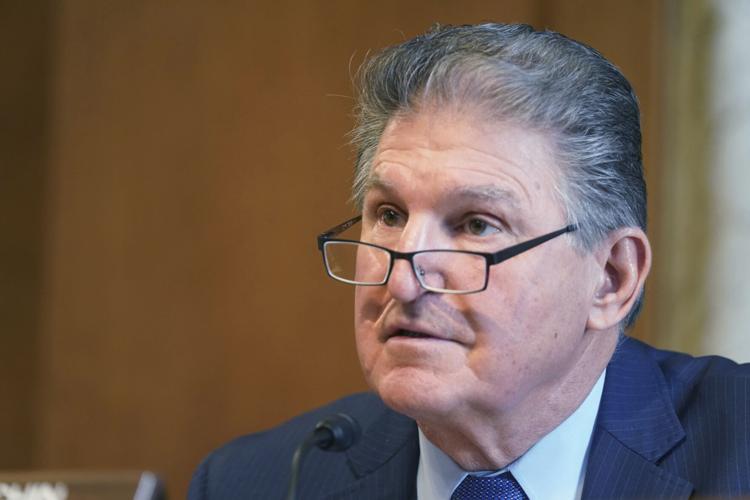
by South Dakota Searchlight staff, Alabama Reflector This story was originally published on South Dakota Searchlight. Senators from South Dakota and West Virginia want hundreds of military officers to receive back pay after an Alabama senator held up their promotions for most of the year. Mike Rounds, a South Dakota Republican, and Joe Manchin, a West Virginia Democrat, announced Friday the introduction of the Military Personnel Confirmation Restoration Act of 2023. The bill comes after Sen. Tommy Tuberville, R-Alabama, ended holds he had placed on hundreds of military promotions in protest of a Pentagon abortion policy. The policy allows armed services members time off and travel reimbursement if they seek an abortion in a state where it remains legal. On Tuesday, Tuberville said he would lift all of his holds except for a handful of four-star general nominees. The men and women who wear the uniform of the United States of America should not be negatively impacted by political squabbles. – Sen. Mike Rounds, R-South Dakota Rounds said Friday in a news release that he, like Tuberville, disagrees with the Pentagon policy and supports “a member of the Senate’s right to hold any nomination.” But, Rounds added, “the men and women who wear the uniform of the United States of America should not be negatively impacted by political squabbles.” “I am pleased to introduce this bipartisan legislation with Senator Manchin to do the right thing and provide military officers and their families with the benefits they have earned for their decades of service and sacrifice,” Rounds said. The press release from Rounds included comments from Manchin, who focused on the affected service members and did not address the abortion policy or the right of senators to hold up nominations. “These men and women are true American heroes and the least we can do in Congress is restore the benefits they have earned and deserve,” Manchin said. The bill co-sponsors include Tuberville. Other co-sponsors are Angus King, I-Maine; Joni Ernst, R-Iowa; Kirsten Gillibrand, D-New York; Richard Blumenthal, D-Connecticut; and Tim Kaine, D-Virginia. South Dakota Searchlight is part of States Newsroom, a network of news bureaus supported by grants and a coalition of donors as a 501c(3) public charity. South Dakota Searchlight maintains editorial independence. Follow South Dakota Searchlight on Facebook and Twitter. Alabama Reflector is part of States Newsroom, a network of news bureaus supported by grants and a coalition of donors as a 501c(3) public charity. Alabama Reflector maintains editorial independence. Follow Alabama Reflector on Facebook and Twitter.
Bill would require federal agencies to buy American flags made in U.S.

A bipartisan bill that would require the U.S. government to buy American flags that are made in the U.S. would have little effect on federal spending, according to a new report. The Congressional Budget Office, a nonpartisan federal agency that produces hundreds of cost estimates for proposed legislation each year, reported the cost of implementing the All-American Flag Act would be “insignificant.” “Using information from the General Services Administration and flag vendors, CBO expects that many vendors already meet the bill’s requirements,” according to the agency’s analysis. “CBO estimates that the costs of implementing S. 1973 would be insignificant.” The measure, Senate Bill 1973, would require that all U.S. flags acquired by the federal government be manufactured in the United States from materials grown, produced, or manufactured domestically. U.S. Sens. Sherrod Brown, D-Ohio, Susan Collins, R-Maine, Joe Manchin, D-W.Va., and Gary Peters, D-Mich., introduced the bill in June. “American flags should be made in America, period,” Brown said in a statement when he introduced the bill. “Today, half of the materials that our women and men in uniform fight under can be made in China.” Brown first introduced the legislation in 2011. Many U.S. flags are made in China. Republished with the permission of The Center Square.
Tommy Tuberville and Joe Manchin propose NIL reform legislation
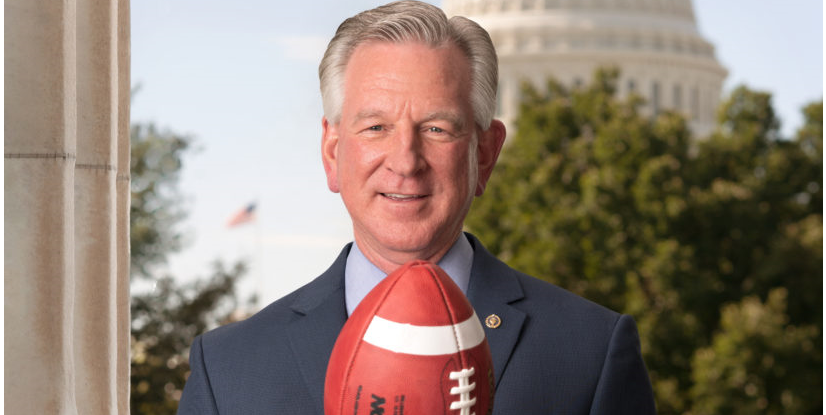
On Tuesday, U.S. Senators Tommy Tuberville (R-Alabama) and Joe Manchin (D-West Virginia) introduced the Protecting Athletes, Schools, and Sports (PASS) Act of 2023 to reform name image and likeness (NIL) standards in college sports. The sponsors say that their legislation protects student-athletes, maintains fair competition and compensation, strengthens transparency, and preserves the time-honored tradition of college sports. “Student-athletes should be able to take advantage of NIL promotional activities without impacting their ability to play collegiate sports,” Sen. Tuberville said. “But we need to ensure the integrity of our higher education system, remain focused on education, and keep the playing field level. Our legislation with Senator Manchin will set basic rules nationwide, protect our student-athletes, and keep NIL activities from ending college sports as we know it.” “As a former college athlete, I know how important sports are to gaining valuable life skills and opening doors of opportunity,” Sen. Manchin said. “However, in recent years, we have faced a rapidly evolving NIL landscape without guidelines to navigate it, which jeopardizes the health of the players and the educational mission of colleges and universities. Our bipartisan legislation strikes a balance between protecting the rights of student-athletes and maintaining the integrity of college sports. I urge my colleagues on both sides of the aisle to consider this commonsense legislation as a way to level the playing field in college athletics.” The sponsors claim that two years after the U.S. Supreme Court decided National Collegiate Athletics Association v. Alston (Alston), this bipartisan legislation would finally create a national standard for Name, Image, and Likeness (NIL). This bill marks the culmination of a year-long initiative in which the Senators actively engaged with stakeholders to create these commonsense guidelines for the NIL system. Specifically, the PASS Act would protect student-athletes by requiring collectives and boosters to be affiliated with a college or school. It would also encourage establishing a national standard for NIL. The PASS Act would preserve Title IX and ensure that nothing in the PASS Act affects the rights of any student-athletes or any programs funded through Title IX. Sponsors say that it also protects higher education institutions by ensuring that schools, conferences, and associations are not liable for their efforts to comply with the PASS Act; and by prohibiting NIL agreements that involve alcohol, drugs, or conflict with existing school and conference licenses. It also requires student-athletes to ask permission to make use of existing intellectual property (IP). Sponsors say that the PASS Act would preserve the future of college sports by prohibiting inducements. They also claim that it also improves the transparency of NIL activities by requiring agents and collectives to register with a regulating body and establishes a public-facing website to publish anonymized NIL data, and enquires all NIL contracts to be disclosed within 30 days. The PASS Act moderate the Transfer Portal by requiring student-athletes to complete their first three years of academic eligibility before allowing them to transfer without penalty, subject to a few exceptions. Tuberville and Manchin say that it ensures the health and safety of student-athletes by guaranteeing health insurance for sports-related injuries for uninsured student-athletes for eight years following graduation from a 4-year institution. The PASS Act would also require institutions generating more than $20 million and $50 million in athletics revenue to pay out-of-pocket expenses for two and four years, respectively. It also requires institutions to honor the original scholarship commitment made to a student-athlete and implements a Uniform Standard Contract for student-athlete use for NIL deals. Sponsors say the bill will also enhance the curriculum on financial literacy, NIL rights, and related legal and regulatory issues while strengthening enforcement and oversight by directing the NCAA to oversee and investigate NIL activities and report violations to the Federal Trade Commission. In June 2021, the NCAA Division I Board of Directors announced an “interim” policy suspending its rules relating to NIL compensation until federal legislation is enacted or until the NCAA adopts new rules. Following this announcement, there has been a push for Congress to act swiftly to provide clarity on NIL compensation. In 2022, Senators Manchin and Tuberville solicited feedback from athletic leaders, including university athletic directors, administrators, associations, collectives, and student-athlete groups, to build consensus around this bipartisan legislation. “The NCAA is transforming how it serves student-athletes by mandating Division I schools offer enhanced health, wellness, and academic protections and is moving ahead to support student-athletes as they monetize their NIL rights, but there are some challenges facing college sports that only Congress can address,” said NCAA President Charlie Baker. “The NCAA is encouraged by the significant, student-athlete centric reforms included in the Protecting Athletes, Schools, and Sports Act of 2023 (“PASS Act”), introduced today in the United States Senate. This important legislation is a major step in the right direction to ensure the health and safety of student-athletes, includes key measures to increase consumer protections and transparency in the NIL market, and aims to protect women’s and Olympic sports. There is clearly growing bipartisan interest in taking legislative action to create a stable, sustainable, and equitable foundation for future generations of student-athletes, and we are committed to working with all stakeholders to get this done.” “Auburn University appreciates the efforts undertaken by Senators Tommy Tuberville and Joe Manchin to create a national framework for NIL that establishes clear rules and addresses the patchwork of conflicting state laws governing collegiate athletics,” said Auburn University President Christopher B. Roberts. “We look forward to continuing to work with these offices, other members of the House and Senate, and the Southeastern Conference as this process continues.” “We love and celebrate collegiate athletics, but the landscape has changed dramatically as schools and student-athletes are now forced to navigate a patchwork of inconsistent regulations regarding Name, Image, and Likeness,” said West Virginia University President Gordon Gee. “This is not sustainable. That is why I am so glad for Sen. Manchin’s leadership and encourage Congress to provide the necessary direction at the federal level to create a pathway for establishing a common set of ground rules related to NIL, as well setting guard rails around the transfer portal.” “We are appreciative to the Senators for
Tuberville tells reporters U.S. must ‘figure out a pathway to reduce spending’

On Tuesday, U.S. Senator Tommy Tuberville told reporters that Congress should be working on the growing national debt but that the Democrats are blocking efforts to address that issue. Currently, the United States has historically low unemployment, record-high federal tax revenues, and no large combat operations overseas for the first time in over 20 years. The COVID-19 global pandemic is behind us, yet the federal government is spending more than $1.5 trillion a year above what the government takes in. Alabama Today asked Tuberville if this was the time to address the deficit. Tuberville argued that the Democrats want to raise taxes, but that would be a mistake. “The American people are taxed to death,” Tuberville said. “We have got to figure out a pathway to reduce spending.” “We cannot live with $32 trillion in debt,” Tuberville said. “We need leadership in the White House to get this over,” Tuberville. “We just raised the debt limit $4 trillion.” “There needs to be a lot of work done in this Congress,” Tuberville said. “We are at $110 billion in Ukraine. I didn’t vote for any of that – and I am for Ukraine.” Tuberville said that if Congress raises taxes, it “is going to run some people out of business.” “We ran a lot of businesses out of business during COVID,” Tuberville argued. Tuberville also spoke out against the Biden Administration’s energy policies. “Our economy is in bad shape, but it is self-inflicted,” Tuberville said. “It is a disaster right now.” “Go to a store, the inflation rate – It is more like 20 to 25 percent. The American people deserve better.” Tuberville was asked about the redistricting issues that are confronting the Legislature. “I have not really looked at it,” Tuberville said. “We have no input.” Tuberville announced that in two weeks, he will announce a bipartisan bill to reform college athletics. “Joe Manchin and I have been working for one year on college athletics. Two weeks from now, Joe Manchin and I will go on stage to introduce our bill. We have got a bill right now. There could be some changes, but I think we are on the right track. Hopefully, we can get it passed. We have to get reality back to college athletics. I have always been for athletes being compensated, but right now, we are putting money over education.” Tuberville said that it is his goal that athletes also have the tools, not just to get paid now, but “to be successful in life after sports.” Senator Tuberville spoke to reporters in Pelham after he addressed the Pelham Chamber of Commerce at the Pelham Civic Center Complex about his work in Washington on behalf of the people of Alabama. To connect with the author of this story or to comment, email brandonmreporter@gmail.com.
Tommy Tuberville defends decision to miss Senate vote to support Donald Trump after indictment
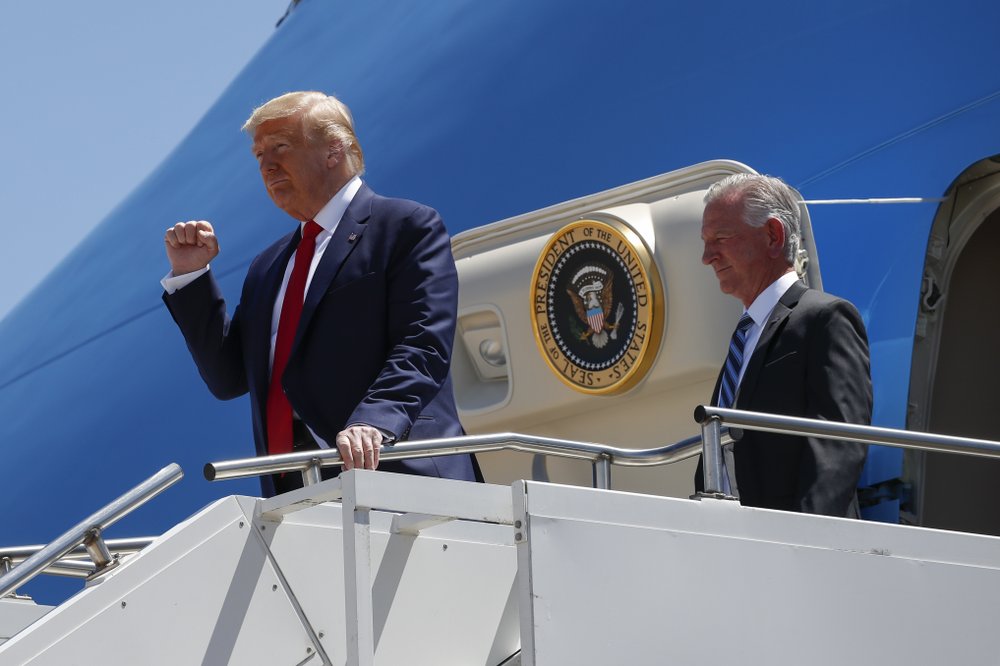
On Wednesday, reporters spoke with U.S. Senator Tommy Tuberville about his decision to miss a Senate confirmation vote on Tuesday to spend time showing support for former President Donald Trump, who has been indicted for allegations of mishandling classified documents. Tuberville defended the decision because he had counted votes, and President Joe Biden’s nominee to chair the Council of Economic Advisers – Jared Bernstein – would have been confirmed anyway. “We have dozens and dozens of votes a week, and yesterday there was a bad nomination that the Democrats and the Biden Administration put up in the financial realm, but I did my due diligence,” Tuberville told reporters in his weekly press call. “I went around, and we counted votes, and my vote wouldn’t have counted. It was going to pass anyway. It was pretty much going to be a pass.” Tuberville said it was a more beneficial use of his time to show his support for President Trump. “I thought it was much more beneficial for me, for the citizens of this country, the citizens of Alabama that like and support Donald Trump,” said Tuberville. “We need a strong person in the White House because this country is in trouble not just abroad, but within our country, especially financially, our economy. We need somebody who can stand up.” Tuberville admitted that he felt that Bernstein was a flawed nominee. “This nominee is not going to be very good,” Tuberville told reporters. “He is going to push the Biden policies that are not very good. I thought it was a lot more important to miss that vote out of very, very many and go support Donald Trump on a day in which he was indicted, a President for the first time in the history of our country, which is embarrassing.” Tuberville argued that if Trump is indicted for having classified documents at his home, then Biden should also be indicted for having classified documents from when he was a U.S. Senator at his home as well. “Joe Biden had thousands of documents that he got when he was a Senator, which if I had that in my house right now, I would be under the jail,” Tuberville said. “And they pretty much search you when you leave. I don’t know how in the world they got that many out of the Senate skiff. It’s really embarrassing to what this is, so number one, that is a huge, huge federal penalty. President Trump’s is not even close to that.” Tuberville insisted that President Trump is being treated differently from other ex-presidents. “President Trump, again, he is covered by the Presidential records act,” Tuberville continued. “As you look and see how this worked out. There are three or four Presidents that are still alive that have done much worse, much worse.” Tuberville said that other people should also be indicted under the precedent set by the DOJ’s indictment of Trump. “Whether President Trump did anything right or wrong, we will find out through this indictment, but there needs to be other people that get indictments very quickly since this one got handed out.” Tuberville voiced his view that there is a political agenda here and warned of possible payback. “We know there is a two-tier justice system,” Tuberville said. “We know what this is about. They don’t want President Trump to run. They don’t want him to win because when he runs, he wins, and when he wins, people are going to go to jail, and so they are fighting him tooth and nail, like they have done for the past six years.” Tuberville has already endorsed President Trump’s bid for the 2024 Republican presidential nomination. Current polling, despite the indictments, have Trump either dead, even with Joe Biden, or leading. One recent Harvard CAPS-Harris poll has Trump leading Biden by as much as six percentage points – and as Trump showed in the 2016 election, he can lose the popular vote and still win an electoral college victory. Only time will tell if these indictments will make a dent in President Trump’s growing popularity. Bernstein was confirmed Tuesday night while Tuberville dined with President Trump in a 50 to 49 vote. U.S. Senator Joe Manchin (D-West Virginia) voted with the Republicans against the nomination. Had Tuberville attended and voted no, then it would have ended in a 50 to 50 tie, with Vice President Kamala Harris breaking the tie to confirm Bernstein. To connect with the author of this story or to comment, email brandonmreporter@gmail.com.
Katie Britt and colleagues introduce bill to allow consumers improve their credit ratings

U.S. Senator Katie Britt joined Sen. Tim Scott (R-South Carolina) in introducing the Credit Access and Inclusion Act to responsibly expand credit access for millions of Americans with limited or non-existent credit histories. The sponsors said that this bipartisan legislation would permit property owners and utility and telecom providers to report payment data to credit reporting agencies, allowing consumers with an established track record of paying their bills on time the additional opportunity to develop a positive credit history. “Hardworking Alabamians and Americans who have demonstrated financial responsibility deserve a pathway to establish and build their credit,” said Sen. Britt. “This bill takes into consideration the varying circumstances and experiences of individuals who hope to achieve their American Dream. Credit reporting is a crucial component in our nation’s economy to establish financial stability for the individual and the lender – this legislation simply incorporates a complete history of on-time payments, like rent and utilities, to reflect an accurate credit score.” “If you pay your bills on time, your credit score should reflect it,” stated Scott. “Americans shouldn’t be held back from purchasing a home, financing their education, or pursuing their dreams simply because their on-time payments don’t happen to count towards their credit scores. This bill will remove needless barriers and help hardworking Americans gain access to credit.” Sens. Britt and Ranking Member Scott in cosponsoring the bill are Senators Joe Manchin (D- West Virginia), Tom Cotton (R-Arkansas), Angus King (I-Maine), Mike Rounds (R-South Dakota), and Cynthia Lummis (R-Wyoming). U.S. Congressman French Hill (R-Arkansas) introduced the bill in the U.S. House of Representatives last week, along with Reps. Tom Emmer (R-Minnesota), David Schweikert (R-Arizona), Michelle Steel (R-California), Young Kim (R-California), Maria Elvira Salazar (R-Florida), and Byron Donalds (R-Florida). According to information provided by Sens. Britt and Scott, approximately 26 million Americans are “credit invisible,” meaning they lack credit records or a history of traditional payments, such as student loans, car loans, or mortgage payments. Having no credit or thin credit makes economic mobility difficult and hampers an individual’s ability to purchase a home, take out student loans, buy a car, or even get a job. The Credit Access and Inclusion Act allows credit bureaus to collect payment data for services not traditionally factored into credit reporting, such as rent, internet, phone, electricity, and utility payments. Factoring these payments into credit reporting would expand credit histories and generate credit scores for consumers who were previously “unscorable.” Many Americans who don’t have credit cards, mortgages, car payments, etc., don’t have enough open accounts to generate a credit score. Some people, however, are just starting out in life, while some people with no credit accounts may have significant actual wealth. Katie Britt is a member of the Senate Committee on Banking, Housing, and Urban Affairs. To connect with the author of this story or to comment, email brandonmreporter@gmail.com.
Tommy Tuberville and colleagues introduce bipartisan legislation to encourage Americans to pursue skills training and credentialing programs
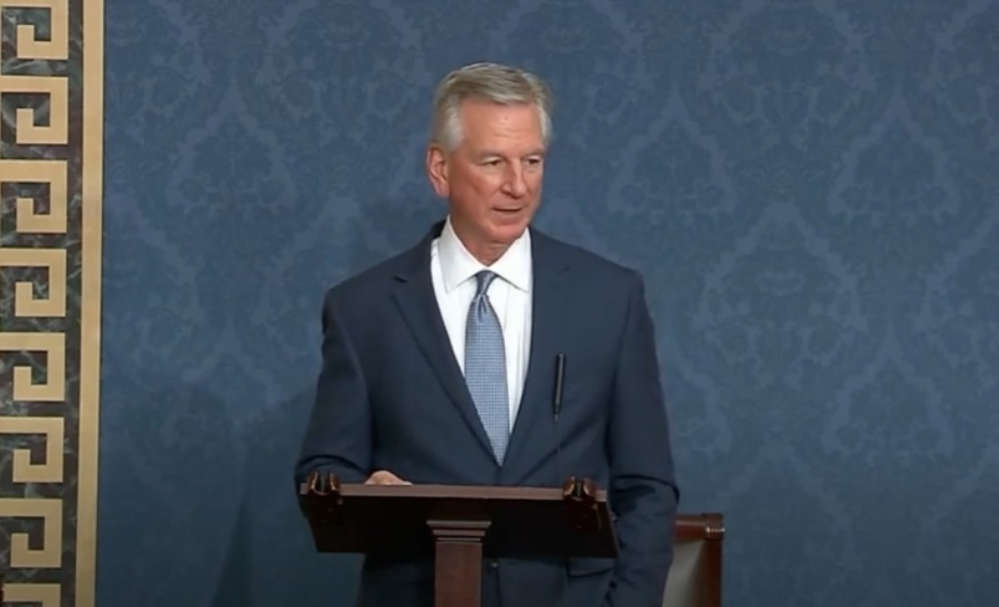
U.S. Senator Tommy Tuberville (R-Alabama) joined a group of bipartisan colleagues to reintroduce the Freedom to Invest in Tomorrow’s Workforce Act. The legislation would support economic growth and workforce development by allowing Americans to use ‘529’ education savings accounts for skills training, credentialing, and certification programs. Under current law, workers and their families can only use ‘529’ accounts to pay for college, university, and vocational school expenses. “During my four decades as a coach and educator, I met many students with unique skills they learned and applied outside of a traditional classroom setting,” said Sen. Tuberville. “Our economy cannot grow without skilled workers, and it’s important we incentivize Americans to pursue careers that both align with their interests and fill crucial gaps in our workforce. Not all of those valuable careers require college degrees. This legislation allows savings accounts set aside for education to be applied to other forms of training and certification.” The legislation is cosponsored by U.S. Sens. Amy Klobuchar (D-Minnesota), Mike Braun (R-Indiana), Tammy Duckworth (D-Illinois), Susan Collins (R-Maine), Dianne Feinstein (D-California), Joe Manchin (D-West Virginia), Martin Heinrich (D-New Mexico), and Peter Welch (D-Vermont). “Skills training and development programs help provide people with the tools and resources they need to succeed in our economy,” said Sen. Klobuchar. “By allowing workers to use their ‘529’ educational savings to pay for additional training and certification, our bipartisan legislation will enable more Americans to access and benefit from these valuable programs.” “Every high school student in America needs to know that you don’t necessarily have to go to college to have a great career,” said Braun. “By expanding opportunities and access to skills training programs, and letting Americans use their ‘529’ education savings to pay for it, we can address the nationwide skills shortage and fill American jobs,” said Braun. Tuberville spent four decades working with young adults as a coach and educator. Now he is a vocal advocate for improving workforce development and skills training throughout the United States. Tuberville has argued that career and technical education programs like dual enrollment and apprenticeships should be considered respectable paths to opportunity, not second-rate. As the baby boomers leave the workforce, many industries, including trades, are struggling to fill the void. According to a study by the American Action Forum, over the next decade, the USA could face a shortage of about 765,000 needed workers with the skills that come from an associate degree or some college. The figure for workers needing a bachelor’s degree or higher is about 8.62 million. This translates to about 5.6 percent of the estimated 2029 labor force. According to their report, Alabama has a projected shortage of 43,000 credentialed/associate degree workers and 129,000 four-year college graduates and higher. The health sector is already feeling shortages of 2-year nursing graduates (ADNs), 4-year nursing graduates (RNs), doctors, and specialists. Tommy Tuberville is in his first term representing Alabama in the United States Senate following a successful coaching career. He is a member of the Senate Armed Services, Agriculture, Veterans Affairs, and HELP Committees. To connect with the author of this story or to comment, email brandonmreporter@gmail.com.
Joe Biden rallies Senate Democrats, endorses Republican measure
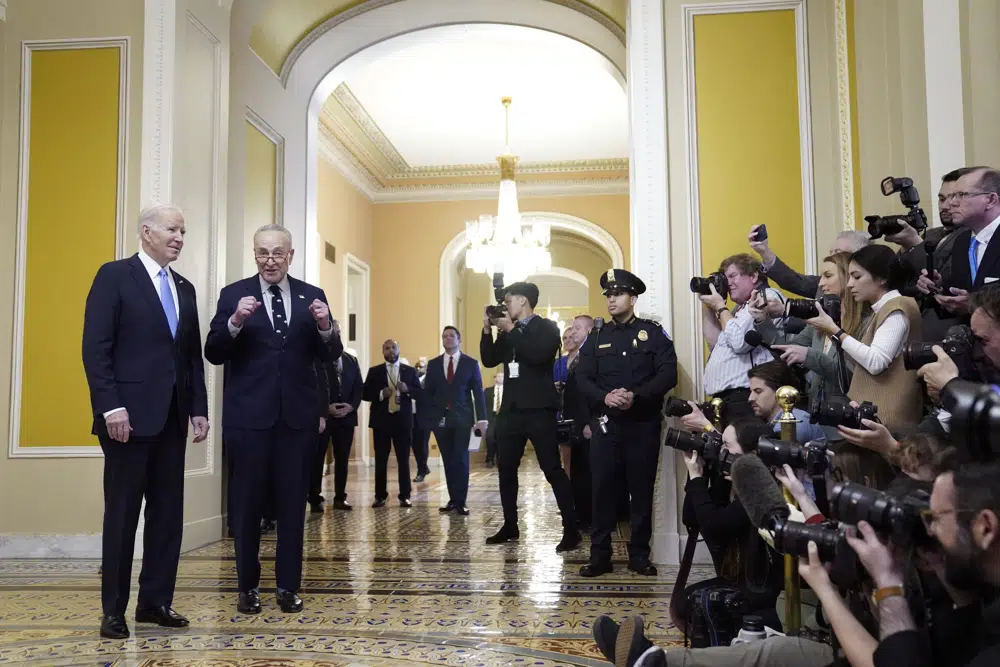
President Joe Biden visited the Senate on Thursday to demonstrate unity among Democrats — but he ended up endorsing a Republican priority instead. With Democrats acknowledging they cannot get much done in the closely divided Congress, Biden has pledged to try to find areas where the two parties can agree. He made good on that promise in remarks at a caucus luncheon, telling senators that he will sign a GOP-backed measure to overturn changes to the criminal code in the District of Columbia. Biden later tweeted: “I don’t support some of the changes D.C. Council put forward over the mayor’s objections — such as lowering penalties for carjackings. If the Senate votes to overturn what D.C. Council did — I’ll sign it.” Accompanying Biden as he left the luncheon, Senate Majority Leader Chuck Schumer said he believes “we can get a lot of good bipartisan stuff done in these two years” and that Democrats “are filled with unity, optimism — and optimism about 2024.” Even so, Schumer’s Democratic Senate has been largely immobilized this year as the newly Republican House has shown little appetite for compromise. In addition, a string of Senate Democrats have been absent due to health issues, and some moderate senators facing reelection next year are voting with Republicans. While Schumer gained a coveted extra seat for his party in the November elections, bringing the margin to 51-49, Democrats have not yet been able to use their majority to advance any of their policy goals. Schumer has repeatedly focused on Democratic accomplishments in the last Congress, helped by the then-Democratic-led House, in lieu of making promises about the current session. “If the last two years focused on getting our agenda passed into law, one of the focuses of our lunch will be on how the next two years will be about implementing that agenda,” Schumer said on the Senate floor Thursday morning as he previewed Biden’s visit. In the absence of Democratic legislation, Republicans are finding some success advancing their own policy goals — by forcing votes on Biden administration regulations that they see as overly burdensome. The Republican resolution that Biden said he will support would override the District of Columbia’s effort to overhaul how the city prosecutes and punishes crime as the local murder rate has skyrocketed. The House passed the same measure last month with some Democratic support. As they left the caucus meeting with Biden, several Democratic senators said they will support, or are considering supporting, the Republican effort to repeal the changes to the D.C. criminal code. “If anything, we should be increasing penalties for certain offenses,” Sen. Bob Casey of Pennsylvania said. He said he will vote to overturn the changes to the D.C. code. On Wednesday, the Senate voted to overturn a new rule set by the Department of Labor over the way asset managers consider climate change and “environmental, social and governance” factors in investments for retirement plans. It was able to pass with the support of Democratic Sens. Joe Manchin of West Virginia and Jon Tester of Montana, who are both up for reelection next year. Biden has said he will veto that and keep the rule in place. Republicans are forcing the simple-majority votes by using the Congressional Review Act, which allows Congress to overturn certain regulations that have been in place for a short time. Those votes are some of the only policy measures that have been considered this year, as Schumer has put a raft of judicial and executive branch nominations up for votes instead of legislation that has little chance of becoming law. Democrats have had to hold back on some of the more controversial nominations, as well, as members of the caucus have had extended absences. New Pennsylvania Sen. John Fetterman is gone for several weeks dealing with clinical depression after he suffered a stroke last year. California Sen. Dianne Feinstein said Thursday that she has been hospitalized in San Francisco with a case of shingles. And Pennsylvania Sen. Bob Casey returned from a short absence this week after undergoing surgery for prostate cancer. Schumer said Monday that Biden’s visit would also be focused on the contrast between Democratic policy priorities and House Republicans — and the dilemma that the House GOP faces as conservatives insist on budget cuts in exchange for raising the country’s debt limit, action that must come this year to avoid a default. “We’ll talk to the president about how we can make sure Americans see that contrast,” Schumer said before Biden’s visit. Republished with the permission of The Associated Press.
Katie Britt and Tommy Tuberville join bipartisan group to support rural hospitals

On Friday, U.S. Senators Katie Britt and Tommy Tuberville joined a bipartisan group of fourteen Senators urging the extension of a policy that is helping rural hospitals in states like Alabama continue to deliver quality care. The two Alabama Republicans joined in a letter to Centers for Medicare and Medicaid Services (CMS) Administrator Chiquita Brooks-LaSure formally requesting a four-year extension of the Low Wage Index Hospital Policy, which allows hospitals in rural areas to compete for and retain high-quality staff by increasing reimbursements to hospitals in rural areas with lower overall wages. Without action, Medicare payments to these hospitals will reduce after September 30, 2023. Sen. Britt is a member of the subcommittee for Labor, Health and Human Services, Education, and Related Agencies of the Senate Committee on Appropriations. “Our rural families and communities depend on the medical services and potentially life-saving treatments that local hospitals provide,” said Sen. Britt. “Every Alabamian deserves access to quality care and the opportunity to thrive in safe, strong communities – no matter their zip code.” The four-year AWI adjustment by CMS for bottom quartile hospitals was first passed by the Trump administration in August 2019. Then, Sens. Richard Shelby and Doug Jones represented Alabama in the Senate. “For two decades, Alabama has been fighting the unfair Medicare reimbursements and today receives a rate that is just 67 percent of the national average,” Sen. Jones explained in 2019. “This rule adjustment will bring balance to Medicare reimbursement for Alabama, particularly our rural hospitals and hospitals across the country,” explained then-Sen. Shelby. “For years, I’ve been working with Alabama’s hospitals and the delegation to advocate for increased Medicare reimbursements for Alabama’s hospitals, which are currently reimbursed at the lowest rates in the country,” Congresswoman Terri Sewell stated when the rule was passed. “Today’s announcement is great news for Alabama’s hospitals, especially those in rural areas of the state where every dollar counts. With over 88 percent of rural Alabama hospitals operating in the red, it is critical that we do everything we can to help our hospitals provide the services needed to keep Alabamians healthy. Recalculating the way Medicare reimburses Alabama hospitals is a crucial step in achieving that goal.” “Unfortunately, due to disruptions in the marketplace caused by the COVID-19 pandemic, we have not had the opportunity to see the true impact of the Low Wage Index Hospital Policy envisioned by CMS,” the Senators wrote in their letter. “Extending the Low Wage Index Hospital Policy for four additional years will allow hospitals and the agency to better understand the policy’s true impact in a more normal environment.” Senators Britt and Tuberville were joined by Senators Mark Warner (D-Virginia), Marsha Blackburn (R-Tennessee), Tim Kaine (D-Virginia), Joe Manchin (D-West Virginia), John Boozman (R-Arkansas), Shelley Moore Capito (R-West Virginia), Roger Wicker (R-Mississippi), Cindy Hyde-Smith (R-Mississippi), Bill Hagerty (R-Tennessee), James Lankford (R-Oklahoma), Tim Scott (R-South Carolina), and Tom Cotton (R-Arkansas). Without a renewal and extension of the rule, CMS will revert back to compensating rural hospitals at 60 to 75% of the rates as hospitals in many major metropolitan areas based on the assumption that the cost of living and, thus, wages are less in the rural areas. The difficulty with that theory is that there is an intense nationwide competition for medical professionals who all go to the same medical and nursing schools. Rural hospitals already struggle to hire competent medical professionals due to the small rural populations. This means fewer patients seeking care, particularly specialized care, than in a major city hospital. If Medicare and Medicaid reimburse those hospitals for significantly less than the major hospitals will, then attracting and retaining staff at the rural hospitals becomes problematic. To connect with the author of this story or to comment, email brandonmreporter@gmail.com.
Joe Manchin pushes to delay tax credits for electric vehicles

Ratcheting up his criticism, Democratic Sen. Joe Manchin on Wednesday moved to delay new tax credits for electric vehicles, a key feature of President Joe Biden’s landmark climate law. Manchin said guidelines issued by the Treasury Department allow manufacturers in Europe and other countries to bypass requirements that significant portions of EV batteries be produced in North America. The climate law, officially known as the Inflation Reduction Act, “is first and foremost an energy security bill,” Manchin said, adding that the EV tax credits were supposed “to grow domestic manufacturing and reduce our reliance on foreign supply chains for the critical minerals needed to produce EV batteries.″ Manchin’s bid to delay the tax credits surfaced as Energy Secretary Jennifer Granholm and White House climate adviser Ali Zaidi visited the Washington, D.C., Auto Show on Wednesday to highlight the administration’s efforts to boost electric vehicles and related infrastructure. EV sales have tripled since Biden, a Democrat, took office two years ago, Granholm said. There are now more than 2 million EVs and 100,000 chargers on U.S. roadways, with more than $100 billion invested or pledged for EVs and their supply chains, including batteries, she said. While batteries and components have long been manufactured in China, “we’re going to bring that manufacturing home,″ Granholm told reporters. “We’re going to give Americans the chance to drive American vehicles made by American workers — and that is only going to compound as Americans start to drive these vehicles and realize how great they are,″ she said. “The demand is going to go very high. We expect that by 2030, half of all the vehicles sold in the United States will be electric.″ Granholm and the White House declined to comment on Manchin’s bill, but the measure by the West Virginia lawmaker is unlikely to gain traction in the Senate, where Democrats hold a slim majority and have shown no inclination to reopen a bill they just passed on a party-line vote. During the midterm election campaign, Republicans criticized Biden and other Democrats for supporting electric vehicles, citing their relatively high costs and batteries made in China. Tax credits of up to $7,500 per vehicle are intended to spur EV sales and domestic production of vehicles and batteries while reducing planet-warming greenhouse gas emissions. European and Asian allies, including French President Emmanuel Macron, have criticized the rules as unfair to foreign manufacturers. While Macron applauded Biden’s efforts to curb climate change, he said during a visit to Washington that subsidies in the new law could be an enormous problem for European companies. Biden acknowledged “glitches” in the legislation but said, “there’s tweaks we can make” to satisfy allies. Manchin’s bill follows a decision by the Treasury Department to delay rules on battery contents and minerals until March while allowing the rest of the program to be implemented on January 1. The Manchin bill directs Treasury to stop issuing tax credits for vehicles that don’t comply with battery requirements. “The United States is the birthplace of Henry Ford, who revolutionized the automotive industry,″ Manchin said, calling it “shameful that we rely so heavily on foreign suppliers, particularly China, for the batteries that power our electric vehicles.″ Manchin, chairman of the Senate Energy and Natural Resources Committee, was a crucial vote in passing the climate law, which was adopted without support from any Republican in the House or Senate. He has said exemptions approved by the Treasury — including one that allows tax credits for EVs purchased for commercial use, such as leasing or ride-sharing, even if they are foreign-made — undermine the law’s intent to reduce U.S. dependence on foreign countries, including adversaries, and create jobs in the United States. At the World Economic Forum in Davos, Switzerland, last week, Manchin said he did not realize the European Union does not have a free trade agreement with the U.S. when Democrats passed the EV restrictions. He told reporters at the Capitol this week that European countries should reconsider their own policies for promoting clean energy, and the U.S. could work on a trade deal. “Whether I realized it or not, they need to hopefully get that together, and let’s get a free trade agreement,” Manchin said. Senate Finance Committee Chairman Ron Wyden, D-Ore., has said he has no interest in reopening the climate law, which passed after more than a year and a half of sometimes contentious negotiations. John Bozzella, president of the Alliance for Automotive Innovation, an industry trade group, said Manchin’s bill would only add confusion to an already complicated EV tax credit that many drivers — and even some car dealers — don’t fully understand. “We want to make sure we don’t increase confusion for customers who might be confused already about what qualifies for a tax credit,” Bozzella said, “so I’m not quite sure what the value of the new legislation is.” Republished with the permission of The Associated Press.
Senate passes defense bill rescinding COVID vaccine mandate
A bill to rescind the COVID-19 vaccine mandate for members of the U.S. military and provide nearly $858 billion for national defense passed the Senate on Thursday and now goes to President Joe Biden to be signed into law. The bill provides for about $45 billion more for defense programs than Biden requested and roughly 10% more than last year’s bill as lawmakers look to account for inflation and boost the nation’s military competitiveness with China and Russia. It includes a 4.6% pay raise for servicemembers and the Defense Department’s civilian workforce. The Senate passed the defense policy bill by a vote of 83-11. The measure also received broad bipartisan support in the House last week. To win GOP support for the 4,408-page bill, Democrats agreed to Republican demands to scrap the requirement for service members to get a COVID-19 vaccination. The bill directs Defense Secretary Lloyd Austin to rescind his August 2021 memorandum imposing the mandate. Before approving the measure, the Senate voted down a couple of efforts to amend it, including a proposal from Sen. Joe Manchin, D-W.Va., to speed the permitting process for energy projects. The effort had drawn fierce opposition from some environmental advocacy groups who worried it would accelerate fossil fuel projects such as gas pipelines and limit the public’s input on such projects. Manchin, who chairs the Senate Energy Committee, secured a commitment from Biden and Democratic leaders last summer to support the permitting package in return for his support of a landmark law to curb climate change. Machin’s legislation sets deadlines for completion of National Environmental Policy Act reviews for major energy and natural resource projects. It would require courts to consider litigation involving energy project permits on an expedited basis. It also directs federal agencies to permit the completion of a natural gas pipeline in his home state and Virginia “without further administrative or judicial delay or impediment.” “We’re on the verge of doing something unbelievable, but let me tell you, most of it will be for naught. Because without permitting reform, the United States of America is more litigious than any nation on earth,” Manchin told colleagues. Biden voiced his support for Manchin’s legislation a few hours before Thursday’s vote. He said far too many projects face delays and described Manchin’s amendment “as a way to cut Americans’ energy bills, promote U.S. energy security, and boost our ability to get energy projects built and connected to the grid.“ Not only did some environmental advocacy groups bash Manchin’s proposal, but so did many Republicans. Minority Leader Mitch McConnell, R-Ky., said it didn’t go far enough, calling it “reform in name only.” The amendment fell short of the 60 votes needed for passage, 47-47. An amendment from Sens. Ron Johnson, R-Wis., and Ted Cruz, R-Texas, also went down to defeat. It would have allowed for the reinstatement of those service members discharged for failing to obey an order to receive the COVID-19 vaccine and compensate them for any pay and benefits lost as a result of the separation. “People serving our military are the finest among us. Over 8,000 were terminated because they refused to get this experimental vaccine, and so I’m urging all of my colleagues to support Senator Cruz’s and my amendment,” Johnson said. But opponents worried about the precedent of rewarding members of the military who disobeyed an order. Rhode Island Sen. Jack Reed, the Democratic chairman of the Senate Armed Services Committee, said orders are not suggestions; they are commands. “What message do we send if we pass this bill? It is a very dangerous one,” Reed said. “What we’re telling soldiers is, ‘if you disagree, don’t follow the order, and then just lobby Congress, and they’ll come along, and they’ll restore your rank, or restore your benefits, or restore everything.’” The amendment failed, with 40 senators supporting it and 54 opposing it. The defense bill sets policy and provides a roadmap for future investments. Lawmakers will have to follow up with spending bills to bring many provisions to reality. It’s one of the final bills Congress is expected to approve before adjourning, so lawmakers were eager to attach their top priorities to it. The directive to rescind the vaccine mandate for service members proved to be among the most controversial provisions, but Democrats agreed to it to allow the bill to advance. As of early this month, about 99% of the active-duty troops in the Navy, Air Force, and Marine Corps had been vaccinated, and 98% of the Army. Service members who are not vaccinated are not allowed to deploy, particularly sailors or Marines on ships. There may be a few exceptions to that, based on religious or other exemptions and the duties of the service member. The vaccination numbers for the Guard and Reserve are lower, but generally, all are more than 90%. Republished with the permission of The Associated Press.
House passes defense bill scrapping COVID vaccine mandate
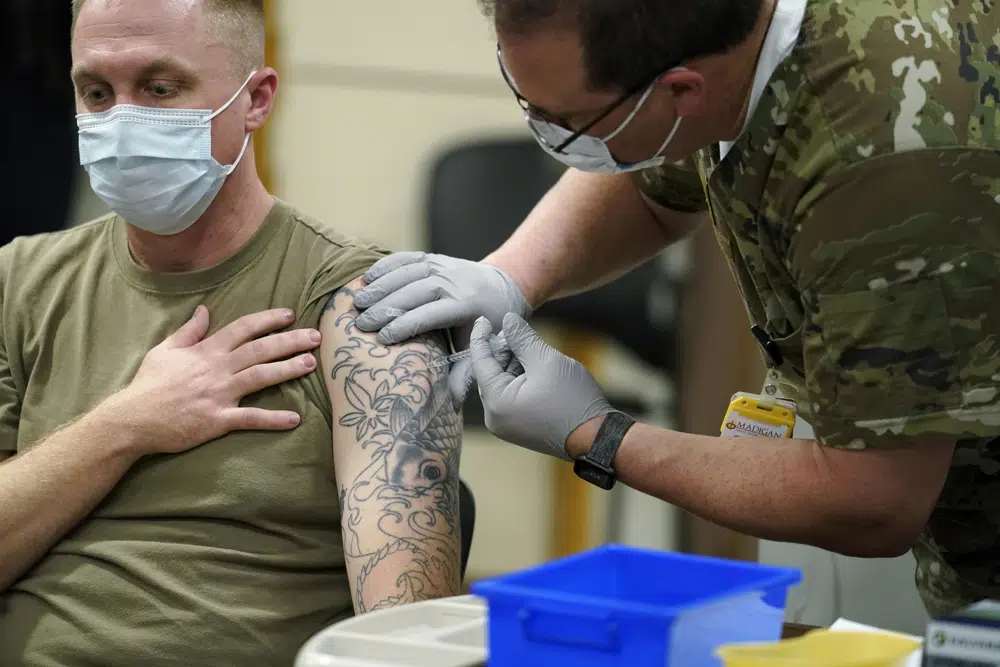
A bill to rescind the COVID-19 vaccine mandate for members of the U.S. military and provide nearly $858 billion for national defense passed the House on Thursday as lawmakers scratch off one of the final items on their yearly to-do list. The bill provides for about $45 billion more for defense programs than President Joe Biden requested, the second consecutive year Congress significantly exceeded his request, as lawmakers seek to boost the nation’s military competitiveness with China and Russia. The House passed the bill by a vote of 350-80. It now goes to the Senate, where it is expected to pass easily, then to the president to be signed into law. To win bipartisan support for the bill, Democrats agreed to Republican demands to scrap the requirement for service members to get a COVID-19 vaccination. The bill directs Defense Secretary Lloyd Austin to rescind his August 2021 memorandum imposing the mandate. Only days earlier, he voiced support for keeping the mandate in effect. Rep. Adam Smith, Democratic chairman of the House Armed Services Committee, told colleagues that the decision to impose the vaccine mandate was the right call at the time. “It saved lives, and it made sure that our force was as ready as it could possibly be in the face of the pandemic,” Smith said. But, he said the directive only required the initial vaccination, and by now, that protection has worn off. “It’s time to update the policy,” Smith said. Republicans said the mandate hurt recruiting and retention efforts. Rep. Mike Rogers, top Republican on the House Armed Services Committee, said he intends in the next Congress to examine who was adversely affected by the mandate, “so we can try to revisit that and make them whole to the extent desirable.” More than 8,000 active-duty service members were discharged for failure to obey a lawful order when they refused the vaccine. “Some of the folks who have moved on are not going to want to come back,” said Rogers, who will become chairman of the Armed Services Committee in the next Congress. Smith said he opposed efforts to reward those service members who disobeyed a military order. “Orders are not optional in the United States military,” Smith said. “And if Congress expresses the opinion that they are, I cannot imagine anything that would more significantly undermine the good order and discipline within our military.” Military leaders have argued that troops for decades have been required to get as many as 17 vaccines in order to maintain the health of the force, particularly those deploying overseas. Recruits arriving at the military academies or at basic training get a regimen of shots on their first day — such as measles, mumps, and rubella — if they aren’t already vaccinated. And they routinely get flu shots in the fall. Service leaders have said that the number of troops who requested religious or other exemptions to any of those required vaccines — prior to the COVID pandemic — was negligible. The politicization of the COVID-19 vaccine, however, triggered an onslaught of exemption requests from troops. As many as 16,000 religious exemptions have been or are still pending, and only about 190 have been approved. Small numbers of temporary and permanent medical exemptions have also been granted. While the rescission of the COVID-19 vaccine mandate has generated much attention, it takes up one paragraph of what is a 4,408-page bill. The defense policy legislation is critical in shaping the military’s future. It sets the maximum number of service members authorized to be in the various branches of the military. It authorizes money for specific major weapons programs, and it establishes pay and benefits. This year’s bill authorizes money to support a $4.6% pay raise for military members and the Defense Department’s civilian workers. The bill also authorizes $800 million in additional security assistance for Ukraine and calls for a report on whether any gaps exist in the oversight of aid to that country. That addresses the concerns of some Republicans who have been calling for a more detailed accounting of how the money has been spent. The legislation received broad support from House members of both political parties. Opposition came from 45 Democrats and 35 Republicans. Some Democrats said the bill authorized too much defense spending. “While working families are being crushed by inflation, we shouldn’t be spending $45 billion MORE than the President requested,” tweeted Rep. Mondaire Jones, D-N.Y. Rep. Troy Nehls, R-Texas, said stripping the vaccine mandate did not go far enough. “We must rehire these heroes with mandatory backpay,” he said of those who were kicked out for refusing the vaccine order. White House press secretary Karine Jean-Pierre defended the Pentagon’s COVID vaccination policy but said Biden would judge the bill “on its entirety.” “What we think happened here is Republicans in Congress have decided that they’d rather fight against the health and well-being of our troops than protecting them,” Jean-Pierre said. “And we believe that it is a mistake.” The defense policy bill also has a variety of environmental measures, such as legislation to boost healthy choral reefs, enhance marine mammal research and eliminate shark fin sales. Lawmakers failed in some instances to attach their priorities to the bill, such as an effort to prevent federal banking regulators from imposing penalties on banks that offer services to cannabis-related businesses. Also left out was legislation from Sen. Joe Manchin, D-W.V.., to speed permits for natural gas pipelines and other energy projects, including a pipeline project in his home state and Virginia. Republished with the permission of The Associated Press.
